
| EXCLUSIVE CIVIL LIBERTIES DOC |
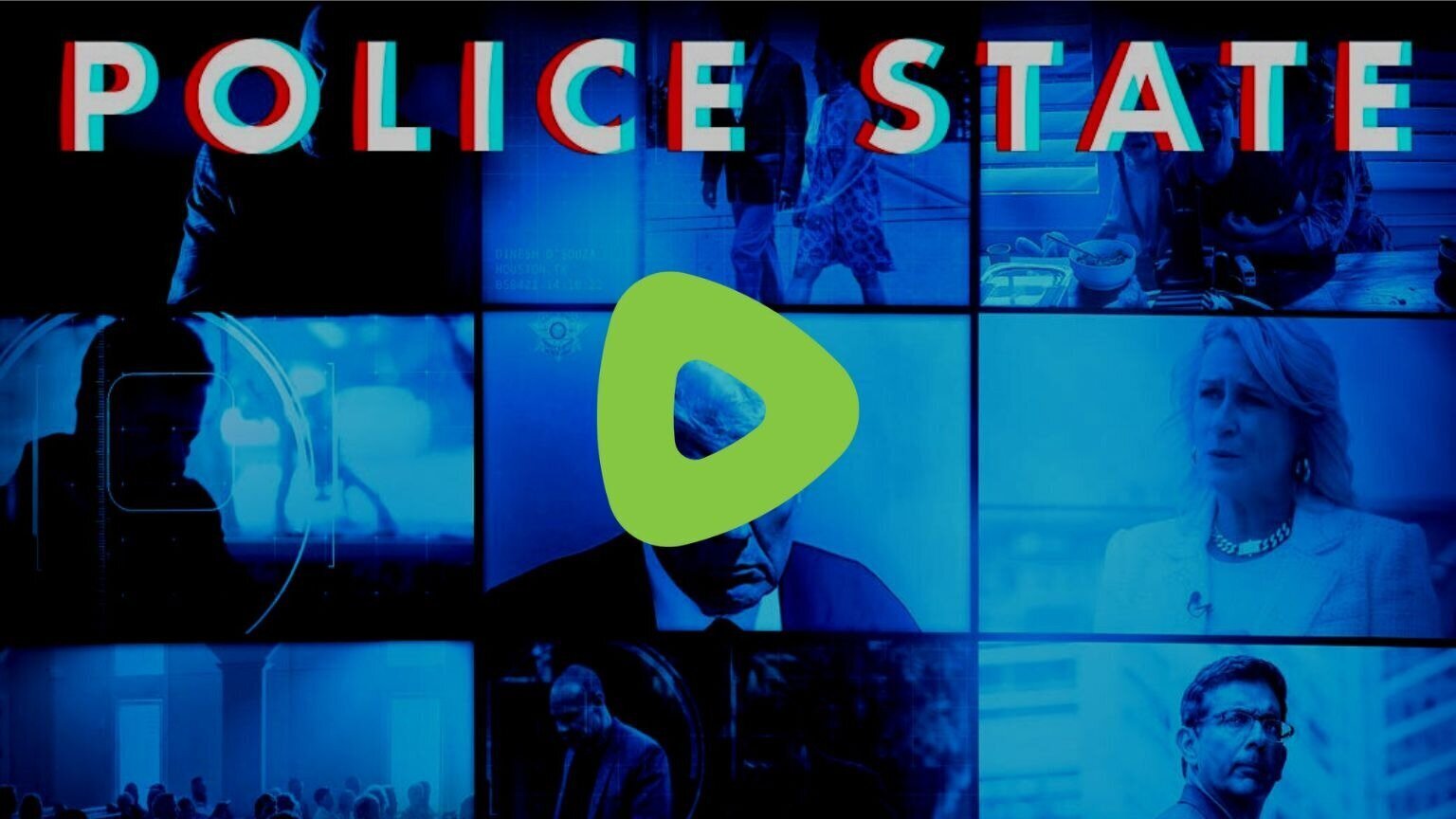 |
| Rumble, the rapidly expanding video-sharing platform and provider of cloud services, has revealed the launch of exclusive film content, featuring an explosive piece of cinema from political filmmaker and author, Dinesh D’Souza. His latest film, titled “Police State,” has created waves by aligning itself with free speech and anti-censorship ideals, displaying a commitment to the unfiltered dissemination of content. The film, co-created alongside political commentator Dan Bongino, will be accessible on Rumble and Locals from October 28th. In the face of rampant online censorship, D’Souza’s “Police State” intends to shed light on the impending risks to American civil liberties. Recognizable for his uniquely unfiltered voice, D’Souza aims to expose the encroaching threat of a police state in a country that has traditionally valued individual freedoms above all else. |
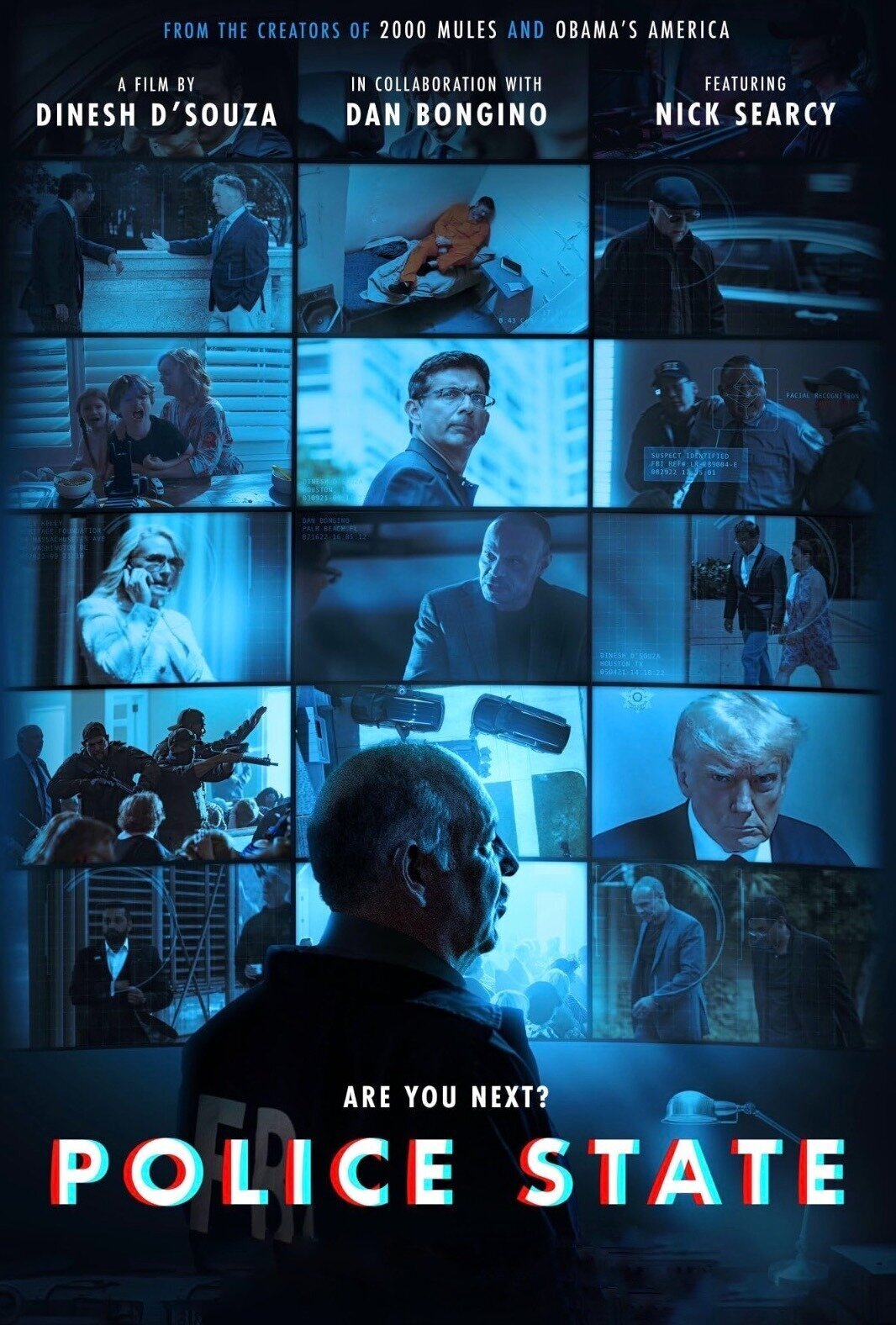 |
| The film also underlines the urgency of recognizing an increasingly invasive state machinery. For D’Souza, this project represents not just a movie but an urgent call to action. In this vein, he voiced his pleasure to be streaming his utmost critical work on uncensored platforms such as Rumble and Locals. “This movie will expose the threat to the basic rights of Americans and the alarming movement toward the country becoming a police state,” said D’Souza. “It’s my most urgent and powerful film, and I’m delighted to be streaming it on Rumble and Locals.” Rumble, known for its mission to challenge cancel culture and encourage the unimpeded flow of ideas, has welcomed the addition of D’Souza’s latest pivotal work. Chris Pavlovski, Rumble Chairman and CEO, expressed his enthusiasm about the progress they have been making with their pay-per-view functionality. “We’ve made a lot of progress with our pay-per-view functionality, and we are excited to bring this movie to the platform,” said Pavlovski. “With a significant following and an impressive portfolio of movies, D’Souza is a powerful voice, and we expect a great turnout,” he added. Dinesh’s Locals community includes access to stream “Police State.” Members will also gain access to exclusive live streams and other films like “2000 Mules.” |
| HYPOCRITICAL |
 |
| The Albanese administration’s pursuit of overreaching legislation intended to tackle “false” content on social media platforms is drawing sharp criticism and questions about its implications for free speech. A notable exclusion from this potential crackdown is the very government pushing for it. This exemption, which would allow government messages to bypass these stringent regulations, was questioned by Independent Senator David Pocock. He rightly posited why governmental communications should remain unexamined when content from other entities would be under scrutiny. To many, the exemption smells suspiciously like a double standard, allowing the government to avoid the very accountability they seek to impose on others. “It would not ‘pass the pub test’ for the exemption to stand when the laws were eventually introduced,” Senator Pocock remarked. Assistant Minister for Infrastructure Carol Brown rushed to defend the exemption, stating that it is intended to prevent critical emergency communications from the government being accidentally removed by social media platforms. Special Minister of State Don Farrell, who oversees electoral matters, conveyed the complexity of the issue. “It’s a difficult topic,” he admitted. The balance between preserving free speech and battling misinformation is indeed a delicate one. Senator Farrell remarked, “You don’t want to stop free speech in this country, and we do want people to be able to express their views, even if you consider them crazy and so forth.” |
| PUSHING BACK AGAINST LAWMAKERS |
 |
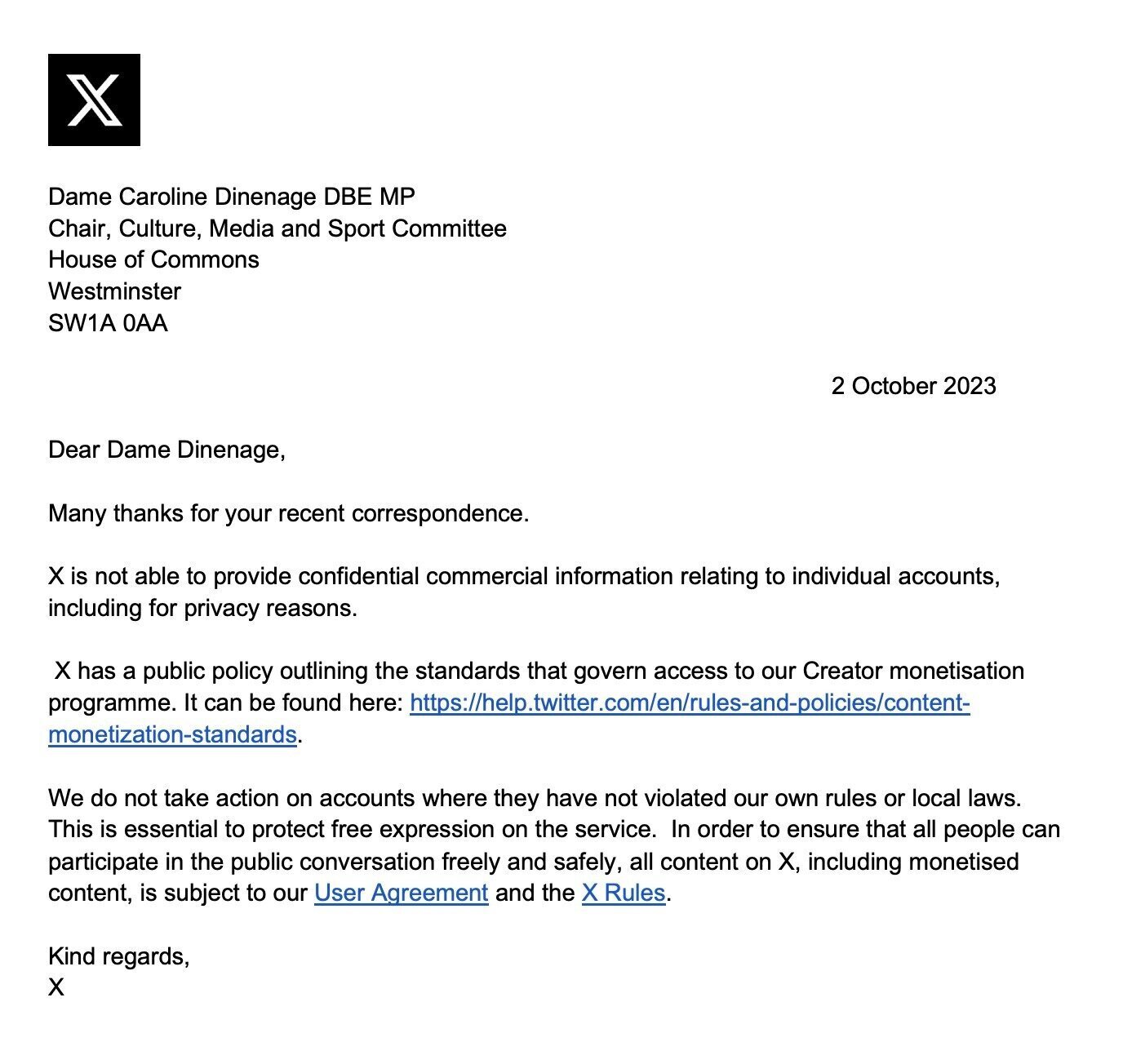
| Demonstrating its commitment to upholding principles of free expression, Twitter recently affirmed that it would continue to financially support comedian Russell Brand, refusing to be swayed by mere accusations leveled against him. Elon Musk has promoted the position of not penalizing account holders unless they deviate from the platform’s guidelines or violate local laws. Detailing its stance in a letter addressed to Dame Caroline Dinenage, who chairs the Commons Culture, Media, and Sport committee, and who was widely criticized for asking platforms whether they would allow Brand to earn a living from online platforms, the company explained that its resolution to allow Brand’s financial pursuits on the platform aligns with its intent to protect free expression. The company said: “X is not able to provide confidential commercial information relating to individual accounts, including for privacy reasons.” It added: “We do not take action on accounts where they have not violated our own rules or local laws. This is essential to protect free expression on the service. In order to ensure that all people can participate in the public conversation freely and safely, all content on X, including monetised content, is subject to our User Agreement and the X Rules.” |
 |
| X’s chosen course of action resonates with perspectives against encroachments on free speech and accentuates the necessity for platforms to observe impartiality, without resorting to knee-jerk reactions based on unproven insinuations. This development comes after YouTube barred Brand from generating revenue from his account in the wake of allegations implicating him in incidents of sexual assault, which purportedly transpired between 2006 and 2013. This was based on allegations alone, despite Brand not being convicted, or even charged with such offenses. Consequently, Dinenage had sought an audience with Linda Yaccarino, X’s CEO, expressing apprehensions regarding the comedian’s ability to monetize his content on the platform amid the accusations. She also queried whether Musk had influenced the decision-making process pertaining to Brand’s case, given the billionaire owner’s public defense of the comedian. |
| INVASIVE |
 |
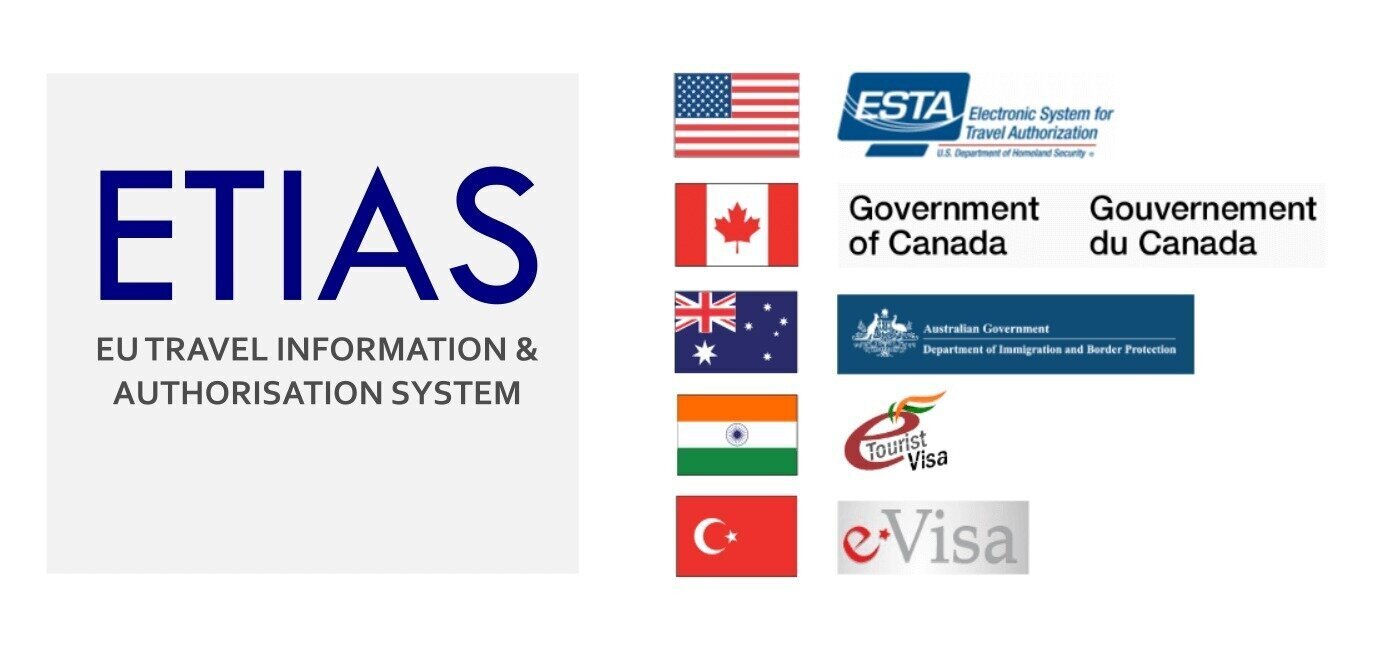
| A significant shift is looming in the way American citizens will be allowed to enter a large majority of European nations. The European Travel Information and Authorization System (ETIAS), an arm of the European Union, has unveiled its plans to implement a system in Spring 2025, requiring Americans to secure prior approval for travels up to 90 days in any of the 30 EU countries. This is a departure from the current practice where US travelers enjoy effortless entry into these countries without a visa requirement. However, the new regulation will insist on individuals proceeding with their travels only after registering their intent via the official ETIAS website or mobile application, both of which currently do not process such requests. |
 |
| In a radical departure from the norm, from 2025 onwards, American passport holders will no longer receive passport stamps. Alarmingly, the planned regulatory changes involve intense intrusions into personal privacy. The new rules state that visitors will be subjected to both face and fingerprint scans aside from surrendering other biometric data. It’s disconcerting that this data will be reserved within the European Commission’s Common Identity Repository (CIR), a database accessed by numerous agencies, including law enforcement. The implications of this regulation change could be even more disconcerting from a privacy perspective. Critics and advocates of digital privacy have sounded the alarm on not just the possible misuse of this extensive data pool by governments, but also the potential exposure to hacking threats, be they criminal outfits or invasive foreign governments. There’s also the risk of rogue insiders dealing with this sensitive information. These regulations reflect a worrying escalation towards a surveillance state that doesn’t differentiate between law-abiding citizens and potential threats but treats them both as data sets to be tagged, traced, and retained. It’s worth noting that the US began collecting fingerprints of international tourists as part of the US-VISIT (United States Visitor and Immigrant Status Indicator Technology) program, which was initiated in 2004. |


 fox files
Leave a comment