The outrage from Hillary Clinton supporters came immediate: Donald Trump might have won the Electoral College, but he appears to have lost the popular vote. This was said to be a violation of democracy, one that defied the principle of “one man, one vote.” A Yale professor slandered the Founders by telling the website Vox that the Electoral College was created to protect slavery.
We can think about this better if we understand two things: What does the Electoral College do, and why does it do it?
On Dec. 19, 2016, the electors of every state and the District of Columbia met. Each state has the same number of electors as it does U.S. senators and representatives combined. The state legislature decides how the electors are selected.
The chosen electors are bound by custom everywhere and by law in many states to support the presidential candidate who won their state’s popular vote. If they fail to vote this way, they will be “faithless electors.” This has happened but rarely in the history of the presidency.
Everything about this process is as the Constitution directs, with the exception of the last bit. Nothing in the founding document requires electors to support the candidate who wins the popular vote in their state. In America’s early years, many states did not even conduct popular presidential elections.
Instead, electors were picked by state legislatures or by governors. The Framers had the idea that the electors, in choosing a president, would vote their consciences after deep discussion—and sometimes this happened. Often, electors were selected because they had declared support for a particular candidate.
In a deeply divided nation, a candidate shouldn’t be able to win by appealing only to urban sophisticates.
As the practice of holding a popular vote spread, it was natural that the electors would follow those results. Still, the Electoral College continues to recognize that Americans vote by state—in the same way that they elect the Senate and the House, and the same way that they voted those many years ago to ratify the Constitution.
Now however, there is a national movement to require that electors support the presidential candidate who wins the national popular vote. The proposal, called the National Popular Vote Interstate Compact, has been passed by 10 states and the District of Columbia. Implementing this practice would be a disaster.
Consider for a minute why the Electoral College was invented. Although it is odd, it is also a plain expression of the Constitution, part of the structure that has made America’s founding document the best and longest lived and served in history.
The Constitution reflects the paradox of human nature: First, that we alone among earthly things may exercise our own volition; second, that sometimes we exercise such power badly. This is why we require laws to protect our rights, as well as restraints upon those who make and enforce those laws.
The Constitution is paradoxical most of all about power, which it grants and withholds, bestows and limits, aggregates and divides, liberates and restrains. Elections are staggered, so as to distribute them across time. The founding document also divides power across space; the people grant a share of their natural authority to the federal government, but another share to the states where they live.
This innovation is most directly responsible for the greatness of the United States. Think what the Founders achieved: They invented a way of governing, and they extended it without benefit of kings or colonies across a vast continent, bigger than they could imagine, until they got to the other side 30 years later. The magnificent Northwest Ordinance granted free government to the territories, then representative and independent state government thereafter. Ruled from Washington, the nation could never have settled this land in freedom nor made it so strong.
The practical political equality that the American people have achieved depends entirely upon their ability to spread political authority across a vast area. In American political life, it matters how many people are in favor of a given thing. It also matters where they live.
Mr. Trump joins John Quincy Adams, Rutherford B. Hayes, Benjamin Harrison and George W. Bush as the only presidents who won without the popular vote. After 2000, this is the second time in recent years—a product of the deep and wide division in America between the urban and the rural, the sophisticated and the rustic, the cosmopolitan and the local.
It is a shame that the winner in 2016, Mr. Trump, lost the popular vote by a whisker. But it would be as much or more a shame if Mrs. Clinton had prevailed despite massively losing the geographic vote, the vote across space; the vote that reflects the different ways that Americans live.
We forget that it is a historical rarity to have an executive strong enough to do the job but still responsible to the people he or she governs. The laws in the U.S. have worked that miracle for longer than anywhere else. Remember that the Electoral College helps establish the ground upon which the American people must talk with each other, while ensuring that they are not ruled as colonies from a bunch of blue capitals, nor from a bunch of red ones either.
As far Conservative Right that I am, and I lean as far Right as is possible, it’s absolutely necessary that my judgement of such is as non-biased, unclouded and non-political as possible and so I must in turn agree with the principle and premise of the Electoral College.
The following is adapted from a speech delivered on April 30, 2019, at Hillsdale College’s Allan P. Kirby, Jr. Center for Constitutional Studies and Citizenship in Washington, D.C.
Once upon a time, the Electoral College was not controversial. During the debates over ratifying the Constitution, Anti-Federalist opponents of ratification barely mentioned it. But by the mid-twentieth century, opponents of the Electoral College nearly convinced Congress to propose an amendment to scrap it. And today, more than a dozen states have joined in an attempt to hijack the Electoral College as a way to force a national popular vote for president.
What changed along the way? And does it matter? After all, the critics of the Electoral College simply want to elect the president the way we elect most other officials. Every state governor is chosen by a statewide popular vote. Why not a national popular vote for president?
Delegates to the Constitutional Convention in 1787 asked themselves the same question, but then rejected a national popular vote along with several other possible modes of presidential election. The Virginia Plan—the first draft of what would become the new Constitution—called for “a National Executive . . . to be chosen by the National Legislature.” When the Constitutional Convention took up the issue for the first time, near the end of its first week of debate, Roger Sherman from Connecticut supported this parliamentary system of election, arguing that the national executive should be “absolutely dependent” on the legislature. Pennsylvania’s James Wilson, on the other hand, called for a popular election. Virginia’s George Mason thought a popular election “impracticable,” but hoped Wilson would “have time to digest it into his own form.” Another delegate suggested election by the Senate alone, and then the Convention adjourned for the day.
When they reconvened the next morning, Wilson had taken Mason’s advice. He presented a plan to create districts and hold popular elections to choose electors. Those electors would then vote for the executive—in other words, an electoral college. But with many details left out, and uncertainty remaining about the nature of the executive office, Wilson’s proposal was voted down. A week later, Elbridge Gerry of Massachusetts proposed election by state governors. This too was voted down, and a consensus began to build. Delegates did not support the Virginia Plan’s parliamentary model because they understood that an executive selected by Congress would become subservient to Congress. A similar result, they came to see, could be expected from assigning the selection to any body of politicians.
There were other oddball proposals that sought to salvage congressional selection—for instance, to have congressmen draw lots to form a group that would then choose the executive in secret. But by July 25, it was clear to James Madison that the choice was down to two forms of popular election: “The option before us,” he said, “[is] between an appointment by Electors chosen by the people—and an immediate appointment by the people.” Madison said he preferred popular election, but he recognized two legitimate concerns. First, people would tend toward supporting candidates from their own states, giving an advantage to larger states. Second, a few areas with higher concentrations of voters might come to dominate. Madison spoke positively of the idea of an electoral college, finding that “there would be very little opportunity for cabal, or corruption” in such a system.
By August 31, the Constitution was nearly finished—except for the process of electing the president. The question was put to a committee comprised of one delegate from each of the eleven states present at the Convention. That committee, which included Madison, created the Electoral College as we know it today. They presented the plan on September 4, and it was adopted with minor changes. It is found in Article II, Section 1:
Each State shall appoint, in such Manner as the Legislature thereof may direct, a Number of Electors, equal to the whole Number of Senators and Representatives to which the State may be entitled in the Congress.
Federal officials were prohibited from being electors. Electors were required to cast two ballots, and were prohibited from casting both ballots for candidates from their own state. A deadlock for president would be decided by the House of Representatives, with one vote per state. Following that, in case of a deadlock for vice president, the Senate would decide. Also under the original system, the runner up became vice president.
This last provision caused misery for President John Adams in 1796, when his nemesis, Thomas Jefferson, became his vice president. Four years later it nearly robbed Jefferson of the presidency when his unscrupulous running mate, Aaron Burr, tried to parlay an accidental deadlock into his own election by the House. The Twelfth Amendment, ratified in 1804, fixed all this by requiring electors to cast separate votes for president and vice president.
And there things stand, constitutionally at least. State legislatures have used their power to direct the manner of choosing electors in various ways: appointing them directly, holding elections by district, or holding statewide elections. Today, 48 states choose their presidential electors in a statewide, winner-take-all vote. Maine and Nebraska elect one elector based on each congressional district’s vote and the remaining two based on the statewide vote.
It is easy for Americans to forget that when we vote for president, we are really voting for electors who have pledged to support the candidate we favor. Civics education is not what it used to be. Also, perhaps, the Electoral College is a victim of its own success. Most of the time, it shapes American politics in ways that are beneficial but hard to see. Its effects become news only when a candidate and his or her political party lose a hard-fought and narrowly decided election.
So what are the beneficial effects of choosing our presidents through the Electoral College?
Under the Electoral College system, presidential elections are decentralized, taking place in the states. Although some see this as a flaw—U.S. Senator Elizabeth Warren opposes the Electoral College expressly because she wants to increase federal power over elections—this decentralization has proven to be of great value.
For one thing, state boundaries serve a function analogous to that of watertight compartments on an ocean liner. Disputes over mistakes or fraud are contained within individual states. Illinois can recount its votes, for instance, without triggering a nationwide recount. This was an important factor in America’s messiest presidential election—which was not in 2000, but in 1876.
That year marked the first time a presidential candidate won the electoral vote while losing the popular vote. It was a time of organized suppression of black voters in the South, and there were fierce disputes over vote totals in Florida, Louisiana, and South Carolina. Each of those states sent Congress two sets of electoral vote totals, one favoring Republican Rutherford Hayes and the other Democrat Samuel Tilden. Just two days before Inauguration Day, Congress finished counting the votes—which included determining which votes to count—and declared Hayes the winner. Democrats proclaimed this “the fraud of the century,” and there is no way to be certain today—nor was there probably a way to be certain at the time—which candidate actually won. At the very least, the Electoral College contained these disputes within individual states so that Congress could endeavor to sort it out. And it is arguable that the Electoral College prevented a fraudulent result.
Four years later, the 1880 presidential election demonstrated another benefit of the Electoral College system: it can act to amplify the results of a presidential election. The popular vote margin that year was less than 10,000 votes—about one-tenth of one percent—yet Republican James Garfield won a resounding electoral victory, with 214 electoral votes to Democrat Winfield Hancock’s 155. There was no question who won, let alone any need for a recount. More recently, in 1992, the Electoral College boosted the legitimacy of Democrat Bill Clinton, who won with only 43 percent of the popular vote but received over 68 percent of the electoral vote.
But there is no doubt that the greatest benefit of the Electoral College is the powerful incentive it creates against regionalism. Here, the presidential elections of 1888 and 1892 are most instructive. In 1888, incumbent Democratic President Grover Cleveland lost reelection despite receiving a popular vote plurality. He won this plurality because he won by very large margins in the overwhelmingly Democratic South. He won Texas alone by 146,461 votes, for instance, whereas his national popular vote margin was only 94,530. Altogether he won in six southern states with margins greater than 30 percent, while only tiny Vermont delivered a victory percentage of that size for Republican Benjamin Harrison.
In other words, the Electoral College ensures that winning supermajorities in one region of the country is not sufficient to win the White House. After the Civil War, and especially after the end of Reconstruction, that meant that the Democratic Party had to appeal to interests outside the South to earn a majority in the Electoral College. And indeed, when Grover Cleveland ran again for president four years later in 1892, although he won by a smaller percentage of the popular vote, he won a resounding Electoral College majority by picking up New York, Illinois, Indiana, Wisconsin, and California in addition to winning the South.
Whether we see it or not today, the Electoral College continues to push parties and presidential candidates to build broad coalitions. Critics say that swing states get too much attention, leaving voters in so-called safe states feeling left out. But the legitimacy of a political party rests on all of those safe states—on places that the party has already won over, allowing it to reach farther out. In 2000, for instance, George W. Bush needed every state that he won—not just Florida—to become president. Of course, the Electoral College does put a premium on the states in which the parties are most evenly divided. But would it really be better if the path to the presidency primarily meant driving up the vote total in the deepest red or deepest blue states?
Also, swing states are the states most likely to have divided government. And if divided government is good for anything, it is accountability. So with the Electoral College system, when we do wind up with a razor-thin margin in an election, it is likely to happen in a state where both parties hold some power, rather than in a state controlled by one party.
Despite these benefits of the current system, opponents of the Electoral College maintain that it is unseemly for a candidate to win without receiving the most popular votes. As Hillary Clinton put it in 2000: “In a democracy, we should respect the will of the people, and to me, that means it’s time to do away with the Electoral College.” Yet similar systems prevail around the world. In parliamentary systems, including Canada, Israel, and the United Kingdom, prime ministers are elected by the legislature. This happens in Germany and India as well, which also have presidents who are elected by something similar to an electoral college. In none of these democratic systems is the national popular vote decisive.
More to the point, in our own political tradition, what matters most about every legislative body, from our state legislatures to the House of Representatives and the Senate, is which party holds the majority. That party elects the leadership and sets the agenda. In none of these representative chambers does the aggregate popular vote determine who is in charge. What matters is winning districts or states.
Nevertheless, there is a clamor of voices calling for an end to the Electoral College. Former Attorney General Eric Holder has declared it “a vestige of the past,” and Washington Governor Jay Inslee has labeled it an “archaic relic of a bygone age.” Almost as one, the current myriad of Democratic presidential hopefuls have called for abolishing the Electoral College.
Few if any of these Democrats likely realize how similar their party’s position is to what it was in the late nineteenth century, with California representing today what the South was for their forebears. The Golden State accounted for 10.4 percent of presidential votes cast in 2016, while the southern states (from South Carolina down to Florida and across to Texas) accounted for 10.6 percent of presidential votes cast in 1888. Grover Cleveland won those southern states by nearly 39 percent, while Hillary Clinton won California by 30 percent. But rather than following Cleveland’s example of building a broader national coalition that could win in the Electoral College, today’s Democrats would rather simply change the rules.
Anti-Electoral College amendments with bipartisan support in the 1950s and 1970s failed to receive the two-thirds votes in Congress they needed in order to be sent to the states for consideration. Likewise today, partisan amendments will not make it through Congress. Nor, if they did, could they win ratification among the states.
But there is a serious threat to the Electoral College. Until recently, it has gone mostly unnoticed, as it has made its way through various state legislatures. If it works according to its supporters’ intent, it would nullify the Electoral College by creating a de facto direct election for president.
The National Popular Vote Interstate Compact, or NPV, takes advantage of the flexibility granted to state legislatures in the Constitution: “Each State shall appoint, in such Manner as the Legislature thereof may direct, a Number of Electors.” The original intent of this was to allow state legislators to determine how best to represent their state in presidential elections. The electors represent the state—not just the legislature—even though the latter has power to direct the manner of appointment. By contrast, NPV supporters argue that this power allows state legislatures to ignore their state’s voters and appoint electors based on the national popular vote. This is what the compact would require states to do.
Of course, no state would do this unilaterally, so NPV has a “trigger”: it only takes effect if adopted by enough states to control 270 electoral votes—in other words, a majority that would control the outcome of presidential elections. So far, 14 states and the District of Columbia have signed on, with a total of 189 electoral votes.
Until this year, every state that had joined NPV was heavily Democratic: California, Connecticut, Hawaii, Illinois, Maryland, Massachusetts, New Jersey, New York, Rhode Island, Vermont, and Washington. The NPV campaign has struggled to win other Democratic states: Delaware only adopted it this year and it still has not passed in Oregon (though it may soon). Following the 2018 election, Democrats came into control of both the legislatures and the governorships in the purple states of Colorado and New Mexico, which have subsequently joined NPV.
NPV would have the same effect as abolishing the Electoral College. Fraud in one state would affect every state, and the only way to deal with it would be to give more power to the federal government. Elections that are especially close would require nationwide recounts. Candidates could win based on intense support from a narrow region or from big cities. NPV also carries its own unique risks: despite its name, the plan cannot actually create a national popular vote. Each state would still—at least for the time being—run its own elections. This means a patchwork of rules for everything from which candidates are on the ballot to how disputes are settled. NPV would also reward states with lax election laws—the higher the turnout, legal or not, the more power for that state. Finally, each NPV state would certify its own “national” vote total. But what would happen when there are charges of skullduggery? Would states really trust, with no power to verify, other state’s returns?
Uncertainty and litigation would likely follow. In fact, NPV is probably unconstitutional. For one thing, it ignores the Article I, Section 10 requirement that interstate compacts receive congressional consent. There is also the fact that the structure of the Electoral College clause of the Constitution implies there is some limit on the power of state legislatures to ignore the will of their state’s people.
One danger of all these attacks on the Electoral College is, of course, that we lose the state-by-state system designed by the Framers and its protections against regionalism and fraud. This would alter our politics in some obvious ways—shifting power toward urban centers, for example—but also in ways we cannot know in advance. Would an increase in presidents who win by small pluralities lead to a rise of splinter parties and spoiler candidates? Would fears of election fraud in places like Chicago and Broward County lead to demands for greater federal control over elections?
The more fundamental danger is that these attacks undermine the Constitution as a whole. Arguments that the Constitution is outmoded and that democracy is an end in itself are arguments that can just as easily be turned against any of the constitutional checks and balances that have preserved free government in America for well over two centuries. The measure of our fundamental law is not whether it actualizes the general will—that was the point of the French Revolution, not the American. The measure of our Constitution is whether it is effective at encouraging just, stable, and free government—government that protects the rights of its citizens.
The Electoral College is effective at doing this. We need to preserve it, and we need to help our fellow Americans understand why it matters.
Since the mid-2010s, there has been a surge in articles and books supporting the idea of degrowth – a leftish environmentalist, economic argument against ‘growth-obsessed’ capitalism. Its advocates claim that the current capitalistic system is ‘geared towards collapse’ (1).
Degrowth theorists often talk in apocalyptic terms. In his bestselling degrowth text, Marx in the Anthropocene: Towards the Idea of Degrowth Communism (2023), Kohei Saito anticipates the ‘end of human history’. An associate professor of philosophy at the University of Tokyo, Saito argues that democracy, capitalism and ecological systems have together fallen into ‘chronic crises. To avert disaster, he calls for a stationary, ecologically benign communist society.
In many ways, ‘degrowthers’ are attacking more than just economic growth. As Matthias Schmelzer et al put it in The Future is Degrowth (2022), ‘we must analyze how the modern growth paradigm builds on and is interlinked with growth as a social and material process, going back at least to colonization and early capitalism’ (2). In targeting the ‘modern growth paradigm’, these thinkers reveal the true nature of their project. The calls for degrowth represent a rejection of modernity in its totality.
It’s in this vein that ‘degrowthers’ attack the Enlightenment, and its elevation of ‘scientific reason’ in particular. They claim that faith in human reason lies at the root of man’s fatal domination of nature, which they see as the ‘destructive side of the Enlightenment and modernity’ (3). ‘Degrowthism’ is therefore best seen as a further manifestation Western elites’ disenchantment with modern civilization, from the European Enlightenment onwards.
The growth of ‘degrowthism’
The use of the term ‘degrowth’ draws specifically upon the cultural distaste for economic growth that began to prevail since the 1970s. During the West’s postwar boom, capitalism largely justified itself through its ability to generate wealth – the ‘new ideology of growth’, as one contemporary writer puts it. But as Western economies entered what was to become a long depression during the 1970s, the ideology of growth came under attack. Fred Hirsch in The Social Limits to Growth (1977) claimed that the ‘process of growth itself created the tensions which destroyed it’.
The political left in particular started to warm to the idea of degrowth during the 1970s and 1980s. The left had traditionally argued for economic growth because it raised workers’ living standards. But now left-wingers were blaming growth for the problems of capitalism, such as income inequality. Left-wing criticism of capitalism was mutating into what Daniel Ben-Ami was to call ‘growth scepticism’.
So-called radical critics were now focusing on growth, rather than the capitalist system. They condemned corporate greed, over-consumption, and environmental damage as the dire consequences of the pursuit of growth. Out of this milieu, the degrowth movement emerged. Indeed, many advocates of degrowth see themselves as radical anti-capitalists. They openly argue that putting an end to growth would point to a world ‘beyond capitalism’.
Turning Marx into a degrowth communist
Such is the depth of support for degrowth on the left, that some self-described Marxists even claim that Karl Marx himself was actually an environmentalist and early advocate of degrowth.
Paul Burkett and John Bellamy Foster, two leading writers for the long-established American socialist magazine, Monthly Review, are usually credited with ‘rediscovering’ Marx’s ecological critique of capitalism – Burkett in Marx and Nature: A Red and Green Perspective (1999) and Foster in Marx’s Ecology: Materialism and Nature (2000).
With the influential Marx in the Anthropocene (2023), Kohei Saito has gone even further. He claims that not only was Marx an ‘ecologically conscious person in the modern sense’ (4), he was also a ‘degrowth communist’ – that is, he was an advocate of a variant of Eco socialism that aims for a post-scarcity society without economic growth (5). Saito argues that Marx was concerned by the problem of sustainability and ‘repeatedly warned that the capitalist development of productive forces undermines and even destroys the universal metabolism of nature’ (6).
Kohei Saito is an associate professor of philosophy at Tokyo University.
Saito’s claims for Marx being a proto-environmentalist stem from a reading of Marx’s post-1868 notebooks on the natural sciences. It is there, claims Saito, that Marx developed a new ecological vision of post-capitalism before his death in 1883. In Saito’s view, Marx went beyond eco-socialism and ‘ultimately became a degrowth communist’ (7).
In an interview with the Guardian in 2022, Saito said that these notebooks show that ‘Marx was interested in sustainability and how non-capitalist and pre-capitalist societies are sustainable, because… they are not growth-driven’. This is an odd, ahistorical claim. The term ‘sustainability’ only developed a specific environmentalist meaning from the 1980s onwards, especially after the publication of the UN Commission on Environment and Development’s Our Common Future in 1987.
Saito goes even further by concluding that ‘Marx problematized the ecological crisis not from the standpoint of capital, but rather from the perspective of free and sustainable human development’ (8). That is, Marx went beyond anti-capitalism to oppose all forms of further economic development.
The first problem with Saito’s argument is that it rests heavily on his review of Marx’s post-1868 notebooks. It is very dangerous to rely on anyone’s notes to determine what he or she thinks. That’s because taking notes on other people’s writings does not signify endorsement of their views. Looking at his notes alone, it would be near impossible to distinguish agreement from disagreement.
Marx’s notebooks for his critique of political economy are a case in point. In his preparations for writing Capital: A Critique of Political Economy, Marx took notes on many texts from classical political economists, like Adam Smith, David Ricardo and John Stuart Mill. If one reads these notes without the benefit of reading Capital, it is difficult to work out what he actually thought of the passages noted down. It is only because they formed the basis for the developed and published critique of Capital that we can understand his thinking in the notebooks.
And that is the problem with the post-1868 natural-science notebooks. They did not form the basis for an actual published work. There is no ‘critique of political ecology’ by Marx. And, as a result, there is no way of determining his thought on ecology from these notes. To draw on Marx’s descriptions of some of capitalism’s destructive impacts – on man, society or nature – as evidence that he was anti-development ignores the extent to which Marx frequently praised capitalism precisely for its development of humanity’s productive forces. The claim that Marx was a pioneering degrowth ecologist is without foundation.
The myth of the ‘metabolic rift’
The second problem lies in the claim that Marx’s ecological concerns derived from his ‘theories’ of ‘metabolism’ and of ‘metabolic rift’. This rift supposedly refers to the separation of humanity from nature induced by class society and capitalism. Saito argues these components of Marx’s thinking were ‘suppressed’ by later Marxists. This led to the ‘marginalization’ of Marxian ecology until its rediscovery at the end of the 20th century by the likes of Burkett and Foster (9).
Now it is true that some English translations of the original German edition of Capital include the word ‘metabolism’. It is also true that it can refer to man’s ‘metabolic’ relationship with nature. But it is a huge leap for these leftists to assert that usage of this particular word makes Marx an environmentalist.
Take its usage at the end of the lengthy and mostly historical Chapter 15 in Capital: Volume I. Entitled ‘Machinery and Modern Industry’, this chapter describes the impact of industry and mechanization on agriculture. In one passage, Marx refers to man’s material interaction with the soil. In the original German, it reads ‘stört sie andererseits den Stoffwechsel zwischen Mensch und Erde’. This can be translated as ‘[capitalist production] disturbs the metabolism between humans and the earth’.
In the 1976 Penguin edition, it reads as: ‘it disturbs the metabolic interaction between man and the earth’. In the first English edition in 1887, translated by Samuel Moore and Edward Aveling and edited by Friedrich Engels, the same sentence is translated as: ‘it disturbs the circulation of matter between man and the soil’.
Marx immediately continues his explanation:
‘That is, [capitalist production] prevents the return to the soil of its constituent elements consumed by man in the form of food and clothing; hence it hinders the operation of the eternal natural condition for the lasting fertility of the soil… Capitalist production, therefore, develops technology, and the combining together of various processes into a social whole, only by sapping the original sources of all wealth – the soil and the labourer.’ (10)
Whichever translation we use, Marx seems to be describing how the process by which human waste used to be returned to replenish the soil is being restricted because many more people now live in cities, away from rural areas. There is little doubt that Marx is here describing how the developed form of capitalist agriculture can be detrimental to the fertility of the soil.
But Marx uses the same word ‘metabolism’, or Stoffwechsel, more widely in his writings and in sections that have nothing to do with the interaction between man and nature. It usually refers to one of Marx’s key concepts: the interchange of forms. This could mean the interchange of commodity and money, or the interchange of different products. For instance, in chapter three of Capital: Volume I, on money as a means of payment, Marx explains that money does not serve ‘as a mere transient agent in the interchange [des Stoffwechsels] of products, but as the individual incarnation of social labor, as the independent form of existence of exchange-value, as the universal commodity’. (11)
German social, political and economic theorist Karl Marx (1818 – 1883)
There are other mentions of ‘metabolism’ in Capital which also relate to nature. But these have very different implications to those drawn by his eco-Marxist re-interpreters. For instance, in a long paragraph towards the end of Capital: Volume III, Marx discusses the capitalist process of production as a ‘historically determined form’ of the social process of production. He uses the word Stoffwechsel to describe how in the production process, laboring man makes use of the material elements of nature.
Here Marx is explaining why a surplus-product derived from surplus-labor is required in all types of societies, both as ‘insurance against accidents’ and also for the ‘necessary and progressive expansion of the process of reproduction in keeping with the development of the needs and the growth of population’. The same paragraph continues by extolling the benefits of increased labor productivity. Productivity improvements can ‘in a higher form of society’ (by which he means socialism or communism) combine the production of surplus-labor with a greater reduction in labor time devoted to material production. The implication is clear that productivity, and therefore growth, would be greater in post-capitalist societies. He is arguing for the very opposite of ‘degrowth’.
In the same paragraph, Marx makes a significant point about freedom. It is worth reading at length given radical environmentalist efforts to paint Marx as an opponent of growth and consumption:
‘In fact, the realm of freedom actually begins only where labour which is determined by necessity and mundane considerations ceases; thus in the very nature of things it lies beyond the sphere of actual material production’. Just as the savage must wrestle with nature to satisfy his wants, to maintain and reproduce life, so must civilized man, and he must do so in all social formations and under all possible modes of production. With his development this realm of physical necessity expands as a result of his wants; but, at the same time, the forces of production which satisfy these wants also increase. Freedom in this field can only consist in socialized man, the associated producers, rationally regulating their interchange [Stoffwechsel] with nature, bringing it under their common control, instead of being ruled by it as by the blind forces of nature; and achieving this with the least expenditure of energy and under conditions most favourable to, and worthy of, their human nature. But it nonetheless still remains a realm of necessity. Beyond it begins that development of human energy which is an end in itself, the true realm of freedom, which, however, can blossom forth only with this realm of necessity as its basis. The shortening of the working-day is its basic prerequisite.’ (My emphasis) (12)
In the original German ‘rationally regulating their interchange with nature’ reads ‘diesen ihren Stoffwechsel mit der Natur rationell regeln’, which could also be translated as ‘rationally regulate their metabolism with nature’. Whichever translation is used, this paragraph shows just how misleading it is to use Marx’s deployment of the word Stoffwechsel to imply that he had a theory of metabolism that was concerned with the harms of economic growth. Rather, Marx supported productivity growth because it delivered social, human benefits.
This shouldn’t be a surprise. Far from rejecting Enlightenment thinking about man’s dominion over nature, as ‘degrowthers’ claim, Marx embraced it. As the paragraph above shows, he thought humanity should use reason to overcome nature’s constraints on man’s freedom.
There is clear continuity here with Marx’s thinking in the Grundrisse – his notebooks of preparatory research for Capital written in the late 1850s. Here Marx wrote approvingly of the post-capitalist possibilities of the ‘full development of human mastery over the forces of nature, those of so-called nature as well as of humanity’s own nature’ (13).
This ‘post-capitalist vision’ seems quite consistent with the conventional reading of Marx as an heir of the Enlightenment tradition, but whose thought, in many ways, transcended it. He championed an energy-efficient, nature-dominating mode of production, that achieves much higher levels of productivity (output per person) – not as an end in itself, but as a means to establish the ‘true realm of freedom’.
Marx was NOT green
Nevertheless, Foster for one claims that ‘Marx not only regarded the “metabolic rifts” under capitalism as the inevitable consequence of the fatal distortion in the relationship between humans and nature but also highlighted the need for a qualitative transformation in social production in order to repair the deep chasm in the universal metabolism of nature’. Foster and others claim that ‘ecology’ and the theory of ‘metabolic rift’ are an ‘integral part of Marx’s critique of political economy’ (14).
Yet there are no mentions at all of these supposedly integral terms – ‘ecology’ and ‘metabolic rift’ – in any of the three volumes of Capital in English or in German. Even Saito is forced to admit that it’s ‘unfortunate’ Marx did not ‘elaborate on the concept of “metabolic rift” in detail in Capital’ (15). Saito is being disingenuous. Marx did not mention the ‘metabolic rift’ in Capital at all.
The single reference Saito provides for Marx’s supposed warning about the dangers caused by the metabolic rift, is to Capital: Volume III. There Marx uses the phrase ‘irreparable rift’, in Chapter 47 on the ‘Genesis of Capitalist Ground-Rent’. It turns out that the eco-Marxists’ claim that Marx was a modern environmentalist depends a great deal on their reading of a single paragraph in a single chapter.
So, in the original publication of Capital: Volume III in 1894 (a decade after Marx’s death), he described how a smaller agricultural population and a larger urban industrial population ‘creates conditions that provoke an irreparable rift in the interdependent process of social metabolism, a metabolism prescribed by the natural laws of life itself. The result of this is a squandering of the vitality of the soil, which is carried by trade far beyond the bounds of a single country. (Liebig).’ (My emphasis) (16).
Once again, Marx is referring to how faster urbanization under the conditions of capitalist industrialization has led to the declining usage of human waste to fertilize the land. This, as stated above, saps the soil’s ability to replenish its nutrients. Marx is here explaining how the changing form of land ownership, and the expansion of urbanization that accompanies capitalist development, can accelerate farming’s exhaustion of the soil’s fertility.
Saito goes back to Marx’s manuscript for an earlier version of the passage. He suggests that Engels ‘intentionally changed’ this passage prior to publication and blurred its ecological message. In Marx’s own draft, he described the ‘conditions that provoke an irreparable rift in the interdependent process between social metabolism and natural metabolism prescribed by the natural laws of the soil’ (17). It appears that during his editing of Marx’s manuscript, Engels omitted the phrase ‘natural metabolism’, and changed the word ‘soil’ to ‘life’.
We will probably never know why Engels made this modification and whether it was intentional or accidental. I happen to agree with Saito that the earlier draft makes Marx’s meaning clearer. But whichever version is used, Marx’s thinking is the same. He is describing how capitalist social relations can interfere with previous practices that used human excrement to help replenish the soil. But to extrapolate from this idea, which Marx himself takes from German chemist Justus von Liebig, and claim that Marx was expressing even an embryonic belief in capitalism’s inevitable tendency to destroy the planet is more than a little absurd.
Unfazed, Saito insists on blaming the absence of actual ecological thinking in Marx’s published writings on the unfinished nature of Capital and the editorial role of Engels. He claims that Engels, though an honest person, lacked the intellect to ‘understand Marx’s intentions and to reflect them in his edition of Capital’ (18). As a result, he helped make Marx’s ecology ‘invisible’.
A sculpture of Karl Marx and Friedrich Engels by Ludwig Engelhardt is seen in The Marx-Engels-Forum public park in Berlin, Germany.
It is well known that the second and third volumes of Capital were only published by Engels after Marx’s death. If only Marx had the time and opportunity, Saito claims, he would have revised all three volumes to incorporate his environmentalist degrowth ideas – ideas developed by Marx later in life, when he began to study natural sciences.
Saito claims Marx only began this new research into the natural sciences after completing the first volume of Capital in 1867. Because he barely published after 1867, we only have ‘notebooks consisting of various excerpts and comments relating to environmental issues’, Saito argues (19).
There are some telling discrepancies in the timeline of this story. First, Saito, Foster and others claim that Marx developed his modern ecological insights in response to Liebig’s Organic Chemistry in its Application to Agriculture and Physiology, published in 1862. And they claim that Marx only began his natural-science studies after publishing the first volume of Capital. Yet Marx openly references this Liebig text five times in Capital: Volume I. Moreover, Marx drew on Liebig’s 1842 edition of Organic Chemistry for the Grundrisse, too. This further confirms that Marx’s interest in the natural sciences was not, as Saito initially suggested, a post-1867 departure. If Marx’s reading of Liebig was as influential in his ecological awakening as the eco-Marxists claim, then why didn’t he write about such an important ‘discovery’ in Capital: Volume I?
Furthermore, it is simply not true that we don’t get to see the ecological dimension in Marx’s work because he barely published work after 1868. Marx published plenty after 1868. In addition to myriad articles and reports, these post-1868 works include ‘The Civil War in France’, written and published in 1871, and the ‘Nationalization of the Land’, an article written and published in 1872. Marx also revised the second German edition of Capital: Volume I, published in 1873, and wrote a substantial afterword to it, too.
Then there’s Marx’s Critique of the Gotha Programme, written in 1875 and published in 1890. Once again, Marx gave no indication of any new appreciation of the importance of environmentalism. In the Critique, he wrote:
‘Nature is just as much the source of use values (and it is surely of such that material wealth consists!) as labour… And insofar as man from the beginning behaves toward nature, the primary source of all instruments and subjects of labour, as an owner, treats her as belonging to him, his labour becomes the source of use values, therefore also of wealth.’
These words were written well after Marx had supposedly turned into a degrowth environmentalist. Yet here he is, continuing to articulate an Enlightenment vision of nature as man’s object to use.
If Marx had really undergone an ecological awakening in the late 1860s – ‘immediately after the publication of Volume I’ in 1867, as Saito has it – it is hard to believe that he wouldn’t have mentioned it at some point. And if, as Saito confusingly claims elsewhere, Marx had actually undergone an environmentalist awakening prior to 1867, then why is there no trace of it in Capital: Volume I. The more one studies Marx, the more absurd the claims are for him being any sort of environmentalist at all.
To put it bluntly, nobody has yet discovered in Marx’s completed works anything like a belief in a capitalist tendency towards environmental emergency. Marx did not think there were natural limits to growth. And he never once urged humanity to exercise productive restraint. To think otherwise is a product of eco-Marxists’ tendency to project their concerns backwards through history.
The folly of ‘reconstructing’ Marx
Contemporary Marxists are free to propound some vision of ‘eco-socialism’, or to dream of some red-green alliance should they wish to do so. The problem is that they try to do so by tendentiously ‘reconstructing’ Marx in ways that cut against the very grain of his thought.
They claim that Marx thought that transcending the capitalist mode of production would mean much more than the re-appropriation of the means of production by the working class. Instead, it would result in the disappearance of the productive forces of capital and the necessary cessation of the ‘ecologically destructive forms of production’. ‘In other words’, Saito writes, ‘even if the “fetter” of the development of productive forces is overcome through the transcendence of the capitalist mode of production, capitalist technologies remain unsustainable and destructive and cannot be employed in socialism’ (20).
Here, Saito is re-interpreting Marx’s conception of the ‘self-destructive’ tendencies of capitalism as a reference to the destruction of the natural environment. Yet that isn’t what Marx meant at all.
In the Grundrisse, Marx argued that capitalism’s tendency towards crisis arises from the tendency for the rate of profit to decline. Describing this ‘as the most important law from the historical viewpoint’, he explained how capitalist social relations become ‘a barrier for the development of the productive powers of labour’. The ‘self-destruction’ Marx is writing about, is the self-destruction of capitalism as a social system, not the destruction of the planet. As Marx himself put it, ‘the violent destruction of capital not by relations external to it, but rather as a condition of its self-preservation, is the most striking form in which advice is given it to be gone and to give room to a higher state of social production’ (21).
Or as Marx put it in a much-quoted passage from Capital: Volume I:
‘The monopoly of capital becomes a fetter upon the mode of production, which has sprung up and flourished along with, and under it. Centralization of the means of production and socialization of labor at last reach a point where they become incompatible with their capitalist integument. This integument is burst asunder. The knell of capitalist private property sounds. The expropriators are expropriated.’
There is no sign here of Marx rejecting taking control of the capitalist means of production because of modern technology’s environmental destructiveness. Instead, he explicitly looks forward to the expropriation by the masses of capitalistic private property and its means of production.
The likes of Saito can creatively ‘reconstruct’ or ‘reinterpret’ Marx in order to ‘update’ the contents of Capital. They can repeat the word ‘metabolic’, and insert the adjective ‘ecological’ as many times as they want. They can make multiple claims about the ‘metabolic rift’. But nothing in Marx’s actual published works reveals, or even suggests, a theory of ecology that asserts that productive development is degrading nature to the point of human extinction.
It is an extraordinary leap of imagination to claim that Marx thought that humankind’s dominion over nature heralded the destruction of the Earth. Never mind that he proposed ‘degrowth’ as the solution. In fact, Marx staunchly opposed the proto-green, counter-Enlightenment forces of his own time.
Were he alive today, he would be firmly standing up to today’s reactionary environmentalists and the backward ideology of ‘degrowth’. Absolutely no doubt about it plain and simple. End of story.
(1) The Future is Degrowth: A Guide to a World Beyond Capitalism, Michael Schmelzer et al, Verso, 2022, p35
(2) The Future is Degrowth: A Guide to a World Beyond Capitalism, Michael Schmelzer et al, Verso, 2022, p39
(3) The Future is Degrowth: A Guide to a World Beyond Capitalism, Michael Schmelzer et al, Verso, 2022, p142
(4) Marx in the Anthropocene, Kohei Saito, Cambridge University Press, 2023, p15
(5) Marx in the Anthropocene, Kohei Saito, Cambridge University Press, 2023, p249
(6) Marx in the Anthropocene, Kohei Saito, Cambridge University Press, 2023, p158
(7) Marx in the Anthropocene, Kohei Saito, Cambridge University Press, 2023, p173
(8) Marx in the Anthropocene, Kohei Saito, Cambridge University Press, p128
(9) Marx in the Anthropocene, Kohei Saito, Cambridge University Press, p14
(10) Capital: Volume I, Karl Marx, Lawrence & Wishart, 1974, pp474-475
(11) Capital: Volume I, Karl Marx, Lawrence & Wishart, 1974, p137; Original German 1867 edition, p99
(12) Capital: Volume III, Karl Marx, Lawrence & Wishart, 1974, p820
(13) Grundrisse: Foundations of the Critique of Political Economy, Karl Marx, Penguin, 1993, p488
(14) Marx in the Anthropocene, Kohei Saito, Cambridge University Press, p15
(15) Marx in the Anthropocene, Kohei Saito, Cambridge University Press, p23
(16) Capital: Volume III, Karl Marx, Penguin, 1981
(17) Marx-Engels-Gesamtausgabe (MEGA) II/4.2 M, pp752-753
(18) Marx in the Anthropocene, Kohei Saito, Cambridge University Press, pp51-52
(19) Marx in the Anthropocene, Kohei Saito, Cambridge University Press, p16
(20) Marx in the Anthropocene, Kohei Saito, Cambridge University Press, pp155-158
(21) Grundrisse: Foundations of the Critique of Political Economy, Karl Marx, Penguin, 1973, pp748-750
The Pharmaceutical Hospital Emergency Industrial Complex (PHEIC) has set their sites on expanding their manufacturing capacity in Africa.
Their ultimate goal is to create “market certainty” by signing an “equity-based” Pandemic Treaty.
UPCOMING EVENTS:
August 26-30, 2024
The Seventy-fourth session of the World Health Organization’s Regional Committee for Africa is scheduled to meet in Brazzaville, Republic of Congo (not the Democratic Republic of the Congo).
The WHO has scheduled “interactive dialogues and outreach to provide balanced and diverse expertise, viewpoints and perspectives” that may be live streamed and recorded September 2-6, 2024.VIDEOS TO BE AVAILABLE HERE
Article 5 (One Health approach for Pandemic Prevention, Preparedness and Response)
Article 12 (Pathogen Access and Benefit-Sharing System)
The legal architecture of the proposal for the WHO Pandemic Agreement
September 9-20, 2024
The next round of negotiations for the proposed “Pandemic Treaty” are scheduled for September 9-20, 2024. DETAILS AVAILABLE HERE
The latest version of the Pandemic Treaty is available HERE.
Framework for strengthening local production of medicines, vaccines and other health technologies in the WHO African Region 2025-2035
There are 649 pharmaceutical manufacturing plants in Africa, with 29 [of the 54] countries having varying drug manufacturing capabilities.
In the African Region, between 70% and 100% of medicines and other medical products, 99% of vaccines, and between 90% to 100% of medical devices are imported, with very limited or no manufacturing capacity for active pharmaceutical ingredients (APIs), drug substances for vaccines, and medical devices.
In comparison, China and India have roughly the same population as the African Region and have 5,000 and 10,500 drug manufacturers, respectively.
There is strong leadership and political commitment for the establishment and scale-up of local production.
WHO continues to support Member States to establish and scale up local production.
In addition, access to technology transfer is facilitated through the mRNA vaccine technology transfer hub supported by WHO and its partners and located within Afrigen Biologics and Vaccines, Cape Town, South Africa, and the WHO Biomanufacturing Workforce Training Initiative.
Goal: Increased market share of locally produced medical products in the African Region
Governments to support local industry to ensure that by 2035:
(a) Market share of locally produced medical products reaches 55%.
(b) At least 50% of vaccine doses needed are manufactured in Africa.
Improving health financing strategies in the context of universal health care to create market certainty.
As part of the response measures to control the outbreak and prevent new cases, Cabinet Secretary for Health Debora Barasa said the ministry had intensified surveillance activities across the country, activated the public health emergency operations centres and established incident management teams across the country.
Dr. Barasa in her first press briefing at the helm of the ministry announced that the Mpox risk of infection in the country remains low. She revealed that the country’s surveillance has picked up about 31 suspected cases, 29 of which have tested negative.
Last week, the ministry announced that a 42-year-old man who was Kenya’s first Mpox case has now recovered.
Kenya is one of five African countries set to receive 50,000 doses of the Mpox vaccine as part of an international effort to prevent the transmission of the disease. The donation is being made by Emergent BioSolutions through Direct Relief, a humanitarian organisation, in partnership with the World Health Organization (WHO) and the US government.
Other countries receiving doses are the Democratic Republic of Congo (DRC), Burundi, Rwanda and Uganda. The ACAM2000 vaccine is intended primarily for use in a bioterrorism emergency and is indicated for active immunisation against smallpox disease in persons at high risk of smallpox infection.
In a statement to newsrooms, Dr. Githinji Gitahi, chief executive for Amref Health Africa, said that…
the outbreak is a reminder to the global community that there is an urgent need to finalise and sign an equity-based Pandemic Treaty.
The Ministry of Health on Friday confirmed a second case of Mpox in Kenya, sparking renewed concerns about the spread of the disease within the country.
The second patient is also a male truck driver. He was screened at the Malaba One Stop Border Post in Busia county, Health CS Deborah Mulongo said in a statement.
The patient, who has a history of travel to the Democratic Republic of Congo, an area currently battling a significant Mpox outbreak, is now in isolation and receiving treatment at a health facility in Busia.
The announcement comes nearly a month after Kenya reported its first case of Mpox on July 31, 2024.
“Since the declaration of the first case of Mpox, 28 contacts of the said case have completed a 21-day follow-up period without developing symptoms. They have been discharged from active follow-up,” the CS said.
The ministry noted that 42 samples have been submitted for Mpox testing, with 40 samples returning negative results.
Additionally, 426,438 travellers have been screened at various ports of entry across the country since the onset of the outbreak.
On Monday, Health director general Patrick Amoth said Kenya will receive 2 million doses from the Denmark-based Nordic manufacturing company by December.
“But the vaccine will not be for everybody because of the scarcity in terms of availability. We will prioritise the population to be put at the forefront,” Amoth said.
Mpox: Tourism Cabinet Secretary Miano urges Kenyans not to eat bush meat
Tourism and Wildlife Cabinet Secretary Rebecca Miano has appealed to Kenyans to desist from handling or consuming bushmeat with immediate effect in wake of the Mpox threat, with Kenya having confirmed its second case on Friday.
Ms. Miano said that although reported cases are isolated, the prevailing situation may spread if Kenyans fail to heed cautionary counsel from experts.
Medical and animal health experts say Mpox is a zoonotic viral disease that is communicable between wild animals and human beings.
Ms. Miano said the main root cause of the spread of the disease involves interaction among human beings, livestock and wild animals.
“In this day and age of dire consequences of extreme climate change ebb and flow, host-vector-pathogen dynamics are likely to result in unprecedented disease emergence and re-emergence, I urged Kenyans to stay away from bushmeat,” said the Cabinet Secretary.
Why mpox vaccines are only just arriving in Africa after two years
The country currently hardest hit by mpox is [the Democratic Republic of the] Congo. Since January 2023, there have been more than 27,000 suspected cases and 1,100 deaths there, according to government figures, mainly among children.
But the first 10,000 vaccines donated by the United States are not destined for Congo but for Nigeria, as a result of several years of talks between both governments. Nigeria has had 786 suspected cases this year, and no deaths.
The U.S. Agency for International Development (USAID) said it has also donated 50,000 doses to Congo, but the arrival date is not yet finalized.
United States Response to the Clade I Mpox Outbreak in Several African Countries
From August 2022 to August 2024, the Administration for Strategic Preparedness and Response (ASPR), part of the Department of Health and Human Services (HHS), distributed more than one million vials of the JYNNEOS vaccine across the United States to mitigate the spread and severity of the clade II mpox outbreak. Those who have already had clade IIb mpox or who are fully vaccinated against it are expected to be protected against clade I mpox.
CDC has issued an updated Health Alert Network advisory for clinicians and public health departments and partners, as well as an updated Travel Health Notice, recommending travelers to DRC and neighboring countries to practice enhanced precautions. Through the State Department, our embassies are working to keep U.S. citizens abroad informed of these updates. At this time, CDC and WHO do not discourage travel to DRC or elsewhere due to the mpox outbreaks.
Since March 2024, USAID and CDC together have provided an additional $20 million USD to support clade I mpox response efforts in Central and Eastern Africa, and on August 20, USAID announced up to an additional $35 million in emergency health assistance to bolster response efforts, pending Congressional Notification, bringing the proposed total U.S. government financial support for DRC and other affected countries in the region to more than $55 million.
In addition to direct financial support, the United States government is surging staff to support the mpox response. More than 200 staff including epidemiologists, laboratorians, and risk communication experts have been deployed to support response efforts in the United States and Africa. United States government support has focused on a range of critical public health interventions aimed at limiting transmission and reducing mpox morbidity and mortality.
These interventions include surveillance with deployment of additional local field epidemiologists, risk communication and community engagement, laboratory supplies and diagnostics, infection prevention and control, clinical services, and vaccine planning.
In addition to scaling up surveillance, testing, and treatment of cases, vaccination will be a critical element of the response to this outbreak.
To support this effort, USAID is donating 50,000 doses of the FDA-approved JYNNEOS vaccine to DRC, as well as financial support for rollout of the vaccine doses.
Adverse events are now available in single dose servings. Only around 22.5% of U.S. adults received the latest round of shots that came out last fall. This insanity needs to STOP.
In June 2024, the CDC recommended that everyone over 6 months old receive an updated COVID-19 vaccine and flu jab this year.
On August 22, 2024, the Food and Drug Administration approved updated Covid vaccines from Pfizer and Moderna, putting the new shots on track to reach most Americans in the coming days amid a summer surge of the virus.
The new shots from Pfizer and Moderna are specifically approved for people ages 12 and older and are authorized under emergency use for children 6 months through 11 years old.
Pfizer Comirnaty®
Moderna Spikevax®
The jabs target a strain called KP.2, a descendant of the highly contagious omicron subvariant JN.1 that began circulating widely in the U.S. earlier this year. KP.2 was the dominant Covid strain in May, but now only accounts for roughly 3% of all U.S. cases as of Saturday, according to the latest Centers for Disease Control and Prevention data.
Unvaccinated individuals 6 months through 4 years of age are eligible to receive three doses of the updated, authorized Pfizer-BioNTech COVID-19 Vaccine or two doses of the updated, authorized Moderna COVID-19 Vaccine.
Individuals 6 months through 4 years of age who have previously been vaccinated against COVID-19 are eligible to receive one or two doses of the updated, authorized Moderna or Pfizer-BioNTech COVID-19 vaccines (timing and number of doses to administer depends on the previous COVID-19 vaccine received).
Individuals 5 years through 11 years of age regardless of previous vaccination are eligible to receive a single dose of the updated, authorized Moderna or Pfizer-BioNTech COVID-19 vaccines; if previously vaccinated, the dose is administered at least 2 months after the last dose of any COVID-19 vaccine.
Individuals 12 years of age and older are eligible to receive a single dose of the updated, approved Comirnaty or the updated, approved Spikevax; if previously vaccinated, the dose is administered at least 2 months since the last dose of any COVID-19 vaccine.
Additional doses are authorized for certain immunocompromised individuals ages 6 months through 11 years of age as described in the Moderna COVID-19 Vaccine and Pfizer-BioNTech COVID-19 Vaccine fact sheets.
Individuals who receive an updated mRNA COVID-19 vaccine may experience similar side effects as those reported by individuals who previously received mRNA COVID-19 vaccines and as described in the respective prescribing information or fact sheets.
Pfizer will begin shipping its new shot immediately and expects it to be available in pharmacies, hospitals and clinics across the U.S. in the coming days.
Moderna also expects its shot to be available in a similar time frame.
A “high” or “very high” level of Covid is being detected in wastewater in almost every state, according to CDC data from wastewater monitoring.
It’s unclear how many Americans will actually roll up their sleeves to get another shot in the coming months.
It’s a modern fetish that we’re brilliant while our ancestors were idiots. After all, they didn’t have iphones, internets, or Kim Kardashian.
This is also academic consensus, for what it’s worth: called the Flynn Effect, the idea is people do better on puzzles so we must be smarter.
Of course, one wonders if puzzles translate into, say, understanding monetary policy or how welfare destroys families.
The Rise of Dumb Politics
Thankfully, we have a real-world test: actual political campaigns.
Back when I was a professor, I ran every inaugural address through a Flesch-Kincaid text analysis to measure the grade level. The logic being top speech-writers know how to talk at voters’ level.
Going by grade level, it turns out we are getting dumb breathtakingly fast.
In 1900 inaugurals were written at between 13th and 14th grade — modern college level. Today they’re 8th grade for Obama, 9th grade for Trump, and… 7th grade for Biden.
It gets worse the further back we go: Andrew Jackson’s 1828 inaugural was written at 22nd grade — meaning, strictly speaking, two phd’s was the median voter in 1828.
Keep in mind Jackson was a populist man-of-the-people — Washington’s inaugural was closer to 26th grade.
Also keep in mind almost nobody in 1828 — or 1789 — had a formal education.
Jackson kicks off with “Undertaking the ardous duties that I have been appointed,” Washington starts with “Among the vicissitudes incident to life,” for Biden it’s “This is America’s day.”
So how did we get so dumb?
Easy: public schools.
Public School: Indoctrination, not Education
The modern government school came from 1800’s Prussia, who had enough of worker riots and peasant revolts, and resolved to indoctrinate kids into pro-regime obedience.
It worked a charm, turning the once unruly Germans into a government-directed army that went on to do terrible things.
Left-wing American intellectuals were fascinated by Prussia’s indoctrination and imported it to the US. They were motivated not by peasant revolts, but by the frustratingly small-government ethos of Catholics.
Progressives figured they can’t frog-march American Catholics into government utopia, but they have the children.
These activists spread government schools to every state, and got a major boost post-war, when competence tests were declared discriminatory, forcing companies to instead rely on formal education to discover talent.
This launched the university from a fringe toy for the 1% into a $300,000 tax on anybody hoping for a white collar job.
Meanwhile, like all government programs, opportunists — teachers unions — took over, spending $878 billion per year dutifully peddling politics but neglecting the actual purpose of education, leaving American kids illiterate and innumerate.
A video last year mentioned how fully 23 Baltimore schools had precisely zero students proficient in math, and in Detroit 96% of students lack proficiency in math — 95% can’t even read. But by gum they know their demi-genders.
Take people who can’t name a state or don’t know what the Supreme Court is, wash them with decades of left-wing propaganda, stick them in a voting booth, and here we are.
Conclusion
If we’re to save our democracy, we have to save our voters. By replacing government schools with schools that actually teach instead of indoctrinate.
That could mean school choice, it could mean vouchers, it could mean homeschooling co-ops. But until we fix it, things will keep getting worse.
The South Africa “Vaccine” Injury Medico-Legal Study-Group does NOT support the Africa CDC and WHO declaration of a global health emergency for monkeypox.
IMMEDIATE RELEASE: Statement on proposed emergency roll-out of vaccine program in Africa for monkeypox.
We are deeply concerned about the recent announcements made by Africa CDC Director General Jean Kaseya on 13 August 2024 and WHO Director-General Tedros Adhanom Ghebreyesus on 14 August 2024.
It is important to address these announcements openly to the public.
In his statements, Director General Jean Kaseya declared regarding monkeypox vaccines, “We have a clear plan to secure more than 10 million doses in Africa, starting with 3 million doses in 2024.”
We at SAVIMS would like to point out pertinent facts to both institutions and other relevant bodies of interest:
There is no prescribed vaccine with documented level 1 scientific evidence for monkeypox. The current WHO recommended live virus vaccines, Jynneos and ACAM2000, are (a) intended for smallpox and are thus experimental for monkeypox; (b) have reported serious adverse effects and (c) contain live viral strains which may instigate a resurgence of the eradicated smallpox virus.
The potential use of mRNA vaccines. There is no scientific evidence supporting the use of any mRNA vaccine to prevent or mitigate any infectious disease. The observed data of adverse reactions to experimental mRNA vaccines far outweighs any benefit.
Informed consent is an ethical concept that is codified in the law and is in daily practice at every health care institution. Three fundamental criteria are needed for clinical informed consent: the patient must be competent, adequately informed, and not coerced. It is not possible for any recipient of these vaccines to receive a legitimate informed consent based on the current research.
The article by Allan-Blitz et al, “A position statement on Mpox as a Sexually Transmitted Disease,” concluded that monkeypox is a sexually transmitted disease.” Preventative measures for this scenario should necessitate and provoke relevant clinical and primary health care and education initiatives directed at the high-risk group. There is no merit for the recommendation of experimental vaccines to the general population.
The statistics and analysis, regarding the collated monkeypox data in the DRC and other countries in Africa by the WHO, warrant further investigation, and must be independently audited. The areas in which the highest statistics were collated should detail the criteria for testing, the procedures for testing, equipment sensitivity and specificity, personnel skill, clinical scenarios, and provocation for testing these specific communities. What tests were done to investigate and exclude other diseases, including communicable diseases?
There have been no autopsy reports published on the deaths related to monkeypox. The lack of formal documented autopsy, lack of information regarding equipment test sensitivities and specificities, and lack of information on procedures validating random collation of data, further reduces and invalidates the authenticity of the statistics.
SAVIMS POSITION STATEMENT REGARDING EMERGENCY MONKEYPOX VACCINE ROLLOUT IN AFRICA:
Boards have reviewed the literature and analyzed the data on monkeypox, as well as its etiopathogenesis. Based on the understanding of this disease:
The reviewers do not support the Africa CDC and WHO declaration of a global health emergency for monkeypox.
It is established that monkeypox is predominantly a self-limiting condition. This does not warrant vaccine intervention.
The reviewers strongly object, based on the scientific evidence, to the “emergency” rollout of repurposed smallpox vaccines or any other proposed monkeypox vaccine to the people of Africa.
The reviewers question the authenticity of the number of deaths associated with monkeypox, as reported by the Africa CDC, unless it can be verified through autopsy.
The reviewers warn members of the public about the inherent risks of taking any vaccine, including those proposed for Mpox, of which the effectiveness and safety have not been reliably determined by Level 1 clinical trials. There can be no justification for a vaccine with unknown adverse effects.
The reviewers urge the public to exercise their inherent human rights to refuse to give consent to any medical intervention that they do not feel comfortable in taking.
The reviewers are open to dialogue and discussion with the Africa CDC on the issues raised above and on all matters of health and well-being concerning the African population.
SAVIMS South Africa Vaccine Injury Medco-Legal Study Group
85 St Patrick Road Houghton | Johannesburg | 9301 South Africa savims@savims.org.za
Directors:
Dr. Herman Edeling (Chair)
Pierre van Niekerk (Vice-Chair)
E. Oswald
Gerhard Kriel
T. Madi
Dr. S. Schmidt
Dr. S. Snyman
Supporting references:
Allan-Blitz LT, et al. A Position Statement on Mpox as a Sexually Transmitted Disease. Clin Infect Dis. 2023 Apr 17;76(8):1508-1512 https://pubmed.ncbi.nlm.nih.gov/36546646/
Bloch DA. Comparing two diagnostic tests against the same “gold standard” in the same sample. Biometrics. 1997 Mar;53(1):73-85. Erratum in: Biometrics 1998 Mar;54(1):399. https://pubmed.ncbi.nlm.nih.gov/9147604/
Zidan M, et al. What you need to know about statistics, part II: reliability of diagnostic and screening tests. Pediatr Radiol. 2015 Mar;45(3):317-28. https://pubmed.ncbi.nlm.nih.gov/25726014/
So far, the available data regarding ‘moneypox’ is vague, incomplete and contradictory. The world deserves access to accurate, up-to-date, coherent and complete data regarding the ‘moneypox’ PHEIC.
The data that is publicly available regarding moneypox (Mpox) clearly conflicts with many statements that have been made by public officials and organizations.
The problem appears to be that some of the available data refers to “confirmed” cases, some of the data refers to “probable” cases and some of the data refers to “reported” or “suspected” cases. (see CDC definitions)
Also, the data regarding the new “Clade 1b” has not been adequately detailed.
Will any valid, up-to-date, complete, coherent and accurate data ever be made available?
What is the truth?
If anyone has access to newer or more accurate and complete data, please post it in the comment section below:
The data below is from the African CDC:
August 13, 2024
At least 12 African countries, including previously unaffected nations like Burundi, Kenya, Rwanda, and Uganda, have reported Mpox outbreaks. So far in 2024, these countries have confirmed 2,863 cases and 517 deaths, primarily in the Democratic Republic of the Congo (DRC). Suspected cases across the continent have surged past 17,000.
Since the beginning of this year and as of July 28, 2024 a total of 14,250 cases (2,745 confirmed; 11,505 suspected) and 456 deaths (CFR: 3.2%) of mpox have been reported from 10 AU MS: Burundi (8 cases; 0 deaths), Cameroon (35; 2), CAR (213; 0), Congo (146; 1), DRC (13,791; 450), Ghana (4; 0), Liberia (5; 0), Nigeria (24; 0), Rwanda (2; 0) and South Africa (22; 3). This represents a 160% and 19% increase in cases and deaths, respectively, in 2024 compared to the same period in 2023.
DRC accounts for 96.3% of all cases and 97% of all deaths reported this year. In addition, Chad has reported 24 suspected cases and no confirmed cases this year.
The data below is from The European Centre for Disease Prevention and Control:
August 16, 2024
Since the beginning of the global mpox outbreak in 2022 and until the end of July 2024, 99,176 confirmed cases of mpox, including 208 deaths, had been reported by 116 countries.
In 2024, 14,719 suspected and 2,822 confirmed mpox cases (total 17,541) have been reported in the African continent, including 517 deaths (case fatality 3%), according to the Africa Centres for Disease Control and Prevention (Africa CDC).
In 2024, DRC has reported 16 789 cases (14 151 suspected and 2 638 confirmed) including 511 deaths (case fatality 3%) from all of the country’s provinces, representing the highest number of cases due to clade I in Africa.
Confirmed mpox cases have also been reported in five of the eight neighbouring countries to DRC in 2024, i.e.
Burundi (61 confirmed, 165 suspected),
Central African Republic (35 confirmed, 223 suspected),
Congo (19 confirmed, 150 suspected),
Rwanda (four confirmed), and
Uganda (two confirmed).
MPVX clade Ib, which was detected first in DRC and reported in April 2024, was also detected in confirmed cases in Burundi, Rwanda, Uganda and Kenya.
In DRC, most cases and deaths reported are among <15-year-olds, representing 66% of the total cases and 82% of the total deaths. Males account for 73% of the cases in DRC.
The data below is also from the World Health Organization:
In South Kivu, between 1 January and 2 June 2024, 777 cases were reported through the national surveillance system after investigation of alerts. Following laboratory testing of samples from 426 out of 777 cases (55%), 373 cases were confirmed as positive (test positivity of 88%), including seven deaths (CFR 1.8% among confirmed cases).
Meets one of the epidemiological criteria and has a high clinical suspicion for mpox
Probable Case
No suspicion of other recent Orthopoxvirus exposure (e.g., Vaccinia virus in ACAM2000 vaccination) AND demonstration of the presence of
Orthopoxvirus DNA by polymerase chain reaction of a clinical specimen OR
Orthopoxvirus using immuno-histochemical or electron microscopy testing methods OR
Demonstration of detectable levels of anti-orthopoxvirus IgM antibody during the period of 4 to 56 days after rash onset
Confirmed Case
Demonstration of the presence of monkeypox virus (MPXV) DNA by polymerase chain reaction testing OR
Next-Generation sequencing of a clinical specimen OR
Isolation of MPXV in culture from a clinical specimen
Epidemiologic Criteria
Within 21 days of illness onset:
Reports having contact with a person or people with a similar appearing rash or who received a diagnosis of confirmed or probable mpox OR
Had close or intimate in-person contact with individuals in a social network experiencing mpox activity, this includes men who have sex with men (MSM) who meet partners through an online website, digital application (“app”), or social event (e.g., a bar or party) OR
Traveled outside the US to a country with confirmed cases of mpox or where MPXV is endemic OR
Had contact with a dead or live wild animal or exotic pet that is an African endemic species or used a product derived from such animals (e.g., game meat, creams, lotions, powders, etc.)
Exclusion Criteria
A case may be excluded as a suspect, probable, or confirmed case if:
An alternative diagnosis can fully explain the illness OR
An individual with symptoms consistent with mpox does not develop a rash within 5 days of illness onset OR
A case where high-quality specimens do not demonstrate the presence of Orthopoxvirus or MPXV or antibodies to orthopoxvirus
At least one of the Clade I Epidemiologic Criteria (below)
Probable Case, Clade I
Probable or confirmed mpox as defined above AND
At least one of the Clade I Epidemiologic Criteria (below) AND
Clade I and clade II MPXV-negative by polymerase chain reaction testing without Next-Generation sequencing of a clinical specimen to confirm clade
Confirmed Case, Clade I
Demonstration of the presence of clade I MPXV DNA by polymerase chain reaction testing or Next-Generation sequencing of a clinical specimen
Clade I Epidemiologic Criteria
Within 21 days of illness onset:
Traveled to an area with evidence of sustained human to human transmission of clade I mpox or where clade I MPXV is endemic, OR
Reports having contact with person with confirmed, probable or suspect clade I mpox, OR
Had close or intimate in-person contact with individuals in a social network currently experiencing clade I mpox activity, OR
Had contact with a dead or live wild animal or exotic pet that is a central African endemic species or used a product derived from such animals (e.g., game meat, creams, lotions, powders, etc.)
The laboratory diagnosis of mpox is predominantly based on the direct demonstration of the Orthopoxvirus monkeypox (MPXV) in a clinical specimen.
Real-time polymerase chain reaction (real-time PCR) on skin lesion materials (e.g. swabs, exudate, or lesion crusts) are used most frequently.
Viral throat swabs can be used for high risk contacts of confirmed or high-probable cases who have developed systemic symptoms but do not have a rash or lesions that can be sampled.
Several real-time PCR assays for the specific detection of MPXV, or for generic orthopoxvirus detection are available [31-36].
Over 80 MPXV laboratory tests are CE-validated, mostly based on PCR [31-36].
31. Maksyutov RA, Gavrilova EV, Shchelkunov SN. Species-specific differentiation of variola, monkeypox, and varicella-zoster viruses by multiplex real-time PCR assay. Journal of Virological Methods. 2016;236:215-20. Available at: https://www.sciencedirect.com/science/article/pii/S0166093416300672
32. Li Y, Zhao H, Wilkins K, Hughes C, Damon IK. Real-time PCR assays for the specific detection of monkeypox virus West African and Congo Basin strain DNA. Journal of Virological Methods. 2010;169(1):223-7. Available at: https://www.sciencedirect.com/science/article/pii/S0166093410002545
35. Luciani L, Inchauste L, Ferraris O, Charrel R, Nougairède A, Piorkowski G, et al. A novel and sensitive real-time PCR system for universal detection of poxviruses. Scientific Reports. 2021;11(1):1798. Available at: https://www.nature.com/articles/s41598-021-81376-4
36. Li D, Wilkins K, McCollum AM, Osadebe L, Kabamba J, Nguete B, et al. Evaluation of the GeneXpert for human monkeypox diagnosis. The American Journal of Tropical Medicine and Hygiene. 2017;96(2):405. Available at: https://www.ncbi.nlm.nih.gov/pmc/articles/PMC5303045/
If we apply Special Counsel Jack Smith’s interpretation of the “conspiracy against rights” statue included in the DOJ’s J6 indictment of Donald Trump, Biden and the Democrats have committed a crime.
On Monday night, Joe Biden will stumble his way through a farewell speech in bidding goodbye to politics after more than 50 years in public office.
Biden undoubtedly plans to offer the same schtick—a caption-necessary combination of self-pity and self-righteousness punctuated by expressions of rage and his signature creepy whisper—as he soaks in his final moments of glory in front of thousands of Democrats assembled at the United Center on the west side of Chicago.
But this is not what Biden wanted. Far from it.
His address will be less curtain call and more live hostage video performed under duress by a man taken captive by his own party elites including longtime friends and allies who have essentially chained the ex-presidential candidate to his Delaware beach house to keep him from doing any more political damage.
Biden may speak the jumbo-sized words plastered on the teleprompter but all the while he’ll hear in the back of his head the voice of former House Speaker Nancy Pelosi:
The easy way or the hard way.
And as Americans listen to Biden’s standard unhinged rants about Donald Trump’s so-called “threat to democracy,” it is important to recall that Biden was forced out of the race not by Trump but by top Democratic Party officials including Pelosi, Barack Obama, Senate Majority Leader Chuck Schumer, and House Minority Leader Hakeem Jeffries.
And aside from the unseemliness of it all, what happened to Biden could constitute a federal crime—at least according to Special Counsel Jack Smith.
“Rule of Law” for Everyone…Right?
One of four counts in Smith’s January 6-related indictment of the former president is 18 U.S. Code § 241, conspiracy against rights. The statute reads:
“If two or more persons conspire to injure, oppress, threaten, or intimidate any person in any State, Territory, Commonwealth, Possession, or District in the free exercise or enjoyment of any right or privilege secured to him by the Constitution or laws of the United States; they shall be fined under this title or imprisoned not more than ten years.”
Smith once again relied on the vague language of a federal statute to argue that Trump’s claims about voting fraud in the 2020 election and plans to delay the certification proceedings on January 6 denied the rights of the (haha) 81 million Americans who voted for Biden. Smith’s indictment accuses Trump of conspiring to “injure, oppress, threaten, and intimidate one or more persons in the free exercise and enjoyment of a right and privilege secured to them by the Constitution and laws of the United States—that is, the right to vote, and to have one’s vote counted.” (Emphasis added.)
In announcing the indictment in August 2023, Smith described the conspiracy charge as Trump’s attempt to “disenfranchise voters.”
Well, well, well.
Using Smith’s logic, that law now should apply to Congressional Democrats, the corporate news media, and White House officials including Biden himself for violating the rights of 14 million voters who selected Biden during the Democratic primary. By every measure, those parties collectively “disenfranchised” voters by first freezing out potential Democratic primary opponents last spring and officially clinching the nomination in March only to later succeed in strong-arming Biden out of the race when it was clear he would not win.
The criminal conspiracy to violate the voting rights of 14 million Americans began shortly after Biden’s disastrous debate performance on June 27.
For three weeks, Biden, according to sources, vigorously rejected public and private calls for his ouster. One by one, loyal politicians and reporters turned on him. The short-tempered Biden “has been fuming at his Delaware beach house, increasingly resentful about what he sees as an orchestrated campaign to drive him out of the race and bitter toward some of those he once considered close, including his onetime running mate Barack Obama,” the New York Timesreported on July 19.
Nonetheless, Biden and his advisors spent the next 48 hours promising that he planned to continue seeking a second term, even announcing plans to return to the campaign trail after a (quesionable) bout with Covid.
Then in a Sunday afternoon surprise, with 107 days left before Election Day, Biden quit the race on July 21.
Unlike January 6, July 21 Successfully Disenfranchised Voters
In any other industry or sport, Biden’s decision represented nothing less than conceding victory to Donald Trump. After all, Biden did not say he dropped out due to health problems or other unexpected issues.
He quit because he was going to lose and take down other Democratic candidates with him in November.
His spokesman at the time portrayed his boss’s act as one of selfless courage. “The President has spoken to his decision to put country above self and unite his party, as well as the stakes of this moment.”
But that is not why Biden exited stage left. He got the hook.
“What happened was a number of my Democratic colleagues in the House and Senate thought that I was gonna hurt them in the races,” Biden told CBS News sycophant Robert Costa on August 7. “And I was concerned if I stayed in the race, that would be the topic. You’d be interviewing me about, ‘why did Nancy Pelosi say, why did so-and-so,’ and I thought it would be a real distraction.”
Not a distraction. A humiliation. It was all about party and politics and nothing about country. Further, Pelosi’s mob boss tactics also had nothing to do with protecting her friend of 40 years from a brutal campaign or “securing democracy” as she loves to say.
She ruthlessly booted Biden to prevent Trump from winning in what increasingly looked like a landslide victory.
“Her goal, she added, was simple: That Donald Trump would never set foot in the White House again,” the New Yorker magazine reported on August 8. “My concern was: this ain’t happening, and we have to make a decision for this to happen.”
We have to make a decision for this to happen.
Quite ironic for a woman who calls the four-hour disturbance at the Capitol on January 6 a plan by Trump to “overturn the election results.” Rather than risk a loss at the polls in November, Pelosi took the losing matter of Joe Biden’s candidacy into her own talons—and subsequently out of the hands of 14 million Americans.
Biden reportedly is still steamed about the “unprecedented mutiny” against him. He and Pelosi have not spoken since he bowed out.
Kamala Harris, the installed replacement who didn’t earn a single vote for president, now is poised to formally accept the party’s nomination on Thursday night. Her speech will represent the culmination of an unprecedented criminal conspiracy—and a successful one unlike what happened on January 6—to steal the Democratic presidential nomination from Joe Biden and deprive millions of voters their chosen candidate.
Where is the Department of Justice when it’s need it? For Conservatives that is.
An unidentified individual carrying a bag exited a police vehicle then walked toward the location where the device was “found” about 15 minutes later. There are no coincidences.
One reason the public should remain highly suspicious about the circumstances surrounding the so-called “pipe bombs” discovered on January 6 is the national media’s collective disinterest in the matter.
Major news outlets, including those with full time J6 beat reporters, have completely ignored the shocking findings recently confirmed by DHS Inspector General Joseph Cuffari related to the Secret Service’s role in the events of January 6. Cuffari determined Kamala Harris, the incoming vice president and U.S. Senator at the time and now Democratic candidate for president, came within 20 feet of the alleged explosive when she inexplicably left the Capitol at 11:22 a.m. to visit the Democratic National Committee headquarters instead of staying behind to relish her history-making moment.
Yet she has never discussed nor been asked about her near-assassination attempt. And perhaps for good reason.
Newly discovered video appears to justify the belief that the DNC “pipe bomb” scare was part of an inside job perhaps orchestrated by law enforcement or others to initiate panic in Washington on January 6.
This video, captured by a security camera outside the DNC building, shows an officer with Harris’s detail exit a DC Metro Police SUV at 12:51 p.m. The officer, carrying a bag of some sort, points toward and then walks in the direction of where the second pipe bomb was “found” just outside the building. (For unknown reasons, no video is available for the bench area that day.)
At 12:53 p.m., the man re-enters the frame carrying the bag as he approaches the Metro Police SUV in the driveway and gets back into the passenger side.
What exactly was he doing? Did he set the device? And if he was acting on the up-and-up, how in the world did he not see a pipe bomb sitting right there?
In fact, several instances earlier in the day undermine the idea that law enforcement simply “missed” the device planted underneath bushes between two benches on the outside of the building. The movements also suggest the device was not where the FBI claimed it had been planted the night before—or wasn’t there at all until several minutes before it was “discovered.”
The Official Timeline
Nearly two hours before Harris arrived at the DNC, a bomb-sniffing dog conducted a sweep outside the building at 9:29 a.m. in close proximity to where the explosive was later “found.” The canine did not detect the device—a bomb the FBI insists to this day was viable and deadly—and something Cuffari noted in his investigation of the matter.
Security camera footage edited here to track the movements of Harris’s detail—each marked with a different colored circle—captures the arrival of Harris’s motorcade, which was led by a D.C. Metropolitan Police (MPD) SUV, at the DNC.
As Harris’s motorcade enters the garage, the footage shows a member of the detail, tracked with a yellow circle, exiting the MPD SUV and pointing to the driveway apparently directing the other vehicles where to park. He then walks back to the MPD vehicle, opens the passenger side door, and appears to retrieve something from inside before walking away. The MPD vehicle leaves as the man walks out of frame toward the area where the pipe bomb would be “found” about 40 minutes later.
At 11:27 a.m., a Capitol Police car arrives and parks in the driveway next to the black SUV as the detail member tracked with the yellow circle re-enters the frame from the area where the pipe bomb supposedly was located. He then approaches the Capitol Police car and enters the passenger side.
At 12:03 p.m., the MPD SUV returns. The detail member with the yellow circle exits the Capitol Police car and approaches the MPD officer. The two approach the black SUV. Another member of Harris’s detail, tracked with a red circle, then exits the black SUV, and the three officers enter the MPD vehicle and leave at 12:05 p.m.
Another member of Harris’s detail, tracked with a white circle, appears to wander outside the building, walking out of frame in the direction of where the pipe bomb was located at 12:07 p.m.—yet he somehow missed it, too.
At 12:08 p.m., the MPD SUV returns and the man tracked with the white circle re-enters the frame from the area of the pipe bomb, approaching the vehicle. The officer driving the MPD SUV exits, followed by the detail member tracked with the yellow circle, who exits from the passenger side.
The man with the yellow circle opens the SUV’s trunk and three officers shuffle items inside the vehicle. The man tracked with the white circle, who had been posted outside the building, enters the back driver’s side door of the MPD SUV. The driving officer re-enters through the driver’s door and the man tracked with the yellow circle enters the front passenger side door. The man tracked with the red circle, who earlier entered the MPD SUV at 12:05 p.m. after exiting the black SUV, is possibly still inside. Assuming that’s the case, the four members of Harris’s detail leave the DNC in the MPD SUV at 12:10 p.m.
At 12:47 p.m.—two minutes after officers arrived at the Republican National Committee headquarters to respond to the first device—the MPD vehicle returns.
(Additional officers from the Capitol Police Protective Services Bureau were sent to canvas the DNC in response to the RNC device discovery, which the Capitol Police command center had been alerted to at 12:42 p.m., reportedly diverting resources from the Capitol just as the first wave of protesters arrived.)
The detail member tracked with the red circle exits the MPD SUV and re-enters the black SUV. The MPD SUV leaves again at 12:48 p.m., before returning minutes later at 12:51 p.m.
Shortly after the individual who had exited the DC Metro SUV at 12:51 and returned to the vehicle at 12:53, the device allegedly was found at 1:05 p.m. by a plainclothes officer from the Capitol Police.
Footage shows this officer approaching the driver’s side of the Metro Police SUV, pointing in the direction of the pipe bomb, and then walking around to the passenger side, where the man who had pointed toward the pipe bomb 15 minutes earlier was seated. The passenger door opens, and the plainclothes officer appears to take something from the man inside. The officer is then seen carrying a backpack as he walks away and approaches the driver’s side of the black SUV.
Despite being alerted to the explosive device, there is no immediate response from the officers while two pedestrians casually stroll across the street toward the pipe bomb’s location. The plainclothes officer then walks away from the black SUV, exiting the frame, as a third pedestrian walks toward the pipe bomb at 1:06 p.m.
The officers finally begin to slowly exit their vehicles at 1:07 p.m. with the driver of the Metro Police SUV casually strolling toward the area of the pipe bomb at 1:08 p.m. This is followed by another pedestrian entering the frame from the direction of the device, appearing unconcerned and unaware of any threat.
At 1:09 p.m., a fifth pedestrian does the same, also appearing totally unaware and unconcerned. The camera then pans over to where the pipe bomb was located, just next to a bench where an empty disposable coffee cup appears to have been left—possibly by someone who had occupied that bench with the bomb sitting right next to their feet, assuming it had been planted when the FBI claims it was.
At 1:17 p.m., Harris was evacuated from the building, twelve minutes after her detail was alerted to the device.
Perfect Timing
The DNC pipe bomb threat coincided with other key events—the discovery of the RNC pipe bomb (more on that soon), the Ray Epps-led breach of exterior barrier of western side of the Capitol, the release of Vice President Pence’s memo rejecting the idea of denying electoral votes in contested states—just minutes before the 1:00 p.m. start of the joint session of Congress.
It is merely impossible at this point to believe in coincidences related to January 6.
The government also inexplicably misled the courts about Harris’s whereabouts on January 6. The Department of Justice claimed in hundreds of charging documents against J6ers that Harris was at the Capitol during the protest, lending credence to charges that the area was off limits. The DOJ later had to confess that wasn’t true.
Harris has never discussed her brush with death publicly. Her silence makes no sense since she routinely compares the four-hour disturbance to 9/11 and Pearl Harbor.
The Secret Service also appears to be involved in concealing the truth related to the DNC pipe bomb. Cuffari’s report also revealed that the Secret Service never reported Harris’s evacuation from the DNC due to the bomb threat as an “unusual protective event,” as required by its policies.
Why?
Even more disturbing is the fact that text messages belonging to at least two dozen Secret Service officials and agents including now disgraced former USSS director Kim Cheatle were deleted and never recovered, adding to the very suspicious surroundings of the pipe bomb mystery.
Self-appointed J6 truth seekers also ignored the pipe bomb threat. In February, Rep. Bennie Thompson, chairman of now defunct January 6 Select Committee, said his investigators did not look into the pipe bombs.
Kamala Harris is refusing to give any interviews or press conferences while regime media takes the lead in her “reimaging” effort to help her defeat Donald Trump.
Ghosting her whereabouts on January 6 appears to be another way in which the media is rewriting her history.
A new DHS IG report confirms Harris came within 20 feet of an explosive on January 6–but regime media, J6 truth seekers, and even Harris herself continue to disregard the findings. Why?
Confirmation last week by the Department of Homeland Security that Vice President Kamala Harris came within several yards of an explosive device on the afternoon of January 6, 2021 should be one of the hottest stories right now.
The fact that the installed Democratic candidate for president barely escaped an attempt on her life by an alleged MAGA terrorist during what she compares to 9/11 and Pearl Harbor makes for ripe clickbait. Further, her stoicism in the face of such a grave threat—she has never discussed the matter publicly—not just to herself but to her staff and police officers protecting her that day at the DNC is the stuff heroes are made of.
Just imagine a campaign video for Team Harris: grainy footage of a hoodie-wearing Trump goon placing explosives outside the DNC on January 5 followed by clips of the arrival of Harris’ motorcade the next morning and her swift evacuation almost two hours later when the bomb was discovered by police.
Then her triumphant return to the Capitol in the wee hours of January 7 as Harris defeated both Trump and the MAGA bomber in one fell swoop!
Harris also could easily leverage her own attempted assassination to contrast what happened to Donald Trump on July 13, creating a political version of “Survivor.”
“I was a victim of an assassination attempt way before Donald Trump!” Harris could indignantly claim. Adding to the mystery is that the so-called MAGA bomber to date has not been caught.
But oddly, neither Harris nor regime media demonstrate any interest in covering one of the most pivotal moments of an event both Democrats and the media have obsessed over for more than three-and-a-half years.
As stated, Harris hasn’t been asked about what happened to her that day. Regime media, with the exception of a few articles, barely mentions the pipe bomb incident in coverage of the events of January 6 even though the threat prompted the first wave of panic. And for almost a year, the Department of Justice lied in charging documents that Harris was at the Capitol on January 6 to support trespassing charges against hundreds of individuals before fessing up in court that whoops she was not there at any point during the four-hour disturbance.
This collective cover up raises many red flags. But now that Harris is the Democratic nominee for president and amid worries the Secret Service is failing to adequately defend the agency’s protectees, the ongoing memory holing of the DNC pipe bomber grows more suspicious.
Confirming What the Right has Exclusively Reported for Years
According to the inspector general for the DHS, the motorcade for the then-U.S. Senator from California drove right past a pipe bomb hours before Harris was set to make history as the first woman of color elected vice president. Harris had left the U.S. Capitol around 11:15 a.m. following a Senate intelligence briefing and arrived at the DNC with her Secret Service detail roughly ten minutes later. “The pipe bomb was approximately 9 feet from the building’s exterior wall and 20 feet from the center of the driveway to the garage entrance where the Vice President-elect, traveling in an armored vehicle with her motorcade, entered the building on January 6,” Inspector General Joseph Cuffari disclosed in his report on the Secret Service’s role in the events of January 6.
A plainclothes Capitol Police officer found the device around 1:05 p.m. after law enforcement was alerted about the discovery of a pipe bomb outside the Republican National Committee building a few blocks away.
Harris was evacuated from the DNC around 1:17 p.m.
But most Americans have never heard of this incident because regime media has completely ghosted the story, leaving the heavy lifting to a few journalists, Congressmen, and influencers on the Right.
Reporters have pored over videos and documents to determine how numerous law enforcement agencies could have missed the crude device placed under a shrub between two exterior benches near the DNC entrance. One also noted not just the presence of several police officers including Secret Service agents that day but passersby who also remarkably failed to notice the pipe bomb.
Earlier this year, a video was found of bomb-sniffing canines conducting a search on two separate occasions a few hours before Harris’ arrival, but the dogs also failed to detect the explosive, which the FBI insisted was viable and deadly. Cuffari also dinged the Secret Service for not providing an explosives expert team on the site, which allegedly contributed to the security lapse.
Cuffari’s report disclosed other scandals related to January 6, particularly the criminal deletion of text messages belonging to two dozen Secret Service officials that have never been recovered.
J6 Truth Seekers Turn a Blind Eye
However the self-appointed truth seekers of J6 have ignored the report. A search for “Kamala Harris DNC Pipe Bomb,” “DHS Inspector General,” and “Joseph Cuffari” at the New York Times website did not produce a single recent article.
Ditto for CNN and MSNBC; in fact, the last time either outlet bothered to mention Kamala Harris and the DNC pipe bomb was back in 2022 during the height of the January 6 Select Committee’s hearings. One MSNBC reporter at the time said the committee planned to investigate the near-miss at the DNC; that, of course, never happened.
NBC News, which has a full-time reporter dedicated to all things January 6, has zero coverage of Cuffari’s report. A search on the website for CBS News, which also has a full-time reporter covering January 6, came up empty, too. Of the big three networks, only ABC News covered the details of Cuffari’s report related to the DNC bomb, describing the Secret Service’s failure to detect the device on several occasions with a protectee nearby as “potentially dangerous mistakes.”
And only one article appeared in the Washington Post on Cuffari’s report. Harris is mentioned in one sentence— “the explosive did not detonate, but Kamala Harris, then the vice president-elect, had walked within 20 feet of the device”—despite describing January 6 as “an assault on the Capitol by supporters of Trump, who were attempting to overthrow the 2020 election.”
Members of Congress purportedly dedicated to uncovering all the “facts” about January 6 similarly ignored the findings. Representative Bennie Thompson, chairman of the J6 committee, did not post a comment or response; neither did committee chairwoman Liz Cheney.
So, what could possibly explain the collective snub? It’s not as if the Biden regime, Democratic Party, and the media have moved on from January 6—to the contrary, the Capitol protest was supposed to be a major campaign theme this year.
Is it because a more sinister answer exists that could tell of the missing texts and absent security video—somehow the most surveilled city in America did not have a camera aimed at the outside area where the bomb was found—and by Harris herself? As many others have wondered, was Kamala’s still unexplained presence at the DNC—which coincided with the pipe bomb discovery at the RNC, the Ray Epps-led exterior breach, and the start of the joint session—part of a larger plan to initiate the fedsurrection?


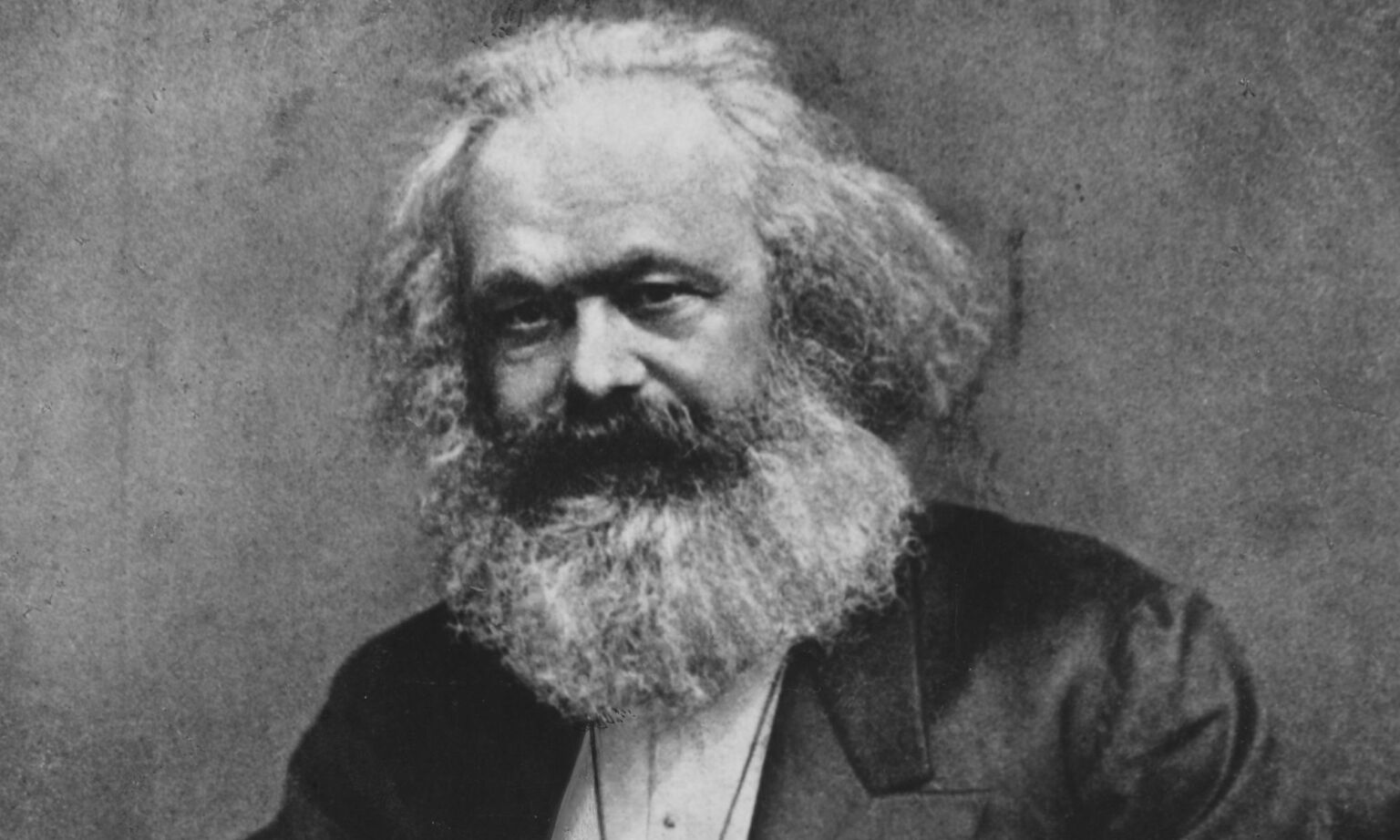
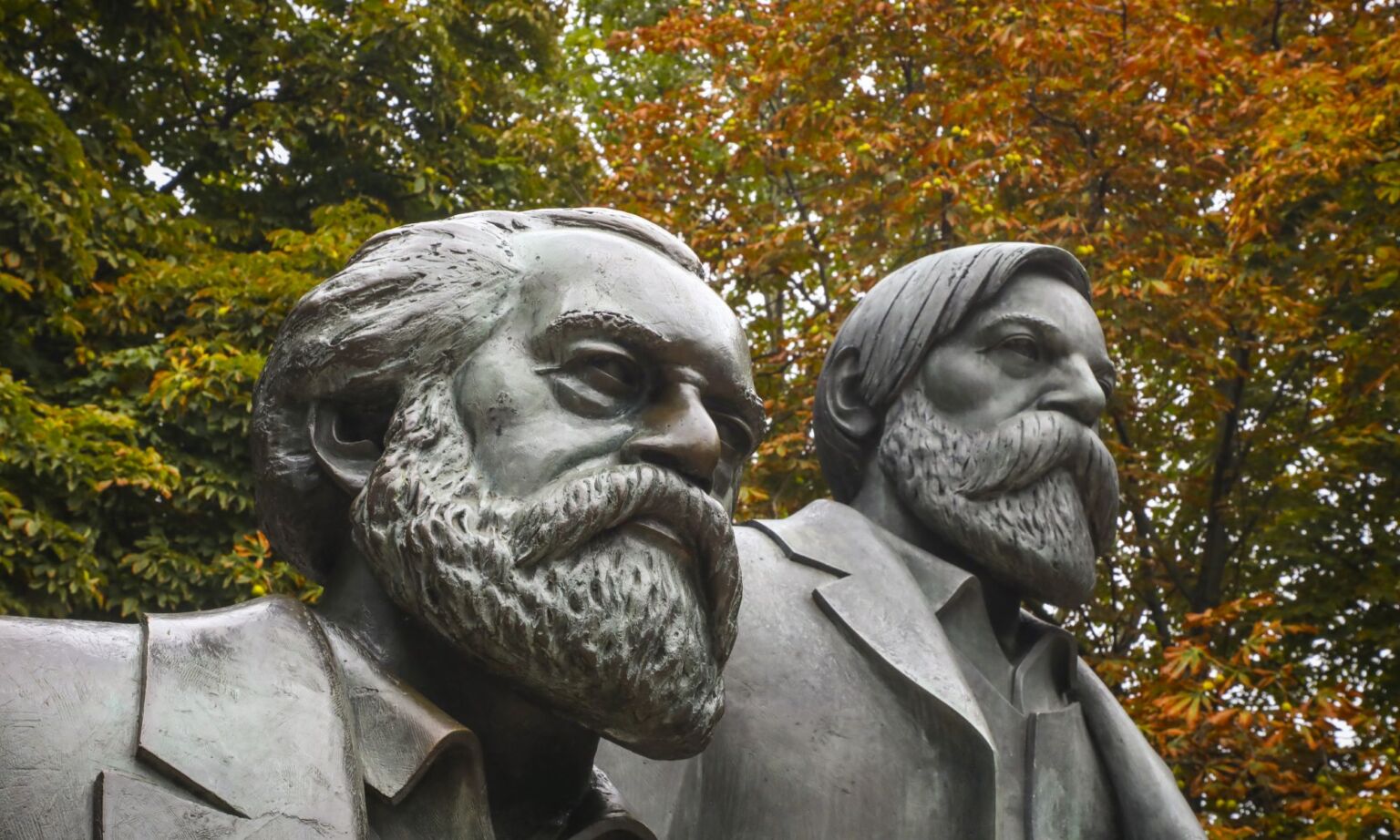


















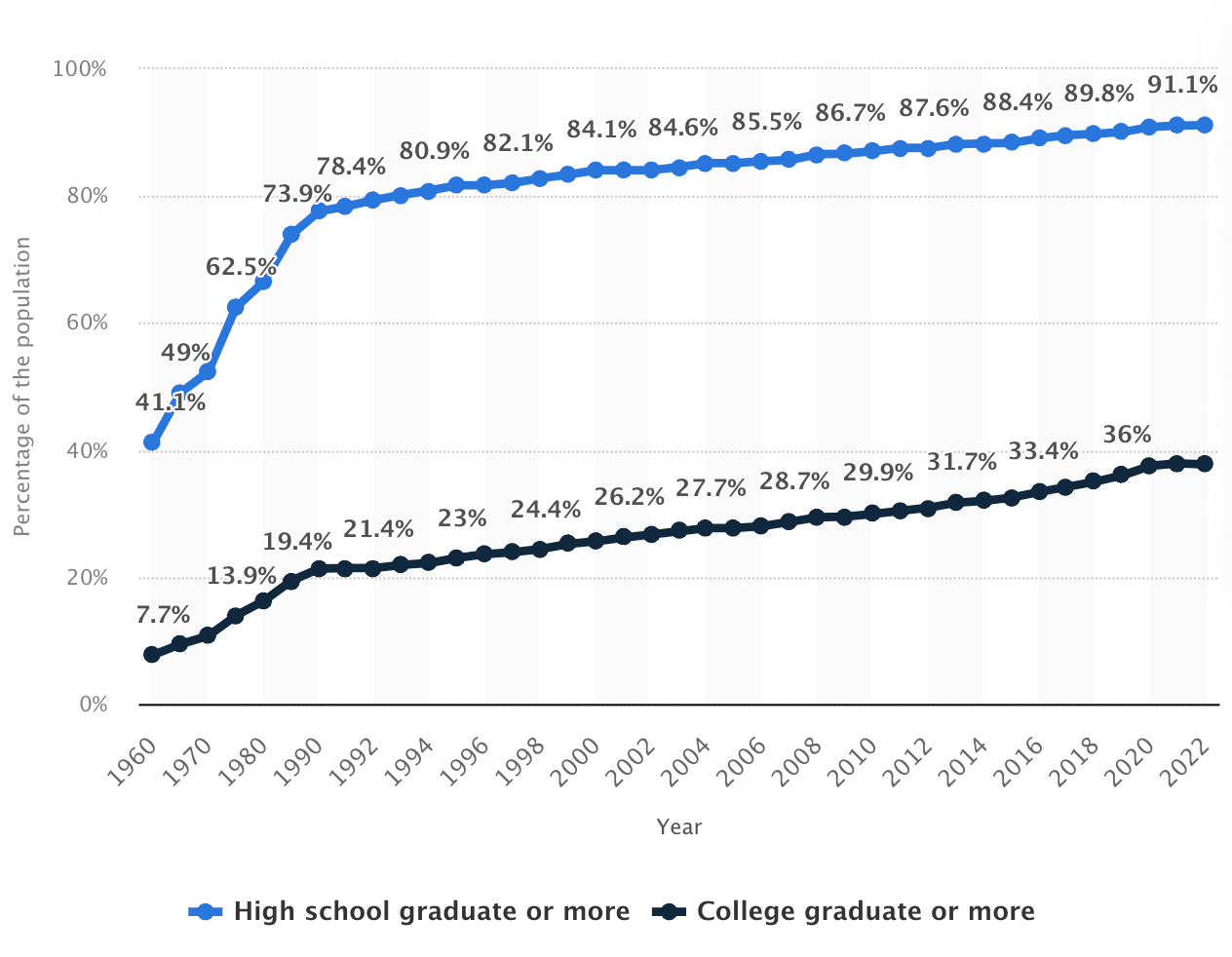
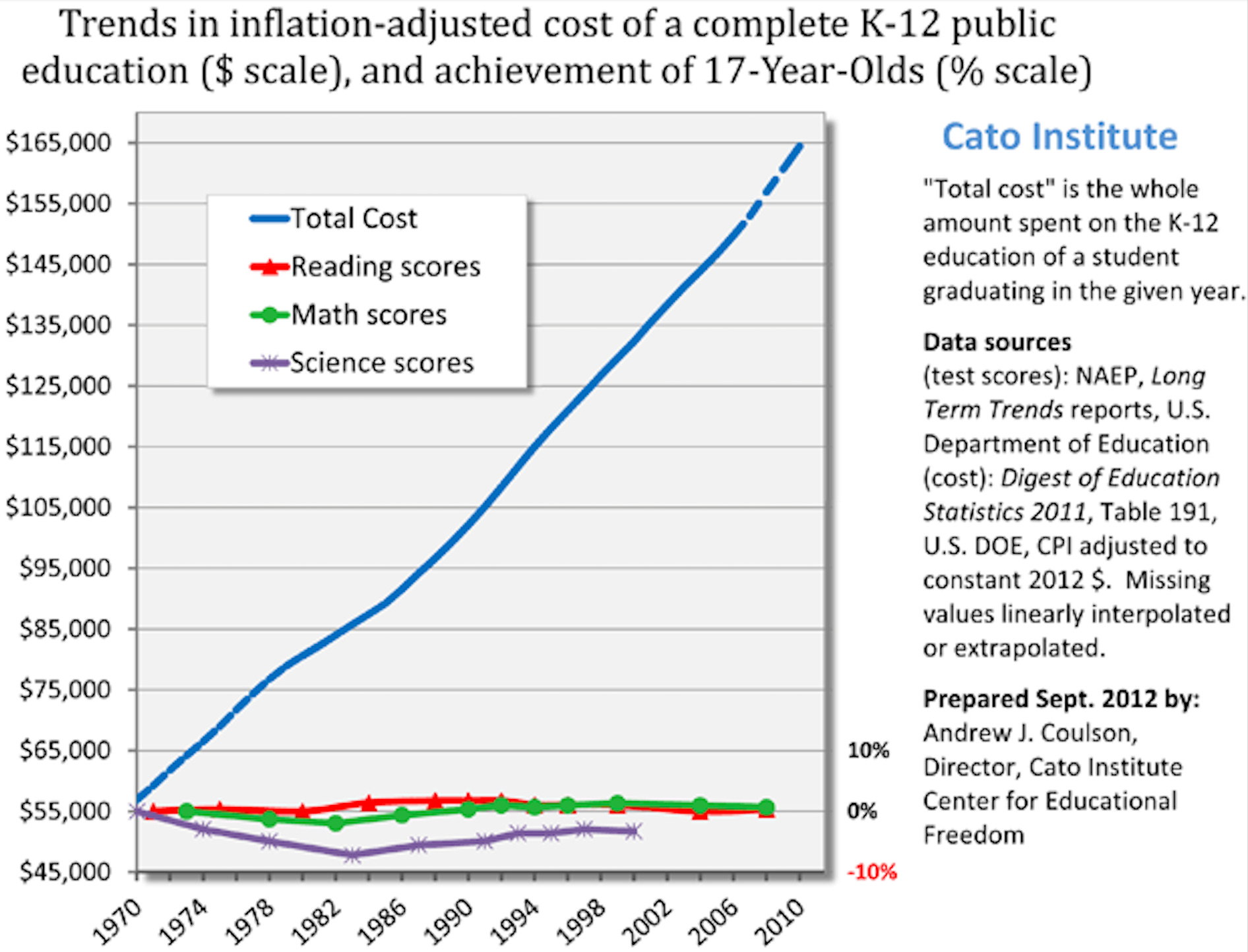






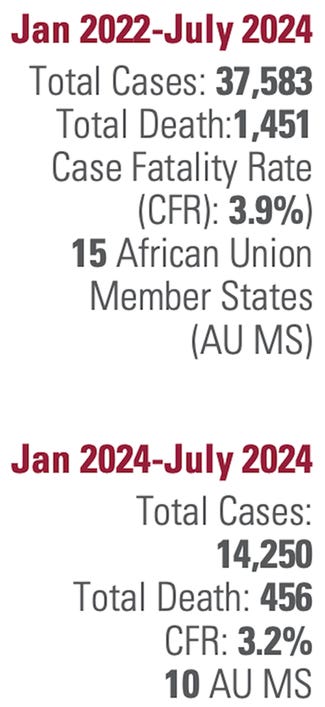




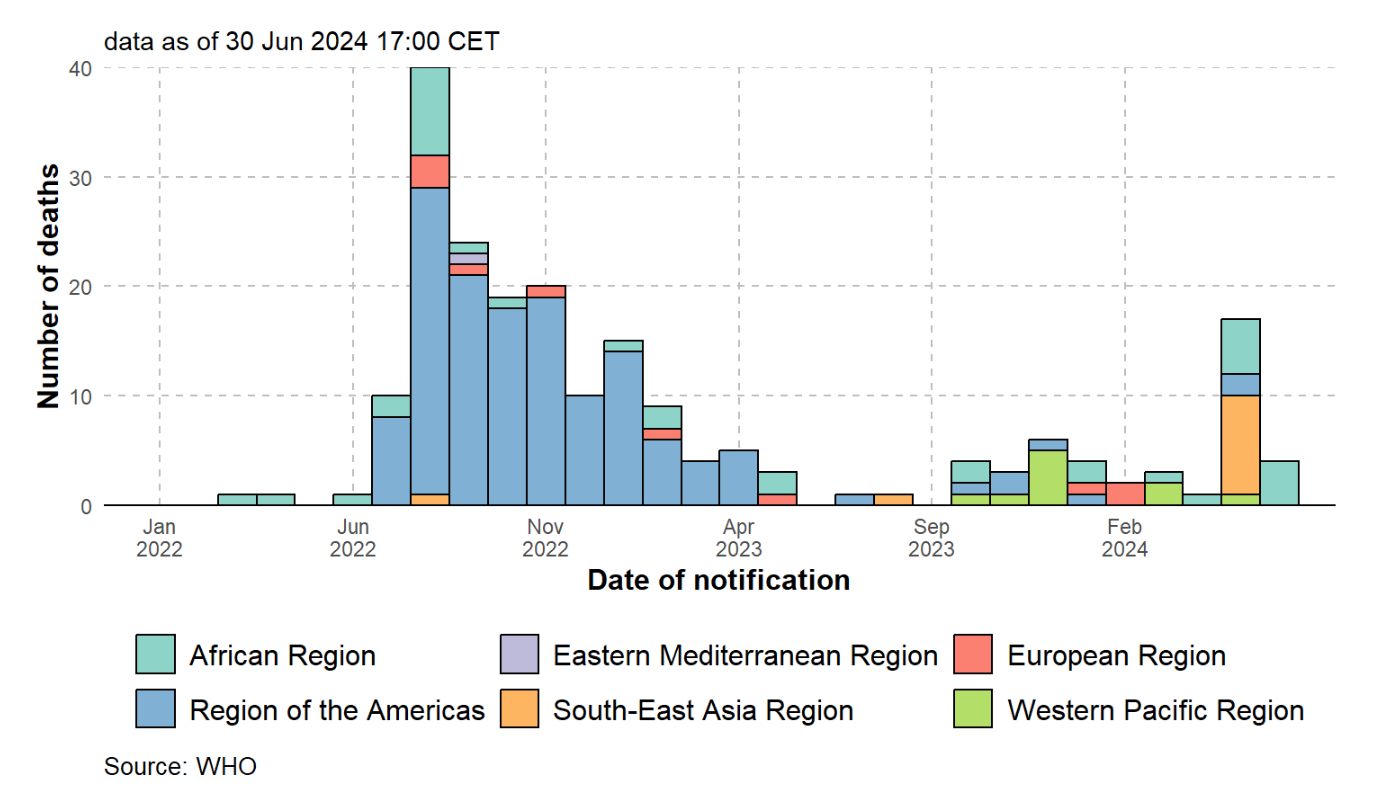

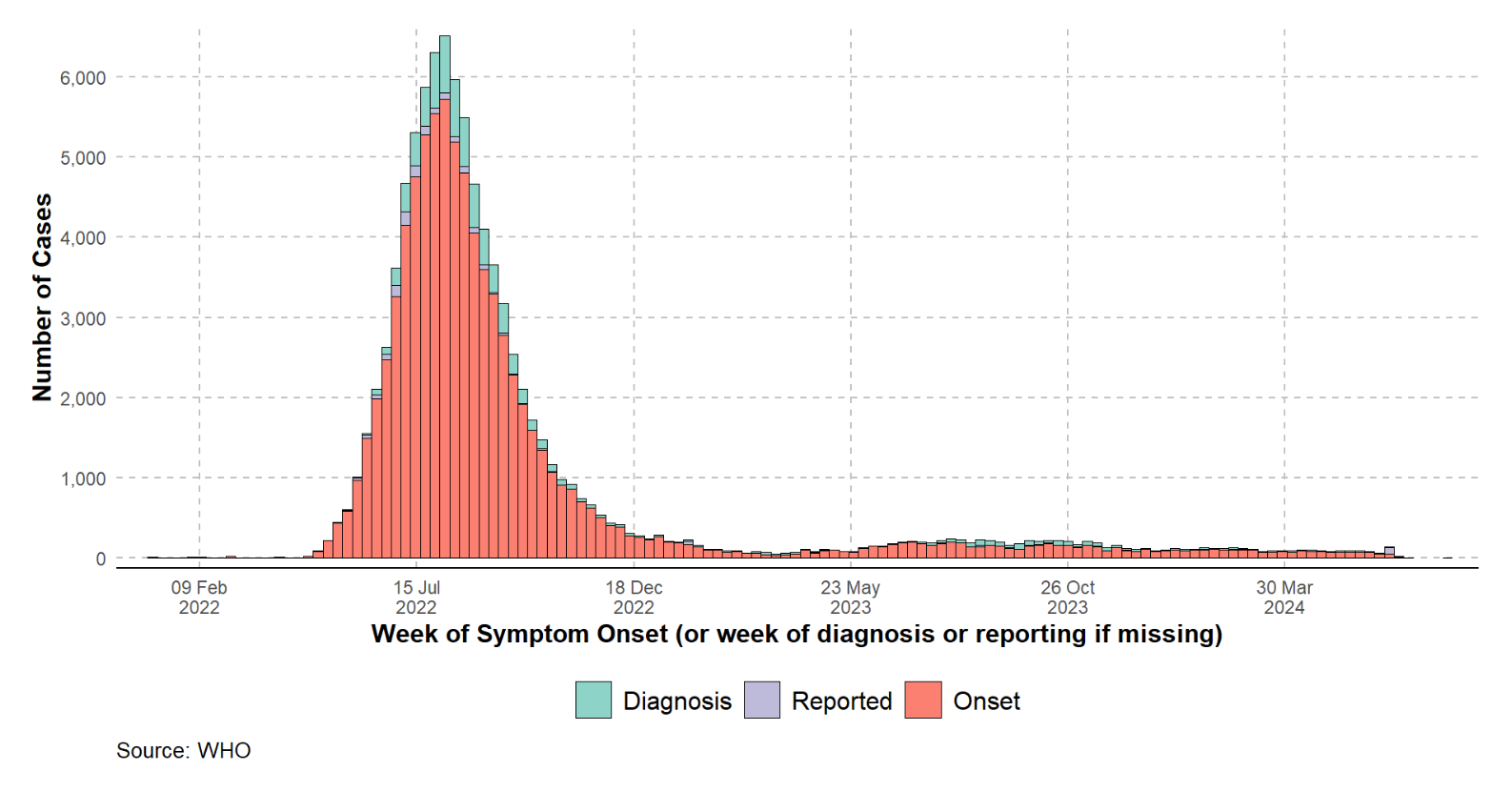

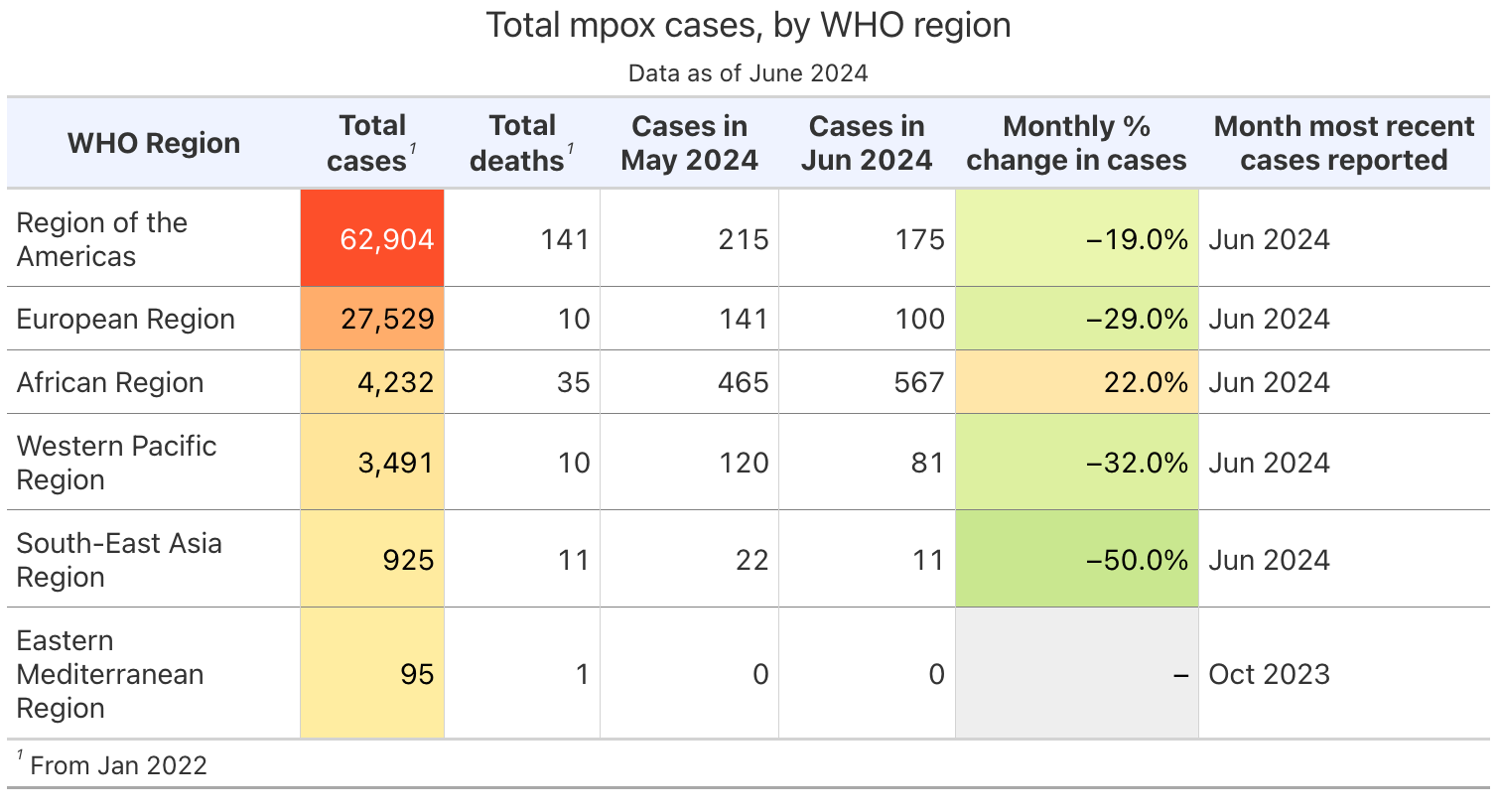




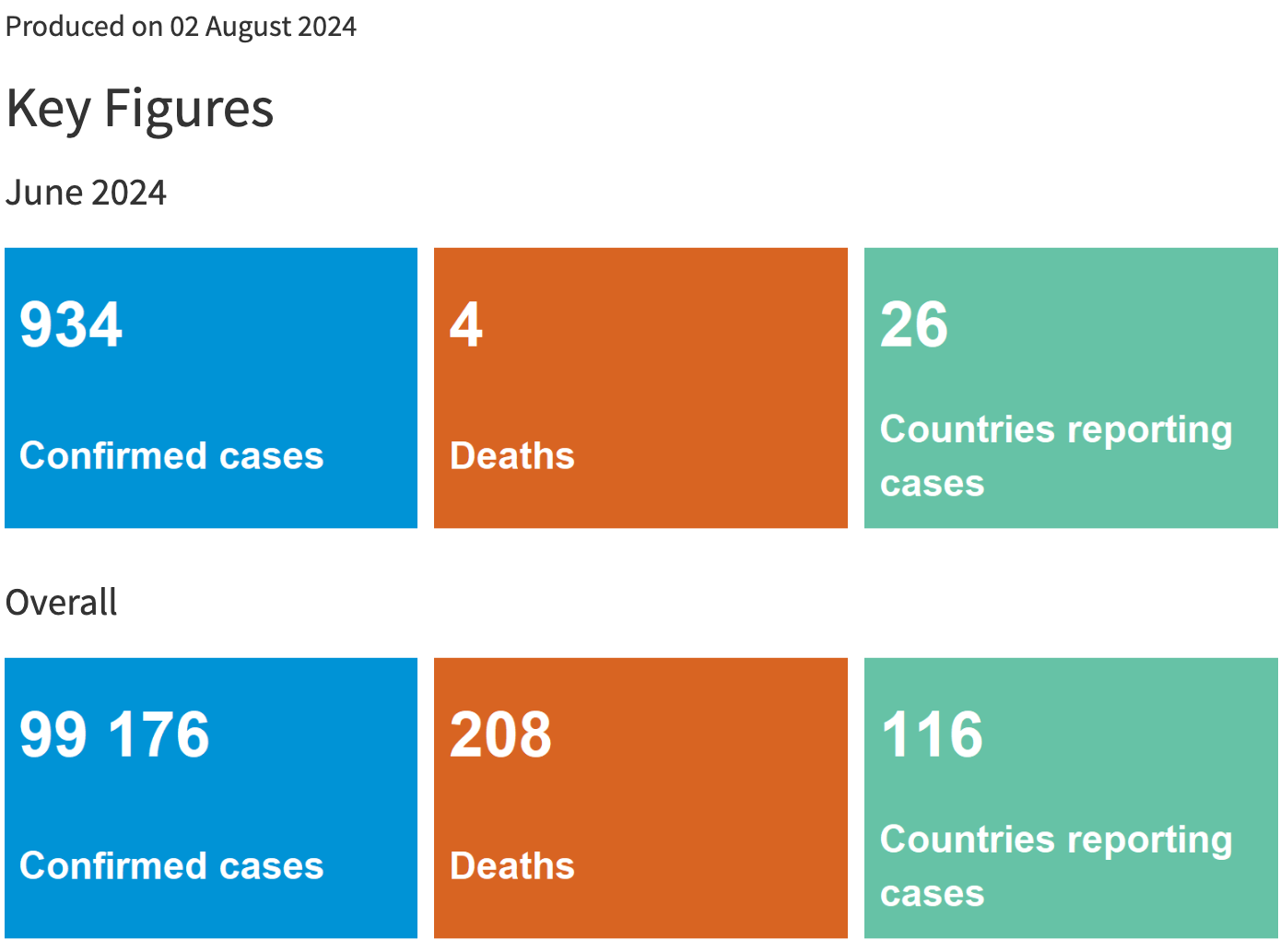
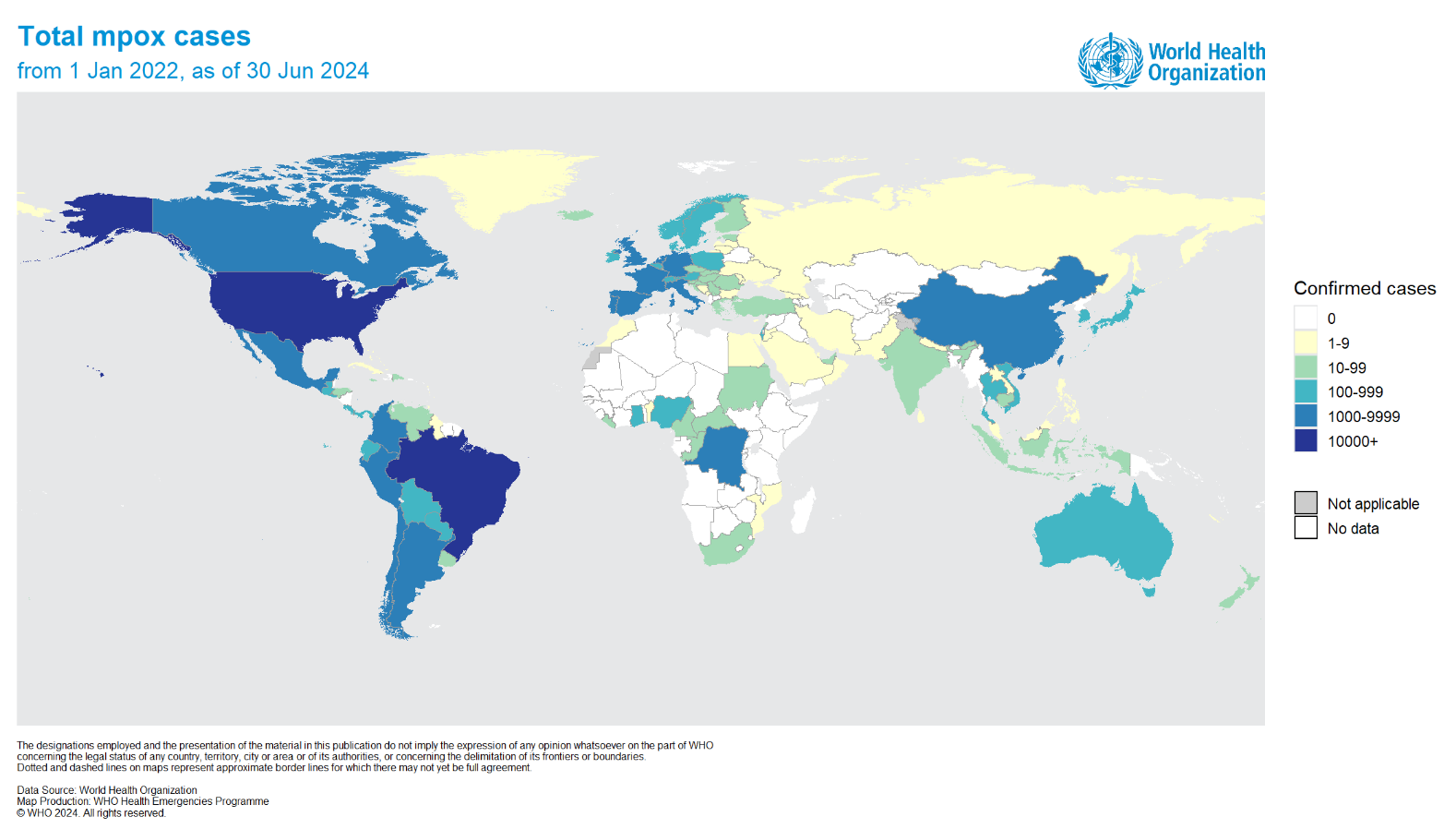
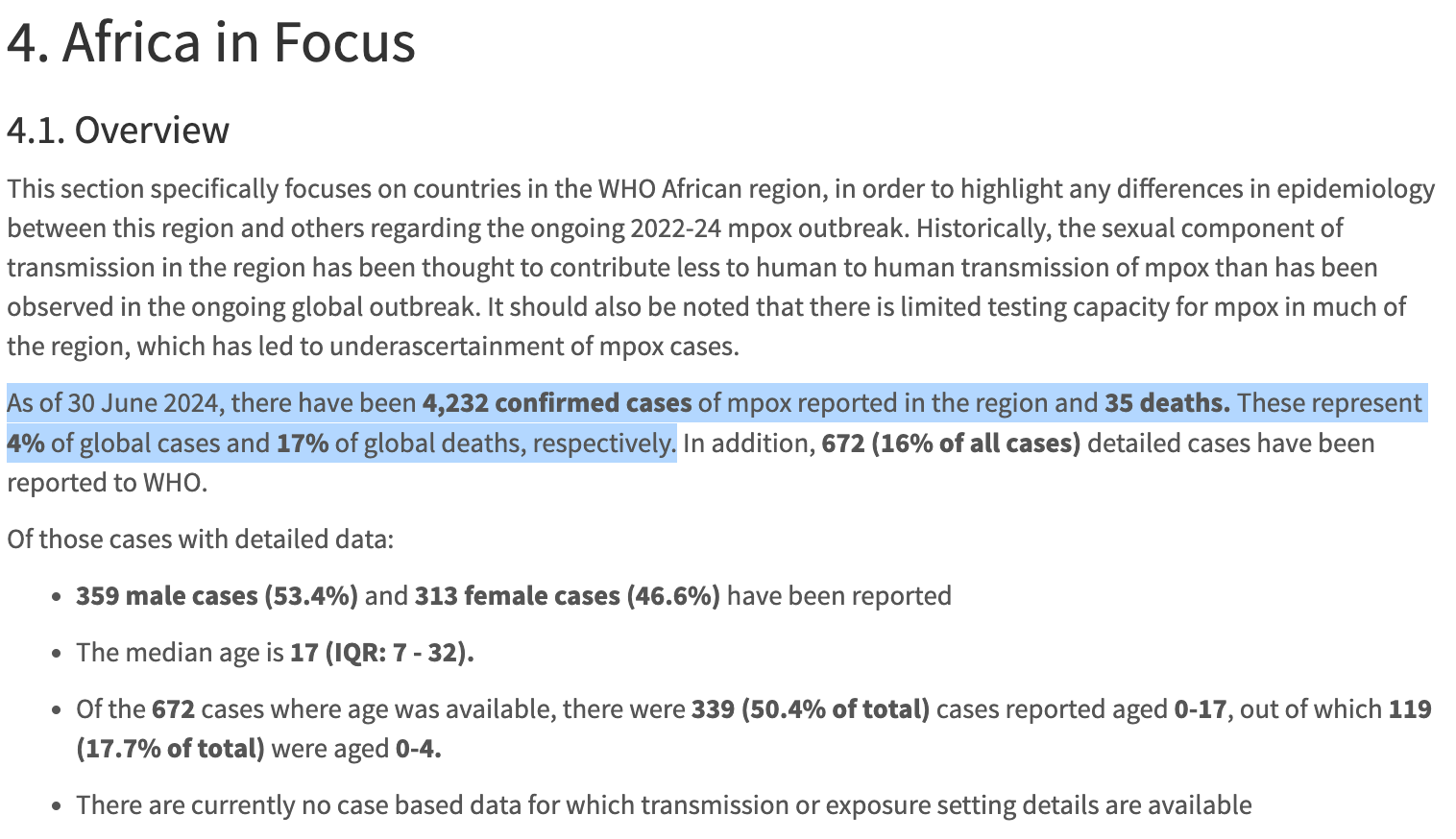
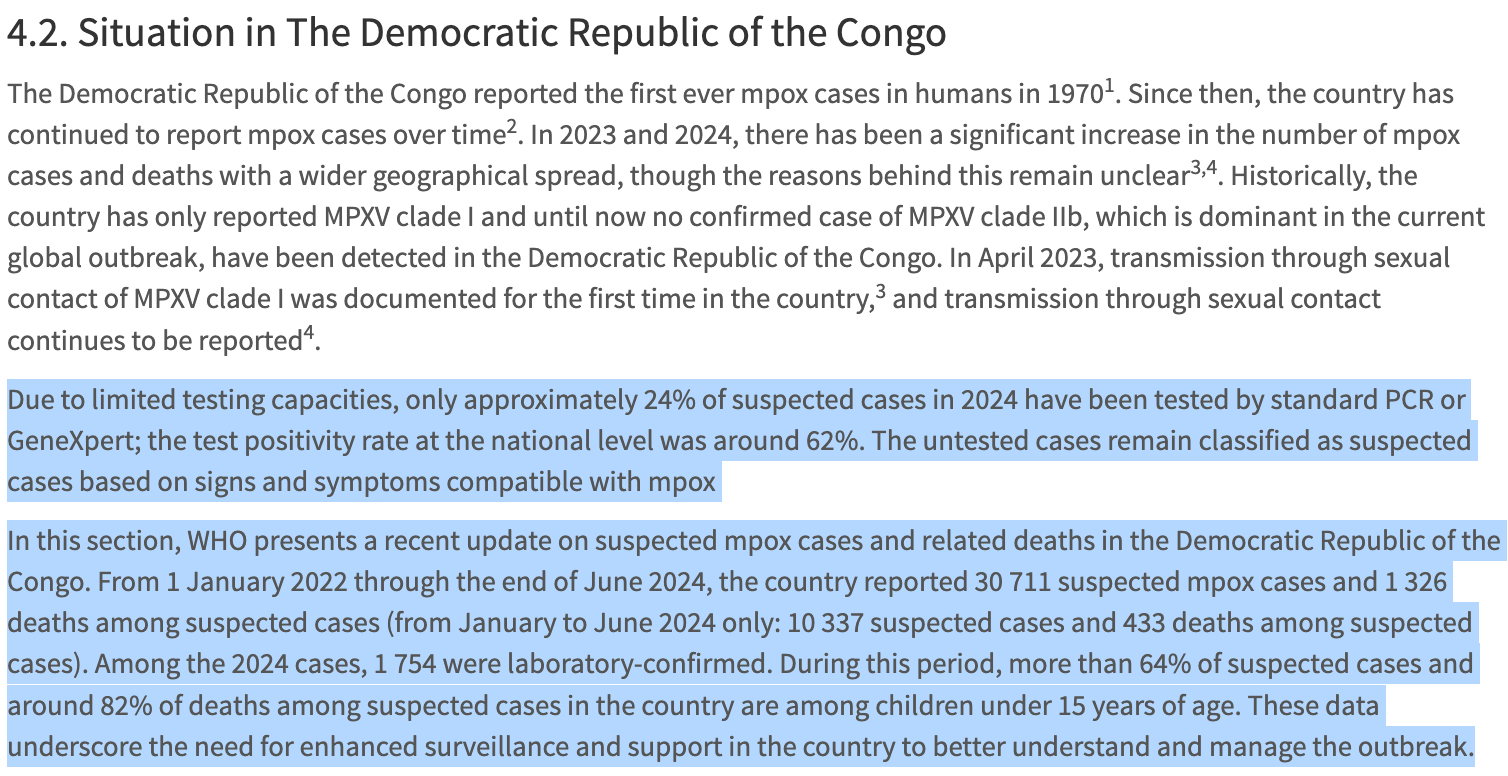
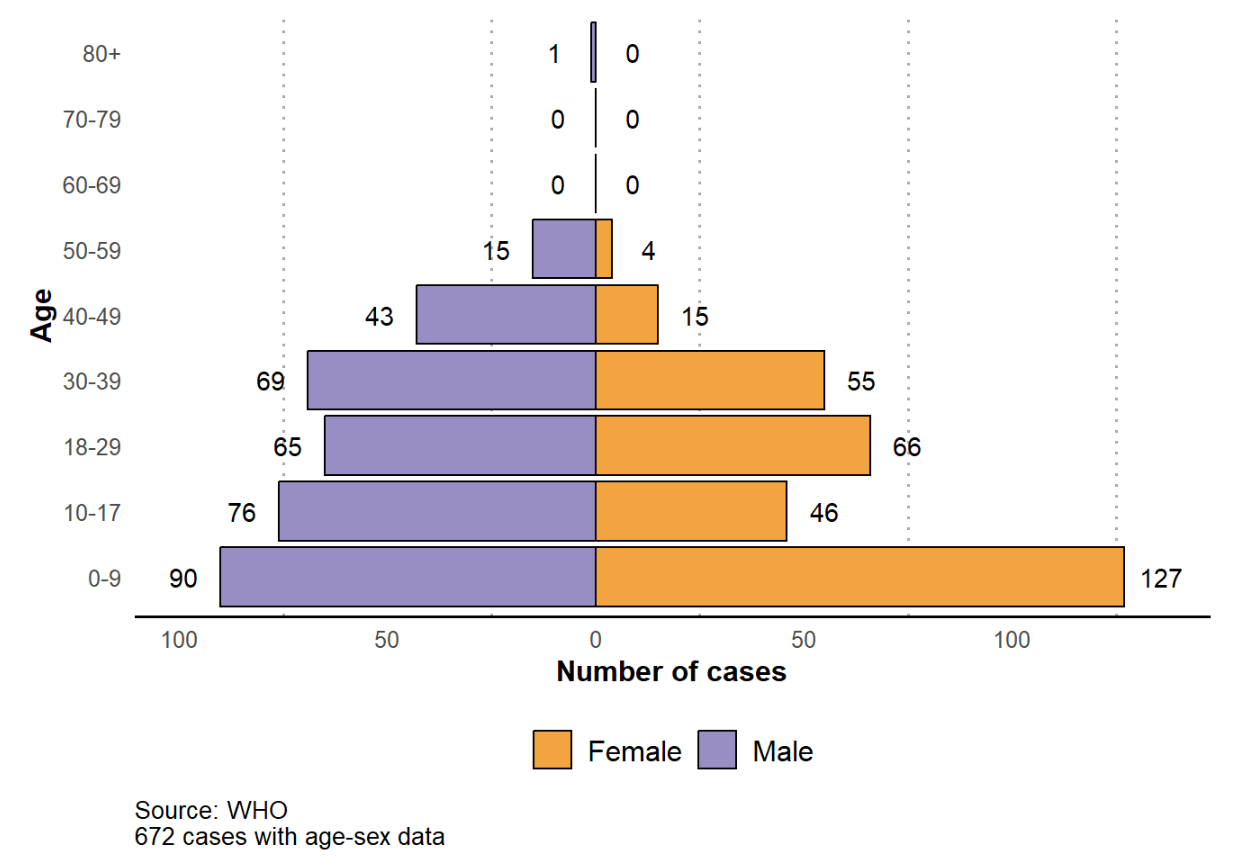

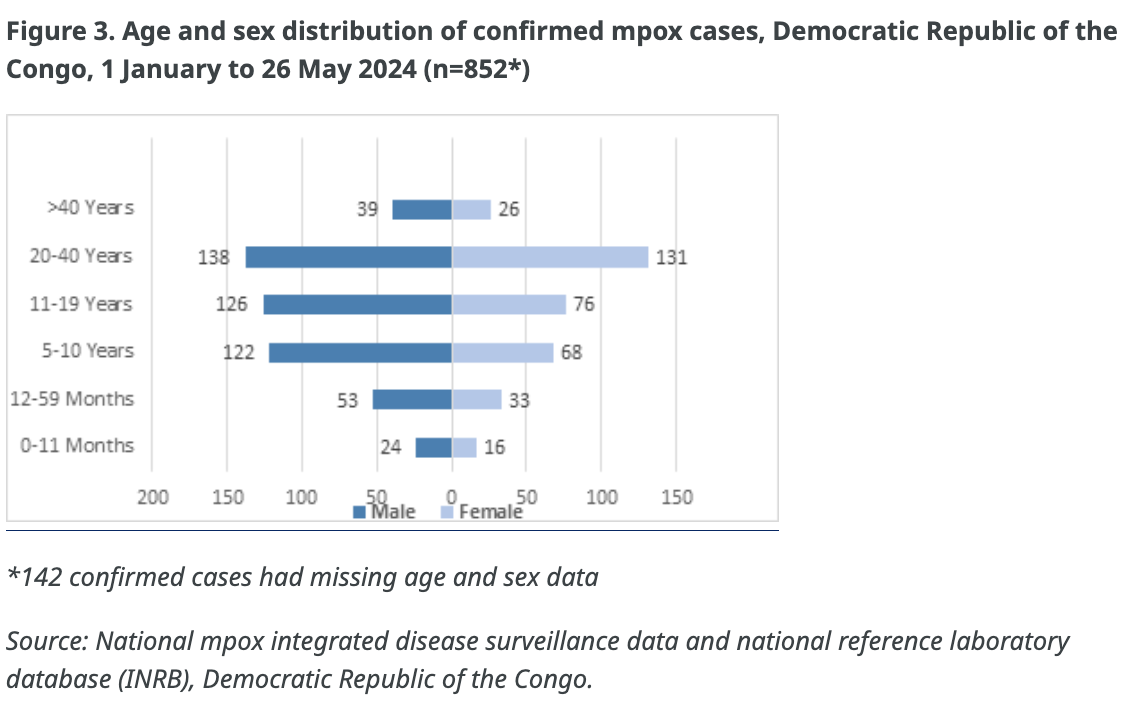

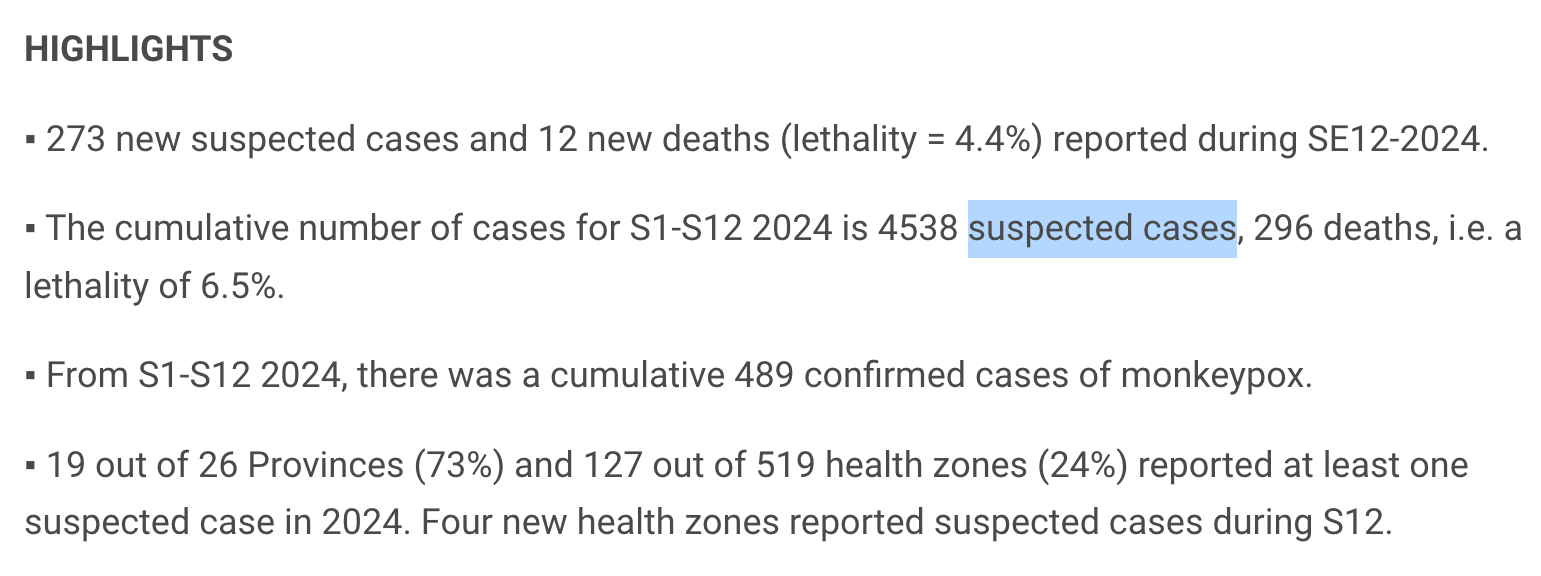

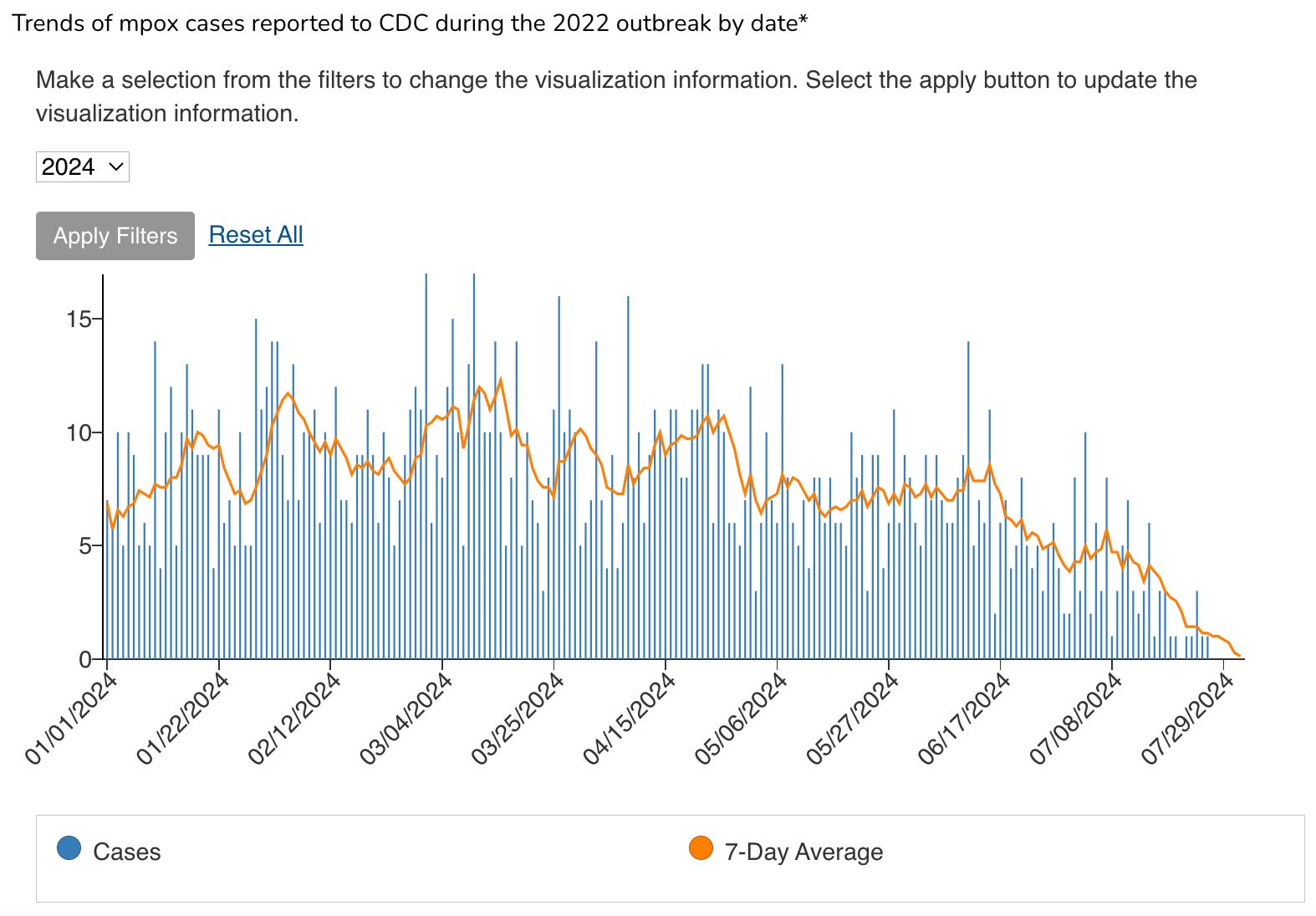


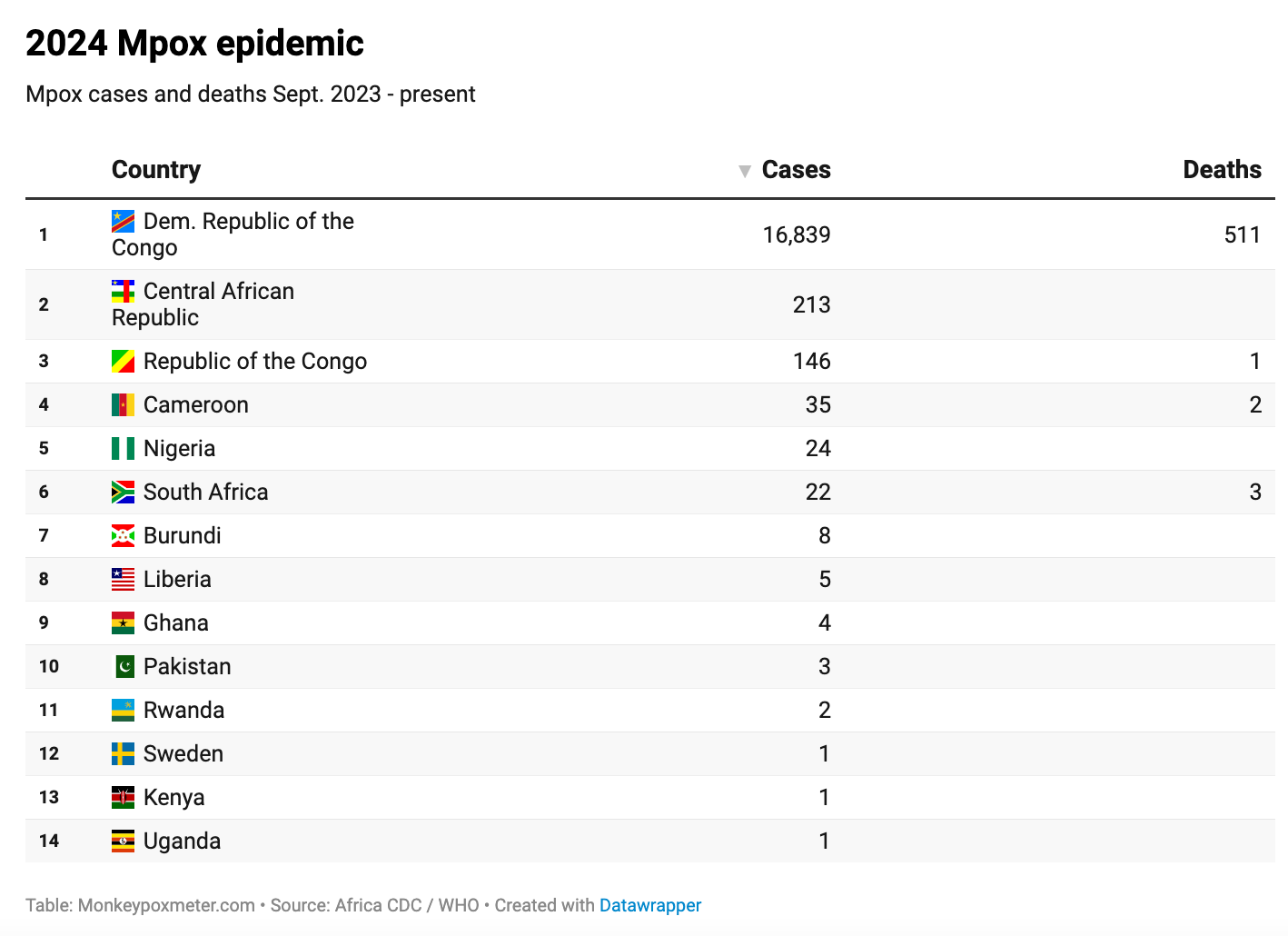

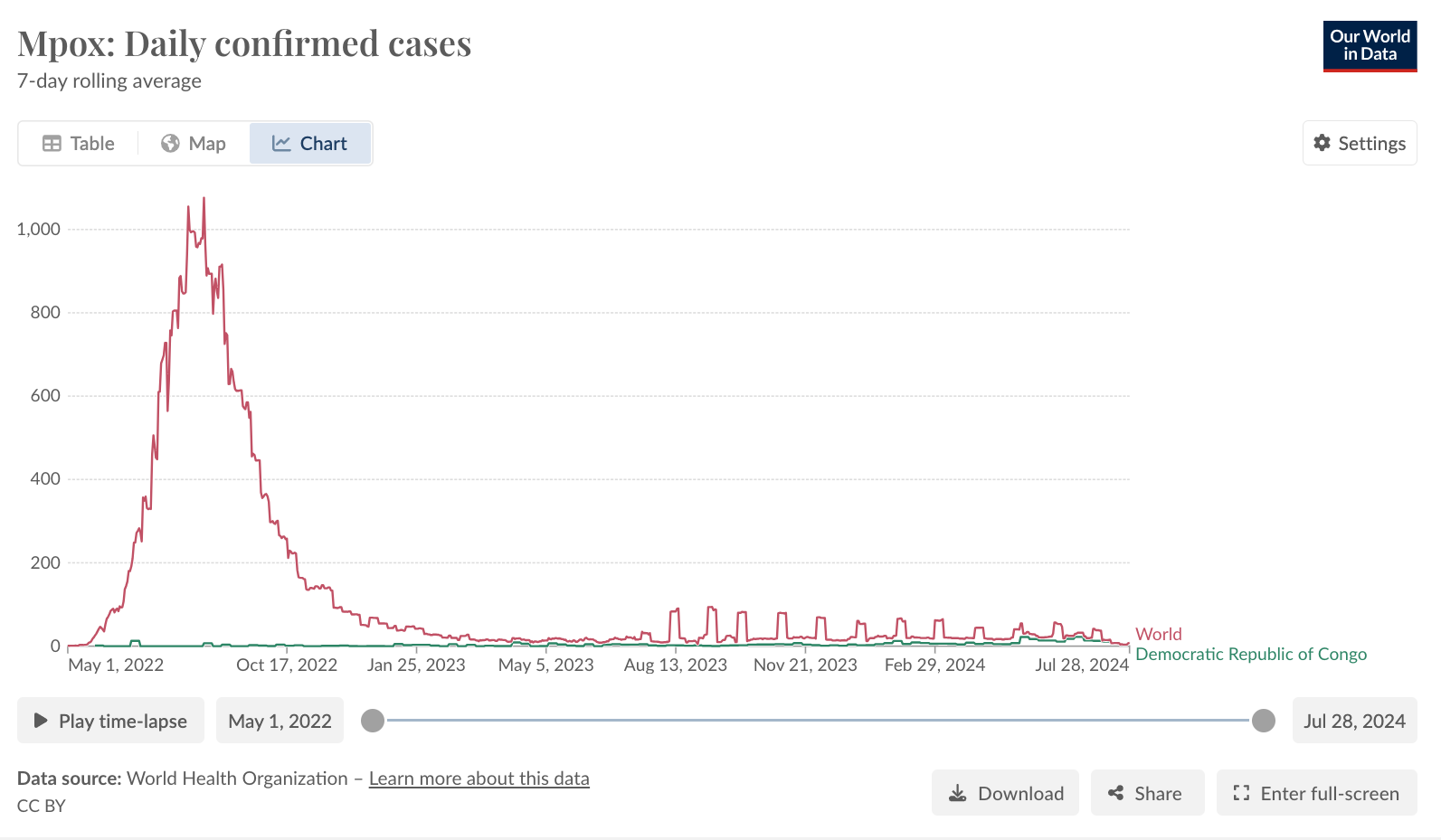
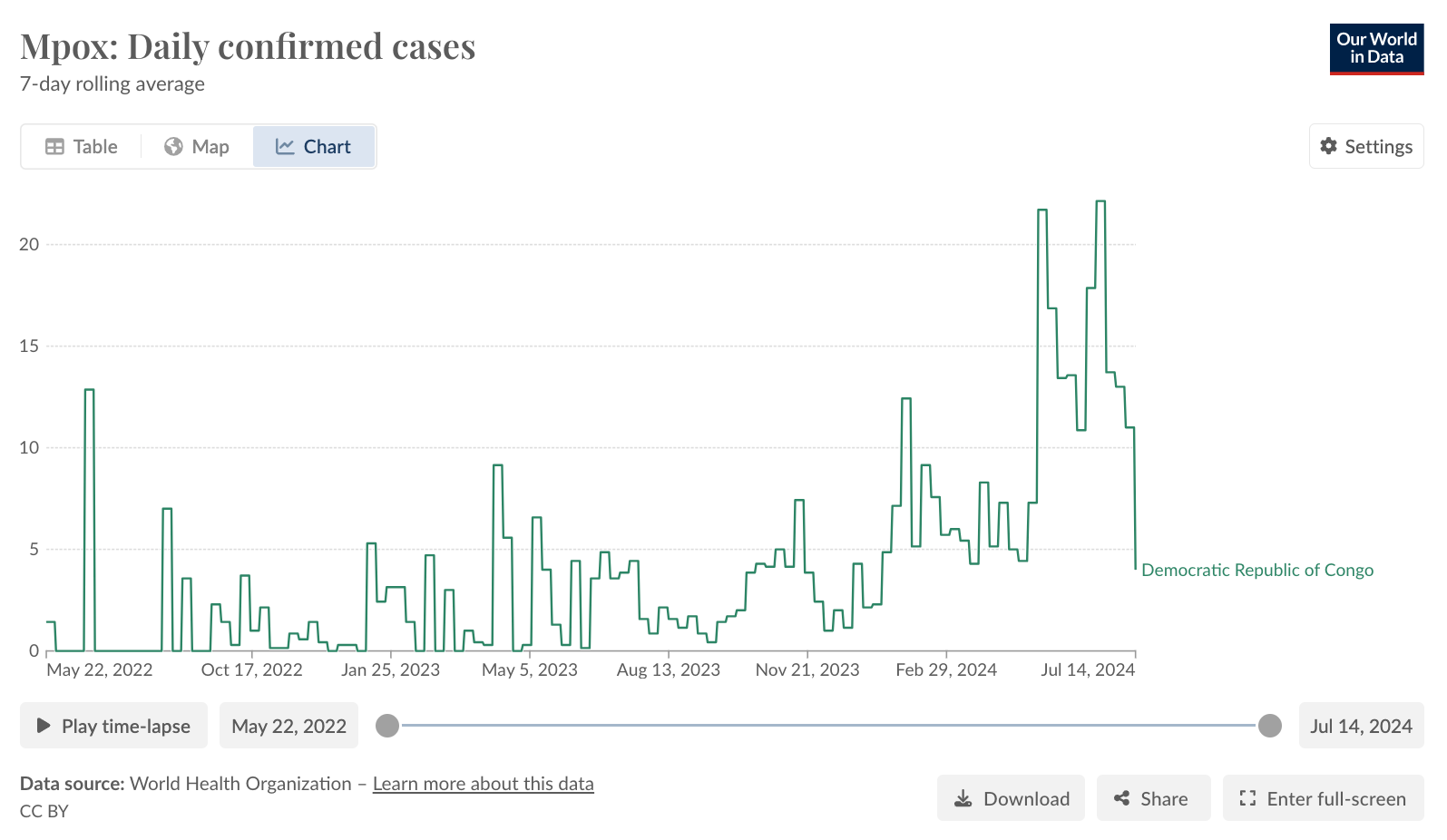



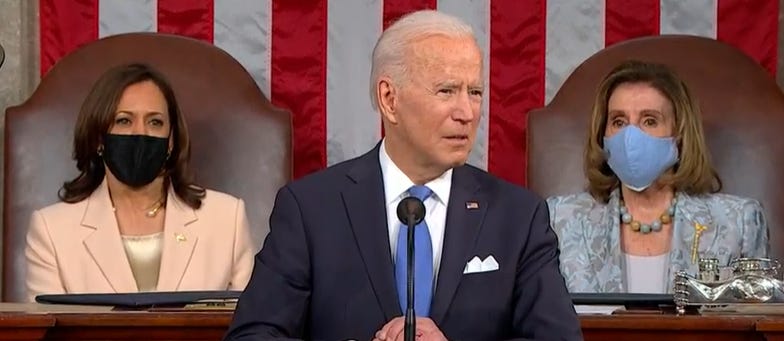














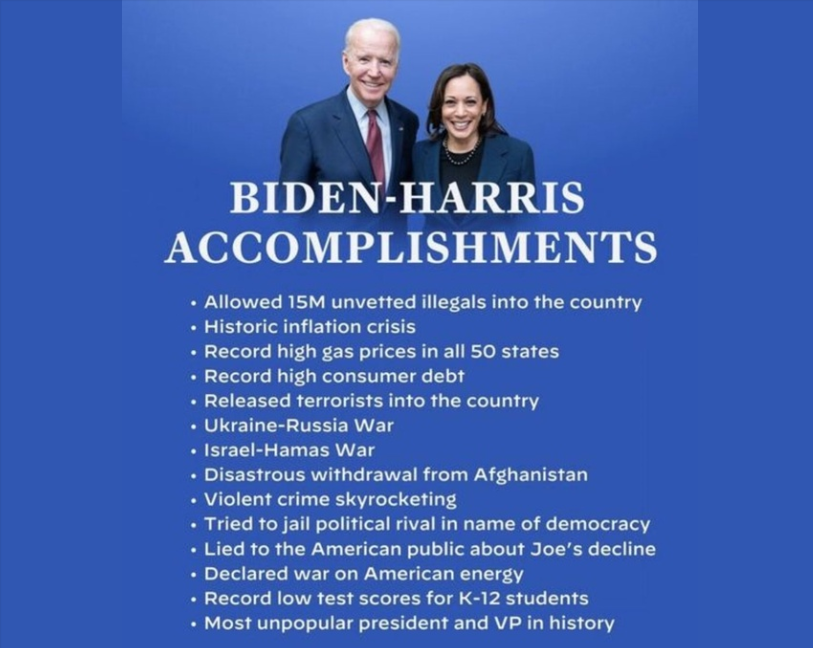












 fox files
Recent Comments