Some things make less sense the more you study them. The idea of ‘nonbinary’ is a bit like that. There is nothing liberating or progressive about erasing every trace of one’s sex
Nonbinary is an umbrella term used to describe those people who believe they are outside the gender binary. They believe that they are neither male nor female.
When you ask nonbinaries what they mean by this, the response usually boils down to men saying they feel kinda feminine sometimes, and women saying they kinda don’t. When you point out that some men and women have felt this way since time immemorial, without feeling the need to turn it into a political cause, they become aggressive or sulky. All of which suggests that this nonbinary LARP may require some more thought.
If, like me, you prefer to identify as a non-lunatic, you might be tempted to dismiss the nonbinary phenomenon as a passing fad, like the Tamagotchi ‘egg’ toys popular among children a couple of decades ago. But there’s a difference between the idea of nonbinary and fads like Tamagotchis, especially among the young. Schools banned Tamagotchis in the 1990s because they were a distraction. This time, our public institutions, from multinational corporations to medical bodies, are actively promoting the idea that you can be neither male nor female.
Advocates themselves seem unclear as to what ‘nonbinary’ means. Some seem unsure where to draw the line between being nonbinary and being trans. The huge American LGBTQ+ charity, the Trevor Project, insists that ‘It’s important to note that not all nonbinary folks identify as trans’. But the UK’s LGBT Foundation argues that nonbinary fits under the so-called trans umbrella. This isn’t much help, however, since the trans umbrella has by now grown so huge it could be used to protect the polar ice caps.
Throughout much of the 20th century, the prefix ‘trans’ tended to be used in relation to transvestites or transsexuals. It implied a transition from one gender or sex to the other. But this started to change in the 1990s. Disappointed by the physical results of transitioning – think big-jawed, deep-voiced ‘transwomen’ and miniature, small-boned ‘transmen’ – the trans lobby started to look for a new vocabulary that might capture what it is to be neither male nor female.
Activist Riki Wilchins played a key role in the development of nonbinary. He originally came to prominence in 1991, when he co-founded Camp Trans, an annual protest against the exclusion of transwomen from the women-only Michigan Womyn’s Music Festival. In the mid-1990s, he sowed the seeds for the idea of being nonbinary by coining a new term to describe himself – namely, ‘genderqueer’.
It was a fortuitous moment for Wilchins. From the late 1990s onwards, with queer theory flourishing in universities in the UK and the US, a slew of new identities and neologisms were being turned out, from agender and bigender to demigender and genderfluid. Nonbinary started to be used by activists and academics to encompass these new identities in the 2000s. Indeed, in 2002, Wilchins co-authored the tellingly titled Genderqueer: Voices From Beyond the Sexual Binary.
It wasn’t really until the latter half of the 2010s that nonbinary moved from the spheres of academia and activism and into mainstream culture – largely because an army of idiot celebrities embraced it.
Singer Sam Smith was one such bandwagon-jumper. In 2019, he declared himself to be ‘nonbinary’ and embraced ‘they / them’ pronouns. Smith was once a ‘normal’, for lack of a better word at the moment, man, but gay. In his new nonbinary guise, he has come to resemble someone forced to twerk in fishnets as a prank.
Sam Smith performs onstage at State Farm Arena in Atlanta, 15 December 2022.
Smith was followed by Ellen Page, who announced on 1 December 2020 that she now identifies as ‘transgender and nonbinary’. She was henceforth to be known as Elliot Page, and would use ‘he’ and ‘they’ pronouns.
There was also actress Sara Ramirez. In 2021, she was held up by HBO as a bold new ‘spokesthem’ for the nonbinary cause when she was cast in the Sex and the City spin-off, And Just Like That. Sadly, in her role as Che Diaz, she had all the comic timing of a metronome as she tub-thumped lines from the nonbinary gospel. In a trailer put out by HBO, she pompously critiques the fun gay characters and themes of old-style Sex and the City with the sternness of a hatchet-faced Maoist, claiming that the new show is ‘making space for a more expansive definition of queerness’.
To the broader public, celebrities claiming to be ‘nonbinary’ and pluralizing their pronouns has looked absurd. Nowhere more so than in a 2022 Time magazine interview with ‘genderqueer’ author Maia Kobabe, in which she insisted on the pronouns ‘eir’ and ‘ey’. ‘Time spoke to… Maia Kobabe about ‘eir’ work… and what ‘ey’ make of the current cultural moment’, the magazine declared to confusion all round.
The vague, indefinable, neither-nor quality of ‘nonbinary’ certainly appeals to the narcissists among us. It offers even more opportunity for forensic self-obsession than the old trans identity does. And that’s saying something.
No one sums up this narcissism better than Alok Vaid-Menon, perhaps the most prominent nonbinary campaigner around today. He first gained a name for himself in the mid-2010s for performing execrable ‘poetry’ while dressed in garish women’s clothes that showed off a body hairy enough to put Burt Reynolds to shame.
In 2019, Vaid-Menon broke into the nonbinary big time when a lecture he gave went viral. In it, he denounced the fashion world for daring to make clothes targeted at men and women. He claimed that nonbinary people were so subversive they had been deliberately excluded from fashion. ‘My beauty is so tremendous it has to be edited out of magazines’, he declared.
Once upon a time it was permissible to laugh at a hairy bloke squeezed into a cocktail dress who takes himself much too seriously. But not today. Vaid-Menon’s pronouncements are treated with the kind of reverence once accorded to religious leaders. Last year, he was appointed as the first ever LGBTQ+ scholar in residence at the University of Pennsylvania.
Vaid-Menon’s rise appears to be based on little more than overweening self-confidence and an ability to espouse the banalities of the trans lobby. ‘There are as many ways to be as there are beings’, he once said, seemingly mistaking genders for personalities.
Vaid-Menon’s pseudo-profundities certainly appeal to empty-headed celebrities who struggle to distinguish between a sacred text and a riddle in a Christmas cracker. Take film star Jamie Lee Curtis who ‘interviewed’ Vaid-Menon at the Upfront Summit in 2023. She even gave him an opportunity to air his own spectacular delusion. ‘People often ask me why I continue to… live as incandescently as I do’, he claimed. Not outside your own head they don’t.
Vaid-Menon is not just given to boasting and uttering trans pieties. In 2021, an old social-media post of his resurfaced in which he also weighed into the debate about single-sex spaces. Instead of insisting that trans-identified males pose no risk to women and girls, as most trans activists do, he took a more original approach. He claimed that young girls aren’t as innocent as we think. ‘We have to challenge the idea that there is a perfect victim’, he said. ‘I believe in the radical notion that little girls, like the rest of us, are complicated people… Little girls are also queer, trans, kinky, deviant.’ He added that ‘no one is a perfect flower that can be corrupted’. This is sinister stuff.
Vaid-Menon is clearly not bothered by any flak he receives for his dubious views. He is nothing if not weapons-grade arrogant. This comes across in his lectures and writings, where he constantly downplays the significance of the terms ‘man’ and ‘woman’, despite these categories having been at the center of all human cultures for millennia. He claims to be willing to recognize man and woman as valid genders, but dismisses the existence of a ‘gender binary’. ‘I hold space for men and women but not gender binarism’, he states.
Is it any wonder someone who has such contempt for the deeply held convictions of the overwhelming majority of people would also believe he has the right to dismiss concerns about child safeguarding? It’s hard not to suspect Vaid-Menon’s questionable outlook is shared by much of the trans and nonbinary lobby.
Alok Vaid-Menon accepts the ‘trailblazer award’ at CAPE’s Radiance Gala at Wilshire Ebell Theatre in Los Angeles, 11 March 2024.
As absurd and appalling as Vaid-Menon’s views may be, there is a far more disturbing driver behind the rise of nonbinary. In 2011, the website, genderqueer.me started to become the go-to site for young people who considered themselves nonbinary. It helped that it was set up by Micah Rajunov, a young woman with piercing blue eyes and a huge smile. It features heart-warming photographs of her wife and badly behaved dog, with its missing teeth and, of course, stories of her realization that she was neither male nor female.
Rajunov’s influence didn’t stop at Genderqueer.me. In 2019, she co-edited Nonbinary: Memoirs of Gender and Identity, a book that sold like hotcakes among the troubled youth of America. And yet for all her winsome smiles and self-deprecating humor, Rajunov’s influence is every bit as malign as Vaid-Menon’s.
In August 2020, she gave an extended interview to Google Talks, in which she relayed her journey to nonbinary authenticity. In a moment that’s all the more extraordinary for the casual way she lets it slip, Rajunov explains that she was initially unsure of her identity and so hung out at some trans conferences. It was there she heard that you no longer had to try to be the opposite gender to qualify as trans. Instead, you could be neither man nor woman. ‘I didn’t know what that meant really’, she admits, before adding the punchline: ‘But I knew that I wanted to have surgery, top surgery. I always say I transitioned backwards because I started with surgery and then I did everything else.’
In other words, Rajunov had little interest in attempting to look like another type of body. She wasn’t interested in transitioning to another sex or mimicking a male. Rajunov just wanted to remove her breasts.
This exposes a sad, largely unacknowledged truth about the nonbinary movement. It is driven in large part by a desire to mutilate one’s body for its own sake. It is an act primarily of negation, of nihilism. Nonbinaries want to erase the physical signs of their sex.
This has largely been concealed by trans activists over the past decade. They have won social, political and medical acceptance for their cause by promoting the idea that trans people have a burning, often desperate, need to try to make their bodies fit their inner gender identity – that is, the image of the opposite sex they have in their minds.
Since the public are familiar with the two sexes, it was once possible to persuade people that someone might be born in the body of the ‘wrong’ sex. People could accept the cod-explanation that the wiring in the brain or hormones in the womb had got mixed up. And so, even if reluctantly, many of us were initially willing to accept that the condition might not be entirely delusional.
What the public did not know, and the trans lobby was not keen to reveal, was that for an increasing number of ‘trans’ people, and above all their nonbinary successors, the most powerful motivation for ‘transitioning’ has never really been the desire to mimic the opposite sex. Rather it was and is driven by something far more self-destructive – to mutilate or erase the physical signs of their bodies’ sex.
It’s obvious why trans activists have long played down this aspect of their cause. The negative force of transgenderism, writ large in the very idea of nonbinary, of being neither / nor, would strike most people as pathological. They might start to see it for what it is – a psychological disorder.
Some nonbinaries have given the game away however. About 10 years ago, those who did acknowledge this desire to mutilate their sexed bodies explicitly embraced the idea of being nullo or neutrois – indeed, Rajunov’s own twitter handle is @neutrois.
‘Neutrois people… seek surgery to lose the major physical signifiers that indicate gender to others (breasts, facial and body hair, crotch bulges, etc). The most extreme surgery is genital nullification (removal of all genitalia). Such people can be described as eunuchs.’
Neutrois nonbinaries often use the terms ‘null’ or ‘nullo’ interchangeably. An example of how overpowering this obsession can become was provided in January this year, when two men who ran a ‘nullo’ cult in Finsbury Park in London were given jail sentences. The trial revealed that the men involved had carried out and filmed procedures to remove one of their member’s penis and left leg, and another’s nipple.
Men who want to become neutrois tend to have their genitals removed, while most women tend to want to have their breasts removed – although there have been cases of others having their vaginas sewn up and their clitorises removed. Neutrois aspirants of both sexes often want to have their nipples removed, too, so powerful is their desire to smooth out and erase the existence of a sexed body.
The nonbinary cause is born of a psychological disturbance. It is no more deserving of public validation or affirmation than any other obsession with body-modification. Think of Denis Avner, who spent years having his body operated on in order to look more like a cat. He committed suicide in 2012, which rather suggests he might have been better seeking help of a psychiatric rather than surgical kind.
Of course, no medical organization would argue that Avner’s pathological obsession with becoming a cat was valid. Sadly the same cannot be said for this pathological obsession with erasing the gender binary. In 2023, the world’s leading trans healthcare organization, WPATH, added nullo, neutrois and ‘eunuch’ to its ever-expanding list of gender identities. In doing so, it was merely formalizing a view widely held across the nonbinary ‘community’. In the US, some surgeons now actively promote the fact that they offer a ‘nullo’ service.
The trans lobby is already responsible for exacerbating the mental-health problems of troubled teenagers, feeding them the myth they might be born in the wrong body. But the nonbinary phase of transgenderism is perhaps even more dangerous. It is potentially normalizing and affirming adolescents’ discomfort with and sometimes loathing for their changing bodies. And it is promising the darkest of solutions: the surgical erasure of all signs of either maleness or femaleness.
We need to resist the trans and nonbinary agenda. We need to challenge its claims to be liberating and progressive, and expose its creepy, nihilistic roots. To allow or encourage the modification and mutilation of young bodies is not a win for social justice or equality. It is accommodating pathological behavior.
Nonbinary advocates may claim that negating the binary through the erasure of one’s own bodily sex is ‘freedom’. But it’s not. It’s just not. It is even more of a trap than the gender stereotypes from which so many confused young people think they want to escape.
This nonsense has to stop and people need to see and know it for what it truly is. Pathological behavior.
If you think that the American media’s relentless attacks on the right to keep and bear arms represent a credible threat to the Second Amendment now, just wait until they come to realize that, instead of merely proselytizing against your rights, they can turn your support for them into a “thought crime.”
Over the last few years, politicians from a handful of states have gotten into the bad habit of teaming up with the media, academia, Hollywood, Silicon Valley and key parts of corporate America, and of using the remarkable power of their alliance to contrive and promulgate political narratives that, even a few weeks earlier, had been on virtually nobody’s radar. In 2017, this team brought us the Trump-Russia Collusion hoax, which started as a salacious and unsubstantiated rumor but quickly became all Washington, D.C., was interested in talking about. That fake narrative was broadcast during every news program; it was conveyed during a lot of professional sports telecasts; it was featured in corporate press releases; it was appended to the splash pages and login forms of widely used websites; it was woven into the algorithms of streaming services and search engines and online stores. Its scope, in short, was astonishing.
This could also happen with guns and our Second Amendment rights. And when such an orchestrated effort comes, they will work overtime to make it just as all-consuming. They’ve already been trying. Every time a mass-murderer attacks—almost always in a so-called “gun-free” zone—the same cabal of media, entertainment personalities and politicians who want to disarm America’s armed citizens try to create a feverish movement to force through gun bans and more.
The only reason this trick has not yet resulted in major new national gun-control legislation is because gun owners have organized themselves. Still, the players necessary for such a push—politicians in anti-Second Amendment states; the White House; many in big tech, academia, the mainstream media and the entertainment industry—are all ready and waiting. They believe that this topic lends itself well to revisionism and mass hysteria. And, because the political will to achieve what its practitioners want to achieve simply does not exist, an end-run around the process is unusually tempting to them.
Practically speaking, this play might take many forms. If they wished to, online behemoths such as Google, Facebook and YouTube could demonetize or bar any user (or bury/misdirect searches) who expressed support for the individual right to bear arms, or even anyone who showed a mere interest in it, on the grounds that such support was “ahistorical” (“misinformation”) or “violent” (“unsafe”). If they decided to, universities and TV stations could reflexively append the word “denier” or “hater” to any figure who opposes gun control, and effectively shut a super-majority of the population out of the national conversation. If they were so inclined, America’s streaming services could refuse to carry any material that contained pro-Second Amendment sentiments, while relentlessly promoting content that called for stricter regulation, or even full prohibition.
Does that sound far-fetched? If so, may I ask why? To my eyes, at least, the last few years have made it abundantly clear that if our elite class wished to go down this road with vigor, it could do so at a moment’s notice. Indeed, if we have learned anything at all from the last decade, it is that the cultural power wielded by a handful of American industries is extremely difficult to resist, and that the tools that those industries use in pursuit of their aims are so flexible that they resemble a blank check. Bluntly put, the truth doesn’t enter into it; what matters is what a handful of potent institutions decide the truth needs to be.
Many big-tech companies, such as Google and Facebook, are already antagonistic to gun ownership, but what if they go a step further?
During the 2020 election, the news of Hunter Biden’s laptop needed to be treated as “misinformation,” so it was—even though it turned out to be entirely true. During the COVID-19 lockdowns, any criticism of the government’s approach needed to be treated as “misinformation,” so they were—even though much of that criticism proved to be correct. In 2017, skepticism toward the wild claim that the president of the United States was a Russian asset needed to be treated as “misinformation,” so it was—even though that skepticism was so obviously accurate as to defy belief.
“Safety,” likewise, has proven endlessly pliable. For years—on college campuses, in major newspapers and on the big-tech platforms—all manner of words and ideas have been labeled as “unsafe,” but then thrown out as soon as it ceased to suit the politics of the administrators. To believe that these protean weapons could not be aimed squarely at the Second Amendment is naïve in the extreme.
We cannot stop the gun-control movement from attempting to make windows into our souls, but we can board up those windows.
In fact, on a smaller scale, the process has already begun. The press already pretends that the Second Amendment is a far-fetched invention of a “right-wing” Supreme Court; it already insists that the Gun Violence Archive is a reliable source; and it already promotes descriptions of how guns work that have absolutely no relation to reality or elementary physics. Online advertisers already punish websites and content-creators who debate or review firearms. Social-media sites, such as Facebook, already have stricter rules governing the discussion and transaction of legal firearms than they do governing illegal drugs. And a handful of states—the ones in which every bad gun-control idea tends to originate—are already pushing to include individuals’ social-media histories in their permit-application processes.
Together, these developments represent a considerable threat to the future of the right to keep and bear arms. The attempt to cast pro-gun voices out of polite society is a straight-up cultural play, the obvious aim of which is to weaken the ability of pro-Second Amendment figures to make their case in the public square. They thereby want to turn America’s hundred-million-plus gun owners into a fringe group that is relegated to the margins of public life.
Despite the many important legal victories that have been won over the last two decades, the renaissance in the right to keep and bear arms has primarily been driven from the ground up—by the people. Alarmed by the prospect that a key part of the U.S. Bill of Rights was on the verge of being read entirely out of the U.S. Constitution, advocates of the Second Amendment did the work: They did research, made arguments, knocked on doors, joined the NRA, voted in elections and called their elected officials until, eventually, they achieved real change at all levels of government. The attempt to remove these voices from the digital space represents nothing more sophisticated than an attempt to reverse this momentum in any way possible, and to send a signal to those on the fence that, if they seek to join in, they will be penalized for it.
The attempt to punish would-be permit-holders for their political views serves as the practical arm of this push. After the Bruen decision was issued in 2022, the State of New York enacted a law that requires all applicants for a concealed-carry permit to furnish “a list of former and current social-media accounts” to state police. According to the architects of the law, the purpose of this provision is to help authorities judge the “character and conduct” of a given applicant. But this, of course, is extraordinarily subjective. Leaving aside the obvious constitutional problems that attach to any system in which applicants are adjudicated on the basis of their particularized characteristics rather than of their compliance with a neutral set of rules, there is simply no way of narrowing down the definitions to the point at which they would rule out abuse.
“Character and conduct” are in the eye of the beholder. Certainly, they cover real threats. But, in the wrong hands, they could also cover religious beliefs, political views, tone of voice and so forth. The key distinction between a right and privilege is that rights are maintained by those citizens whom the government dislikes and privileges are not. Ultimately, the inclusion of private opinions within the permit-review process helps the opponents of the Second Amendment both coming and going: Not only is the state accorded the opportunity to exclude those it disdains from the exercise of their constitutional rights, but those who might want to exercise those rights in the future are incentivized to keep quiet lest their words be arbitrarily used against them. The effect, by design, is to chill the use of this right.
Former California Sen. Hannah-Beth Jackson introduced a measure that would have expanded the prohibited list to include those convicted of non- violent misdemeanors—an effort to convict people of pre-crimes.
In California, legislators have pushed for a slightly different approach toward the same end: Instead of attempting to punish thought crimes, as New York has, California has considered experimenting with pre-crime. In 2019, for example, then-Sen. Hannah-Beth Jackson (D) introduced a measure that would have added a new class of non-violent misdemeanors that would have resulted in a 10-year ban on the possession of firearms. Among the misdemeanors were public intoxication, disorderly conduct and driving under the influence. Naturally, one does not need to approve of public intoxication, disorderly conduct or driving under the influence to understand that the logic undergirding this bill is terrifying. In effect, Sen. Jackson was assuming that a person who has demonstrated a willingness to break laws that society considers to be relatively minor will, in the future, demonstrate a willingness to break laws that society considers to be relatively major.
This is not how the law works in a free country. If California wishes to treat public intoxication, disorderly conduct or driving under the influence as felonies, then it ought to treat them as felonies. But it cannot have it both ways—keeping them as misdemeanors in the schedule, except for their effect on the right to keep and bear arms. Vetoing a similar measure the prior year, then-Gov. Jerry Brown (D) said, “I am not persuaded that it is necessary to bar gun ownership on the basis of crimes that are non-felonies, non-violent and do not involve misuse of a firearm.” Indeed, it is not. Unless, of course, the aim isn’t to police crime, but to provide yet another pretext for disarmament.
Second Amendment advocates ought to respond to these threats in two distinct ways. Culturally, we must continue to discredit institutions that have exposed themselves as dishonest actors; meanwhile, we must back alternatives that can pick up the slack where necessary. When organizations such as Facebook and YouTube demonetize or penalize firearms-based content, they are flying in the face of political trends, which have been toward more Second Amendment freedom—and a more diverse gun-owner demographic—not the other way around. If, in a fit of ideological pique, those companies wish to alienate the majority, that is their prerogative. But they can only do so without hurting themselves if there is no ready substitute to which the dispossessed may flock. Those substitutes exist. We must ready them and use them.
On the legal side, we must keep pushing to institute systems that cannot be hijacked by the would-be thought police. Ultimately, subjective judgments are possible only where rights have not been fully guaranteed. Constitutional carry cannot be hijacked, because there is no permitting process to corrupt. “Shall issue” cannot be hijacked in the way that “may issue” can, because it does not allow space for government officials to insert their own opinions. We cannot stop the gun-control movement from attempting to make windows into our souls, but we can board up those windows.
By now, the outlines of the playbook have been made clear. There is no excuse for us to be unprepared if it comes.
Some events mark history by the violence of their passion and the intensity of their hatred. Their activists make use of every artifice and symbolism to sear into the minds of the public the fact that a great betrayal has been perpetrated, resulting in a day that will live on in infamy.
March 4 was one such day. The world looked on in horror as French lawmakers approved a bill that enshrined abortion in the French Constitution, the world’s first country to make it specifically the supreme law of the land.
Three considerations come to mind while reflecting on the event.
An Act Designed to Cause an Impression
The first consideration is that the government wanted to do everything possible to make this a historical act. It was not an ordinary vote but a dramatic statement of intent.
To fit the 925 MPs and senators, the government called a special joint session of parliament at the Palace of Versailles. The measure had already overwhelmingly passed in both legislative chambers. A joint session was held at this most prestigious place because a three-fifths majority of all legislators must approve any constitutional amendments.
The Republican Guard, in full regalia and with sabers drawn, formed a guard of honor (where only dishonor reigned) and solemnly drummed in the National Assembly’s first female president, Yaël Braun-Pivet, who entered in total silence.
After speeches emphasizing the importance of the issue, a vote was taken. Around 7 p.m., the Assembly president announced the results: “780 votes in favor, 72 votes against.” The legislators applauded the vote with a wild and prolonged standing ovation that recalled raucous scenes from the French Revolution.
In addition, the vote was broadcast live on every French news channel while hundreds gathered around a giant screen at the Paris Trocadéro opposite the Eiffel Tower. Thus, scenes of a jubilant crowd provided the street theater to give the impression of the support of “the People.”
The French legislators knew what they were doing and supplied all the ceremonial trappings to highlight the importance of this grave offense. They were also aware of how France has a unique capacity to hold symbolic events and, therefore, enjoys worldwide influence.
Mathilde Panot, a Member of Parliament from the far-left party France Unbowed, understood this impact when she proposed the amendment. She told the chamber that the move was “a promise…for all women fighting [for abortion] everywhere in the world.”
An Act that Offended God
The most important consideration is how this first enshrining of abortion into a national constitution is an offense against God. What made this act more tragic was that it was France.
France is the first-born daughter of the Church. For centuries, she has given the Church saints, crusaders, Catholic kings and statesmen. France lies at the heart of Christendom and is the model of a Christian civilization.
Thus, enshrining abortion was more than a legislative act. It was a monumental rejection of God’s law, a denial of France’s Christian past, and the celebration and exaltation of a moral evil. This historic rupture cannot fail to weigh heavily upon the nation.
The constitutional amendment is a sin that will have consequences. Sin is not only something personal. Nations can collectively sin when they accept things against God’s law.
Indeed, Saint Augustine teaches that since nations per se have no existence in eternity (only individuals do), they are rewarded or punished here on earth for their collective good or evil actions. Those directing nations who want peace for their peoples should lead them toward virtue and away from sin.
The Wages of Collective Sin
Indeed, secular France has long officially abandoned the Faith. Today, she is enmeshed in misfortune and violence, which has shattered her unity. The country has the largest number of “no-go zones” in Europe, with some 751 designated Zones Urbaines Sensibles (called “sensitive urban zones”), where Muslim youth gangs and radical imams rule, and the police dare not uphold law and order. In addition, more than 120 knife stabbings take place in France every day. There is also the unchecked immigration crisis, crime and civil strife. All these things are destroying France and represent a chastisement upon the nation for veering from its virtuous past.
This latest dramatic act of defying God’s law can only make matters much worse.
A Purposeful Attack
The final consideration concerns how this move to enshrine abortion into the French Constitution was purposeful and deliberate.
However, it was seemingly done without purpose.
Many observers rightly note that from the point of view of existing abortion law, the dramatic measure was not needed. France already provided one of Europe’s most secure and protective umbrellas for the slaughter of the unborn.
Tragically, well over eighty percent of the population supports abortion. All of France’s major political parties represented in Parliament support procured abortion, including Marine Le Pen’s “far-right” National Rally party and other misnamed conservatives. Madame Le Pen, who voted in favor of the constitutional amendment, seemed to give the issue little importance by commenting that “there is no need to make this a historic day.”
Despite this massive support, the debate about the abortion amendment revolved around the threats of those who would ban the killing of the unborn in Europe.
The pro-life movement in Europe is growing. Even in France, tens of thousands march for life yearly. The left realizes how the defense of the unborn can spread. The speakers in Versailles spoke from a position of weakness and insecurity. They felt the need to throw the most difficult legal obstacle conceivable across the path of those fighting abortion.
However, as history has proven, such legal roadblocks can be overturned against all odds and even after decades of procured abortion being “settled law” on the books. Fearful French liberals felt they needed to take some action.
The University of Chicago’s John Mearsheimer recently summarized the situation, and this is an analysis as well:
Assange is a journalist, and he did not break the law, as it is commonplace for journalists to publish classified information that is passed on to them by government insiders. If journalists in the United States were sent to jail for publishing classified material, the jails would be filled with many of America’s most famous reporters from newspapers like The New York Times, The Washington Post, and The Wall Street Journal.
But of course, that hardly ever happens. Simply put, newspapers publish classified material, and hardly anybody ever goes to jail. Why is this the case? What is the reason for this situation? Governments of every type, and this includes liberal democracies like the United States and Britain, sometimes go to great lengths to hide their actions or their policies from public view, which makes it almost impossible for the public to evaluate and criticize their behavior….
Thus, a rich tradition has developed over time in the United States, where insiders leak information about classified policies to journalists who publicize the information so that the public can evaluate it and push back hard against misguided policies.
The most famous case that illustrates this phenomenon involves the famous Pentagon Papers, which were a multi-volume study of the American decision to enter the war in Vietnam in the 1964-65 period and then escalated in subsequent years.
Daniel Ellsberg, who was an insider and had access to classified material, leaked the papers in 1971 to The New York Times, which subsequently published them. The story in those documents was starkly at odds with what the Johnson administration had been telling the American people about US policy in Vietnam.
By most accounts at the time, and certainly since then, both Ellsberg and The New York Times performed an important public service…. Ellsberg did not go to jail despite leaking classified information, although it did appear at the time that he might be sent to jail. Certainly, nobody at the New York Times went to jail because, again, journalists don’t go to jail for publishing classified information in the United States.
It is very important to remember that in the case of Julian Assange, he is not the equivalent of Ellsberg because he was not an insider who leaked the information. Chelsea Manning was the insider. Assange was the equivalent of the New York Times, and thus he should not be extradited….
Two final points. First, it is important to emphasize that nobody was hurt because of the documents that Assange published. Nobody’s life was put in danger because of what he posted on Wikileaks, and certainly nobody was killed….
Second, Assange has already paid a huge price for his actions. He has effectively been in prison for years. Sending him to the United States, where he is likely to be convicted and sentenced to a long jail term, would be a case of cruel and unusual punishment.
Exactly right. I would add: the regime Assange exposed hates you. If you’re feeling compelled to defend it, don’t. It will only laugh that one of its victims wants to speak in its favor.
I was glad to see that Assange’s brother, Gabriel Shipton (whom I interviewed on the Tom Woods Show not too long ago), accompanied Rep. Thomas Massie as the latter’s guest at last week’s State of the Union.
Massie has made the point that with RFK, Jr. (who supports pardoning Assange) siphoning votes from the two major parties, there’s every political reason for one of the two major-party candidates to declare his own support for pardoning Assange as well. (Interestingly, Donald Trump, Jr., recently noted that he had changed his mind on the subject and now favors the pardon.)
The history of humankind is that of domination—of kings and queens ruling over their “subjects,” of the “elite” dictating to the peasants, of the powerful brutalizing the weak, and of cruel tyrants enslaving the masses.
Our Founding Fathers fundamentally changed this hierarchical approach with the Declaration of Independence and the US Constitution. They declared that we are endowed by our Creator with certain unalienable rights. These rights are inherent in us, and no government has the authority to infringe upon them.
These two sacred documents took away power from the so-called ruling class and gave it to the people. More than this, they declared, and codified into law, that “We the People” own this country. We are in charge! The President, Congress, the courts, and government bureaucrats, are not our “rulers”; rather, they are our servants.
These values are in our DNA. “We the People” choose freedom!
The world’s elitists, however, are predators who are determined to gain power over us “peasants.” Many of them are members of the World Economic Forum (WEF). For years, the WEF has worked to create a cartel of the powerful, whose goal is to crush our freedoms and take away our possessions. Billionaires, multinational corporations, international bankers, celebrities, activists, professors, government leaders, and heads of non-governmental organizations (NGOs) have declared war on us and on Western culture.
Why? Because the concept of individual rights is a Western value, and it flies in the face of the control structures they are trying to put in place.
This is why Europe and the US are facing an all-out invasion of illegal immigrants. The illegal crossings at the Mexico/US border, which number in the thousands per day, go on unimpeded. More than this, the federal government is doing everything it can to encourage this invasion of migrants who do not share our values.
This is why “woke” Hollywood screenwriters are pushing gender dysphoria and bodily mutilation on teens. It’s why universities and scientific institutions are corrupting the scientific method and critical thinking by pushing cult-like beliefs of gender and race and by firing and silencing doctors and scientists who challenge the narrative. It’s also why prosecutors are letting violence and crime go unpunished.
We are witnessing an all-out attack on our values of self-reliance, generosity, and individual liberty. It is the planned destruction of the West.
But why do they want to destroy our values of individual freedom?
Their goal is to implement a system of absolute surveillance and control. WEF founder Klaus Schwab put it succinctly, “You will own nothing and be happy.”
There are a number of key aspects of their plan, such as a digital ID, total surveillance, a collapse of the free market system, censorship, destruction of small businesses and family-owned farms, corruption of science, decimation of Christian churches, and complete control over everyone’s financial lives with a new central bank digital currency (CBDC), which will replace the US dollar (and every country’s currency).
These puzzle pieces will come together to form a social credit system, which will literally enslave the human race (see this month’s article, “A Legacy of Freedom”).
Already the central banks of 140 countries are taking steps to launch a CBDC. The WEF, which is the linchpin of this plan, is working with Big Tech and the central banks to develop a unified control system. Many countries launched a vaccine passport during the COVID panic—their way of sneaking in the digital ID.
Each country’s social credit system will reward or penalize individuals and institutions for how well or how poorly they abide by their ESG system—also referred to as Diversity, Equity, and Inclusion (DEI).
This is an incredibly tightknit system of control. It is already shaping universities and multinational corporations, many of which are now almost completely captured. The next goal is for every country to implement digital IDs and CBDCs nationwide.
The timeline for having the entire control system in place globally is 2030. That’s shockingly soon! This is why we see such tremendous upheaval in the world right now.
Once the systems of control are in place, it will be too late for us to stop them. We must act now.
Unfortunately, we cannot count on the federal government to fix this problem. Rather, it is up to citizens and state governments to take back power from the technocratically controlled federal government.
How can our states check this power grab?
By following the law. The US Constitution is the foundation of our legal system, and all laws that violate it are illegal laws. The Tenth Amendment of the US Constitution drastically limits the power of the federal government. It says: “The powers not delegated to the United States by the Constitution, nor prohibited by it to the States, are reserved to the States respectively, or to the people.”
Our federal government is not superior to state and local governments. The Constitution’s Supremacy Clause gives the former “supremacy” only in accordance with the Constitution. The states have the right and obligation to nullify federal overreach.
I believe our only hope for saving this great land is for states to step up and protect our individual rights. Beyond this, “We the People” must remember that our rights come from God and that no government has the authority to infringe upon our rights.
For the sake of our freedom and the freedom of future generations, we must act immediately to proactively pass laws that protect our rights and our values.
The time to take back our power is now. The law is on our side and not theirs.
We’ve put together an intermediate summary of evidence for those who are interested in halting the Covid-19 injections among the population, especially children. We’ve dispelled the notion that the Covid-19 injections are ‘safe & effective’ as advertised.
The following information is indisputable and would qualify as evidence in any legitimate court hearing. It should be noted that the data provided below is merely scratching the surface of what we’ve uncovered and should, in no way be misconstrued as the sum of available data.
I’m sure the ‘fact checkers’ will attempt to discredit, undermine or minimize the data presented as it certainly goes against the prescribed narrative. Before Covid, getting a ‘second opinion’ used to be wise standard practice – now it just gets you labeled ‘anti-vaxxer’ and shouted down. Whether they choose to accept it or not, this is what some experts are saying and it’s concerning enough to warrant – at minimum – a pause on the Covid-19 injections.
Please Credit Tom Renz as well as tomrenz.substack.com & tomrenz.com. Reproductions must include promotional materials.
Thank you for reading Tom Renz’s Newsletter. This post is public so feel free to share it.
We know that the Covid-19 injections are not actually vaccines – but since they’ve been marketed to the public as such -the following information is necessary.
The vaccine industry got immunity from liability by convincing the President and Congress that vaccines are ‘unavoidably unsafe’. As such, the court takes as true the premise that vaccines are unavoidably unsafe. Since the government mandates the use of an unavoidably unsafe product, it is reasonable to believe that some people will be injured by it. Therefore, the assertion that Covid-19 vaccines are ‘safe’ is patently false.
On February 22, 2011, the Supreme Court upheld this when they ruled on Bruesewitz v. Wyeth, a case involving the scope of the National Childhood Vaccine Injury Act. They considered whether 42 U.S.C. Section 300aa-22(b)(1) of the act precludes all vaccine design defect claims even if the vaccine’s side effects were avoidable, or whether the vaccine manufacturer has to show on a case-by-case basis that the side effects could not have been avoided by some alternatively designed vaccine.
They held that the Vaccine Act expressly preempts all design defect claims against manufacturers.
‘Unavoidably Unsafe’: RFK Jr. Reveals the Untold Truth Why Vaccines Have Liability Protections
“And so, anybody who tells you vaccines are safe and effective, the industry itself got immunity from liability by convincing the President and Congress that vaccines are unavoidably unsafe.” -Robert Kennedy Jr.
🪓TRUTH: It’s Not a Vaccine – It’s Gene Therapy
The mRNA Covid-19 injections are not vaccines. They are gene therapy products.
On page 148 & 149 of Moderna’s 2019 SEC filing there is a legally mandated discussion of “risk factors” that reads as follows:
“No mRNA drug has been approved in this new potential class of medicines and may never be approved as a result of efforts by others or us. mRNA drug development has substantial clinical development and regulatory risk due to the novel and unprecedented nature of this new class of medicines.
As a potential new class of medicines, no mRNA medicines have been approved to date by the FDA or other regulatory agency… currently mRNA is considered a gene therapy product by the FDA.”
“The prime reaction of an mRNA vaccine is that it instructs the body how to make the antigen of interest. So, it’s similar to a prodrug, which is converted inside the body via metabolism and enzymes into the desired drug effect. The substance you’re injecting isn’t doing the final action; it leads to the thing that does the final action. With a prodrug, the molecule you inject does not get changed into the final molecule of the antigen, it simply provides instructions because it’s gene therapy.” Since Pfizer and Moderna COVID-19 vaccines meet the definition of gene therapy, they should be handled according to gene therapy guidelines.”
It’s been reported that lobbyists for BioNTech & Moderna are active in European Parliament, seeking to redefine gene therapy as it relates to mRNA vaccines.
Gene therapy products require a much more stringent regulatory process and the FDA guidance for industry documents that we’ve discussed in depth, prove that GTP’s have the potential to integrate into the host genome and wreak havoc on the body.
They have the potential to effectuate ‘altered expression’ of the host’s genome, shed on others, produce undesirable biologic events & delayed adverse reactions – including autoimmune issues, malignant transformation (cancer) and death. The longer they are in the body, the more potential for damage. It was deceptive to market these injections as vaccines when they are gene therapy products. This is a violation of proper informed consent and the Nuremburg Code.
🪓 TRUTH: Pharma Knew the Covid-19 Injections Would Harm People
Former VP of Pfizer Confirms Pharma Knew the Shots Would Be Toxic
Sasha Latypova published a leaked audio recording that allegedly exposes an AstraZeneca internal executive meeting that took place at the end of 2020. The audio file purportedly has AstraZeneca’s CEO, Pascal Soriot admitting that there are people who should not be vaccinated.
‘And for those of you who may not be totally familiar with antibodies, you know, you have to know a number of people cannot be vaccinated, like if you have an immune disease, lupus or some other immune condition… or multiple sclerosis, you cannot be vaccinated.’
🪓 TRUTH: We Can’t Trust the Data Used for Approval
Whistleblower and former regional director for Ventavia Research Group, a company hired to run clinical trials for Pfizer’s COVID shot – Brook Jackson alleges to have witnessed deeply disturbing practices at trial sites that she affirms corrupted the data used by FDA to approve the Covid-19 injections.
The data that we were told to trust is allegedly tainted by unsanitary practices, absurdly unqualified staff and even forged informed consent forms. So, how can we trust the data?
“This study involved just two patients. Patient 1, a 34-year-old pregnant woman, received a Pfizer two-shot primary round and two boosters (one Pfizer, one Moderna), with the last dose administered two days before delivering by cesarean section. Investigators collected samples of her placenta, blood and cord blood post-delivery.
Patient 2 was 33 and received two Pfizer doses, the last 10 days before her vaginal delivery. Only placental samples were available from this patient.
Vaccine mRNA was detected in both placentas. Spike protein was found in the placenta of Patient 2 but not Patient 1. mRNA from the vaccine was found in the cord and maternal blood of Patient 1.”
“An additional analysis appears to indicate that the incidence of COVID-19 generally increased in each group of study participants with increasing time post-Dose 2.”
According to a Cleveland Clinic study, the people who had the most shots had the greatest chance of contracting Covid-19.Subscribe
The Science’ has now been established by the Cleveland Clinic. Genetic vaccines damage your immune system and make you not less likely but more likely to be infected with Covid.’
-The Expose
The Epoch Times reported on a paper published in the International Journal of Epidemiology which determined:
‘A single dose of the Pfizer vaccine was pegged at minus 121 percent effectiveness on day 84 and minus 85 percent effectiveness on day 98. A second Pfizer dose held up better, but still dipped below 50 percent at day 98.
A single dose of the AstraZeneca vaccine turned negative at day 70 and a second dose turned negative at day 84.’
“I’ve never seen a vaccine like this,” testified pediatric cardiologist Dr. Kirk Milhoan.
“The lowest risk for getting COVID is if you’ve had zero vaccines. As you add vaccines, your risk of getting COVID goes up. I’ve never seen a vaccine like this. That’s not the basis of vaccines. They shouldn’t have what we would call negative efficacy.”
“…evidence suggests that the reported increase in IgG4 levels detected after repeated vaccination with the mRNA vaccines may not be a protective mechanism; rather, it constitutes an immune tolerance mechanism to the spike protein that could promote unopposed SARS-CoV2 infection and replication by suppressing natural antiviral responses. Increased IgG4 synthesis due to repeated mRNA vaccination with high antigen concentrations may also cause autoimmune diseases and promote cancer growth and autoimmune myocarditis.”
“All in all, reviewed data indicate that IgG4 production induced by repeated vaccination does not in any way constitute a protective mechanism.”
Vaccines shouldn’t cause an autoimmune response against your own healthy cells: 4.8.23.
What Dr. Pengilly said is in direct contradiction to the study below. He said ‘myocarditis is generally an autoimmune phenomenon where antibodies are formed against the cells, in this case the heart, and it occurs after Covid at a higher rate than it does after vaccination…’
The studies below conclude the virus doesn’t infect the heart. We have a right to question why what Dr. Pengilly said is the opposite of what these autopsies say. It’s necessary!
If SARS-CoV-2 infection caused myocarditis or inflammation of heart muscle tissue, then it would be seen on autopsy in fatal cases of COVID-19.
‘In the heart, SARS-CoV-2 positivity was found only in the endocardium and endothelium of a single case. Even though many have found the presence of ACE2 and TMPRSS2 to be consistent in the heart (especially in people with heart comorbidities), our results suggest that myocardial damage is not imputable to direct viral assault. The virus probably penetrates the heart, but the lack of cytopathic findings and the viral antigen negativity, observed by us as well as by others, indicates that the virus does not replicate within the heart, despite the presence of ACE-2 receptors that are, however, mainly expressed by endothelial cells.’
‘Poloni et al specifically examined the heart of fatal COVID-19 cases and concluded the virus does not infect the heart.’
🪓 TRUTH: Natural Immunity is Superior
People who recovered from COVID-19 were better off than those who received a COVID-19 vaccine.Subscribe
It is statistically and clinically impossible to make a vaccine for children that is more effective or safe than their own innate immune response to SARS-CoV-2.
“There were a total of only 25 deaths that occurred within 28 days of a positive Covid PCR tests [in UK children] where Covid was actually thought to be a factor. So, in the UK, the risk of all children dying from Covid is around 1 in 500,000. But out of those 25 children, 19 had severe pre-existing conditions — which means the risk for healthy children is about 1 in 2,000,000.’
‘Research out of Germany observing rat and human heart cells shows that within 48 hours of vaccination, the COVID-19 mRNA vaccines form spike proteins.’
The authors concluded that at the cellular level, the effects of the COVID-19 vaccines seemed to align closer with cardiomyopathy than with myocarditis. Cardiomyopathy is a condition where heart muscles become both structurally and functionally abnormal in the absence of other heart diseases. This differs from myocarditis and pericarditis, which occur when heart muscles become inflamed and damaged.
‘Dr. James Gill, led autopsies on two boys who died in their sleep after administration of the COVID-19 Pfizer vaccines. He concluded that the boys did not suffer from typical myocarditis but rather something that resembled cardiomyopathy caused by toxic stress.’
“In regard to Covid-19 deaths, the ONS reveals that the mortality rate among unvaccinated children aged 10 to 14 equates to 0.31. But in regard to one-dose vaccinated children, the mortality rate equates to 3.24 per 100,000 person-years, and in regard to triple vaccinated children, the mortality rate equates to a shocking 41.29 per 100,000 person-years.”Subscribe
‘These figures reveal that unvaccinated children are much less likely to die of Covid-19 than children who have had the Covid-19 injection.’
An internal 393-page Pfizer document, which included an interval reporting period recorded harmful results reported to (or collected by) Pfizer since receiving the emergency use authorization (EUA) up until June 18, 2022.
A quick analysis revealed that there were nearly ‘5 million (4,964,106) harmful clinical outcomes reported across nearly 1.5 million (1,485,027) mRNA injected victims since December of 2020.
696,605 nervous, 317,811 gastro, 126,993 cardiac, 100,970 blood/lymphatic, 61,518 eye and 31,895 immune system disorders; and 167,382 victims developed bacterial, viral, or parasitic infections.’ (This includes more than 20k cases of herpes. Thanks Pfizer!)
Speaking of ‘herpes’ – According to a study published in the Journal of the European Academy of Dermatology and Venereology, “T-cell-mediated immunity” is significantly worsened in fully vaccinated people, leading to the reemergence of viruses and illnesses previously dormant in the person.
‘One of the more significant findings to emerge from this study is that, although vaccines are critical for controlling the COVID-19 pandemic, vaccine administration could lead to the reactivation of the herpes virus family.’
‘The results from our study are in line with recent systematic reviews which also reported an association between COVID-19 vaccine and VZV reactivation.’
“The top two public health agencies in the United States conducted a joint study showing that the risk of developing autoimmune heart disease among the “fully vaccinated” for the Wuhan coronavirus (Covid-19) is a shocking 13,200 percent higher than it is among the unvaccinated. The U.S. Centers for Disease Control and Prevention (CDC) and the U.S. Food and Drug Administration (FDA) discovered that compared to the background risk in the general population, the risk of myocarditis is 133 times greater in those who took the mRNA injections from either Pfizer-BioNTech or Moderna.”
‘Almost a third of individuals who received a COVID-19 vaccine suffered from neurological complications including tremors, insomnia, and muscle spasms, according to a recent study published in the journal Vaccines.’
‘The study found that about 31.2 percent of vaccinated individuals developed post-vaccination neurological complications, particularly among those injected with the AstraZeneca jab. Different vaccines had a different ‘neurological risk profile’.’
‘Caution should be used when administering COVID-19 vaccines to vulnerable people, such as to those who suffer from allergies.’Share
A study from Turkey finds that rats injected with these vaccines gave birth to offspring exhibiting symptoms of autism and lower neuronal counts.
“Our findings reveal that the mRNA BNT162b2 vaccine significantly alters WNT gene expression and BDNF levels in both male and female rats, suggesting a profound impact on key neurodevelopmental pathways. Notably, male rats exhibited pronounced autism-like behaviors, characterized by a marked reduction in social interaction and repetitive patterns of behavior. Furthermore, there was a substantial decrease in neuronal counts in critical brain regions, indicating potential neurodegeneration or altered neurodevelopment. Male rats also demonstrated impaired motor performance, evidenced by reduced coordination and agility.”
The authors of the study noted that even though it causes autism in rats, people should use caution before generalizing these results to humans, citing a need for further studies. We know that rats are an animal model of Alzheimer’s and while the study cites the use of wistar rats the study does not distinguish if transgenic rats were used (i.e. mice with human ACE2 receptors).
🪓 TRUTH: The Covid-19 Injections Are Deadly
Senator Ron Johnson found that the COVID shots were 55 times more lethal (25.1 vs 0.46 deaths per million doses) than the flu vaccines.
Note: This study was originally published for peer review in the Lancet and within 24 hours was censored and removed.
Doctors Peter McCullough & colleagues reviewed 325 autopsy cases, and they found:
“a total of 240 deaths (73.9%) were independently adjudicated as directly due to or significantly contributed to by COVID-19 vaccination.”Subscribe
Most deaths occurred within a week from the last vaccine administration, and the most implicated organ system in COVID-19 vaccine-associated death was the cardiovascular system (53%). The other deaths were attributed to things like auto accidents, suicide, and people who died in hospice with conditions unrelated to the vaccine, etc.
🪓 TRUTH: The Perceived Benefits Don’t Outweigh the Risks
The information presented clearly shows that the ‘benefits’ of Covid-19 vaccination do not outweigh the risks.
“The infection fatality rate of COVID-19 for those aged 0-19 documented by Pezzullo et al was 0.0003% while the risk of myocarditis from mRNA vaccination was found to be 1/2000-1/3000. The benefits don’t seem to outweigh the risks here.”
‘Sweden has decided against recommending COVID vaccines for kids aged 5-11, the Health Agency said on Thursday, arguing that the benefits did not outweigh the risks.
“With the knowledge we have today, with a low risk for serious disease for kids, we don’t see any clear benefit with vaccinating them,” Health Agency official Britta Bjorkholm told a news conference.’
🪓 TRUTH: Experts are Calling for a Halt on the Covid-19 Injections
The World Council for Health and the Association of American Physicians and Surgeons, have called for the removal of the COVID-19 vaccines from the market, contradicting the narrative that all doctors and agencies universally support the vaccines.
A virtual hearing with the following internationally renowned immunologists, geneticists, specialist physicians and research scientists shared their findings.
Microbiologist Dr. Brigitte König, head of the Department of Molecular Diagnostics and Molecular Microbiology at Otto-von-Guericke University in Magdeburg, Germany.
Toxicologist Dr. Janci Chunn Lindsay, executive editor of the Journal of Toxicology Current Research.
“I believe today in 2023 after three years of the failed Covid 19 vaccine campaign which has been a biologic disaster for the world that the multi-hit hypothesis for oncogenesis has been fulfilled… the Covid 19 vaccines work to impair tumor suppressor systems P53 and BRCA 1 and 2. Additionally, the genetic vaccines also impair DNA repair … they impair the bodies’ ability to repair itself.”
Dr Peter McCullough, Scientific Advisor to World Council
A review paper published January 24, 2024, in the journal Cureus is the first peer-reviewed paper to call for a global moratorium on the COVID-19 mRNA vaccines.
‘The authors say that reanalyzed data from the vaccine makers’ trials and high rates of serious post-injection injuries indicate the mRNA gene therapy vaccines should not have been authorized for use.’
“It is unethical + unconscionable to administer an experimental vaccine to a child who has a near-zero risk of dying from COVID-19 (IFR, 0.0003%) but a well-established 2.2% risk of permanent heart damage based on the best prospective data available.”
Genomics expert Kevin McKernan recently testified to the Massachusetts Legislature on the DNA contamination found in the Covid-19 injections.
“The sequence that’s in these doses, at billions of copies per dose, interacts with the P53 gene. This is a tumor suppressor gene so anything that interacts as a contaminant in the gene is a red flag. Hit the brakes, stop cold. You’ve got billions of copies of something that interact with our tumor suppressor system. This is a cancer risk. It’s in Moderna’s patents. We know it’s now in the Pfizer vaccines. This needs to be a red stop halt.”
– Kevin McKernan, CSO Medicinal Genomics
Many governments including those of the United Kingdom, Denmark, Sweden, Norway, and Finland have at various points, suspended their recommendations for child Covid-19 vaccinations. This is an ever changing dynamic and pauses and recommendations affect different age groups and various brands of vaccine – but at the end of the day – there are enough safety signals that cause recommendations to change rapidly and that is concerning.
We should be very sure about a product before injecting it into the human body, especially children. The constant vacillating between ‘safe’ and ‘possibly not safe’ – is problematic and means we should pause. A logical person can see that there is virtually no benefit to these injections – only risk. Why are we being mandated into something where the risk clearly outweighs any potential benefit?
Too many of the studies that admit the harm caused by the Covid-19 injections like to add the caveat: “Covid-19 vaccination is safe and remains strongly recommended.” Safe?! How can they claim these are safe when there are over 5 million documented adverse events, including death – with virtually no protection or benefit? They don’t prevent Covid, and natural immunity is superior. You’re more likely to not only catch Covid -but die from it after being injected. How can anyone of sound mind give this to kids?Subscribe
Please consider subscribing and if possible, donating to our GiveSendGo (https://www.givesendgo.com/renzlaw). We are a nation of 320+ million, if only 100,000 could give $20/month we could unleash lawfare on a level I truly believe would have the potential to save our nation.
Purchase the second 404 book “CBDCs 404: Central Bank Digital Currency & Other Essays” here:
In CBDCs: Central Digital Bank Currency & Other Essays Tom Renz offers a cursory exploration of Central Bank Digital Currencies (CBDCs), shedding light on their significance in the modern financial landscape. From explaining the general concept to investigating the potential socio-economic impact on readers, this book offers elementary insight into this emerging monetary paradigm.
This little book cautions readers about the potential risks and dangers associated with CBDC implementation including privacy concerns, cybersecurity threats, and the implications of a digital currency system on individual liberties. Readers are guided through thought-provoking essays that critically examine the darker facets of CBDCs in language that could be understood by anyone intrigued by the future of money.
The 404 Series is a series of short books on various topics that are largely complicated and misunderstood. about action and beating censorship. 404 is the internet error for “site not found” and references the difficulty of finding true information. The 404 series presents true information concisely and will allow you to articulate the argument clearly as well as take action on specific issues related to the fight for freedom.
Purchase my first 404 book modRNA: Why It Matters & Other Essays here:
In modRNA: Why It Matters & Other Essays, Attorney Thomas Renz delivers a wake-up call, exposing the potential catastrophes of introducing untested vaccines and gene therapies into the human food supply. With meticulous research this little book unravels the dark side of tinkering with the building blocks of life. Drawing on expert insights, it’s a stark reminder that the consequences of unregulated innovation can be catastrophic.
If you give to our GiveSendGo (https://www.givesendgo.com/renzlaw), subscribe to my Locals Community (TomRenz.locals.com), Rumble (@RenzLaw), and SubStack (tomrenz.substack.com), & buy from our sponsors and tell them Renz sent you then you are helping to fund our fight against tyranny.
Watch Lawfare with Tom Renz on Brighteon TV every Tuesday at 11:30am and Saturday at 12:30pm ET – https://www.brighteon.tv/Lawfare
To support lawfare and help fund freedom for all please donate to our charity: For God Family Country at Donate (forgodfamilycountry.org).
Many Super Bowl commercial trophies have been handed out but there was one commercial that didn’t make the cut but still deserved to be talked about.
Jewish groups take the side of Hamas sympathizers and call for a ceasefire in Gaza. And other ‘experts’ on Judaism, such as Rep. Jamaal Bowman, who “uplifted deeply” what it means to be Jewish:
Democrat Rep. Jamaal Bowman: “By me calling for a ceasefire with my colleagues and centering humanity, I am uplifting deeply what it actually means to be Jewish” pic.twitter.com/nXq16qPX3j— RNC Research (@RNCResearch) November 14, 2023
Thanks for that, congressman.
And then there are Christian groups we just don’t get. One such group called HeGetsUs ponied up the big bucks to run a Super Bowl spot reminding us that “Jesus didn’t teach hate” and showed loving Christians washing the feet of their “enemies.” We admire their restraint in showing a white police officer washing the feet of a black woman and not George Floyd himself. Watch as Christians wash the feet of their enemies: Muslims, Native Americans whose land they’ve stolen for oil, illegal immigrants (we presume) getting on a bus, and a young woman outside an abortion clinic.
In reality, Christians face 11 years of prison for allegedly blocking access to abortion clinics under the FACE Act. Instead, they should be washing the feet of those working there.
Jesus washed the feet of friends and enemies. No ego or hate. He humbly loved his neighbors. How can we do the same? pic.twitter.com/kXift42ZG9— HeGetsUs (@HeGetsUs) February 11, 2024
A lot of white people are filled with hate, apparently.
One of the situations depicted is an AI photo showing a woman washing the feet of a woman outside an abortion business that the ad misleadingly labeled as a “Family Planning Clinic.”
Some pro-life advocates criticized the ad for making it appear that it was endorsing women getting abortions, which kill unborn children and violate Biblical pro-life principles. Other say the ad merely calls on us to follow Jesus’ command to love our neighbors and people regardless of who they are and what they do.
Joel Berry, the managing editor of the Babylon Bee, thought the commercial was leftism surrounding by a Jesus message.
Here’s Joel Berry’s tweet:
There’s a reason the “He Gets Us” commercial didn’t show a liberal washing the feet of someone in a MAGA hat, or a BLM protestor washing an officer’s feet. That would’ve been actually subversive.
Because they were strictly following oppressed v oppressor intersectionality… pic.twitter.com/R1ZS1wkTQ4
There’s a reason the “He Gets Us” commercial didn’t show a liberal washing the feet of someone in a MAGA hat, or a BLM protestor washing an officer’s feet. That would’ve been actually subversive.
Because they were strictly following oppressed v oppressor intersectionality guidelines. This tells me they were either:
A) trying to sell Jesus to Leftists by hinting Jesus thinks just like them, or
B) cynically using Jesus to sell a political movement.
Why not both?
Since the campaign admits it’s funded by both Christians and non-Christians, I’m thinking the answer is both.— Joel Berry (@JoelWBerry) February 12, 2024
And it’s framed in this devilishly clever way to where anyone mad about the commercial is made to look like they’re “preachers of hate,” angry at the very idea of foot washing. A deceptive, nasty, passive-aggressive, but effective tactic.— Joel Berry (@JoelWBerry) February 12, 2024
This ad was not about accepting the Gospel, it was about accepting sin. It’s naive at best and subversive at worst.— Is This Objective (@IsThisObjective) February 12, 2024
“Wash the feet of your enemy” has been perverted into “demand your enemy wash your feet.”— Dan Kent, hoping God puts this tweet on his fridge (@thatdankent) February 12, 2024
Pretty sickening to see Christianity used to promote an obviously leftist political message.
It cheapens and debases the spiritual significance of Jesus Christ.
The “compassion” and “tolerance” always seems to be required only in one ideological direction, doesn’t it?😔— Jennifer Cory Alvey (@JenCoryAlvey) February 12, 2024
A humiliation ritual. Nothing more.— The Air Loom 🇫🇷 (@Styx_Boatman) February 12, 2024
Well, also, Jesus washed the feet of SINNERS, not the oppressed.
Oh, yeah, and then after he told them to stop sinning.
So that might rule out the cop and the patriot too.
I didn’t hear the “sin no more” part. Did I miss it?— Richard Altmaier (@richalt2) February 12, 2024
A passive aggressive attack on “Christians” in general, rather than a true yearning for all of us to love one another. An attack on Gods requirement that we be repentant sinners before we’re washed of our sins.— Free Sea (@MajorLeeOssum) February 12, 2024
Leftists miss the point: Jesus washed his disciples feet to show he was a humble servant but STILL their “teacher” Son of God. The living God as human. He knew that many would be martyred. These images show the foot-washers as humble gods, NOT “oppressors” seeking forgiveness.— Clifford Wilson (@clwriter47) February 12, 2024
The obvious answer to this is a meme campaign. Would Joy Reid wash Sarah Palin’s feet? Why not?— NERV2nd Branch (@NERV2nd) February 12, 2024
If it sells the idea that Jesus is just like them, liberal cosmopolitan, then it also tells them who they think Jesus is “not”. It also informs the audience who is “evil” A powerfully subversive message.— Seth L (@SethL_intheWord) February 12, 2024
There really does seem to be some intersectionality in who is washing whose feet. It looks like white Christians see every “marginalized” group as the oppressed enemy while they themselves should be subservient to them.
January 22nd marked the 51st anniversary of the landmark Roe v. Wade ruling about abortion. In a statement from the White House, President Biden marked the occasion as something he wants the American people to feel more celebratory about, even after the Supreme Court finally shut it down in 2022 via the Dobbs decision.
“Fifty-one years ago today, the Supreme Court recognized a woman’s constitutional right to make deeply personal decisions with her doctor—free from the interference of politicians. Then, a year and a half ago, the Court made the extreme decision to overturn Roe and take away a constitutional right. As a result, tens of millions of women now live in states with extreme and dangerous abortion bans…In states across the country, women are being turned away from emergency rooms, forced to go to court to seek permission for the medical attention they need, and made to travel hundreds of miles for health care.”
His mission to trash the conservative platform didn’t just end with this statement. Instead, he kept droning on about claiming that women were being deprived of their “rights.”
“Even as Americans—from Ohio to Kentucky to Michigan to Kansas to California—have resoundingly rejected attempts to limit reproductive freedom, Republican elected officials continue to push for a national ban and devastating new restrictions across the country. On this day and every day, Vice President Harris and I are fighting to protect women’s reproductive freedom against Republicans officials’ dangerous, extreme, and out-of-touch agenda. We stand with the vast majority of Americans who support a woman’s right to choose, and continue to call on Congress to restore the protections of Roe in federal law once and for all.”
What he conveniently overlooks is that there is no Constitutional amendment or ruling that grants women the right to an abortion. There is nothing on the books requiring doctors to perform them or that even deems them a medical necessity, minus a few “one-in-a-trillion” types of cases.
Nevertheless, the Biden administration has attacked the topic of abortion with two smoking barrels since he took office. From executive orders to the gift of giving non-elected officials a platform to spew their opinions on the issue as if they were medical facts, he has been the most pro-choice President to date. Along with VP Harris, the duo has waged a war on the pro-life movement from all sides. In their opinions and liberal “fact” gathering efforts, abortions are something all women should be able to have as easily as getting a bottle of NyQuil for a cold.
What these Godless heathens fail to see is that not only is abortion a mortal sin, but it is also, on its basis, an illegal action. As almost all residents of the US can agree, killing someone is illegal and should not be tolerated. While liberals love to jump on the debate about when life begins, it is simple; life begins at conception. These tiny cells would not be reproducing and spreading at such an astronomical rate if there was no life. Women wouldn’t be feeling the sensations and changes inside their bodies without life.
The women who go through abortions, have something in common with people who had parents who allowed them to transition genders as a teen, deep regret for their decisions. By keeping abortion away from being a “right” we ensure it is only occurring as a medical necessity. Not simply being used as birth control, or a way to avoid responsibility for their actions or lack of action to prevent this from occurring.
In many pockets of America, this has become a hotly contested issue, with many taking the easy wrong of being pro-choice. While it certainly is easy to say “It’s like owning a gun, if you don’t want one, don’t buy one,” it’s not so easy when these decisions impact you directly. As a man, if these abortion “rights” exist, then we are fundamentally stripped of our right to have something to say about this decision. If we are paying when they are keeping the child, then we need to have the ability to say something about keeping those children alive dammit!
In the latest disturbing incident from the state of Massachusetts, the dangerous convergence of the Biden administration’s lax border policies and local sanctuary laws has once again endangered the safety of the American public. This alarming case involves a Haitian national who entered the United States illegally in late 2022 through the Brownsville, Texas, port of entry. Rather than facing deportation, this migrant received a mere notice to appear (NTA) before an immigration judge – a scenario that has become all too familiar in recent years.
Several months later, the 31-year-old individual was arrested by Boston Police on charges of rape and indecent assault and battery against a developmentally disabled person. Boston, proudly labeled a sanctuary city, shields illegal immigrants from deportation by prohibiting cooperation with federal authorities, even in cases involving violent criminals. Shockingly, this policy is replicated in seven other cities across Massachusetts.
In this particular instance, the Enforcement and Removal Operations (ERO) division within Boston’s Immigration and Customs Enforcement (ICE) office attempted to detain the illegal immigrant for deportation. However, local authorities callously refused to cooperate, leading the Dorchester District Court to release the accused Haitian rapist with a monitoring device pending trial for his heinous sexual assault charges.
ERO Boston Field Office Director Todd M. Lyons expressed his dismay, stating, “Disturbingly and despite our filing an immigration detainer, this individual was released back into the community by the criminal court.” He stressed that a key part of the ERO’s job is to apprehend persons who are unlawfully present and that the organization is dedicated to protecting the community from those who threaten public safety.
Despite this setback, federal authorities diligently launched an investigation upon learning of the Haitian migrant’s criminal arrest and unlawful immigration status through various sources. When the county court callously refused to honor the immigration detainer, ERO took matters into their own hands, apprehending the suspect in Dorchester earlier this month. As a result of the work of ICE, the accused will remain in federal detention until an immigration judge hears his case. Once the state criminal prosecution is closed, ICE will seek his deportation from the United States.
Unfortunately, this is not an isolated incident but rather part of a national crisis fueled by local governments protecting even the most violent illegal immigrant offenders. Rather than assisting federal authorities in deporting illegal aliens, local and county law enforcement agencies are releasing them, even though they have serious convictions such as child sex offenses, rape, and murder, due to the 287(g) collaboration’s refusal to honor ICE detainers.
This issue has become so pervasive that ICE had to resort to a billboard campaign a few years ago, seeking the public’s assistance in capturing alien felons released by various sanctuary law enforcement agencies in a single state. Judicial Watch has extensively reported on this crisis, detailing shocking instances where elected law enforcement officials released child sex offenders, central counties discharged numerous violent convicts, and an entire state – North Carolina – released nearly 500 illegal immigrant criminals within a year.
The issue of sanctuary cities presents a grave concern as a result of the intersection between the Biden administration’s lenient border policies and local jurisdictions prioritizing the protection of illegal immigrants over the safety of American citizens.
This troubling scenario allows for the release of potentially dangerous individuals, such as the recent case in Massachusetts involving a Haitian national accused of rape and assault. Similar to seven other Massachusetts cities, the sanctuary rules make it harder for federal officials, particularly the Enforcement and Removal Operations (ERO) component of ICE, to hold and deport undocumented immigrants.
By ignoring immigration detainers in the name of helping illegal immigrants, we put communities at risk of re-releasing violent offenders who have already caused harm by slipping through the gaps. This widespread issue demands urgent attention and reform to strike a balance between compassion and safeguarding the well-being of American citizens.
To combat this dangerous trend, ICE has had to employ creative strategies, such as publicizing the release of offenders complete with mug shots, as was the case in two notorious Maryland counties, Montgomery and Prince George’s. The offenders were incarcerated for heinous crimes, including sexual offenses against children, rape, and murder. Such instances underscore the urgent need to address the systemic flaws in our immigration and law enforcement policies, putting the safety of Americans first.
Chinese leader Xi Jinping’s purge of those not fully aligned with his ever-evolving party line has led to unexplained and sudden changes in senior military personnel, including the removal of the Defense Minister and the expulsion of nine high-ranking People’s Liberation Army officers (PLA) from the national legislature, as well as dropping three top defense-industry executives from their government advisory roles.
Among those thus removed are two generals who previously commanded China’s strategic missile force, a former Air Force Chief, and an admiral who led naval forces in the South China Sea, where China is increasingly at odds with the United States and other nations in this contentious region.
Beijing has not disclosed its reasons for their removal nor released information on any investigations into their conduct. Analysts who study China’s military, however, believe it is likely that the ongoing shakeup is part of Xi’s effort to combat corruption related to arms procurement and to stem potential disloyalty within the PLA and state-owned enterprises associated with defense production.
Xi faces a virtually insurmountable problem in rooting out corruption. Communism exhibits systemic inadequacies and fosters a culture of impunity in which corruption can flourish, often unchecked. These inherent failures of socialism are intensified by a lack of personal accountability, a fruit of an atheistic society.
The negative public perception of informants, used by the State to enforce communism, hinders the support for whistleblowers, which is more common in the Free World. Thus, instances of corruption are seldom reported to officials with the authority to prosecute them.
Lyle Morris, a senior fellow at the Asia Society Policy Institute specializing in Chinese security affairs, has noted that China’s military arms development and procurement agency has long been considered a breeding ground for corruption. However, until recently, few senior officials involved in such work were targeted in Xi’s anti-corruption campaign.
The present purge reflects Xi’s secure power base within the PLA, enabling him to undertake such a massive campaign without fear of backlash. At the same time, however, it evidences the inherent weakness of a dictator who must impose his will without regard for the law.
While the impact of such radical restructuring on the PLA’s operational readiness remains unclear, analysts suggest that the corruption probes could lead to increased scrutiny of personnel appointments and procurement processes, which will likely slow Xi’s efforts to modernize the military.
Beijing claims initial success in upgrading the PLA through complex drills, including combined aerial and naval maneuvers. While acknowledging shortcomings requiring attention, the overall combat capabilities of the PLA are unlikely to have been compromised significantly in the short run.
By addressing arms procurement and the strategic missile force, Xi hopes to ensure long-term military effectiveness. Chinese high command has taken note of the abysmal performance of Russian weapons systems in its Ukraine conflict, much of which is attributed to systemic corruption.
The PLA could focus greater attention on party loyalty within its ranks and increase political education for military personnel. Indeed, under Xi, the party has intensified ideological indoctrination, indicating that Xi’s purge may not be as much about private gains at the State’s expense as it is about adherence to the party line.
Such focus may come at the expense of operational training and combat readiness. Experts on Chinese policy argue that Xi has used continual purges to consolidate his authority and enforce commitment to his policies. This reliance on coercion underscores a significant weakness of communism. As hardly anyone believes in communist doctrine, compliance must be motivated by fear rather than commitment to noble ideals to combat corruption.
Since assuming power in late 2012, Xi has employed corruption probes to control the military establishment and implement an ambitious modernization program to transform the Chinese military from a Soviet-style force into a modern 21st-century military. In the initial years of Xi’s regime, several senior generals were purged to pave the way for officers considered more professional and doctrinally reliable.
While they retain their military and party ranks, they are expected to be removed entirely from leadership positions. Military analysts also believe investigations will likely be launched at lower levels and other departments.
Nonetheless, the PLA has maintained a high operational pace. Aerial sorties and naval drills have been conducted along China’s borders and beyond. In recent months, a Chinese aircraft carrier task group conducted combat training in the Pacific Ocean, and PLA forces took part in joint exercises with foreign counterparts.
The PLA’s Southern Theater Command recently announced the dispatch of naval and air forces on routine patrols in the South China Sea. China continues to harass countries with the deployment of balloons that have been flown over the United States and Taiwan as part of Beijing’s “gray-zone” tactics to intimidate without the direct use of force.
It is unlikely that Beijing will challenge Washington’s status as the dominant world military power or unilaterally alter the status quo in the Taiwan Strait in the foreseeable future. James Char, a research fellow at Nanyang Technological University in Singapore, believes that the PLA will likely continue to engage in military operations that remain below the threshold of war, using harassment and intimidation to test the mettle of the West.
Xi recognizes that China’s military is suffering from an outdated Soviet-style structure similar to Russia’s, which has been incapable of conquering a border country a quarter its size. This is not the performance one would anticipate from a world military power. While Xi’s dream of creating a first-world military remains to be realized, it would be foolhardy to continue to sleep as Communist China advances in its quest to vanquish the remnants of Christian Civilization in the West.
“We hold these truths to be self-evident, that all men are created equal, that they are endowed by their Creator with certain unalienable Rights, that among these are Life, Liberty and the pursuit of Happiness.
This article was written because many people have indicated that the country they live in (France) does not allow them to see certain free-speech sites, such as Rumble. Governments do NOT have the authority to restrict their citizens, so I want to show you how to evade unethical censorship from governments.
Please share this with others.
The United States was created based on the core principle that the rights of man come from God, not from the state. In other words, the government does not have the authority to take away our rights. We the People own this country and our politicians are our servants, not our masters.
But while this truth is recognized in the United States, it is not limited to the United States. Truth is truth. All people, regardless of where they live, receive their rights from God, not from the State (if you don’t believe in God, then you have declare yourself as having inherent rights).
Governments are run by power-seeking people, often psychopaths. This has always been true and it always will be true. The largest threat to people, their property and peace itself is not what we call the common criminal. It is the government.
Of all of our inherent, natural and God-given rights, the most vital is the freedom of speech. Why is freedom of speech so vital?
Because if freedom of speech exists, truth wins. No lie can withstand the disinfecting light of truth.
This is why the World Economic Forum, the UN and governments around the world are trying desperately to crush freedom of speech. The system of enslavement that they are trying to create is based on lies, and as long as we are able to speak freely and share the truth, then their lies will fail.
We absolutely must not let them crush freedom of speech. As Martin Luther King, Jr. said in his famous letter from Birmingham Jail: “One has not only a legal but a moral responsibility to obey just laws. Conversely, one has a moral responsibility to disobey unjust laws.“
We must fight any action to crush freedom of speech. It is our duty to do so.
This is why many refuse to put any videos on YouTube. YouTube (Google) is actively colluding with the government to censor people, which is wrong. You do not want to support these actions in any way, and thus should refuse to give Google a single dollar in advertising revenue from videos that you would post.
Many now do so on Rumble, which is a free speech platform. But people in France and other European countries ban Rumble in those countries which is yet another reminder that the threat of tyranny is closer than we think.
You do not need to simply accept this. Watch Rumble anyway. But, you may ask how you can watch videos on Rumble in banned countries and those that block Rumble?
The answer: with a VPN. protonvpn.com (completely free, freedom built and designed)

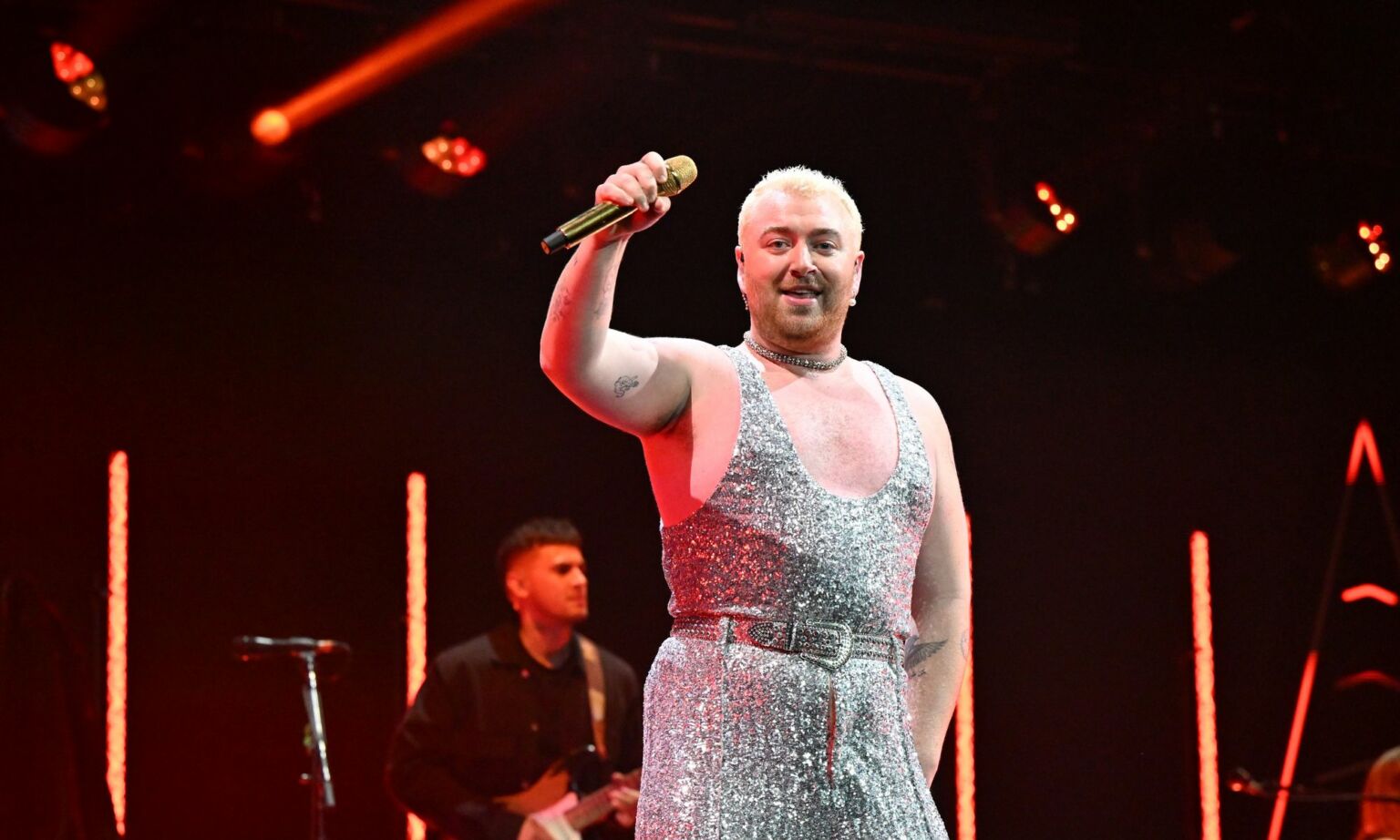
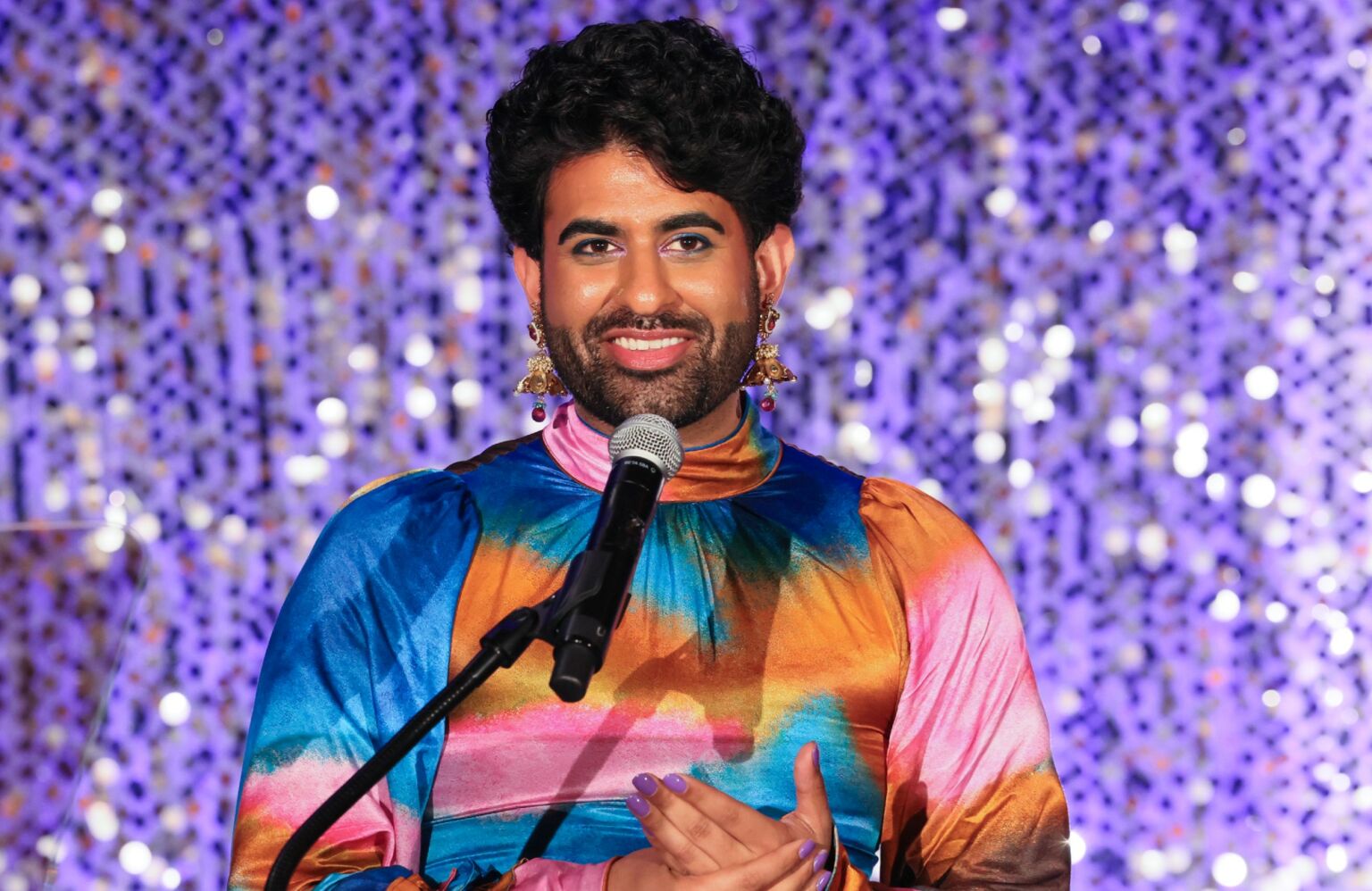



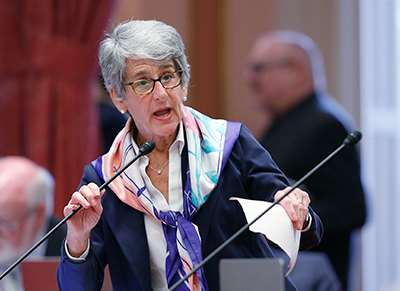



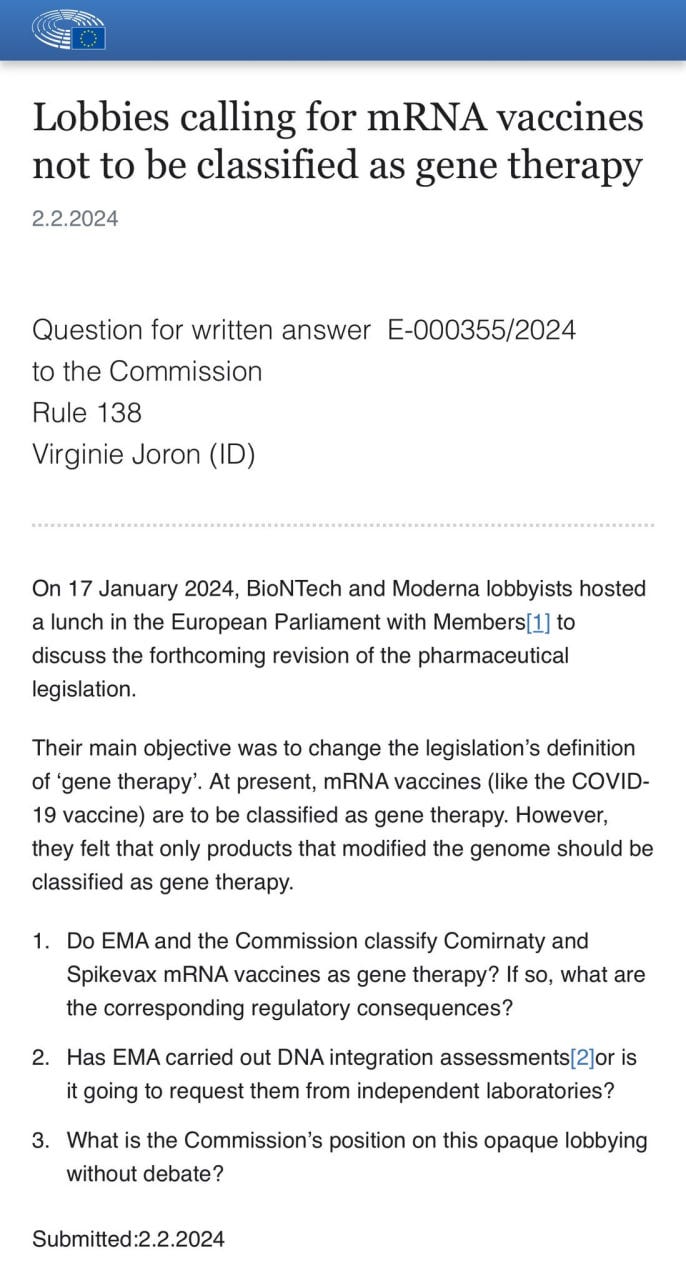
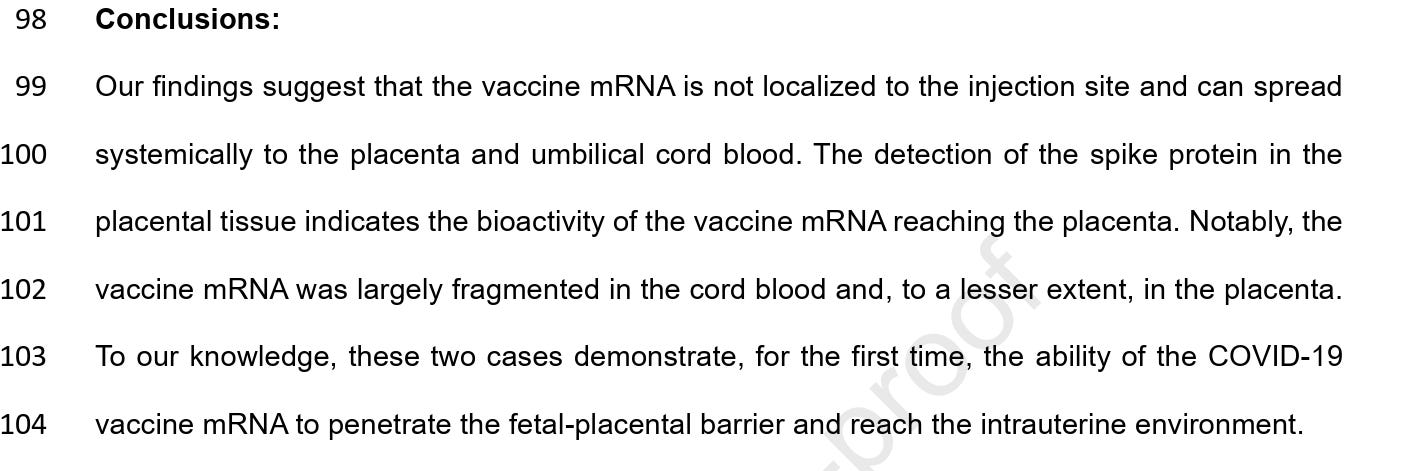
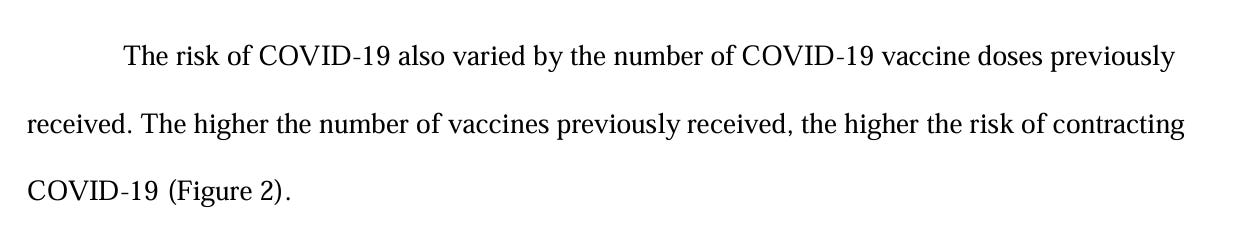
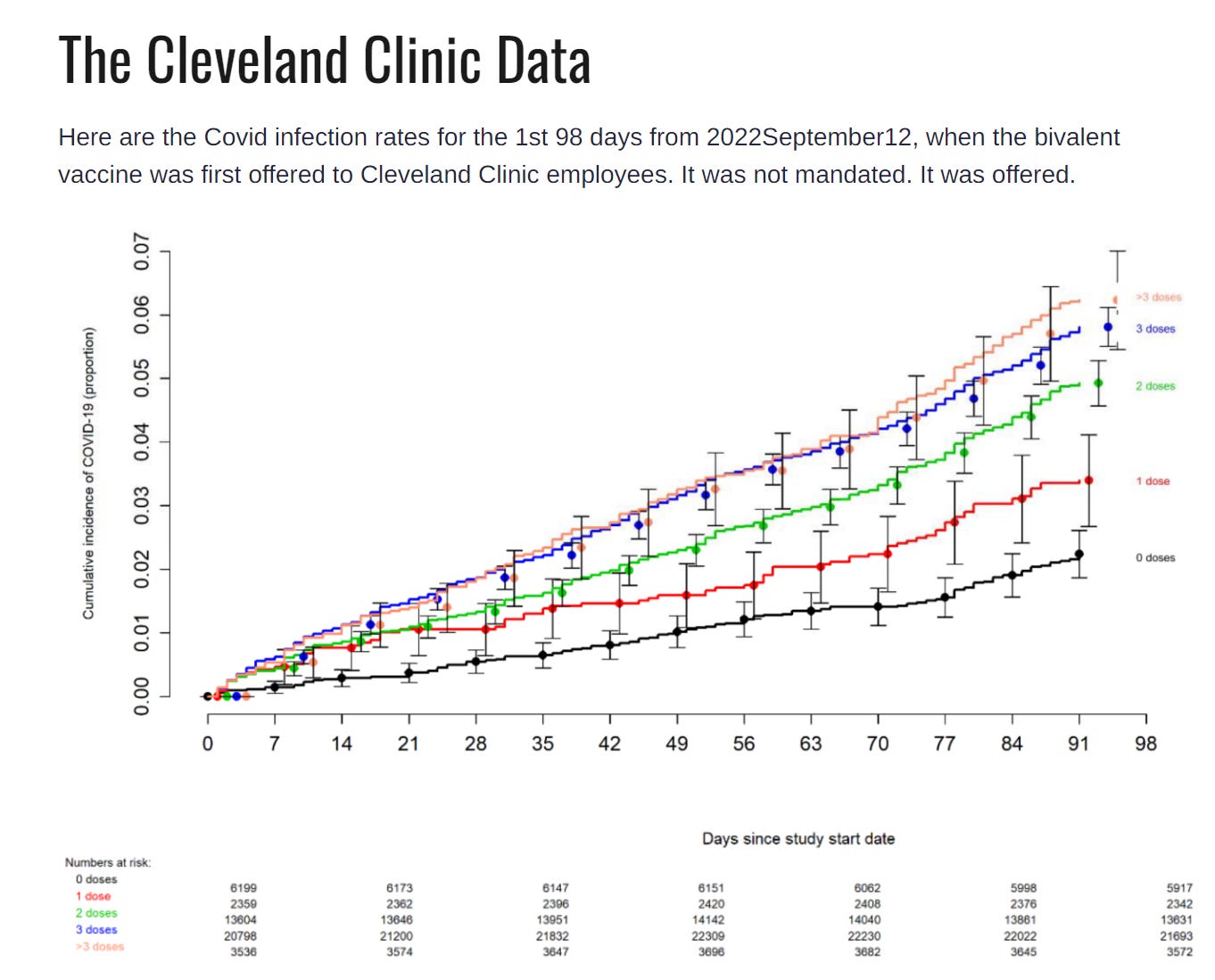
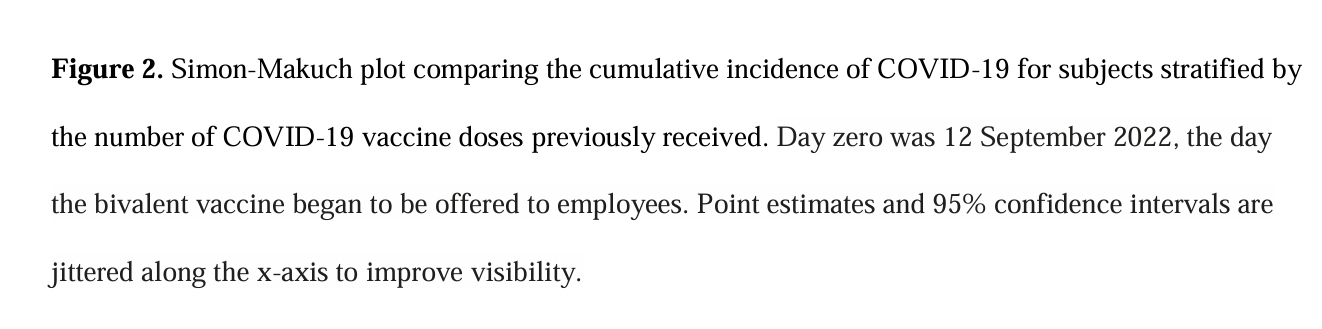

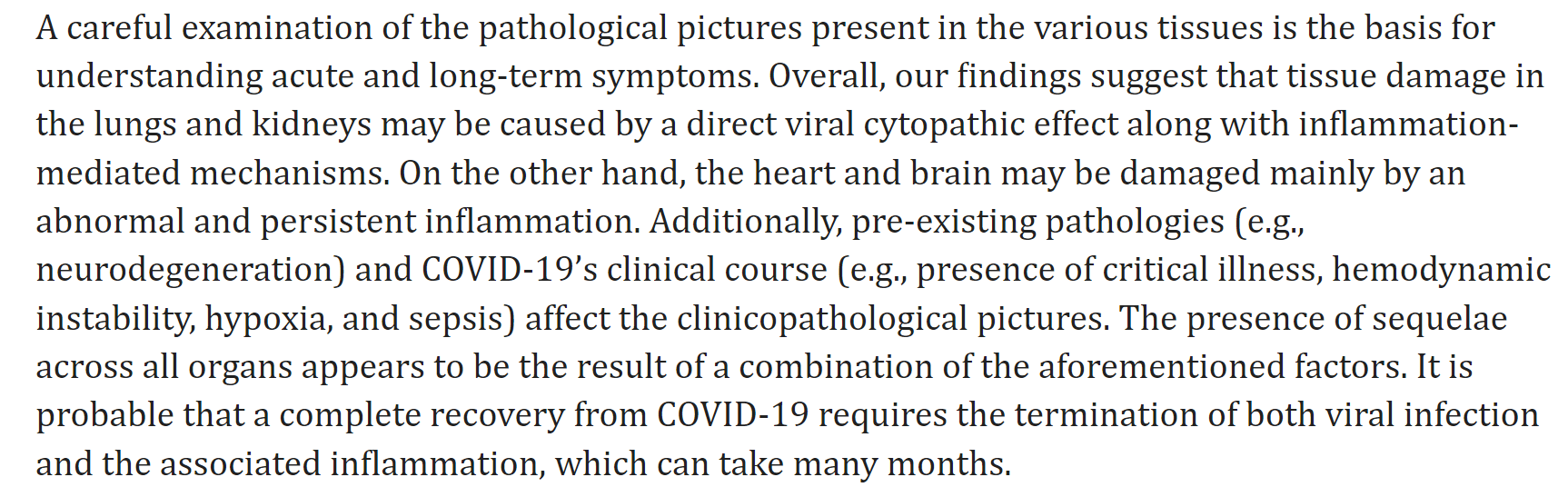

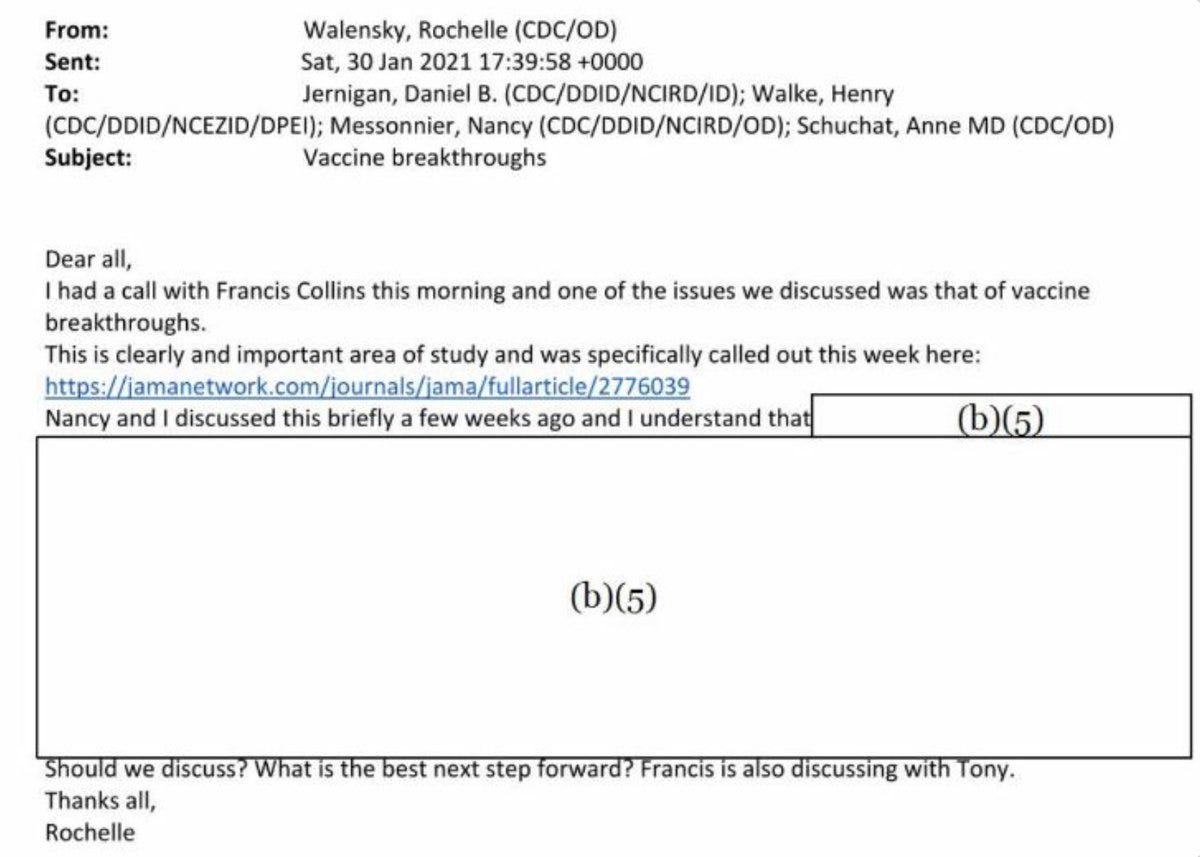




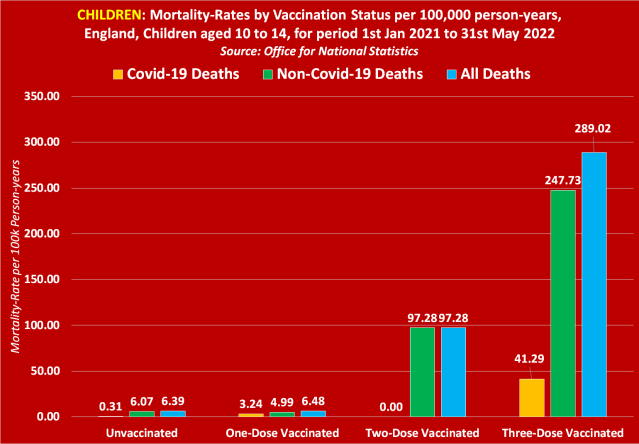


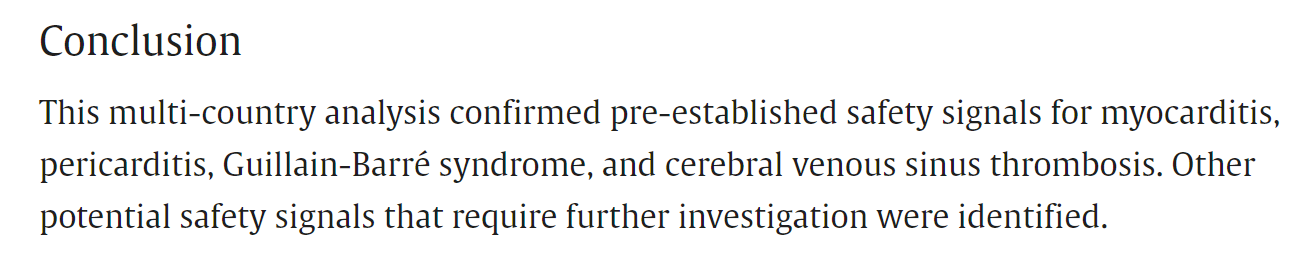
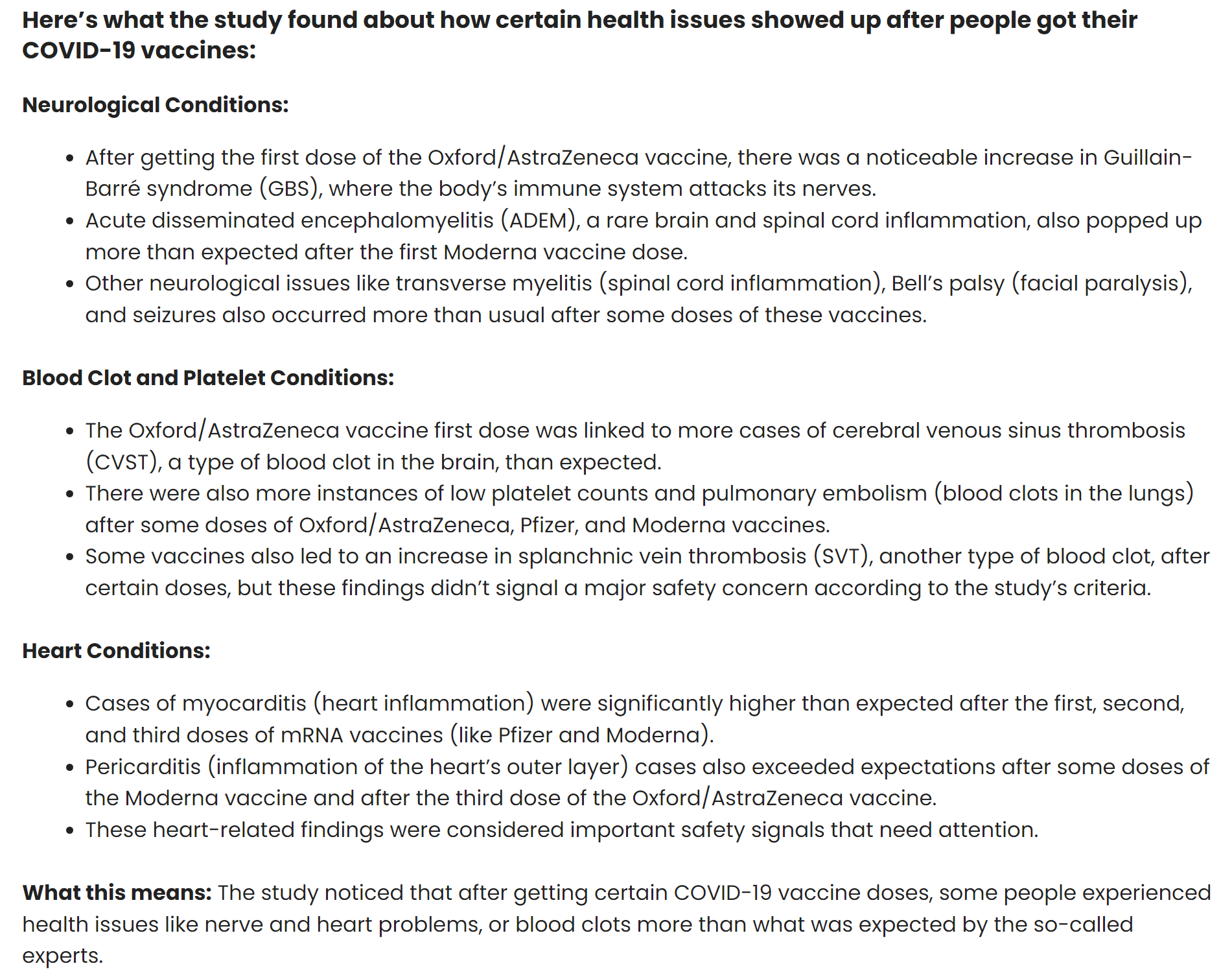

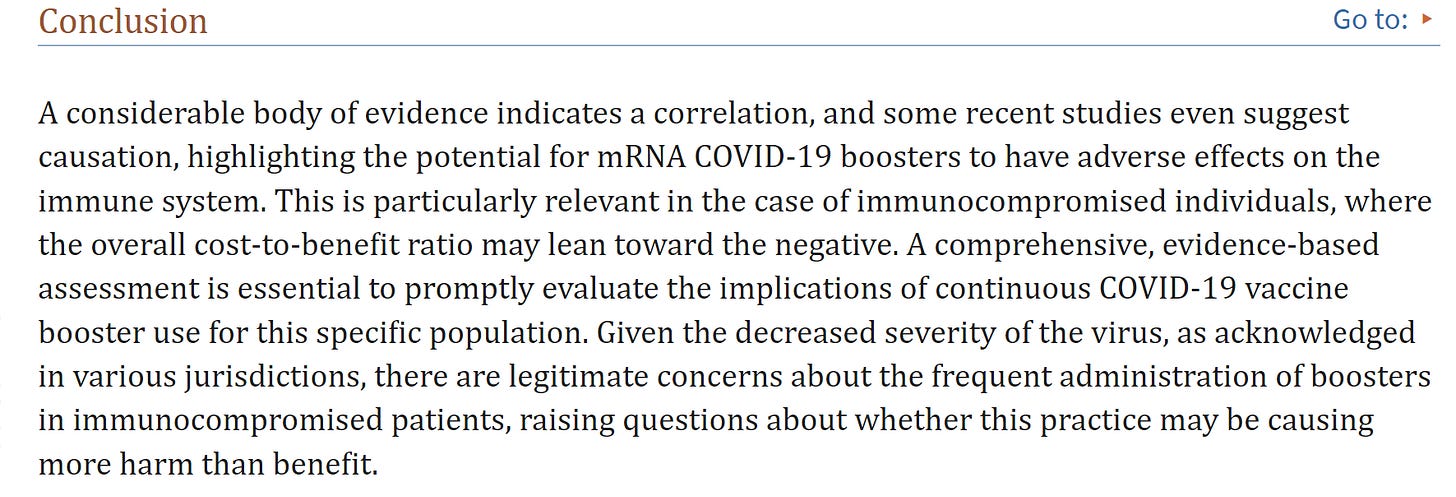
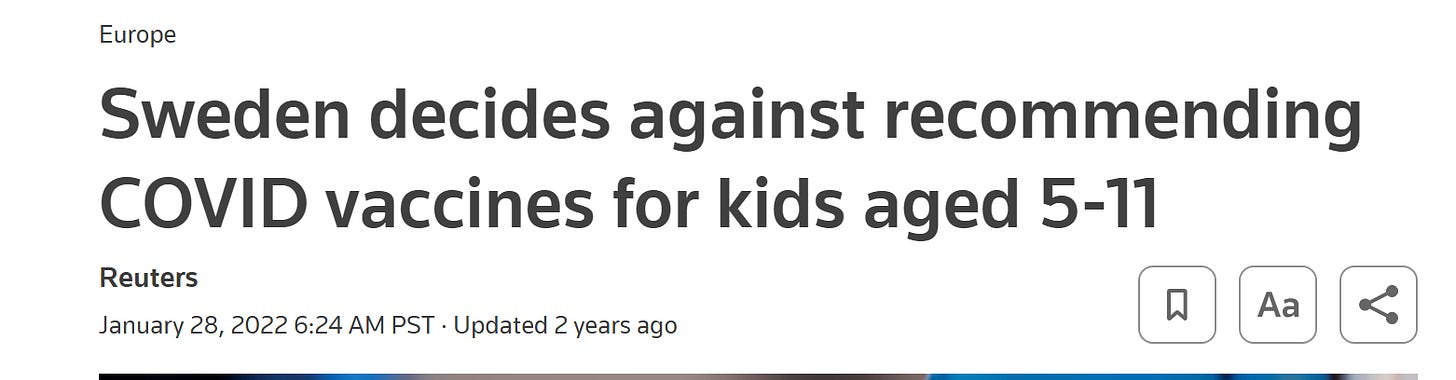

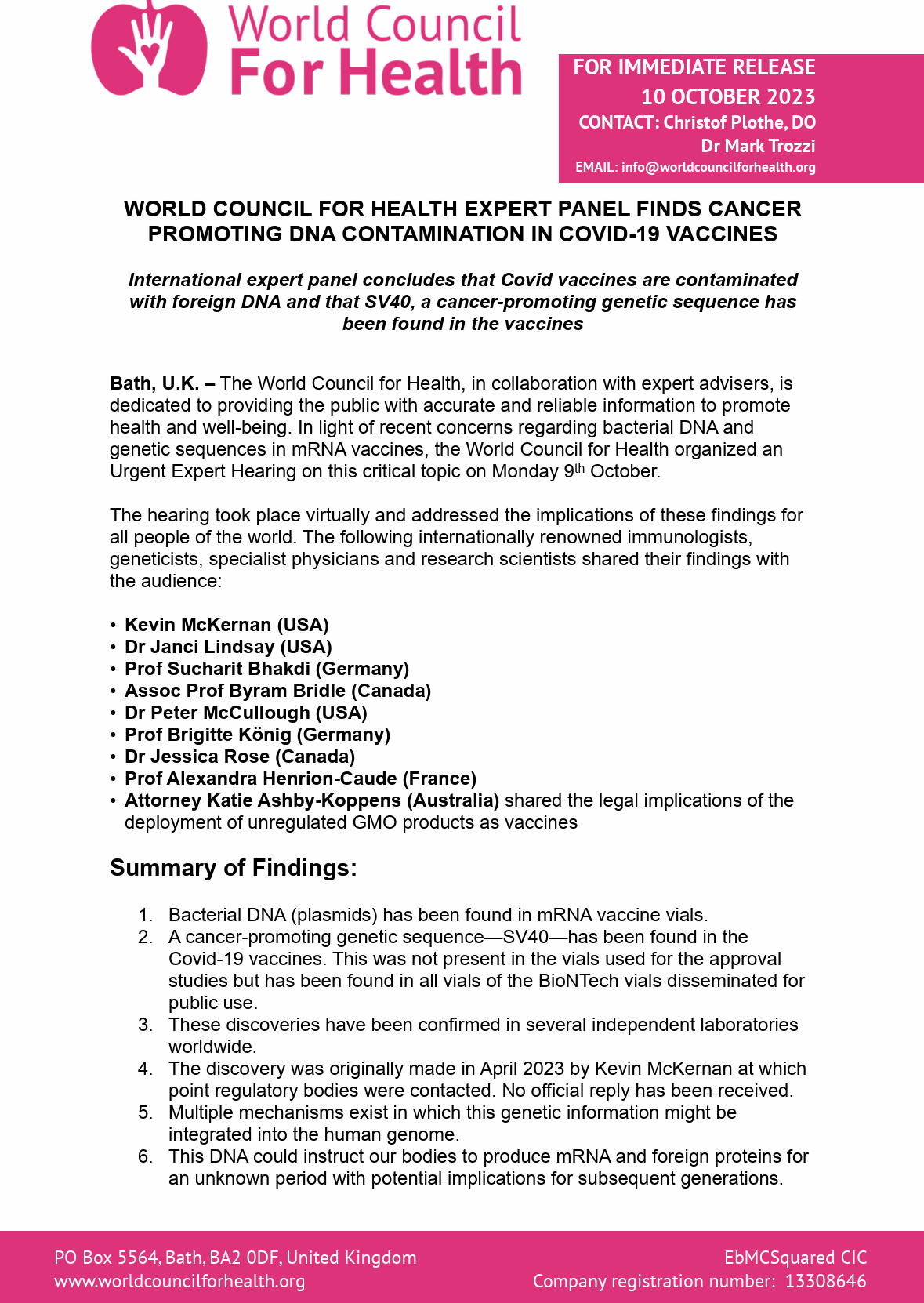
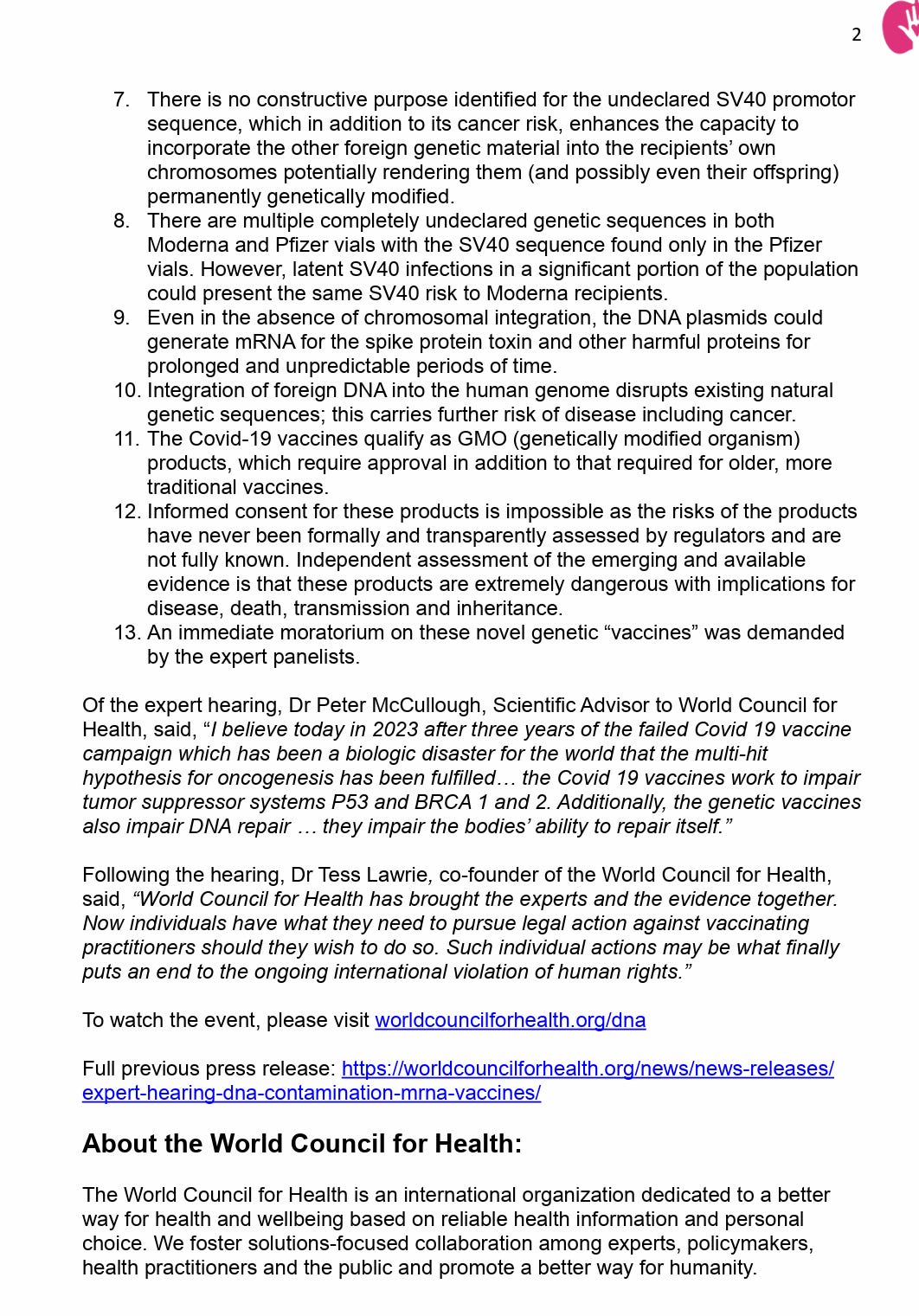

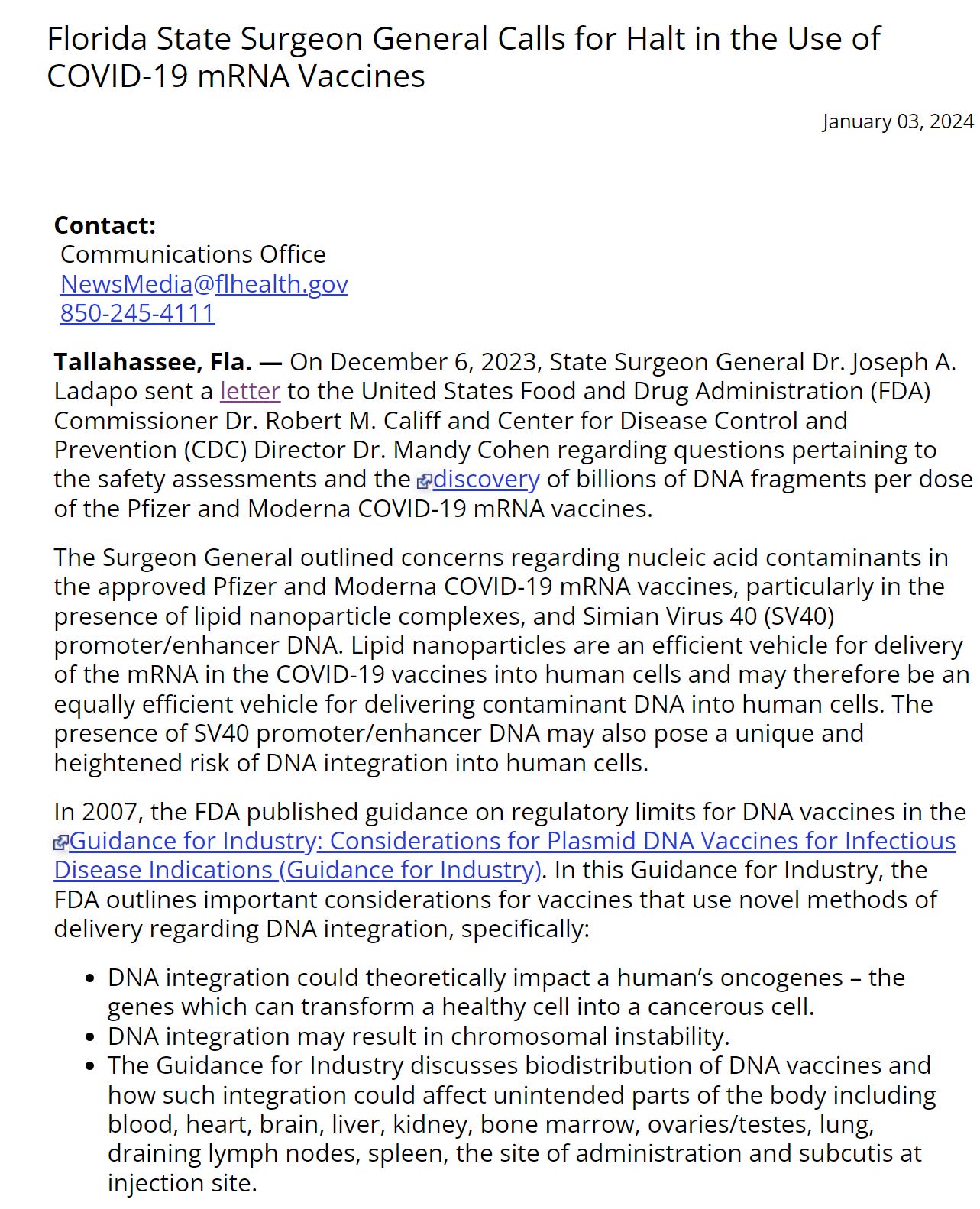
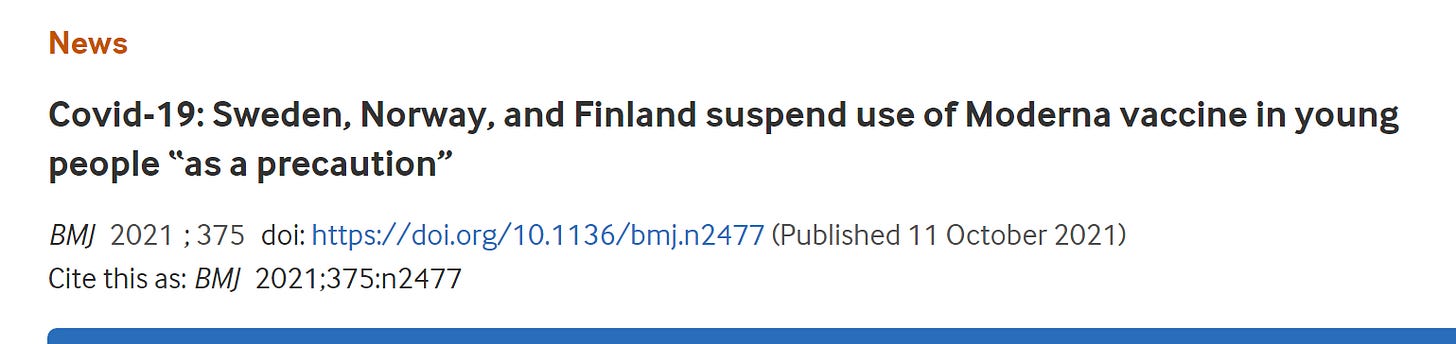
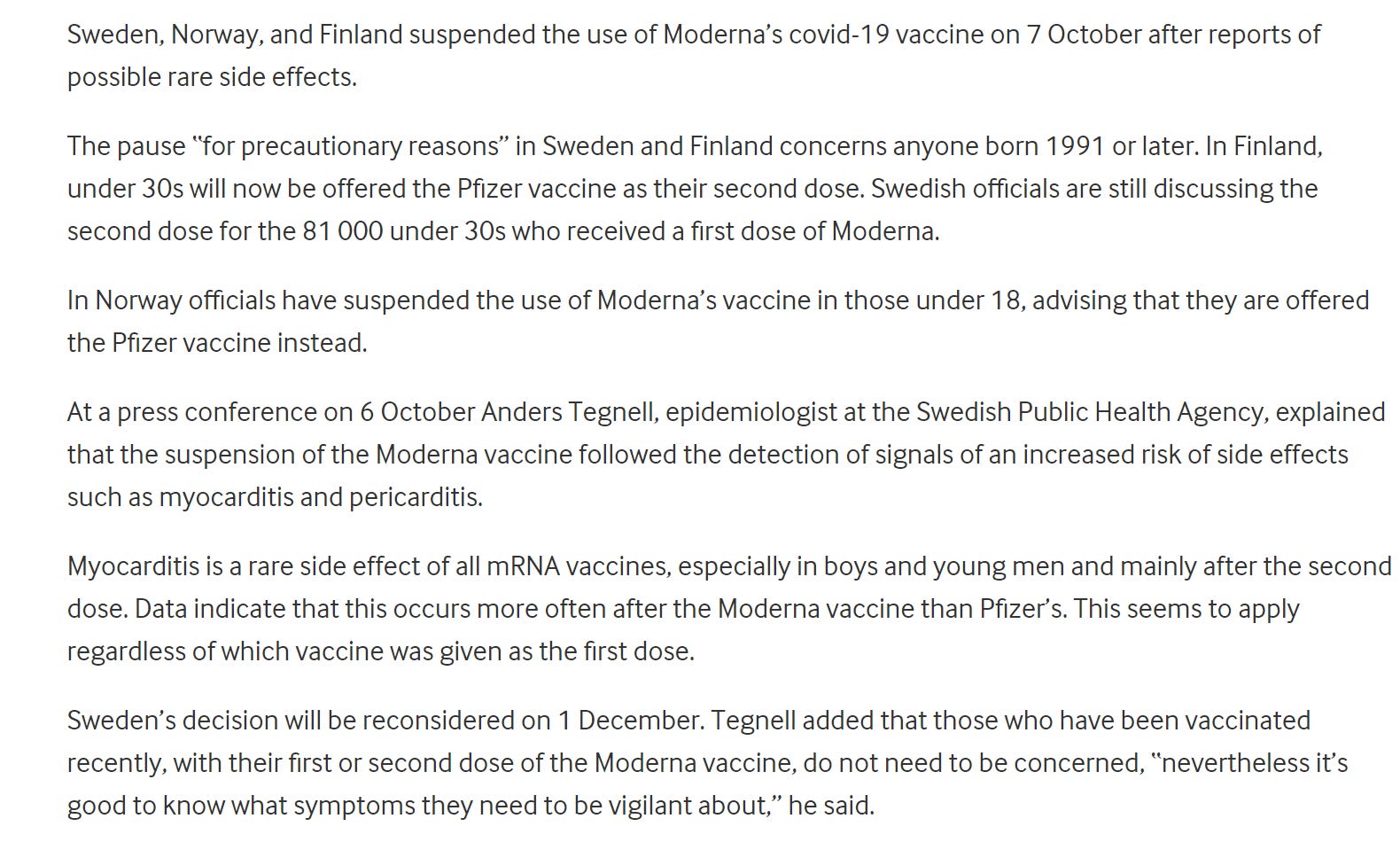


 fox files
Recent Comments