Because the GOP is now on an irreversible path to populism.
Meaning the uniparty is no longer a done deal. Its schemes are now out in the open for democratic debate.
Where they will lose.
Libertarian economist Murray Rothbard actually dreamed of this 30 years ago: A pro-freedom firebrand populist who skips the elite and speaks directly to the people.
Donald Trump pulled it off.
Trump’s Revolution
Donald Trump has just pulled off one of the greatest upsets in American political history, facing an assembled army of nearly every institution, every corporation, every lever of power and public opinion from Big Tech to Hollywood to the news media.
He won because he masterfully converted an elite-dominated GOP into a grassroots populist movements that finally speaks to the American people.
In contrast, Dems stuck with the uniparty script, appealing to donors, corporations, the financial elite, and our ruling bureaucracy.
Voters were ready. Because when the pendulum swings a little bit and you’ve got controlled opposition, the reaction is regime apologists like Mitt Romney and John McCain.
But when the pendulum swings a lot and you’ve built a grassroots movement, you get Donald Trump.
Rothbard’s Grassroots Populism
My favorite economic historian Murray Rothbard actually dreamed of this 30 years ago in an essay called A Strategy for the Right.
Rothbard goes through the effete opposition of post-FDR establishment conservatives, who wasted decades doing cleanup for the left’s revolution.
As Michael Malice put it, establishment conservatives were progressives going the speed limit.
This, of course, is the famous uniparty.
According to Rothbard, instead of cleanup, we need a populist firebrand who can unite small-government economic and social conservates to hack the federal government to oblivion — what they take, what they spend, what they control.
For Rothbard, this means engagement in the culture wars, in kitchen-table economic issues, reaching out to form alliances with fellow travelers of either party.
Rothbard stressed intellectual guerilla warfare, talking directly to the people. Not using universities to influence the elite but going directly to voters on issues they actually care about, demystifying and delegitimizing state power.
Above all, talking to the working-class, who are both the most patriotic and the most skeptical of faculty-lounge leftism.
Trading the Bowtie for the McDonald’s Apron
In short, Rothbard advocated trading the pipe and bowtie of elite engagement for the McDonald’s apron.
That is Trump.
The firebrand style. The war on woke. Alliances with fellow travelers from RFK to Tulsi to former Democrats Elon Musk and Joe Rogan.
Trump treated the universities — indeed, the entire left-wing intellectual elite — with utter disdain.
And they still hate him for it.
Contrast with a Mitt Romney who deeply cares about getting invited to the good cocktail parties.
Trump, instead, gave them the middle finger.
And he loved every minute of it.
Trump has converted Republicans forever into exactly what Rothbard dreamed of: A grassroots, people-first movement, not an errand-boy for the left-wing elite.
Republican *politicians, of course, are a work in progress: Congress rigs the rules so once you’re in you stay in. So it’s a slow process replacing obsolete RINO’s with America-First Republicans.
Still, politics is the art of finding a parade and getting in front of it, and 95% of Republicans just chose Trump.
So the politicians will evolve or they’ll be replaced
What’s Next
Donald Trump has vindicated Rothbard’s dream of a grassroots populist movement speaking directly to both economic and cultural conservatives.
He has forever transformed the Republican electorate into populists who will, with time, transform the entire party.
Over time, that new populist GOP will cripple the elite uniparty that’s spent a century crippling America.
This would transform our elections from uniparty play-fight into true contests of people versus elite. As they used to be before the Progressives seized both parties in the 1910’s.
Dare we dream, if the new populist GOP succeeds, even the Democrat party will question its loyalty to an elite rather than the people they serve.
That means we could be on the first steps towards liberating both parties — and therefore the nation — from the elites who have tried their best to gut this country.
Failed presidential candidate Kamala Harris admitted on Wednesday that she knew every single attack she launched against President-Elect Donald Trump and his presidency was a bald-faced lie.
More than twelve hours after Trump delivered a stunning blow to the regime and swept both the popular vote and Electoral College, Harris took the stage at Howard University to begrudgingly concede. She could have conceded in the wee hours of the morning, but that would have required showing up when it mattered — something she clearly doesn’t do (see her disastrous handling of Afghanistan).
But it wasn’t her hollow speech about “unity” and “joy” that stood out. It was the moment she openly confessed to spreading egregious falsehoods about Trump for months, all in a desperate attempt to sway the election.
“To the young people that are watching, it is okay to feel sad and disappointed,” Harris said. “But please know it’s going to be okay.”
It’s going to be okay?
How can it be okay when Harris told us that her opponent is a fascist? She said a Trump victory would be “dangerous” and a “huge risk for America.” Harris claimed that Trump “wants to send the military after American citizens” and that “he is out for unchecked power.” She painted him as an existential threat to “democracy” itself.
But now it’s “going to be okay”?
The truth is, it’s easy for her to say that “it’s going to be okay” because it will be okay. And it will be okay because everything Harris said was just a lie. The attacks, the smears, the fearmongering — it was nothing more than a political stunt designed to scare voters into supporting her because her policy positions weren’t enough to drag her across the finish line.
Harris banked her entire electoral victory on her supporters being ignorant about who Trump really is and what his presidency could achieve. And now, after losing, she can admit the truth — but it’s too little too late. Her divisive rhetoric, alongside the hate-filled narrative pushed by her party and the propaganda press, did more than just tarnish Trump’s reputation — it demonized half the country. It fostered an atmosphere of hate that contributed to the first two assassination attempts against Trump.
But now she wants to say it’s “going to be okay”?
Sure, things will be okay — thanks to Trump’s leadership and America-first policies. But the damage Harris did by stoking division, fear, and hatred for political gain will never be “okay.”
After spending at least $50 million in tax dollars to bring two unprecedented indictments against Donald Trump, Special Counsel Jack Smith should get his turn under prying eyes.
Jack Smith lurched into a Washington courtroom in September, fully aware all eyes had turned to him.
Declassified with Julie Kelly is a reader-supported publication. To receive new posts and support my work, consider becoming a free or paid subscriber.
Surrounded by a team of federal prosecutors and guarded by a government-paid security detail, Smith, a lanky man with a scruffy beard and ill-fitting suit, stood behind the government’s table with arms folded. He slowly turned around with a partial scowl to appraise the audience—mostly reporters and D.C. residents eager to watch the restart of his January 6-related case against Donald Trump—to make sure he was noticed. He did not speak during the proceedings.
That appearance, perhaps unbeknownst to him at the time, looks like Smith’s last time in a federal courtroom as the special counsel prosecuting Trump. Citing Department of Justice rules that prohibit the prosecution of a sitting president, Smith reportedly is working with his bosses at the DOJ to figure out how to drop both the D.C. case and the classified documents in case in Florida; Smith has appealed Judge Aileen Cannon’s order dismissing the indictment based on the special counsel’s unconstitutional appointment.
The move represents another political fatality tied to Trump’s resounding victory on Tuesday. It also represents another humiliating defeat for the man the media portrayed as a steely war-crimes prosecutor plucked off a high profile international trial at the Hague by Attorney General Merrick Garland in November 2022 to finally realize a longtime DOJ dream: put Donald Trump behind bars.
Stone Cold Loser Loses Again
But the hagiography about Smith—reporters swooned over the silent-type injured triathlete, even covering his stop at a DC sandwich shop in 2023 as “breaking news”—never matched his record. The Supreme Court in 2016 unanimously vacated the bribery conviction of former Virginia Governor Robert McDonnell, a case brought by Smith when he led the DOJ’s public corruption office during the Obama administration. Following Smith’s appointment, McDonnell told Mark Levin that Smith would “rather win than get it right.”
Smith, however, usually does neither. In fact, his prosecutorial resume is a long list of courtroom losses, which makes one wonder why Garland chose him for the job. (More here).
Smith failed to win a single conviction in his prosecution of former Senator John Edwards on campaign finance charges in 2012. One DOJ watchdog group slammed Smith for using an “overly aggressive approach” in pursuing Obama’s 2008 Democratic primary rival and for relying on a “novel interpretation of campaign finance laws” to put Edwards behind bars.
It is an approach he repeated in his two unprecedented criminal indictments of Trump. The four counts in his J6-related case rely on vague conspiracy and obstruction statutes; two of the charges involve 18 USC 1512(c)(2), the post-Enron tampering with documents statute. In June, the Supreme Court reversed how the DOJ had applied that law in hundreds of January 6 cases and the court would have reached the same conclusion about Smith’s interpretation of the law if the case ever made it there.
In fact, the court this year rebuked Smith twice—by denying his highly unusual request to bypass the D.C. appellate court to immediately consider the presidential immunity question and by rendering its landmark decision in Trump v US, which largely gutted the J6 indictment.
Evidence of Misconduct in Classified Docs Case Demands Investigation
Smith’s classified documents case consisted of a hodgepodge of allegations about Trump’s possession of alleged national defense papers after he left office and accusations that he and two aides attempted to obstruct the investigation, which began in February 2022. But the DOJ’s handling of the case represents the best opportunity for a Trump DOJ to turn the tables and investigate main Justice and Special Counsel’s office for numerous offenses.
The case was tainted from the start. Although the alleged crimes occurred in Palm Beach, the DOJ conducted the entire investigation in the Trump-hating courthouse in Washington. This permitted unabashed Trump hater Chief Judge Beryl Howell to act as a rubber stamp for the DOJ’s requests including authorizing grand jury subpoenas and piercing attorney-client privilege claims between Trump and his lawyer, Evan Corcoran, under the rarely-used crime fraud exception.
Smith transferred the case to the proper jurisdiction in southern Florida at the last minute to get an indictment and then ran into a buzzsaw named Judge Aileen Cannon.
Thanks to Cannon’s fierceness—her concerns over the dirty nature of the case dates back to September 2022 when she appointed a third party to vet the items collected during the FBI’s armed raid of Mar-a-Lago the month before—the special counsel’s office was forced to disclose instances of tampering with and perhaps destroying evidence, intimidating witnesses, withholding discovery, and misleading the court.
Court proceedings also revealed egregious misconduct related to the unprecedented armed raid of Mar-a-Lago; agents working out of the Washington and Miami FBI field offices breached the broad terms of the search warrant by ransacking the bedrooms of Melania and Barron Trump. The FBI’s plan included the bureau’s use of lethal force policy, underscoring the excessiveness of the raid, which was altogether unnecessary considering Trump and his lawyers had been cooperating with authorities for months.
Prosecutors later admitted in court that some of the records seized during the raid were not properly handled by investigators; defense attorneys claimed documents were missing.
Defense attorneys also obtained communications between the DOJ, the National Archives, and the Biden White House that demonstrated a behind-the-scenes effort to concoct a documents case as early as May 2021. A Trump DOJ should haul before a grand jury everyone from Biden’s general counsel Jonathan Su to deputy attorney general Lisa Monaco and top NARA officials involved in the scheme.
Conspiracy to defraud, anyone?
Show Us the Money
A full-blown audit into the special counsel’s expenditures should be conducted by either a Trump DOJ or a Republican Congress. Smith’s prosecutors often bragged about “the permanent, indefinite appropriation for independent counsels” allowed under 28 U.S.C. § 591 note, a claim Judge Cannon also doubted.
According to required financial reports, Smith’s team spent at least $35 million in the first 14 months of his investigation, a figure that includes additional support from main Justice. But those costs only cover the period from November 2022 through March 2024; it’s likely Smith blew through another $15 million or so over the last several months, bringing the total to over $50 million.
Expenses include a protective detail for Smith; travel expenses; and millions in unspecified “contractual services.”
Time to see who and what companies profited off the special counsel grift.
Weak Republicans in Congress undoubtedly will resist efforts to investigate and audit Smith but Trump should ignore them.
The American people—as well as Trump himself and his co-defendants—deserve a full accounting of this dirty, rogue, secretive process. And Smith and his accomplices need to be held accountable.
Anti-Trump protestors, some violent, took over major U.S. cities for weeks in 2016. But the January 6-obssessed media and Democratic Party want the public to forget what happened. Here’s a reminder.
Donald Trump’s comments about envisioning neocon nepobaby Liz Cheney deployed to any one of the Cheney family’s favorite war zones has resulted in perhaps the most deceitful media campaign of the 2024 presidential news cycle. Cable news commentators including increasingly irrelevant and bitter NeverTrumpers such as Jonah Goldberg—who walked back his tirade on CNN claiming Trump advocated the use of a “firing squad” against Cheney—caterwauled how Trump’s remark would spark “political violence.”
The unsubstantiated allegation is central to Kamala Harris’ closing argument. She continues to insist without evidence that Trump is a perpetrator rather than a victim of “political violence.” Harris fielded a pre-planned question during a campaign stop in Wisconsin on Friday to accuse Trump of using “violent rhetoric” that disqualifies him from office.
Despite numerous examples of Democrat-involved political violence in Washington over the past decade—2017 Trump inaugural riots, 2018 Kavanaugh protests, 2020 BLM/antifa riots, post-election confrontations with Trump supporters during “Stop the Steal” events in November and December 2020, and recent incidents tied to pro-Hamas demonstrations—the media now claims Republicans, not Democrats, will start tearing down major cities including the nation’s capital if Trump does not win the election.
January 6 Survivors Speak
D.C. police and activist groups, according to the Washington Post, are preparing for violence initiated by “white supremacists,” aka Trump voters, after Election Day. Apparently still traumatized by the unarmed four-hour disturbance on Capitol Hill nearly four years ago, the ruling elite wants to take every precaution necessary to prevent another QAnon shaman or Indiana meemaw from invading their personal fiefdom on the Potomac.
“I really fear outsiders coming in,” D.C. resident Gail Sullivan told the Post last week. ‘This is where the insurrection happened. Maybe it will spill out more into our neighborhoods than it did before.’”
D.C. resident Shreya Tulsiani told Politico last month that she still struggles with flashbacks of that fateful day. “January 6th was a very scary time,” she confessed. ‘I used to live right off of North Capitol Street, so I could see the Capitol. There were Proud Boys petting my dog that day.”
OMG PROUD BOYS PET HER DOG!
Cassie Miller and her husband recently decided to move out of their Capitol Hill home “having lived through” the events of January 6 and fearful of a reprise. “We decided we’d rather be safe than sorry,” Miller told the local D.C. NBC News channel.
To create more drama, the U.S. Capitol Police conducted a “mass casualty” exercise earlier this week, a publicity stunt intended to bolster fears of MAGA trouble. This is the same law enforcement agency, by the way, that protected then promoted Lt. Michael Byrd, the officer who shot and killed Ashli Babbitt at near-point blank range on January 6.
Police across the country reportedly also are bracing for post-election violence. Why? Politico reporter Betsy Woodruff Swan of course blames Trump. “[As] Trump once again promotes falsehoods about election fraud and denigrates election officials, law enforcement officers worry that the floodgates to violence are open,” Swan claims. Swan then used a few thousand more words to detail alleged threats to election workers and other incidents that solely targeted Democrats and Democratic jurisdictions in the post 2020-period.
January 6 Amnesia
If reporters and their Democratic handlers suffer from amnesia about the recent history of election-related violence spawned by supporters of their own party, we know why. As repeatedly stated, every day is January 6, 2021 to Democrats and regime media. It’s as if American history ceased to exist in any meaningful way before that date; nothing that happened before January 6 matters.
So here is a little refresher about what went down following Trump’s shocking victory on November 8, 2016 when Democrats, NeverTrumpers, and the media exploded into a full-blown fit of rage:
The New York Timesdocumented days of protests spanning 52 cities following Trump’s election. Anti-Trump demonstrators blocked traffic in Miami, Portland, Las Vegas, and Madison, Wisconsin; protesters burned an American flag in front of the Georgia Capitol building.
Democrats in Los Angeles burned a pinata resembling the president-elect.
After three days of intense violence, Portland police declared a riot on November 10, 2016. Anti-Trump thugs attacked police, vandalized business, and set buildings on fire. The following day, the Portland police department announced the use of “pepper spray, rubber ball distraction devices, [and] rubber baton rounds” to halt the rioting.
More than 7,000 protesters took to the streets of Oakland, California on November 9. A local Oakland newspaper described the chaos: “Protesters hurled Molotov cocktails, rocks and fireworks at police. Some protesters set off fireworks. Others burned a Trump effigy, and someone set a pile of cardboard on fire in the middle of a downtown intersection. A group of protesters wearing clown and Guy Fawkes masks used bricks, their feet and a large stick to smash the glass windows of the Oakland Coin and Jewelry Exchange at 1725 Broadway. Other storefronts on that block were covered in graffiti as well. Multiple trash and cardboard fires were started in the middle of the street and a much larger fire was raging at the intersection of 17th Street and Broadway.” At least three Oakland police officers were injured that night.
Confrontations with police in Omaha, Nebraska resulted in the deployment of mob control munitions on November 10, 2016; at least two people were arrested for obstructing justice.
Protesters began shouting “kill the police” during an anti-Trump demonstration in Indianapolis on November 12, 2016. Some protesters threw rocks at police; at least seven protesters were arrested and two officers received minor injuries.
Demonstrations lasted for weeks leading up to Inauguration Day. Students walked out of classes; protesters surrounded Trump’s hotel properties in Chicago, New York, and Washington; and clashes with police continued. Now, some events certainly can’t be categorized as violent but considering the Biden/Harris Department of Justice now considers anyone who nonviolently participated in the events of January 6 a domestic terrorist—the new rules must apply to history.
Post-election protests in 2016 culminated in a violent riot in the nation’s capital on January 20, 2017. Protesters tied to antifa lit cars and businesses on fire just blocks from the inauguration proceedings. More than 200 rioters were arrested and six officers sustained injuries.
But unlike those who protested on January 6, the DOJ dropped all charges against 2017 inaugural rioters.
In anticipation of potential post-election violence next week, D.C. businesses have begun boarding up their doors and windows. Regardless of the media spin or outlandish fears by D.C. residents of another unarmed “insurrection,” those business owners undoubtedly fear Kamala Harris supporters will cause trouble if she loses. After all, years of precedent prove the opposite of what Democrats and the media want the public to believe. They, not Trump supporters, represent the real threat for “political violence.”
With the election just five days away, the rhetoric from Democrat leaders and their allies has taken a distinct and ominous turn. It is becoming increasingly clear that the Democrat Party is actively preparing its constituency for what it perceives as an existential threat: a Republican victory next week. Leading figures in the party, from the sitting president to the vice president and beyond, are cultivating a narrative that dehumanizes Republicans, primes their supporters for violent resistance and sets the stage for a crisis that could threaten the very stability of the republic. These efforts go hand-in-hand with a series of wargames, including the Democracy Futures Project held less than six months ago in Washington, D.C., where 175 of the most senior and influential government officials, academics, activists, governors, cabinet members, military officers and grassroots leaders came together to normalize the concept of overturning the outcome of the presidential election if Donald Trump wins in November.
The Anatomy of an Existential Crisis
When Kamala Harris refers to Donald Trump as a fascist—or when President Joe Biden calls his supporters “garbage”—these are not slips of the tongue. They are calculated declarations designed to ignite fear and loathing within their base. Democrats, armed with the propaganda of mainstream media, paint a picture of Trump and his supporters as a malignant force in American society. It is rhetoric not unlike that used in history to set the groundwork for total warfare against an internal enemy—the kind that makes dehumanizing your opposition not just acceptable but moral. The Rwandan Genocide of the 1990s serves as a grim reminder of where such rhetoric can lead. In Rwanda, Hutu extremists used dehumanizing language, referring to the Tutsi minority as “cockroaches” that needed to be exterminated, which paved the way for one of the worst genocides in modern history. The parallels in language should serve as a stark warning of the dangers inherent in normalizing such vilification.
The modern Democrat Party has leaned heavily into invoking imagery reminiscent of one of history’s darkest periods. Not coincidentally, Trump’s rally at Madison Square Garden has been compared by media outlets to the Nazi rally held there in 1939. The vice president and her allies are not simply signaling their opposition to Trump’s policies—they are explicitly calling Trump Adolf Hitler. By invoking the name of Adolf Hitler, the Democrats are drawing comparisons to a figure responsible for the Holocaust, where six million Jews were systematically murdered, alongside millions of others, including political dissidents, disabled individuals and various ethnic minorities. Hitler’s tyranny extended to brutal concentration camps, where prisoners faced unimaginable horrors—forced labor, starvation and mass executions. The Democrats are portraying their political adversaries not as opponents in a democratic contest but as an evil that must be stamped out to preserve democracy itself. By equating Trump to one of the greatest villains in human history, Democrats are subtly yet effectively setting the conditions for widespread, potentially violent civil resistance if the outcome doesn’t go their way.
Unknown photographer from the Auschwitz Erkennungsdienst. Several sources believe the photographer to have been SS officers Ernst Hoffmann or Bernhard Walter, who ran the Erkennungsdienst., Public domain, via Wikimedia Commons
Dehumanization and Its Perils
The Democrats’ reliance on incendiary rhetoric should not be surprising. When Hillary Clinton referred to Trump’s supporters as a “basket of deplorables” in 2016, she laid the foundation for a more aggressive form of disdain for half of the electorate. Fast forward to the Biden-Harris era, and the dehumanizing rhetoric has only escalated. President Biden labeled Trump supporters as “garbage,” echoing and amplifying Clinton’s infamous comment. But it doesn’t end with the leaders at the top.
Daytime television has become a platform for reinforcing these narratives. Joy Reid, a host on MSNBC, along with members of The View, like Whoopi Goldberg, have referred to Trump supporters as “cockroaches.” Such language is significant, as it has deep historical resonance. It is the exact same description used by the Hutu-led government and media in Rwanda in the 1990s to lay the psychological groundwork for genocide against the Tutsi minority. Under the leadership of Hutu President Juvénal Habyarimana and with the complicity of mainstream media outlets like Radio Télévision Libre des Mille Collines (RTLM), Tutsis were labeled as “cockroaches,” which paved the way for the massacre of 800,000 Tutsis and moderate Hutus in just 100 days. By equating a group of people to pests that need extermination, the Democrats and their media partners are invoking a chillingly familiar language of dehumanization. The objective here is not simply political victory; it is to paint any Republican or conservative—especially those aligned with Trump—as something less than human.
Conditioning for Conflict
While the rhetoric is alarming on its own, it serves a larger, more dangerous purpose: conditioning the military, law enforcement and Democrat base for conflict. The Atlantic‘s Jeffrey Goldberg and others, have been particularly prolific in advancing the idea that Donald Trump not only disdains the military but seeks to use it as an extension of his will—akin to fascist leaders like Hitler and Mussolini. According to recent articles, Trump supposedly envies the respect that Hitler commanded from his generals, a claim that’s both absurd and deliberately incendiary. Consider admissions by General Mark Milley in Bob Woodward’s book, where Milley openly stated that he sought to prevent Trump from being able to order the military to take actions that Milley did not agree with. He admitted to preventing the National Guard from being deployed to stop the January 6th riot. Furthermore, Milley even claimed that he had contacted the Chinese military, promising them he would personally warn them if Trump planned any attacks. These actions reflect an alarming trend of senior military figures feeling empowered to circumvent the established chain of command, further fueling the narrative of distrust and division.
In this narrative, the Democrats do not merely critique Trump’s policies. They paint him as someone contemptuous of America’s values—someone who, if given the reins of power, would commandeer the military to crush dissent. This is not only an affront to Trump’s record, where he reduced endless foreign interventions, but it serves to turn those in uniform against him. Consider General John Kelly’s recent claims that Trump admired Hitler and wished his generals were more like Hitler’s—claims that are difficult to believe given that Kelly waited five years to make them. As chief of staff, Kelly not only failed to follow orders but actively sought to undermine Trump’s efforts to bring U.S. troops home, build the border wall and implement economic policies that were central to his platform. These actions reflect an effort from within to subvert a sitting president, positioning the military to view Trump and his supporters as a threat—a narrative that could justify disobedience to presidential authority or worse, a schism within the Armed Forces.
John F. Kelly speaks at the 53rd Munich Security Conference in 2017.
Democrats such as Rep. Jamie Raskin (D-Md.) have even floated scenarios involving Congress using the 14th Amendment to prevent Trump from taking office, citing insurrection. In one viral video, Raskin made it 100% clear that if Trump wins on November 5th, he and his Democrat allies in Congress have a plan to ensure that Trump will never take the oath of office or set foot in the White House again. Raskin even acknowledged that their actions would likely result in civil war, stating that he is ready for that outcome—an allusion to the fact that the Biden-Harris regime had already purged conservatives from the ranks of the military using COVID as a pretext. This purge, along with the ongoing efforts to paint Trump and his supporters as dangerous, less-than-human opponents, was carried out to ensure that the military would willingly turn their weapons against the American people, believing it to be necessary for the preservation of democracy. The reference to January 6 looms large in these scenarios, treated not as a one-off riot but as a precursor to future violence—a violence that Democrats argue can only be avoided by nullifying a Trump victory. The implication is clear: if Trump wins, violence is inevitable, and extreme measures, including possibly undermining democratic processes, will be justified.
A Pretext for Violence
One might wonder why the Democrats are engaging in such extreme language now, even before the election results are in. The answer lies in the strategic nature of their rhetoric. The aim is to establish a pretext for violence. Figures like Robert Kagan, Rosa Brooks and Barton Gellman have all laid the intellectual groundwork for what would be, in essence, a mass mobilization of Democrat voters against the result of a democratic election. Following Trump’s win in 2016, anarchists, Black Bloc and Antifa took direct action, resulting in numerous violent incidents. In Washington D.C., rioters injured over 200 Capitol and D.C. police officers during protests, set fire to vehicles and even burned St. John’s Church near the White House. The level of damage to public and private property was extensive, with millions of dollars in damage. This was only the beginning, as the same groups used the death of George Floyd as a pretext to conduct over 100 days of violent riots, resulting in at least 25 deaths, hundreds of injuries, countless buildings burned, and over $2 billion in damages nationwide. The message is clear: this time, the response will make the previous actions look minor in comparison. It won’t just be Antifa; it will be the entire Democrat party supporting and legitimizing these actions, as they see it as necessary to resist and destabilize a potential Trump victory.
The Wargames: Normalizing Election Overturning
Multiple wargames have been held by various groups to simulate scenarios where Trump wins and to strategize how he could be stopped. However, the real scandal lies in the fact that these were not just simulations or games—they were propaganda efforts designed to indoctrinate key figures into viewing Trump’s victory as an existential threat to America. The Democracy Futures Project, backed by George and Alex Soros and led by Rosa Brooks and Barton Gellman, organized five tabletop exercises in May and June 2024, featuring 175 of the most senior and influential individuals in government, academia, activism and military ranks. Participants included former governors, cabinet members, retired military officers, grassroots leaders and more. These exercises were not merely hypothetical scenarios—they were aimed at normalizing the idea of overturning a legitimate election outcome if Trump were to win. The wargames included discussions on potential cabinet responses, military actions, civil resistance and law enforcement maneuvers—all geared toward disrupting a Trump victory and fostering division.
This effort is reminiscent of “The Simulation,” a wargame organized by The Transition Integrity Project in 2020, which was featured in Unprecedented, a documentary series by Alex Holder. In that series, political strategists and former officials, including James Comey, John Podesta and Michael Steele, role-played scenarios involving contested election outcomes, simulating responses to a Trump victory. The true purpose of these exercises is not about ensuring free and fair elections; it is about legitimizing resistance, including violent resistance, to outcomes that do not align with the preferences of the Democratic Party.
The New York Times and The Washington Post have run extensive pieces on the supposed need for mass mobilization if Trump wins, calling on private industry and civil society to ostracize Trump supporters. The messaging is eerily consistent: in the event of a Trump victory, resistance must not only be political but physical. These are not the words of a party preparing to abide by democratic norms; these are the words of a regime setting the stage for conflict.
The Coming Crisis?
At the center of all this lies a calculated and deeply coordinated effort by our nation’s top leaders—often referred to as the “Deep State”—to normalize the rejection of Donald Trump’s election. They are ready to lead a violent resistance. The propaganda effort has been thorough, and for months, the electorate and the Democrat voter base have been conditioned to see Trump and his supporters as non-human—labeling them as garbage, fascists and even comparing them to Hitler. Should Trump emerge victorious, the narrative of violence will already be in place, with a moral justification for “defending democracy” by whatever means necessary. This is dangerous not just because it undermines the legitimacy of elections but because it risks tearing apart the social fabric of the nation, creating a deeply divided populace and potentially inciting widespread conflict that could have devastating consequences for American democracy.
Liz Cheney, a staunch “Never Trump” former Republican representative, has joined Democratic presidential nominee Kamala Harris in key swing states in the final days of the campaign to warn voters that Donald Trump does not respect the “rule of law” or the U.S. Constitution. “[When] you think about, what are you looking for in somebody you hire, you’re looking for somebody that you can trust, you’re looking for somebody who’s going to be responsible, who’s going to operate in good faith,” Cheney told the Detroit Economic Club on Oct. 22.
But new evidence has emerged suggesting that Cheney may have unethically influenced crucial anti-Trump testimony while serving as vice chairman of the January 6 Committee that investigated the protest at the U.S. Capitol in 2021.
At issue is Cheney’s collaboration with Cassidy Hutchinson, now 27, a former aide to then-Chief of Staff Mark Meadows. Hutchinson, who also is campaigning for Harris, is widely considered the committee’s “star” witness for her damning account of Trump’s alleged conduct on January 6. For nearly two hours during her June 28, 2022, televised appearance, Hutchinson explained her version of what happened before and after Trump’s speech at the Ellipse as the White House scrambled to respond to the escalating chaos at the Capitol.
Draft of tweet Cassidy Hutchinson testified is in her handwriting.
House Administration Subcommittee
In one of the more explosive moments of that hearing, Cheney held up the handwritten draft of a tweet for President Donald Trump to post instructing protestors to disperse from the area.
Cheney asked Hutchison if she had written the tweet, which was never posted. “That’s my handwriting,” replied Hutchinson, who said the words had been dictated to her by Meadows that afternoon around 3:00 p.m. A footnote in the committee’s final report stated that a “review of Hutchinson’s handwriting was consistent with the script of the note.”
The import of the testimony was clear: Hutchinson was not only an eyewitness but a key participant as events unfolded that day.
But a certified handwriting analyst retained by Rep. Barry Loudermilk (R-Ga), chairman of the House Administration Subcommittee on Oversight, determined that Hutchinson did not write the note. The handwriting, according to the expert, belongs to Eric Herschmann, a Trump White House lawyer who had immediately contradicted Hutchinson’s testimony in 2022 and later provided several samples of his own handwriting to Loudermilk’s analyst.
Hutchinson handwriting sample used by analyst for comparison.
House Administration Subcommittee
“The Select Committee was willing to take [Hutchinson] at her word, rather than checking into the facts. The American people deserve the truth,” Loudermilk said.
Hutchinson’s attorney did not respond to a request for comment. Cheney could not be reached for comment.
This latest disclosure by Loudermilk – who is conducting separate inquiries into the events of Jan. 6 and the now defunct J6 select committee – appears to represent another example of Cheney’s questionable involvement on the committee, particularly related to Hutchinson.
Loudermilk unearthed text messages on an encrypted chat app between Cheney and Hutchinson prior to her public testimony, which represented the fifth time Hutchinson testified before the committee; she had already sat for transcribed interviews in February, March, May, and on June 20, 2022.
On June 6, 2022, Hutchinson texted Cheney using Signal, asking “to have a private conversation with you,” according to information released by the House Administration Subcommittee on Oversight. They were connected by Alyssa Farah Griffin, a one-time co-worker of Hutchinson and also a witness before the committee who now appears on “The View.” The texts appear to indicate Cheney and Hutchinson spoke on the phone shortly after that initial outreach.
Hutchinson dismissed her attorney at the time, former White House deputy general counsel Stefan Passantino, a few days later. Passantino had represented Hutchinson and was paid to do so by Trump’s Save America PAC. Two Cheney-recommended lawyers, Jody Hunt and William Jordan, soon agreed to represent Hutchinson pro bono.
Cheney, a lawyer who is a member of the Washington D.C. bar, appeared to know her communications violated ethics guidelines about communicating with witnesses behind their lawyer’s back. A text from Farah Griffin to Hutchinson acknowledged a “concern” that Cheney “can’t really ethically talk to you without [Passantino.]”
Text messages between Liz Cheney and Hutchinson.
House Administration Subcommittee
But Hutchinson did more than just change lawyers; in several instances, she changed her story from her previous testimony. During her televised testimony, which committee staffers later described as an “emergency” event initiated by Cheney, Hutchinson re-enacted an alleged confrontation between Trump, his driver, and the head of his security detail in the presidential vehicle following his speech at the Ellipse. Under questioning led by Cheney, Hutchinson said Trump became “irate” upon being told it was not safe to go to the Capitol after he advised his supporters to march there “peacefully and patriotically.”
Trump, according to Hutchinson’s second-hand account, attempted to grab the steering wheel of the vehicle. “Mr. Trump then used his free hand to lunge toward [Head of Security] Bobby Engel,” Hutchinson said as she recounted a conversation she purportedly had with Tony Ornato, the deputy White House chief of staff at the time, after the incident.
Her testimony rocked the political world, with legal analysts from across the spectrum insisting that the story would doom Trump. Others expressed skepticism, prompting Cheney to defend her witness. “I am absolutely confident in her credibility, I am confident in her testimony, and the committee is not going to stand by and watch her character be assassinated by anonymous sources,” Cheney told ABC News correspondent Jonathan Karl on June 30, 2022.
But no one in the White House corroborated Hutchinson’s version of events. To the contrary, Ornato said the first time he heard of any confrontation in the presidential vehicle was during Hutchinson’s testimony. “I recall, that day after Ms. Hutchinson’s testimony, going to the Secret Service Counsel and being in his office and then the Secret Service spokesperson asking me about my recollection was of that story. And I relayed that that is not a story I recollect and I don’t recall that story happening,” Ornato told Cheney, who asked about the incident.
And during the committee’s questioning of the unnamed Secret Service driver, investigators didn’t ask about the alleged incident. The subject was discussed only after the driver’s attorney “proactively” brought it up, according to a report by Loudermilk’s committee, prompting the driver to tell the committee that he “[President Trump] never grabbed the steering wheel. [President Trump] never grabbed the steering wheel. I didn’t see him, you know, lunge to try to get into the front seat at all.”
The driver’s transcript, in addition to hundreds of witness interviews conducted by the J6 committee, still has not been made public.
Hutchinson went on to testify twice more behind closed doors in September 2022 as her stories continued to change. In fact, her attorneys filed a 15-page errata sheet that same month to significantly revise her earlier testimony. The document not only added the allegations related to the incident in the presidential vehicle but also claimed Hutchinson had heard about the presence of dangerous weapons at the Capitol, including firearms – something she said she had not heard during earlier testimony – and that she heard chants of “Hang Mike Pence” on the television in the president’s dining room to suggest he was aware protesters were threatening his vice president.
She also reiterated her authorship of the Meadows’ note.
“These newly released texts are more evidence that Liz Cheney’s J6 Committee was not interested in the truth, only in promoting their predetermined political narrative,” Loudermilk told RCI on Monday. “Not only did Cheney use Alyssa Farah Griffin to covertly communicate with Hutchinson, but she also directly communicated with Hutchinson about the sensational new claims that Pres. Trump was to blame for all that happened on January 6.”
Former White House counsel Stefan Passantino, represented Hutchinson before she spoke with Cheney.
While her role as the committee’s star witness has been a lucrative endeavor for Hutchinson – who earned a book deal from Simon & Schuster, which published three Cheney family titles, and speaking arrangements – the same cannot be said for Stefan Passantino, her first lawyer.
Last year, Passantino, who headed the White House ethics office under Trump during the first half of his administration, filed a $67 million lawsuit against the federal government, accusing the committee of violating his privacy and causing “significant economic, reputational, and emotional harm.” Passantino accused Cheney and her general counsel, Dan George, of attempting to set up a “sting” operation “seeking to induce Mr. Passantino to obstruct Congress during a third interview of Ms. Hutchinson” in May 2022.
Leaks to the news media with selected portions of Hutchinson’s testimony attempted to portray Passantino as advising his client to mislead the committee. A December 2022 CNN “exclusive” report claimed Passantino told Hutchinson to “tell the committee that she did not recall details that she did” and suggested the matter had been referred to the Department of Justice. The committee’s final report also contained the unsubstantiated allegations.
CNN’s story seeded dozens of follow-ups, including an article at the student-run newspaper of Passantino’s law school alma mater, Emory University, and articles at MSNBC, the New York Times, and CBS News.
The bad press resulted in Passantino’s firing by an Atlanta law firm and two separate bar complaints against him in both Georgia and Washington. Both were dismissed.
But other text messages between Hutchinson and Farah Griffin appear to support Passantino’s claims that he did not interfere in the investigation. A text chain between the women in May 2022 in preparation for Hutchinson’s testimony later that month shows Hutchinson telling Farah Griffin that “[Passantino] isn’t against me complying.” As the discussion continued, Hutchinson reiterated that Passantino advised her to cooperate with the committee. “He doesn’t want me to stonewall the committee,” she told Farah Griffin. Testifying a third time, Hutchinson said Passantino advised, “builds my credibility as a witness.”
Passantino, now partner of his own firm in Atlanta, considers the texts an exoneration of the allegations against him.
Passantino has filed suit against Cheney, the January 6 Committee, and others for damage to his personal and professional reputation.
“When I first filed suit against Congress to hold Liz Cheney and the January 6 Committee accountable for the damage done to my family, my reputation, and my career 18 months ago, I knew we had the facts to support our complaint. I was less than confident, however, that the documents supporting my claims had not been destroyed or would ever see the light of the day,” Passantino told RealClearInvestigations last week. “It appears, however, that Cassidy Hutchinson captured screenshots of her encrypted communications with Liz Cheney and turned them over to Chairman Loudermilk. The tip of the iceberg appears to have crested the waterline.”
Passantino also filed a defamation lawsuit against former DOJ prosecutor and MSNBC legal analyst Andrew Weissmann for posting a tweet in September 2023 that accused Passantino of “coach[ing] her to lie.” Earlier this month, a federal judge allowed the case to move forward.
Proof of the backchannel communications also prompted a bar complaint last week against Cheney, a licensed attorney in Washington. America First Legal, founded by longtime Trump advisor Stephen Miller, filed the complaint on behalf of Passantino. In the complaint, Cheney is accused of violating a D.C. bar rule that prohibits a lawyer from communicating with “a person known to be represented by another lawyer in the matter, unless the lawyer has the prior consent of the lawyer representing such other person or is authorized by law or a court order to do so.”
Tomorrow marks the return of Stephen K. Bannon from his unjust incarceration in the Federal Correctional Institution in Danbury, Connecticut—a return that comes far too late, with just days before Election Day. It was a calculated act of election interference. By the time Bannon is able to speak, as many as 30% of Americans will have already voted, and the vast majority of the rest will have already made up their minds—without the benefit of hearing Bannon’s words and insights. This was no accident; it was a deliberate move to silence him during the most consequential election of our lives, effectively rigging the narrative in favor of the Democrats, with Bannon—one of the loudest, most passionate critics of the Biden-Harris regime—removed from the battlefield. This wasn’t just a brief stint; this was a calculated, politically motivated act to strip a man of his freedom and, more significantly, to silence his voice during a critical time in the campaign.
Bannon spent four months behind bars for contempt of Congress—a penalty concocted out of partisan spite, purely because of his loyalty to President Trump. The Democrats took away his liberty, and more insidiously, they took away his ability to speak out against their chosen candidate, Kamala Harris, who has been installed without a single vote cast by the American people. This was not justice; it was vengeance.
The origins of Bannon’s contempt of Congress charge are steeped in the blatantly biased actions of the January 6th Select Committee. This committee, which sought Bannon’s testimony regarding the events of January 6, 2021, was legally dubious from the outset. The House of Representatives, in an unprecedented move, barred Minority Leader Kevin McCarthy’s chosen Republican members from joining the committee. Instead, Nancy Pelosi handpicked the Republicans, specifically ensuring they were vocal critics of Donald Trump. This manipulation destroyed the credibility of the committee, making it a purely partisan entity with no genuine cross-party representation. Bannon, aware of these obvious problems, refused to comply, citing executive privilege, which he argued extended to his communications with then-President Trump. This privilege had been respected in past administrations, yet was outright ignored when Bannon asserted it.
Congress, determined to make an example of Bannon, altered the rules to create the J6 Committee in the first place and then pushed through the contempt charge. Traditionally, disputes over executive privilege were handled through negotiations or, if necessary, civil litigation. But the January 6th Committee took the unusual move of referring Bannon for criminal prosecution—an approach that reeked of political retribution rather than a genuine quest for justice. Bannon argued that he was bound by Trump’s invocation of executive privilege, and to testify would be a betrayal of that confidence. He also pointed out that his role as a private citizen during the events in question further complicated the committee’s demand. Nevertheless, the committee, uninterested in these nuances, chose to pursue the harshest possible response.
– Advertisement –
Raheem Kassam, a longtime Bannon confidant and conservative firebrand, has already built up the excitement, promising a newly emboldened and invigorated Bannon. Expect Bannon to speak out against the government bureaucracy, to act as the spark for a movement that demands accountability from the very forces that sought to sideline him. Kassam confirmed that Bannon’s “War Room” will not only resume but expand, marking Bannon’s determination to continue the fight.
Bannon’s stay at FCI Danbury was not without its human moments. For months, the prison’s low-set two-story concrete walls held a reluctant guest—a man whose name draws both ire and adulation. Bannon was not the typical inmate; he wasn’t just killing time. Instead, he became a voice within the prison, occupying a place within the prison’s “white car,” a cluster that included New Yorkers and Philly mafia members, and drew in those serving time for financial crimes. Every day, Bannon walked the track, sharing stories and answering questions from fellow inmates. He became an unlikely confidant, listening to their concerns, many of which echoed his own views on the erosion of American freedoms. Steve Bannon, whether confined or free, is always in his comfort zone when he is fighting for what he believes is right.
The system ensured Bannon wouldn’t leave without a final bit of bureaucratic pettiness. A week before his release, the Danbury prison warden acknowledged that Bannon had accrued sufficient “credits” to have been released ten days earlier, yet that request was bogged down by endless delays—a familiar tune for those subjected to the unpredictable whims of our bureaucratic state. Even Judge Carl Nichols, a Trump appointee, could do nothing against the machinery of an intransigent, deep-rooted government.
The contempt charge was a clear example of lawfare—using the legal system as a tool of political warfare. Bannon’s refusal to testify was based on long-established legal principles of executive privilege. Traditionally, such disputes have been addressed in civil courts. The committee’s response, however, was entirely disproportionate. Take, for instance, Merrick Garland, who has similarly refused to comply with a congressional subpoena regarding Biden’s testimony to Special Counsel Hur. Unlike Bannon, Garland faces no jail time, no criminal charge—just the protection of a justice system that serves its own. Likewise, Homeland Security Secretary Alejandro Mayorkas has repeatedly ignored congressional demands with no consequences from the Department of Justice. Hunter Biden, too, blatantly disregarded congressional subpoenas, yet remained unscathed. The message is clear: there is one set of rules for Trump allies and another for the regime’s inner circle.
Will Retribution Follow?
With Bannon back in the fold, speculation is rife about who might find themselves in the crosshairs of a future Trump administration. Bannon has made it clear that certain figures—particularly those involved in the prosecutorial and investigatory arms of the Biden-Harris regime—should be concerned. Lisa Monaco, Merrick Garland and the senior members of the Department of Justice who have targeted Trump and his allies are at the top of Bannon’s “retribution” list. These figures, who have relentlessly pursued Trump through legal means, may soon face a reckoning of their own should Trump regain the presidency and allow Bannon to execute his vision of accountability.
– Advertisement –
But here’s the catch: Donald Trump may not let him. While Bannon has been vocal about his desire to seek justice and expose the corruption within the deep state, Trump, ever the pragmatist, may choose to keep Bannon’s fiery rhetoric in check, opting instead for a more strategic approach. Trump, whose political instincts are unmatched, might see broader risks in indulging Bannon’s retribution plans, preferring to avoid a perception of personal vendettas and focus on policy wins. Nevertheless, the mere possibility of Bannon’s resurgence is enough to make these bureaucrats and officials sweat. After all, Bannon is no ordinary voice in the MAGA movement—he’s its intellectual and strategic firebrand.
Further stoking these fears is the fact that the legal hounds are still after Bannon. Manhattan District Attorney Alvin Bragg, notorious for his partisan prosecutorial pursuits, continues to push a case against Bannon regarding the “We Build the Wall” project. Despite Bannon receiving a pardon from Trump in 2021 for similar federal charges, Bragg has resurrected the accusations in state court. This ongoing vendetta, even as Bannon remains a free man, shows that the left isn’t done trying to silence him. They know full well that a vengeful Bannon, with or without Trump’s blessing, could spell trouble for those in power who have wielded the justice system as a political weapon.
This isn’t just about justice; it’s about retribution, and for those who have gone after Bannon, there’s little comfort in believing Trump might hold him back. For Bannon, retribution may not be a matter of “if” but rather “when.”
Over the last six months, Muckraker, in partnership with the Heritage Foundation’s Oversight Project, has been at the forefront of exposing the threat of non-citizen interference in American elections.
Far from being a “conspiracy theory,” the danger posed by non-citizen participation in American elections cannot be overstated, especially in swing states such as Georgia and Arizona, which were both decided by fewer than 12,000 votes during the 2020 presidential election.
Tens of millions of illegal alien non-citizens have been ushered into the United States and dispersed across all 50 states. Since the overwhelming majority of illegal aliens have no legitimate basis for an asylum claim, many will never appear for their designated court date. In the meantime, these same illegal aliens are being registered to vote.
Muckraker and the Oversight Project have spent the last few months visiting critical swing states and asking non-citizens if they are indeed registered to vote. At apartment complexes in Georgia, Arizona, North Carolina, and Minnesota, large percentages of non-citizens we spoke to admitted on camera that they are registered to vote. Some state the obvious—that they support Kamala Harris. Furthermore, we discovered that a Chinese illegal alien living in Los Angeles had been sent a voter registration form.
In response to our reports on this matter (one of which broke the internet with over 55 million views), the usual mainstream publications have done their best to discredit our findings. Today, NBC’s Brandy Zadrozny released a new propaganda piece highlighting Muckraker’s role in exposing this critical issue. In the X post where Brandy shared her article, she remarked that “the threat of widespread noncitizen voting isn’t real. It’s a conspiracy theory with racist roots…”
A few days before publishing the article, Brandy reached out to Muckraker founder Anthony Rubin with a request for comment on a host of questions and statements. Unsurprisingly, Brandy ignored nearly the entire response given to her request.
In the interest of total transparency, below is the entire request for comment from Brandy Zadrozny, along with the associated statement from Anthony Rubin.
We urge you to read the request for comment and our statement in its entirety, and then decide whether NBC is engaged in fair, unbiased journalism.
BRANDY ZADROZNY’S REQUEST FOR COMMENT
Good morning, Mr. Rubin and Mr. Howell:
As established, my name is Brandy Zadrozny and I’m a senior reporter with NBC News, working on a story about the belief in widespread noncitizen voting will fuel an attempt to steal the election from Donald Trump in 2024. I’m reaching out because you appear in our story, named among several others as pillars of the movement built on this belief.
I’m reaching out to give you an opportunity to clarify or comment. If something is incorrect, or you’d like to provide context, please respond by noon EST Wednesday. Most of these questions are for Mr. Rubin.
If either of you would like to comment more generally on your work investigating widespread non-citizen voting, a problem that nearly every reputable expert considers to be an unfounded conspiracy theory, we’d love to include your position. Thanks!
Questions follow:
You are 27 years old, an amateur fighter based in Miami by way of Long Island. Is there any other part of your resume that we should include? College?
We describe your videos as James O’Keefe-ish: deceptively edited, questionably sourced content that has the aesthetic trappings of journalism, but is not bound by its ethics. In one interview, you said you were inspired by Alex Jones.
You’ve trademarked several right wing media startups. Your early videos included confrontations with Black Lives Matter protesters and antifa activists.
Your January video “exposing” the immigrant “invasion” at the Southern border garnered your first major mainstream attention. You appeared on Fox New and conspiracy theorist Alex Jones’ show.
This summer, you started working for the Oversight Project, a self-described investigative unit within the Heritage Foundation, a once mainstream conservative think tank known these days for Project 2025, its far-right blueprint for a second Trump term. Mr. Howell, I’d love to know more about how Mr. Rubin was recruited. You told NPR the relationship between Muckraker and the Heritage Foundation was “a very, very powerful one,” declining to elaborate because of vague threats from “the cartels” and the Biden administration.
Mr. Howell has called the videos “evidence” that noncitizens were being registered to vote.
Georgia’s secretary of state, Republican Brad Raffensperger, called the Georgia video “a stunt,” and said no people with those names had registered to vote. A reporter for the fact checking website Lead Stories went to the same apartments and heard from residents that they weren’t registered to vote, but said they were to get the door-to-door canvasser to leave them alone.
Rubin declined to be interviewed unless NBC News agreed to a live television broadcast. Through a Heritage Foundation spokesperson, Howell also declined an interview unless it could be live-streamed on X.
STATEMENT FROM MUCKRAKER FOUNDER ANTHONY RUBIN
America today is a nation in decline. Among the many indicators of our country’s societal decadence is the corruption of America’s once prestigious news outlets. Rather than focusing on groundbreaking investigative journalism, speaking truth to power, or standing up for American ideals, organizations such as NBC, through media personalities like Brandy Zadrozny, toe a partisan line and use their positions of influence to levy biased attacks on the legitimate findings of others.
The dereliction of journalistic duty by those operating America’s most well-funded news networks has left an information vacuum. In the void, organizations like Muckraker and Oversight Project have taken the mantle, and are working to deliver the American people the information necessary for our constitutional republic to survive. As the prestige of the corporate press wanes and the status of independent media continues to rise, content creators like Brandy Zadrozny, and others of her ilk, must do everything in their power to delay the triumph of truth and Americanism. Delay as they might, ultimately, they will fail.
The coveted partnership between Muckraker and Oversight Project has resulted in the publication of some of the most important information seen during this 2024 election cycle. It is very well possible, and indeed likely, that our work may have prevented enough illegal interference in the upcoming 2024 presidential election so as to preserve its integrity. Only time will tell.
What is certain is that the constant attacks from the New York Times, NPR, NBC, and others, have only strengthened the resolve of those within Muckraker and Oversight Project. We look forward to the day when the aforementioned organizations seek to collaborate with us in a manner that serves the American people. Until then, we will continue standing for the truth, even if it means standing alone.
I reject any claims that Muckraker’s content is deceptively edited or questionably sourced. Conveniently, you are not specific at all when making that claim. Which pieces of ours are deceptively edited? Which sources are questionable? What is both questionable and deceptive is your making such an attack against Muckraker’s prestigious work without any specificity.
Our video, which we released in January 2024, exposing the invasion of the United States, is among the most distinguished works of its kind. My brother and I were the first Americans ever to trek from Quito, Ecuador, to the United States with illegal alien caravans full of military-aged men from special interest countries. Among many events, we were kidnapped by the Gulf Cartel in Mexico. I hope NBC will invite us on, as FOX did, to discuss our critical findings.
The reporter for the “fact-checking” website Lead Stories did nothing to discredit our findings in Georgia. We obtained admissions of a crime on camera. It would obviously be in the interest of every non-citizen who admitted to such a crime to walk it back later. The idea that a non-citizen would admit to a crime in order to get a canvasser to “leave them alone” is absurd. The fact that you would feed such a line to your audience with a straight face, while failing to weigh it with equal consideration against our findings, lays bare the deceptive nature of your “reporting.”
I very much hope to join NBC live, in studio, to share Muckraker’s prestigious work with NBC’s sophisticated audience.
STATEMENT FROM OVERSIGHT PROJECT DIRECTOR MIKE HOWELL
Brandy, we are succeeding in part because the legacy media has failed. We have replaced your industry’s condoning, promotion, and justification of the invasion into the United States with actual evidence. Our work is widely praised because we are telling the American People the truth while the legacy media lies.
An admission against self-interest has high evidentiary value. Video tapes of non-citizens admitting to a potentially deportable offense can be used as evidence in court. I am not surprised a handful of noncitizens recanted their statements to activist media and I would not be surprised if they were coached to do just that.
There is ample other evidence of non-citizens being registered to vote, apart from our videos. Just look at the non-citizens that have been removed from voter rolls lately. Unfortunately, these are only last minute spot checks and not enough to protect the election. A lot of politicians know they have a big problem on their hands so they want to make appearances that they tried to do something.
Anthony and his brother were kidnapped by the cartels. I know you work for NBC, the home of Deal or No Deal, which I greatly respect, but you should know that being kidnapped means one is justified to operate with proper safeguards. I will not be providing you with an organization chart or other information to make the cartels and weaponized U.S. federal government’s job any easier. I will say that our “recruiting process” is highly confidential, very prestigious, and best-in-class. It is another reason why our work has replaced legacy media’s. We work with the best and for the best people, the American People. We are giving the people back what is theirs: hard documents and evidence about their Nation.
Brad Raffensperger, who is currently fundraising from leftist trial lawyers, did not investigate our claims. I don’t believe he would even know how to even if he cared enough to do so. Instead, he called our evidence disinformation within a day of our release and before his office even looked. That should tell you everything you need to know. He then chose to work with far-Left media on hit pieces of the Oversight Project which only made us stronger and the Left weaker. I thank him for this gift and we will have something for him soon in the form of potential litigation. He is a public official and he owes us information that belongs to the American People about coordinating with radicals.
As Kamala Harris and Democrats continue to use January 6 as a campaign issue, it is important to recall those responsible for preventing the National Guard from protecting the Capitol.
Thanks to the surgeon-like precision of my researcher Haley McLean, this timeline (we believe) represents the most exhaustive one to date showing the requests and denials related to the deployment of the D.C. National Guard before and on January 6, 2021. Events have been curated from a number of resources including congressional testimony, internal agency investigations, media coverage, videos, and book excerpts.
We preface the timeline with critical context and information about the lead-up to January 6 involving key political operatives and known foes of President Trump.
Declassified with Julie Kelly is a reader-supported publication. To receive new posts and support my work, consider becoming a free or paid subscriber.
Summer 2020
Jamie Fleet, then-Democratic staffer for Speaker of the House Nancy Pelosi and the Committee on House Administration (chaired, at the time, by Rep. Zoe Lofgren, who was later appointed to Pelosi’s January 6 Select Committee) had a team of counselors working in anticipation of coming debates and objections from states—including Arizona, Pennsylvania, and Georgia—about the certification of the electoral college vote. Knowing that objections would likely be raised on January 6, Fleet’s team began contingency planning to prepare for the possibility that the proceedings would “not [be] traditional.”
June 2020
Following the June 1 photo op at Lafayette Square during the BLM riots in Washington, then-Chairman of the Joint Chiefs of Staff General Mark Milley contemplated resigning. Sitting in his Pentagon office, Milley wrote several drafts of a letter of resignation. Milley sought advice from a wide circle of confidants, including Joseph Dunford, former chairman of the Joint Chiefs under the Obama administration; retired Army General James Dubik; members of Congress; former officials with the George W. Bush and Obama administrations; and Robert Gates, former secretary of Defense and CIA chief. Most agreed with Gates’s advice: “Make them fire you. Don’t resign.”
By June 10, 2020 Gen. Milley had decided not to resign. “Fuck that shit,” he reportedly told his staff. “I’ll just fight him.” Milley assured his confidants that he would never openly defy the president—a move he considered illegal—but he was “determined to plant flags.” He told his staff, “If they want to court-martial me or put me in prison, have at it, but I will fight from the inside.” Milley saw himself as “tasked” with safeguarding “against Trump and his people” from potentially misusing the military, something he confided in a “trusted confidant” to ensure he remained true to this plan. “I have four tasks from now until the twentieth of January,” he affirmed, “and I’m going to accomplish my mission.”
Milley “sought to get the message to Democrats that he would not go along with any further efforts by the president to deploy the machinery of war for domestic political ends. He called both Pelosi and Schumer.”
Gen. Milley stood up a crisis management team that was “dedicated to monitoring domestic unrest.” He outlined his and his staff’s efforts in four phases: “So I said—and this is from June—so I said: Phase one is now through the election, and phase two is the election out through the certification, which was known, it was a known date, the 6th. So from the election to the certification. Phase three, I said, was certification to inauguration. And phase four was inauguration plus 100 days.”
Every morning at Gen. Milley’s direction, he and his staff began tracking civil disturbances in the United States, focusing on events and incidents involving groups such as the Proud Boys and Oath Keepers. Milley explained, “when I say ‘tracking’ I had the Joint Staff report, set up a system of reporting in the morning at our normal 7:30 meeting” and “the reports from every morning and it’s June, July, August, September, October, all the way through.”
Milley and his team “had LNOs [Liaison Officers] with the FBI, in the FBI building … I think we called it domestic unrest as a general thing,” and “we just worked with the FBI and local police, and we made sure that we kept track of it. And we stood up a team to make sure that we, the Joint Chiefs of Staff and I, had situational awareness just like we have overseas.”
Gen. Milley’s crisis management team continued tracking domestic activity as civil unrest from the summer of 2020 began dying down and leading up to January 6, including November and December MAGA rallies.
December 29, 2020—A meeting between Jamie Fleet’s team and the Biden-Harris team addressed potential scenarios where they flag that Vice President Pence “may go sideways.” Senator Josh Hawley’s statement that he will object to the certification process is referenced.
Late December, 2020—As more than 140 Republicans in the House, roughly two-thirds of the GOP members, were preparing to contest the election results on January 6, and with Senator Josh Hawley becoming the first to announce his plan to vote against certifying the Electoral College results and force a debate, “Milley was not alone in his anxiety about the coming days. Other senior leaders in the administration and in Congress were concerned about whether Trump might try to use the powers of the FBI, the CIA, and especially the military to try to stay in office. Starting on December 31, some called Milley seeking comfort. ‘Everybody’s worried about coups, attempted coups, overseas stuff in Iran,’ one congressman told Milley.”
December 31, 2020—D.C. Homeland Security and Emergency Management Agency (HSEMA) Director Christopher Rodriguez and D.C. Mayor Muriel Bowser officially requested D.C. National Guard support on January 6. The request was sent to Major General William Walker, the commanding general of the D.C. National Guard, seeking support for the D.C. Metropolitan Police Department with 30 designated traffic posts and six crowd management teams at specified Metro stations.
9:24 a.m.—United States Capitol Police Chief Steven Sund made his first request for D.C. National Guard to House Sergeant at Arms Paul Irving: Irving told Sund he doesn’t “like the optics of that” and directed Sund to consult with Senate Sergeant at Arms Michael Stenger. Afterwards, Irving immediately called Stenger to advise him of Sund’s request, insisting they come up with another plan. Irving told Stenger that he will “never get this by Pelosi.”
11:53 a.m.—Sund brought the D.C. National Guard request to Stenger. Stenger asked Sund if he could unofficially inquire with Walker about what assistance the National Guard could provide if they were needed on January 6.
Around Noon—Sund met U.S. Capitol Police head of Protective Services Bureau Sean Gallagher at USCP headquarters. Gallagher advised Sund that he had received a call from Carol Corbin, program director at the Department of Defense, who wanted to know if they would be requesting the National Guard. After having his request denied by Irving and Stenger, Sund asked Gallagher to tell Corbin, “Thank you, but at this time we will not be requesting the National Guard.”
Later in the day—Sund contacted both Irving and Stenger and told them about the call from Corbin and the inquiry from the Defense Department. Sund said that based on their instruction to him, he asked Gallagher to inform Corbin that the USCP would not be requesting the National Guard and reiterated that he was still planning to call Walker that evening to advise him of the outcome.
5:30 p.m.—Meeting with President Trump at the White House about Iran: Attendees include Milley, Secretary of State Mike Pompeo, and Acting Secretary of Defense Miller. In his interview with the January 6 Select Committee, Milley said he believed White House Chief of Staff Mark Meadows, Defense Department Chief of Staff Kash Patel, and White House General Counsel Pat Cipollone also attended the meeting.
During the meeting, President Trump said, “There’s going to be a large amount of protesters here on the 6th, make sure that you have sufficient National Guard or Soldiers to make sure it’s a safe event.” He continued: “I don’t care if you use Guard, or Soldiers, active duty Soldiers, do whatever you have to do. Just make sure it’s safe.”
6:14 p.m.—Sund called Walker to ask what assistance the National Guard could provide if they were needed on January 6. Sund told Walker that he did not have an approved Declaration of Emergency from the Capitol Police Board to make the request and that he was specifically asked to inquire unofficially so that he could “lean forward” on the request.
Secretary Miller, in consultation with General Milley, Sec. McCarthy, and Defense Department general counsel, reviewed the Defense Department plan to provide support to civil authorities if asked, and approved activation of 340 members of the D.C. National Guard to support Mayor Bowser’s request. Support provided in response to Mayor Bowser’s request includes: 90 personnel (180 total/2 shorts) for traffic control points, 24 personnel (48 total/2 shorts) for Metro Station support, 20 personnel for Weapons of Mass Destruction Civil Support Team, and 52 personnel for Internal Command and Control.
Sec. Miller issued a memo to Sec. McCarthy that authorized the deployment of “the DCNG Quick Reaction Force (QRF) only as a last resort and in response to a request from an appropriate civil authority.”
January 5, 2021
Sec. McCarthy issued a January 5 memo to Walker placing unprecedented restrictions that stripped Walker’s authority to deploy D.C. National Guard Quick Reaction Force without explicit personal approval from McCarthy.
Gen. Milley was actively involved in advising Sec. McCarthy on the Jan. 5 memo, “line by line going through this, lining it out, editing, and stuff like that, resulting in this memo.”
Mayor Bowser issued a letter to Acting Attorney General Jeffrey Rosen, Sec. Miller, and Sec. McCarthy confirming that there were no additional D.C. National Guard support requirements.
Before 10:00 a.m.—Sund advised Irving of his conversation with Walker, telling him that Walker had assured him the National Guard would be prepared to repurpose 125 troops and send them once Walker notified the Secretary of the Army Ryan McCarthy. Capitol Police would need to send someone over to the armory to swear them in. Irving “seemed satisfied” and thanked Sund for following up with Walker.
10:00 a.m. briefing—Jamie Fleet, Rep. Zoe Lofgren, House Sergeant at Arms Irving, U.S. Capitol Police Chief Sund, and Aaron Lashure were present. Fleet asked Sund about the status of the National Guard. “Sund said that the Guard could be activated with an emergency declaration from the board, but they are here. They are a phone call away, and if we need them, they are ready to go.”
Shortly before Noon—Sund advised Stenger about his Sunday evening conversation with Walker.
6:36 p.m.—Speaker Pelosi’s Chief of Staff Terry McCullough and Jamie Fleet “had a conversation with Mr. Irving [House Sergeant at Arms] later that day on the 5th, where Mr. Irving generally provided a short summary of the conversation, the 10 a.m. conversation, for Ms. McCullough’s benefit. And then we spent a few minutes talking about the possibility that there that—that Members during the proceeding, might—there might be disruption among Members.”
8:19 a.m.—Jamie Fleet called House Continuity Officer Tom Kreitzer. Fleet asked Kreitzer how long it would take to set up an alternate Chamber if needed. The reason behind Fleet’s inquiry stemmed from “just a feeling in the neighborhood.”
8:30 a.m.—Sec. Miller and Gen. Milley reviewed a Defense Department plan to support law enforcement agencies and requested an exercise regarding Defense Department contingency response options.
11:30 a.m.—Sec. Miller participated in table-top exercise regarding Defense Department contingency response options.
11:57 a.m.—President Trump began his speech at the Ellipse.
12:40 p.m.—An alleged pipe bomb is discovered in an alley between the Capitol Hill Club, a GOP hangout, and the Republican National Headquarters blocks from the Capitol.
12:53 p.m.—First breach of exterior police lines occurred on the west side of the Capitol.
12:58 p.m.—Sund called House Sergeant at Arms Irving, telling him, “We are getting overrun by protesters on the West Front! I need approval to request the National Guard immediately!” Irving replied, “Let me run it up the chain,” and “I’ll call you back.”
1:00 p.m.—Joint session of Congress convened. Vice President Mike Pence released his letter indicating he would not send back certificates from contested states.
1:05 p.m.—Sec. Miller received open-source reports of demonstrator movements toward the U.S. Capitol. D.C. Metro police arrived at the Capitol.
1:06 p.m.—Stenger returned Sund’s call. Sund told him that he needed the National Guard immediately. Stenger asked Sund if he asked Irving. Sund responded, “Yes, Paul said he was running it up the chain.” Stenger said, “Okay. Let me know when Paul gets back to you.”
1:07 p.m.—A plainclothes Capitol police officer under the supervision of Sean Gallagher discovered an alleged pipe bomb outside the Democratic National Committee headquarters. Senator Kamala Harris (D-Calif.), the vice president-elect, is inside the building.
1:10 p.m.—Trump ended his speech at the Ellipse. Despite last minute plans to go to the Capitol, his Secret Service detail informed the president it wasn’t safe and returned him to the White House.
1:21 p.m.—Stenger called Sund again. Sund told him that they were having trouble holding the line and needed the National Guard. Stenger told Sund he’d get back to him and hung up.
1:39 p.m.—Stenger called Sund for an update. Sund advised him that he is still waiting on approval from Irving regarding the National Guard.
1:40 p.m.
The Architect of the Capitol reported to Army senior leaders that an estimated crowd of 15,000–20,000 people are “moving in the direction of the National Capitol.”
Irving approached McCullough and other staff members in the Speaker’s lobby behind the House Chamber to ask about permission to seek support from the D.C. National Guard.
1:45 p.m.—Sund called Irving again. Irving told Sund he’s still waiting on approval for the Guard.
1:50 p.m.—Irving held a meeting of leadership staff in Stenger’s office to discuss the question of bringing in the D.C. National Guard. House leadership staff, along with some from Senate Minority Leader Mitch McConnell’s office, were in attendance. They were informed at the time that the Guard had not yet been called.
2:01 p.m.—Sund called Irving again. Irving told Sund to give him just a couple more minutes.
2:13 p.m.—The Architect of the Capitol reported to Army senior leaders that crowds were continuing to gather at the Capitol, which is “reportedly locked down due to multiple attempts to cross police barriers and police injuries.”
Senator Grassley gaveled the Senate into recess. Grassley’s security team entered the Senate Chamber and evacuated Grassley off the floor, exiting from the north door of the chamber. Other leaders were escorted out the same way. Vice President Mike Pence was escorted from the Senate Chamber by U.S. Secret Service and U.S. Capitol Police.
It is reported that rioters have breached the second floor of the Capitol. Capitol Division officers were directed to respond to the Senate Chamber, where they began to barricade the doors.
U.S. Capitol Police Command Center issued an alert through the mass notification system, warning of an “inside threat.”
Walker emailed Sec. McCarthy and advised him of the Sund request for immediate assistance. Walker received no email or phone response.
D.C. Homeland Security and Emergency Management Agency Director Christopher Rodriguez initiated a conference call with Walker to help with Sund’s request for D.C. National Guard assistance.
2:20 p.m.—As Pelosi evacuated the building, she asked an unidentified staffer, “Are they calling the National Guard?” The staffer responded, “Yes, ma’am, yes they are.” Pelosi turned to Terry McCullough to ask if she had reached Sen. Mitch McConnell. “And will they call the National Guard?” McCullough answered, “That’s correct.” She continued to complain about the lack of guardsmen as she walked through the underground tunnel to her awaiting SUV. “They’re calling the National Guard now? Should have been there to start off with.”
2:22 p.m.—Sec. McCarthy arranged a phone call with the D.C. Mayor, Deputy Mayor, Homeland Security Emergency Management Agency Director Rodriguez, and D.C. Metropolitan Police Department leadership. McCarthy was “not aware that the building was breached until we were on that phone call. And it was—that’s where, you know, if—the call starts, and I get up and I leave. I literally say, find out the requirements, I’m going to get the authority, and I left my office to go down to the Secretary of Defense’s office”
2:25 p.m.—Sund learned that the Defense Department was trying to get him on a conference call and then received a text message from Rodriguez. The text provided a telephone number and an access code for the conference call. A second text followed: “This is Chris Rodriguez.” Sund called the number and was placed on hold; he waited several minutes while receiving a second text with the same call information from Walker. Sund hung up and tried calling back several times, getting the same result.
House Chamber Officers, a unit within the U.S. Capitol Police Capitol Division, initiated evacuation of the remaining representatives from the House Chamber.
2:26 p.m.—House Speaker Pelosi’s motorcade came within a few hundred feet of the pipe bomb located at the Democratic National Committee when her security detail drove her through a security perimeter and away from the Capitol. Other congressional leaders were on their way to Fort McNair to shelter in place.
2:30 p.m.
Sec. Miller, Gen. Milley, and Sec. McCarthy met to discuss U.S. Capitol Police and Mayor Bowser’s requests.
Homeland Security Emergency Management Agency Director Rodriguez established a conference call with D.C. and military leaders to seek Secretary of the Army’s authorization for immediate deployment of D.C. National Guard. Army Sec. McCarthy was not on the call.
Participants in the 2:30 p.m. conference call included Mayor Bowser, Sund, Metropolitan Police Department Chief Robert Contee, Lt. Gen. Walter Piatt, Lt. Gen. Charles Flynn, and “all of us” (meaning the Defense Department’s April 2024 witnesses), but “McCarthy never spoke on that call” and “We were told [McCarthy] was unavailable. I called his executive officers to ask to speak to him, and we were told he was unavailable.” (Col. Earl Matthews April 2024 Congressional Testimony)
“[Maj. Gen. Walker] tried to call Secretary McCarthy three times between 2:30 and 5pm.” McCarthy’s phone went straight to voicemail. Walker did not hear back from McCarthy the entire day. (Brig. Gen. Aaron Dean March 26, 2024 testimony.)
2:34 p.m.—Sund texted Homeland Security Emergency Management Agency Director Rodriguez, “I am on the call. Only person.” Rodriguez called Sund back and patches him into the conference call, which is already in progress. Several people are on the line, including Maj. Gen. Walker, Lt. Gen. Walter Piatt, Lt. Gen. Charles Flynn, and other members of the D.C. National Guard and Pentagon military staff. Also on the call are various D.C. government officials, including Mayor Bowser, Chief Contee, and Homeland Security Emergency Management Agency Director Rodriguez. Sund requested D.C. National Guard assistance. Lt. Gen. Walter Piatt didn’t like the optics and advised his recommendation would be “not to support the request.” Piatt closed the subject by saying that he would run the request up the chain of command at the Pentagon.
2:40 p.m. (roughly)—En route in an SUV to Fort McNair, Pelosi told McCullough, “I feel responsible. We have responsibility, Terry. Why weren’t the National Guard there to begin with? And I take responsibility for not having them just prepare for war.” Pelosi again raised the deployment of the National Guard. “We’re going to stay here all day, for the rest of our lives, until the National Guard decides to come and get rid of these people?”
2:43 p.m.—Capitol Police Lt. Michael Byrd shot Trump supporter Ashli Babbitt in the neck outside the Speaker’s Lobby; Sund left the conference call due to shots fired in the Capitol so he could pass along the information to congressional leadership. Immediately after Sund left the conference call, General Milley demanded to get the attorney general on the phone so he could “get every cop in D.C. down there to the Capitol this minute, all seven to eight thousand of them.”
2:45 p.m.—The conference call in Army Sec. McCarthy’s office with his staff and D.C. leaders ended on receipt of a report of gunfire inside the Capitol.
2:55 p.m.—The D.C. National Guard Quick Response Force departed Joint Base Andrews with a police escort to the D.C. Armory, according to the Quick Response Force officer in command. The Task Force Guardian Commander arrived at the U.S. Capitol Police Command Post in the Capitol.
Senate Majority Leader Chuck Schumer (D-NY) spoke with Army Sec. McCarthy from Fort McNair. “We need a full National Guard component now.”
Defense Sec. Miller determined all available forces of the D.C. National Guard are required to reinforce Metropolitan Police Department and U.S. Capitol Police positions to support efforts to reestablish security of the Capitol complex.
Army Sec. McCarthy directed D.C. National Guard to prepare available Guardsmen to move from the armory to the Capitol complex, while seeking formal approval from Sec. Miller for deployment. D.C. National Guard prepared to move 150 personnel to support U.S. Capitol Police, pending Sec. Miller’s approval.
3:08 p.m.—Fleet texted Irving: “So command center is saying guard on the way?” Irving responded, “Yes, they indicate the National Guard is on the way.” Irving replied, “They are en route. I’m told some leadership from the NG have shown up at the USCP Command Post but not troops yet.”
Around 3:10 p.m.—House Majority Leader Steny Hoyer along with Speaker Pelosi and Senator Schumer called Republican Maryland Governor Larry Hogan. Hoyer “was pleading” for Hogan to send the National Guard, but Hogan said he had not received authorization.
According to Rep. Zoe Lofgren (D-Calif.), “Steny Hoyer spoke to the Governor of Maryland, who reported that he had National Guard personnel at the D.C.-Maryland border but he had been prohibited to send them in by the Pentagon.”
3:19 p.m.—Army Sec. McCarthy called Schumer and Pelosi again, explaining that Defense Sec. Miller had indeed approved immediate D.C. National Guard mobilization.
3:22 p.m.—Speaker Pelosi called Virginia Governor Ralph Northam, telling him, “Governor, I don’t know if you had been approached about the Virginia National Guard. Mr. Hoyer was speaking to Governor Hogan. But I still think you probably need the ‘okay’ of the Federal Government in order to come into another jurisdiction.”
Sund called Maj. Gen. Walker again, requesting immediate assistance. Walker reiterated he had not received deployment approval from Army Sec. McCarthy.
Army Sec. McCarthy called Mayor Bowser and DC Police Chief Contee to tell them there had been no denial of their requests and conveyed Defense Sec. Miller’s approval of the immediate activation of D.C. National Guard.
3:30 p.m.—Bowser told Pelosi and Schumer she was getting “mixed messages” about deployment of the guard. “I thought there was some resistance from the secretary of the Army,” Bowser said.
Around 3:45 p.m. (“about an hour after the 2:22 call” which ended at 2:45 p.m.)—Homeland Security Emergency Management Agency Director Rodriguez departed Emergency Operations Center for Metropolitan Police Department Headquarters.
3:48 p.m.
Army Sec. McCarthy departed the Pentagon for Metropolitan Police Department Headquarters.
McCarthy made a stop at FBI headquarters before heading to Metropolitan Police Department Headquarters to meet with Mayor Bowser and Chief Contee to develop an operational plan.
4:00 p.m. (roughly)—Mitch McConnell told Defense Sec. Miller, “we are in one hell of a hurry, you understand?” related to deployment of the National Guard. Schumer told Miller, who is on speaker on someone’s cell phone, “We need them there now, whatever you got.”
4:05 p.m.
Army Sec. McCarthy arrived at Metropolitan Police Department Headquarters and met with Mayor Bowser and Chief Contee. McCarthy received a situational brief and developed a plan for the D.C. National Guard to help the U.S. Capitol Police at the Capitol.
4:13 p.m.—According to the Defense Department Executive Secretary, Defense Sec. Miller approved a U.S. Capitol Police request for Pentagon Force Protection Agency support.
4:22 p.m.—Sund called Maj. Gen. Walker again, requesting immediate assistance. Walker emphasized he had not received deployment approval from Army Sec. McCarthy.
4:30 p.m.
Army Sec. McCarthy called Sec. Miller to brief him on the operational plan. Neither D.C. National Guard nor U.S. Capitol Police were involved in the development of this operational plan.
Sec. Miller concurred with Army Sec. McCarthy’s plan for D.C. National Guard personnel to meet with the Metropolitan Police Department and conduct Capitol perimeter security and clearance operations as part of a joint U.S. Capitol Police, FBI, Metropolitan Police Department, and D.C. National Guard operation.
4:32 p.m.—Sec. Miller provided verbal authorization to re-mission D.C. National Guard to conduct perimeter and clearance operations in support of U.S. Capitol Police. Army Sec. McCarthy was to provide public notification of support.
Army Sec. McCarthy then admitted he did not call Maj. Gen. Walker because “the Mayor said she wanted to go on TV to communicate to the public, and they had asked me to go with,” and “I wanted to get my thoughts collected.” McCarthy was “at a table taking notes” and “had to get ready” for the televised press conference.
4:40 p.m.—Army Sec. McCarthy had a phone call with Maryland Governor Larry Hogan. Governor promised to send Maryland National Guard troops to D.C., who are expected to arrive on January 7, 2021.
4:47 p.m.
Army Sec. McCarthy participated in a national news press conference with Mayor Bowser stating that the D.C. National Guard has been mobilized—despite approval having not yet been communicated to Maj. Gen. Walker.
According to Col. Earl Matthews, “That’s an absolute falsehood. McCarthy was in a televised press conference.”
5:08 p.m.
Maj. Gen. Walker received an order via secure video teleconference to deploy D.C. National Guard from Army Sec. McCarthy’s Chief of Staff, Gen. James McConville, in passing. First D.C. National Guard bus departed D.C. Armory.
Maj. Gen. Walker ordered the D.C. National Guard Quick Response Force, now enhanced with additional personnel, to move to the Capitol.
Col. Earl Matthews testified that he was sitting right next to Maj. Gen. Walker in the conference room during the video teleconference when Gen. McConville conveyed the order, and that he was told that the order came not from Army Sec. McCarthy, but from Defense Sec. Miller, that they had the authorization to go. “That’s what I was told at the time.” The order was relayed via the ongoing video teleconference. “The conference was ongoing, it was running, and General McConville, Chief of Staff of the Army, happened to be on the conference talking to us, and he mentioned that we had the authorization to go.”
5:40 p.m.—The U.S. Capitol Police swore in D.C. National Guard personnel as “Special Police” at U.S. Capitol Police headquarters.
5:45 p.m.—Sec. Miller signed formal authorization for out-of-state National Guard to muster and gave voice approval for deployment in support of U.S. Capitol Police.
5:58 p.m.—Pence, who was with Sund, told Pelosi, Schumer, and Sen. Charles Grassley (R-Iowa) that the House and Senate would be able to reconvene “in about an hour.”
6:00 p.m.
D.C. National Guard personnel joined the line of law enforcement personnel facing the crowd on the west side of the Capitol.
Army Sec. McCarthy briefed Sec. Miller, Gen. Milley, the White House Counsel, the National Security Advisor, and officials from the Department of Homeland Security, Department of Interior, Department of Justice, and FBI by telephone that 150 D.C. National Guard personnel were at the Capitol and another 150 were on the way.
Brig. Gen. Matt Smith, Deputy Operations Director, G-3/5/7, Headquarters, Department of the Army, received a report from the Architect of the Capitol that 1,000 police officers were on Capitol grounds and that the building was clear of rioters as of 6:04 p.m.
6:14 p.m.—U.S. Capitol Police, Metropolitan Police Department, and D.C. National Guard successfully established a perimeter on the west side of the U.S. Capitol.
7:36 p.m.—Sec. Miller provided vocal approval to lease fences in support of the U.S. Capitol Police for security of the Capitol building.
8:00 p.m.—U.S. Capitol Police declared the Capitol building secure. The Senate reconvened; a few Republican senators who had supporter an audit of the election withdrew their support and instead pledged to certify Biden/Harris victory.
9:02 p.m.—The House reconvened.
January 7, 2021:
3:42 a.m.—Pence officially certified Joe Biden the winner of the 2020 presidential election.
The Department of Justice Inspector General Michael Horowitz has not yet issued a report on the DOJ’s role in the events of January 6. Horowitz announced on January 15, 2021 that he would conduct the inquiry; the DOJ is the only government agency that hasn’t published the findings of an internal investigation.
Now we know why. Or at least the official excuse.
Horowitz informed the House Weaponization subcommittee on September 25 that he had paused his investigation for an unspecified amount of time so as to not interfere in the department’s “ongoing criminal cases” into January 6. “We reinitiated it last year and I’m in the process of reviewing a draft report,” Horowitz told Representative Thomas Massie (R-Ky) during a hearing on FBI retaliation against whistleblowers.
Setting aside the dubious explanation—the DOJ’s criminal investigation continues to this day with new arrests announced each week—Horowitz used the delay to explain why the report won’t be released before Election Day.
But the legitimate reason why the report will be more than four years in the making represents another example of election interference by the Justice Department. Promoting the false narrative about the “insurrection” and placing blame at the feet of Donald Trump is central to the Democrats’ winning election strategy this year. The Biden/Harris regime and their bootlickers in the corporate media consistently portray suspicions that the federal government played an animating if not lead role in the Capitol protest as the stuff of “conspiracy theories.”
So thanks to Horowitz’s foot dragging, arguably the biggest unanswered question of January 6—how many FBI informants were involved—will remain a mystery until after Americans vote this fall and possibly until after Inauguration Day.
Hints and Clues Amid the Subterfuge
Horowitz, however, did tip his hand in terms of whether his report will address the role of FBI informants. Under further questioning by Massie, Horowitz said he intends to reveal the number of FBI informants, officially known as confidential human sources, on Capitol grounds that day. His report may also disclose expenses paid to informants by the FBI:
Horowitz’s comments finally caught the attention of media outlets and lawmakers who’ve ignored this scandal for nearly four years. During a segment on Fox News, which largely stopped covering January 6 following the departure of Tucker Carlson in April 2023, legal analyst Kerri Kupec called Horowitz’s testimony “the sleeper story of the day.”
Kupec told reporter John Roberts that “so many lawmakers and pundits were decried as crazy for suggesting that there could be confidential human sources involved in January 6th and it looks like there might just have been.”
Roberts responded: “A lot of us were told if you think this you’re crazy, you’re a tin foil hat conspiracy theorist but a lot of it turned out to be true so we’ll see how this goes.”
Perhaps more telling than the coverage at Fox News is the lack of coverage by regime media. Neither the Washington Post, CNN, or MSNBC reported on Horowitz’s testimony; the New York Times, which in a 2022 article confirmed the government’s acknowledgement that at least eight FBI informants were planted inside the Proud Boys, also failed to cover Horowitz’s comments.
Where Ya’ Been, Guys?
GOP leaders in Congress also took note. Calling Horowitz’s testimony about FBI informants an “alarming bit of information,” House Speaker Mike Johnson claimed his office will push for answers. “I’ll be requesting classified briefings,” Johnson told Fox News congressional correspondent Chad Pergram after the hearing.
One could commend Johnson for finally speaking out. A classified briefing will likely yield the same non-answers by the FBI that Director Christopher Wray offers in public. But at least such a briefing generates headlines and keep the story alive.
Pergram then posted a lengthy response from Weaponization Subcommittee Chairman James Jordan (R-Ohio):
How [Horowitz] answered Mr. Massie’s questions, sounds like there were confidential human sources at the Capitol that day. Sounded like it was plural. Like he said, sources. But the part that bothers me is, does it sound like they’re going to be a report on what actually happened? How many? What they were doing. We’re not going to have a report…until after the election. This seemed like news that the American people [have] been seeking for almost four years.
Based on Mr. Horowitz’s testimony, based on the work the committee has done over the last couple years, looks like there were confidential human sources at the Capitol on January 6, 2021. We want to know what took place. We want to know what they were doing. We want to know all the answers to the key questions, and we’d like that information soon.
While Republican interest in the matter is welcome albeit long overdue, there simply is no question FBI informants were involved before and on January 6. It is well known that the FBI embedded informants in both the Proud Boys and Oath Keepers prior to the events of January 6; some participated in pre-planning meetings as well as the protest itself.
During a transcribed interview with the House Judiciary Committee last year, former Washington FBI chief Steven D’Antuono also appeared to confirm multiple FBI offices sent informants to the nation’s capital for January 6. D’Antuono told House Republicans last year that he polled all 56 field offices in 2021 to determine how many FBI informants were involved.
And it is quite possible informants were not the only FBI assets at the Capitol on January 6. Former Capitol Police Chief Steven Sund estimates “multiple” FBI undercover agents tracked suspected “domestic terrorists” in the city that day. Sund told Tucker Carlson in an August 2023 interview that deploying FBI undercover employees, which are different from informants, represented “regular standard police work.” Sund, however, expressed concern the bureau did not share any information with his office about the use of FBI informants or undercover agents.
None of this passes the smell test. And it never did. Which is why it’s long past time for Republican leaders in Congress to pressure the inspector general to release his report immediately.
If the report is in draft form as Horowitz stated, Republicans must demand an immediate classification review and instruct Attorney General Merrick Garland to post the report by November 1. All demands will be ignored but that should not stop Congressional leaders from doing so. If anything, it will make it harder for the rest of the GOP in Washington—and the regime media—to keep ignoring this major scandal.
In the aftermath of SCOTUS ruling that overturned DOJ’s most common felony against J6ers, the Department of Justice is using an antiquated law to keep punishing Trump supporters.
This is a guest post by David W. Fischer, a Maryland and D.C.-based criminal defense attorney and the senior partner at Fischer & Putzi, P.A. Most recently, Fischer defended January 6 defendant Thomas Caldwell, who was acquitted on seditious and other conspiracy charges.
If at first you don’t succeed, try, try again.
That’s what Attorney General Merrick Garland’s Department of Justice (DOJ) is doing in their over-zealous prosecution of January 6 defendants. In June, the Supreme Court in United States v. Fischer effectively nuked hundreds of “obstruction” of Congress charges against January 6 defendants, ruling that a post-Enron statute, 18 U.S.C. §1512, designed to punish document destruction, did not apply to a Capitol Hill protest “gone wild.”
Nonetheless, obsessed with targeting Trump supporters, the DOJ is now charging multiple defendants with a Civil War-era statute—18 U.S.C. § 372—which punishes (up to 6 years in prison) those who intimidate “officers of the United States” from their posts. The DOJ charges that J6ers conspired to chase Members of Congress from Capitol Hill in violation of Section 372. Once again, the DOJ is unfairly prosecuting J6ers under a statute that does not apply to their conduct.
Title 18 U.S.C. § 372 punishes conspiracies “to prevent, by force, intimidation, or threat, any person from accepting or holding any office, trust, or place of confidence under the United States, or from discharging any duties thereof, or to induce by like means any officer of the United States to leave the place, where his duties as an officer are required to be performed[.]” The DOJ’s position is that Members of Congress hold the “offices” and are the “officers of the United States” that are covered by Section 372 and, accordingly, that J6ers can be prosecuted for allegedly causing their evacuation from Capitol Hill. The DOJ is obviously wrong from both a historical and statutory construction standpoint.
Enacted During the Civil War
In April 1861, confederate soldiers and sympathizers began forcibly seizing federal property within the southern and border states, chasing Union soldiers (Fort Sumpter), postmasters, custom house managers, and other federal officials from their posts. Congress quickly responded by passing a series of laws that included what is now Section 372. The obvious purpose of Section 372 was to protect “officers of the United States,” a term of art used in the Constitution, which applies to those individuals who hold federal jobs in the government thanks to the “Appointments Clause,” Art. II, § II, cl. II. Members of Congress, however, are not constitutional “officers of the United States.”
Members of Congress are not ‘Officers of the United States’ Under the Constitution
That Members of Congress are not “officers of the United States” is widely accepted among constitutional scholars. As the Supreme Court observed in Bowsher v. Synar, which struck down portions of the 1980s Gramm-Rudman Act, “[N]o person who is an officer of the United States may serve as a Member of the Congress.” Additionally, Members of Congress do not hold an “office, trust, or place of confidence” as that term is used in Section 372.
In fact, this phrase is boilerplate language used in ubiquitous commissions given to presidential appointees, e.g., military officers, federal judges, etc., since the days of President George Washington. Presidential commissions of “trust and confidence” are issued to “officers” pursuant to the Commissions Clause of the Constitution, Art. II, § 3, cl. 4 (“[The President] shall commission all the officers of the United States.”). A Member of Congress does not receive a “commission” because he or she, unlike federal judges, executive branch appointees, and military officers, is not an “officer of the United States” and, hence, does not hold an “office, trust, or place confidence.”
The DOJ’s Counter-Argument is Baseless
In court filings, the DOJ has not disputed that, under the Constitution, Members of Congress are not “officers of the United States.” Instead, the DOJ argues that the 1861 Congress that enacted Section 372 used the term “officer of the United States” in a sense broader than the technical, constitutional definition. According to the DOJ, because Members of Congress “hold office,” they are covered by Section 372’s use of the term “officers of the United States.” This argument, however, is baseless.
In fact, binding Supreme Court precedent from the 19th century holds that, when used in federal criminal statutes, the terms “office,” “officer,” and “officer of the United States,” absent unambiguous language to the contrary, refer to individuals who received positions via the Appointments Clause of the Constitution.
In one of those cases decided in 1878, United States v. Germaine, a surgeon hired by the Commissioner of Pensions was indicted for extortion while serving as, in the words of the statute, an “officer of the United States.” Arguing for the indictment’s dismissal, the surgeon argued that because he was not appointed to his position pursuant to the Appointments Clause, he could not be convicted of violating a statute, which applied only to “officers of the United States.” The Supreme Court agreed, ruling that absent unambiguous language to the contrary, the term “officer of the United States,” when used in criminal statutes, is limited to individuals appointed pursuant to the Appointments Clause. In 1925, the Supreme Court in Steele v. United States summarized its numerous 19th century: “It is quite true that the words ‘officer of the United States,’ when employed in the statutes of the United States, is to be taken usually to have the limited constitutional meaning.”
Other Language in Section 372 Supports the J6ers
Section 372’s wording, moreover, proves that Members of Congress are not covered by the statute. This statute punishes conspiracies aimed at preventing individuals “from accepting or holding any office, trust, or place of confidence under the United States[.]” Members of Congress, obviously, do not “accept” their positions—instead, they assume or take office. A person “accepting” an “office, trust, or place of confidence” presupposes that someone offered that person position they accepted.
Members of Congress, by contrast, run for their offices and are elected by the voters. They do not “accept” government job “offers.” Accordingly, the phrase “office, trust, or place of confidence” in § 372—which lists stations that can be “accepted,” obviously does not include Members of Congress
Additionally, Congress’s use of the phrase “any person . . . holding any office . . . under the United States” in Section 372 further proves that Members of Congress are not covered by the statute’s language. This language, tellingly, appears to have been lifted from the Constitution’s “Ineligibility Clause,” pursuant to which Members of Congress are prohibited from simultaneously holding “offices”: “[N]o Person holding any Office under the United States, shall be a Member of either House during his Continuance in Office.” (Art. I, § 6, cl. 2). It is beyond belief that Congress intended to include itself in Section 372 by using verbatim language from the Constitution’s Ineligibility Clause, which actually bars Members of Congress from holding “offices.”
More Abuses of the Law
One of the unfortunate aspects of the lawfare that has been unleashed against Donald Trump and his supporters has been the misuse of federal criminal statutes. Section 372 was enacted with a very specific purpose: to protect commissioned officers in charge of various federal outposts throughout the United States, especially in southern states. Additionally, the Supreme Court has made clear that criminal statutes that use the terms “office” or “officer of the United States” do not apply to individuals other than commissioned, presidential appointees.
As Members of Congress were not covered in Section 372’s language, the DOJ’s use of this statute against J6ers is a total and complete miscarriage of justice just as everything else this bully agency is.

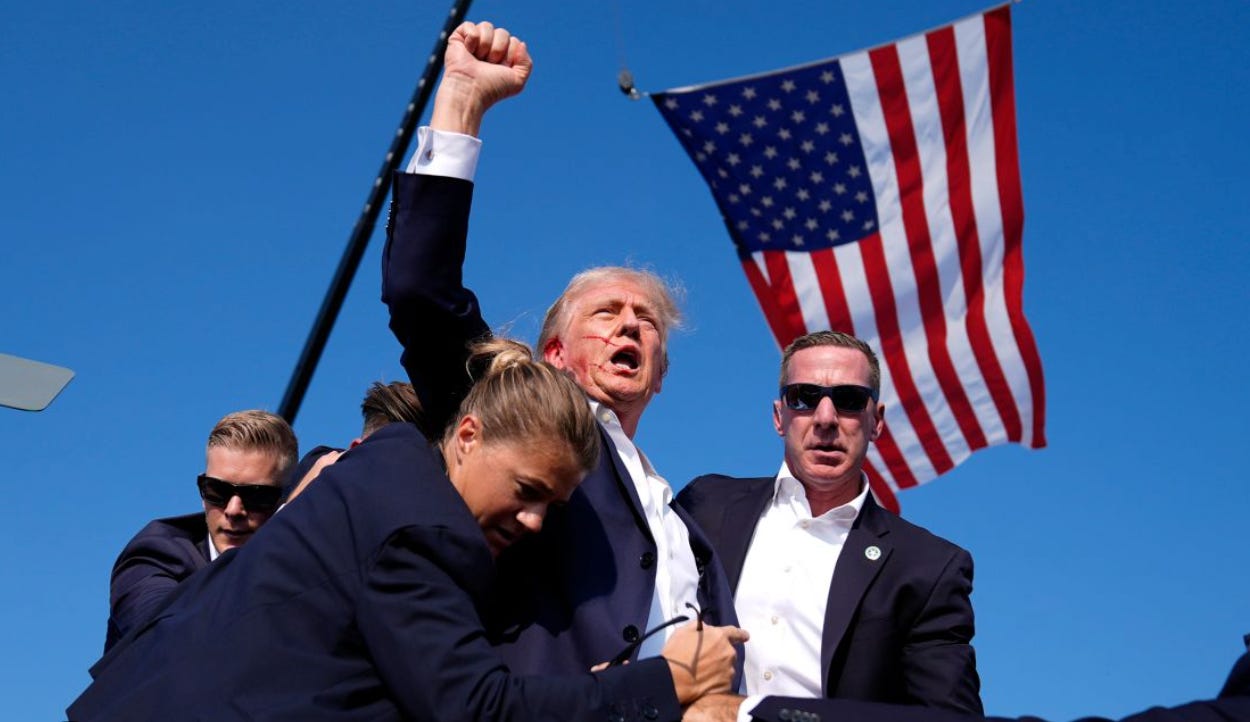
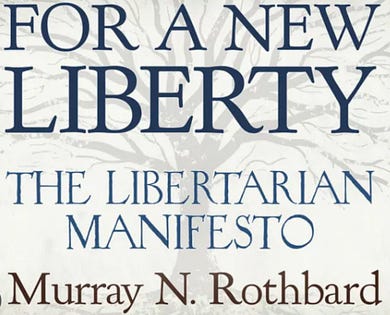
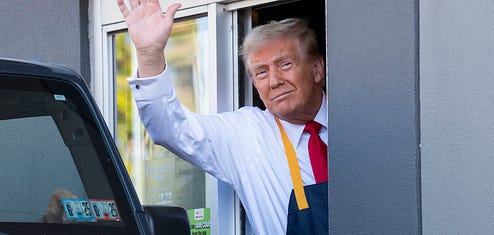

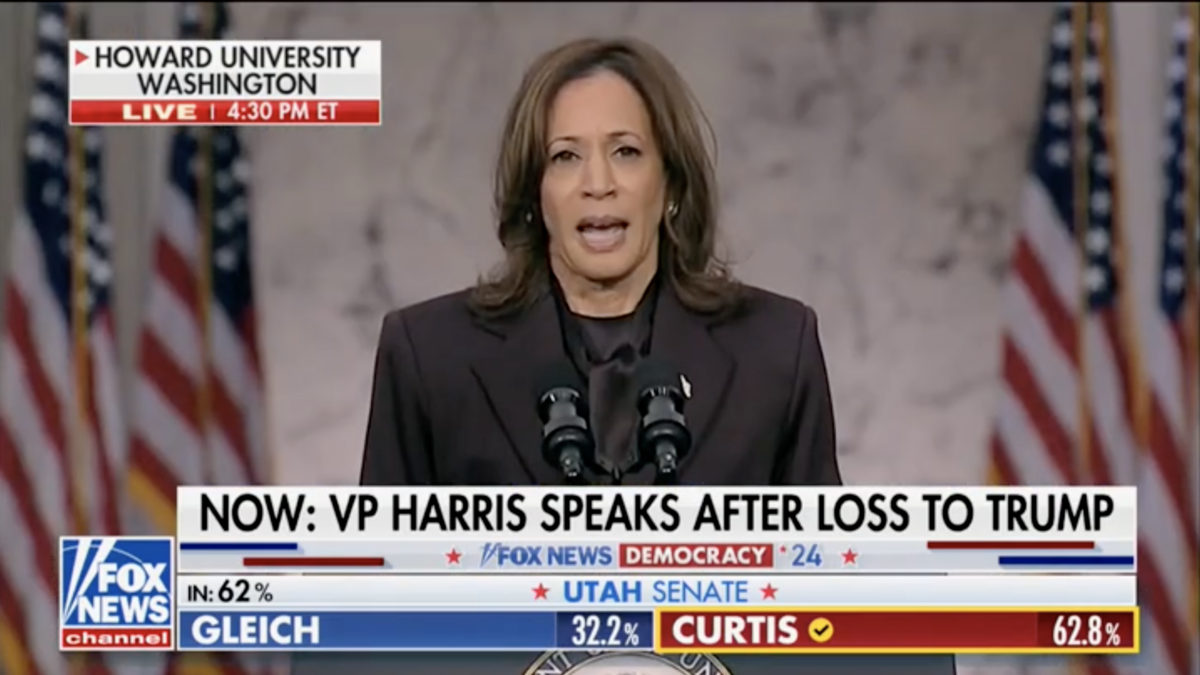

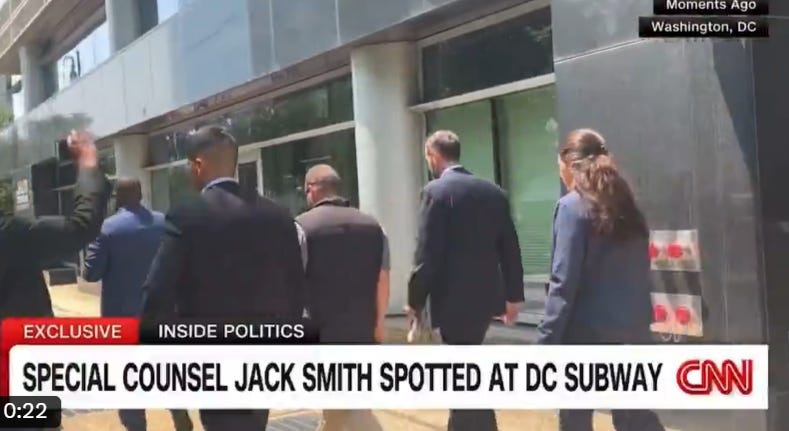

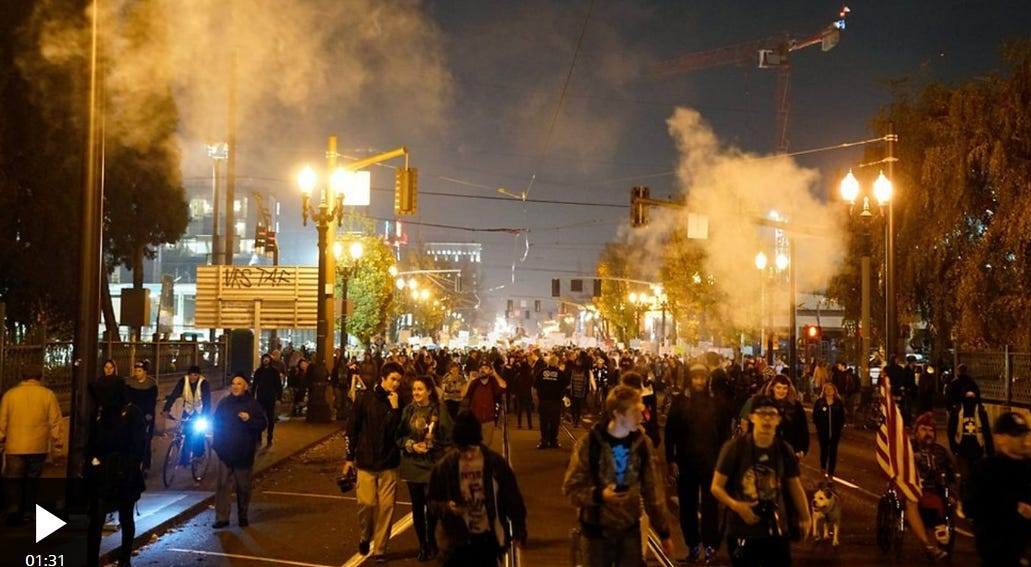

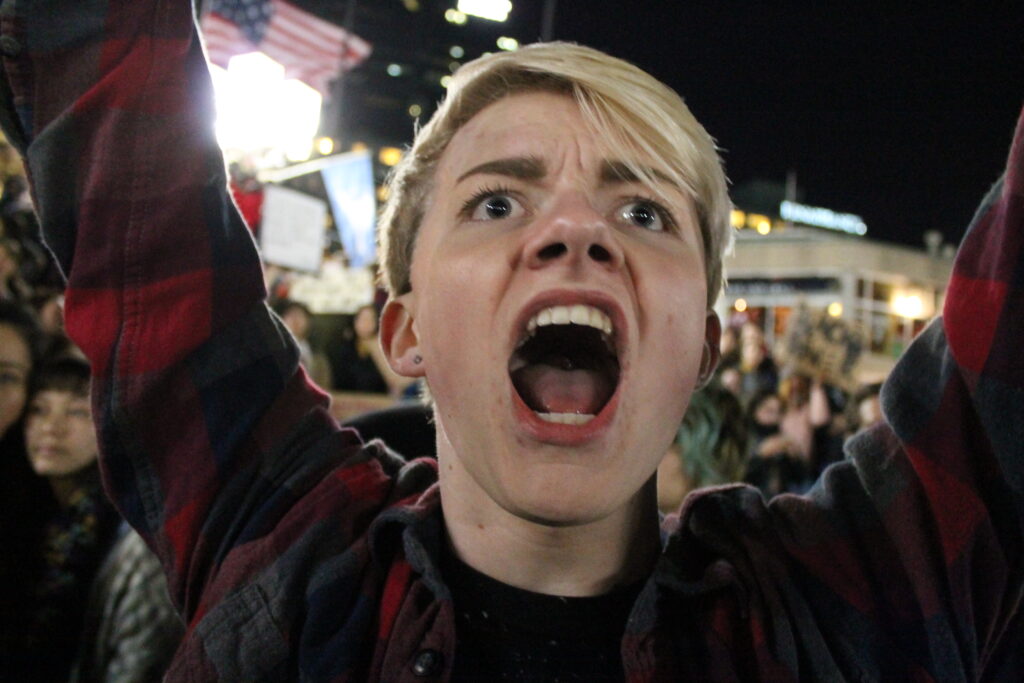
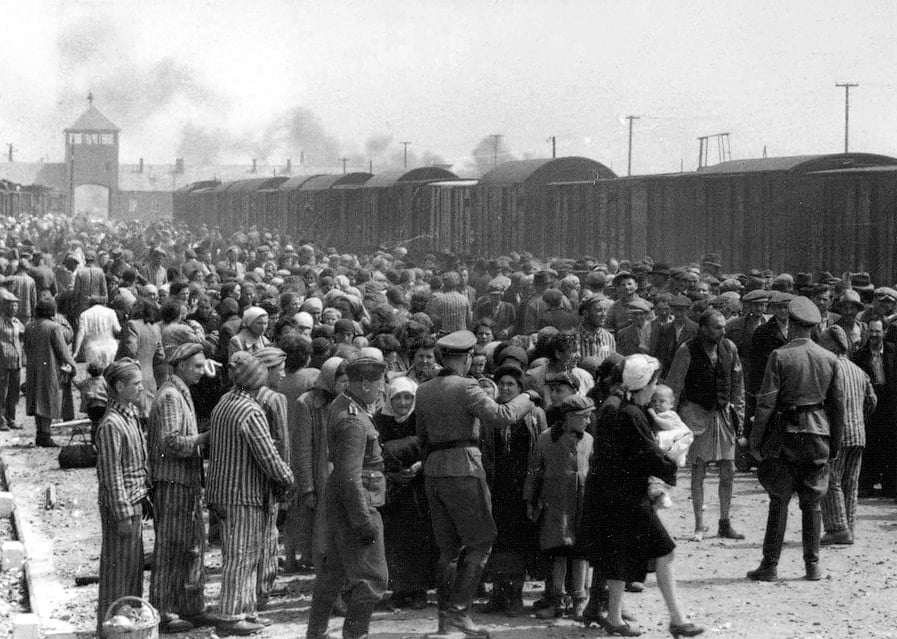

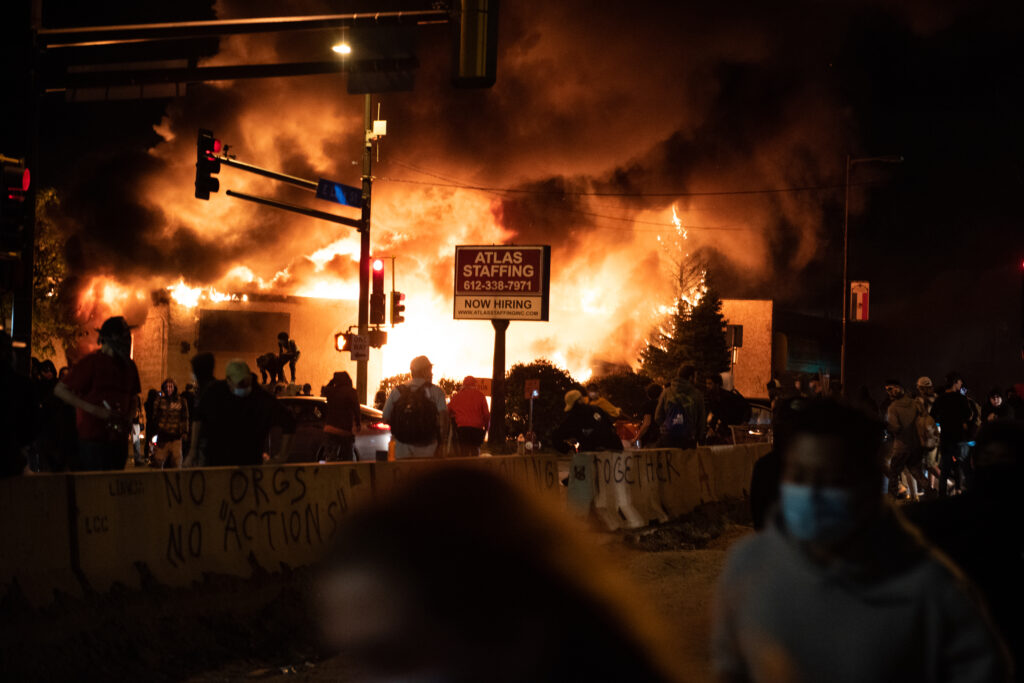


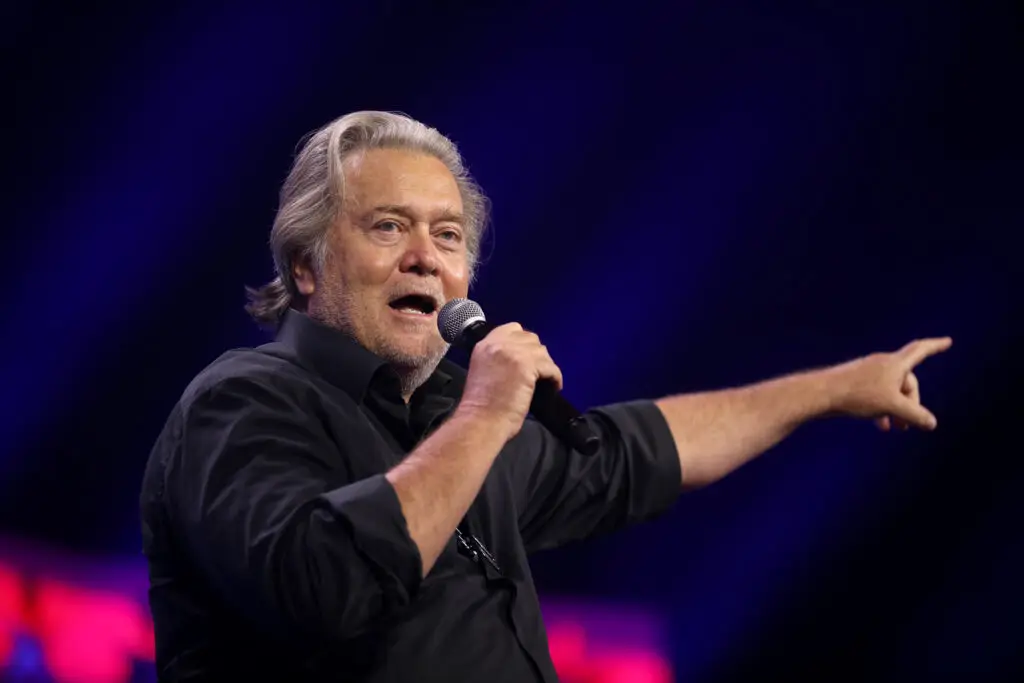


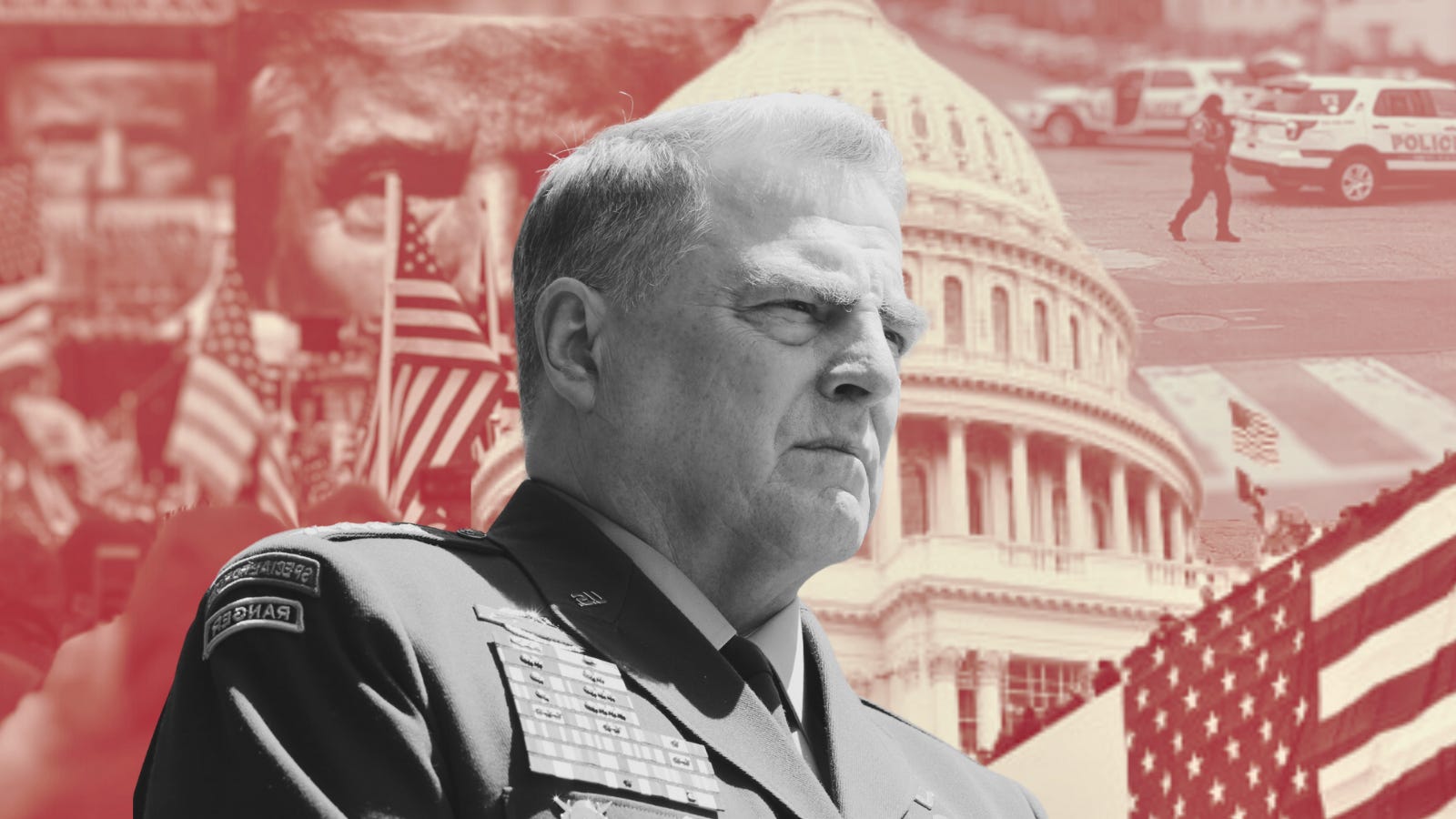

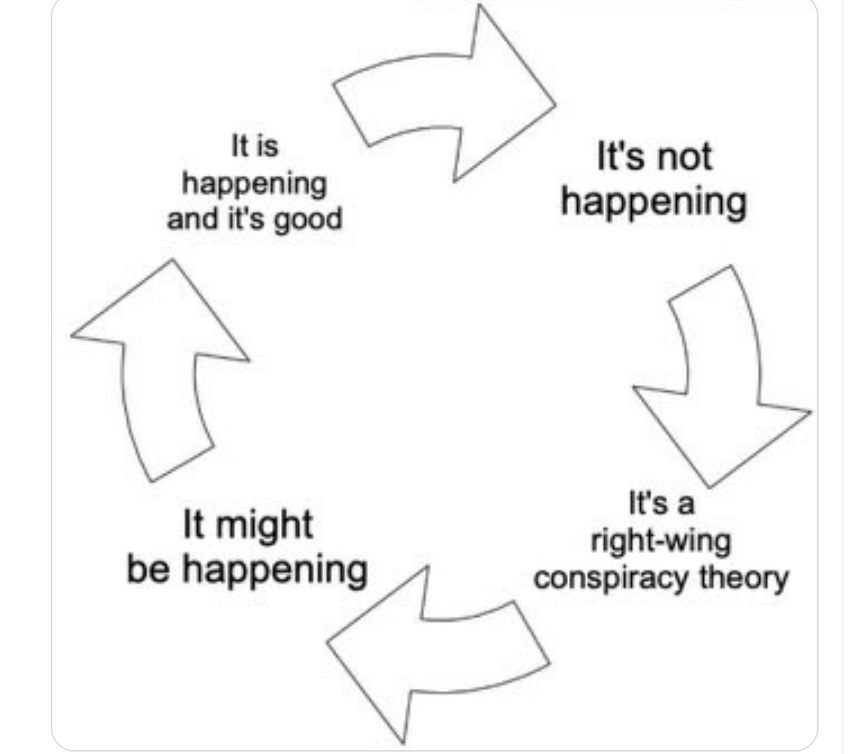


 fox files
.jpg)
Recent Comments