The Truth Is Out There

Posts tagged ‘avian-influenza’

China Conducts mRNA Influenza Bird Flu Vaccine Trials in Dairy Cows: Journal ‘Research’


Government preparation for large-scale mRNA vaccination of livestock.

Chinese government–funded researchers have confirmed that they tested an mRNA bird flu vaccine in lactating dairy cows, injecting milk-producing livestock with an mRNA–lipid nanoparticle formulation and then deliberately exposing the animals to live H5N1 influenza virus inside high-containment laboratories.

The peer-reviewed study published on Monday, in the journal Research, is titled “Protective Efficacy of a Hemagglutinin-Based mRNA Vaccine Against H5N1 Influenza Virus Challenge in Lactating Dairy Cows.”

The experiment signals that governments are actively preparing mRNA platforms for potential large-scale use in livestock populations, extending mRNA deployment beyond humans and into the food supply.


mRNA Vaccine Administered to Food-Producing Animals

According to the study, researchers injected an mRNA vaccine into lactating Holstein dairy cows, meaning animals actively producing milk.

The authors write:

“Six healthy lactating dairy cows were intramuscularly immunized with 500 μg of the mRNA vaccine twice, with a 3-week interval between doses.”

The animals were sourced from an external farm:

“Lactating Holstein cows, 3 to 5 years of age, obtained from a local dairy farm, were used in the challenge experiment.”

The vaccine was an mRNA–lipid nanoparticle (mRNA–LNP) formulation encoding the hemagglutinin protein of an avian influenza virus:

“We developed a monovalent, cattle-codon-optimized mRNA–LNP vaccine encoding the HA protein.”

Deliberate Infection with H5N1 Pathogen

After receiving the mRNA injections, both vaccinated and unvaccinated cows were moved into animal biosafety level 3+ (ABSL-3+) laboratories and deliberately infected with a purportedly live H5N1 influenza virus.

The paper states:

“3 vaccinated and 3 unvaccinated lactating dairy cows were transferred into the animal biosafety level 3+ (ABSL-3+) facility for the challenge study.”

The virus was said to be administered through multiple routes, including direct injection into the mammary glands:

“All cows received a DC/24 virus challenge administered via both the intranasal and intramammary routes.”

The authors further specify:

“3 doses were directly inoculated into separate mammary quarters via the teat.”

High-Containment Facilities & Lab-Generated Viruses

All work involving the pathogen was performed inside Chinese state-authorized high-containment laboratories.

The methods section states:

“The procedures involving live HPAI viruses were performed within certified BSL-3 and ABSL-3+ laboratories at the Harbin Veterinary Research Institute (HVRI), Chinese Academy of Agricultural Sciences (CAAS).”

The H5N1 viruses used were not simple field samples but laboratory-generated strains.

The authors cite a prior peer-reviewed study for the virus’s creation and laboratory handling methods, rather than detailing the generation process in this paper.

“The challenge dairy cow H5N1 virus (DC/24)… was generated as previously described.”

Chinese Government Funding

The study was funded entirely by Chinese state and government research programs.

The funding disclosure reads:

“This research was funded by the National Key Research and Development Program of China… the National Natural Science Foundation of China… the Innovation Program of the CAAS… the natural science foundation of Heilongjiang Province… [and] the Central Public Interest Scientific Institution Basal Research Fund.”

All authors are affiliated with Chinese government research institutes or state-linked laboratories, including the Chinese Academy of Agricultural Sciences and China’s National High Containment Laboratory for Animal Disease Control and Prevention.

Bottom Line

The paper confirms that China is now testing mRNA vaccine platforms directly in livestock, including milk-producing animals, using live avian influenza viruses under high-containment laboratory conditions.

The study documents the use of modern mRNA technology not only in humans or laboratory animals, but in food-supply species that interface directly with agriculture, trade, and public health systems.

NIAID Funds Gain-of-Function Study Engineering Novel Influenza Viruses With New Mammalian Pathogenic and Host-Entry Functions: Journal ‘Emerging Microbes & Infections’


Despite claims the U.S. has stopped bankrolling gain-of-function experiments.

A new peer-reviewed study published this week states that federally funded researchers genetically engineered viruses that gained biological functions not present in any naturally occurring strain, including new host-entry mechanisms, cross-species antigen display, and mammalian lethality.

In multiple cases, viral surface proteins from one species and virus family were deliberately inserted into the genetic backbone of an entirely different virus, creating laboratory chimeras that bridge species and viral lineages that do not naturally mix.

The paper, “Immunogenicity and Efficacy of a Rabies-Based Vaccine against Highly Pathogenic Influenza H5N1 Virus,” appears in Emerging Microbes & Infections.

The study documents three distinct categories of functional gain:

  1. transfer of influenza entry machinery into foreign viral backbones,
  2. reprogramming of rabies virus to perform influenza functions, and
  3. creation of new influenza chimeras that are lethal in mammals.

(Editor’s note: This article makes no claims about virology and/or terrain theory. It is reporting what NIAID-funded scientists claim to be doing with American taxdollars.)

Funding & Research Sites

The authors state:

“This study was supported by… the Center for Research on Influenza Pathogenesis and Transmission (CRIPT), one of the National Institute of Allergy and Infectious Diseases (NIAID) funded Centers of Excellence for Influenza Research and Response (CEIRR; contract # 75N93021C00014), and by NIAID contract SEM-CIVIC (contract number 75N93019C00051).”

NIAD is under the control of Director Jeffery Taubenberger, who is directing U.S. taxdollars toward influenza gain-of-function experiments while holding a patent for an influenza vaccine at the center of the Trump administrations $500 million influenza vaccine program.

This raises national security and conflict of interest concerns, as it represents the simultaneous creation of a lucrative problem and solution.

NIAD is under the authority of U.S. Health and Human Services (HHS), which is led by Robert F. Kennedy Jr.

Animal experiments were approved under:

“the Institutional Animal Care and Use Committee (IACUC) of Thomas Jefferson University (TJU).”

Influenza Host-Entry Functions Transferred Into a Different Virus

The authors state that they created a vesicular stomatitis virus whose native entry protein was replaced with influenza H5:

“VSV∆G-H5-GFP encoding either the clade 1 H5 (A/Viet Nam/1203/2004(H5N1) or the circulating clade 2.3.4.4b cow was generated as described.”

This describes a virus that now uses influenza hemagglutinin to enter host cells—a function VSV does not naturally possess.

It also represents a direct cross-species and cross-virus transfer of host-entry machinery, merging an avian influenza protein with a livestock-associated strain and a human-infecting viral backbone in a single engineered system.

Rabies Virus Reprogrammed to Display & Deliver Influenza Antigen

The study confirms that a rabies virus was engineered to express influenza H5:

“We developed a rabies virus-based H5 vaccine (RABV-H5) by insertion of a synthetic full-length codon-optimized HA ORF of the Influenza virus A/Vietnam 1203/2004(H5N1) into the BNSP333 rabies vaccine vector between the N and P genes.”

The authors further state:

“Presenting both RABV-G and the antigen of choice on the surface.”

This confirms that a neurotropic virus was genetically modified to perform a new influenza-specific function.

The lab construct combines a mammalian neurotropic virus with an avian influenza surface antigen, creating a synthetic cross-species hybrid that does not exist in nature.

Creation of Novel Influenza Viruses That Did Not Exist in Nature

The paper says that new influenza viruses were constructed by genome segment replacement:

“PR8-H5N1, a recombinant Puerto-Rico 8 influenza A virus (A/PR8) in which the HA and NA genomic segments have been replaced with the respective segments of H5N1.”

A second engineered virus is identified:

“Influenza virus A/PR8-H5N1 bovine/Ohio/439/2024 (2024).”

These viruses did not exist prior to laboratory construction.

Engineered Viruses Demonstrated Mammalian Pathogenicity

The authors report intranasal infection of mice with the engineered viruses:

“On days 104 or 150, mice were challenged by IN instillation with 0.05 ml of either 1E5 TCID50 of Influenza A/PR8-H5N1 (Viet Nam 1203 or Cow) or with 100 pfu of HPAI-H5N1 Viet Nam 1203 (2004) diluted in PBS+1% heat-inactivated FBS.”

They further confirm the dose was lethal:

“[O]n day 104 were challenged by IN instillation with a 1E5 pfu lethal dose of A/PR8-H5N1 Viet Nam 1203 virus (>100LD50).”

The paper documents viral replication in lungs:

“While unvaccinated mice had about 1E6 TCID50/ml of replicating virus in the lungs.”

And describes lung pathology:

“Severe and chronic bronchiolocentric infection with bronchiolar and peribronchiolar infiltration of lymphocytes, associated with interstitial pneumonitis and expanded alveolar wall due to edema and inflammation.”

Bottom Line

The new study makes clear that gain-of-function virus creation is allegedly still being carried out with U.S. taxpayer dollars, despite the national security and biosafety risks such work poses to the very population funding it.

Congress, the White House, the Department of Energy, the FBI, the CIA, and Germany’s Federal Intelligence Service (BND) have confirmed that the COVID-19 pandemic was likely the result of lab-engineered pathogen manipulation.

Why does the U.S. continue to fund the same experiments that are said to have caused the last pandemic?

June 19, 2025

Read full story

NIAID Director Holds Patent for Bird Flu Pandemic Vaccine—as His Agency Creates Frankenstein Bird Flu Viruses in the Lab

October 10, 2025

Read full story

Bird Flu Takes Central Role in Trump Admin’s New $500 Million ‘Next-Generation’ Pandemic Vaccine Project

May 2, 2025

Read full story

USDA–Iowa State University Lab-Engineer New Chimeric Bird Flu Viruses That Bind to Human Breast Tissue: ‘Journal of Dairy Science’

November 30, 2025

Read full story

USDA–NIH–University of Georgia–Mount Sinai Team Aerosolizes Lab-Engineered ‘Chimeric’ Influenza Frankenviruses: Journal ‘npj Vaccines’

November 28, 2025

Read full story

NIAID Funds Creation of Chimeric H5N1 Bird Flu Viruses With Modified Cleavage Sites and Enhanced Mammalian-Cell Expression: ‘npj Vaccines’

November 29, 2025

Read full story

Trump Admin Doubles Down on EO Exemptions for Gain-of-Function Experiments: Journal ‘Nature Medicine’

Jan 17

Read full story

WHO Vows ‘There Will Be Influenza Pandemics in the Future’

Jan 22

Read full story

‘Critical Loophole’ in U.S. Biosecurity Rules Allows Legal Assembly of 1918 Spanish Flu Pandemic Virus DNA: Journal ‘Nature Communications’

Jan 16

Read full story

U.S. Military Funds Intranasal Spray Self-Replicating sa-mRNA H5N1 Bird Flu Vaccine Built From Chimeric Viral Constructs: Journal ‘Nature Communications’

Jan 15

Read full story

Portugal Runs H5N1 Bird Flu Outbreak Simulation—Echoing Pre-COVID Pandemic Exercises

Jan 13

Read full story

DARPA Uses AI to Push Viral Pandemic Outbreak Modeling From Weeks to Days

Jan 9

Read full story

Bill Gates’ CEPI Revives Moderna mRNA Bird Flu Vaccine Development With $54M Investment After HHS Terminated Funding

December 19, 2025

Read full story

Saudi Arabia Bets on 2026 Bird Flu Pandemic, Ramps Up Domestic Vaccine Production Amid International H5N1 Gain-of-Function Fears

October 30, 2025

Read full story

*Article credits Jon Fleetwood

WHO Vows ‘There Will Be Influenza Pandemics in the Future’. Imagine That.


Public health forecasting—or orchestration?

On Wednesday, the World Health Organization (WHO) published an influenza fact sheet in which it declared that influenza pandemics are on the horizon, emphasizing bird flu.

In a document titled “Influenza (avian and other zoonotic),” the WHO did not say that it thinks an influenza pandemic is coming.

It did not say a future pandemic is a possibility.

The unelected foreign organization stated its coming is a fact, writing:

There will be influenza pandemics in the future, but when and with which virus, as well as where and how they will spread, is difficult to predict. They can have significant health, economic and social consequences. An influenza pandemic arises when an influenza virus emerges with the ability to cause sustained human-to-human transmission, and the human population has little to no immunity against the virus.

Whether currently circulating avian, swine and other influenza viruses will result in a future pandemic is unknown. However, the diversity of zoonotic influenza viruses that have caused human infections necessitates strengthened surveillance in both animal and human populations, thorough investigation of every zoonotic infection and pandemic preparedness planning.

The WHO financially benefits from pandemics.

The org received approximately $7.9 billion in total funding during the 2020-2021 biennium, exceeding its $5.84 billion approved budget by 36% due to massive COVID-19 emergency contributions.

Of this, around $3 billion was specifically for COVID-19 operations, marking an unprecedented surge from pre-pandemic levels.

A top contributor to the WHO is Bill Gates, who recently—through his Coalition for Epidemic Preparedness Innovations (CEPI)—invested $54.3 million to support Moderna’s new mRNA-based pandemic H5 avian influenza “bird flu” vaccine candidate, mRNA-1018.

Gates also financially backs biolabs said to be performing gain-of-function experiments on bird flu pathogens.

Congress, the White House, the Department of Energy, the FBI, the CIA, and Germany’s Federal Intelligence Service (BND) have confirmed that the COVID-19 pandemic was likely the result of lab-engineered pathogen manipulation.

The Gates Foundation and HHS have also been funding experiments said to be deliberately infecting American adults with a lab-grown pandemic influenza virus at the National Institutes of Health (NIH) Clinical Center in Bethesda, Maryland.

If the WHO’s pandemic warnings are being issued inside a funding ecosystem that profits from crisis response—while those same donors bankroll laboratories now linked by governments to pandemic creation and fund programs that deliberately infect Americans with lab-grown influenza—then the line between public health forecasting and systemic orchestration is no longer defensible.

NIAID, DARPA, Bill Gates Intentionally Infect 80 Americans With Lab-Made Pandemic Influenza Virus: HHS Study

October 13, 2025

Read full story

Bill Gates’ CEPI Revives Moderna mRNA Bird Flu Vaccine Development With $54M Investment After HHS Terminated Funding

December 19, 2025

Read full story

WHO Instructs Governments to Track Online Anti-Vaccine Messaging in Real Time with AI: Journal ‘Vaccines’

December 29, 2025

Read full story

WHO Demands 90,000 Influenza and COVID PCR Tests Per Month Worldwide, Spanning 153 Labs in 131 Countries, Including U.S. CDC

December 23, 2025

Read full story

How the WHO Dictated the COVID-19 Pandemic—And How It’s Already Dictating the Coming Bird Flu Pandemic

December 10, 2025

Read full story

‘All Governance Functions Assumed by a Single Entity’: WHO-Backed Influenza Framework Outlines Command Merger During Next Pandemic

December 9, 2025

Read full story

WHO Rolls Out ‘Future’ COVID Pandemic Plan Using U.S. Labs for ‘Global Sentinel Surveillance’—Even After Trump Ordered Withdrawal

December 3, 2025

Read full story

WHO–Gates Blueprint for Global Digital ID, AI-Driven Surveillance, and Life-Long Vaccine Tracking for Every Person

December 2, 2025

Read full story

WHO Deploys National Pandemic Influenza Surveillance Grid in Egypt—270 Officers Trained for Real-Time Monitoring Across 30 Sentinel Sites

November 24, 2025

Read full story

WHO, CDC, Gates, and Oxford Were Used to Test Public ‘Compliance’ Strategies for ‘Lower-Quality Vaccines’ Before Any COVID-19 Jabs Existed: ‘PLOS Glob Public Health’ Journal

November 23, 2025

Read full story

WHO Builds International Pandemic Command System Through New Pathogen-Sharing Agreement

November 10, 2025

Read full story

Bird Flu Research Explodes 1,000% Worldwide—WHO, CDC, and EcoHealth Lead Rapid Expansion: ‘Journal of Infection and Public Health’

November 3, 2025

Read full story

WHO Quietly Reactivates Global Influenza Pandemic Apparatus for Bird Flu: ‘Journal of Infectious Diseases’

October 18, 2025

Read full story

WHO Runs 2-Day Pandemic Simulation: ‘Exercise Polaris’

April 8, 2025

Read full story

Trump’s CDC, FDA ‘Actively Participating’ in WHO Bird Flu Seminar Despite Executive Order to Withdraw U.S. from International Organization: STAT

February 25, 2025

Read full story

Gates Pours $3.3M Into mRNA Purification Tech—Admitting COVID Vaccine Impurity Problem as Platform Becomes Permanent

December 17, 2025

Read full story

Gates Holds $254 Million in Big Oil Investments Despite Blaming the Industry for ‘Climate Change’

Jan 21

Read full story

*Article credits Jon Fleetwood

Texas Air-Drops Live Virus-Containing Edible Rabies Vaccines Over Cities from Aircraft—’Leaving Persons at Risk for Vaccine Exposure and Vaccine Virus Infection’ Uninformed and with No Consents: CDC


Animals that ingest the oral vaccine are said to be contagious to other animals and humans for over a month.

On January 6, 2012, Brig. Gen. William L. Smith, Director Joint Staff and Commander, Domestic Operations for Joint Force Headquarters of Texas (second from left) met with members of the Texas State Guard and received an overview of the annual Texas Oral Rabies Vaccination Program in Zapata, Texas. Since the program’s inception in 1995, more than 39 million doses of the oral rabies vaccine, Raboral V RG, have been distributed over approximately 540,000 square miles of Texas. (U.S. Army Photo photo by Laura L. Lopez/Wikimedia Commons).

The Texas Department of Health and Human Services (DHS) has begun its annual distribution of RABORAL V-RG®, an oral rabies vaccine (ORV) bait—dropping the live laboratory-made virus from airplanes over Texas, as well as distributing it by hand.

The $2 million annual project is funded by the State of Texas and the United States Department of Agriculture Animal and Plant Health Inspection Service/Wildlife Services.

The U.S. Centers for Disease Control and Prevention (CDC) has known for over a decade that the RABORAL edible vaccine leaves “persons at risk for vaccine exposure and vaccine virus infection.”

Yet the department still allows millions of live genetically modified virus baits to be dispersed over communities, forests, and waterways each year without public notice, informed consent, or comprehensive biosafety oversight—posing potential risks to human health, wildlife, and national biosecurity.

Americans are being involuntarily exposed to laboratory-engineered pathogens capable of infecting multiple species, with no transparent risk disclosure or opt-out mechanism.

DHS press release reads:

Texas Department of State of Health Services will expand anti-rabies efforts around the El Paso area in January during the agency’s 32nd annual Oral Rabies Vaccination Program. Aerial bait distribution, which occurs along much of the Texas-Mexico border, was increased last year to include far West Texas as a response to the Arizona Fox rabies variant that is now established in New Mexico and within 150 miles of the Texas border.

In addition to those continued flights this year, rabies vaccine baits will also be distributed by hand in targeted areas around the city.

The rabies vaccine bait air drop will begin with flights from Alpine on Jan. 16, with additional flights slated to originate from Del Rio International Airport on Jan. 21, weather permitting. The vaccine bait, manufactured by Boehringer Ingelheim Animal Health USA Inc., is enclosed in a small plastic packet (similar to a fast-food ketchup package) dipped in fish oil and fish-meal crumbles to attract wild canids, like coyotes and foxes.

Between six and nine flights are scheduled per day during the two-week operation, with airdrop aircraft flying at 500 to 1,000 feet above ground level and dropping roughly 693,600 oral rabies vaccine baits at 50 baits per square mile. ORVP’s Border Maintenance Zone includes 19 Texas counties including El Paso, Hudspeth, Culberson, Jeff Davis, Presidio, Brewster, Pecos, Terrell, Val Verde, Kinney, Maverick, Zavala, Dimmit, Webb, Zapata, Starr, Hidalgo, Cameron and Willacy.

In addition to the hand-distribution efforts in the El Paso area, baits will also be distributed by hand in parts of Cameron, Hidalgo, Starr and Willacy counties.

The U.S. Department of Agriculture warns humans “should leave [the live-virus containing edible vaccine] undisturbed if they are encountered.”

  • If people come in contact with the bait, “they should immediately wash the contact area with warm water and soap.”
  • Dogs that consume the bait “may experience a temporary upset stomach.”

A July 2019 peer-reviewed study in Vaccineconfirms the RABORAL oral rabies vaccine:

  • is a genetically engineered chimeric “Frankenstein” human virus expressing a rabies gene,
  • sheds for weeks in multiple species,
  • was not tested for live virus persistence,
  • can potentially infect non-target animals and humans,
  • and was studied by researchers financially tied to its sale.

Most alarmingly, the study confirmed that virus DNA from the edible vaccine can be detected in both oral and rectal swabs post-inoculation in most animals, “followed by a resurgence of shedding between days 17 and 34 in some species.”

This means animals that ingest the oral vaccine are said to be contagious to other animals and humans for over a month.

On January 6, 2012, Texas State Guard member, Private Paul Pettit of the 3rd Battalion, 1st Regiment takes part in one of the many flights that assists in the aerial distribution of Raboral V RG, during a 10-day Oral Rabies Vaccination Program. With statistics showing a drastic reduction in rabies cases the goal of this program is to create zones of vaccinated coyotes and gray foxes along the leading edges of the epizootics stopping the spread of the virus. (U.S. Army photo by Laura L. Lopez/Wikimedia Commons).

A September 2017 Veterinary Research publication confirms that the live virus in RABORAL edible vaccines actively replicates in animals after ingestion, that horizontal transmission of the vaccine virus between animals has occurred, and that humans have been infected with vaccine-derived vaccinia following bait exposure.

The same study shows that RABORAL baits deliberately disperse tetracycline—a toxic ingredient in the vaccine—into the environment as a biomarker, where it accumulates in animal bone and teeth, can misrepresent true vaccination, and is acknowledged to carry potential ecotoxicity and antimicrobial-resistance risks with long-term use.

In the name of “wildlife management,” Texas authorities are blanketing cities with what are said to be live virus-containing packets without full public consent.

How many Texans have been informed that they are living inside an ongoing, state- and federally funded environmental release of a live, laboratory-engineered virus documented to replicate, spread between animals, persist in bodily secretions, and infect humans—without informed consent or any meaningful ability to refuse exposure?

USDA Drops Live Virus-Containing Rabies Edibles from Helicopters, Airplanes Across United States—’Leaving Persons at Risk for Vaccine Exposure and Vaccine Virus Infection’: CDC

October 16, 2025

Drones Spray ‘Self-Spreading’ COVID-19 Vaccine for ‘Large-Area Inoculation of Humans’ in ‘DEFUSE’ EcoHealth/DARPA Project

December 24, 2024

Operation ‘Large Area Coverage’ (LAC): U.S. Gov’t Covertly Sprays Airborne Toxic Chemical Agent on Unsuspecting Americans in Secret Bioweapons Experiment

October 31, 2024

‘Operation Sea-Spray’: U.S. Gov’t Secretly Sprays Deadly Bacteria Cloud on Americans in Bioweapons Experiment

January 3, 2025

Read full story

PREP Act Empowers Gov’t to ‘Administer’ Drugs, Biological Products, Devices to Citizens in Secret

December 31, 2024

Read full story

CDC, NIAID, DARPA Infect 36 People with Lab-Made Epidemic Influenza Virus: Journal ‘Influenza and Other Respiratory Viruses’

October 14, 2025

Read full story

NIAID, DARPA, Bill Gates Intentionally Infect 80 Americans With Lab-Made Pandemic Influenza Virus: HHS Study

October 13, 2025

Read full story

American Bioweapons: Then & Now

May 29, 2024

Read full story

Investigation Into U.S. Military Bioweapons-Origin of Tick-Borne Lyme Disease Successfully Added to 2026 National Defense Authorization Act

December 12, 2025

Read full story

Over 100 ‘BSL-4’ Bioweapons Labs Now Operate Worldwide, with More Under Construction: ‘Journal of Public Health’

October 23, 2025

Read full story

Measles Vaccine and Gain-of-Function: The Inconvenient Truth About CD150/CD46 Tropism Shift

March 5, 2025

Read full story

Texas Gave 15,000 More MMR Shots This Year—Now It Has More Measles Cases Than the Entire U.S. Had in 2024

March 25, 2025

Read full story

Free Measles Vaccine Campaign Followed by Measles Outbreak in Texas County

February 17, 2025

Read full story

*Article credits by Jon Fleetwood

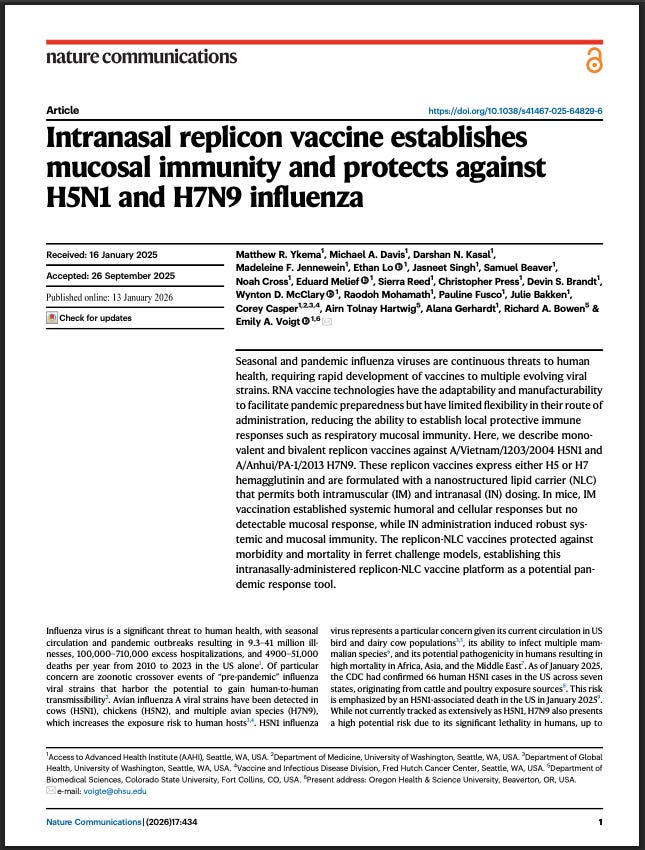
U.S. Military Funds Intranasal Spray Self-Replicating sa-mRNA H5N1 Bird Flu Vaccine Built From Chimeric Viral Constructs: Journal ‘Nature Communications’


U.S. government is not slowing its push toward intranasal self-replicating RNA vaccine technology.

A U.S. military–funded research program has developed an intranasal, self-replicating RNA (sa-mRNA) vaccine targeting H5N1 avian influenza, built using chimeric viral constructs assembled through reverse genetics.

The work was disclosed in a 2026 Nature Communications paper and explicitly funded through a U.S. Army–administered biodefense contracting mechanism.

The vaccine is said to force cells to produce H5N1 bird flu antigen while simultaneously producing viral replication enzymes that copy the self-amplifying RNA inside the cell.

The U.S. government is funding the creation of next-generation bird flu vaccines while funding the creation of purported chimeric “Frankenstein” bird flu viruses.

Congress, the White House, the Department of Energy, the FBI, the CIA, and Germany’s Federal Intelligence Service (BND) have confirmed that the COVID-19 pandemic was likely the result of lab-engineered pathogen manipulation.

Why is the government making the bird flu pandemic problem and solution at the same time, just like it was doing with coronaviruses before the COVID-19 outbreak?


What Was Built

The researchers are said to have engineered a self-amplifying RNA vaccine that uses a Venezuelan equine encephalitis virus (VEEV) replicon backbone into which they inserted influenza hemagglutinin (HA) genes from H5N1 (and H7N9).

The RNA construct was packaged in a cationic nanostructured lipid carrier and designed for intranasal spray delivery.

This is not conventional mRNA.

Self-amplifying RNA replicates inside host cells, increasing antigen production after administration.

While the construct is described as replication-defective (it lacks viral structural genes and cannot form a spreading virus), it is nonetheless a synthetic viral system built from components of different viruses.

Reverse Genetics & Chimeric Design

The platform was produced using reverse genetics—starting from gene sequences, cloning them into plasmids, and generating RNA by in-vitro transcription.

In practical terms, this means influenza genetic material was deliberately engineered into a VEEV replicon, creating a chimeric viral construct designed to self-amplify once inside cells.

This approach represents intentional genetic assembly of viral parts to achieve a specific biological effect.

Intranasal Spray Delivery

The vaccine was purpose-built for intranasal (IN) administration, a route the authors emphasize for inducing mucosal and lung-resident immune responses that intramuscular vaccines do not generate.

The paper reports distribution throughout the upper and lower respiratory tract, with some material swallowed into the gastrointestinal tract—a confessed feature of intranasal dosing.

This delivery choice matters because it places a self-replicating RNA system directly onto respiratory mucosa, rather than confining it to muscle tissue.

The Virus Target: H5N1

The primary antigen target is H5N1 avian influenza, repeatedly framed in the paper as a pre-pandemic threat.

Ferret challenge experiments involved high-dose intranasal exposure to influenza, with the sa-mRNA platform reported to protect against severe disease.

The study positions the platform as rapidly deployable, emphasizing scalability, thermostability, and potential for stockpiling—language consistent with pandemic preparedness, not routine seasonal vaccination.

Who Funded It—& How

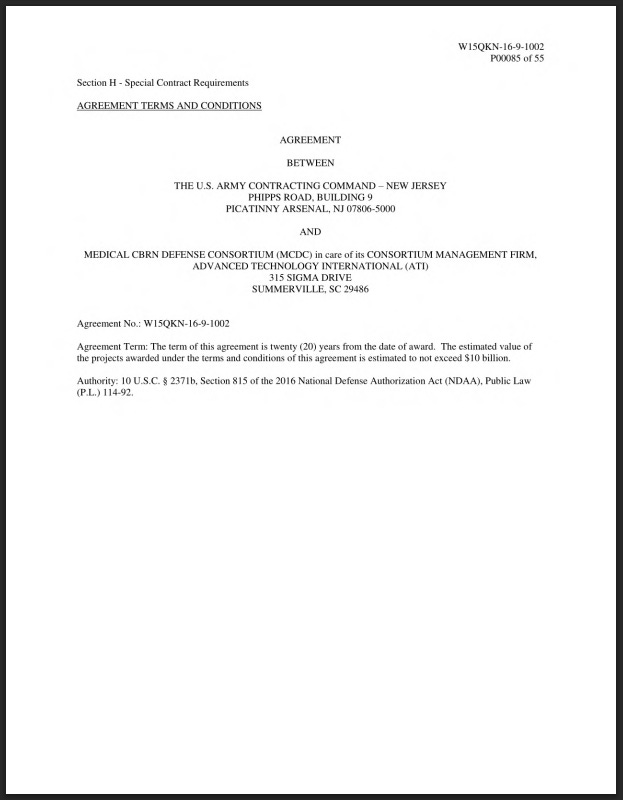
The paper states plainly that the work was “sponsored by the US Government under Other Transaction number W15QKN-16-9-1002.”

W15QKN-16-9-1002 is a U.S. Army Contracting Command–New Jersey Other Transaction Agreement (OTA) established under Section 815 of the 2016 National Defense Authorization Act.

The agreement created the Medical CBRN Defense Consortium (MCDC) to fund research and development of medical countermeasures for chemical, biological, radiological, and nuclear (CBRN) threats.

Key points from the OTA itself:

  • The agreement is administered by the U.S. Army Contracting Command on behalf of the Department of Defense.
  • It authorizes the government to select, direct, and fund specific projects it deems necessary.
  • The scope explicitly includes vaccines, medical countermeasures, and manufacturing platforms designed for rapid response to biological threats.
  • The estimated value of projects issued under the agreement is up to $10 billion, with a 20-year term.

The research was supported through a military biodefense R&D framework designed to develop deployable medical technologies.

Bottom Line

The Nature paper confirms that a U.S. military–administered funding program supported the development of an intranasal, spray-form self-replicating sa-mRNA vaccine built from chimeric viral constructs that include H5N1 influenza genes.

The authors emphasize speed, scalability, and deployment readiness.

This is best understood not as a routine flu-vaccine study, but as a biodefense-driven platform demonstration: a synthetic, self-amplifying viral system designed for rapid respiratory deployment in a future pandemic scenario.

At a time when governments now acknowledge that lab-engineered pathogens can spark global crises, the United States is simultaneously funding the creation of chimeric avian influenza systems and the intranasal self-replicating technologies positioned to counter them—collapsing the line between pandemic threat creation and pandemic response into the same military-run pipeline.

Portugal Runs H5N1 Bird Flu Outbreak Simulation—Echoing Pre-COVID Pandemic Exercises


Patients refusing to use personal protective equipment, like masks, defined as “threats.”

Portuguese health authorities conducted a formal avian influenza (H5N1) simulation exercise in early 2025 to test how primary health care units would respond to a bird flu outbreak, according to a study published last week in Acta Médica Portuguesa and indexed by the U.S. National Library of Medicine.

The exercise comes as bird flu is simultaneously being advanced through expanded PCR surveillance, laboratory-engineered H5N1 research, and revived mRNA vaccine programs, raising questions given the similar convergence of testing, research, and preparedness measures that preceded COVID-19.

The exercise took place on February 3, 2025, and was coordinated by the Infection Prevention and Control Programme responsible for primary health care units in Northern Lisbon, within the Santa Maria Local Health Unit.

According to the authors, the event was a tabletop exercise—a structured simulation used to rehearse decision-making during hypothetical outbreaks—designed to assess whether frontline clinics could identify, isolate, and manage patients during high-risk infectious disease scenarios.


What Was Simulated

The exercise explicitly included avian influenza A (H5N1) as one of its outbreak scenarios, alongside Marburg virus disease and measles.

Participants were initially presented with blinded clinical and epidemiological information and asked to respond without knowing the pathogen in advance.

The diagnoses—including H5N1—were disclosed only after discussion.

Who Participated

Representatives from 15 primary health care units, accounting for 83% of clinics in the region, took part in the exercise.

Participants included healthcare professionals and unit leadership responsible for infection control and patient flow.

What the Exercise Tested

The simulation evaluated:

  • Early identification of suspected infectious cases
  • Availability of isolation rooms and isolation pathways
  • Staff familiarity with mandatory reporting and isolation procedures
  • Communication between clinics and external health authorities
  • Barriers to compliance, including “uncooperative” patients and language obstacles.

‘Uncooperative’ Patients as a Defined ‘Threat’

The authors explicitly frame patient non-compliance as a threat to outbreak control during the simulation, rather than as a secondary or peripheral challenge.

They write:

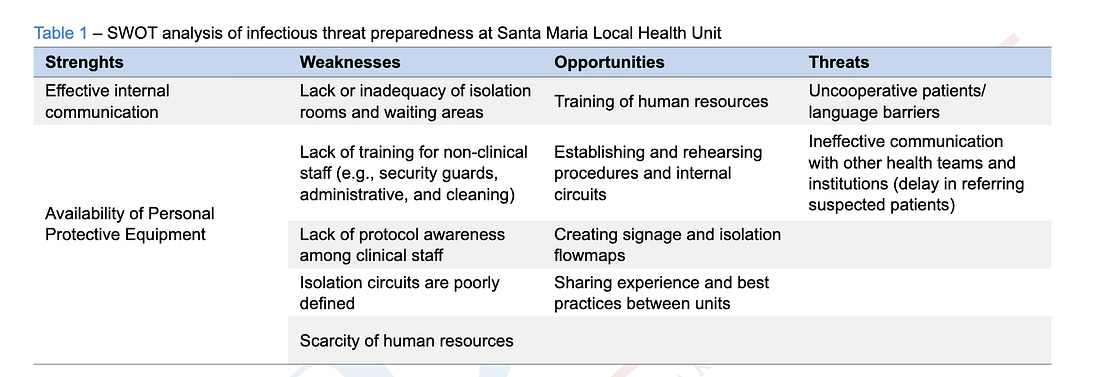
“[L]anguage barriers or non-cooperative patients (e.g., refusing to use personal protective equipment) were seen as threats to implement procedures correctly.”

In the study’s structure, this language also appears under the “Threats” category of the SWOT analysis—placing patient behavior alongside infrastructure failures and staffing shortages as factors that could actively undermine outbreak response.

The paper also notes that frontline clinics lacked personnel trained to manage or redirect patients once non-compliance occurred:

“[C]oncerns were raised about non-healthcare professionals in several units, such as security guards and administrative assistants, lacking training to identify potential infectious diseases and guide patients towards isolation circuits and/or alert healthcare workers.”

This framing treats refusal—specifically refusal to use personal protective equipment—as an anticipated operational risk during an infectious disease response scenario.

The authors do not describe voluntary refusal as a matter of patient autonomy.

Instead, refusal is listed as an obstacle to the correct implementation of procedures, implying a need for enforcement capacity that clinics were found to lack.

No mitigation strategies for patient refusal are proposed in the paper.

No limits on enforcement authority are discussed.

The simulation record shows that non-cooperation was expected, identified in advance, and formally categorized as a threat within a modeled H5N1 outbreak response.

Why This Exercise Draws Attention

Although the simulation occurred in early 2025, the study was submitted in July 2025, accepted in December, and published online January 8, 2026, placing it into the medical literature at a time when international concern over bird flu preparedness is intensifying.

The timing and structure of the exercise are notable.

In the years preceding COVID-19, global health institutions conducted high-level pandemic simulations—including SPARS Pandemic 2025–2028 and Event 201—that modeled coronavirus outbreaks, public messaging challenges, and emergency countermeasures shortly before those scenarios became reality.

This Lisbon exercise follows the same pattern:

  • a named pathogen,
  • a simulated outbreak,
  • documented preparedness gaps,
  • and publication after the fact to formalize the response framework.

The study documents preparedness planning.

It confirms that bird flu is now being actively rehearsed as a plausible next pandemic scenario, not only in abstract policy discussions, but through operational simulations involving frontline civilian healthcare systems.

Was the exercise solely for preparedness, or does it function as early-stage coordination for future response architectures?

CDC, Pfizer Create Cleavage Cite-Optimized Bird Flu Constructs for New mRNA Jab: ‘npj Vaccines’


Using “the same platform methods used for Pfizer’s COVID-19 and seasonal influenza mRNA vaccines.”

Researchers from the U.S. Centers for Disease Control and Prevention (CDC) and Pfizer Inc. have created new, engineered H5 bird flu influenza genetic constructs, including a codon-optimized hemagglutinin (HA) gene with a synthetically altered cleavage site, as documented in a Saturday npj Vaccines publication.

According to the authors, the stated purpose of the study was to evaluate an mRNA-based H5 vaccine, which they describe as “a nucleoside-modified mRNA construct encoding the full-length, codon-optimized HA protein with the polybasic cleavage site deleted from A/Astrakhan/3212/2020 A(H5N8).”

The paper confirms that the engineered HA used in the study was genetically modified beyond its purported natural form.


Cleavage Site Optimized

The authors state that the cleavage site was synthetically altered, writing that the polybasic amino acids were “mutated from ‘REKRRKR’ to ‘RETR’.”

The cleavage site is like a switch that must be cut to turn the flu pathogen “on” so it can infect cells, and if this site can be cut by many types of enzymes in the body, the virus can spread more and cause worse disease.

LNPs for mRNA Therapeutics

The engineered constructs were then formulated into lipid nanoparticles following “the same platform methods used for Pfizer’s COVID-19 and seasonal influenza mRNA vaccines.”

The work was conducted by multiple CDC branches, including the Influenza Division, the Division of High-Consequence Pathogens and Pathology, and the Office of Advanced Molecular Detection.

Pfizer Scientists at BSL-3 Lab

It was carried out by Pfizer scientists at the company’s Pearl River, NY facility, with additional involvement from ORISE.

The authors specify that “all research involving HPAI A(H5N1) viruses was conducted within Biosafety Level 3 enhanced (BSL-3E) or ABSL-3 facilities at the CDC.”

100% Transmission Rate

To test the performance of the engineered constructs, the CDC–Pfizer team conducted live-virus challenge experiments using human-derived H5N1 isolates.

The ferrets were infected with virus formations “A/Chile/25945/2023” and “A/Michigan/90/2024… from a farm worker exposed to infected cattle.”

Using these human isolates, the researchers documented efficient mammal-to-mammal spread, reporting a “100% transmission rate” in unvaccinated ferrets.

Funding & Conflicts of Interest

The funding disclosures indicate direct federal and corporate sponsorship.

The authors state: “This work was funded by the US Centers for Disease Control and Prevention and by Pfizer Inc.”

The authors also disclose full corporate participation in the scientific process, writing: “Pfizer was involved in the design, analysis, and interpretation of the data in these research studies, the writing of this report, and the decision to publish.”

Additionally, the paper notes that Pfizer researchers associated with the project are “inventors on patent applications relating to influenza mRNA compositions.”

Bottom Line

The new study documents that CDC and Pfizer jointly engineered new H5 constructs through codon optimization and cleavage-site mutation, formulated them using Pfizer’s mRNA-LNP platform, and then tested them against recent human H5N1 isolates inside CDC BSL-3E laboratories.

The result is a federally backed, corporate-driven program in which U.S. authorities and Pfizer quietly engineered H5 influenza genetics and tested them with human-infecting H5N1—blurring the line between vaccine development and high-risk pathogen manipulation.

The dangerous experiments raise national security concerns.

WHO Deploys National Pandemic Influenza Surveillance Grid in Egypt—270 Officers Trained for Real-Time Monitoring Across 30 Sentinel Sites


As countries engineer avian influenza bird flu pathogens without restraint.

The World Health Organization and Egypt’s Ministry of Health just completed a national-scale workshop training nearly 300 surveillance officers to expand real-time monitoring of influenza and other respiratory pathogens across the country.

The move comes as this website has been tracking multiple governments performing gain-of-function experiments on avian influenza “bird flu” pathogens (see below this article), raising worries of another orchestrated, man-made pandemic.

The WHO announcement frames the workshop as routine and annual, masking the scale of the expansion and the integration of surveillance functions under WHO guidance.

“The annual meeting and accompanying workshop on integrated surveillance of acute respiratory infections (ARIs), conducted by the Egyptian Ministry of Health and Population in collaboration with the World Health Organization (WHO) Country Office in Egypt, brought together around 270 public health professionals.”

More than a simple “meeting,” this represents a consolidation of a national respiratory surveillance grid.

Two hundred and seventy surveillance officers trained at once sounds more like a deployment than a workshop.

The framing as “annual” makes the expansion appear normal and non-threatening when, in reality, it marks a significant expansion of WHO’s operational footprint inside Egypt’s health system.


Thirty Sentinel Sites Feeding a Unified National Surveillance Grid

The announcement identifies the personnel being trained, revealing a full-spectrum surveillance workforce (epidemiology, clinical staff, data specialists) rather than a narrow set of influenza experts.

“The participants, all involved in surveillance, included epidemiologists, data officers, physicians, nurses and laboratory specialists drawn from 30 ARI sentinel sites across 15 governorates.”

This proves the surveillance integration is nationwide.

“Sentinel sites across 15 governorates” means Egypt’s surveillance network is now being unified under a single reporting system.

Bringing in data officers signals the transition to real-time digital surveillance and automated reporting pipelines that feed directly into WHO’s global systems.

A Surveillance Framework That Never Powers Down

The WHO announcement reveals the core mission: strengthen surveillance for influenza and all respiratory viruses—not limited to outbreaks or emergencies.

“The sessions aimed to strengthen national capacities in disease surveillance for influenza and other respiratory viruses and improve preparedness for respiratory disease threats, particularly those with pandemic potential.”

They want to treat all respiratory viruses—seasonal or otherwise—as potential triggers for global coordination.

The phrase “other respiratory viruses” quietly expands surveillance beyond influenza to include COVID, avian flu, MERS, and any future pathogen, making continuous monitoring the norm.

This is how perpetual surveillance infrastructures are justified.

The workshop covers multiple pathogen classes, including zoonotic viruses, merging animal-origin threats with routine respiratory surveillance.

“The discussions covered a wide range of topics, including updates on the global and national epidemiological situation of influenza, COVID-19, avian influenza, Middle East respiratory syndrome coronavirus (MERS-CoV) and zoonotic respiratory infections.”

So the system is designed to take in constant “signal noise” from zoonotic sources—livestock, poultry, wildlife.

Zoonotic data is always active, which means alert conditions can always be justified.

Folding zoonotic viruses into human surveillance pipelines is a central feature because it guarantees a steady stream of “pandemic potential” warnings.

WHO Uses ‘Performance Evaluations’ to Enforce Surveillance Compliance

The announcement describes the unification and standardization of national operating procedures, indicating that Egypt’s surveillance mechanics are being aligned directly with WHO standards.

“Participants reviewed standard operating procedures for ARI and influenza-like illness (ILI) sentinel surveillance and laboratory operations, alongside findings from performance evaluations.”

The mention of “performance evaluations” means WHO is grading Egypt’s compliance with global surveillance standards.

The evaluations will serve as a mechanism for harmonizing Egypt’s protocols with WHO’s prescribed methods.

This is an oversight structure.

Once surveillance is standardized, WHO essentially co-authors the national surveillance workflow.

Building the Digital Backbone of a Permanent Respiratory Surveillance State

The WHO press release goes on to introduce the digital component—data integration, dashboards, and real-time reporting—showing that Egypt’s network is being plugged into a centralized digital surveillance architecture.

“They explored how digital tools and platforms can enhance ARI data quality and timeliness and discussed data reporting through the National Electronic Disease Surveillance System (NEDSS) and the ARI/ILI Power BI dashboard which are used to collect, analyse and visualize respiratory surveillance disease data.”

The system they’re describing allows centralized ingestion of respiratory data across Egypt, instant analytics, automatic WHO reporting, and algorithmic signal detection.

The Power BI dashboard represents the command interface of a national respiratory surveillance grid.

This is the infrastructure required for automated “health security” triggers, border protocols, and potential digital health certifications.

PRET: WHO’s Framework for Perpetual Surveillance, Now Active in Egypt

The WHO directly names PRET, acknowledging that Egypt is now being operationally aligned with WHO’s new global framework that replaces traditional outbreak response with permanent readiness.

“The sessions also covered WHO’s Preparedness and Resilience for Emerging Threats (PRET) framework, an innovative approach designed to improve countries’ pandemic preparedness, emphasizing its alignment with Egypt’s national health security priorities.”

PRET is the system designed to bypass the need for treaty ratification by embedding WHO frameworks in national systems through “technical assistance.”

Once PRET is integrated, WHO gains operational influence during any declared emergency.

Naming PRET outright signals that Egypt’s infrastructure is now being shaped to meet PRET’s requirements for sustained respiratory surveillance and rapid WHO-driven response.

Bottom Line

Egypt’s new WHO-guided influenza and respiratory surveillance upgrade is a quiet rollout of PRET—a framework that centralizes global respiratory monitoring under WHO standards and feeds constant influenza, COVID, bird flu, MERS, and zoonotic signals into real-time digital dashboards.

This turns “preparedness” into a perpetual surveillance regime, where respiratory data becomes the trigger for future restrictions, emergency declarations, and global coordination.

What makes the timing more concerning is that these surveillance expansions are happening as multiple governments continue engineering avian influenza viruses with pandemic traits—yet none of these programs are being halted.

PRET ensures the monitoring grid is in place before the next laboratory-engineered pathogen emerges.

With 270 surveillance officials trained across 30 sentinel sites, Egypt’s national system is now synced to WHO’s operational architecture.

And this same PRET-aligned model is being replicated country by country, building a global respiratory surveillance system that never powers down.

UK Lab Engineers Chimeric H7N7 Bird Flu Hybrids From High-Path Genes, Allowing Asymptomatic Spread of Lethal Virus: Journal ‘Virology’


Two synthetic H7N7 hybrids demonstrated silent, high-risk shedding behavior in experimental chickens.

The United Kingdom’s top government virology lab engineered new avian influenza viruses using reverse genetics, according to an October paper in Virology documenting the deliberate construction and experimental infection of chickens with synthetic H7N7 avian influenza variants.

The study findings are revealed as the WHO builds a permanent international system for collecting, storing, and redistributing pathogens under its new Pandemic Agreement.

The work, performed at the Animal and Plant Health Agency (APHA-Weybridge), reconstructed the mutation pathway by which low-pathogenic bird flu transitions into a lethal high-path strain.

The study confirms that government researchers created two genetically engineered influenza viruses, altered at the exact molecular switch responsible for converting mild bird flu into its highly pathogenic form.

The paper—“Infection of point-of-lay hens to assess the sequential events during H7N7 high-pathogenicity avian influenza emergence at a layer premises”—states that APHA scientists generated two recombinant H7N7 viruses through reverse genetics (“RG”):

“Two viable RG rescued recombinant LPAIVs were genetically identical to the isolated H7N7-HPAIV except for the CS, with one containing a DBCS (H7N7-DBCS) and the other a SBCS (H7N7-SBCS).”

These engineered viruses were then used to infect groups of live hens under SAPO Level 4/ACDP Level 3 biocontainment—the UK’s highest animal-pathogen security facilities.

The bird flu experiment raises national security concerns, given that Congress, the White House, the Department of Energy, the FBI, the CIA, and Germany’s Federal Intelligence Service (BND) have confirmed that the COVID-19 pandemic was likely the result of lab-engineered pathogen manipulation.

Governments all over the world are performing the same experiments on bird flu pathogens.


Creating New Bird Flu Viruses With Engineered Cleavage Sites

The engineered viruses differed only at the hemagglutinin (HA) cleavage site, the key molecular feature that determines whether an avian influenza virus remains low-pathogenic or becomes systemically lethal.

  • H7N7-SBCS: a synthetic virus with a single-basic cleavage site
  • H7N7-DBCS: a synthetic virus with a di-basic cleavage site

Both constructs kept all internal genes identical to a known high-path H7N7 outbreak strain, meaning APHA researchers produced low-path versions of a high-path virus with engineered cleavage-site mutations.

The paper states:

“The SBCS, DBCS and MBCS (HPAIV) viruses were otherwise genetically identical (including the internal genes).”

In plain terms, they took the genome of a highly pathogenic bird flu virus, edited the cleavage site to make it “low-path,” and then infected chickens to observe how the high-path virus might emerge again.

This is the same cleavage-site mutation that historically turns H5 and H7 viruses into lethal strains.

The Engineered Viruses Showed New Functional Behavior

Although created as “low-path” models, the engineered viruses demonstrated new and concerning biological behavior:

  • Infection rates differed sharply between the constructs.
  • The DBCS-engineered virus behaved more like a high-path precursor.
  • Birds exposed to engineered strains survived later high-path challenge—but 95% still shed high-path virus, creating silent spreaders.

The study reports:

“Prior H7N7-LPAIV exposure did not prevent H7N7-HPAIV replication… 20/21 (95%) shed H7N7-HP.”

That means infected birds carried and expelled high-path virus without dying, a dangerous epidemiological function not typical of standard high-path bird flu outbreaks.

This creates a superspreading scenario in which visibly healthy birds shed lethal virus into water, bedding, and surrounding environments.

The environmental sampling confirmed this:

“H7N7-HPAIV environmental contamination occurred… in drinking water and mixed straw/feces.”

A Step-by-Step Reconstruction of How High-Path Bird Flu Emerges

The study explicitly aimed to recreate the sequential mutation steps under which a low-path strain turns into a high-path one.

The authors describe the goal:

“Our current study aimed to model the sequential events… beginning with H7N7-LPAIV incursion, followed 2 weeks later by H7N7-HPAIV challenge.”

This experiment reproduces, in controlled conditions:

  1. Introduction of engineered low-path virus
  2. Mild, low-level infection
  3. A second exposure to a high-path strain
  4. Silent onward shedding of the high-path virus
  5. Environmental contamination
  6. Survival of spreading hosts

This combination of enhanced survival + sustained shedding is precisely the kind of phenotype that raises dual-use questions in influenza engineering.

Conducted in Government BSL-3/4 Facilities

All work occurred at APHA-Weybridge under strict containment:

“Experiments were carried out in UK approved SAPO level 4, ACDP level 3 biocontainment laboratories.”

SAPO Level 4 is one of the highest pathogen-containment designations in the UK, typically associated with agents capable of major agricultural or economic harm.

Bottom Line

A UK government virology lab:

  • engineered two new influenza viruses,
  • from a known high-pathogenic backbone,
  • altered the cleavage site, the genetic switch controlling lethality,
  • infected live hens with the engineered constructs,
  • and documented how these modifications enabled silent high-path virus replication and shedding.

This work confirms the intentional creation of new influenza viruses and demonstrates functional behaviors—particularly prolonged shedding without mortality—that raise significant dual-use and biosecurity concerns.

The world may be one step closer to another lab-made pandemic.

Bird Flu Research Explodes 1,000% Worldwide—WHO, CDC, and EcoHealth Lead Rapid Expansion: ‘Journal of Infection and Public Health’. It’s Beyond Ridiculous and Has Been for A Long Time Now!


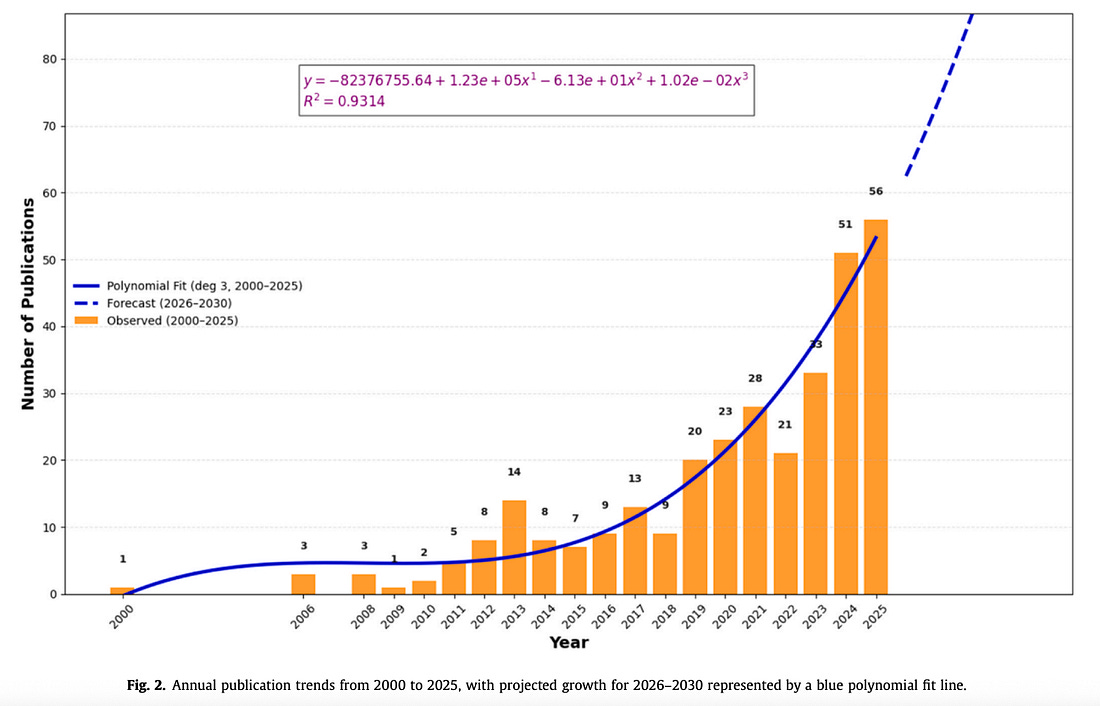
Bird flu publications skyrocket from fewer than 10 papers a year before 2010 to over 50 in 2025—with output expected to hit 111 by 2030, a tenfold surge.

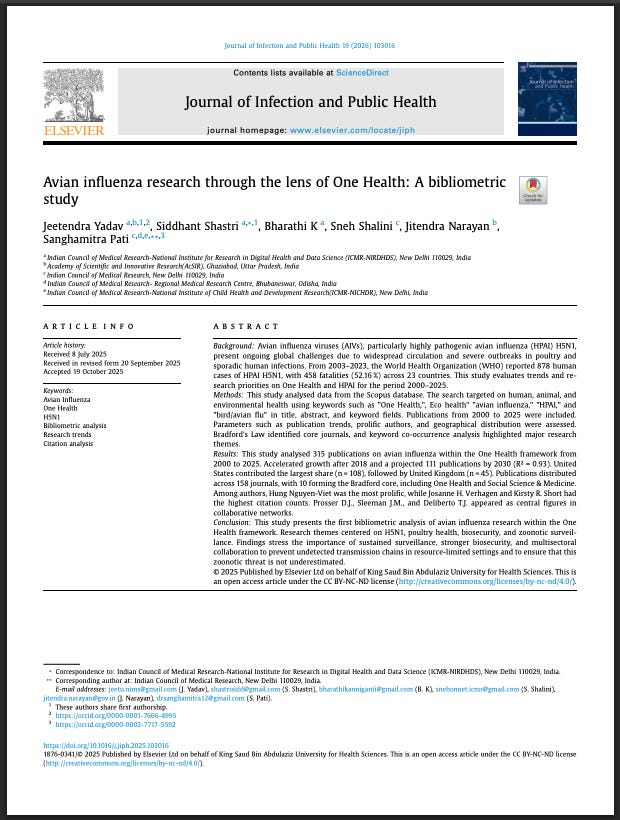
A new Journal of Infection and Public Health paper published this month by Indian Council of Medical Research (ICMR) scientists reveals an unprecedented rise in bird flu–related research worldwide—and predicts that publications on avian influenza will nearly double by 2030, marking what the authors call “accelerating growth” in the field.

The data show that bird flu research output has exploded from fewer than 10 papers a year before 2010 to over 50 in 2025, with the authors projecting a jump to 111 by 2030—a tenfold surge in just two decades, signaling that bird flu has quietly become one of the fastest-expanding areas of global pathogen research.

The figures are based on data from Scopus, a global scientific database that includes most journals indexed in PubMed but extends far beyond biomedical research to cover environmental, veterinary, and policy studies.

This makes Scopus the broadest available measure of the worldwide surge in bird flu–related publications.


The revelation comes as this website has, for years, been raising alarms over the quiet expansion of international bird flu experiments and bird flu pandemic response infrastructure.

The new study, titled “Avian Influenza Research Through the Lens of One Health: A Bibliometric Study” (Elsevier, 2025), analyzed 315 publications on avian influenza between 2000 and 2025 and found that research has exploded since 2018.

The authors expect the trend to continue exponentially over the next five years.

Using a third-degree polynomial model, the team projected that the number of publications will grow from 62 in 2026 to 111 by 2030, with an R² of 0.93 indicating a strong upward trajectory.

“A marked increase occurred after 2018… Forecasts suggest continued growth, with the number of publications expected to rise from 62 in 2026 to 111 in 2030, reflecting increasing research interest and recognition” the paper reads.

The Post-2018 Acceleration

The new study identifies 2018 as the tipping point when H5N1 and One Health publications began to surge.

That timeline aligns with several key developments:

  • The 2018–2019 launch of the WHO–FAO–OIE–UN pandemic coordination framework under “One Health.”
  • The rollout of avian influenza vaccination programs in China, which reshaped global research priorities.
  • The resurgence of EcoHealth Alliance’s field work and U.S. government contracts related to avian flu viruses.

By 2025, the publication rate had risen to 56 papers per year—the highest in two decades

WHO, CDC, and EcoHealth at the Center of the Growth

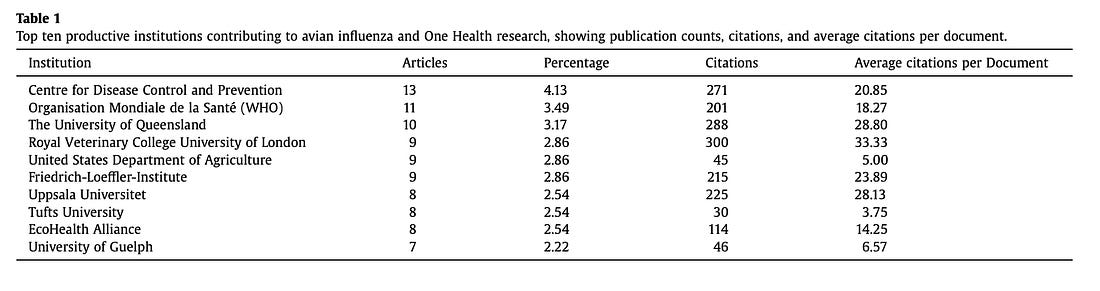
According to the paper’s institutional data, the U.S. Centers for Disease Control and Prevention (CDC) leads the world in bird flu and One Health research output, followed by the World Health Organization (WHO) and EcoHealth Alliance.

EcoHealth is the same organization whose NIH-funded work in Wuhan has been at the center of worldwide controversy over gain-of-function experiments.

Table 1 lists the CDC as having the highest number of publications (13) with 271 citations, followed by the World Health Organization (WHO) (11 publications) and EcoHealth Alliance (8 publications).

In other words, the primary institutions steering the One Health–avian influenza research ecosystem are the same ones historically involved in dual-use virology, pandemic simulation, and cross-species virus manipulation projects.

‘Enhanced Cross-Sectoral Collaboration’—A Code for Expansion

The authors conclude by urging the global scientific community to strengthen “cross-sectoral collaboration” and “sustained surveillance” in poultry and wild birds, warning against “undetected transmission chains in resource-limited settings.”

While framed as disease prevention, this language mirrors the same pandemic-preparedness justification that has fueled massive funding surges into high-containment labs (BSL-2 and BSL-3) and pathogen collection networks around the world.

The study’s repeated emphasis on “biosecurity,” “interdisciplinary cooperation,” and One Health “integration” signals that governments and international bodies are institutionalizing H5N1 work as a standing global priority, not a short-term emergency response.

Normalizing a Permanent Bird Flu Research Pipeline

The study’s authors celebrate this acceleration as a sign of “increasing research interest and recognition.”

But for many observers, it represents something far more concerning—the normalization of a permanent, internationally coordinated pandemic creation and response regime built around H5N1 bird flu.

The report openly ties its findings to global governance structures such as the WHO and the United Nations, stating that the One Health framework is essential for “multisectoral collaboration” and for guiding “policy and research agendas” on avian influenza.

In effect, the paper documents the institutionalization of bird flu research as a permanent fixture of global biosecurity policy—a shift that blurs the line between public health and biodefense, and raises serious questions about how far these programs will go.

Bottom Line

The new Journal of Infection and Public Health study confirms what many have suspected: since 2018, there has been a coordinated expansion of avian influenza research worldwide.

WHO, CDC, and EcoHealth Alliance are leading the charge, and the scientific community now projects that output to double by 2030.

Behind the rhetoric of “One Health” and “collaboration” lies a long-term global infrastructure for studying, modifying, and surveilling avian viruses — one that could easily serve both pandemic prevention and pandemic creation agendas.

The normalization of this permanent H5N1 research pipeline marks the next chapter in the international “pandemic preparedness” agenda — and the public deserves to understand what’s being built, and why.

HHS Builds $37.5M Bird Flu Pandemic Hospital Network—75 Facilities to Serve as Federal ‘Special Pathogen’ Centers


Internal NETEC document confirms H5N1 avian influenza preparedness at the core mission of new taxpayer funded hospital network.

The U.S. Department of Health and Human Services (HHS), through its Administration for Strategic Preparedness and Response (ASPR), is funding a $37.5 million national hospital expansion to prepare for H5N1 bird flu and other high-consequence pathogens, according to a newly released internal federal document issued by the National Emerging Special Pathogens Training and Education Center (NETEC).

NIH and NIAID—which are under HHS, led by Secretary Robert F. Kennedy Jr.—are funding experiments that create brand new bird flu pathogens, raising conflict of interest worries as well as questions about the government’s motives (see list of articles below this article detailing these many experiments).

NIAID chief Dr. Jeffery Taubenberger is directing U.S. tax dollars toward bird flu reverse genetics experiments while holding a patent for the carcinogenic BPL-based bird flu jab at the center of the Trump administration’s $500 million ‘Generation Gold Standard’ program—funding both the problem and the patented solution.


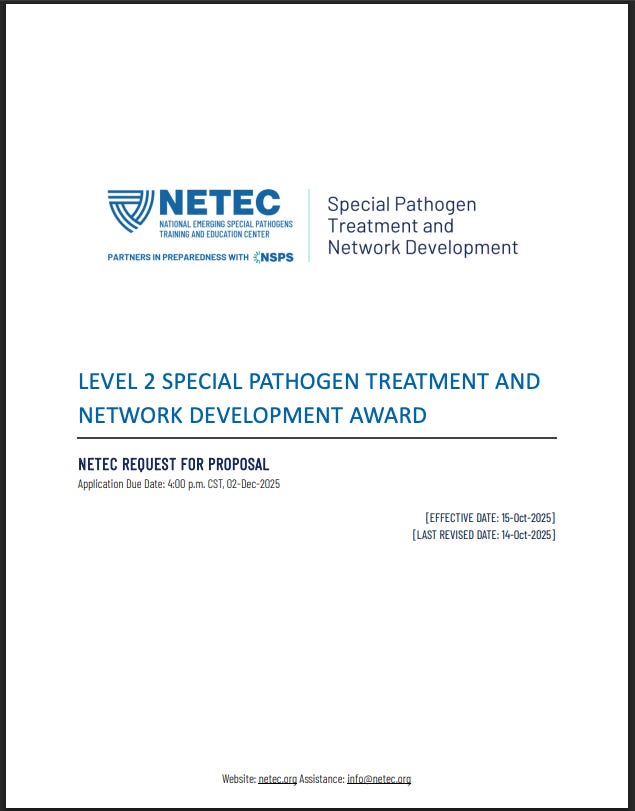
The new document—an internal Request for Proposal (RFP) dated October 15, 2025—details how HHS will use NETEC, a consortium of Emory University, the University of Nebraska Medical Center, and NYC Health + Hospitals/Bellevue, to distribute federal funds to 75 hospitals across the United States, converting them into federally designated “Level 2 Special Pathogen Treatment Centers” (SPTCs).

Each facility is eligible to receive $500,000 under the ASPR-funded NSPS Level 2 Special Pathogen Treatment and Network Development (STAND) Award.

The RFP’s stated purpose is to “accelerate the domestic health care system’s readiness for [high-consequence infectious diseases], such as H5N1, Ebola, and others.”

Per the document:

“Under the guidance of ASPR, NETEC is now awarding $37,500,000 in funding to 75 facilities ($500,000 per facility) as they work to meet the requirements of NSPS Level 2 facilities. The funding will support activities such as training health care personnel, upgrading infrastructure, and acquiring specialized equipment to ensure Level 2 facilities meet NSPS minimum capabilities. These efforts are expected to ultimately result in the verification of funded facilities as Level 2 SPTCs. This expansion significantly enhances the nation’s surge capacity and geographic reach for managing HCIDs.”

The move comes as governments all over the world say they are creating hybrid bird flu viruses in biolabs, raising national security fears of another pandemic, whether intentional or accidental.

Those same countries ramp up bird flu vaccine production and distribution.

Meaning, once again, governments are creating both the problem and “solution” to another pandemic, raising conflict-of-interest worries.

Congress, the White House, the Department of Energy, the FBI, the CIA, and Germany’s Federal Intelligence Service (BND) have confirmed that the COVID-19 pandemic was likely the result of lab-engineered pathogen manipulation.

H5N1 Avian Influenza Explicitly Listed as a Federal Priority

While the public press release announcing the grant avoided mentioning bird flu, the internal NETEC RFP directly names H5N1 avian influenza as a top threat driving the new hospital buildout.

“The emergence and sustained transmission of HCIDs, such as Ebola, mpox, and avian influenza (H5N1), have overwhelmed hospitals, exhausted critical resources, and underscored the necessity for coordinated efforts to protect health care workers while ensuring the delivery of safe and effective patient care.”

This wording makes clear that H5N1 preparedness—not just general infectious disease readiness—is a central justification for the $37.5 million initiative.

Federal Pandemic Infrastructure Expansion

Under ASPR’s direction, NETEC will administer the new program as part of the National Special Pathogen System (NSPS)—a tiered national network of pathogen treatment centers first created after the 2014–2016 Ebola outbreak.

The new Level 2 centers are described as “the backbone of a resilient, skilled response to special pathogen threats,” designed to serve as regional treatment hubs capable of handling clusters of patients during future high-consequence disease outbreaks.

The funding will support:

  • Upgrading isolation infrastructure,
  • Purchasing specialized containment equipment,
  • Training staff in special pathogen protocols, and
  • Coordinating with existing Level 1 Regional Emerging Special Pathogen Treatment Centers (RESPTCs).

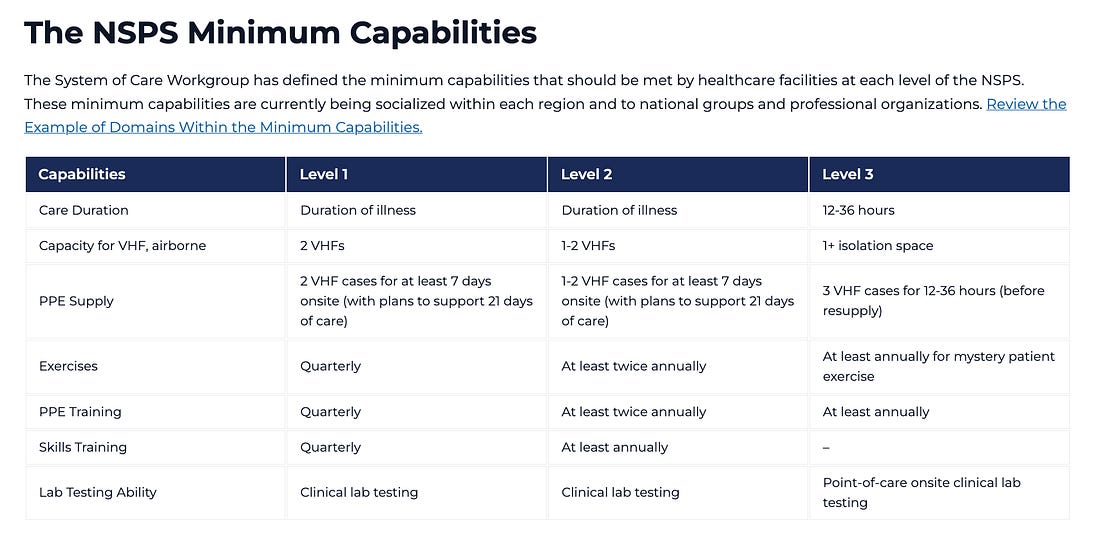
Awardees must demonstrate “substantial progress towards meeting the minimum capabilities of a Level 2 NSPS facility” by the end of the funding period.

‘Level 2’ Centers Will Treat Patients for the Duration of Illness

Each Level 2 facility, the RFP explains, must have “the capacity to deliver specialized care to clusters of patients suspected of or infected by a special pathogen” and “serve as the primary patient care delivery center.”

Notably, funded hospitals must also agree to:

“Serve as regional and national assets and accept patients from outside of the United States or outside their respective state, county, or local jurisdiction if requested.”

That clause effectively integrates participating hospitals into the federal pandemic command structure under ASPR oversight, expanding the U.S. government’s ability to move special pathogen cases across state or national lines.

Institutionalization of Permanent Biosecurity Infrastructure

The NETEC RFP uses unmistakable national security language, describing high-consequence infectious diseases (HCIDs) as threats to “the nation’s health, economy, and national security.”

It emphasizes what it characterizes as the need for “enhanced biosecurity frameworks, robust clinical readiness, and surge capacity across hospitals,” positioning the Level 2 expansion as a cornerstone of HHS’s long-term pandemic preparedness architecture.

The RFP even notes that NETEC “has demonstrated its critical role in strengthening national health security by coordinating National Special Pathogen System responses to novel respiratory pathogens, mpox, and Lassa fever.”

In other words, the federal government is now formally embedding outbreak containment systems inside civilian hospitals, justified by avian influenza and other potential zoonotic spillover threats.

Timeline & Implementation

Applications for the NSPS Level 2 STAND Award opened October 15, 2025, and close December 2, 2025.

Final selections are expected by January 5, 2026, with the official “period of performance” scheduled from January 5 through June 29, 2026.

Eligible applicants must have:

  • An onsite emergency department,
  • Airborne infection isolation rooms,
  • Critical care and inpatient capacity, and
  • A sufficient baseline of resources to achieve Level 2 verification.

The RFP explicitly prohibits use of the funds for direct clinical care or research—focusing instead on infrastructure, staff training, and equipment acquisition.

From COVID Lessons to Bird Flu Systems

NETEC was originally established in 2015 after the U.S. treated imported Ebola cases.

During the COVID-19 pandemic, it served as a national training and coordination body for pathogen response across hospitals.

Now, under ASPR’s expanded authority, NETEC’s mission has evolved from temporary outbreak response to permanent pandemic infrastructure building, with H5N1 preparedness front and center.

The RFP states that the expansion “significantly enhances the nation’s surge capacity and geographic reach for managing HCIDs,” embedding what amounts to federally funded containment capacity across the entire U.S. hospital network.

Bottom Line

The internal NETEC document reveals that HHS’s Administration for Strategic Preparedness and Response (ASPR) is quietly constructing a nationwide bird flu hospital network under the banner of “special pathogen preparedness.”

The $37.5 million program explicitly cites H5N1 avian influenza as a primary threat and converts 75 hospitals into federally integrated treatment hubs for future high-risk pathogen outbreaks.

This marks yet another major escalation in the institutionalization of permanent pandemic infrastructure inside the United States, built through administrative expansion under the HHS biosecurity apparatus.

NIH-Funded Mount Sinai Scientists Engineer New Bird Flu Franken-Virus Chimera in New York: Journal ‘Vaccine’


Peer-reviewed study confirms reverse-genetics construction of a synthetic avian–human influenza hybrid in New York City through $150 million gov’t contract.

A new Vaccine journal study published earlier this month reveals that scientists at the Icahn School of Medicine at Mount Sinai in New York have engineered a synthetic chimeric bird flu virus by splicing genetic segments from multiple influenza strains—avian, human, and laboratory-adapted—into a single live construct grown in chicken eggs.

The risky work was done in the name of “vaccine development,” exposing how, time and again, vaccine production serves as a legal and moral shield for the same dual-use genetic manipulation routinely used to create potential bioweapons.

The project was funded by the U.S. National Institutes of Health (NIH), which is led by Dr. Jay Bhattacharya.

The bird flu experiment raises national security concerns, given that Congress, the White House, the Department of Energy, the FBI, the CIA, and Germany’s Federal Intelligence Service (BND) have confirmed that the COVID-19 pandemic was likely the result of lab-engineered pathogen manipulation.

Countries all over the world are quietly performing dangerous gain-of-function-like bioweapons experiments on bird flu pathogens while simultaneously developing bird flu countermeasures like vaccines and antivirals, raising conflict-of-interest worries.

The new lab-made bird flu virus, named cH15/3HK14N2HK14, was assembled through reverse genetics, a technique that builds a fully functional virus from cloned DNA.

The team was led by Dr. Florian Krammer and Dr. Eduard Puente-Massaguer, both of Mount Sinai’s Department of Microbiology, with collaborators from Duke University and the University of Vienna.

According to the paper:

“Viruses were generated by reverse genetics.”

The construct combines three separate viral lineages:

  • H15 head: from A/shearwater/West Australia/2576/1979 (H15N9), an avian seabird flu.
  • H3 stalk and N2 neuraminidase: from A/Hong Kong/4801/2014 (H3N2), a human seasonal flu strain.
  • Internal genes: from A/Puerto Rico/8/1934 (H1N1), a long-used lab strain that serves as the genetic backbone for research.

Per the study:

“For the group 1 cH8/1Cal09N1Cal09 virus, the H8 head domain was derived from the HA of A/mallard/Sweden/24/2002 (H8N4) and the HA stalk domain and the NA from A/California/04/2009 (H1N1). For the group 2 cH15/3HK14N2HK14 virus, the H15 head domain was derived from the HA of A/shearwater/West Australia/2576/1979 (H15N9), while the HA stalk domain and NA belong to A/Hong Kong/4801/2014 (H3N2). The internal genes of both viruses were derived from A/Puerto Rico/8/1934 (H1N1).”

In plain terms, Mount Sinai scientists merged three different influenza viruses—bird, human, and laboratory—into a single hybrid.


Serial Passaging Caused Genetic Mutation

The researchers then passaged the chimeric virus nine times in embryonated chicken eggs, allowing it to adapt and mutate.

They report that:

“Two different mutations were detected in the HA coding sequence at moderate proportions (53–65 %) … variations in the frequency of different polymorphisms were also detected in the HA, NA, and PB2 coding sequences along with changes in the non-coding regions (NCR) of the PB1 and PB2 gene segments.”

In other words, the hybrid virus mutated across key genetic regions associated with host adaptation and replication efficiency—hallmarks of gain-of-function evolution.

Chemical Treatment & Residual Surfactant

To inactivate and split the virus, Mount Sinai’s team exposed it to beta-propiolactone (βPL or BPL)—a known carcinogenic and mutagenic agent—and Triton X-100, a detergent recognized for environmental toxicity and endocrine disruption.

Even after processing, researchers kept residual Triton X-100 between 0.02% and 0.08% to “improve stability,” meaning trace levels of the chemical remained in the finished vaccine material.

Animal Testing & Resistance to Inactivation

Mount Sinai’s team injected mice with 5 micrograms of hemagglutinin (HA) derived from the chimeric viruses, confirming a strong immune response—proof that the lab-created material remained biologically and antigenically active.

Even more concerning, the paper reveals that the cH15/3HK14N2HK14 virus required higher concentrations of BPL to fully neutralize than other influenza strains.

The authors note that 0.025% BPL failed to inactivate the virus within 24 hours, forcing them to double the concentration to 0.05% to achieve total inactivation.

Per the study:

“The demonstration of absence of virus replication after βPL inactivation is a requirement by regulatory agencies. To optimize this, a 24 h virus inactivation kinetics study was conducted for both cH8/ 1Cal09N1Cal09 and cH15/3HK14N2HK14 viruses at 4 ◦C. The absence of HA titer after two sequential rounds of egg injection with neat sample was considered as an indication of complete virus inactivation. For the cH8/ 1Cal09N1Cal09 virus, 0.025 % (v/v) βPL resulted in complete viral inactivation after 24 h incubation. Treatment with 0.025 % (v/v) βPL was not enough to inactivate the cH15/3HK14N2HK14 virus within 24 h, so the concentration of βPL was increased to 0.05 % (v/v). In these conditions, complete virus inactivation was demonstrated.”

This means the Mount Sinai chimera Franken-virus demonstrated greater resistance to chemical inactivation, a red flag in vaccine manufacturing and biosafety settings where even small lapses could lead to accidental exposure.

U.S. Taxpayer Funding & Big Pharma Conflicts of Interest

The project was funded through the NIH’s Collaborative Influenza Vaccine Innovation Centers (CIVIC) contract 75N93019C00051 (herehere), totaling $151 million.

The CIVICs program, launched in September 2019, is involved in more than 125 preclinical, clinical, and manufacturing studies related to influenza vaccines as of 2025.

The National Institute of Allergy and Infectious Diseases (NIAID), led by Dr. Jeffery Taubenberger and part of NIH, provided $51 million in first-year funding for the program.

Mount Sinai disclosed that it has filed patents on these chimeric influenza viruses, listing Krammer and Puente-Massaguer as inventors, and that Krammer personally consults for Merck, Pfizer, GSK, Sanofi, CureVac, and Seqirus, among others.

In effect, the same laboratory designing and manipulating these synthetic viruses also profits from their commercial vaccine applications.

Context: Global Bird Flu Engineering Boom

The revelation comes amid a wave of government-funded bird flu research around the world.

The U.S. Department of Agriculture recently declared avian influenza a “permanent emergency,” ensuring uninterrupted funding even during government shutdowns.

At the same time, foreign institutions—from Kazakhstan and South Korea, to Switzerland, to the U.K. and China—have engaged in similarly risky gain-of-function avian flu experiments combining multiple virus lineages.

Mount Sinai’s work confirms that such chimeric bird flu construction is also happening in New York City, under NIH contract funding and academic oversight.

Bottom Line

The new Vaccine paper makes clear:

  • A man-made bird flu chimera was constructed in New York City,
  • Mutated through repeated egg passaging,
  • Chemically treated with carcinogenic and toxic compounds,
  • And patented for future commercialization.

While branded as vaccine research, these experiments demonstrate dual-use biotechnology—capable of both “protection” and potential catastrophic misuse—occurring inside U.S. borders.

Given the grave national security implications and the proven global track record of lab-origin pandemics, there must be an immediate, permanent moratorium on all pathogen-enhancement and chimeric virus experiments—no matter how they’re labeled, licensed, or justified.