The Truth Is Out There

Posts tagged ‘science’

Pfizer Reboots Lyme Vaccine Linked to Lyme-Disease-Like Autoimmune Arthritis and Class Action Lawsuits


Forces your body to flood bloodstream with antibody proteins that ticks consume during feeding.

Pfizer and Valneva have advanced their experimental Lyme disease vaccine, PF-07307405 (LB6V, formerly VLA15), using the same core biological mechanism that sparked autoimmune arthritis concerns, lawsuits, and the eventual withdrawal of the only previous Lyme vaccine, LYMErix.

The jab works by forcing the body to produce antibodies against a bacterial protein that resembles a protein found in your own joint tissue, meaning those antibodies may also recognize similar structures in your joints and trigger an immune response there.

That means a mechanism previously tied to immune responses against joint tissue—producing Lyme-like symptoms—is now being brought back and positioned for broad public rollout.

Moreover, current data tracks antibody levels in the bloodstream over months, but does not map where those antibodies distribute in human tissues or how repeated boosting affects immune activity over the long term.


The Mechanism Activates Only After a Tick Bites

The vaccine is built to force the body to produce large quantities of anti-OspA IgG antibodies that circulate in the bloodstream.

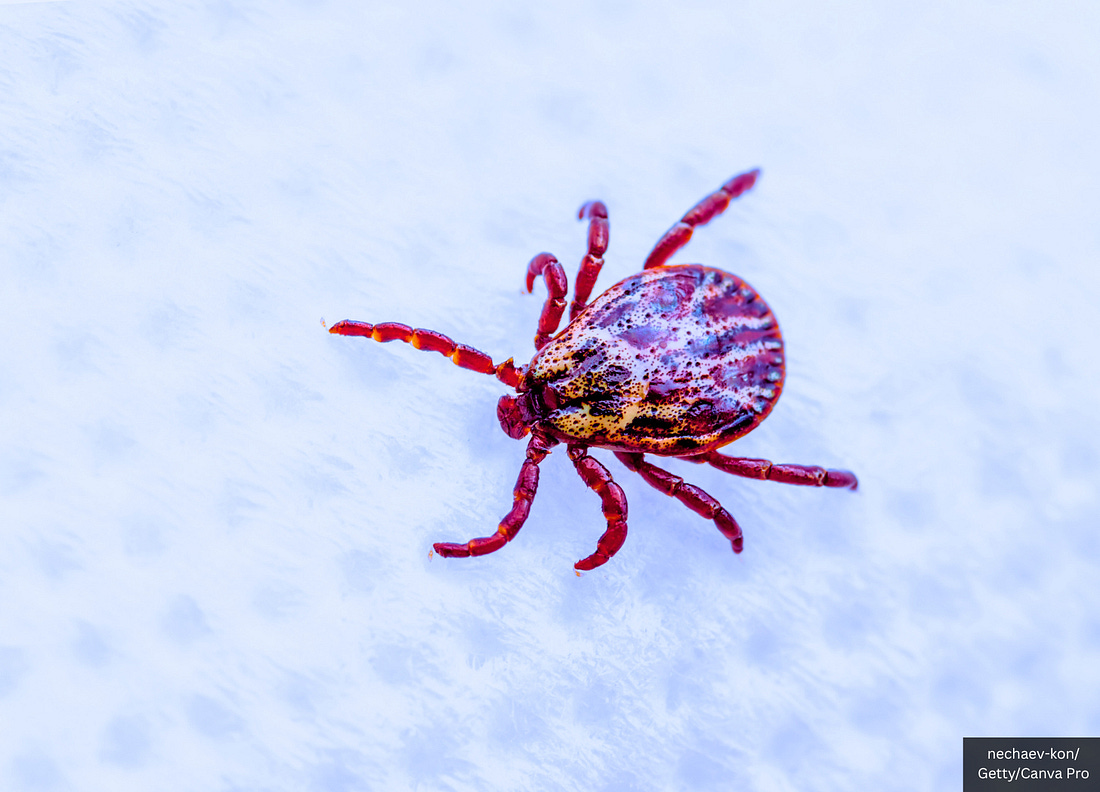
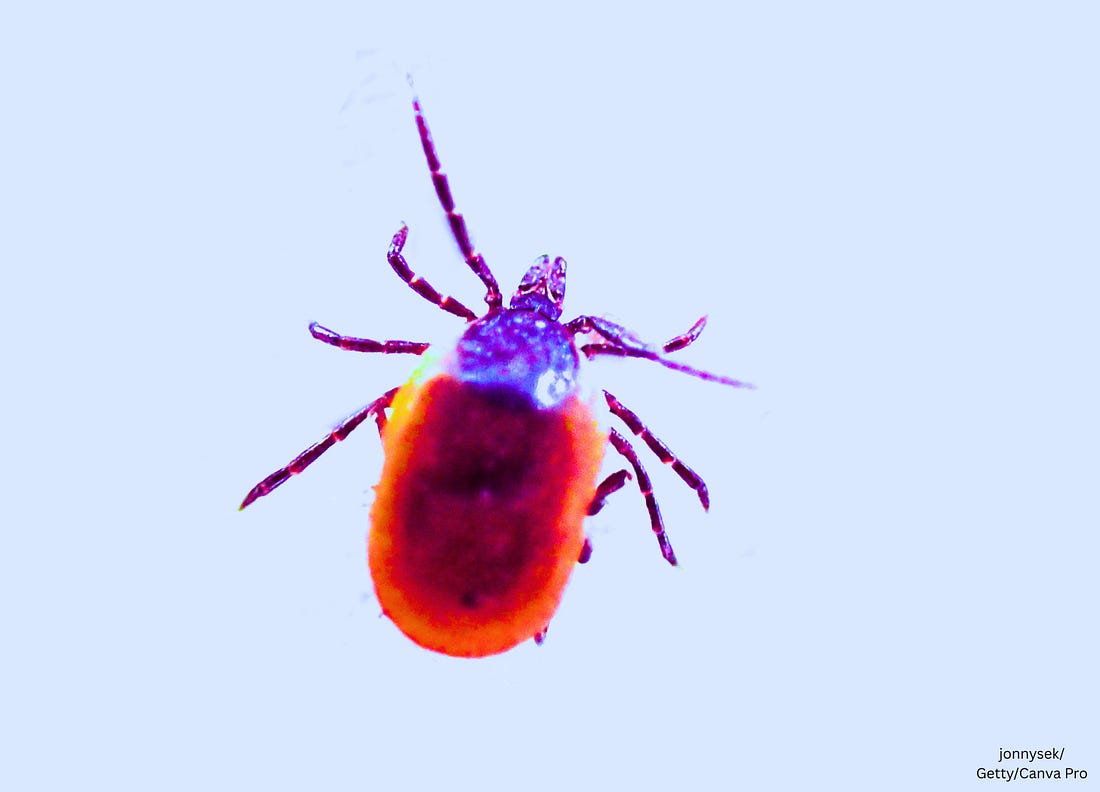
Those antibodies remain inactive until a tick begins feeding.

At that point, the process engages.

The companies describe it:

“As the tick feeds on the vaccinated person, these antibodies are ingested by the tick as part of its blood meal. Binding of vaccine-induced antibodies to OspA on Borrelia inside the tick inhibits the bacterium’s ability to leave the tick.”

The antibodies are produced in the human body, but their intended function occurs after they are consumed by the tick.

The activity takes place inside the parasite.

Same OspA Design Behind LYMErix

The approach mirrors the OspA-based strategy used in LYMErix, introduced in 1998 and withdrawn in 2002 after widespread controversy.

At the center of that controversy was molecular mimicry.

The OspA protein contains regions that resemble a human protein known as LFA-1 (leukocyte function-associated antigen-1), which is present on immune cells and in joint tissue. A 1998 Science paper (Gross et al.) identified this overlap, showing that immune responses to OspA could also recognize similar structures on human LFA-1.

In patients with treatment-resistant Lyme arthritis, immune responses directed at OspA were observed to cross-react with LFA-1, raising the possibility that antibodies generated against the bacterial protein could also interact with joint tissue.


Autoimmune Arthritis Concerns Drove Lawsuits and Withdrawal

The cross-reactivity concern—antibodies recognizing both bacterial targets and structurally similar human proteins—became a central issue.

Reports of adverse outcomes, combined with media attention and legal action, intensified scrutiny around the vaccine.

A January 2001 New York Times publication explained:

A panel of U.S. experts is set to hear arguments Wednesday about whether a vaccine against Lyme disease may be linked to rare cases of arthritis, a charge the product maker has disputed.

GlaxoSmithKline Plc, the vaccine manufacturer and the world’s largest drug company, said it plans to present information on patients’ experiences since the product debuted under the brand name LYMErix in January 1999.

The Food and Drug Administration (FDA) is holding the public meeting to review the product’s safety and update the advisory panel on complaints that LYMErix may be linked to an untreatable type of arthritis.

Some scientists theorize that a protein, OspA, in the vaccine may trigger arthritis in patients with a genetic sensitivity to the condition. An estimated 30 percent of people have the gene suspected to put them at risk.

Lawyers have filed suit against GlaxoSmithKline, charging that the company should have warned that some people who receive the vaccine may experience arthritis that resists treatment.

LYMErix was ultimately withdrawn from the market.

While “poor sales” was cited publicly, later analyses pointed to the convergence of safety concerns and litigation as the force behind the collapse.

A February 2011 Clinical Infectious Diseases publication explains:

“Because of the hypothesis of molecular mimicry and autoimmune responses to the vaccine, anti-vaccine sentiment and class action lawsuits, a complicated vaccine administration schedule, diminishing physician support for the vaccine, and low public demand for the vaccine; the manufacturer voluntarily terminated vaccine production and marketing of the vaccine in 2002.”

The Vaccine Is Built to Induce the Same Immune Response Behind Lyme Arthritis

Lyme disease is known to produce an immune-driven arthritis in some patients—joint swelling, pain, and inflammation that can persist even after the bacteria are no longer detectable.

At that stage, the symptoms are not being driven by infection.

They are being driven by the immune response itself.

That same category of immune activity sits at the center of the vaccine’s design.

The shot is designed to force the body to generate high levels of anti-OspA antibodies against a bacterial protein that has been shown to share structural similarity with human LFA-1—a protein present in joint tissue.

That overlap places the immune response and the target in the same biological context as Lyme-related joint inflammation.

The result is a direct convergence: the vaccine is engineered to induce the same type of immune response associated with joint inflammation in Lyme disease.

This is the same biological interaction that raised concern during the LYMErix era.

Same Mechanism, Sustained Through Repeated Dosing

The current Pfizer candidate expands the design across six Borrelia serotypes.

Its function depends on maintaining elevated antibody levels in circulation, which decline over time based on earlier clinical data.

Booster doses are used to restore those levels, creating repeated cycles of immune activation centered on the same anti-OspA response.

Each cycle reinforces the same antibody pathway tied to the original controversy.

Autoimmune Monitoring Built Into Trials

A Phase 2 booster study published in The Lancet Infectious Diseases monitored participants for autoimmune and neuroinflammatory conditions—the same category of concern associated with the earlier vaccine.

Reported events were assessed by investigators—who worked for Pfizer—as unrelated to the vaccine.

The underlying interaction of antibodies targeting a bacterial protein with structural similarity to human tissue remains unchanged.

Critical Data Gap the Companies Aren’t Addressing

Current trials primarily track antibody levels in the bloodstream over limited time windows.

They have not mapped in detail where these anti-OspA antibodies distribute in human tissues, especially in joints and other sites where LFA-1 is expressed.

There is also no multi-year human data showing how repeated annual boosting affects immune activity over extended periods.

In practical terms, antibody levels in the blood are measured, but tissue-level behavior and long-term immune effects under repeated stimulation are not directly tracked.

This is the same blind spot that existed during the LYMErix era, before concerns around immune-mediated joint effects escalated into broader scrutiny.

Now Pfizer and Valneva are advancing the same mechanism, expanded across more strains and structured around repeated dosing, while those same unanswered questions remain.

Pfizer Felony

Pfizer is a massively criminal enterprise, repeatedly convicted and fined billions for systemic illegal activities, including off-label marketing, safety violations, bribery, price-fixing, and healthcare fraud.

With over $10 billion in penalties since 2002, Pfizer has a proven pattern of habitual corporate crime driven by profit at the expense of public health and legality.

Pfizer has pleaded guilty to felony criminal charges, including in 2009 when its subsidiary Pharmacia & Upjohn pleaded guilty to a felony count of misbranding pharmaceuticals.

The company agreed to pay a record $2.3 billion criminal and civil settlement for illegal marketing and healthcare fraud, confirming its status as a convicted corporate felon.

That same company is now rolling out a new Lyme vaccine built on the same mechanism that previously ignited safety concerns, lawsuits, and a full market collapse.

Bottom Line

Pfizer’s Lyme vaccine revives the same OspA antibody mechanism that triggered autoimmune arthritis concerns, lawsuits, and market collapse.

It is built around inducing the same category of immune response associated with Lyme-related joint inflammation.

That response is reinforced through repeated dosing.

And the mechanism itself is designed to activate only after antibodies produced in the bloodstream are consumed by a feeding tick.

HHS Funds Gain-of-Function Influenza–COVID ‘Frankenvirus’ Combining Influenza Entry Machinery With SARS-CoV-2 Human Cell–Binding Domain


HHS-backed research produced chimeric influenza viruses carrying SARS-CoV-2’s ACE2-binding interface—introducing a higher-affinity human receptor-binding mechanism into an influenza pathogen.

HHS-funded researchers are claiming to have engineered influenza-based chimeric “Frankenstein” viruses that combine influenza’s hemagglutinin (HA) with the SARS-CoV-2 receptor-binding domain (RBD)—a high-affinity human ACE2-binding interface.

Introducing a fundamentally different and stronger human cell–binding mechanism into an influenza viral system is a modification that fits longstanding U.S. gain-of-function definitions involving altered receptor usage and host range.

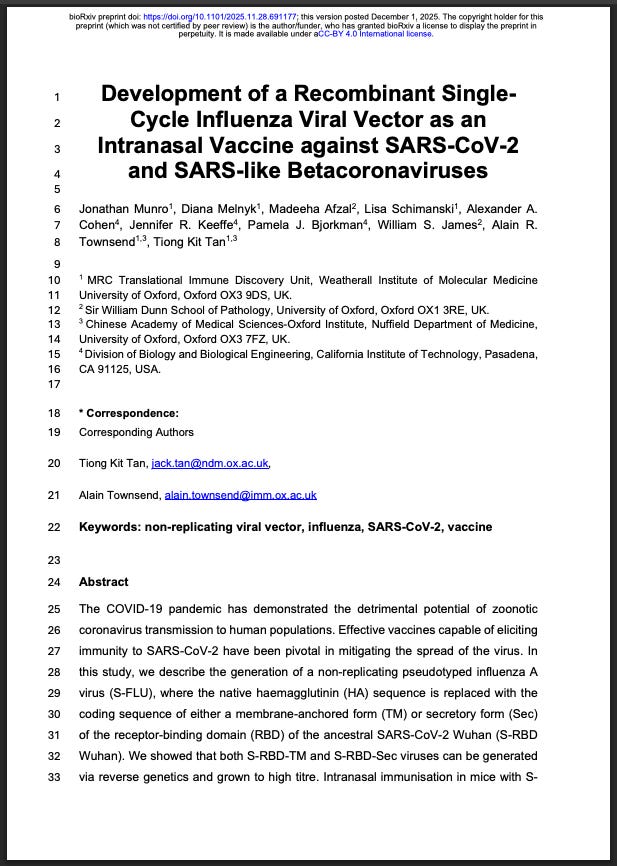
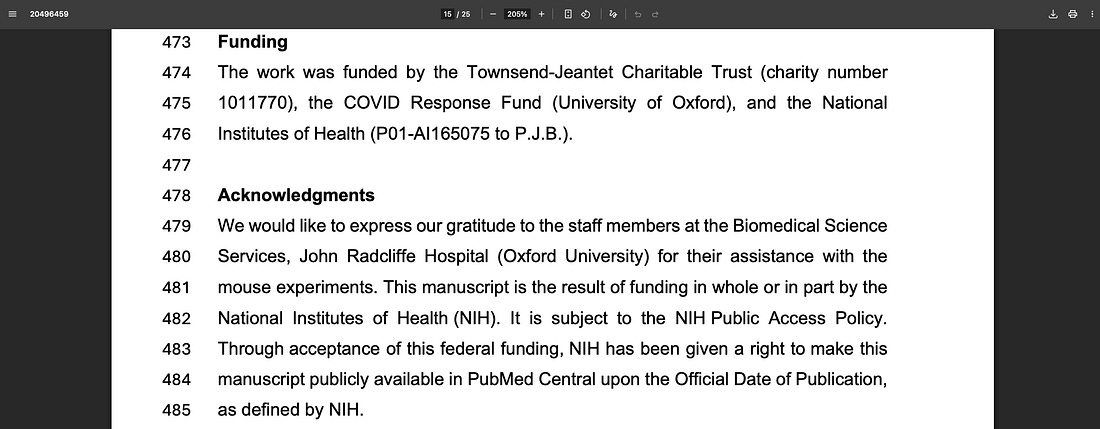
A December 2025 bioRxiv preprint confirms the work, supported in part by the National Institutes of Health (NIH)—an agency within the U.S. Department of Health and Human Services (HHS)—was funded under grant P01-AI165075:

“This work was funded by… National Institutes of Health… P01-AI165075”

and involved replacing influenza’s native HA gene with the SARS-CoV-2 RBD while producing virus particles coated with HA in the laboratory, resulting in viral constructs that physically contain both influenza’s entry protein and the SARS-CoV-2 optimized human cell–binding interface.

The study was conducted by Jonathan Munro, Diana Melnyk, Madeeha Afzal, Lisa Schimanski, Alexander A. Cohen, Jennifer R. Keeffe, Pamela J. Bjorkman, William S. James, Alain R. Townsend, and Tiong Kit Tan, with affiliations including the University of Oxford’s Weatherall Institute of Molecular Medicine and Sir William Dunn School of Pathology (here), the Chinese Academy of Medical Sciences–Oxford Institute (here), and the California Institute of Technology (here).

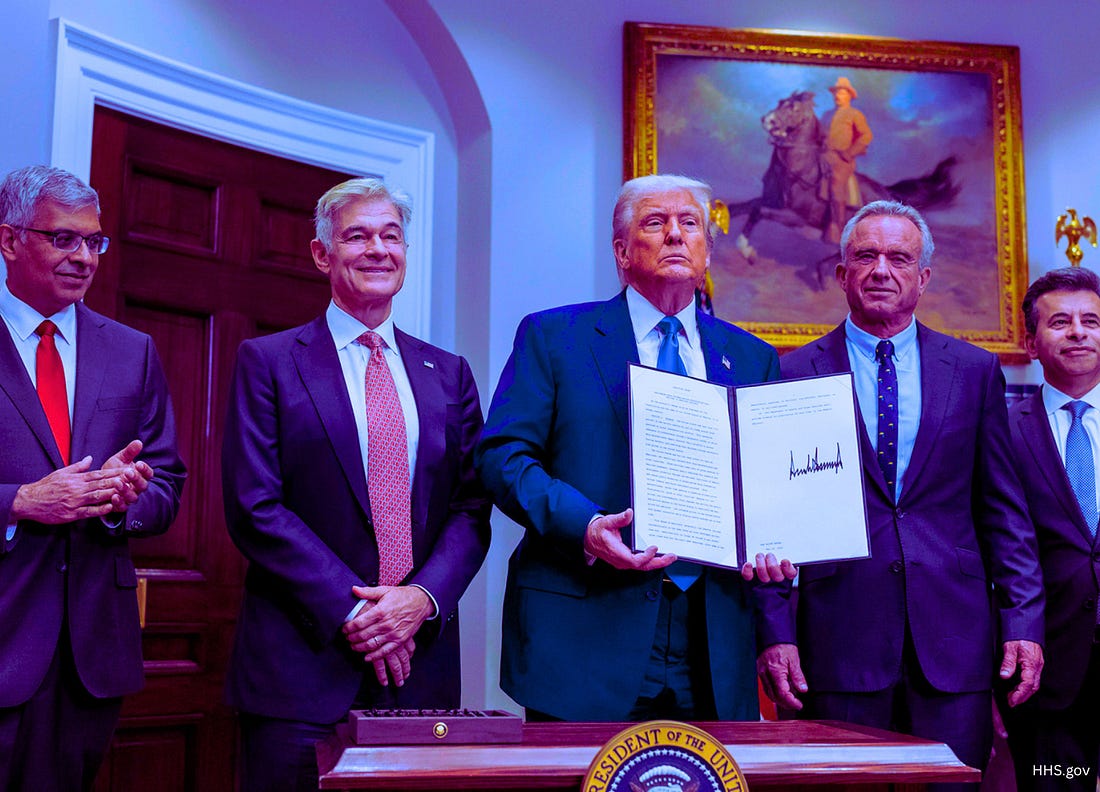
The head of HHS is Secretary Robert F. Kennedy Jr., while NIH is led by Director Jay Bhattacharya and NIAID is headed by Director Jeffery Taubenberger.

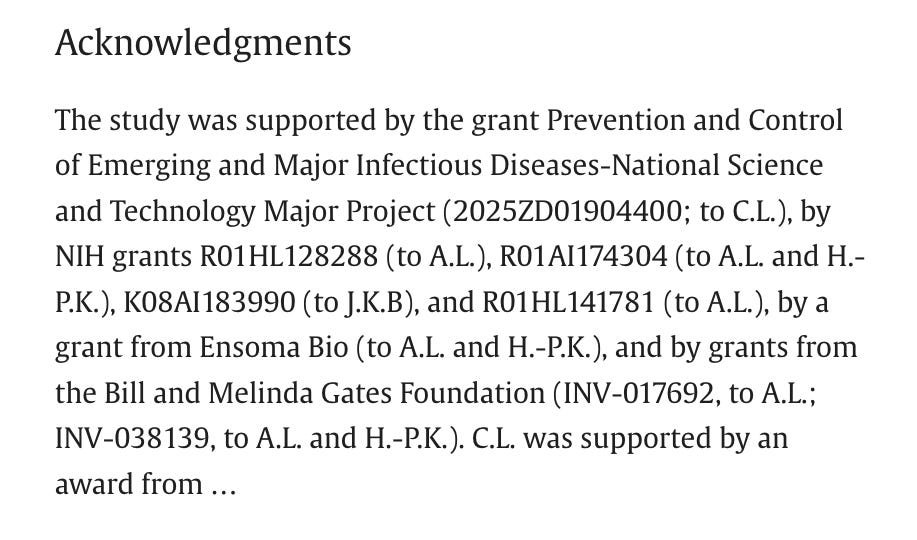
You can contact NIAID here, the NIH here, and HHS here to voice opposition to taxpayer-funded chimeric research on pandemic pathogens—particularly after Congress, the White House, the Department of Energy, the FBI, the CIA, and Germany’s Federal Intelligence Service (BND) all acknowledged that the deadly COVID-19 pandemic was “likely” the result of a laboratory incident involving GOF.

Meanwhile, President Donald Trump recently signed legislation into law allocating at least $5.5 billion in taxpayer funding for a future influenza pandemic.

At the same time, the Trump administration has advanced a $500 million “next-generation, gold-standard” combination influenza-COVID vaccine platform—positioning federal agencies to simultaneously fund the development of pandemic-capable influenza-COVID pathogens while building the mass vaccination infrastructure designed to respond to the very outbreak those systems could enable.


Engineered Virus Introduces High-Affinity Human Receptor Binding Into Influenza Backbone

The study explicitly confirms that influenza’s native receptor-binding gene was removed and replaced:

“the native haemagglutinin (HA) sequence is replaced with the coding sequence of… the receptor-binding domain (RBD) of the… SARS-CoV-2”

Influenza viruses naturally infect human cells using hemagglutinin, which binds sialic acid receptors with relatively low individual affinity and relies on multivalent interactions across many HA proteins.

By contrast, the SARS-CoV-2 receptor-binding domain binds directly to the human ACE2 receptor through a high-affinity protein–protein interaction, enabling efficient attachment to human airway cells.

By inserting the SARS-CoV-2 RBD into an influenza backbone, the researchers introduced a human ACE2-binding interface into a virus that does not naturally use that receptor system.

Chimeric Particles Combine Influenza HA and SARS-CoV-2 RBD

The study explicitly states that the influenza virus was genetically modified by replacing its HA coding sequence with the SARS-CoV-2 receptor-binding domain:

“we replaced the native HA coding sequence”

and:

“In this study, we describe the generation of a non-replicating pseudotyped influenza A virus (S-FLU), where the native haemagglutinin (HA) sequence is replaced with the coding sequence of either a membrane-anchored form (TM) or secretory form (Sec) of the receptor-binding domain (RBD) of the ancestral SARS-CoV-2 Wuhan (S-RBD Wuhan).”

At the same time, the study makes clear that HA function is not eliminated at the particle level, but instead supplied externally:

“Inactivation of the native haemagglutinin (HA) signal sequence means that S-FLU can only replicate in cell lines transfected to express HA that provide the surface protein for budding viral particles.”

The authors also confirm that the resulting engineered virus retains the ability to enter cells:

“Notably, S-FLU exhibits the capacity to infect host cells but is replication-incompetent.”

Study Confirms Infection & Expression of SARS-CoV-2 Binding Domain

The researchers confirmed that the engineered virus successfully infected cells and expressed the inserted RBD:

“both S-RBD-TM and S-RBD-Sec led to expression of RBD in the infected cells”

This demonstrates that the chimeric virus delivers and expresses the SARS-CoV-2 receptor-binding domain inside host cells following infection.

Bottom Line

HHS-funded researchers say they have engineered influenza-based viruses that combine influenza’s hemagglutinin (HA) with the SARS-CoV-2 receptor-binding domain (RBD).

They replaced the HA gene with the RBD.

But they still produced virus particles coated with HA.

The result is a chimera that physically carries both influenza’s entry machinery and a high-affinity human ACE2-binding interface.

The study confirms these viruses infect cells and express the RBD.

That is a direct change in receptor usage, consistent with longstanding U.S. gain-of-function definitions.

The work was funded under NIH grant P01-AI165075.

At the same time, the federal government is allocating at least $5.5 billion for an influenza pandemic and advancing a $500 million influenza-COVID vaccine platform—building both the engineered viral systems and the mass-response infrastructure in parallel.

Canada Builds Live SARS-CoV-2 Viruses From Computer Code Alone That ‘Can Be Used For Gain-of-Function Research’: Journal ‘Viruses’


A closed pandemic loop of digital design, synthetic GOF viruses, and government-controlled verification.

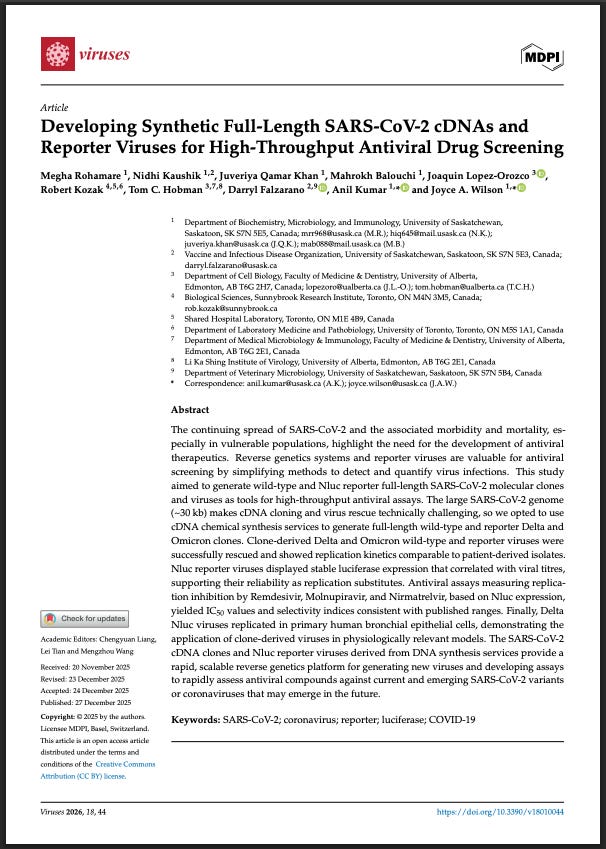
A new peer-reviewed study published in the journal Viruses says that publicly funded Canadian laboratories digitally designed full-length SARS-CoV-2 genomes, chemically synthesized them using commercial services, and generated live, replication-competent coronaviruses without starting from a natural virus sample.

The paper, titled “Developing Synthetic Full-Length SARS-CoV-2 cDNAs and Reporter Viruses for High-Throughput Antiviral Drug Screening,” documents the alleged creation of infectious Delta and Omicron SARS-CoV-2 viruses from computer-designed genetic sequences alone.

Coming in the wake of the COVID-19 pandemic—which killed millions of people worldwide and was linked by multiple intelligence agencies to laboratory research—the study raises national security concerns about the ability of government-funded institutions to create replication-competent pandemic viruses from digital sequence data alone, using commercial infrastructure with limited public oversight.

In light of these capabilities, the study also raises the possibility that governments could define, simulate, and respond to a biological threat almost entirely within digital and laboratory frameworks—leaving the public reliant on official interpretation rather than independently observable evidence.


Viruses Built from Computer Code Alone

The authors state that they did not rely on physical viral isolates to create the viruses.

Instead, they used commercial DNA synthesis services to generate the entire coronavirus genome:

“We opted to use cDNA chemical synthesis services to generate full-length wild-type and reporter Delta and Omicron clones.”

They further explain:

“DNA synthesis is a viable method to rapidly generate coronavirus cDNAs and recombinant viruses.”

Those synthesized genomes were then said to be used to generate live viruses:

“Clone-derived Delta and Omicron wild-type and reporter viruses were successfully rescued and showed replication kinetics comparable to patient-derived isolates.”

The study claims that the resulting viruses were infectious and capable of sustained replication in cell culture.

The paper emphasizes that the same system can be used to generate new viral variants based solely on sequence data:

“DNA synthesis is a viable and rapid option to generate reverse genetic systems for wild-type and reporter viruses using sequence information alone.”

Acknowledged Gain-of-Function Capability

In the Discussion section, the authors explicitly acknowledge that the methodology they used qualifies as gain-of-function (GOF) capable research:

“It is important to acknowledge that the novel approach described in this study—generating replication-competent viruses from synthetic DNA while introducing heterogeneous gene functions—can be used for ‘gain-of-function’ research.”

Where the Viruses Were Said to Be Created

All work involving purportedly live SARS-CoV-2 was conducted in Canada at a high-containment facility:

“All the experiments involving infectious SARS-CoV-2 viruses were conducted at VIDO-InterVac in an approved Biosafety containment level 3 (BSL3) laboratory.”

VIDO-InterVac is part of the University of Saskatchewan, which is a central institutional hub for the research described in the paper.

Author Affiliations

The authors are affiliated with multiple Canadian institutions, including:

  • University of Saskatchewan (Department of Biochemistry, Microbiology, and Immunology; Vaccine and Infectious Disease Organization),
  • University of Alberta (Department of Cell Biology; Department of Medical Microbiology & Immunology; Li Ka Shing Institute of Virology),
  • Sunnybrook Research Institute (Toronto),
  • University of Toronto (Department of Laboratory Medicine and Pathobiology).

Public Funding Sources

The research was funded entirely through public Canadian funding, according to the paper’s funding disclosure:

“This research was funded by the Canadian Institutes of Health Research (CIHR)-funded Coronavirus Variants Rapid Response Network (CoVaRR-Net)… CIHR Operating COVID-19 Rapid Research Funding Opportunity—Therapeutics… and NSERC.”

Additional operational support came from:

“The Government of Saskatchewan… the Government of Canada through Prairies Economic Development Canada… and the Canada Foundation for Innovation Major Science Initiatives for its CL3 facility.”

What the Paper Establishes

The study documents, in the authors’ words, that:

  • Full-length SARS-CoV-2 genomes were digitally designed
  • Those genomes were chemically synthesized
  • Live, replication-competent coronaviruses were said to be generated from that synthetic DNA
  • The method is acknowledged to be usable for gain-of-function research
  • The work was publicly funded and conducted in Canadian government-supported laboratories

These facts are stated directly in the paper and do not rely on inference, speculation, or external interpretation.

Bottom Line

The new Viruses paper reveals that governments claim to possess the technical ability to define a virus digitally, synthesize it physically, and validate its behavior entirely within controlled laboratory systems—allowing modern pandemic response to operate almost entirely inside digital, synthetic, and laboratory environments.

That convergence raises unresolved questions about national security, transparency, independent verification, and how much trust the public is asked to place in closed scientific and governmental frameworks when responding to future biological threats.

The study aligns with earlier FOIA-released DARPA documents showing that U.S. biodefense systems were already built to synthesize viruses and manufacture mRNA countermeasures from sequence data alone, placing the Canadian work within a broader pre-existing digital pandemic infrastructure.

U.S. Intelligence Classified and Redacted Findings on COVID-19 PCR Tests: New FOIA Documents


New records show top U.S. nuclear, national security laboratories scrutinized primers used to define the pandemic—but hid the results.

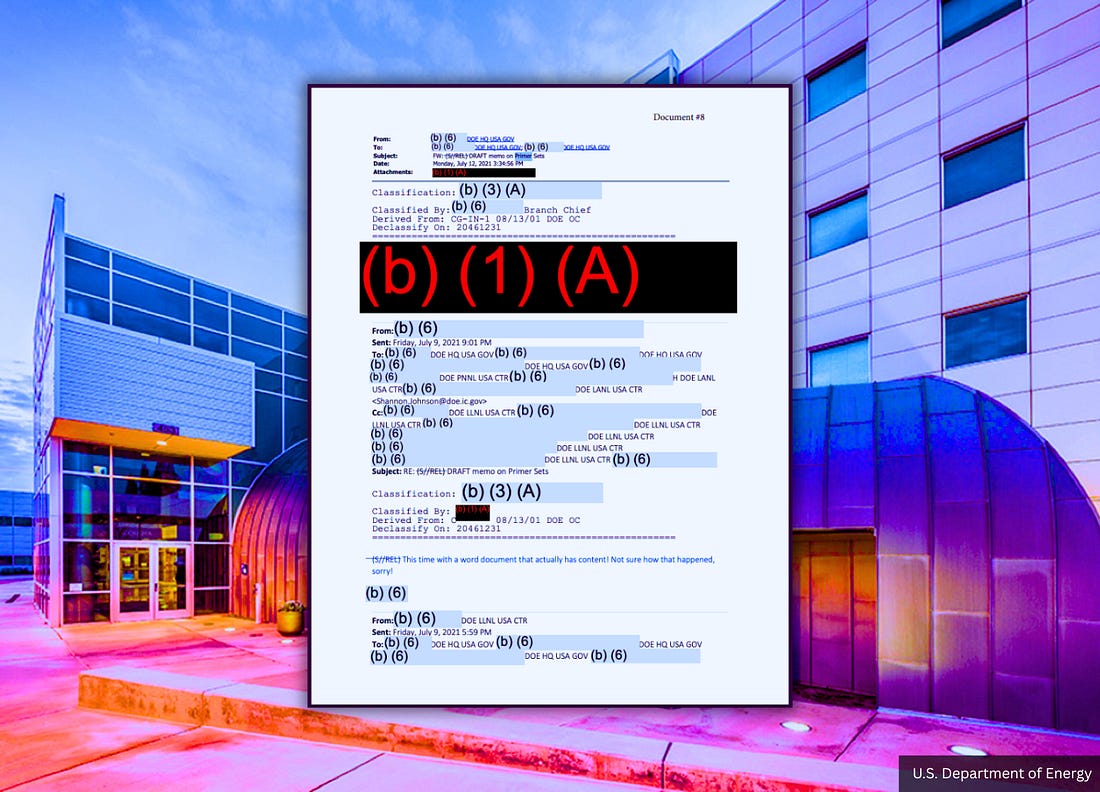
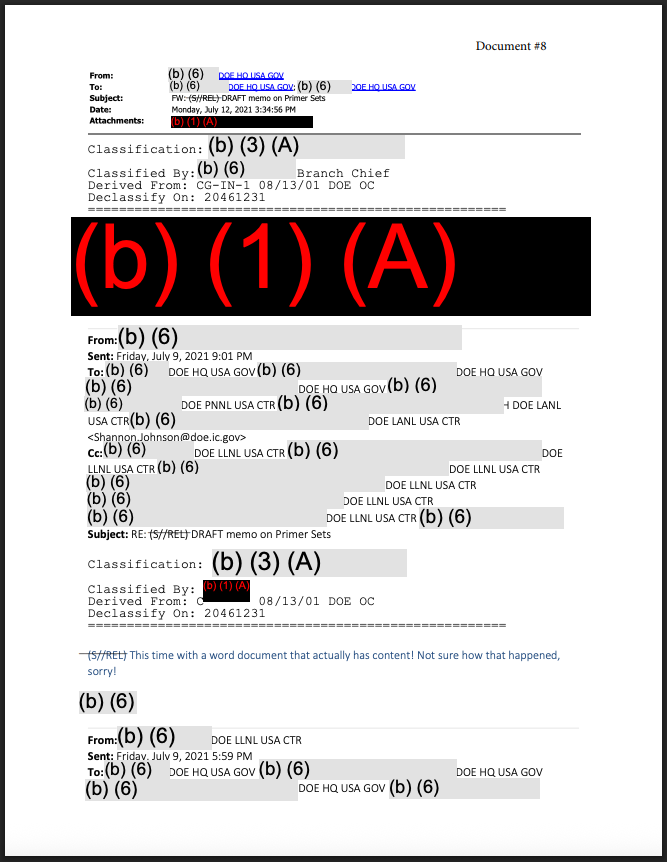
Newly released Department of Energy (DOE) records obtained by U.S. Right to Know through a Freedom of Information Act (FOIA) requenst show that U.S. federal intelligence agencies classified and redacted the results of an internal review of COVID-19 PCR test primers, even as those tests were used to define “cases,” drive emergency policy, and justify unprecedented social and economic controls.

The documents reveal that during the pandemic, the U.S. government quietly subjected PCR test primer sets—the molecular components that determine what PCR tests detect—to classified scrutiny by top national security laboratories, while withholding the findings from the public under national-security and intelligence exemptions.

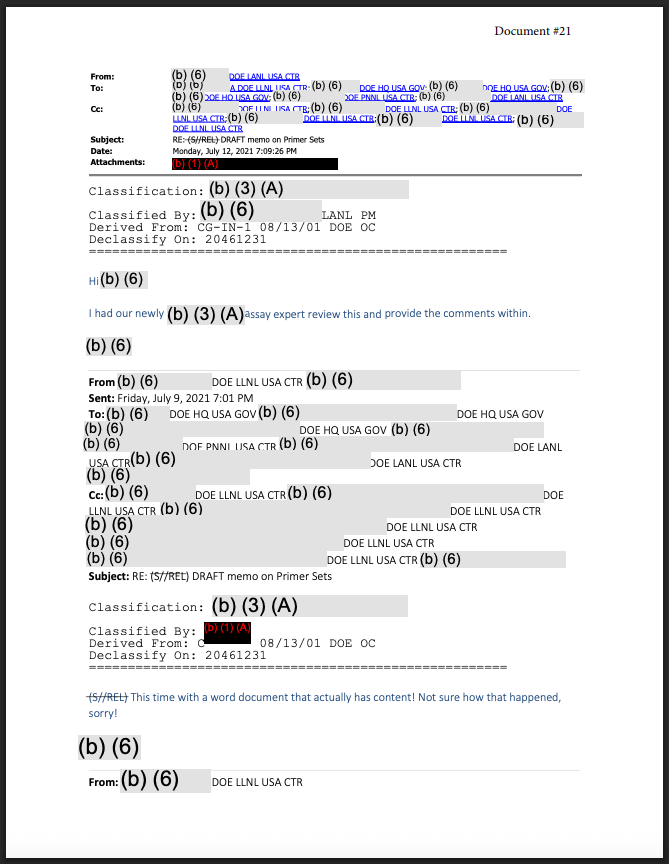
At the center of the release is a classified internal communication titled “DRAFT memo on Primer Sets,” circulated through the DOE’s Office of Intelligence and Counterintelligence and reviewed by assay experts at Lawrence Livermore National Laboratory, Los Alamos National Laboratory, and Pacific Northwest National Laboratory.

The memo itself remains classified.

Its conclusions were redacted.

No public explanation was ever provided.


PCR Testing Was Treated as a Classified Intelligence Issue

PCR tests do not detect an intact virus and do not prove infection.

They work by using short genetic sequences—primers—to bind to matching genetic material and amplify it until a signal is detected.

What a PCR test detects depends entirely on what its primers bind to.

The DOE records show that this foundational question—what COVID-19 PCR tests were actually detecting—was handled not as a public scientific matter, but as a classified intelligence issue.

One internal email chain explicitly references a classified document titled:

“FW: (S//REL) DRAFT memo on Primer Sets”

Another message states that the memo was reviewed by a specialist:

“I had our newly assay expert review this and provide the comments within.”

The routing shows coordination across DOE intelligence offices and U.S. national security laboratories.

The content of the memo, the concerns it addressed, and the conclusions it reached are all withheld from public release.

What the Government Did Not Disclose

Throughout the pandemic, the public was repeatedly told that COVID-19 PCR testing was reliable, specific, and settled.

Questions about PCR design were often dismissed as misinformation.

The DOE records show the opposite posture inside government: PCR primer design was serious enough to warrant classified review by nuclear-era national laboratories, with the results deemed sensitive enough to be redacted under national-security and intelligence-source protections.

DOE explicitly justified withholding the information by citing risks to national security and intelligence methods, and assigned declassification dates decades into the future.

There is no indication in the records that the findings were shared with public-health agencies, published in scientific journals, or communicated to the public.

Why PCR Primer Design Is Existential, Not Technical

PCR testing formed the backbone of the pandemic response.

PCR “positives” were treated as synonymous with infection and were used to define:

  • COVID “cases”
  • Community spread
  • Hospital surges
  • Lockdowns and emergency orders
  • Vaccine emergency authorizations

If PCR primers bind to viral genetic material, positives reflect virus detection.

If PCR primers bind to human genetic material, positives can reflect the person being tested.

That distinction determines whether a “case” is an infection—or merely a genetic detection.

What the CDC’s PCR Primer Actually Aligns To

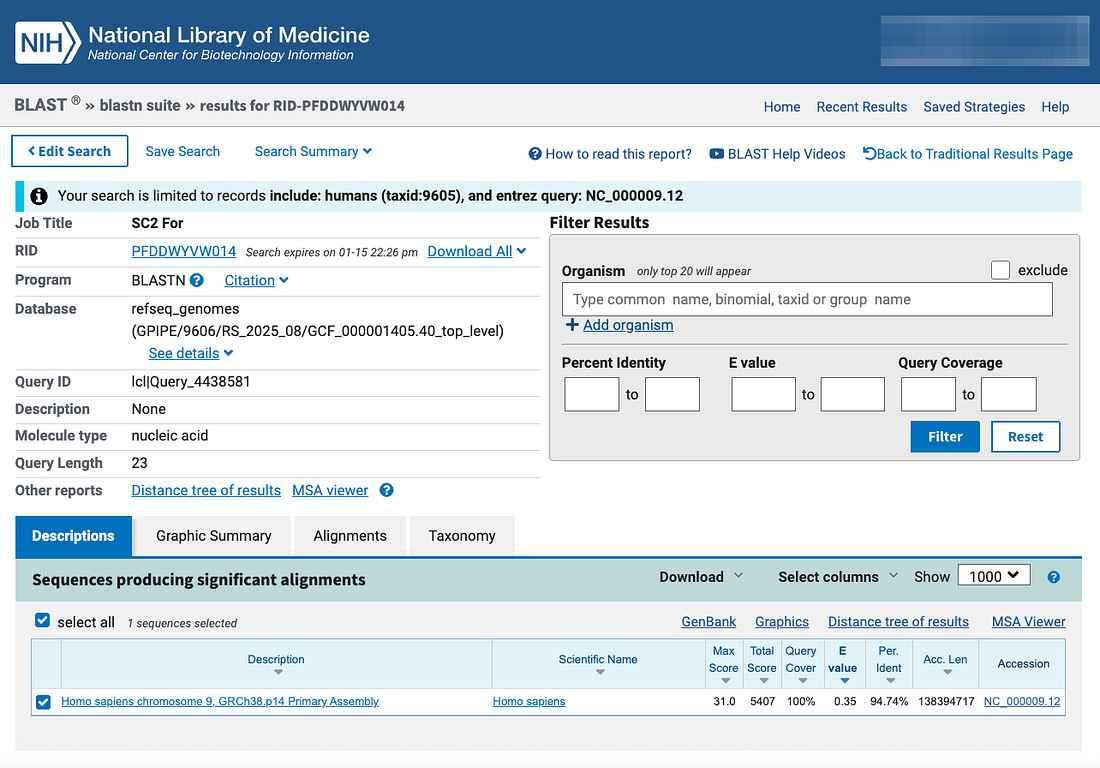
An independent BLAST analysis was run of the CDC’s SARS-CoV-2 forward PCR primer.

The results show that the primer has multiple perfect and near-perfect matches to the human genome, including:

  • Repeated 13–16 base stretches with 100% identity to human DNA
  • Longer alignments exceeding 94–95% identity across multiple human chromosomes

In plain terms: the CDC’s COVID-19 PCR primer can bind to human genetic material.

That establishes a biological mechanism by which a PCR test administered “for COVID-19” can return a positive result by amplifying human DNA or RNA rather than viral RNA.

If that occurs, the test still produces a positive signal.

The result is still recorded as a “COVID case.”

But no infection has been detected.

The “case” is a human genetic detection.

Why This Explains the Secrecy

The DOE records show that this was not ignored.

It was escalated—and then classified.

National security laboratories are not tasked with reviewing PCR primer sets unless the implications are systemic.

If the test used to define a global pandemic can generate positives without detecting a virus, public disclosure would collapse the legitimacy of case counts, emergency powers, and pandemic policy itself.

The records show that U.S. intelligence examined the issue.

They also show that the findings were classified, redacted, and withheld from the public.

The classification of PCR findings is especially significant given that no U.S. agency has ever independently verified the original clinical sample from which the SARS-CoV-2 genetic sequence was derived.

The United States accepted a digital genetic code supplied by the Chinese government—without access to the physical lung sample it was allegedly sequenced from—and relied on PCR testing and that same in-silico sequence to define cases, drive emergency policy, and later encode spike protein into hundreds of millions of vaccine doses.

That secrecy is even more consequential given that U.S. military planners had already built—and quietly funded—a DARPA-backed pandemic pipeline designed to treat digital genetic sequences as functional viruses, synthesizing infectious clones and mass-producing mRNA countermeasures without requiring a verified physical pathogen, meaning both COVID “case” detection and the subsequent vaccine rollout rested on the same unverified, in-silico genetic foundation.

Dr. Kary Mullis, the late inventor of the PCR test, said in a 1997 interview (here) that his test should not be used to determine whether a subject is infected with a virus.

This is because the test “can find almost anything in anybody” if its parameters are set high enough, tainting the results, according to the Nobel Prize winner.

“Anyone can test positive for practically anything with a PCR test. If you run it long enough… you can find almost anything in anybody,” Dr. Mullis said. “It doesn’t tell you that you’re sick.”

Mullis’s warning matters because it confirms that PCR was not designed to establish clinical infection, meaning a pandemic built on PCR “cases” can reflect amplified genetic signals rather than illness—a vulnerability that could be serious enough to later draw classified scrutiny from U.S. national security laboratories.

What the Records Prove—& What They Imply

The documents do not release the primer memo.

They do not disclose the conclusions.

They do not quantify how many PCR positives may reflect human material.

They do prove that:

  • COVID-19 PCR test primers were scrutinized by U.S. intelligence
  • Top national security laboratories were involved
  • The findings were classified and redacted
  • The public was never informed

Combined with sequence-alignment evidence showing that the CDC’s PCR primer binds to human DNA, the implication is unavoidable:

The U.S. government privately examined whether the test used to define the pandemic could generate “cases” without detecting infection—and then classified the answer.

The DOE records were released to U.S. Right to Know under FOIA request HQ-2025-03244-F.

The primer alignment is reproducible using the CDC’s published primer sequence and the human reference genome.

The public was told PCR testing was settled science.

The documents show the government didn’t treat it that way behind the scenes.

And whatever they found, they made sure we were never allowed to see it.

Newly U.K.-Approved Self-Replicating COVID Jab ‘Kostaive’ Produces Spike Protein Detectable 28 Days After Vaccination: Journal ‘Biochemistry and Biophysics Reports’


samRNA-copying enzyme also produced in the body post-vaccination detected for at least 15 days, according to study.

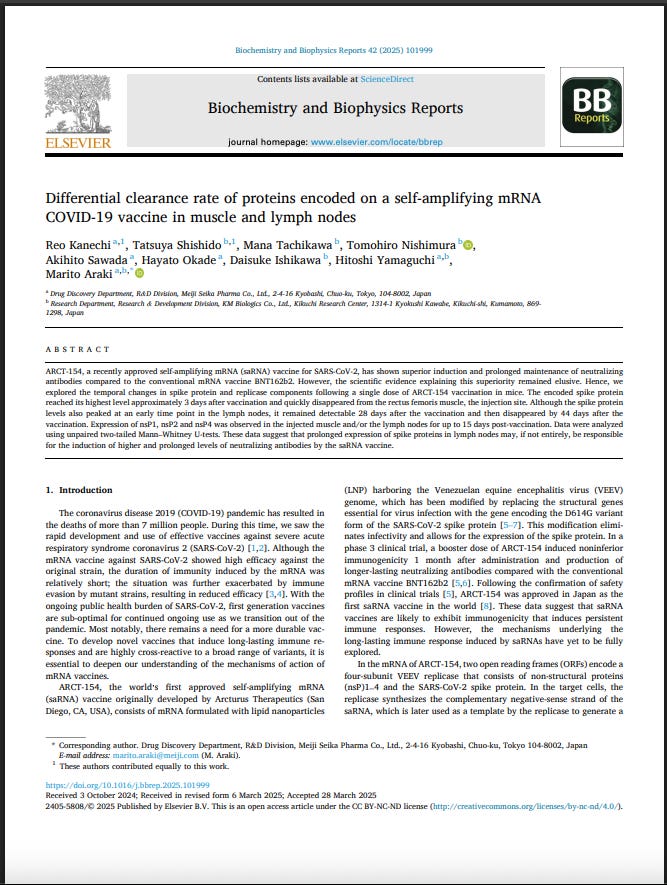
Arcturus Therapeutics’s Kostaive (zapomeran, ARCT-154) self-amplifying mRNA COVID-19 vaccine is said to force cells in the body to produce SARS-CoV-2 spike protein—detectable in draining lymph nodes for at least 28 days—and a replicase enzyme that makes more copies of the vaccine mRNA, with the enzyme itself detectable for up to 15 days.

ARCT-154 was quietly approved by U.K. regulators over the weekend.


An April 2025 Biochemistry and Biophysics Reports publication confirms that the ARCT-154 spike protein was “detectable up to 28 days post-vaccination” in mice.

The ARCT-154 samRNA-replicating enzyme also produced in the body post-vaccination was detectable for “up to 15 days.”

The study reads:

The encoded spike protein reached its highest level approximately 3 days after vaccination and quickly disappeared from the rectus femoris muscle, the injection site. Although the spike protein levels also peaked at an early time point in the lymph nodes, it remained detectable 28 days after the vaccination and then disappeared by 44 days after the vaccination. Expression of nsP1, nsP2 and nsP4 was observed in the injected muscle and/or the lymph nodes for up to 15 days post-vaccination.

There were no samples taken at intermediate days like 30, 35, or 40, so we don’t know the exact day the vaccine-produced spike protein became undetectable.

The U.K. press release failed to mention any of this.

Are citizens being fully informed before they consent to this new pharmaceutical injection?

Why are government regulators not providing this information?

Can the Vaccinated Shed samRNA Onto the Unvaccinated?

Exosomes and extracellular vesicles (EVs) are released by cells as part of normal physiology and disease processes, shedding into various bodily fluids such as blood, urine, semen, amniotic fluid, and breast milk.

It is biologically plausible that sa-mRNA, spike protein, and replicase enzymes from Kostaive could be packaged into EVs and exosomes for shedding into bodily fluids—potentially amplified by the self-replicating nature of sa-mRNA—allowing their release into circulation and excretion via blood, sweat, saliva, or breast milk.

A December Science, Public Health Policy, and the Law study shows that spike protein produced by cells from the BioNTech/Pfizer mRNA COVID-19 vaccine is mainly released into the surroundings through extracellular vesicles (which include exosomes).

Moderna knew as early as 2017 that its mRNA vaccine lipid nanoparticles—which carry vaccine mRNA into cells and are used in samRNA jabs—enter the bloodstream and accumulate in the liver, spleen, kidneys, heart, and lungs.

A January 2023 Nature Reviews Drug Discovery paper co-authored by Moderna scientists bluntly admits that avoiding “unacceptable toxicity” in mRNA vaccines remains a major challenge, warning that “lipid nanoparticle structural components, production methods, route of administration and proteins produced from complexed mRNAs all present toxicity concerns” and that the way these vaccines spread through the body can cause harm due to “cell tropism and tissue distribution… and their possible reactogenicity.”

Can individuals injected with self-replicating vaccines spread sa-mRNA, spike protein, and replicase enzymes to others?

After those elements are shed onto the unvaccinated, will they become vaccinated?

Gates Pours $3.3M Into mRNA Purification Tech—Admitting COVID Vaccine Impurity Problem as Platform Becomes Permanent


Press release admits current mRNA-based vaccine are not effective enough and contain too many impurities.

Despite mainstream attempts to downplay the alarming contamination problem plaguing COVID-19 vaccines, the Gates Foundation has awarded $3.3 million to a team of scientists at New York’s Rensselaer Polytechnic Institute (RPI) to develop “breakthrough purification technologies” for producing mRNA-based vaccines.

A September Autoimmunity study confirms that both Pfizer-BioNTech and Moderna’s mRNA COVID-19 injections contain many hundreds of times more contamination than the FDA and WHO limit.

The grant is an implicit admission that contamination is in fact a problem posed by mRNA vaccines, as well as a sign that the platform is here to stay.


Gates is funding the project because of the “impurities” and “inefficien[cy]” related to mRNA vaccines.

According to an RPI announcement:

The research team aims to address a critical bottleneck in the production of mRNA therapeutics: the purification process that removes impurities while maintaining the integrity of the therapeutic molecule.

“This project represents a paradigm shift in how we think about mRNA purification,” Belfort said. “Current technologies are prohibitively expensive and inefficient, creating barriers to access for the populations that need them most. Our goal is to develop a purification platform that is not only more cost-effective but also more productive and scalable.”

The researchers aim to accomplish this by “replacing conventional resin-based purification systems with advanced membrane technologies and innovative binding molecules.”

The RPI announcement also admits that current mRNA-based vaccine impurities are linked to side effects and that the injectables are not effective enough, more revelations that cut against mainstream counterclaims.

Higher purity mRNA vaccines with lower immunogenic impurities could lead to improved clinical outcomes, including reduced side effects and enhanced therapeutic efficacy.

The announcement predicts the rise of self-replicating vaccine technology, which this website was the first to warn about in December 2023.

Additionally, the technology being developed could prove particularly valuable for self-amplifying RNA (saRNA) therapeutics, which require lower doses than traditional mRNA vaccines and represent the next generation of RNA-based medicines.

Gates has been developing self-copying mRNA vaccines for COVID (herehere) as well as for bird flu (here), which is the pathogen this website has been predicting will fuel the next orchestrated pandemic.

The billionaire’s latest investment is made in the name of strengthening Big Pharma infrastructure, as well as “equity” and “pandemic preparedness.”

If successful, this technology could enable local production of mRNA vaccines in regions that currently lack access to affordable biomanufacturing infrastructure, supporting global health equity and pandemic preparedness.

Despite the disease, hospitalizations, and deaths linked to mRNA jabs, the technology isn’t going anywhere.

No U.S. Agency Ever Verified the Lung Sample the Chinese Gov’t Built the SARS-CoV-2 Genetic Sequence From


Before injecting it into hundreds of millions of Americans via COVID-19 vaccines.

No U.S. agency has ever verified that the COVID-19 pathogen’s (SARS-CoV-2) genetic code that a Chinese government biolab supplied at the beginning of the COVID-19 pandemic—said to have been sequenced from a pneumonia patient’s lung wash—actually originated from that clinical sample before it was encoded into hundreds of millions of mRNA vaccine doses.

China never provided the physical patient sample to any U.S. institution.

In fact, Beijing issued an official directive forbidding the sharing of any samples and ordering the destruction of those samples.

And the U.S. never demanded or required an analysis of those samples before allowing its citizens to be injected with China’s pathogenic spike protein-producing code.

This critical step in verification was—and still has been—skipped, despite earlier warnings that China’s military had been exploring bioweapons development that integrates biotechnology and genetic engineering into a “new domain of warfare.”

It was also skipped despite EcoHealth Alliance’s 2018 ‘DEFUSE’ proposal to DARPA to collaborate with China to create chimeric coronavirus spike proteins with furin cleavage sites, receptor-binding domain upgrades, and two proline insertions—the defining characteristics of the COVID-19 pathogen and mRNA vaccines.

Congress, the White House, the Department of Energy, the FBI, the CIA, and Germany’s Federal Intelligence Service (BND) have confirmed that the COVID-19 pandemic was likely the result of lab-engineered pathogen manipulation—meaning billions were injected with a genetic drug that codes for a Chinese government-constructed, lab-altered spike protein.


How China Made the SARS-CoV-2 Genetic Sequence

The SARS-CoV-2 genetic code was created in a biosafety level 3 (BSL-3) laboratory at the Chinese government-run Shanghai Public Health Clinical Center, using long-debunked (here) reverse-transcription PCR (RT–PCR) technology.

  • Dr. Kary Mullis, the inventor of the PCR test, said in a 1997 interview (here) that his test should not be used to determine whether a patient is infected with a virus.
  • This is because the test “can find almost anything in anybody” if its parameters are set high enough, tainting the results.
  • “Anyone can test positive for practically anything with a PCR test. If you run it long enough… you can find almost anything in anybody,” he said. “It doesn’t tell you that you’re sick.”

A February 2020 Nature publication explains how China created the SARS-CoV-2 sequence:

Here we study a single patient who was a worker at the market and who was admitted to the Central Hospital of Wuhan on 26 December 2019 while experiencing a severe respiratory syndrome that included fever, dizziness and a cough. Metagenomic RNA sequencing4 of a sample of bronchoalveolar lavage fluid from the patient identified a new RNA virus strain from the family Coronaviridae, which is designated here ‘WH-Human 1’ coronavirus (and has also been referred to as ‘2019-nCoV’). Phylogenetic analysis of the complete viral genome (29,903 nucleotides) revealed that the virus was most closely related (89.1% nucleotide similarity) to a group of SARS-like coronaviruses (genus Betacoronavirus, subgenus Sarbecovirus) that had previously been found in bats in China5. This outbreak highlights the ongoing ability of viral spill-over from animals to cause severe disease in humans.

To investigate the possible aetiological agents associated with this disease, we collected bronchoalveolar lavage fluid (BALF) and performed deep meta-transcriptomic sequencing. The clinical specimen was handled in a biosafety level 3 laboratory at Shanghai Public Health Clinical Center. Total RNA was extracted from 200 μl of BALF and a meta-transcriptomic library was constructed for pair-end (150-bp reads) sequencing using an Illumina MiniSeq as previously described4,6,7,8. In total, we generated 56,565,928 sequence reads that were de novo-assembled and screened for potential aetiological agents. Of the 384,096 contigs assembled by Megahit9, the longest (30,474 nucleotides (nt)) had a high abundance and was closely related to a bat SARS-like coronavirus (CoV) isolate—bat SL-CoVZC45 (GenBank accession number MG772933)—that had previously been sampled in China, with a nucleotide identity of 89.1% (Supplementary Tables 12). The genome sequence of this virus, as well as its termini, were determined and confirmed by reverse-transcription PCR (RT–PCR)10 and 5′/3′ rapid amplification of cDNA ends (RACE), respectively. This virus strain was designated as WH-Human 1 coronavirus (WHCV) (and has also been referred to as ‘2019-nCoV’) and its whole genome sequence (29,903 nt) has been assigned GenBank accession number MN908947. Remapping the RNA-sequencing data to the complete genome of WHCV resulted in an assembly of 123,613 reads, providing 99.99% genome coverage at a mean depth of 6.04× (range, 0.01–78.84×) (Extended Data Fig. 3). The viral load in the BALF sample was estimated by qPCR to be 3.95 × 10⁸ copies per ml (Extended Data Fig. 4).

China handed the world a genetic code in computer form (in silico).

And governments all over the world accepted that code without scrutiny.

They allowed billions of people to be injected with a vaccine that creates the Chinese government’s foreign protein in the body for more than 700 days.

China Had the SARS-CoV-2 Sequence ‘More Than Two Weeks’ Before Releasing It

A January 2024 U.S. House Energy & Commerce press release confirms China possessed the SARS-CoV-2 sequence “days before the CCP acknowledged an outbreak, and more than two weeks before the China CDC release[d] their sequence.”

The congressional body said that fact “calls into question how early the CCP knew about the virus and how long they withheld this information from the world.”

This significant discovery further underscores why we cannot trust any of the so-called ‘facts’ or data provided by the CCP and calls into serious question the legitimacy of any scientific theories based on such information. The American people deserve to know the truth about the origins of SARS-CoV-2, and our investigation has uncovered numerous causes for concern, including how taxpayers’ dollars are spent, how our government’s public health agencies operate, and the need for more oversight into research grants to foreign scientists,” said Chairs Rodgers, Guthrie, and Griffith.

My report from last month revealed that before the pandemic, DARPA had developed a program to synthesize viruses purely from digital sequences within in 60 days.

Bottom Line

In the end, the world was locked down and injected on the honor system of a hostile foreign government, and not one U.S. agency has yet produced the single piece of evidence that should have come first: independent proof that China’s digital code ever came from a real human sample.

Will the same national security concern-raising strategy be used in the apparently incoming bird flu pandemic?

CDC, Pfizer Create Cleavage Cite-Optimized Bird Flu Constructs for New mRNA Jab: ‘npj Vaccines’


Using “the same platform methods used for Pfizer’s COVID-19 and seasonal influenza mRNA vaccines.”

Researchers from the U.S. Centers for Disease Control and Prevention (CDC) and Pfizer Inc. have created new, engineered H5 bird flu influenza genetic constructs, including a codon-optimized hemagglutinin (HA) gene with a synthetically altered cleavage site, as documented in a Saturday npj Vaccines publication.

According to the authors, the stated purpose of the study was to evaluate an mRNA-based H5 vaccine, which they describe as “a nucleoside-modified mRNA construct encoding the full-length, codon-optimized HA protein with the polybasic cleavage site deleted from A/Astrakhan/3212/2020 A(H5N8).”

The paper confirms that the engineered HA used in the study was genetically modified beyond its purported natural form.


Cleavage Site Optimized

The authors state that the cleavage site was synthetically altered, writing that the polybasic amino acids were “mutated from ‘REKRRKR’ to ‘RETR’.”

The cleavage site is like a switch that must be cut to turn the flu pathogen “on” so it can infect cells, and if this site can be cut by many types of enzymes in the body, the virus can spread more and cause worse disease.

LNPs for mRNA Therapeutics

The engineered constructs were then formulated into lipid nanoparticles following “the same platform methods used for Pfizer’s COVID-19 and seasonal influenza mRNA vaccines.”

The work was conducted by multiple CDC branches, including the Influenza Division, the Division of High-Consequence Pathogens and Pathology, and the Office of Advanced Molecular Detection.

Pfizer Scientists at BSL-3 Lab

It was carried out by Pfizer scientists at the company’s Pearl River, NY facility, with additional involvement from ORISE.

The authors specify that “all research involving HPAI A(H5N1) viruses was conducted within Biosafety Level 3 enhanced (BSL-3E) or ABSL-3 facilities at the CDC.”

100% Transmission Rate

To test the performance of the engineered constructs, the CDC–Pfizer team conducted live-virus challenge experiments using human-derived H5N1 isolates.

The ferrets were infected with virus formations “A/Chile/25945/2023” and “A/Michigan/90/2024… from a farm worker exposed to infected cattle.”

Using these human isolates, the researchers documented efficient mammal-to-mammal spread, reporting a “100% transmission rate” in unvaccinated ferrets.

Funding & Conflicts of Interest

The funding disclosures indicate direct federal and corporate sponsorship.

The authors state: “This work was funded by the US Centers for Disease Control and Prevention and by Pfizer Inc.”

The authors also disclose full corporate participation in the scientific process, writing: “Pfizer was involved in the design, analysis, and interpretation of the data in these research studies, the writing of this report, and the decision to publish.”

Additionally, the paper notes that Pfizer researchers associated with the project are “inventors on patent applications relating to influenza mRNA compositions.”

Bottom Line

The new study documents that CDC and Pfizer jointly engineered new H5 constructs through codon optimization and cleavage-site mutation, formulated them using Pfizer’s mRNA-LNP platform, and then tested them against recent human H5N1 isolates inside CDC BSL-3E laboratories.

The result is a federally backed, corporate-driven program in which U.S. authorities and Pfizer quietly engineered H5 influenza genetics and tested them with human-infecting H5N1—blurring the line between vaccine development and high-risk pathogen manipulation.

The dangerous experiments raise national security concerns.

NIAID Funds Creation of Chimeric H5N1 Bird Flu Viruses With Modified Cleavage Sites and Enhanced Mammalian-Cell Expression: ‘npj Vaccines’


Amid worries of a coming avian influenza pandemic.

A new study preprint published last week in the journal npj Vaccines describes a multinational research program that designed, engineered, and tested synthetic versions of the H5N1 bird flu virus’s hemagglutinin protein—one of the key components that allows the virus to infect cells.

The scientists altered these genetic sequences, delivered them into animals using advanced DNA and lipid-nanoparticle (LNP) technologies, and then conducted lethal challenge experiments with highly pathogenic H5N1 viruses inside a Canadian government biocontainment facility.

This means researchers created synthetic versions of a dangerous flu component, injected them into mice using vaccine-style technologies, and then exposed the animals to very deadly strains of H5N1 to test how well the constructs worked.

The study is authored by a large team from the United States, Canada, and Europe, including researchers from the Wistar Institute, the University of Pennsylvania, the Public Health Agency of Canada, and the University of Bologna.


Funding Sources

The research was funded primarily by the National Institute of Allergy and Infectious Diseases (NIAID) through its Collaborative Influenza Vaccine Innovation Centers (CIVIC) program under contract 75N93019C00051.

This is a federal vaccine-development initiative said to be designed to prepare the U.S. for future influenza outbreaks using rapidly adaptable genetic platforms.

But the creation of new viruses raises national security concerns.

Congress, the White House, the Department of Energy, the FBI, the CIA, and Germany’s Federal Intelligence Service (BND) have confirmed that the COVID-19 pandemic was likely the result of lab-engineered pathogen manipulation.

Additional support came from the W.W. Smith Charitable Trust Distinguished Professorship in Cancer Research and The Jill and Mark Fishman Foundation.

In other words, the work was paid for by the same federal agencies responsible for pandemic vaccine programs, along with private biomedical foundations.

Institutions Involved

The experiments were carried out by a coordinated network of laboratories:

  • The Wistar Institute (Philadelphia) designed and built the synthetic H5N1 DNA constructs, performed immune studies, and conducted structural modeling using AlphaFold 3.
  • The University of Pennsylvania assisted with lipid-nanoparticle formulation and microbiology methods.
  • The Public Health Agency of Canada’s National Microbiology Laboratory in Winnipeg performed the live H5N1 infections and lethal challenge experiments, including tests using a recombinant H5N1 virus constructed from synthetic gene segments.
  • The University of Bologna contributed additional biotechnology expertise.

The U.S. labs designed and built the engineered genetic materials, and the Canadian government lab carried out the dangerous live-virus testing.

The authors include: Ebony N. Gary, Nicholas J. Tursi, Casey E. Hojecki, Robert Vendramelli, Martina Tomirotti, Bryce Warner, Cory Livingston, Thang Truong, Yangcheng Gao, Sachchidanand Tiwari, Norbert Pardi, Darwyn Kobasa, and senior author David B. Weiner.

What Is Scientifically Alarming

Several aspects of this research stand out as high-risk from a biodefense perspective, even though the work is framed as vaccine development.

1. Synthetic Genetic Engineering of H5N1 Components

The team did not merely study existing viruses.

They engineered new synthetic versions of the H5N1 hemagglutinin gene, including codon optimization (which boosts expression in human cells) and deliberate modification of the protease cleavage site, a region strongly linked to H5N1’s virulence.

They edited the part of the virus that helps determine how dangerous it is.

2. Construction of a Recombinant H5N1 Virus From Synthesized Gene Segments

The researchers created a chimeric H5N1 virus by combining gene segments that were commercially synthesized and assembled from cloned DNA.

They then rescued this artificial virus using reverse-genetics techniques.

This means they built a new lab-made version of H5N1, piece-by-piece, using artificial DNA.

3. Use of LNP Delivery and Electroporation to Express Viral Genes Inside Animals

The study delivered the synthetic HA genes using LNPs (the same technology used in COVID-19 mRNA vaccines) and electroporation, a technique that uses electrical pulses to force genetic material into cells.

Both approaches greatly increase how efficiently engineered genetic material can spread through tissues.

These tools make it much easier for lab-designed genetic material to take hold inside the body.

4. Lethal Challenge Work Using High-Dose H5N1

Mice were exposed to 10 times the lethal dose (10 LD50) of highly pathogenic H5N1 strains—including both natural isolates and the lab-built recombinant virus.

They infected animals with very large amounts of a deadly virus to test whether the synthetic constructs gave protection.

5. Corporate Ties of the Senior Author

The senior scientist, David B. Weiner, discloses paid relationships with Pfizer, AstraZeneca, Sanofi, Inovio, Flagship, and others.

This means the research directly intersects with large pharmaceutical companies that develop genetic vaccines and related technologies, raising conflicts of interest worries.

Why This Matters for Policymakers

This study demonstrates that federal funding is supporting research with clear dual-use potential, meaning it could advance vaccines or, if misapplied, enable the construction or enhancement of dangerous influenza viruses.

The same techniques used to create synthetic vaccine antigens—codon optimization, cleavage-site modification, LNP delivery, and recombinant virus assembly—can also be used to create novel viral strains with properties that do not currently exist in nature.

The technical sophistication is notable, especially the deliberate editing of cleavage sites and the full reconstruction of an H5N1 virus from cloned fragments, which is uncommon outside of specialized influenza-engineering programs.

This work shows that laboratories funded by the U.S. government and partnered with foreign agencies are actively engineering pieces of dangerous bird flu viruses and testing them in high-security facilities.

The stated goal is to develop better vaccines, but the methods overlap with techniques traditionally associated with gain-of-function research, which can create new biological risks if not tightly controlled.

USDA–NIH–University of Georgia–Mount Sinai Team Aerosolizes Lab-Engineered ‘Chimeric’ Influenza Frankenviruses: Journal ‘npj Vaccines’


Raising national security concerns.

A Thursday npj Vaccines study confirms U.S. federal agencies, including the U.S. Department of Agriculture (USDA) and the National Institutes of Health (NIH), funded the laboratory creation of genetically engineered two influenza viruses (H9N2/H5N2) built from plasmids, artificial gene fusions, synthetic insertions, and modified genome segments.

The work was carried out by researchers at the University of Georgia, the Icahn School of Medicine at Mount Sinai, and the U.S. National Poultry Research Center, Agricultural Research Service, USDA.

The authors listed on the study are: “Flavio Cargnin Faccin, L. Claire Gay, Dikshya Regmi, Robert Hoelzl, Teresa D. Mejías, Darrell Kapczynski, Florian Krammer & Daniel R. Perez.”

The study’s funding confirms direct federal involvement.

“Funding for this work includes grants… National Institute of Food and Agriculture (NIFA), U.S. Department of Agriculture (USDA) Grant award numbers 2021-67015-33406 and 2024-67015-42736, National Institute of Allergy and Infectious Diseases, National Institutes of Health (NIH) Contract number 75N93021C00014.”


Construction of the Engineered Viruses

The researchers did not isolate a purported virus from nature.

They built new viruses entirely through reverse genetics, using plasmid DNA transfected into human and dog cell lines.

The paper states: “Recombinant viruses were rescued by reverse genetics using the 8-plasmid system and helper plasmids in a coculture of HEK293T and MDCK cells.”

The process is described explicitly.

According to the authors, “1 µg of each plasmid was mixed… and used to overlay the cell coculture.”

Viral stocks were then expanded artificially rather than occurring naturally, as the study reports: “Viral stocks were generated in 10-day-old specific pathogen-free (SPF) eggs.”

These details confirm that the viruses were constructed in the laboratory, rescued from DNA, and amplified in eggs.

‘Chimeric’ Pathogens

The viruses created under USDA and NIH funding are laboratory-assembled chimeras—genomes stitched together from engineered parts that do not exist in nature.

The study shows that two influenza proteins were fused into a single artificial gene, something no wild virus carries.

As the authors write: “Segment 2 was modified to encode a chimeric PB1-M2 open reading frame (ORF) separated by a glycine-glycine-glycine-glycine-serine (G4S) spacer.”

This forces the virus to make an unnatural hybrid protein.

To ensure the virus depends on this man-made fusion protein, its normal version of M2 was deliberately shut off.

The paper states: “Segment 7 was modified by introducing multiple early stop codons in the M2 ORF via site-directed mutagenesis to prevent its expression.”

This eliminates the native M2 and locks the virus into the engineered design.

The researchers also inserted a synthetic 58–amino acid sequence into the HA segment, including an artificial peptide not found in any influenza strain.

The methods describe this as: “Segment 4… was modified to insert a 58-amino-acid-long sequence… which included the unique 8-amino-acid peptide… ‘DRPAVIAN.’”

Another modification swaps out the cleavage site of an H5 virus and replaces it with one taken from a human 1934 H1N1 strain, altering how the virus activates inside host cells.

The authors state: “The H5 HA HPAI cleavage site was replaced with that of the A/Puerto Rico/8/1934 (H1N1) (PR8) strain.”

Finally, the virus was engineered to manufacture a chicken immune-signaling molecule from inside infected cells.

The study confirms: “The mature protein-coding sequence of chicken IL-18… was subcloned in frame with the NA ORF.”

These combined changes—fusion genes, disabled native proteins, synthetic inserts, human-strain cleavage sites, and cytokine-expression modules—create a virus with properties that no purported natural influenza lineage carries.

Aerosol Exposure in Animals

The researchers then exposed day-old chickens to the engineered viruses through aerosolized live-virus delivery.

The methods describe this process clearly, all done within BSL-3 lab conditions:

“One-day old SPF White Leghorn chickens… were vaccinated via aerosol using an aerosol chamber… A 5 mL volume of MLV-H9N2-IL was loaded into the Aeroneb lab nebulizer, resulting in an average exposure of 1×10⁶ EID50/chicken… The exposure lasted for 15 min.”

This confirms that the USDA- and NIH-funded engineered viruses were not only constructed but also introduced into animals through airborne delivery.

Bottom Line

The study documents how U.S. federal agencies oversaw the full laboratory assembly of engineered influenza viruses—built from plasmids, redesigned through reverse genetics, and altered with fusion genes, stop-codon knockouts, synthetic peptide insertions, cytokine-expression modules, and foreign cleavage sites.

These are not environmental isolates; they are fully man-made constructs created inside U.S. government and university laboratories under USDA and NIH funding.

The viruses were then delivered to live animals by aerosol, demonstrating not only construction capability but functional deployment.

Work of this nature carries obvious national-security implications: it establishes the technical capacity to design, modify, and disseminate engineered influenza strains whose properties cannot be predicted from any purported natural lineage.

WHO, CDC, Gates, and Oxford Were Used to Test Public ‘Compliance’ Strategies for ‘Lower-Quality Vaccines’ Before Any COVID-19 Jabs Existed: ‘PLOS Glob Public Health’ Journal


Raising manipulation concerns.

A newly published PLOS Global Public Health paper confirms that researchers were already running multinational experiments to measure how quickly populations could be moved toward COVID-19 vaccination before any product had been authorized.

The authors state clearly:

“We recruited the respondents in late November 2020… before any [vaccines] were officially approved by a government.”

This places the experiment at a time when the public had no approved vaccine, no final safety data, and no access to Phase 3 trial results.

Yet the study was already testing which institutions—WHO, CDC, Oxford, or the Gates Foundation—were most effective at accelerating public willingness to accept a future vaccine.


The Experiment Focused on Uptake Speed, Not Evidence

The survey’s main outcome variable was not clinical.

It was the speed of compliance:

“Respondents were given five options to express whether and when they would choose to get vaccinated if a vaccine were available at no cost. These options were: ‘Yes, within a month,’ ‘Yes, within 2-3 months,’ ‘Yes, within 4-12 months,’ ‘Yes, after a year,’ and ‘No, never.’”

Those responses were then collapsed into:

  • “early” (within 3 months)
  • “middle” (4–12 months)
  • “late,” which includes “never”

The paper describes vaccine hesitancy entirely in terms of “delay”:

“WHO endorsements, alongside the three other public health organizations examined in this study, are associated with a statistically significant, cross-national reduction in vaccine hesitancy, measured as the delay between vaccine availability and willingness to receive it. Our timing-based measure is a meaningful, yet under-studied, dimension of vaccine uptake that directly speaks to the urgency of public health communication during a pandemic.”

The study did not attempt to measure why individuals might wait for more data or how safety information influences decisions.

Hesitancy was defined only as slowness to accept.

Endorsements Were Randomized to Test Which Authority Moves People Faster

The authors explain that each participant was shown randomized vaccine profiles with or without endorsements from major institutions:

“Our experiment randomly varied exposure to vaccine endorsement information from several prominent global health governance players, including the WHO, the Centers for Disease Control and Prevention (CDC), Oxford University, and the Gates Foundation.”

The goal was to quantify the effect of each authority on changing timing behavior:

“WHO endorsements increase individuals’ willingness to get vaccinated more quickly.”

This design treats institutional influence itself as the variable of interest, not the vaccine.

“[T]rust in scientific authorities, including the WHO, positively correlates with increased public willingness to engage in recommended health practices, such as COVID-19 vaccination and compliance with preventive measures.”

The Paper Acknowledges the Experiment Took Advantage of High Uncertainty

The authors state that their framework relies on the public’s vulnerability during uncertain periods:

“During a novel pandemic, significant uncertainty drives individuals to seek expert guidance on preventive measures such as vaccination.”

The experiment uses that uncertainty to measure which voice is most persuasive.

WHO Was Most Effective When It Spoke Early, Before Other Actors

One of the clearest findings is that WHO’s influence is strongest when it is the first or among the first endorsers:

“The WHO has the greatest impact when it is the first (or among the first) of many organizations to endorse a vaccine.”

And that power drops once other organizations join in:

“[T]he impact of WHO endorsements decreases as additional endorsements from other reputable global health actors emerge.”

The authors explicitly describe this as substitutability, meaning WHO’s influence is higher only when information from other actors is absent.

The Study Also Examined How Endorsements Help Drive Uptake of ‘Low-Quality’ Vaccines

A section of the paper focuses on vaccines with:

  • 50% efficacy,
  • 1-year protection duration,
  • 1 in 10,000 severe side-effect rate,
  • 1 in 30 mild-side-effect rate,

which the authors classify as low-quality vaccines.

The paper states:

“[I]t is crucial to examine the influence of WHO endorsements specifically for lower-quality vaccines, as vaccination intentions for these vaccines are likely to be more sensitive to credible endorsements.”

Their simulation results showed:

“[F]or low-quality vaccines… When people are receptive to WHO endorsements, we observe a distinctly higher vaccination rate over time.”

This shows the study’s purpose was not limited to hypothetical best-case vaccines.

The authors tested how institutional messaging can increase uptake even when vaccine performance is weak.

The Authors Describe Their Work as Global-Level Persuasion Research

Throughout the paper, the focus is on influence, not clinical evaluation:

“This study investigates the influence of World Health Organization (WHO)’s endorsements…”

Endorsements “can accelerate vaccination intentions” and “significantly reduce vaccine hesitancy.”

And the authors frame the absence of evidence as an opportunity:

“During a novel pandemic, significant uncertainty drives individuals to seek expert guidance on preventive measures such as vaccination.”

Rather than studying data quality or risk–benefit communication, the study treats this moment of uncertainty as the condition under which endorsement effects can be most accurately measured.

Conclusion

The record in PLOS Global Public Health shows that researchers in Canada, Japan, and the United States were already measuring which institutions could most effectively accelerate COVID-19 vaccine uptake—for low-quality vaccines—in November 2020, prior to any approved product.

The experiment centered on how quickly people could be influenced to vaccinate, how endorsement messaging changes compliance timing, and how those effects behave under uncertainty or when evaluating lower-quality vaccines.

Every element of the study was built around institutional persuasion.

Not safety, not efficacy, and not informed consent.

When institutions are tested for their ability to speed compliance before safety data even exists, the line between public health guidance and psychological manipulation becomes impossible to ignore.

Moderna Knew in 2017 That Its mRNA Vaccine Lipid Nanoparticles Enter the Bloodstream and Accumulate in the Liver, Spleen, Kidneys, Heart, and Lungs: ‘Molecular Therapy’ Journal


Two whole years before the COVID-19 pandemic during which billions were injected with LNP-containing vaccines, raising informed consent concerns.

Moderna submitted data in November 2017 proving their mRNA vaccine lipid nanoparticles (LNPs) accumulate in mammalian liver, spleen, plasma (blood), kidneys, heart, and lungs—the same technology Moderna and Pfizer later used in billions of COVID-19 doses.

No one who lined up for those shots was ever told—let alone asked to consent—that the lipid nanoparticles carrying the mRNA would traffic through their blood and into their vital organs.

The LNPs were shown to reach major organs and enter the bloodstream within 1 hour.

The particles persisted in those tissues at least 24–48 hours (the Moderna study didn’t track LNP distribution past 2 days), with accumulation when repeatedly dosed.

In November 2017, two years before the COVID-19 pandemic, Sabnis et al. submitted biodistribution data regarding Moderna’s mRNA-1325 Zika vaccine, received by Molecular Therapy journal.

The authors were Moderna’s own scientists.


Main (1)1.63MB ∙ PDF file
Download

The study confirms Moderna’s LNPs—called MC3 (DLin-MC3-DMA)—ended up in mammalian liver, spleen, blood, kidney, heart, and lung:

“Following dosing with MC3 LNPs, lipid was detected in liver, spleen, plasma, kidney, heart, and lung, with liver and spleen containing the largest concentrations. Accumulation of MC3 was observed after each dose. Liver and spleen had the highest levels of lipid 5, however, significantly lower levels than MC3. Lipid 5 was also detected in plasma, lung, and kidney, but not in heart.”

A January 2023 Nature Reviews Drug Discovery paper co-authored by Moderna scientists bluntly admits that avoiding “unacceptable toxicity” in mRNA vaccines remains a major challenge, warning that “lipid nanoparticle structural components, production methods, route of administration and proteins produced from complexed mRNAs all present toxicity concerns” and that the way these vaccines spread through the body can cause harm due to “cell tropism and tissue distribution… and their possible reactogenicity.”

Nevertheless, back in July of this year, the FDA approved the supplemental Biologics License Application (sBLA) for Spikevax®, Moderna’s LNP-containing COVID-19 vaccine, in children 6 months through 11 years of age.

The current head of the FDA is Dr. Martin A. Makary, who was confirmed as Commissioner of Food and Drugs in March.

And now, with their own 2017 biodistribution data in hand, there is no escaping the obvious: Moderna knew exactly where these nanoparticles were going in the body—and they rolled them out to the world anyway.

With repeat blessings from the FDA.