The Truth Is Out There

Archive for April, 2026

Pfizer Reboots Lyme Vaccine Linked to Lyme-Disease-Like Autoimmune Arthritis and Class Action Lawsuits


Forces your body to flood bloodstream with antibody proteins that ticks consume during feeding.

Pfizer and Valneva have advanced their experimental Lyme disease vaccine, PF-07307405 (LB6V, formerly VLA15), using the same core biological mechanism that sparked autoimmune arthritis concerns, lawsuits, and the eventual withdrawal of the only previous Lyme vaccine, LYMErix.

The jab works by forcing the body to produce antibodies against a bacterial protein that resembles a protein found in your own joint tissue, meaning those antibodies may also recognize similar structures in your joints and trigger an immune response there.

That means a mechanism previously tied to immune responses against joint tissue—producing Lyme-like symptoms—is now being brought back and positioned for broad public rollout.

Moreover, current data tracks antibody levels in the bloodstream over months, but does not map where those antibodies distribute in human tissues or how repeated boosting affects immune activity over the long term.


The Mechanism Activates Only After a Tick Bites

The vaccine is built to force the body to produce large quantities of anti-OspA IgG antibodies that circulate in the bloodstream.

Those antibodies remain inactive until a tick begins feeding.

At that point, the process engages.

The companies describe it:

“As the tick feeds on the vaccinated person, these antibodies are ingested by the tick as part of its blood meal. Binding of vaccine-induced antibodies to OspA on Borrelia inside the tick inhibits the bacterium’s ability to leave the tick.”

The antibodies are produced in the human body, but their intended function occurs after they are consumed by the tick.

The activity takes place inside the parasite.

Same OspA Design Behind LYMErix

The approach mirrors the OspA-based strategy used in LYMErix, introduced in 1998 and withdrawn in 2002 after widespread controversy.

At the center of that controversy was molecular mimicry.

The OspA protein contains regions that resemble a human protein known as LFA-1 (leukocyte function-associated antigen-1), which is present on immune cells and in joint tissue. A 1998 Science paper (Gross et al.) identified this overlap, showing that immune responses to OspA could also recognize similar structures on human LFA-1.

In patients with treatment-resistant Lyme arthritis, immune responses directed at OspA were observed to cross-react with LFA-1, raising the possibility that antibodies generated against the bacterial protein could also interact with joint tissue.


Autoimmune Arthritis Concerns Drove Lawsuits and Withdrawal

The cross-reactivity concern—antibodies recognizing both bacterial targets and structurally similar human proteins—became a central issue.

Reports of adverse outcomes, combined with media attention and legal action, intensified scrutiny around the vaccine.

A January 2001 New York Times publication explained:

A panel of U.S. experts is set to hear arguments Wednesday about whether a vaccine against Lyme disease may be linked to rare cases of arthritis, a charge the product maker has disputed.

GlaxoSmithKline Plc, the vaccine manufacturer and the world’s largest drug company, said it plans to present information on patients’ experiences since the product debuted under the brand name LYMErix in January 1999.

The Food and Drug Administration (FDA) is holding the public meeting to review the product’s safety and update the advisory panel on complaints that LYMErix may be linked to an untreatable type of arthritis.

Some scientists theorize that a protein, OspA, in the vaccine may trigger arthritis in patients with a genetic sensitivity to the condition. An estimated 30 percent of people have the gene suspected to put them at risk.

Lawyers have filed suit against GlaxoSmithKline, charging that the company should have warned that some people who receive the vaccine may experience arthritis that resists treatment.

LYMErix was ultimately withdrawn from the market.

While “poor sales” was cited publicly, later analyses pointed to the convergence of safety concerns and litigation as the force behind the collapse.

A February 2011 Clinical Infectious Diseases publication explains:

“Because of the hypothesis of molecular mimicry and autoimmune responses to the vaccine, anti-vaccine sentiment and class action lawsuits, a complicated vaccine administration schedule, diminishing physician support for the vaccine, and low public demand for the vaccine; the manufacturer voluntarily terminated vaccine production and marketing of the vaccine in 2002.”

The Vaccine Is Built to Induce the Same Immune Response Behind Lyme Arthritis

Lyme disease is known to produce an immune-driven arthritis in some patients—joint swelling, pain, and inflammation that can persist even after the bacteria are no longer detectable.

At that stage, the symptoms are not being driven by infection.

They are being driven by the immune response itself.

That same category of immune activity sits at the center of the vaccine’s design.

The shot is designed to force the body to generate high levels of anti-OspA antibodies against a bacterial protein that has been shown to share structural similarity with human LFA-1—a protein present in joint tissue.

That overlap places the immune response and the target in the same biological context as Lyme-related joint inflammation.

The result is a direct convergence: the vaccine is engineered to induce the same type of immune response associated with joint inflammation in Lyme disease.

This is the same biological interaction that raised concern during the LYMErix era.

Same Mechanism, Sustained Through Repeated Dosing

The current Pfizer candidate expands the design across six Borrelia serotypes.

Its function depends on maintaining elevated antibody levels in circulation, which decline over time based on earlier clinical data.

Booster doses are used to restore those levels, creating repeated cycles of immune activation centered on the same anti-OspA response.

Each cycle reinforces the same antibody pathway tied to the original controversy.

Autoimmune Monitoring Built Into Trials

A Phase 2 booster study published in The Lancet Infectious Diseases monitored participants for autoimmune and neuroinflammatory conditions—the same category of concern associated with the earlier vaccine.

Reported events were assessed by investigators—who worked for Pfizer—as unrelated to the vaccine.

The underlying interaction of antibodies targeting a bacterial protein with structural similarity to human tissue remains unchanged.

Critical Data Gap the Companies Aren’t Addressing

Current trials primarily track antibody levels in the bloodstream over limited time windows.

They have not mapped in detail where these anti-OspA antibodies distribute in human tissues, especially in joints and other sites where LFA-1 is expressed.

There is also no multi-year human data showing how repeated annual boosting affects immune activity over extended periods.

In practical terms, antibody levels in the blood are measured, but tissue-level behavior and long-term immune effects under repeated stimulation are not directly tracked.

This is the same blind spot that existed during the LYMErix era, before concerns around immune-mediated joint effects escalated into broader scrutiny.

Now Pfizer and Valneva are advancing the same mechanism, expanded across more strains and structured around repeated dosing, while those same unanswered questions remain.

Pfizer Felony

Pfizer is a massively criminal enterprise, repeatedly convicted and fined billions for systemic illegal activities, including off-label marketing, safety violations, bribery, price-fixing, and healthcare fraud.

With over $10 billion in penalties since 2002, Pfizer has a proven pattern of habitual corporate crime driven by profit at the expense of public health and legality.

Pfizer has pleaded guilty to felony criminal charges, including in 2009 when its subsidiary Pharmacia & Upjohn pleaded guilty to a felony count of misbranding pharmaceuticals.

The company agreed to pay a record $2.3 billion criminal and civil settlement for illegal marketing and healthcare fraud, confirming its status as a convicted corporate felon.

That same company is now rolling out a new Lyme vaccine built on the same mechanism that previously ignited safety concerns, lawsuits, and a full market collapse.

Bottom Line

Pfizer’s Lyme vaccine revives the same OspA antibody mechanism that triggered autoimmune arthritis concerns, lawsuits, and market collapse.

It is built around inducing the same category of immune response associated with Lyme-related joint inflammation.

That response is reinforced through repeated dosing.

And the mechanism itself is designed to activate only after antibodies produced in the bloodstream are consumed by a feeding tick.

Washington Joins WHO Pandemic Orchestration and Surveillance Network ‘GOARN’—Citing Bird Flu as Justification


Follows California, Illinois, Colorado, and New York City’s entry into same transnational WHO outbreak coordination system.

Governor Bob Ferguson announced this month that Washington State is now part of the World Health Organization Global Outbreak and Response Network (GOARN), an international syndicate of “public health agencies, national governments, academic centers, laboratories, and response organizations focused on rapidly detecting and responding to public health emergencies,” according to a press release from the Washington State Nurses Association (WSNA).

Washington joins California, Illinois, Colorado, and New York City by entering GOARN.

According to WSNA, Washington’s public health leaders will fall in line with the WHO’s:

  • global outbreak early-warning alerts, meaning real-time surveillance tied into an international detection system
  • technical collaboration and support during major public health events, meaning coordinated response across jurisdictions
  • international training, exercises, and best-practice exchanges, meaning standardized response protocols
  • and coordinated outbreak response support, meaning integrated deployment during declared emergencies.

Congress has already confirmed that the WHO’s response to the COVID-19 pandemic “was an abject failure” and that the WHO’s “newest effort to solve the problems exacerbated by the COVID-19 pandemic — via a “Pandemic Treaty” — may harm the United States.”

This means Washington’s decision comes despite federal findings that the WHO mismanaged the last pandemic and is advancing new agreements that could expand its influence over future responses.

You can contact Gov. Ferguson’s office here to voice your opposition to Washington’s integration into a WHO-linked outbreak surveillance and response system and demand accountability for aligning state public health infrastructure with failed global coordination mechanisms.

Washington State Governor Bob Ferguson (Governor.WA.gov)

In the governor’s press release, Washington State Secretary of Health Dennis Worsham cited avian influenza (“bird flu”) in justifying the move:

“Disease outbreaks don’t stop at state or national borders, and our ability to protect people in Washington shouldn’t either,” Washington State Secretary of Health Dennis Worsham said. “Joining GOARN ensures we maintain access to critical global outbreak intelligence and stay connected to leading public health experts, even as federal relationships change. We’re not waiting for the next threat — we’re preparing for it. From COVID-19 to rising measles cases and avian influenza, we’ve seen how quickly diseases can spread. Through GOARN, we can detect risks earlier, respond faster and better protect people in our communities — while also contributing Washington’s expertise to global response efforts.”

The development comes as bird flu is being framed internationally as an imminent threat while laboratory manipulation of the virus continues, vaccines are developed in parallel, and global, federal, and state systems are aligned to respond.

This is the same sequence of surveillance, lab work, and countermeasure rollout that preceded the COVID-19 pandemic.

HHS Funds Gain-of-Function Influenza–COVID ‘Frankenvirus’ Combining Influenza Entry Machinery With SARS-CoV-2 Human Cell–Binding Domain


HHS-backed research produced chimeric influenza viruses carrying SARS-CoV-2’s ACE2-binding interface—introducing a higher-affinity human receptor-binding mechanism into an influenza pathogen.

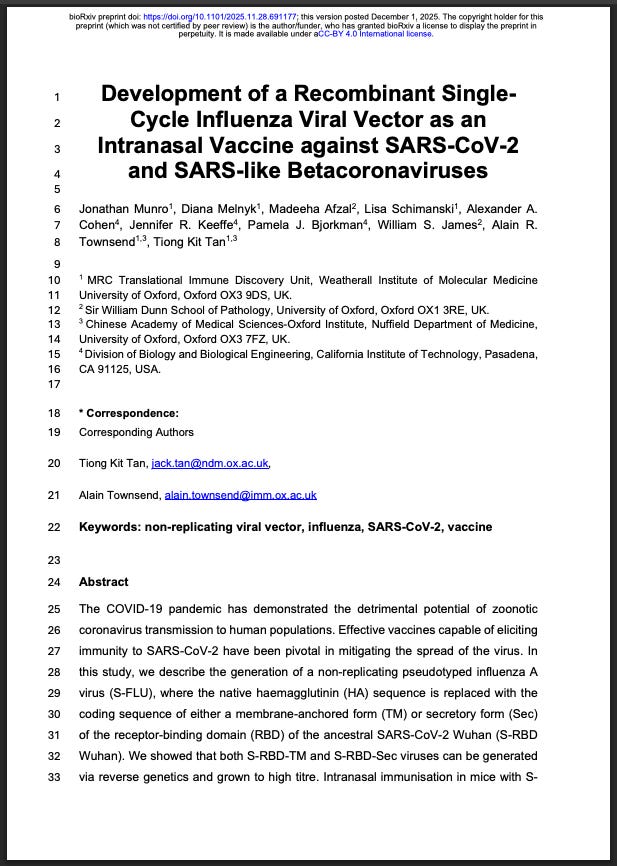
HHS-funded researchers are claiming to have engineered influenza-based chimeric “Frankenstein” viruses that combine influenza’s hemagglutinin (HA) with the SARS-CoV-2 receptor-binding domain (RBD)—a high-affinity human ACE2-binding interface.

Introducing a fundamentally different and stronger human cell–binding mechanism into an influenza viral system is a modification that fits longstanding U.S. gain-of-function definitions involving altered receptor usage and host range.

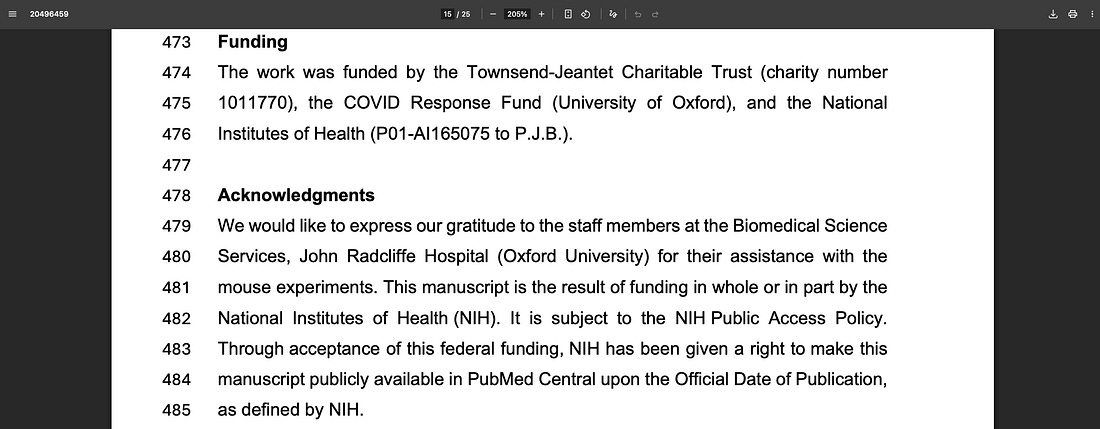
A December 2025 bioRxiv preprint confirms the work, supported in part by the National Institutes of Health (NIH)—an agency within the U.S. Department of Health and Human Services (HHS)—was funded under grant P01-AI165075:

“This work was funded by… National Institutes of Health… P01-AI165075”

and involved replacing influenza’s native HA gene with the SARS-CoV-2 RBD while producing virus particles coated with HA in the laboratory, resulting in viral constructs that physically contain both influenza’s entry protein and the SARS-CoV-2 optimized human cell–binding interface.

The study was conducted by Jonathan Munro, Diana Melnyk, Madeeha Afzal, Lisa Schimanski, Alexander A. Cohen, Jennifer R. Keeffe, Pamela J. Bjorkman, William S. James, Alain R. Townsend, and Tiong Kit Tan, with affiliations including the University of Oxford’s Weatherall Institute of Molecular Medicine and Sir William Dunn School of Pathology (here), the Chinese Academy of Medical Sciences–Oxford Institute (here), and the California Institute of Technology (here).

The head of HHS is Secretary Robert F. Kennedy Jr., while NIH is led by Director Jay Bhattacharya and NIAID is headed by Director Jeffery Taubenberger.

You can contact NIAID here, the NIH here, and HHS here to voice opposition to taxpayer-funded chimeric research on pandemic pathogens—particularly after Congress, the White House, the Department of Energy, the FBI, the CIA, and Germany’s Federal Intelligence Service (BND) all acknowledged that the deadly COVID-19 pandemic was “likely” the result of a laboratory incident involving GOF.

Meanwhile, President Donald Trump recently signed legislation into law allocating at least $5.5 billion in taxpayer funding for a future influenza pandemic.

At the same time, the Trump administration has advanced a $500 million “next-generation, gold-standard” combination influenza-COVID vaccine platform—positioning federal agencies to simultaneously fund the development of pandemic-capable influenza-COVID pathogens while building the mass vaccination infrastructure designed to respond to the very outbreak those systems could enable.


Engineered Virus Introduces High-Affinity Human Receptor Binding Into Influenza Backbone

The study explicitly confirms that influenza’s native receptor-binding gene was removed and replaced:

“the native haemagglutinin (HA) sequence is replaced with the coding sequence of… the receptor-binding domain (RBD) of the… SARS-CoV-2”

Influenza viruses naturally infect human cells using hemagglutinin, which binds sialic acid receptors with relatively low individual affinity and relies on multivalent interactions across many HA proteins.

By contrast, the SARS-CoV-2 receptor-binding domain binds directly to the human ACE2 receptor through a high-affinity protein–protein interaction, enabling efficient attachment to human airway cells.

By inserting the SARS-CoV-2 RBD into an influenza backbone, the researchers introduced a human ACE2-binding interface into a virus that does not naturally use that receptor system.

Chimeric Particles Combine Influenza HA and SARS-CoV-2 RBD

The study explicitly states that the influenza virus was genetically modified by replacing its HA coding sequence with the SARS-CoV-2 receptor-binding domain:

“we replaced the native HA coding sequence”

and:

“In this study, we describe the generation of a non-replicating pseudotyped influenza A virus (S-FLU), where the native haemagglutinin (HA) sequence is replaced with the coding sequence of either a membrane-anchored form (TM) or secretory form (Sec) of the receptor-binding domain (RBD) of the ancestral SARS-CoV-2 Wuhan (S-RBD Wuhan).”

At the same time, the study makes clear that HA function is not eliminated at the particle level, but instead supplied externally:

“Inactivation of the native haemagglutinin (HA) signal sequence means that S-FLU can only replicate in cell lines transfected to express HA that provide the surface protein for budding viral particles.”

The authors also confirm that the resulting engineered virus retains the ability to enter cells:

“Notably, S-FLU exhibits the capacity to infect host cells but is replication-incompetent.”

Study Confirms Infection & Expression of SARS-CoV-2 Binding Domain

The researchers confirmed that the engineered virus successfully infected cells and expressed the inserted RBD:

“both S-RBD-TM and S-RBD-Sec led to expression of RBD in the infected cells”

This demonstrates that the chimeric virus delivers and expresses the SARS-CoV-2 receptor-binding domain inside host cells following infection.

Bottom Line

HHS-funded researchers say they have engineered influenza-based viruses that combine influenza’s hemagglutinin (HA) with the SARS-CoV-2 receptor-binding domain (RBD).

They replaced the HA gene with the RBD.

But they still produced virus particles coated with HA.

The result is a chimera that physically carries both influenza’s entry machinery and a high-affinity human ACE2-binding interface.

The study confirms these viruses infect cells and express the RBD.

That is a direct change in receptor usage, consistent with longstanding U.S. gain-of-function definitions.

The work was funded under NIH grant P01-AI165075.

At the same time, the federal government is allocating at least $5.5 billion for an influenza pandemic and advancing a $500 million influenza-COVID vaccine platform—building both the engineered viral systems and the mass-response infrastructure in parallel.

Hawaii Bill Shields State-Directed Medical Interventions Like Vaccines From Lawsuits: HB1898


After state’s vaccine passport era, Hawaii lawmakers want to give Department of Health final authority over medical decisions while blocking lawsuits and discipline against those who enforce them.

Hawaii lawmakers are advancing a bill that gives the state’s Department of Health decisive control over which vaccines and preventive services count as medically valid—and then protects anyone who carries them out from nearly all legal consequences.

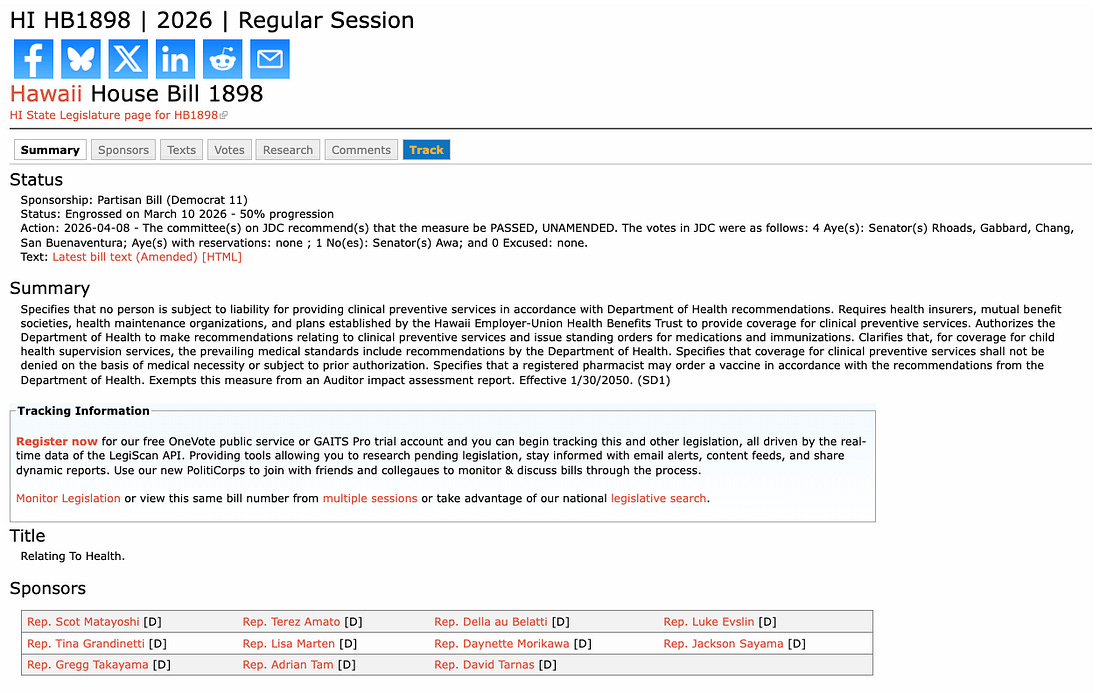
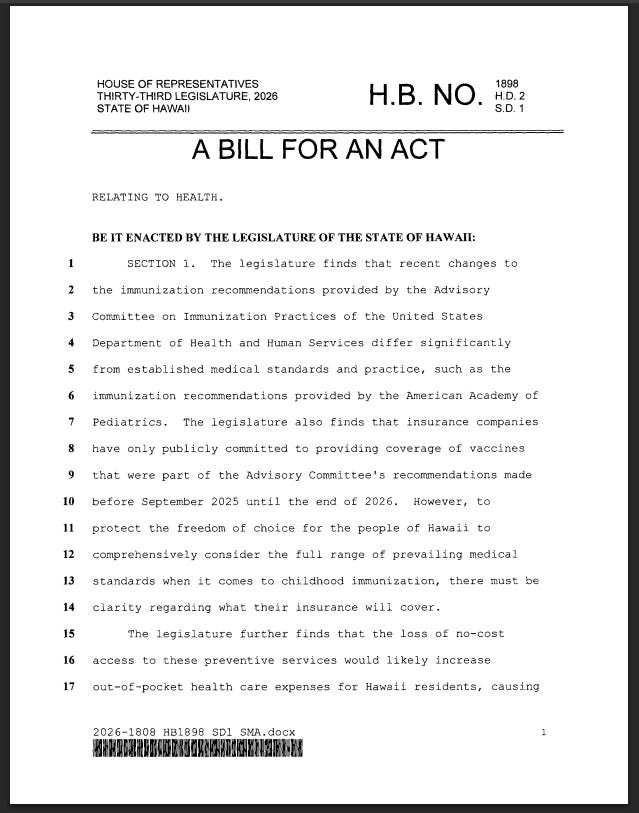
House Bill 1898 (S.D. 1) creates immunity from civil lawsuits, criminal liability, and professional discipline for providers who follow DOH recommendations on “clinical preventive services.”

If harm occurs later, the main legal question becomes whether the provider obeyed state guidance.

During the next outbreak or pandemic, when the DOH again requires vaccination to work, attend school, travel, or participate in society, anyone injured by the shot could have no one to hold accountable—because the bill grants legal immunity to every doctor, pharmacist, and facility that simply followed state orders.

Watchdog groups actively monitoring the CDC’s Vaccine Adverse Event Reporting System (VAERS) data confirm 2.7 million adverse events have been linked to vaccines since 1990 (~204 adverse events per day)—though a Harvard Pilgrim Health Care report found that fewer than 1% of adverse events are ever reported, suggesting the true number could be in the hundreds of millions (~20,360 adverse events per day).

The accountability-erasing bill is backed by Democrat lawmakers, including Reps. Scot MatayoshiTerez AmatoDella Au BelattiLuke EvslinTina GrandinettiLisa MartenDaynette MorikawaJackson SayamaGregg TakayamaAdrian Tam, and David Tarnas.

HB1898 is in the final stage in the Senate, one step away from passage before being sent to the Governor.

You can contact Hawaii senators here and voice your opinion of the bill and how they should vote on it.

Health-Freedom Principles Violated by the Bill

The bill directly undermines several longstanding health-freedom principles:

  1. Bodily Autonomy and Informed Consent: Full insurance coverage and legal protection are available only for DOH-approved interventions. Families who prefer a different schedule or approach must pay out of pocket for alternatives that carry no such protections.
  2. Medical Accountability: The bill states that “[n]o person shall be subject to civil or criminal liability or professional disciplinary action” for providing services in accordance with DOH recommendations. Professional organizations, hospitals, and licensing boards are barred from disciplining, suspending, or penalizing providers who follow the state line.
  3. Independent Medical Judgment: Doctors who disagree with the DOH’s final decision on immunizations risk professional repercussions, while those who comply are shielded.
  4. Parental Rights in Child Health Decisions: The bill rewrites child health supervision rules so that “prevailing medical standards” now mean whatever the DOH says. Insurance must cover the DOH-chosen immunizations at no cost to the family, leaving parents who want a different schedule to pay full price.
  5. Separation of Medicine and State: Standing orders, mandatory insurance coverage with no cost-sharing, pharmacy administration, and legal immunity combine to create a single state-directed pipeline for preventive care.

Department of Health Given Final Authority

The bill makes the Hawaii Department of Health the tie-breaker when national medical groups disagree.

It states that if recommendations from the Advisory Committee on Immunization Practices and the American Academy of Pediatrics differ, “the department of health shall determine which recommendations shall apply.”

It also gives the DOH new power to issue standing orders for medications and immunizations, allowing them to be given without an individual doctor’s prescription.

Legal Protection Tied to Following State Guidance

The immunity language is clear:

“No professional organization or association, health care provider, or health care facility shall subject any person to discipline, suspension, loss of license, loss of privileges, loss of membership, or other penalty for providing clinical preventive services in accordance with recommendations made pursuant to section 321-31.”

Insurance Must Cover DOH-Approved Services at No Cost

For policies issued after January 1, 2027, insurers must provide coverage “without any deductible, copayment, coinsurance, or other cost-sharing requirements” for anything the DOH recommends.

Every Hawaii policyholder will likely pay higher premiums to subsidize the DOH’s choices—while families who want a different schedule get zero coverage and pay 100% out of pocket.

Pharmacies Can Administer Vaccines Under DOH Rules

HB1898 expands who can give vaccines by allowing pharmacists, pharmacy interns, and registered pharmacy technicians to administer them when ordered in line with DOH recommendations or standing orders.

What This Means in a Future Outbreak

If the DOH issues new recommendations during the next public-health emergency, those shots or treatments can be rolled out quickly through pharmacies, must be covered by insurance, and anyone administering them is protected from lawsuits or discipline as long as they followed DOH guidance.

Negligence Exception Exists, But Standard Is Compliance

The bill still allows claims for injury “arising from negligence.”

In practice, however, the legal test will center on whether the provider followed the Department of Health’s recommendations.

Bottom Line

HB 1898 gives the Department of Health the power to decide which preventive medical interventions are covered and protected by law.
It forces insurers to pay for the state’s choices with no patient cost-sharing and removes meaningful accountability for providers who follow those choices.

Hawaii families who want options outside the official schedule will face higher costs and fewer willing providers.

When the state controls the definition of medical truth and shields its enforcers from consequences, bodily autonomy and informed consent become conditional on government approval rather than individual rights.

Maine Builds Rapid Influenza Vaccine Deployment and Tracking System—Pharmacists Granted Full Authority for Statewide Rollout ‘Without a Prescription’


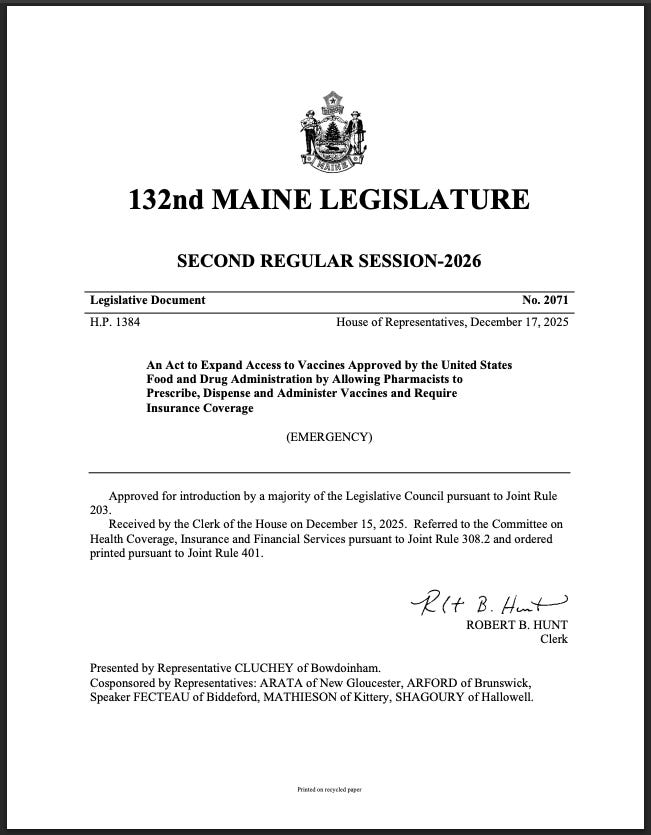
L.D. 2071 requires pharmacists to report each vaccine within 72 hours to a centralized state system, enabling real-time monitoring of vaccination across the population.

Maine lawmakers have passed legislation that fundamentally restructures how influenza vaccines can be deployed across the state—establishing a system capable of rapid, large-scale distribution to the general population without relying on physicians.

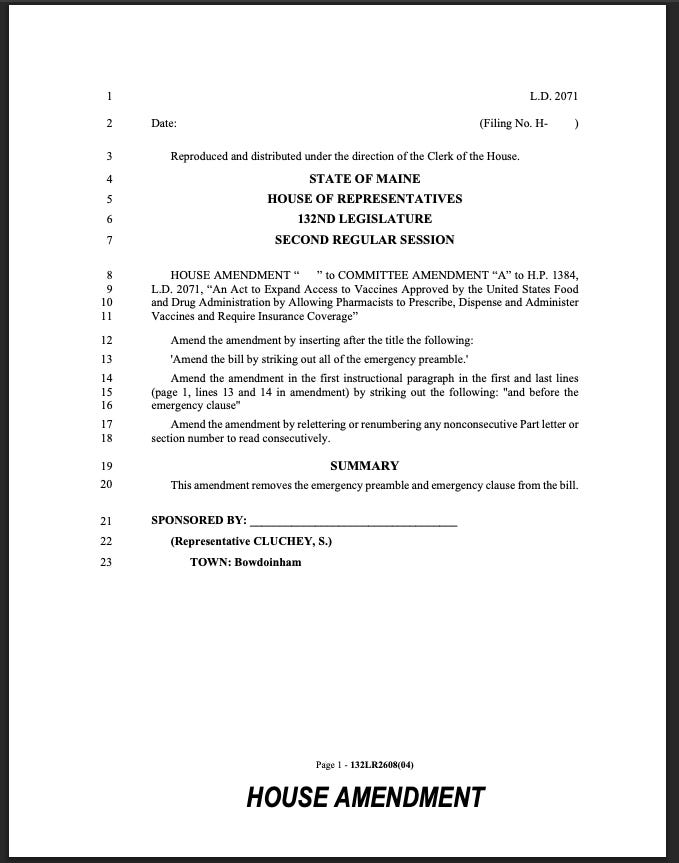
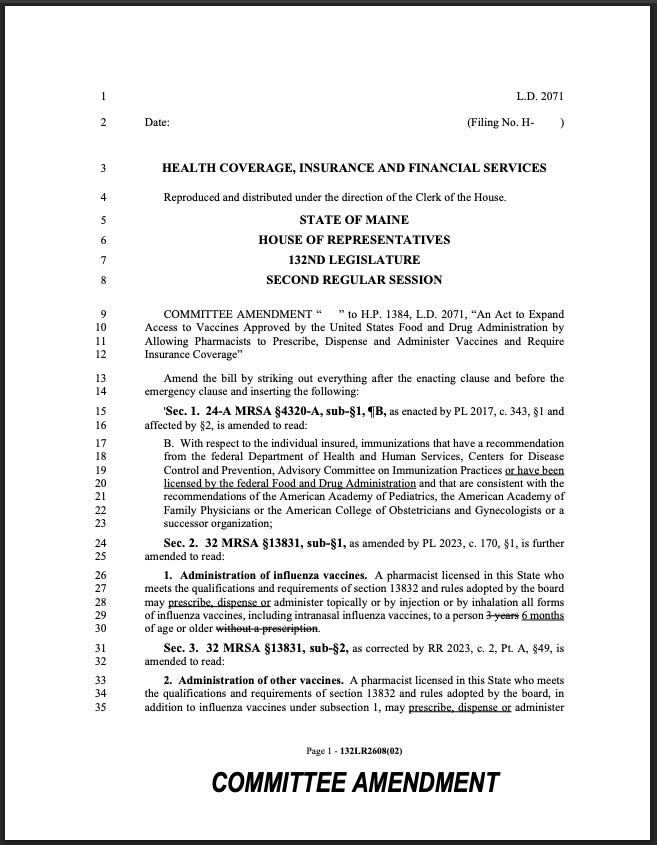
The final version of L.D. 2071 gives pharmacists full independent authority to prescribe, dispense, and administer influenza vaccines to individuals as young as 3 years and 6 months old—without a prescription or prior medical approval.

This structure removes physician oversight, concentrates vaccination authority in retail pharmacies, and pairs rapid, population-wide access with centralized state reporting—raising concerns about informed consent, medical autonomy, and the state’s ability to execute a fast, large-scale influenza vaccination campaign if another public health emergency is declared.

As of April 7, 2026, the bill has passed both chambers in identical final form and has been ordered sent to the Governor’s desk for signature.

The bill will take effect 90 days after the Legislature adjourns, which is scheduled for April 15, 2026—meaning the new pharmacist authority would become law on July 14, 2026.

The legislation’s advancement comes amid state, federal, and international influenza outbreak orchestration.

It is sponsored by Democrat Representatives Sally ClucheyPoppy ArfordRyan FecteauKristi MathiesonDaniel Shagoury, and Republican Rep. Amy Arata.

You can contact Governor Janet Mills office here.


Pharmacists Become Frontline Vaccination Authority

Under the amended statute:

“A pharmacist… may prescribe, dispense or administer… all forms of influenza vaccines… to a person 3 years 6 months of age or older without a prescription.”

This language removes the traditional requirement that a physician authorize vaccination—transferring full control over influenza vaccine delivery directly to retail pharmacies.

Pharmacists are no longer limited to administering a doctor’s order.

They can now initiate vaccination themselves.

That shift transforms pharmacies from passive distribution points into independent vaccination hubs capable of operating at scale.

Statewide Retail Network Activated for Mass Deployment

By design, the system leverages the existing pharmacy network as the backbone of vaccine delivery.

Instead of relying on:

  • clinics
  • hospital systems
  • scheduled appointments

The law enables:

  • walk-in access
  • immediate administration
  • decentralized distribution

Pharmacies—already embedded in nearly every community—function as a ready-made infrastructure for rapid statewide rollout.

Influenza Singled Out for Broadest Authority

The legislation treats influenza differently from all other vaccines.

  • Influenza vaccines:
    • pharmacist can prescribe, dispense, and administer
    • applies down to age 3 years 6 months
  • Other vaccines:
    • independent pharmacist authority limited to adults 18+
    • minors require a doctor’s prescription

This makes influenza the only vaccine category granted full pharmacist-controlled access across both adults and young children.

Real-Time State Tracking Built In

The bill also requires that every administered vaccine be reported:

Pharmacists must report vaccine administration to the state immunization information system within 72 hours.

This creates a centralized system capable of:

  • tracking vaccination rates
  • monitoring geographic uptake
  • identifying gaps in coverage

The result is near real-time visibility into how widely vaccines are being administered across the population.

Insurance Language Opens the Door—Without Mandating Coverage

While earlier versions of the bill proposed mandatory no-cost vaccine coverage, the final version stops short of requiring it.

Instead, the amended law clarifies that insurers are authorized to cover vaccines without cost-sharing if they choose, rather than mandating it.

Even without a mandate, the structure aligns financial incentives with expanded access.

What the Structure Reveals

The bill establishes:

  • Immediate, walk-in vaccination access
  • No physician gatekeeping
  • A statewide pharmacy-based delivery network
  • Rapid reporting into a centralized tracking system
  • Inclusion of young children in the rollout model

This represents a complete redesign of how influenza vaccines can be deployed at scale.

Bottom Line

Maine legislators have constructed a system that allows influenza vaccines to be distributed quickly, broadly, and with minimal friction across the entire population.

If activated, the infrastructure enables any individual to walk into a pharmacy, receive an influenza vaccine on the spot, and have that dose logged into a statewide tracking system within days—without ever interacting with a physician.

$2.46 Billion ‘Momnibus’ Bill Targets Pregnant Women for Vaccination—Builds $715 Million Real-Time Surveillance System Activated During Pandemics. THIS IS EXACTLY HOW IT BEGINS GETTING 100% OF THE POPULATION JABBED WITH THEIR EVIL INJECTION. STARTING WITH THE NEWBORNS!


H.R. 7973, with 203 cosponsors, would create a closed-loop federal system to identify pregnant women by race and demographics, boost their vaccination rates, and track them in real time.

Jon Fleetwood

Apr 06, 2026

A federal bill introduced in Congress would create a system where pregnant women are not only targeted for increased vaccination but also tracked through a federally coordinated surveillance network that activates during pandemics.

H.R. 7973—the “Momnibus Act”—authorizes a staggering $2.46 billion overall, with $715 million of that specifically allocated to build this structure: combining mass vaccination initiatives with a real-time data tracking system designed to monitor health status, outcomes, and demographic characteristics during declared public health emergencies.

The bill constructs a pipeline to identify the population, increase medical intervention, and track the results—continuously, at scale, and under federal coordination.

From a health freedom standpoint, this represents a shift away from individual consent-driven care and toward a system where specific populations are identified, targeted, and monitored during crises.

Introduced by Rep. Lauren Underwood—Backed by Industries Positioned to Benefit

The legislation was introduced on March 18, 2026 by U.S. Representative Lauren Underwood (D-IL-14) and immediately routed to multiple House committees, including Energy and Commerce.

It remains at the earliest stage of the legislative process, with no hearings or votes.

Campaign finance data shows support from healthcare systems, insurance networks, and pharmaceutical-aligned interests—industries that would directly benefit from:

  • expanded vaccination programs
  • increased federal funding streams
  • long-term surveillance infrastructure

The same entities positioned to carry out the bill’s mandates are among those funding its sponsor.

You can contact Rep. Underwood here and the rest of the bill’s 203 cosponsors here to voice your opposition to the expansion of federally directed vaccination targeting, real-time health surveillance during public health emergencies, demographic-based population profiling, centralized control over medical data and response, and the erosion of informed consent and individual medical autonomy.

Federal Government Moves to Identify & Increase Vaccination in Targeted Populations

The bill directs federal agencies to “increase vaccination rates of pregnant and postpartum individuals… and their children.”

Funding is explicitly tied to expanding these efforts, with hundreds of millions authorized specifically for awareness and equity campaigns that prioritize populations with “low rates of vaccination” and “racial and ethnic minority groups.”

The federal government is authorized to identify which groups are not complying with recommended vaccination schedules and focus massive resources on increasing uptake in those populations.

That is a shift from informed consent at the individual level to behavioral targeting at the population level.

$715 Million Surveillance & Vaccine Apparatus Designed for Pandemic Activation

Of the bill’s $2.46 billion total authorizations, $715 million goes directly to the combined maternal vaccine push and surveillance system:

  • $190 million for CDC maternal surveillance system, expanded mortality/morbidity tracking, national pregnancy risk monitoring, and NIH emergency research.
  • The remaining hundreds of millions are dedicated to the maternal vaccination awareness and equity campaign (including the updated $73.4 million per year authorization for 2027–2032).

The system will be used for “data collection, surveillance, and research… as a result of public health emergencies and infectious diseases.”

Real-Time Monitoring of Medical Status During Emergencies

The system tracks “diagnostic testing, confirmed cases, hospitalizations, deaths…” with updates required “at least on a monthly basis.”

This creates continuous, rolling surveillance of a defined population during a declared emergency.

In practical terms, once an emergency is declared, the federal system gains ongoing visibility into who is infected, who is hospitalized, and how individuals are progressing.

That is real-time population monitoring tied directly to health status.

Nationwide Data Integration—From Lab to Federal Database

The bill requires “capacity building… to collect and transmit… demographic data” and mandates that laboratories receive “race, ethnicity, pregnancy status… and other demographic data.”

This creates a standardized data pipeline: data originates at testing sites and hospitals, moves through state systems, and is centralized at the federal level.

Mandatory Demographic Profiling of Health Data

All collected data must be categorized by “race, ethnicity, gender, primary language, geography, socioeconomic status.”

Rather than just tracking disease, the bill would allow tracking of mothers who have the disease, where they are, and what demographic group they belong to.

That enables targeted interventions and creates a framework for population-level categorization tied to medical status.

Centralized Data Collection Before Public Release

The bill requires public reporting on the CDC website while stating “all data collected is deidentified.”

The key distinction is timing.

Data is collected in detailed individual form first, then anonymized before public release.

Federal Authority Expands Immediately After Emergency Declaration

Within 30 days of a public health emergency, “the Secretary shall issue guidance.”

This allows federal officials to control how states collect data, categorize individuals, and manage reporting systems.

A Closed-Loop System: Identify, Intervene, Track

The structure of the bill connects three functions into one system:

  • Identify populations through demographic data
  • Increase vaccination rates within those populations
  • Track outcomes during infectious disease events

This creates a feedback loop where data identifies targets, programs drive intervention, surveillance measures compliance and outcomes.

All operating under federal coordination during a public health emergency.

Bottom Line

H.R. 7973 establishes a federally coordinated $715 million system (within a $2.46 billion bill) that:

  • identifies specific populations of pregnant and postpartum women for increased vaccination
  • tracks their medical status in real time during pandemics
  • categorizes individuals by demographic characteristics
  • integrates data across labs, hospitals, and government systems
  • centralizes authority during declared emergencies

The bill lays the groundwork for a model where medical decisions are no longer purely individual—but increasingly shaped by population-level targeting, centralized guidance, and continuous monitoring during crises.

Missouri Senate Passes Bill Blocking WHO, UN, WEF Authority—’No Foreign Laws Act’ Declares Global Bodies Have ‘No Jurisdiction or Power’ in State

Apr 5

Read full story

Maryland Bill Lets Pharmacists Order Vaccines for You—Logging Your Name in State Tracking System Without Any Patient-Request Requirement

Apr 3

Read full story

NIAID/NIH and USDA Fund Bioengineered Chimeric Influenza Viruses Built Using Pandemic H1N1 Components: Journal ‘Science Advances’

Jon Fleetwood

·Read full story

West Virginia Bill Forces Vaccine History Into Every Sudden Death Under 30: HB4915

Jon Fleetwood

Apr 2

Read full story

Illinois Bill Turns Hospitals Into Mass Influenza Shot Intake Points for Every Adult, Mandates Universal Identification and Targeting System

Mar 30

Read full story

WHO Influenza Plan Orchestrates Global mRNA-Based ‘Next-Generation’ Pandemic Vaccine System Through 2050—46 Vaccines Already Underway

Jon Fleetwood

Mar 27

Massachusetts Advances H5N1 Influenza Bird Flu Bill with Quarantine Protocols, Surveillance Grid, and Vaccination Strategies


Lawmakers move avian influenza response infrastructure into study pipeline while preserving full operational framework.

A Massachusetts bill laying out a full-scale response system for H5N1 avian influenza “bird flu” is advancing through the legislature—constructing quarantine protocols, mass surveillance systems, vaccine deployment planning, and statewide clinical trial infrastructure around a single named virus before any declared widespread outbreak.

The move comes as state, federal, and international actors are orchestrating the systems, infrastructure, and response mechanisms surrounding a future bird flu pandemic.

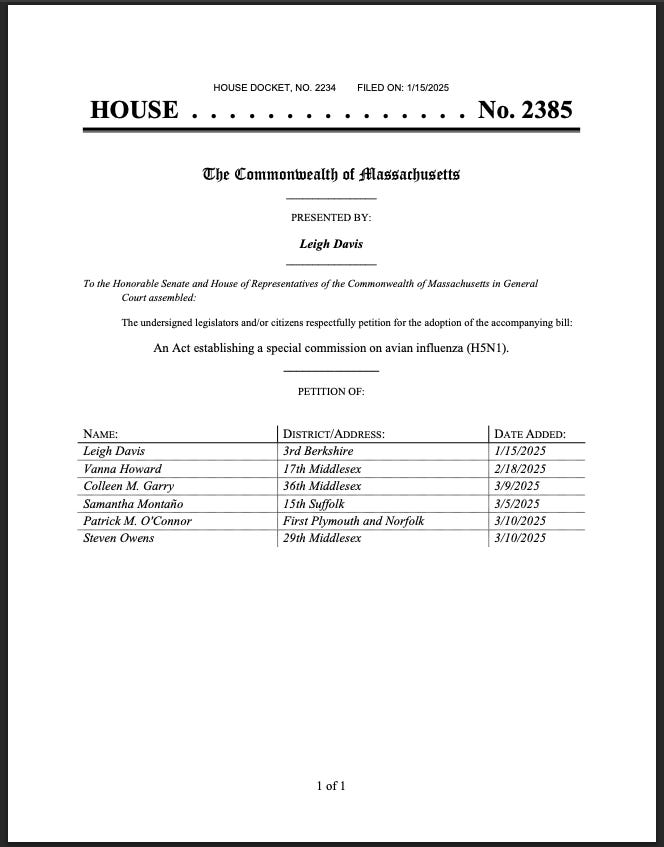
Massachusetts House Bill 2385 (H2385), introduced February 27, 2025 by Representative Leigh Davis (D-3rd Berkshire), does not address general pandemic preparedness.

Instead, it is specifically targeted at H5N1 bird flu, directing the state to build a coordinated response system spanning human, livestock, and wildlife populations under a single-disease framework.

On March 16, 2026, lawmakers moved the bill into a Public Health study order (H5234), advancing the proposal into a formal development phase—preserving the full framework while removing it from an immediate vote.

After sitting untouched for over a year, the bill was suddenly acted on and moved into a study process—signaling it had become important enough to preserve and develop, but not yet ready to pass in its current form.

You can contact Rep. Davis’ office here and the rest of the Massachusetts representatives here to voice your opinion on the bill.


Emergency Bird Flu Powers Activated Up Front

The bill opens with emergency language:

“declared to be an emergency law, necessary for the immediate preservation of the public health.”

This positions the H5N1 response system for rapid activation, not gradual implementation.

Mass Bird Flu Surveillance Across Humans & Animals

The bill directs:

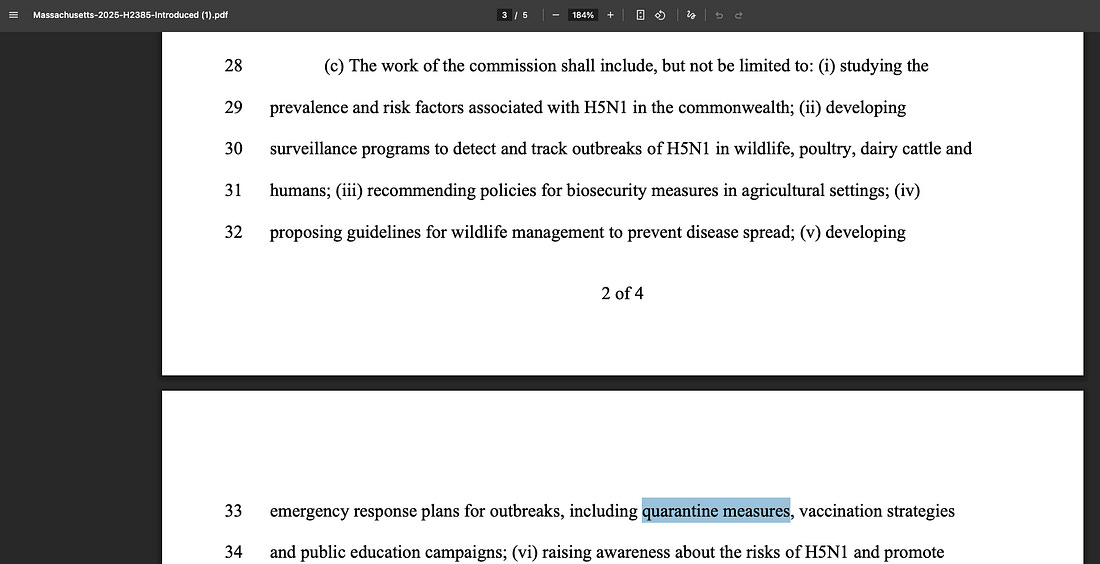
“developing surveillance programs to detect and track outbreaks of H5N1 in wildlife, poultry, dairy cattle and humans”

This creates a multi-species surveillance system focused specifically on bird flu, linking:

  • agricultural environments
  • wildlife reservoirs
  • human cases

into a centralized tracking network.

Quarantine & Vaccine Plans Pre-Built for H5N1

The commission is tasked with designing:

“emergency response plans… including quarantine measures, vaccination strategies”

This establishes predefined intervention mechanisms, including:

  • quarantine and isolation protocols
  • movement restrictions tied to exposure
  • coordinated vaccine deployment strategies

—all built specifically around bird flu response.

Statewide Bird Flu Trials Ready for Rapid Deployment

The bill calls for:

“preparation to launch statewide clinical trials that swiftly evaluate… novel therapeutic approaches”

This enables:

  • rapid testing of treatments during an H5N1 event
  • deployment of experimental or emerging interventions
  • statewide scaling of trials

Farm Testing Network Expands Bird Flu Detection

The legislation includes:

“production of self-administered swabs… distributed to farms… allowing workers to… screen themselves”

This creates a continuous testing system tied directly to bird flu monitoring in:

  • farms
  • livestock environments
  • worker populations

Drug Stockpiles Expand as Bird Flu Mutation Expected

The bill directs:

“shoring up of stockpiles… beyond Tamiflu… guard against viruses mutating”

This anticipates:

  • mutation of H5N1
  • purported need for expanded pharmaceutical reserves
  • long-term treatment preparedness tied to bird flu

Private Funding Flows Into Bird Flu Response System

The commission is authorized to receive:

“funds from public and private sources such as gifts, grants and donations.”

This integrates:

  • private funding sources
  • external organizations
  • non-government actors

into state bird flu response infrastructure.

Centralized Control System Coordinates Bird Flu Response

The bill mandates:

“coordinating efforts among government agencies… public health entities”

This establishes a centralized response model specifically for bird flu, aligning:

  • public health agencies
  • agriculture
  • research institutions

Bill Quietly Advanced Into Study Pipeline Without Vote

The proposal remains active:

  • Folded into study order H5234
  • Discharged from Public Health Committee
  • Transferred to the House Rules Committee

This keeps the full H5N1-focused framework moving through the legislative pipeline, positioning it for future action.

Bottom Line

H2385 is not a general preparedness bill.

It builds a targeted operational framework around avian influenza (H5N1) specifically.

The bill establishes:

  • A bird flu surveillance grid across humans, livestock, and wildlife
  • Predefined quarantine and vaccination protocols tied to H5N1
  • A statewide clinical trial system ready for deployment
  • A continuous testing pipeline in agricultural settings
  • Expanded drug stockpiling anticipating mutation
  • A public-private funding structure embedded in response planning
  • A centralized command system for coordinated bird flu response

Lawmakers have now moved this framework into a formal study process—keeping it active and positioning it for future rollout.