CHOP uses the time pressures of pediatric surgery to excuse curtailed informed-consent discussions, as one-third of participating families said their children otherwise would have gone unvaccinated.
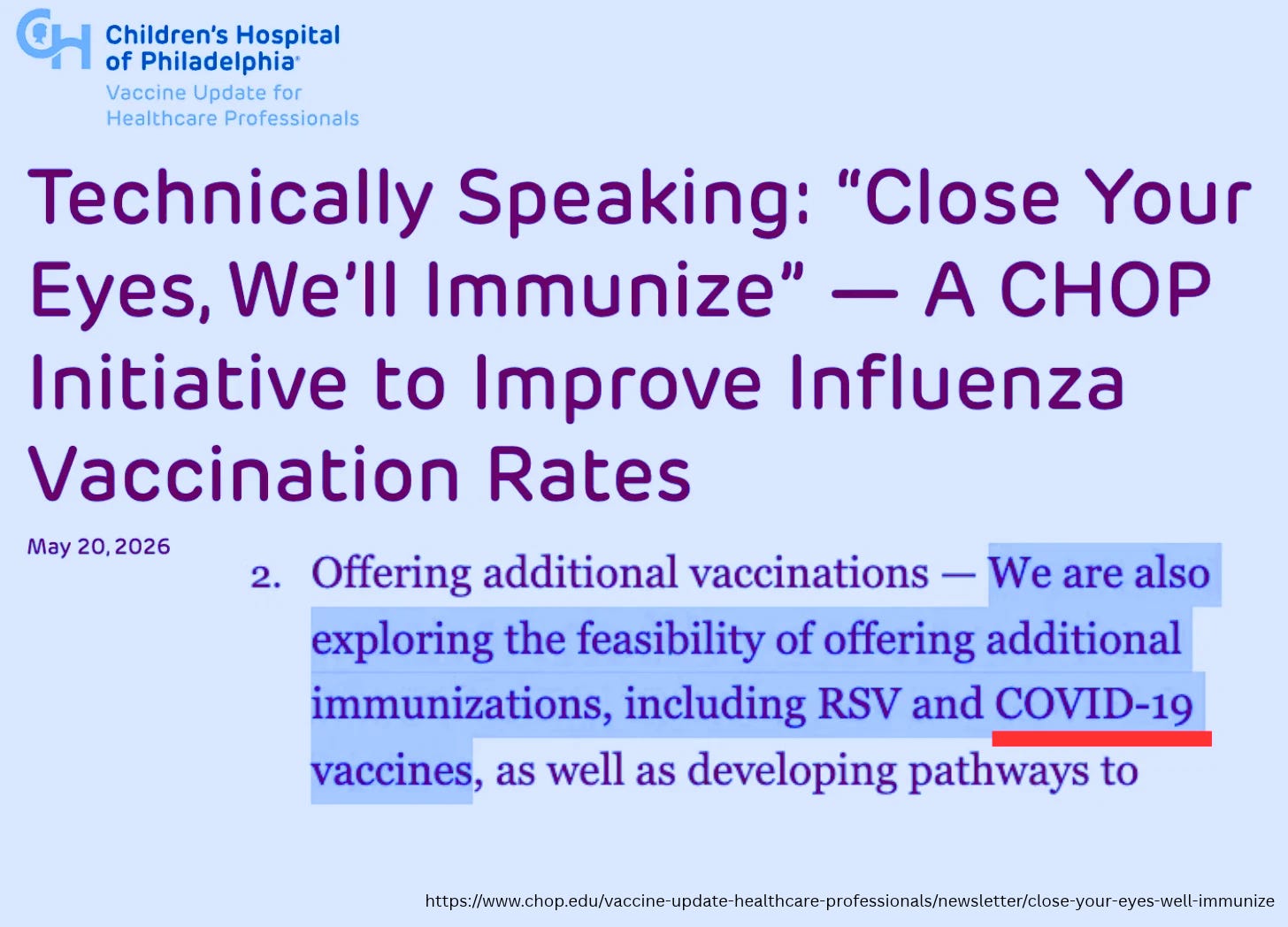
Children’s Hospital of Philadelphia’s May 20, 2026, disclosure reveals plans to expand its program for vaccinating children under anesthesia to include COVID-19 and RSV shots, raising further concerns about vaccine safety, parental informed consent, and the use of surgical procedures to increase vaccination rates.
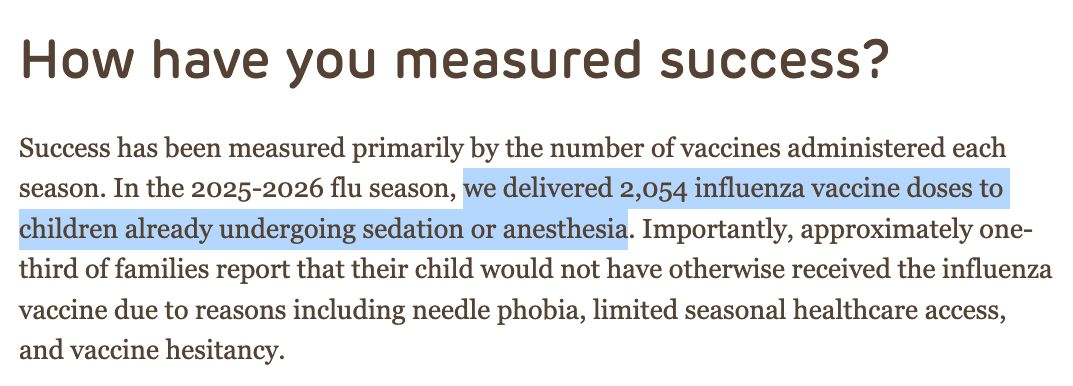
A May 20, 2026, Children’s Hospital of Philadelphia (CHOP) disclosure reveals that the hospital administered 2,054 influenza vaccine doses to children under sedation or anesthesia during the 2025–2026 flu season through a program called “Close Your Eyes, We’ll Immunize” and is now exploring COVID-19 and other injections during medical procedures.
The hospital admits that approximately one-third of participating families said their children otherwise would have gone unvaccinated.
It also cites limited time before surgery as an obstacle to discussing parental concerns about vaccination.
Which raises questions:
Why is a hospital using children’s surgical appointments to increase vaccination rates?
Why are time pressures being offered as an excuse for limiting discussions about vaccine risks?
Who independently verifies informed consent and monitors adverse reactions when children receive injections under anesthesia?
The hospital’s own disclosures establish a disturbing arrangement.
Children are brought in for medical procedures, their unconsciousness becomes an opportunity for additional injections, and the institution measures success by how many vaccines it administers.
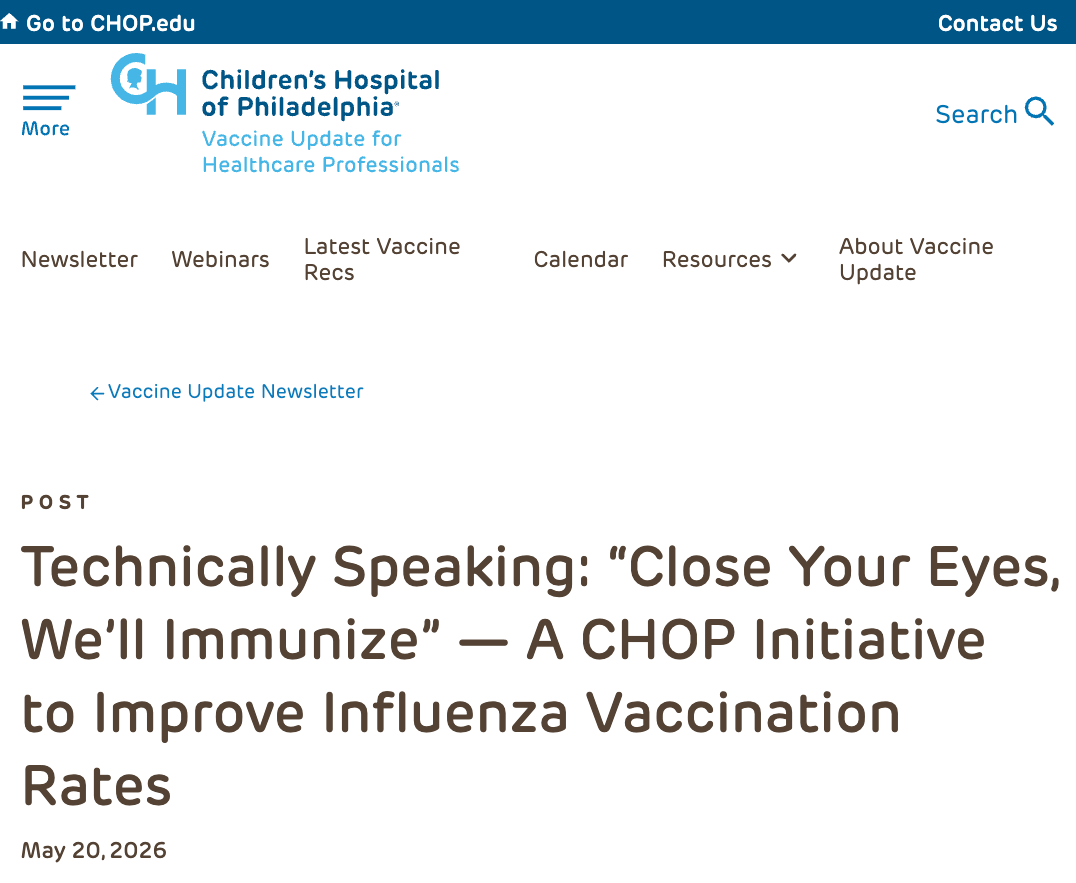
Children’s Hospital of Philadelphia’s May 20, 2026, newsletter reveals that its “Close Your Eyes, We’ll Immunize” program was designed to increase influenza vaccination rates by administering injections to children under sedation or anesthesia during medical procedures.Children’s Hospital of Philadelphia admits measuring the success of its vaccination-under-anesthesia program by the number of injections administered, reporting 2,054 influenza vaccine doses during the 2025–2026 season and revealing that approximately one-third of participating families said their children otherwise would have gone unvaccinated.
Technically Speaking “close Your Eyes, We’ll Immunize” — A Chop Initiative To Improve Influenza Vaccines!
No human trial showing Pfizer’s new XFG shot is safe, prevents COVID-19, or reduces hospitalization or death; and Pfizer has not publicly revealed the complete genetic instructions being injected.
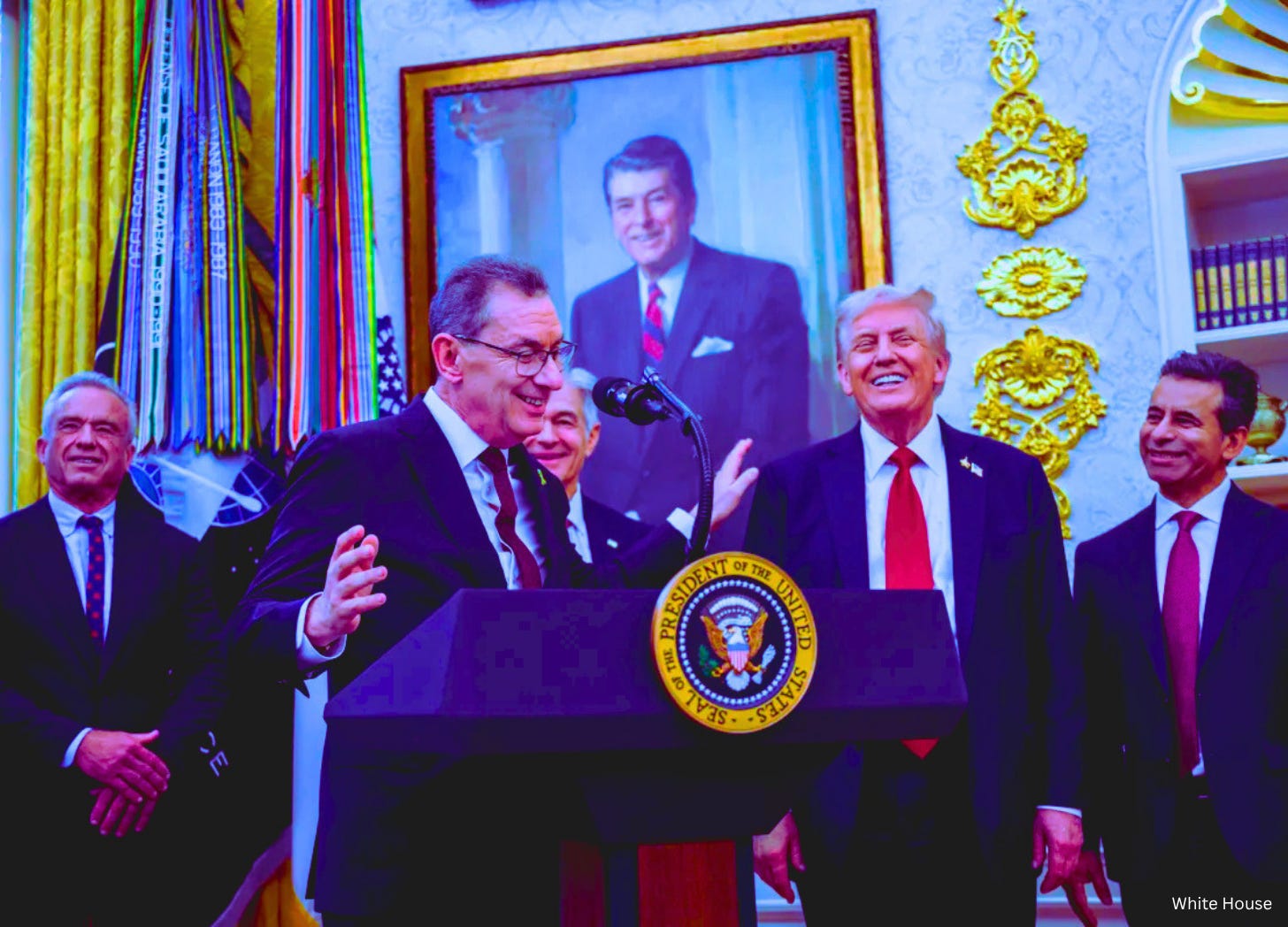
Pfizer CEO Albert Bourla delivers remarks alongside President Donald Trump during a drug-pricing announcement in the Oval Office on Sept. 30, 2025. (Official White House photo by Joyce N. Boghosian)
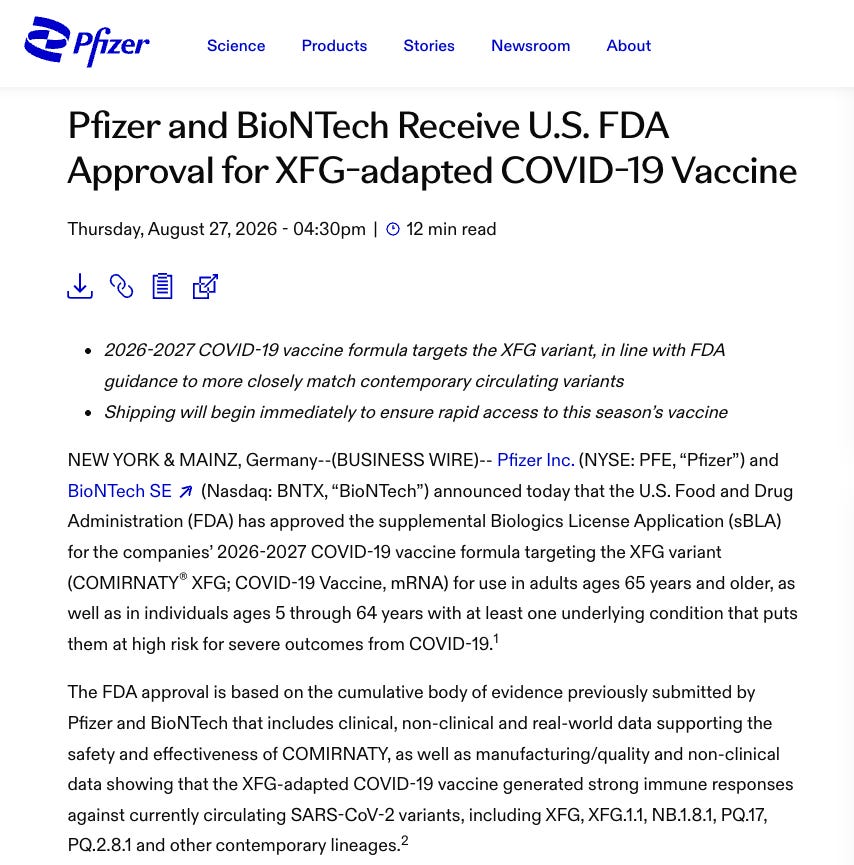
The U.S. Food and Drug Administration has approved Pfizer and BioNTech’s new “XFG-adapted” COVID-19 vaccine without the companies first demonstrating in a human clinical trial that the specific XFG formulation is safe, effective, or produces the intended immune response in people.
And the complete nucleotide sequence of the mRNA Pfizer wants injected into people has not been made public by the company, meaning recipients are being asked to consent without knowing either how this specific formulation performs in humans or the exact genetic code the shot is designed to instruct their cells to use to produce the claimed XFG spike protein.
And without disclosure of that sequence, its provenance cannot be independently scrutinized: the public cannot verify exactly where the genetic code came from, how it was derived, what engineered changes were introduced, or whether the sequence being manufactured even matches the genetic instructions Pfizer and FDA claim the shot contains.
Pfizer announced Thursday that FDA approved its supplemental Biologics License Application for COMIRNATY XFG for adults 65 and older and people ages 5 through 64 with at least one underlying condition allegedly placing them at what the company calls “high risk” for severe COVID-19.
Pfizer says the approval was based on a “cumulative body of evidence previously submitted” for COMIRNATY (including clinical, nonclinical, and real-world data) along with “manufacturing/quality and non-clinical data” for the new XFG-adapted formulation.
FDA’s own account confirms the divide: for the 2026–2027 vaccine decision, the agency says it considered human immunogenicity data from existing vaccines but “animal immunogenicity data on new candidate vaccines expressing or containing updated spike components.”
The human evidence belonged to earlier vaccine formulations.
For the newly approved XFG formulation, Pfizer presented nonclinical laboratory antibody measurements.
That raises questions:
If Americans are going to be injected with the XFG formulation, why was that formulation itself not first tested for safety and efficacy in people?
What evidence establishes that the human safety profile and clinical benefit of previous formulations can simply be carried forward to a changed shot?
And how much can the product being injected change before FDA requires the new version itself to undergo human testing?
Congressional committees have confirmed that the FDA “is not meeting important federal safety requirements to protect its employees and the public while also failing to prioritize scientific data quality delivered from FDA laboratories.”
What Is the Exact Genetic Sequence Being Injected?
Pfizer is asking Americans to receive a newly formulated mRNA vaccine without publicly telling them the complete nucleotide sequence of the genetic material being injected.
The company says the newly approved vaccine “target[s] the XFG variant” and describes Pfizer-BioNTech COVID-19 vaccines as based on BioNTech’s “proprietary mRNA technology.”
But naming XFG does not disclose the alleged genetic sequence inside the shot.
Multiple nucleotide sequences are said to be able to encode the same protein.
That means knowing which variant Pfizer says the vaccine targets does not, by itself, reveal the precise sequence Pfizer manufactured, including any engineered nucleotide choices used to produce the encoded spike protein.
Pfizer says FDA reviewed “manufacturing/quality” information for the new XFG formulation.
Yet the complete nucleotide sequence of the XFG vaccine mRNA is not disclosed in Pfizer’s cited XFG supportive-data presentation or its approval announcement.
So people are being asked to consent to receiving alleged genetic material without Pfizer publicly providing the complete genetic sequence they are being asked to receive.
Which raises questions:
What is the complete nucleotide sequence inside the XFG shot?
What engineered changes did Pfizer make to it?
How does it differ from the sequence of circulating XFG and from Pfizer’s previous LP.8.1 formulation?
Why isn’t the exact sequence publicly disclosed so independent scientists can examine it?
And how can Americans make a fully informed decision about receiving genetic material when the manufacturer has not publicly disclosed the complete genetic instructions being injected into their bodies?
XFG-Specific Alleged Immune Evidence Came From Mice, Not Humans
Pfizer produced no human clinical immunogenicity trial of the XFG formulation before FDA approved it.
The human evidence appears under “LP.8.1 Vaccine Clinical Immunogenicity.”
The new candidate vaccines appear separately under “Preclinical Immunogenicity of Candidate Vaccines.”
Pfizer’s human clinical immunogenicity study involved the previous LP.8.1-adapted vaccine, not XFG.
Pfizer says those human antibody measurements were made with a “validated authentic virus neutralization assay.”
For the new XFG formulation, Pfizer instead presented laboratory antibody measurements from mice.
One slide is titled:
“LP.8.1 and XFG Vaccines Elicit Similar Neutralizing Responses in Naïve Mice; Diminished Against BA.3.2.2.”
The experiment involved just 10 mice per vaccine group, receiving a 0.5-microgram dose, and was said to have measured a 50% neutralization titer using a pseudo virus neutralization assay.
Pfizer also produced similar laboratory antibody measurements in vaccine-experienced mice, again using 10 animals per vaccine group and pseudo virus neutralization.
None of those measurements establishes whether the XFG formulation is safe in humans.
They do not establish whether it prevents COVID-19 in humans.
They do not establish whether it reduces hospitalization or death.
They do not even establish what neutralizing-antibody response the XFG formulation produces in humans.
Pfizer’s own conclusion was narrower:
“LP.8.1 and XFG vaccines exhibited similar patterns of elicited immunity in nonclinical models.”
FDA likewise characterized the XFG evidence as “Nonclinical studies” in its May presentation.
Questions are raised:
Why should laboratory antibody measurements from groups of 10 mice against pseudo viruses be enough XFG-specific immune-response evidence to proceed to human approval?
What can those measurements actually establish about safety or disease prevention in a human being?
And if Pfizer was not required even to demonstrate the new formulation’s intended immune response in people before approval, what XFG-specific evidence could have stopped the shot from reaching the market?
No Human Efficacy Trial of the XFG Shot
Pfizer does present alleged human effectiveness data.
But the people generating those data did not receive the XFG vaccine FDA just approved.
They received the previous LP.8.1 formulation.
Pfizer reports alleged LP.8.1 effectiveness estimates against outpatient and emergency or urgent-care visits and hospitalization.
Pfizer summarizes the evidence this way:
“LP.8.1 vaccine maintained effectiveness during period of XFG predominance.”
That is purported evidence about the previous LP.8.1 shot during a period when XFG was circulating.
It is not an efficacy trial of the XFG shot.
Pfizer does not present a human trial showing that people receiving its new XFG formulation were less likely to become infected, develop COVID-19, be hospitalized, or die.
Nevertheless, the newly approved product is indicated “to protect against coronavirus disease 2019 (COVID-19).”
FDA says its decision was instead based on the “totality of the evidence,” which included alleged current vaccine effectiveness, human immunogenicity evidence from existing vaccines, and animal immunogenicity evidence from the new candidate formulations.
This raises more questions:
If nobody receiving the XFG shot was studied for clinical efficacy before approval, what direct evidence establishes how much disease this specific shot prevents?
What is its demonstrated reduction in hospitalization or death?
How can patients weigh the expected benefit of this formulation when those outcomes were never measured in people receiving it?
No Human Safety Trial of the New XFG Formula
Pfizer does not present a human clinical safety trial of its new XFG formulation.
Instead, Pfizer explicitly says FDA relied on the “cumulative body of evidence previously submitted” for COMIRNATY alongside manufacturing/quality and nonclinical evidence for XFG.
That means previous formulations supply the alleged human safety history being invoked to support the changed formulation.
The distinction is consequential because Pfizer’s own safety information acknowledges that myocarditis and pericarditis have occurred following its mRNA COVID-19 vaccines and says the conditions have occurred most commonly in males ages 12 through 24.
Historical COMIRNATY safety data therefore exist.
But historical safety data from earlier formulations are not observations of what happens to humans after receiving the new XFG formulation.
FDA says it “will continue to monitor the safety and effectiveness of the COVID-19 vaccines.”
That makes the timing of safety evidence an unavoidable question.
How could an adverse reaction unique to (or occurring at a different rate with) the XFG formulation have been detected before approval when Pfizer did not conduct an XFG human safety trial?
What evidence establishes that changing the encoded antigen cannot alter the shot’s human safety profile?
And if an XFG-specific safety signal can only become visible after people start receiving the approved product, how much of the safety question has effectively been pushed from preapproval testing into postmarketing surveillance?
What Would Have Made FDA Say No?
FDA says its XFG recommendation was made “based on the totality of the evidence.”
But FDA’s description of that evidence reveals what the new formulation itself did, and did not, have to demonstrate.
The agency says it considered alleged circulating variants, current vaccine effectiveness, human immunogenicity data from current vaccines, antigenic characterization, human immunogenicity data from the 2025–2026 vaccines, and “animal immunogenicity data on new candidate vaccines.”
FDA’s own May 28 presentation similarly placed its conclusion about XFG under “Nonclinical studies,” claiming that LP.8.1 and XFG vaccines produced cross-neutralizing responses against certain lineages.
Pfizer, meanwhile, acknowledges in its approval announcement that research and development can produce “unfavorable new clinical data” and that regulatory decisions involve determining whether a product’s benefits outweigh its known risks.
But there could be no unfavorable XFG human clinical-trial result before approval if Pfizer was not required to produce such a trial.
There could be no XFG-specific clinical efficacy failure observed in humans if efficacy was not measured in XFG recipients.
And there could be no adverse-event imbalance detected in an XFG clinical trial if no XFG human safety trial was conducted.
More questions are raised:
What predetermined human safety or efficacy threshold did the new XFG shot have to meet before FDA would approve it?
What XFG-specific evidence could have revealed a problem serious enough to stop approval?
If neither human safety nor clinical efficacy had to be demonstrated before approval, exactly what result would have caused FDA to reject the formulation?
Approval First, XFG Human Experience After
Pfizer did not announce that the XFG formulation would undergo human clinical testing before distribution.
It announced immediate shipment.
“This season’s Pfizer and BioNTech COVID-19 vaccine will begin shipping immediately and will be available in pharmacies, hospitals, and clinics across the U.S. in the coming days.”
That means FDA approved the XFG formulation without a human XFG safety trial, human XFG efficacy trial, or human XFG immunogenicity trial, and Pfizer moved directly to distribution.
The first broad human experience with this specific formulation therefore comes after approval, not from a preapproval clinical trial designed to establish its safety or efficacy.
If an unexpected XFG-specific safety problem emerges after rollout, who is accountable for deciding human testing was unnecessary before approval?
How many recipients might be exposed before a rare adverse event becomes statistically visible?
And are patients being clearly told that the specific XFG formulation they are receiving was approved without first being subjected to a human clinical safety or efficacy trial?
Bottom Line
Pfizer’s own evidence draws two critical lines.
First, the company cites human clinical and real-world evidence accumulated from previous COMIRNATY formulations, not human testing of the newly approved XFG shot.
For XFG itself, Pfizer presents nonclinical laboratory antibody measurements, including experiments involving groups of just 10 mice whose serum was evaluated against pseudo viruses.
Those measurements did not establish the new formulation’s human safety.
They did not establish its human efficacy.
They did not demonstrate that the XFG shot prevents infection, COVID-19, hospitalization, or death in people.
They did not even establish the XFG formulation’s neutralizing-antibody response in humans.
Second, Pfizer has not publicly provided the complete nucleotide sequence of the mRNA in the new XFG shot in the XFG materials cited here.
Calling the vaccine “XFG-adapted” does not reveal that sequence.
Multiple nucleotide sequences can encode the same protein, meaning the public designation does not disclose the precise genetic instructions Pfizer manufactured or what engineered nucleotide choices were incorporated into them.
Without the complete sequence, independent scientists and recipients cannot independently examine its full provenance: exactly where the genetic code came from, how it was derived, what engineered changes were introduced, how it differs from Pfizer’s previous formulation, or whether the manufactured sequence matches the genetic instructions Pfizer and FDA say the product contains.
FDA nevertheless approved the XFG formulation, and Pfizer announced that shipments would begin immediately.
The result is extraordinary: Americans are being asked to receive a newly changed mRNA formulation that was not subjected to a human safety, efficacy, or immunogenicity trial before approval, while the complete nucleotide sequence of the genetic material they are being asked to receive has not been publicly provided in Pfizer’s cited XFG materials.
FDA calls this an update to an already licensed vaccine.
But a regulatory classification cannot answer the underlying empirical or informed-decision questions.
What exactly is the complete genetic sequence being injected?
What is its independently verifiable provenance?
What human evidence establishes that this specific formulation is safe?
What human evidence establishes that it prevents disease, hospitalization, or death?
How can recipients fully scrutinize what they are consenting to when the complete genetic instructions have not been made public?
And if FDA’s assumptions about either the new formulation’s safety or its similarity to previous shots prove wrong only after rollout, who is accountable?
On July 29th, Anthony Fauci sat in a Senate hearing room, surrounded by lawyers, and invoked his Fifth Amendment right 111 times. He had been subpoenaed by Senator Rand Paul, who two days earlier had released 1,141 pages of Fauci’s pandemic diaries. The man who spent three years telling Americans that questioning him was questioning science declined to answer questions about what he had done. That image is arresting on its own. But it does not explain anything, and explanation is what has been missing.
Consider the strange shape of the Fauci controversy. For five years, investigators have accumulated an enormous quantity of material. There are grant documents, emails, inspector general findings, congressional depositions, failed predictions, guidance that reversed itself without acknowledgment, and evidence of pressure on dissenting scientists. What there has not been is a coherent account of why. Critics have generally settled for one of two stories, neither satisfying. Either Fauci was an ordinary bureaucrat who made ordinary errors under pressure, which fails to explain the pattern in those errors, or he was a cartoon villain executing a plot, which fails because no document shows anyone planning anything of the kind. Jeffrey Tucker has now supplied the missing piece, and it is worth understanding why his account deserves attention.
Tucker is not a newcomer to this subject. He is the founder and president of the Brownstone Institute, a research organization he established in 2021 specifically to document the consequences of pandemic policy. Before that, he spent decades in economics publishing, working closely with Murray Rothbard, running the Mises Institute’s book program, and writing for the Epoch Times. In 2020, he helped organize the signing of the Great Barrington Declaration at the American Institute for Economic Research, which put him in the room with the scientists Fauci’s circle set out to destroy. He has ten books to his name. More to the point, he spent nearly a full week reading all 1,141 pages of the diaries before writing about them, which is more than most commentators managed, and it shows.
His thesis is stated plainly. Fauci, Tucker argues, was “trying to turn himself from villain to hero in the story of manufactured pathogens should it ever be revealed.” The awards, the media saturation, the lockdowns, the hostility toward cheap therapeutics, the vaccine absolutism, all of it functioned as cover. Fauci made himself the indispensable solution to a problem his own institutional world almost certainly helped create.
Now, a reader might reasonably object that this is a claim about a man’s inner life, and inner lives are not observable. That objection deserves a serious answer, and the answer is that Tucker’s thesis does not require mind reading. It requires only four propositions, each of which rests on the documentary record.
The first is that Fauci was a longtime advocate of research that deliberately enhances dangerous viruses. This is not an inference. In December 2011, Fauci wrote in the Washington Post, together with Francis Collins and Gary Nabel, that “important information and insights can come from generating a potentially dangerous virus in the laboratory.” That was his considered public position, defended under his own name. The federal government found the underlying risks serious enough to pause funding for such work in 2014 and to impose a new oversight framework in 2017.
The second is that his agency carried real institutional exposure. In 2023, the HHS Office of Inspector General audited three NIH awards to EcoHealth Alliance totaling roughly $8 million, including $1.8 million in subawards to eight recipients, among them the Wuhan Institute of Virology. The audit found that NIH identified potential risks and then failed to monitor the awards effectively. A critical progress report arrived nearly two years late. EcoHealth could not obtain full scientific documentation from its Wuhan partner. In January 2025, HHS formally debarred both EcoHealth and Peter Daszak for five years. Whatever one believes about the virus itself, the government’s own auditors concluded the oversight had failed.
The third is that Fauci helped organize the scientific response to the origin question at the exact moment that exposure mattered most. On February 1st, 2020, he joined a private call about the virus’s origins. Kristian Andersen, writing to a Nature editor days later, described the resulting project as “prompted by Jeremy Farrar, Tony Fauci, and Francis Collins.” The paper that emerged, “The Proximal Origin of SARS-CoV-2,” declared flatly that the virus was not a laboratory construct. NIH promoted it. When it failed to end the discussion, Collins asked Fauci whether NIH could do more to put down the lab theory. The next day Fauci cited the paper from the White House podium as though it were an independent finding rather than something his own circle had concocted.
Here is where the argument acquires real force. Privately, the authors were nowhere near as certain as the paper sounded. In June 2020, Andersen wrote that there was “no hard evidence one way or the other,” that deliberate insertion could not be ruled out, and that the paper had been too strong. He noted that Wuhan had cultured bat coronaviruses under BSL-2 conditions and that he considered natural and laboratory scenarios roughly equally probable. In May, Edward Holmes worried about how to warn people about gain-of-function risk without helping the lab leak camp, and Andersen replied, “Exactly, that’s why I haven’t said anything.” Ralph Baric, who knows this research better than almost anyone alive, told Senate investigators this year that he disagreed with the idea that a lab leak could be completely ruled out.
Public certainty, private doubt. That gap is precisely what a reputation management project predicts and what honest inquiry does not.
The fourth proposition is where the diaries earn their keep. They show a man consumed by status. Tucker documents a single day containing 11 media appearances. The pages are thick with celebrity contacts, tributes, awards, and elite access, and thin to the point of absence on the human wreckage below. Fauci records calling the Great Barrington authors, credentialed scientists from Harvard, Stanford, and Oxford, the “3 stooges.” Collins, in a separate email, wanted a “quick and devastating published takedown” of their declaration. These are not the reactions of men weighing evidence. They are the reactions of men defending a franchise.
Put the four together, and the motive is not mysterious at all. Fauci did not need to know the virus came from a laboratory. He needed only to grasp that a serious investigation into that possibility would threaten his agency, his research philosophy, his standing, and his place in history. That recognition alone is sufficient to explain everything that followed.
The thesis also explains something the ordinary-error story cannot: why failure produced escalation instead of humility. The diaries show Fauci knew by January 2021 that mutations were outrunning the formulas. By mid-2021, he acknowledged that the vaccinated were getting infected, then publicly blamed the unvaccinated days later. By July 2022, he noted that Americans were being told to get boosted with a shot that did not cover the circulating variant, with a matched booster five weeks away. A leader whose authority rested on evidence adjusts when the evidence moves. A leader whose identity has fused with the solution treats every disappointment as proof that compliance was insufficient, and so the mandates continued and the messaging hardened and the children who had never been at meaningful risk were enrolled anyway, and none of it can be understood as adaptive public health because it was never adaptive and it was never really about health.
Fauci himself gave the game away in November 2021 when he told CBS that people criticizing him were “really criticizing science because I represent science.” That sentence is the whole era compressed. It is also, as it happens, the clearest confirmation of Tucker’s reading that anyone could have asked for, because it shows the fusion had already occured in Fauci’s own mind.
None of this requires believing that Fauci engineered a virus or ordered its release. Tucker does not claim that, and the case does not need it. What it requires is recognizing that we allowed one man to fund the research, oversee the research, define whether the research was risky, convene the scientists who assessed the origin, promote their conclusion, set the policy response, and serve as the sole authorized interpreter of all of it. No serious system of accountability permits that concentration. A bank does not audit its own books after the crash.
Tucker’s closing judgment is that Fauci “sought immortality through power and fame,” and that his immortality is now earned in infamy. That reads like literary flourish until you sit with the record, and then it reads like a finding. The diaries were assembled, Tucker suspects, as raw material for an autobiography, a monument to a great career. They have become the primary evidence against him. He was preemptively pardoned by Joe Biden. He pleaded the Fifth anyway, 111 times.
Unanswered questions about long-term expression, shedding jab components onto others through exosomes and extracellular vesicles, and what participants are being told before enrollment.
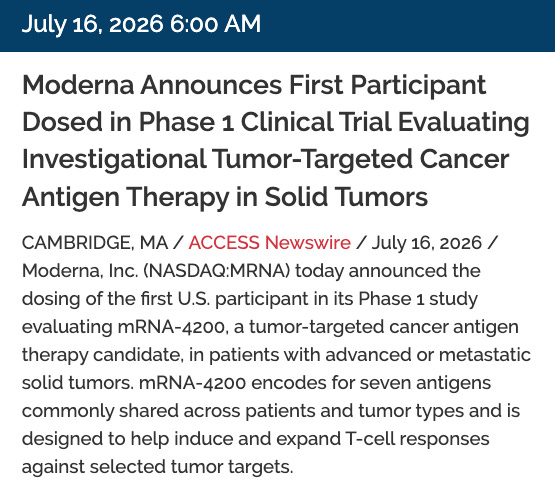
On Thursday, Moderna announced that it has injected the first participant in a Phase 1 clinical trial of mRNA-4200 (NCT06880549), an experimental mRNA product that causes the body to produce seven undisclosed tumor proteins following administration.
In other words, the product does not merely introduce tumor proteins into the body—it uses the body itself to manufacture them.
On purpose.
The study raises obvious safety and informed-consent questions about how long the body produces the purportedly encoded tumor proteins, what their long-term biological effects may be, and whether the product or its outputs could be shed from the original recipient onto others through exosomes or extracellular vesicles in excreted bodily fluids.
A 2021 Journal of Extracellular Vesicles study found that cells expressing a target protein can release extracellular vesicles that “carry” that protein, demonstrating that what is produced inside the body can be exported outside the cell in membrane-bound particles.
A separate 2023 Pharmaceutics review explains that exosomes are natural transport vesicles that carry proteins and nucleic acids throughout the body and are present in bodily fluids including blood, saliva, and other secretions—meaning they are not confined to the original cell or even the original location in the body.
The company says it’s evaluating the product in patients with advanced solid tumors, including melanoma, non-small cell lung cancer, esophageal cancer, gastric cancer, ovarian cancer, cervical cancer, endometrial cancer, bladder cancer, and colorectal cancer.
Participants receive the injections either alone or in combination with pembrolizumab, a monoclonal antibody marketed as Keytruda.
Unlike Moderna’s “personalized” cancer vaccine programs, which are said to be tailored to an individual patient’s tumor characteristics, mRNA-4200 is described as an “off-the-shelf” product intended for use across multiple cancer types.
According to Moderna’s public statements, the product works by delivering mRNA instructions that result in the production of seven shared tumor proteins inside the body after injection.
“Moderna, Inc. (NASDAQ:MRNA) today announced the dosing of the first U.S. participant in its Phase 1 study evaluating mRNA-4200, a tumor-targeted cancer antigen therapy candidate, in patients with advanced or metastatic solid tumors. mRNA-4200 encodes for seven antigens commonly shared across patients and tumor types and is designed to help induce and expand T-cell responses against selected tumor targets.”
However, Moderna has not publicly disclosed the identities of those proteins.
As a result, we are currently unable to independently evaluate which proteins are being produced, whether they are full proteins or fragments, whether they are found elsewhere in the body, or what biological effects may accompany their expression.
The trial is expected to enroll approximately 42 participants and is being conducted at sites in Michigan, Texas, and Utah.
Other Moderna cancer products have encoded immune signaling proteins including OX40L, IL-23, and IL-36γ, and have similarly been paired with monoclonal antibodies targeting immune checkpoint pathways.
Bottom Line
An experimental product that works by causing the body to manufacture tumor proteins inside itself has now moved into human testing.
Not proteins administered from a vial.
Not proteins manufactured in a laboratory.
Proteins manufactured inside the recipient’s own body.
On purpose.
Moderna says there are seven of them.
The company has not publicly disclosed what they are.
That raises questions that should be self-evident.
What happens when the body is instructed to produce tumor proteins over time?
For how long are they produced?
Where are they produced?
What happens if those proteins are expressed in tissues beyond their intended targets?
And if proteins and nucleic acids produced inside the body can be transported through extracellular vesicles and exosomes found throughout bodily fluids, what does informed consent look like for the people receiving the injections—and for everyone around them?
Those are not peripheral questions.
They are the first questions that should be answered before turning human beings into production sites for undisclosed tumor proteins.
American tax dollars finance human body-altering pathogens in collaboration with Wuhan Institute of Virology scientists.
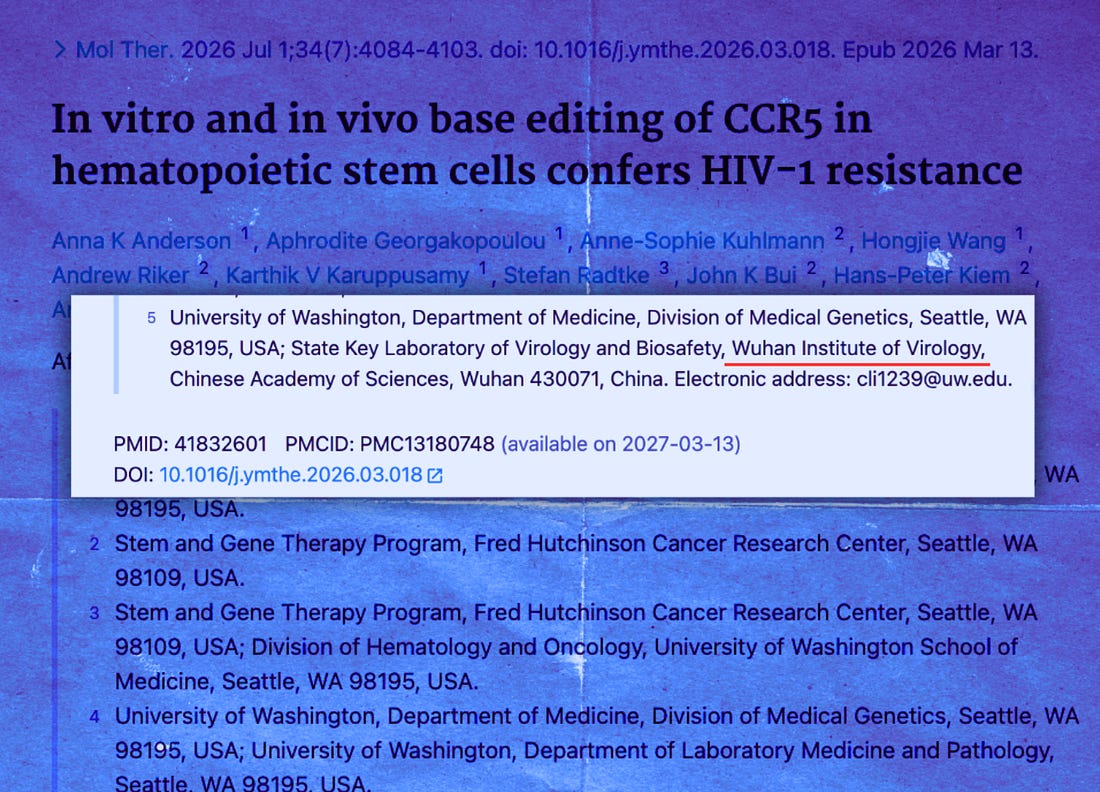
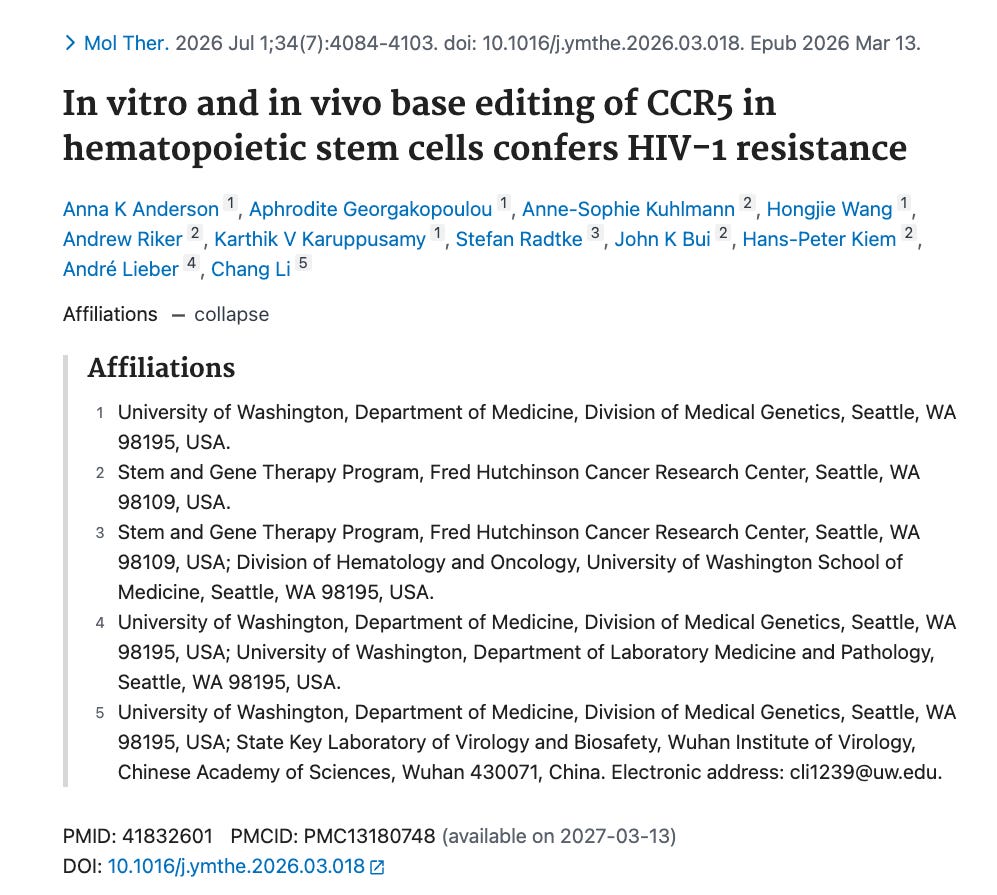
The U.S. Department of Health and Human Services (HHS) and the Bill & Melinda Gates Foundation helped fund a U.S.-Wuhan research team that engineered an adenovirus designed to deliver DNA-editing machinery into human blood-forming stem cells, according to a study published July 1 in Molecular Therapy.
The stated purpose of the study was to genetically engineer human stem cells to resist HIV infection.
But the experiments raise broader questions about the risks of funding purported viral systems designed to permanently alter the human body.
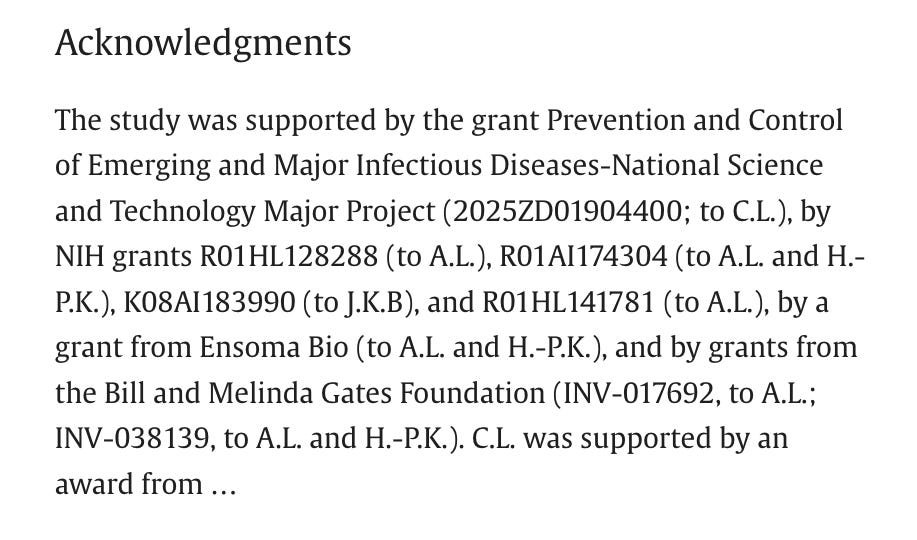
The research was funded by multiple National Institutes of Health (NIH) grants under HHS, grants from the Bill & Melinda Gates Foundation, and support from biotechnology company Ensoma Bio.
The author affiliations include the University of Washington, Fred Hutchinson Cancer Center, and the State Key Laboratory of Virology and Biosafety at the Wuhan Institute of Virology, Chinese Academy of Sciences.
The study acknowledges support from NIH grants R01HL128288, R01AI174304, K08AI183990, and R01HL141781, along with grants INV-017692 and INV-038139 from the Bill & Melinda Gates Foundation.
Additional support came from China’s Prevention and Control of Emerging and Major Infectious Diseases–National Science and Technology Major Project and Ensoma Bio.
According to the paper, the researchers claim to have engineered modified helper-dependent adenoviral (HDAd) vectors to carry CRISPR-derived base editors programmed to alter the human CCR5 gene.
Rather than editing cells outside the body before transplanting them back into a patient, the researchers say they designed the adenovirus to deliver the gene-editing machinery directly into blood-forming stem cells inside a living subject.
Hematopoietic stem cells continually produce new blood and immune cells throughout a person’s life.
By altering the DNA of those stem cells, the researchers say they sought to create a continuing supply of immune cells lacking a functional CCR5 receptor, which HIV is said to commonly use to infect cells.
The study claims that the engineered adenovirus produced “near-complete target site editing” in an HIV-permissive cell line.
The researchers also reported efficient editing in human CD34+ blood-forming stem cells obtained from mobilized donors and umbilical cord blood.
The experiments extended beyond laboratory cell cultures.
Researchers injected the engineered adenoviral vector into humanized mice, enriched the purportedly genetically modified cells, and then exposed the animals to HIV.
According to the paper, approximately 50% of the targeted CCR5 sites were edited in bone marrow cells, and the treated animals had roughly 12-fold lower HIV plasma titers than untreated controls following HIV challenge.
The paper describes the work as part of a broader effort to move human gene editing from ex vivo procedures—where cells are removed, genetically modified, and reinfused—to in vivo editing performed directly inside the body using purported viral delivery systems.
The researchers write that helper-dependent adenoviral vectors can carry large genetic payloads, be manufactured at relatively low cost, and be adapted to deliver different genome-editing systems into hematopoietic stem cells
Bottom Line
American taxpayer dollars and Gates Foundation funding helped finance a U.S.-Wuhan collaboration that engineered a virus to carry purportedly human DNA-editing machinery into living cells.
The study illustrates continued government investment in purported viral delivery systems designed to make permanent changes inside the body.
Bird flu study carried out by infamous gain-of-function virologist Ron Fouchier.
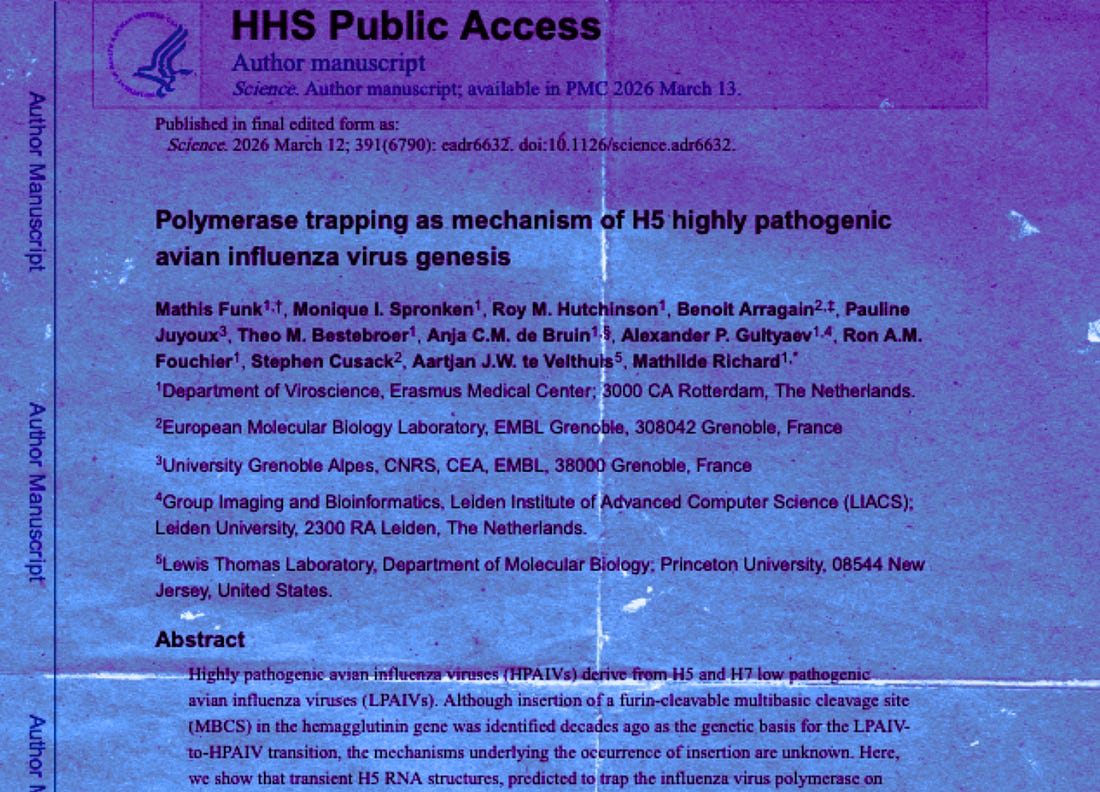
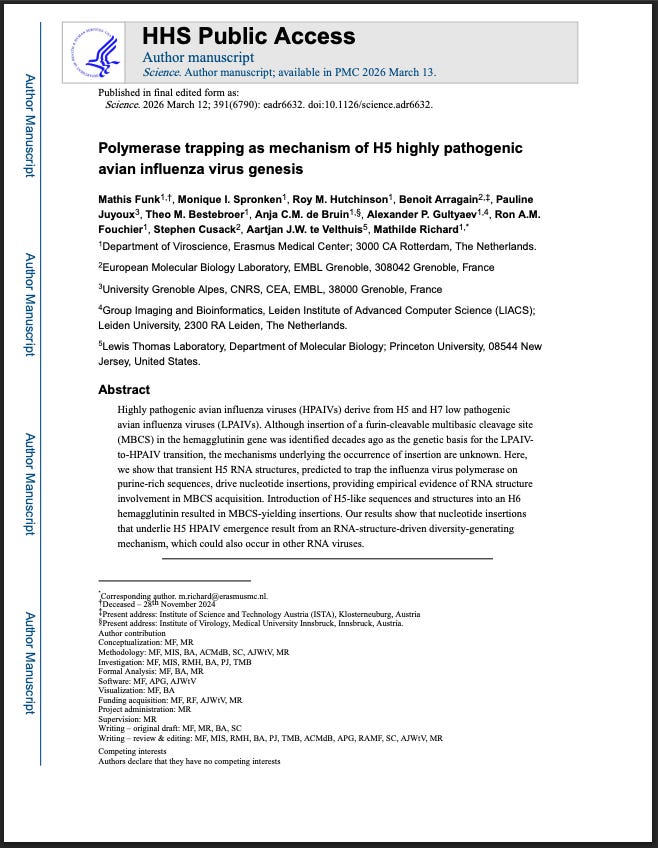
Scientists funded by the U.S. Department of Health and Human Services (HHS) say they have identified the molecular mechanism that allows low-pathogenic H5 avian influenza to acquire the defining genetic feature of highly pathogenic bird flu, according to a study published March 12 in Science.
Pathogenicity is the ability of a microorganism or agent to cause disease in a host.
Americans are paying for experiments that determine the molecular steps said to make H5 influenza more dangerous.
The study was carried out by Dr. Ron Fouchier of Erasmus Medical Center—best known for his controversial H5N1 bird flu gain-of-function experiments—along with researchers from Erasmus Medical Center, EMBL Grenoble, University Grenoble Alpes, Leiden University, and Princeton University.
The controversial experiments come as Congress asks for $3.3 billion for a future influenza pandemic, including the construction of new influenza vaccine manufacturing facilities, in a newly introduced House bill.
They also come as the FDA’s Vaccines and Related Biological Products Advisory Committee (VRBPAC) clears the way for approval of Moderna’s new mRNA influenza vaccine, despite the shot claiming to offer less than 1% absolute benefit.
The study centered on the multibasic cleavage site (MBCS), which the authors describe as the genetic basis for the transition from low-pathogenic avian influenza viruses (LPAIVs) to highly pathogenic avian influenza viruses (HPAIVs).
To determine that mechanism, the researchers claim to have engineered influenza RNA sequences and structures and measured how frequently the virus acquired the nucleotide insertions that generate the multibasic cleavage site.
According to the paper:
“We show that transient H5 RNA structures, predicted to trap the influenza virus polymerase on purine-rich sequences, drive nucleotide insertions.”
The researchers then say they experimentally altered those RNA structures.
When they disrupted the structures, the frequency of pathogenicity-generating insertion events fell sharply.
When they strengthened them, the insertion events increased dramatically.
In one engineered construct, heteropolymer insertion frequencies increased approximately eightfold over the parental construct.
Meaning the engineered virus was said to have become about eight times more likely to acquire the genetic change that turns low-pathogenic H5 influenza into highly pathogenic bird flu.
The scientists also transferred H5 RNA features into H6 influenza, creating chimeric “Frankenstein” genetic hybrids.
According to the paper:
“Introduction of H5-like sequences and structures into an H6 hemagglutinin resulted in MBCS-yielding insertions.”
The study further reported that the insertions generated by the engineered system produced multibasic cleavage site sequences that were “similar or identical” to those observed in naturally emerging highly pathogenic H5 influenza viruses.
The authors concluded they had identified the mechanism responsible for generating the multibasic cleavage site.
They wrote:
“We show that the trapping of the influenza virus RdRp on A/U-rich sequences by transient RNA structures formed by the template is the mechanism by which nucleotide insertions occur at the H5 cleavage site.”
Gain-of-function experiments that mutate pathogens to resist drugs are baked into virological drug development.
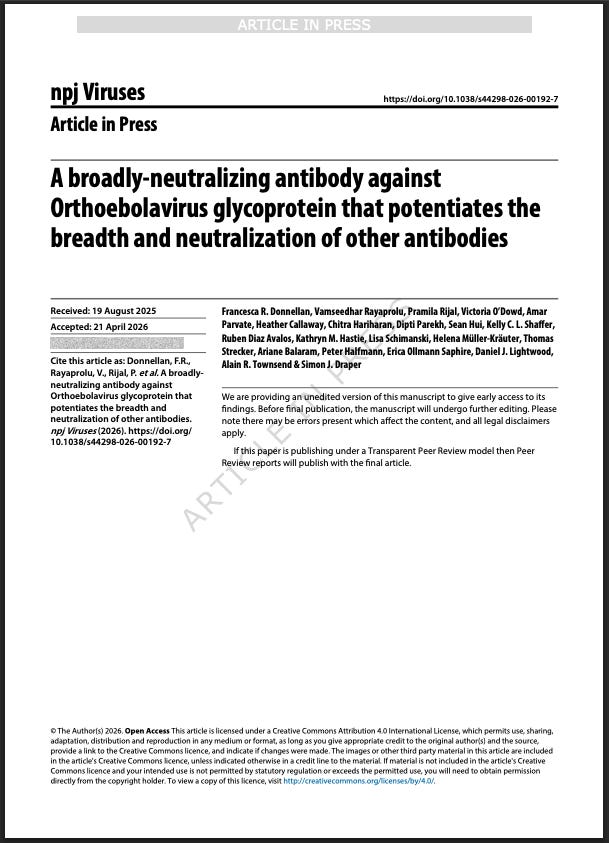
An international research consortium involving major institutions from the United States, China, the United Kingdom, and Germany claims to have successfully created mutant strains of Orthoebolavirus that are resistant to the neutralizing effects of the monoclonal antibody mAb 11886.
They published their work in npj Viruses on May 7, just days before the 2026 Ebola outbreak was first officially reported by the Democratic Republic of the Congo’s Ministry of Public Health.
These Ebola experiments, which were conducted under BSL-4 conditions at Philipps University Marburg, involved the intentional generation and selection of purported viral variants that bypass therapeutic neutralization.
The experiments align with published gain-of-function (GOF) definitions.
According to a 2022 review published in Advances in Applied Microbiology:
“Gain-of-Function research on viruses is enhancing transmissibility, virus replication, virulence, host range, immune evasion or drug and vaccine resistance to get insights into the viral mechanisms, to create and analyze animal models, to accelerate drug and vaccine development and to improve pandemic preparedness.”
The new Ebola study was said to have resulted in the generation of mutated, drug-resistant Ebola pathogens in the name of drug development.
Multiple U.S. government Ebola preparedness and response programs were administratively updated on the federal Assistance Listings database in mid-January 2026—roughly three to four months before health authorities in the Democratic Republic of the Congo announced the latest Ebola outbreak.
The Trump administration is now seeking more than $1.4 billion in Ebola funding from Congress, just after the CDC activated $107 million in emergency funding for Ebola response.
U.S. taxpayers are now paying for both the creation of mutated, drug-resistant Ebola pathogens while also paying for the government’s expensive response to Ebola.
Researchers Force the Virus to Become Resistant
To produce these drug-resistant mutants, researchers claim to have used a replication-competent version of the virus known as EbolaΔVP30.
The team says they forced the evolution of the virus by subjecting it to three consecutive 6-day passage cycles.
During these cycles, the virus was said to be exposed to increasing concentrations of the antibody mAb 11886, starting at 0.63 µg/mL and escalating to 5.0 µg/mL to drive the selection of mutations that could survive the treatment.
After this process, the team isolated individual plaques that were able to survive in the presence of 10 µg/mL of the antibody.
Finally, the researchers claim they extracted viral RNA and sequenced the glycoprotein gene to identify the specific genetic mutations responsible for the acquired resistance.
The Experiments Identified Two Specific Genetic Mutations That Resist Drugs
The sequencing analysis was said to have identified two specific genetic mutations that directly negated the effectiveness of the antibody.
The first mutation, known as V505I, is located in the GP2 N-terminus and was identified as the primary driver of resistance against mAb 11886.
The second mutation, known as T402I, is said to be located in the mucin-like domain and contributed to resistance through indirect effects on how the virus processes its purported surface proteins.
Experimental data from the study confirmed that each of these mutations, when present individually, was sufficient for the virus to evade neutralization at a concentration of 10 µg/mL.
Research Supported by an International Network of Funding & Institutions
The creation of these drug-resistant Ebola variants was made possible by a global network of funding agencies and academic-industry partnerships.
In the United Kingdom, the research was supported by the UK Medical Research Council through an iCASE PhD studentship to FRD (MR/N01796X/1), and the Wellcome Trust through a Senior Fellowship to SJD (106917/Z/15/Z).
In Germany, the work was supported by the German Research Foundation via a grant to TS (197785619/SFB1021).
In China, funding was provided by the Chinese Academy of Medical Sciences Innovation Fund for Medical Science grants to PR and AT (2024-12M-2-001-1 and 2018-12M-2-002).
In the United States, the research was supported by the National Institutes of Health through grant U19 AI109762 to EOS.
All participants had already received prior COVID vaccinations, making it impossible to determine whether observed immunity came from the experimental shot, prior vaccines, or natural infection.
Researchers behind an experimental AI-designed “pan-Sarbecovirus” COVID vaccine recorded 148 separate adverse events among just 39 vaccinated participants during a first-in-human clinical trial published last month in the Journal of Infection.
The vaccine, known as pEVAC-PS, was developed using “Digitally Immune Optimised Synthetic Vaccine” (DIOSynVax) technology and was computationally engineered to target not only SARS-CoV-2, but a broad family of purportedly related bat coronaviruses.
The vaccine was delivered through a needle-free intradermal injection system using the PharmaJet Tropis device.
The mainstream is celebrating the drug as a “world-first.”
However, according to the paper, researchers documented:
121 unsolicited adverse events,
15 adverse events of special interest (AESIs),
and 12 clinically significant laboratory adverse events
across only 39 vaccinated participants.
That’s roughly 3.8 total recorded adverse-event entries per vaccinated participant in the small phase I trial.
The study further states that 23 of the unsolicited adverse events were considered “possibly,” “probably,” or “definitely” related to the vaccine.
The paper nevertheless repeatedly describes the vaccine as “well tolerated.”
The paper downplays the severity of the adverse events, but the raw numbers remain notable relative to the tiny sample size—especially given the vaccine failed to demonstrate broad or robust neutralizing activity.
“No serious adverse reactions (SARs), suspected unexpected adverse reactions (SUSARs) or serious adverse events (SAEs) occurred. There were 15 adverse events of special interest, all of which were COVID-19 episodes which were of grade one or two severity and did not require medical attention. There were 121 unsolicited adverse events, all of which were grade one or two severity and 23 were deemed possibly, probably or definitely related to the vaccine. There were 12 laboratory adverse events considered clinically significant, all of which were grade one or two severity and self-resolved without intervention during the study.”
“All four dose concentrations of pEVAC-PS were generally well tolerated.”
Adverse-event burden is being generated in a trial so small that even a modest number of reactions changes the overall safety picture.
The authors do not provide a detailed breakdown of the specific unsolicited adverse events, raising questions about whether the paper’s reassuring “well tolerated” framing would hold up under full public disclosure of the actual reactions recorded during the trial.
Without a transparent symptom-by-symptom breakdown, readers are largely being asked to accept the authors’ safety characterization at face value.
Vaccinated Received Previous COVID Shots, Making Cause of Immunity Impossible to Determine
The trial was conducted between December 2021 and September 2023 and involved healthy adults between ages 18 and 50 who had already received two or three prior COVID-19 vaccine doses.
Since the participants were already heavily pre-immunized before receiving the experimental vaccine, the researchers themselves acknowledge they could not cleanly isolate what immune responses actually came from the new vaccine.
“Interpretation of immunogenicity outcomes was influenced by high baseline antibody levels and heterogeneous exposure histories due to ongoing waves of Omicron variant infections during recruitment, which differed across dose-escalation cohorts and introduced unavoidable immune bias,” the study reads.
The study cannot determine whether any observed immunity came from:
the new AI-designed vaccine,
prior COVID shots,
prior natural infections,
or combinations of all three.
That is why the paper ultimately falls back to cautious language like:
“modest immunogenicity,”
“limited boosting,”
and merely “supporting the underlying design concept” rather than demonstrating clear protective efficacy.
The authors acknowledged the findings did “not support a robust vaccine-induced increase in antibody responses beyond pre-existing levels.”
The paper further admits the vaccine failed to produce the intended broad coronavirus immune-boosting effect:
“Although pEVAC-PS was designed to elicit cross-reactive responses against both SARS-CoV-2 and SARS-CoV-1, this intended boosting effect was not observed.”
Researchers additionally acknowledged the vaccine did not demonstrate “broad or robust neutralizing activity.”
Researchers from the University of Cambridge, University of Southampton, Imperial College London, DIOSynVax Ltd, and other institutions participated in the study.
As the U.S. simultaneously performs similar gain-of-function lab experiments.
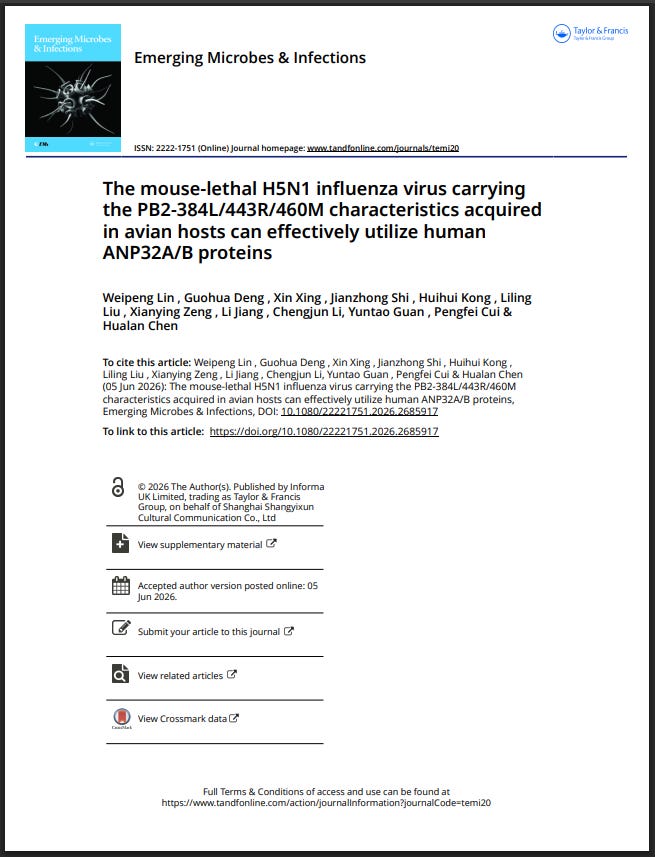
Chinese state-backed scientists claim to have engineered multiple mutant H5N1 bird flu viruses and experimentally infected mammals to identify genetic combinations that dramatically increased lethality and enhanced the virus’s compatibility with human cellular machinery, according to a new peer-reviewed paper published yesterday in Emerging Microbes & Infections.
The revelation about China comes as a recent HHS-funded study says that U.S. scientists have also lab-engineered brand-new reassortant “Frankenstein” bird flu viruses with enhanced immune-evasion potential in humans.
The back-to-back disclosures represent an accelerating international effort by government-backed scientists to engineer and characterize bird flu strains with enhanced mammalian adaptation, immune evasion, and pandemic potential.
The creation of pandemic pathogens raises international security and informed consent concerns.
The new Chinese study was conducted at the Harbin Veterinary Research Institute (HVRI), part of the Chinese Academy of Agricultural Sciences (CAAS), using ABSL3 high-containment laboratories approved for work with highly pathogenic avian influenza viruses.
Using an eight-plasmid reverse genetics system, researchers generated reassortant and mutant (“Frankenstein”) H5N1 viruses carrying specific polymerase mutations associated with mammalian adaptation.
The purported engineered viruses were then administered intranasally into BALB/c mice to measure tissue spread, replication efficiency, and lethality.
According to the paper, one engineered strain replicated throughout the body, spreading into the lungs, nasal turbinates, brain, spleen, and kidneys.
Researchers reported that the highly pathogenic strain displayed at least a “560,000-fold” difference in lethality compared to a genetically similar H5N1 virus.
The paper identified three mutations in the PB2 polymerase protein—384L, 443R, and 460M—that together dramatically increased virulence in mammals.
The authors say the mutations allowed the virus to more efficiently exploit human ANP32A/B proteins, which are said to be critical host factors required for influenza replication in human cells under the mainstream virological model.
In plain terms, the researchers are claiming to have identified mutational combinations that helped bird flu function more effectively inside human biological systems.
The experiments align with published gain-of-function definitions involving enhanced pathogen lethality, mammalian adaptation, and viral replication in human cellular systems.
According to a 2022 review published in Advances in Applied Microbiology:
“Gain-of-Function research on viruses is enhancing transmissibility, virus replication, virulence, host range, immune evasion or drug and vaccine resistance to get insights into the viral mechanisms, to create and analyze animal models, to accelerate drug and vaccine development and to improve pandemic preparedness.”
The Chinese study qualifies because the researchers engineered mutant H5N1 viruses that became more lethal in mammals while also enhancing the virus’s ability to replicate and adapt inside human cellular systems.
The study was funded by:
China’s National Key Research and Development Program,
the National Natural Science Foundation of China,
the Natural Science Foundation of Heilongjiang Province,
After WHO—also funded by Gates—declares Ebola a “public health emergency of international concern” and calls for vaccine development, raising conflict-of-interest concerns.
The Bill Gates-funded Coalition for Epidemic Preparedness Innovations (CEPI) will “urgently accelerate development of three investigational vaccines targeting the Bundibugyo Ebola virus that has caused a rapidly spreading epidemic in the Democratic Republic of the Congo (DRC) and neighboring Uganda,” according to a Sunday press release from the organization.
The move comes as the World Health Organization (WHO), also funded by Bill Gates, just weeks ago declared Ebola currently represents a “public health emergency of international concern (PHEIC)” and that there is a need to “[i]mplement clinical trials to advance the development and use of candidate therapeutics and vaccine, supported by partners.”
CEPI now believes there is a “critical need to produce tools to help curtail the outbreak, complementing ongoing public health interventions by affected countries.”
The arrangement raises obvious conflict-of-interest concerns, as Bill Gates-funded transnational health organizations are simultaneously framing the outbreak response, declaring international emergency status, and accelerating the development and deployment of the very vaccine platforms their aligned networks support and finance.
The three vaccine candidates include those developed by the International AIDS Vaccine Initiative (IAVI), Moderna, and the University of Oxford.
CEPI has committed $50 million to Moderna (mRNA platform), $8.6 million to the University of Oxford (adenoviral vector platform), and $3.2 million to IAVI (rVSV vaccine platform).
The press release confirms Moderna’s Ebola formulation will be based on mRNA, like its COVID-19 jab:
“CEPI has committed up to US$50 million for preclinical testing and Phase 1 clinical trials. CEPI will support simultaneous manufacturing of doses to enable large-scale Phase 2/3 trials to begin immediately if Phase 1 data supports progression. This candidate uses the same fast, flexible, scalable mRNA technology validated during COVID-19 and builds upon Moderna’s existing R&D on related Ebola viruses. The collaboration leverages CEPI’s existing strategic partnership with Moderna.”
The same Gates-funded global health network shaping international Ebola messaging, emergency declarations, and government outbreak response is also funding and accelerating the vaccines being presented as the solution to the crisis.
The arrangement raises obvious conflict-of-interest concerns, as the organizations influencing public fear, policy, and emergency infrastructure are financially and operationally tied to the very pharmaceutical platforms being advanced in response.
Fort Detrick hantavirus genome manufacturing project operated through HHS/NIAID-linked high-containment biodefense contracts worth up to $387.5 million combined.
May 13, 2026
The published Andes hantavirus genome sequence was built at the infamous U.S. military biolab Fort Detrick from fragmented sequencing reads extracted from human blood using computer assembly software and reference genome fill-ins, according to supplementary appendix documents and GenBank records tied to a 2020 New England Journal of Medicine (NEJM) paper.
The paper’s funding disclosure shows the Fort Detrick hantavirus genome reconstruction work was supported through U.S. government biodefense and infectious disease funding channels tied to HHS/NIAID (HHSN272201800013C and HHSN272200700016I), including contracts involving Battelle Memorial Institute and Laulima Government Solutions.
The total potential funding allocated to the two Fort Detrick/NIAID contracts together is approximately $387.5 million.
The records show scientists at the United States Army Medical Research Institute of Infectious Diseases (USAMRIID) were said to have physically received blood samples from purported hantavirus patients and used those samples to generate the genome sequence now stored in GenBank and cited throughout the scientific literature.
That same Fort Detrick-built Andes hantavirus genome sequence is now being used by researchers as a reference genome for analyzing and comparing sequences tied to the recent 2026 hantavirus outbreak aboard the cruise ship MV Hondius.
The connection raises major questions about whether modern outbreak detection, genomic surveillance, and authoritarian pandemic-response systems are increasingly being built around computer-reconstructed reference sequences generated inside military and biodefense research pipelines rather than directly sequenced purified viral isolates.
If the foundational genome sequences driving PCR testing, outbreak tracking, quarantine policies, surveillance systems, and vaccine development are themselves heavily dependent on computer reconstruction, statistical modeling, and reference-sequence fill-ins rather than direct uninterrupted sequencing of purified viral isolates, it raises profound questions about whether the entire pandemic-response framework is becoming increasingly circular and self-referential.
Which makes the system potentially weaponizable, because whoever controls the reference sequences, computational pipelines, and diagnostic standards effectively controls the foundation upon which outbreaks are detected, modeled, declared, and responded to.
“Whole-blood samples from 28 (82% of 34) laboratory-confirmed cases from the Epuyén ANDV-caused hantavirus pulmonary syndrome outbreak were included in the genomic analysis.”
Researchers further wrote:
“RNA was extracted from 400 µl of whole blood…”
The appendix also says the samples were physically transferred into the Fort Detrick military biodefense system:
“Samples were shipped to USAMRIID under material transfer agreement (MRMC control number: W81XWH-18-0469)…”
Meaning the published hantavirus genome was generated from fragmented RNA sequencing reads extracted directly from mixed human blood samples handled inside a U.S. military biolab pipeline.
Scientists Say They Removed Human Genetic Material Before Building the Genome
The records show Fort Detrick scientists did not directly sequence one complete uninterrupted hantavirus genome from purified viral particles.
Instead, the workflow involved:
extracting mixed genetic material from human blood,
computationally removing human sequences,
assembling fragmented sequencing reads into partial genome pieces called contigs,
and filling missing genomic gaps using previously published reference sequences from GenBank.
The appendix explicitly states:
“Human genome and human transcriptome read removal was subsequently performed by aligning quality-trimmed reads to the human genome reference GRCh38…”
Meaning Fort Detrick scientists claim to have first filtered out human genetic material from the blood-derived sequencing data before assembling the remaining fragments into what became the published Andes hantavirus genome.
But because the original material consisted of mixed human blood-derived sequencing fragments rather than a directly sequenced purified viral isolate, the final published genome still depended on computational interpretation, reconstruction decisions, and reference-guided fill-ins to determine what ultimately counted as the “hantavirus” sequence.
The final published genome was not simply “read” directly from a purified viral particle.
It emerged through multiple layers of computer-driven filtering, reconstruction, statistical consensus calling, and reference-sequence patching performed inside the Fort Detrick bioinformatic pipeline.
The Published Genome Was Patched Together Using Reference Sequences
The appendix explains how the genome was assembled:
“To generate ANDV consensus genomes, cleaned reads were assembled de novo using SPAdes…”
However, the sequencing data did not produce complete uninterrupted genomes directly from patient blood samples.
Instead, researchers acknowledged that missing regions of the genome had to be filled using previously published genome sequences:
“Gaps and ends of incomplete contigs were filled in with sequences from close complete genomic segments from GenBank…”
Meaning portions of the final published hantavirus genome were patched together using older reference genome sequences where direct sequencing data was missing or incomplete.
The appendix additionally states:
“Only bases with a Phred quality score >Q20 and a minimum of 3X coverage were used for consensus calling.”
Consensus calling is a computer process that generates a “best-fit” genome sequence from fragmented sequencing reads after filtering, alignment, and reconstruction.
If parts of the published hantavirus genome were missing and had to be filled in using older reference sequences, then how much of the final genome was directly sequenced from patient blood and how much was computer-generated reconstruction?
Some Genome Segments Were More Than Half Missing
The records further reveal that some genome assemblies were substantially incomplete before reconstruction and reference fill-ins were applied.
Table S3 shows one patient’s L segment achieved only:
“3080/6562 [46.94%]” coverage
Meaning more than half of that genome segment was missing before additional reconstruction and reference-genome fill-ins were used to complete the published sequence.
Other patient samples achieved much higher coverage, with many approaching 99%, but the appendix confirms incomplete contigs and missing genomic regions were a recurring part of the assembly workflow.
This means portions of the published hantavirus genome were not directly sequenced from patient material, but instead were computationally reconstructed and patched together where the original genomic data was missing.
This raises major questions about the precision and reliability of the final published genome, since significant portions of some sequences were missing and later reconstructed through computer-based reference fill-ins rather than directly sequenced from patient material.
PCR Primers Also Matched Human Genetic Material
The significance of the findings becomes even greater when viewed alongside recent BLAST analyses showing that published hantavirus PCR primers and fluorescent probes repeatedly matched human genetic material.
According to the analysis:
“portions of the genetic sequences used by the PCR test to supposedly detect hantavirus also directly match human DNA sequences.”
The report documented repeated:
19/19 exact matches,
20/20 exact matches,
18/18 exact matches,
and numerous 17/17 exact matches between hantavirus PCR components and human genomic regions.
The fluorescent detection probe itself—the component responsible for generating the “positive” PCR signal—also produced repeated exact and near-exact human DNA matches.
The findings become especially significant in light of the Fort Detrick workflow, which itself began with mixed human blood samples and required computational subtraction of human genetic material before the genome was assembled.
The overlap raises obvious questions about how confidently the PCR system could distinguish purported hantavirus genetic material from human genetic material when the published reference genome itself was reconstructed from mixed human blood-derived sequencing data.
DARPA Documents Reveal Pentagon Framework for Digital-Only Viral Sequences
The Fort Detrick hantavirus reconstruction workflow also aligns with previously released DARPA documents describing Pentagon-backed systems designed to operate even when:
“only electronic viral sequence information may be available.”
The DARPA records describe systems designed to:
take digital genome sequences,
synthesize infectious clone genomes,
propagate viruses in cell systems,
and rapidly convert uploaded genetic sequences into mRNA countermeasures.
The platform is meant to work even when no physical virus exists, only a computer file.
The files state:
“Because we recognize the potential that during a pandemic outbreak only electronic viral sequence information may be available…”
GenBank Entry Confirms Human Blood Origin of Hantavirus Genome
The GenBank entry tied to the outbreak independently confirms the biological source material used to generate the published genome.
The entry states:
/isolation_source=“whole blood”
The GenBank metadata also lists the computer assembly pipeline used to generate the genome:
Ray
Bowtie2
Picard
Prinseq-lite
Cutadapt
Illumina sequencing
The NEJM appendix and GenBank records do not describe:
purification of intact viral particles,
plaque isolation,
viral culture purification before sequencing,
or direct sequencing of purified virions.
Instead, the records show the published Andes hantavirus genome was assembled at Fort Detrick from fragmented sequencing reads extracted from human blood after human genetic material was computationally removed and missing genomic regions were filled using previously published reference genome sequences.
Bottom Line
The records show a biodefense and outbreak-response framework increasingly centered around computationally reconstructed genome sequences generated from fragmented mixed biological material and supplemented through reference-guided assembly pipelines rather than direct uninterrupted sequencing of purified viral particles.
Those computer-assembled consensus genomes then become the foundation for:
PCR testing,
phylogenetic modeling,
transmission mapping,
reproductive-number calculations,
outbreak tracking,
quarantine policies,
surveillance systems,
and vaccine or mRNA countermeasure development.
In other words, the same computer-generated genomic constructs assembled through filtering algorithms, reference-sequence fill-ins, and statistical consensus modeling are later treated as the authoritative biological basis for the entire outbreak-response infrastructure itself.
Now, that framework is being used to justify mainstream media messaging and authoritarian quarantine measures imposed by governments on passengers of the Hondius.
Leaving unanswered toxicity concerns and whether vaccine components or material the jab forces the body to produce can spread beyond the recipient.
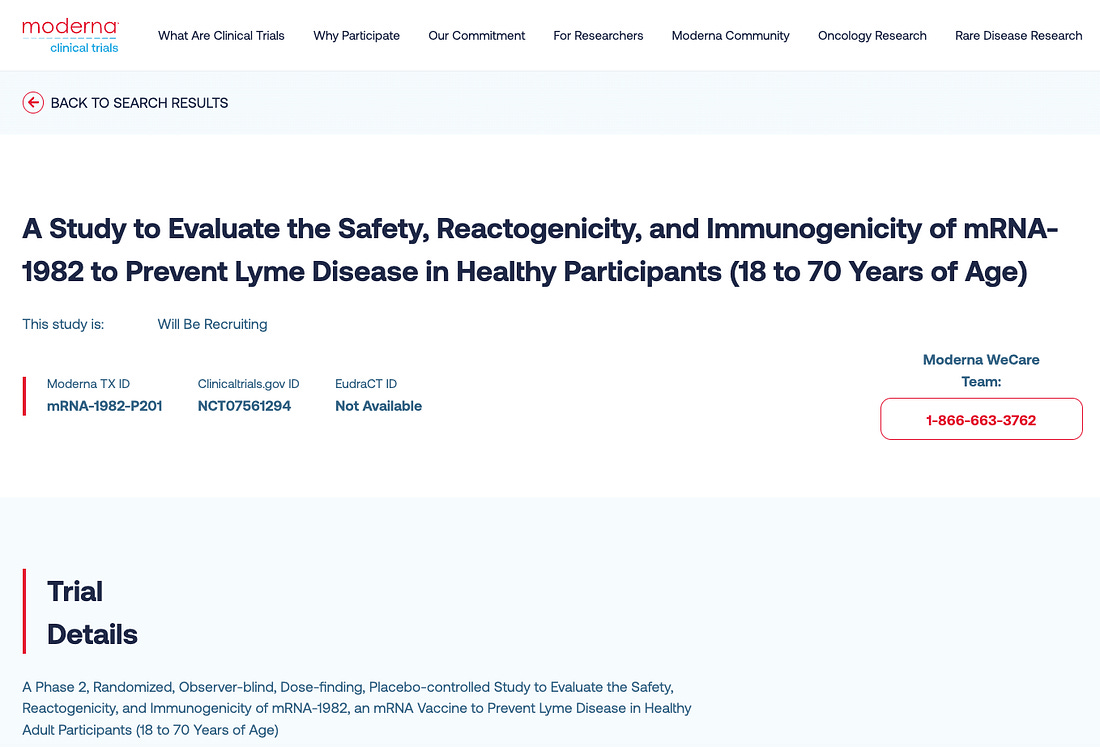
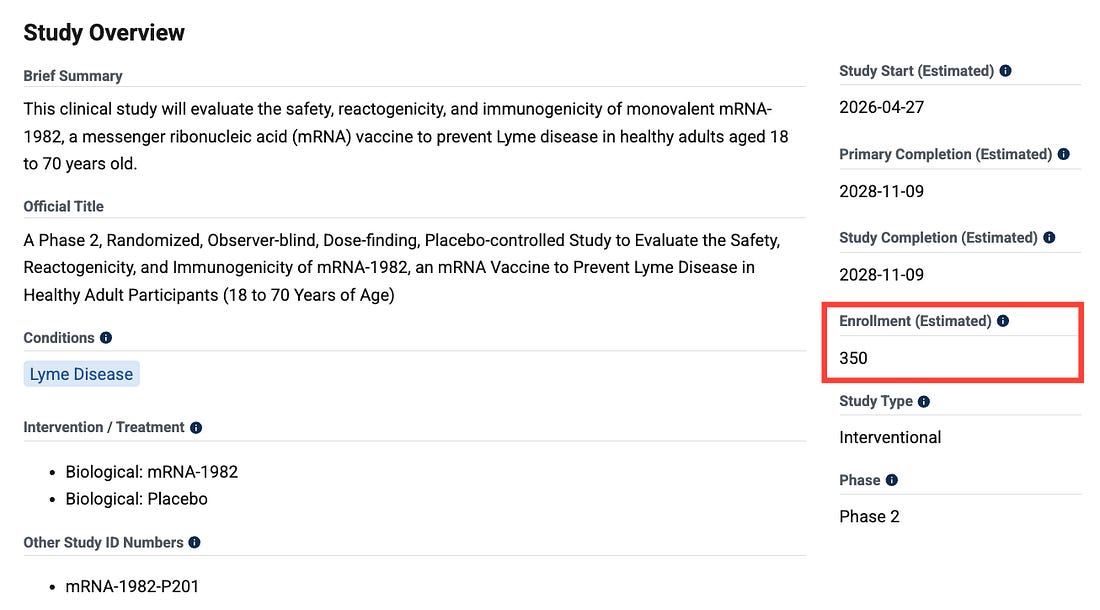
Moderna is preparing to inject approximately 350 people with an experimental mRNA Lyme disease shot as part of a newly listed Phase 2 human clinical trial, according to the company website and ClinicalTrials.gov.
The move comes after Pfizer revived a Lyme vaccine strategy tied to autoimmune arthritis concerns and lawsuits that contributed to the withdrawal of the only previous Lyme shot from the market.
The new Moderna candidate, mRNA-1982, will be evaluated in a randomized, placebo-controlled study involving healthy adults in Canada between the ages of 18 and 70.
The “1982” designation points to the year the Lyme-causing bacterium was formally identified and named, cementing Lyme disease as a defined tick-borne infection.
FDA Commissioner Dr. Marty Makary has asserted that Lyme disease “came from Lab 257 on Plum Island,” directly tying the origin of the illness to a U.S. government lab.
As of the latest update, the mRNA-1982 trial is not yet recruiting, despite an estimated start date of April 27, 2026.
Trial Structure
Participants will receive intramuscular injections of either the mRNA shot or a placebo under a sequential, dose-evaluation design.
The study includes both an initial dosing phase and a booster phase, with monitoring that tracks:
Local and systemic reactions within 7 days
Adverse events through 28 days
Medically attended and serious adverse events for up to 21 months
Target: Lyme-Linked Bacteria
The injection is designed to encode outer surface protein A (OspA), associated with Borrelia, the bacteria linked to Lyme disease.
The program reflects Moderna’s ongoing expansion of mRNA-based products beyond viral applications, like coronavirus, into bacterial targets.
Additional Candidate
Alongside mRNA-1982, the company is developing another Lyme-focused candidate, mRNA-1975, described as a heptavalent formulation intended to target multiple Borrelia serotypes.
Timeline
The Phase 2 study lists an estimated primary and overall completion date of November 2028.
The trial record does not indicate whether Moderna is testing whether vaccine-produced OspA proteins, mRNA, or related biological material can be packaged into extracellular vesicles and released from the body.
That omission matters because a 2021 Journal of Extracellular Vesicles study found that cells expressing a target protein can release extracellular vesicles that “carry” that protein, demonstrating that what is produced inside the body can be exported outside the cell in membrane-bound particles.
A separate 2023 Pharmaceutics review explains that exosomes are natural transport vesicles that carry proteins and nucleic acids throughout the body and are present in bodily fluids including blood, saliva, and other secretions—meaning they are not confined to the original cell or even the original location in the body.
Taken together, the literature establishes that biologically active material produced inside cells can be packaged into vesicles, circulate systemically, and exit the body through bodily fluids.
That raises a direct informed consent issue: whether an mRNA Lyme injection could result in the body producing OspA or other vaccine-related material that is then packaged into exosomes and shed outside the body—creating a potential pathway for transfer to others through close contact or exposure to bodily fluids.
The question is not just what happens inside the person receiving the injection, but whether what their cells are instructed to produce can leave their body and reach someone else.
Moreover, a January 2023 Nature Reviews Drug Discovery paper co-authored by Moderna scientists bluntly admits that avoiding “unacceptable toxicity” in mRNA vaccines remains a major challenge, warning that “lipid nanoparticle structural components, production methods, route of administration and proteins produced from complexed mRNAs all present toxicity concerns” and that the way these vaccines spread through the body can cause harm due to “cell tropism and tissue distribution… and their possible reactogenicity.”
You can contact Moderna here and ask whether the company has addressed these toxicity concerns.
You can also ask whether their Phase 2 Lyme mRNA trial is evaluating if they have confirmed whether or not vaccine-produced OspA proteins or mRNA are packaged into extracellular vesicles, whether those vesicles can enter bodily fluids, and whether any studies have assessed the potential for this material to be shed or transferred to other individuals—and if not, why those risks were not addressed before human injection.
Bottom Line
Moderna is moving ahead with injecting 350 people with an mRNA Lyme shot that turns the body into a producer of bacterial antigen, while failing to immediately address toxicity concerns or whether vaccine components and antigenic material can be packaged, circulated, and shed to others—an unresolved risk at the center of informed consent.




















Recent Comments