The Truth Is Out There

Posts tagged ‘biology’

AI Bioweapon Blueprints Could Be Ordered Through DNA Vendors—Screening Failed 75% of the Time: Journal ‘Science’


Microsoft-led study shows AI can design tens of thousands of toxin variants—including ricin and botulinum—that DNA company safety checks don’t catch, raising fears they could be purchased undetected.

A peer-reviewed Science study has revealed that artificial intelligence (AI) can design lethal toxin blueprints that slip past the safety systems used by DNA vendors—the very safeguards intended to stop bad actors from ordering genetic material for bioweapons.

Science published an article explaining the study’s findings, confirming: “DNA vendors typically use screening software to flag sequences that might be used to cause harm. But the researchers report that this software failed to catch many of their AI-designed genes—one tool missed more than 75% of the potential toxins.”

In simple terms, if someone today submitted an order to a gene synthesis company for one of these AI-designed toxin sequences, the system that’s supposed to block it would likely approve it.

The top gene synthesis companies with a major U.S. presence include Twist Bioscience, Integrated DNA Technologies (IDT), GenScript, Thermo Fisher Scientific’s GeneArt division, Azenta/Genewiz, ATUM (formerly DNA2.0), and Eurofins Genomics.


Twist Bioscience Spins ‘Leadership’ After Embarrassing Failure

In the wake of the Science revelations, one of the largest U.S. DNA synthesis companies, Twist Bioscience, rushed out a press release attempting to frame the debacle as proof of its “leadership” in biosecurity.

The company admitted the study was a “first-of-its-kind” red-team exercise showing that AI-designed toxins escaped detection by standard biosecurity screening software.

But instead of highlighting the alarming 75% failure rate, Twist described its role as “a proactive approach to safeguard public health, providing an example for other industries to follow.”

CEO Emily Leproust tried to reassure investors, insisting: “For known proteins and sequences, industry best practices for biosecurity screening are robust and highly effective. However, as AI capabilities evolve, screening practices must evolve just as quickly.”

That is the tell.

These screening systems only work against already-known toxins—the very ones that AI is now mutating into endless new forms.

In other words, the locks on the door are sturdy only if the burglar is polite enough to knock with a familiar key.

Microsoft’s own chief scientist Eric Horvitz admitted the problem plainly: “AI advances are fueling breakthroughs in biology and medicine, yet with new power comes the responsibility for vigilance and thoughtful risk management.”

The subtext is clear—these are weapons-grade blueprints, and the systems meant to stop them have failed.

Twist wants the public to believe that private “collaboration” with tech giants is enough to protect the world.

But the hard fact, buried beneath their press release optimism, is that the same study they co-authored proved their industry’s defenses could not prevent lethal toxin sequences from slipping through.

Instead of taking accountability, Twist shifted the narrative to “responsible innovation,” downplaying the reality that thousands of bioweapon blueprints could still be ordered undetected today.

How the Experiment Worked

The Science study was led by Microsoft bioengineer Bruce Wittmann.

“Wittmann and his Microsoft colleagues wanted to know what would happen if they ordered the DNA sequences that code for these proteins from companies that synthesize nucleic acids,” the article explains.

They designed more than 70,000 DNA sequences that mimicked notorious toxins like ricin, botulinum, and Shiga.

“Computer models suggested that at least some of these alternatives would also be toxic.”

Wittmann admitted: “The knowledge that I had access to, and stewardship over these proteins was, on a human level, a notable burden.”

Translation: with only AI tools, a single research team generated tens of thousands of potential bioweapon recipes—knowing some could be lethal if produced.

The Screening Failure

The group then tested whether DNA companies’ order-screening software would flag these toxin blueprints.

The results were devastating.

“The tools failed to flag many of these sequences as problematic. Their performance varied widely. One tool flagged just 23% of the sequences.”

That means nearly 8 out of 10 AI-engineered poisons could have been ordered and delivered without anyone noticing.

Even the most effective tool caught just 70%.

“One of the screening tools flagged 70% of the sequences, and its developer chose not to make any changes to improve the software.”

The others took months to quietly patch their systems.

“We were all very quiet about it,” said one expert quoted in the paper.

The ‘Fix’—But Still Failing

After upgrades, detection improved but remained incomplete.

“The systems flagged 72% of Wittmann’s AI-generated sequences, on average, including 97% of the sequences that models rated most likely to generate toxins.”

But that still leaves thousands of engineered toxin blueprints invisible to safeguards.

Even a 3% failure rate equals over 2,000 AI-generated poison sequences slipping through undetected.

A Gaping Hole in the Supply Chain

Even more alarming, the article confirms: “Some DNA vendors, accounting for perhaps 20% of the market, don’t screen their orders at all.”

That means nearly a quarter of global synthetic DNA sellers may approve any order, no questions asked.

Expert Warnings

Jaime Yassif of the Nuclear Threat Initiative said: “It’s just the beginning. AI capabilities are going to evolve and be able to design more and more complex living systems, and our DNA synthesis screening capabilities are going to have to continue to evolve to keep up with that.”

In other words: AI is moving faster than the safeguards.

Stanford researcher Drew Endy went further: “I wish people would wake up a little bit… Today, nations are accusing one another of having offensive bioweapons programs… This is the historical pattern that happened 100 years ago that led to actual bioweapons programs. We have to de-escalate this.”

That’s a blunt warning that this is not just about terrorists—it’s about governments running clandestine bioweapons labs.

What It Means

The authors did not physically manufacture the toxins.

“That would have required ordering the genes from DNA vendors and inserting them into bacteria or yeast to produce the proteins of interest. And doing so could be considered a violation of the Biological Weapons Convention,” the article explains.

But the point is clear: if Microsoft researchers could design and slip tens of thousands of toxin blueprints past DNA vendor safeguards, others could too—and they might not stop at the design stage.

Bottom Line

The Science paper proves the locks on the door of biosecurity are broken.

  • AI can mass-generate toxin blueprints.
  • DNA vendors’ screening software fails up to 75% of the time.
  • Some companies don’t screen orders at all.

The implications are stark: ordering DNA for a custom-made bioweapon may already be possible through legitimate commercial suppliers, and the public would never know until it was too late.

AI’s Frankenstein Phages: Designer Viruses to Slay Bacteria – But What If They Turn on Us All?


Oh, brother, if there’s one thing that screams “we never learn” louder than a lab leak cover-up, it’s the mad scientists firing up AI to cook up brand-new viruses designed to hunt bacteria like microscopic terminators – phages so novel they’ve never existed in nature, promising to zap superbugs but risking a rogue evolution that could spell doom for humanity. We’re talking September 2025 breakthroughs where bioengineers used generative AI to dream up synthetic bacteriophage genomes, slapped them into bacteria, and watched the critters replicate and kill E. coli in lab dishes like it’s no big deal. This isn’t sci-fi; it’s happening now, with revelations warning of “extreme caution” as these AI-born killers could mutate beyond control, turning a “cure” into a curse. America First means slapping the brakes on this hubris before it bites us – because labs are “secure” until they’re not, and playing God with viruses is a gamble we can’t afford.

The AI Phage Revolution: From Code to Killer

It all kicked off with advancements in 2023-2024, but the real bombshell dropped in September 2025 when researchers announced the world’s first fully AI-designed bacteriophages – viruses that infect and destroy bacteria – capable of replicating and slaying resistant strains like E. coli in tests. These aren’t tweaks to existing phages; they’re entirely new creations, with AI proposing genetic codes that scientists synthesized and inserted into host cells, watching the viruses assemble, burst out, and infect targets.

How does it work? AI analyzes massive datasets of phage genomes – like the 10,000 sequenced by 2024 – to predict sequences that bind to specific bacteria, then generates novel ones that nature never made. Once designed, labs synthesize the DNA, insert it into bacteria, and let the phages self-assemble, replicating to form armies that latch onto targets, inject their code, and burst the cells open – a precision kill without antibiotics’ broad wipeout. Effectiveness? Lab tests from September 2025 showed these AI phages wiping out resistant E. coli strains in hours, with success rates over 90% in controlled settings.

The Dark Side: Evolution Risks and Unintended Mayhem

But here’s the nightmare fuel – these designer viruses are uncharted territory, and we have zero clue how they’ll evolve once unleashed. Revelations from genome pioneers in September 2025 warn of “extreme caution,” noting that AI phages could mutate in the wild, jumping hosts or turning virulent like a bad sci-fi plague. Unlike natural phages that co-evolved with bacteria over eons, these lab-born beasts lack those checks – a single tweak could let them infect humans or animals, sparking outbreaks we can’t predict. Think COVID’s origins: Man-made viruses don’t play by nature’s rules, and with phages replicating in minutes, evolution could spin out of control faster than you can say “gain-of-function.

“Worse, they’re being touted as “precision medicine” for superbugs, but revelations from a November 25, 2024, study show AI tools already predicting phage efficacy for E. coli with 85% accuracy, paving the way for widespread use. By May 22, 2025, startups were deploying AI-designed lysins – proteins from phages that punch holes in bacterial walls – to kill multidrug-resistant infections, but full phages amp the risk – they could spread unchecked, mutating to target beneficial bacteria or worse.

Lab Safety: “Secure” Until It’s Not

Sure, these labs are “as safe as possible” – BSL-3 or 4 levels with airlocks, suits, and protocols – but revelations from a January 6, 2025, real-world study on adverse events remind us accidents happen, like the 2023 Wuhan whispers or U.S. lab mishaps in 2022 that released engineered bugs. No containment is foolproof – human error, earthquakes, or sabotage could release these AI phages, and once out, they’re self-replicating time bombs. A 2020 commentary warned of “postantibiotic era” risks, but AI speeds it up, with no way to “recall” a rogue virus. The left’s “trust the science” mantra rings hollow here – we never learn from past lab leaks, and these viruses put all humanity on the line.

America First rejects this hubris – why risk humanity for “designer” fixes when natural phages already exist? Polls from August 2025 show 58% of Americans distrust AI in biotech, with 65% fearing lab leaks. We never learn – from COVID to this – and it’s time to pull the plug before the monsters escape.

Pfizer and Moderna Distract With Reverse Transcription Debate at ACIP Meeting—Plasmid DNA Integration Is the Real Threat


The reverse transcription debate is a decoy, while the real risk is DNA fragments built to integrate into your genome.

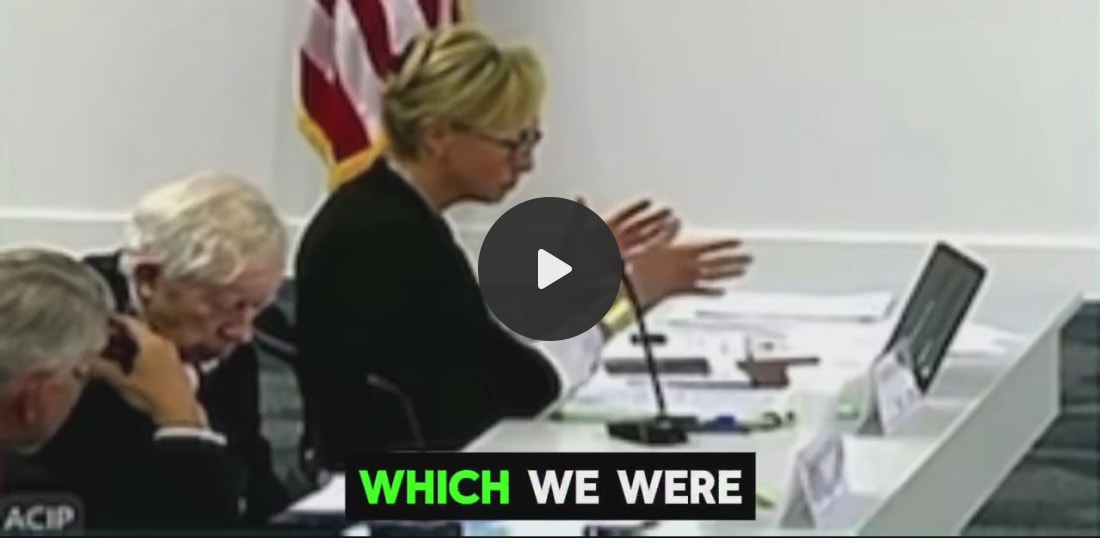
At the recent ACIP meeting, Dr. Evelyn Griffin rightly raised the alarm about mRNA reverse transcription—pointing to published studies showing nucleic acids in Pfizer’s mRNA COVID-19 shot can be integrated into human DNA, namely human liver cells under lab settings.

But Pfizer’s Dr. Kayvon Modjarrad quickly dismissed the concern:

“RNA cannot reverse transcribe to DNA [because that] requires a set of molecules and enzymes that don’t exist in humans and are largely reserved for retroviruses.”

Moderna chimed in, citing FDA reviews of “hundreds of millions” of doses and claiming “no indication of genotoxicity.”

The public was left thinking: case closed.

But this article will show that the real risk isn’t rare reverse transcription at all—it’s the integration of plasmid DNA contaminants into the human genome, a pathway every cell in the body is equipped to carry out.

Pfizer and Moderna are technically wrong that reverse transcription “can’t happen,” but they also know it’s rare—so they lean on that half-truth to keep the spotlight off plasmid DNA integration, which is far more likely and far more dangerous.

It’s a sleight of hand—a bait-and-switch.

Emergency room director Dr. Richard Bartlett told this website that the real scandal isn’t reverse transcription at all, but the hidden plasmid DNA contamination that provides the mechanism for Pfizer’s genetic code to be incorporated into human DNA and causes disease.

“Pfizer and Moderna are distracting from the smoking gun of plasmid DNA contamination in their COVID-19 mRNA shots,” Dr. Bartlett said. “In 2022, investigators worked with the information they had, but that information was not complete. The fact that Pfizer’s genetic code was incorporated into human host DNA is irrefutable. And the most likely mechanism that it got there is plasmid DNA, not mRNA reverse transcription. Pfizer knows this. Moderna knows this. They hid the damning information from investigators and doctors in 2022. That is why investigators misinterpreted DNA integration as reverse transcription. I am convinced that Pfizer’s genetic code found in human cells did not come from the mRNA, but from plasmid DNA contamination. This is catastrophic.”

You can watch a clip of the exchange, posted by Dr. Mary Talley Bowden, below:

The Bait-and-Switch

This is the inside baseball play: Pfizer and Moderna want the debate stuck on reverse transcription.

Why?

Because they can plausibly argue it’s rare.

The enzyme required for reverse transcription—LINE-1—is typically absent from the vast majority of human cells, with only modest expression detected in specialized cell types like epithelial cells, and higher activity mainly in tumors and with aging.

That makes reverse transcription possible, but not systemic.

They know this, and they exploit it.

But focusing there keeps eyes off the much bigger danger.

The study Dr. Griffin cited made the best assumption it could with the cherry-picked information the manufacturers released—but what it could not account for, because Pfizer and Moderna hid the evidence and still refuse to admit it, is the smoking gun: plasmid DNA contamination, the very mechanism by which foreign DNA can be incorporated into the human genome after injection, kept from researchers and the public and denying true informed consent.

Plasmids are routinely used in the industry to incorporate foreign DNA into host DNA.

The Bigger Threat: Plasmid DNA Integration

The COVID-19 mRNA shots are manufactured using DNA plasmids—the very genetic engineering tools designed to insert code into genomes.

By definition, plasmids are integration-competent.

They can stitch themselves into human DNA.

Independent labs have confirmed that Pfizer’s vials contain toxic levels of plasmid DNA.

  • French government-funded study led by Didier Raoult (Nov 2024) found 5,160 ng of plasmid DNA per dose—516 times higher than the FDA/EMA safety limit.
  • December 2024 peer-reviewed paper in Science, Public Health Policy & the Law found 227–334% more DNA contamination than WHO limits, including the cancer-linked SV40 promoter/enhancer.
  • A September 2025 peer-reviewed study in Autoimmunityconfirmed both Pfizer and Moderna’s shots are contaminated with billions to hundreds of billions of DNA fragments per dose—up to 627 times higher than FDA/WHO limits—with Pfizer uniquely carrying the SV40 promoter-enhancer, a cancer-linked sequence designed to drive foreign DNA into human cell nuclei.

This isn’t speculation.

The contamination is proven.

What’s Inside Pfizer’s Plasmid

Pfizer’s plasmid doesn’t just contain bacterial DNA and the SV40 cancer-promoting gene sequence.

It also carries three human gene fragments used as regulatory elements:

  • α-globin (blood/cardiovascular): regulates red blood cell gene expression.
  • AES/TLE5 (immune): regulates transcriptional control in immune pathways.
  • MT-RNR1 (neurological/mitochondrial): tied to mitochondrial function and neurological disorders.

An October 2023 Nature npj Vaccines paper confirmed these sequences are part of Pfizer’s design:

“Pfizer-BioNTech’s 5’ UTR sequence is derived from the human hemoglobin α-globin (HBA1) gene… For the 3’ UTR, the Pfizer-BioNTech vaccine combines one segment from a human mRNA encoding amino-terminal enhancer of split (AES) and another from mitochondrial 12 S rRNA (mtRNR1).”

These are not inert.

They are regulatory DNA codes.

Alignment With the Injury Signal

Here’s where it gets damning.

Two independent safety reviews (2022, 2024) found that serious adverse events after Pfizer’s mRNA shot cluster into three categories:

  • Cardiac/blood: myocarditis, clotting, thrombocytopenia.
  • Immune: anaphylaxis, hypersensitivity, autoimmune flares.
  • Neurological: Guillain–Barré, seizures, facial paralysis.

Pfizer’s own 5.3.6 safety report confirms the same triad:

  • 25,957 neurological events
  • 1,050 immune/autoimmune cases
  • 932 blood/hematological disorders

Now line it up:

  • Plasmid fragment: α-globin → blood
  • Plasmid fragment: AES/TLE5 → immune
  • Plasmid fragment: MT-RNR1 → neurological

The plasmid blueprint and the injury clusters align perfectly—making the case plain without muddying the waters with debates over mRNA reverse transcription.

In other words, the match between Pfizer’s plasmid design and the injury clusters is exact, and it stands on its own—no need to get lost in the reverse transcription smokescreen.

Every Cell Has the Machinery

Unlike reverse transcription, which relies on rare LINE-1 enzymes, plasmid DNA doesn’t need anything special.

Every human cell carries DNA repair systems—like Non-Homologous End Joining (NHEJ)—that can integrate foreign DNA into chromosomes.

These pathways are active everywhere because they’re required for basic genome maintenance.

That means plasmid integration is not rare.

It’s possible in virtually every cell.

The Silence Is Deafening

Pfizer and Moderna keep ACIP fixated on reverse transcription—a long shot they can safely dismiss—while saying nothing about plasmid DNA contamination, which is systemic and inescapable.

And yet their own blueprint, their own fragments, and their own safety data all point to the same conclusion: integration risk matches the injury signal.

Bottom Line

  • Reverse transcription is real but rare.
  • Plasmid DNA integration is universal—all cells have the machinery.
  • Pfizer’s plasmid carries human DNA fragments regulating blood, immune, and neurological systems.
  • Those are the exact systems showing up in serious vaccine injuries, confirmed by independent reviews and Pfizer’s own report.

This is not coincidence—it’s alignment.

The unavoidable question is whether Pfizer’s plasmid design itself is driving the blood, immune, and neurological injuries dominating the safety signal.

Until regulators investigate, the only responsible course is to pull these shots from the market.

That’s why the focus must shift off the apparently rare possibility of mRNA reverse transcription and onto the far greater danger—plasmid DNA integration—a risk built into every cell and written into Pfizer’s own blueprint.

COVID-19 mRNA Shot Plasmids Contain 3 Human DNA Segments Capable of Integrating Into the Human Genome—Matching 3 Main Post-Vaccine Side Effect Categories


Pfizer’s plasmid carries human DNA fragments regulating blood, immune, and neurological functions—the very systems most often harmed after injection, suggesting the blueprint may cause the injuries.

The COVID-19 mRNA vaccines are built using DNA plasmids.

By definition, plasmids are integration-competent DNA molecules—they are the very tools genetic engineers use when they want to insert new code into a genome.

In other words, plasmids can integrate into human DNA.

Independent labs have confirmed that residual plasmid DNA fragments remain in Pfizer’s finished vaccine vials.

A French government-funded study led by Dr. Didier Raoult (Nov 2024) confirmed that Pfizer’s vaccine contains 5,160 ng of plasmid DNA per dose—516 times higher than the FDA and EMA’s safety limit of 10 ng.

The contamination included sequences from the vaccine’s manufacturing plasmid such as a bacterial origin of replication, a kanamycin resistance gene, and an SV40 initiation factor—a sequence historically linked to oncogenesis (the process of tumor formation or the induction of tumors).

A December 2024 peer-reviewed study in Science, Public Health Policy and the Law found that Pfizer’s COVID-19 shot contained 227–334% more DNA contamination than WHO limits, including the cancer-linked SV40 promoter/enhancer sequence, and urged an immediate moratorium on mRNA vaccines.

As the article reveals:

  1. These residual plasmid DNA fragments carry three human genetic sequences.
  2. And the systems those sequences regulate—blood/cardiovascular, immune, and neurological—are exactly the same systems most often injured after the shot.

Meaning the very blueprint Pfizer used to mass-produce its mRNA shot is built from human DNA control codes—and the same biological systems those codes regulate are the ones showing up again and again in the most serious vaccine injuries.

The unavoidable question is whether this overlap is accidental—or whether regulators have ignored the possibility that Pfizer’s plasmid design itself is contributing to the very injuries now dominating the safety signal.


Peer-Reviewed Evidence on Adverse Events

The 2022 Systematic Review

A 2022 systematic review published in Archives of Academic Emergency Medicine synthesized 74 published studies on COVID-19 mRNA vaccine adverse events.

Severe AEs were classified into five groups: cardiac, allergic/immune, neurological, pregnant, and immunocompromised.

Among these, the majority of serious AEs were cardiac, immune, and neurological.

The review concluded: “Most of the reported severe adverse events were related to cardiac events,” and emphasized that allergic/immune and neurological complications also dominated the literature.

The 2024 Review

A 2024 review in Pharmacology Research & Perspectives confirmed the same pattern.

It found that the main serious adverse events reported after COVID-19 vaccination were:

  • Cardiac: myocarditis, pericarditis, tachyarrhythmias, clotting disorders—with highest risk after Pfizer in young men.
  • Immune/allergic: anaphylaxis, hypersensitivity, immune dysregulation linked to lipid nanoparticles and PEG.
  • Neurological: Guillain–Barré Syndrome, Bell’s palsy, cerebral venous sinus thrombosis, seizures, neuroinflammation.

The authors stressed these three categories as the primary clusters of serious outcomes in both clinical and post-marketing data.

What’s Inside Pfizer’s Plasmid

Pfizer’s vaccine is produced from a DNA plasmid template.

That plasmid doesn’t just contain bacterial sequences.

It carries human untranslated regions (UTRs) said to be chosen to stabilize the synthetic RNA and make it behave like a high-output human transcript.

These include:

  • α-globin 5′UTR (blood/cardiovascular): In native biology, the 3′UTR of α-globin is the canonical stabilizer of mRNA during red blood cell development. But researchers have shown that the α-globin 5′UTR can be repurposed in synthetic constructs to boost translation efficiency in mammalian cells. In either case, the sequence is drawn from human blood biology, tying the plasmid design to the cardiovascular system — the single strongest AE signal.
  • AES/TLE5 3′UTR fragment (immune system): The AES/TLE5 gene family encodes transcriptional co-repressors involved in various developmental and signaling pathways, including immune functions. Its 3′UTR fragment was selected in mRNA engineering screens for its ability to extend RNA half-life and increase protein yield. By making spike RNA persist longer and produce more antigen inside antigen-presenting cells, this sequence indirectly drives heightened immune activation. That aligns directly with the allergic/immune AE category flagged in safety reviews.
  • MT-RNR1 fragment (neurological): MT-RNR1 encodes the mitochondrial 12S rRNA, essential for mitochondrial protein synthesis. Variants in MT-RNR1 are linked to hearing loss, drug-induced ototoxicity, and neurological mitochondrial syndromes. While MT-RNR1 is not an mRNA and lacks a natural 3′UTR, researchers have repurposed fragments of it in synthetic mRNA technology as stabilizers to enhance RNA persistence and translation. Its inclusion in Pfizer’s plasmid therefore borrows from a gene with direct neurological relevance, aligning with the neurological AE category consistently documented after vaccination.

The presence of these three human genetic sequences is confirmed in an October 2023 Nature npj Vaccines publication:

“Pfizer-BioNTech’s 5′ UTR sequence is derived from the human hemoglobin α-globin (HBA1) gene, an efficient expressor… For the 3′ UTR, the Pfizer-BioNTech vaccine combines one segment from a human mRNA encoding amino-terminal enhancer of split (AES) and another from mitochondrial 12 S rRNA (mtRNR1).”

This means it is not speculation—Pfizer’s own blueprint borrows directly from human blood, immune, and neurological genes.

And these happen to be the very systems most often injured in patients.

By their nature, these fragments are regulatory code.

If plasmid DNA fragments enter the nucleus of human cells, they are integration-competent and capable of altering gene regulation.

That means the very systems from which these sequences were borrowed—blood, immune, and neurological—could be dysregulated.

The Overlap No One Wants to Talk About

  • Adverse events: Independent reviews in 2022 and 2024 both concluded that the dominant serious side effects after Pfizer’s mRNA shot are cardiac, immune, and neurological.
  • Plasmid design: Pfizer’s plasmid carries human DNA fragments that regulate blood, immune, and neurological systems.
  • Plasmid nature: By definition, plasmids are capable of genomic integration.

This isn’t coincidence.

It’s alignment.

The design choices in Pfizer’s plasmid template mirror the very domains where the worst vaccine injuries concentrate.

Evidence of Plasmid DNA Integration

Independent researchers have already presented evidence that vaccine-derived plasmid DNA can integrate into human cells.

  • Nature Scientific Reports Study (2023): A peer-reviewed paper demonstrated that when linear DNA fragments were introduced into human cells, between 1–10% of the transiently transfected cells became stably transfected, and in some constructs integration reached 10–20%. Junction sequencing confirmed the foreign DNA had been incorporated into the host genome. The authors concluded: “All of the forms of linear DNA resulted in a high fraction of the cells being stably transfected—between 10 and 20% of the initially transfected cells”
  • Kevin McKernan’s Study (2024): In February 2024, McKernan and colleagues published a preprint showing that plasmid DNA from Pfizer’s mRNA vaccine (BNT162b2) integrated into the genome of human ovarian cancer cell lines (OVCAR3) in vitro. Using qPCR and DNA sequencing, they detected plasmid-specific sequences—including the spike gene and SV40 cancer promoter (yes, that’s in the plasmids, too)—persisting in the genomic DNA of exposed cells, indicating integration. Importantly, this was shown in a cancer cell line, not normal human cells, and there is no direct in vivo evidence in humans. The study demonstrates integration in this controlled lab model but does not prove it occurs in vaccinated people.
  • Phillip Buckhaults’ Findings (2024). McKernan’s warning was later echoed by Dr. Phillip Buckhaults, a cancer genomics expert at the University of South Carolina. In November 2024, Buckhaults presented results from normal human epithelial stem cells (colon organoids) exposed to mRNA vaccines. Using qPCR, his lab detected persistent plasmid DNA sequences—including the spike gene, SV40 promoter, and NeoKanR gene—in the genomic DNA of these cells one month later. This evidence of integration in non-cancerous cells addressed the main criticism of McKernan’s earlier study.
  • Intracellular Reverse Transcription Study (2022). A peer-reviewed paper in the Journal of Genetics and DNA Research found that Pfizer’s mRNA vaccine (BNT162b2) was reverse transcribed into DNA inside human liver cells (Huh7) within 6–48 hours of exposure. This study was said to deal with the vaccine’s mRNA component rather than plasmid contamination, but it reinforces the principle that nucleic acid from the shot can be copied into DNA inside human cells—complementing the plasmid integration evidence reported later.
  • Mechanistic Review on Genome Integration (2022). A review in the Journal of Neurological Disorders (Kyriakopoulos, McCullough, Nigh, Seneff) outlined plausible pathways for mRNA vaccine sequences to integrate into the human genome, citing LINE-1 retrotransposons and polymerase θ as mediators. The authors noted that spike-induced DNA damage and engineered mRNA stability (via methylpseudouridine and long poly(A) tails) may increase the likelihood of integration during DNA repair. While not experimental proof, the review concluded that genome interference by vaccine mRNA is “more than a theoretical possibility.”

Together, these findings underscore that integration is not just a hypothetical risk.

Published studies and independent genomic analyses now show plasmid DNA from COVID-19 mRNA vaccines can, under certain conditions, insert into human DNA.

Bottom Line

This is not claiming causation.

What it is showing is an investigative match:

  • Three human DNA sequences in the plasmid → blood, immune, neurological regulation.
  • Two independent peer-reviewed reviews (2022, 2024) → cardiac, immune, neurological injuries are the main serious AEs.

When the blueprint and the outcome line up this closely, the question is not whether the overlap exists.

It does.

The question is why no regulator has demanded a forensic accounting of whether integration of these human DNA fragments is occurring in patients—and whether this design is partly responsible for the most serious injuries tied to Pfizer’s COVID-19 vaccine.

And we don’t even know the full picture—because Pfizer has never publicly disclosed the complete plasmid sequence, leaving unanswered what other genetic elements may have been built into the blueprint.