The Truth Is Out There

Posts tagged ‘cancer’

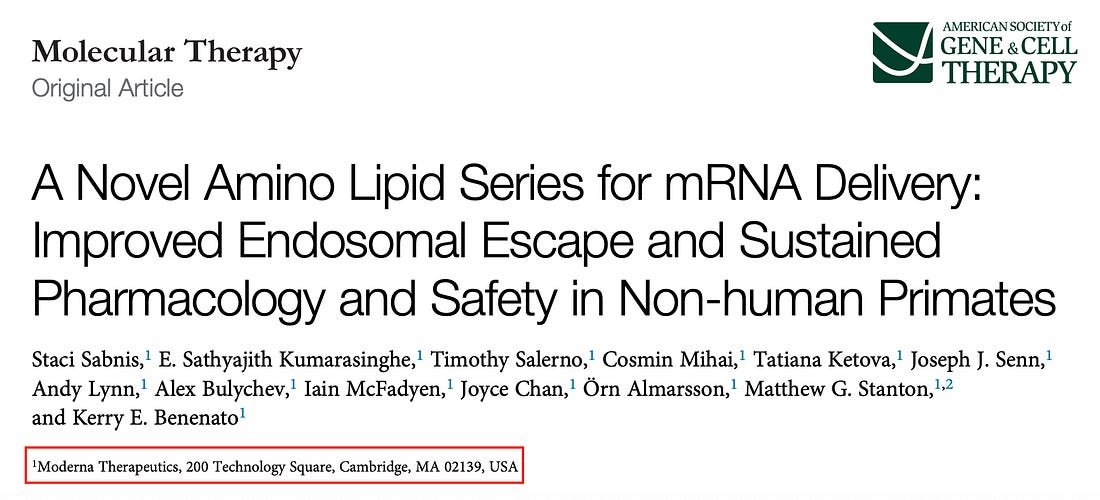
Moderna Knew in 2017 That Its mRNA Vaccine Lipid Nanoparticles Enter the Bloodstream and Accumulate in the Liver, Spleen, Kidneys, Heart, and Lungs: ‘Molecular Therapy’ Journal


Two whole years before the COVID-19 pandemic during which billions were injected with LNP-containing vaccines, raising informed consent concerns.
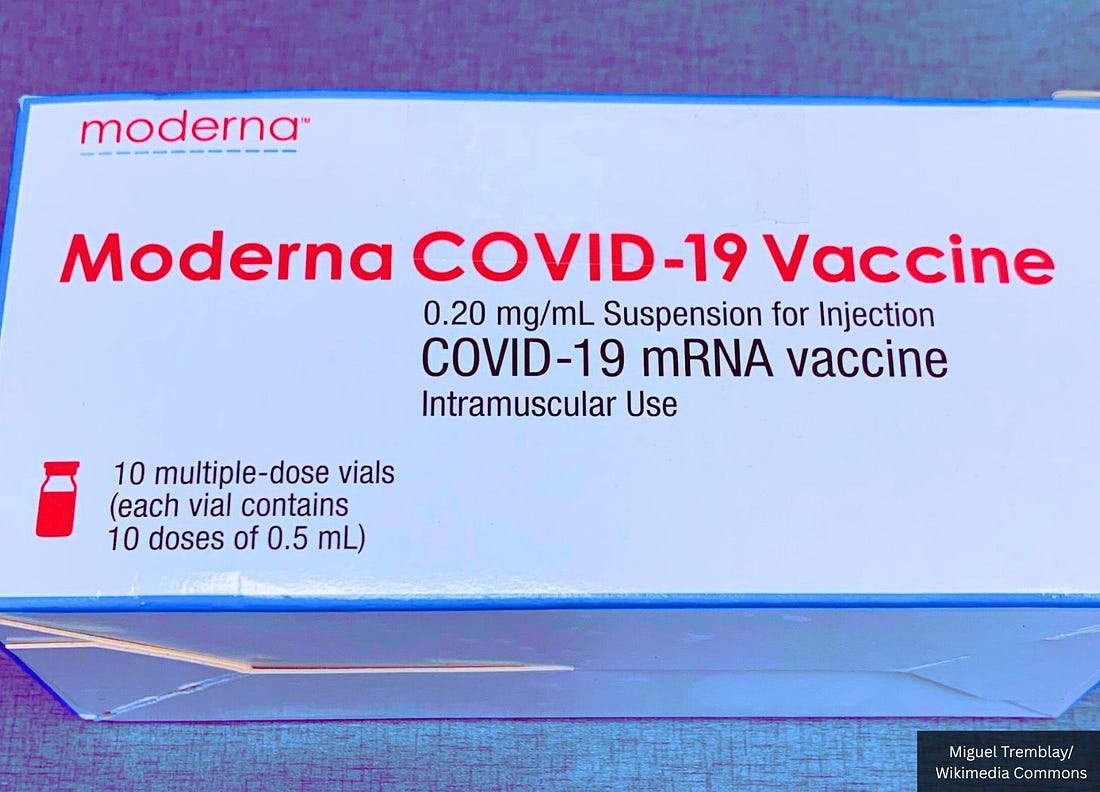
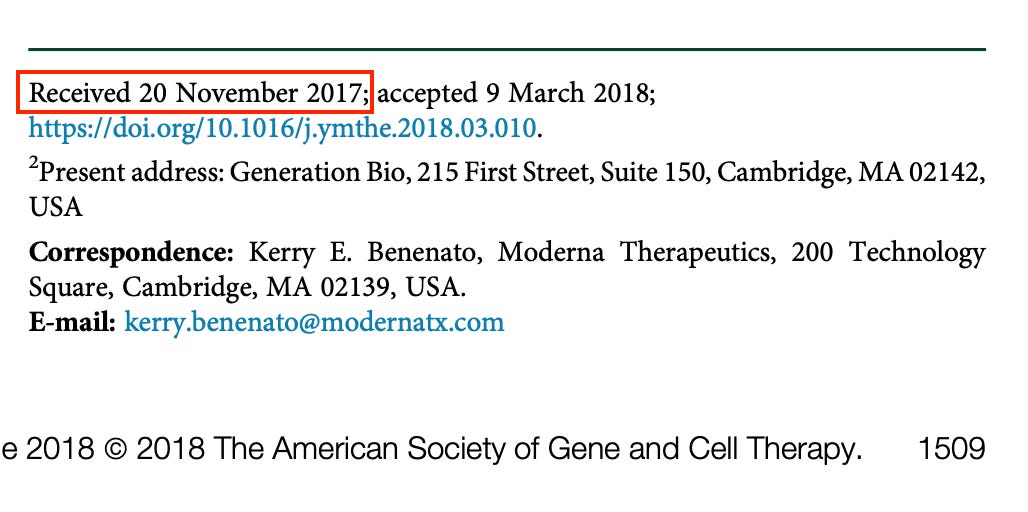
Moderna submitted data in November 2017 proving their mRNA vaccine lipid nanoparticles (LNPs) accumulate in mammalian liver, spleen, plasma (blood), kidneys, heart, and lungs—the same technology Moderna and Pfizer later used in billions of COVID-19 doses.

No one who lined up for those shots was ever told—let alone asked to consent—that the lipid nanoparticles carrying the mRNA would traffic through their blood and into their vital organs.

The LNPs were shown to reach major organs and enter the bloodstream within 1 hour.

The particles persisted in those tissues at least 24–48 hours (the Moderna study didn’t track LNP distribution past 2 days), with accumulation when repeatedly dosed.

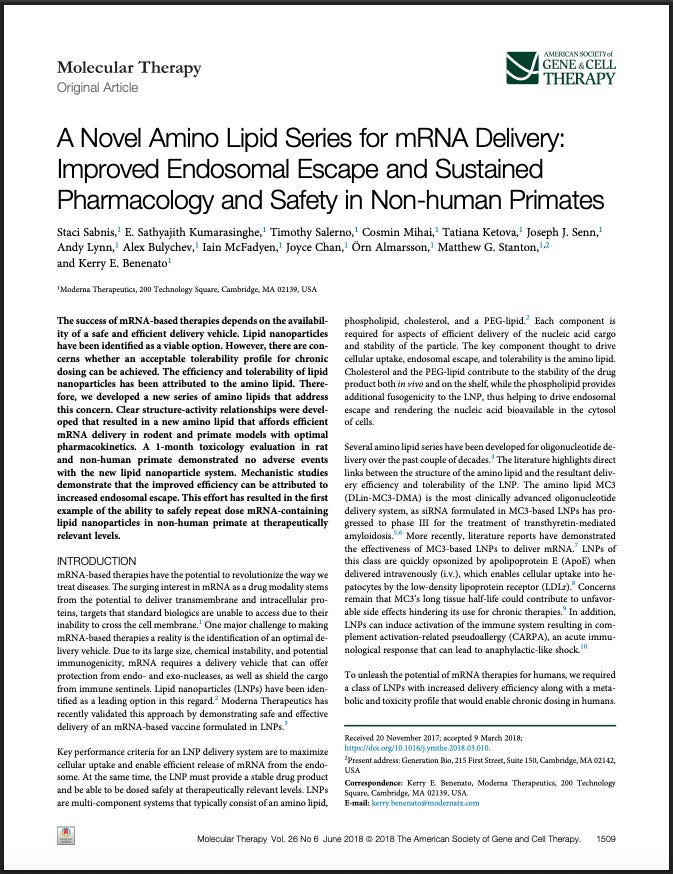
In November 2017, two years before the COVID-19 pandemic, Sabnis et al. submitted biodistribution data regarding Moderna’s mRNA-1325 Zika vaccine, received by Molecular Therapy journal.

The authors were Moderna’s own scientists.

Main (1)1.63MB ∙ PDF file
Download

The study confirms Moderna’s LNPs—called MC3 (DLin-MC3-DMA)—ended up in mammalian liver, spleen, blood, kidney, heart, and lung:

“Following dosing with MC3 LNPs, lipid was detected in liver, spleen, plasma, kidney, heart, and lung, with liver and spleen containing the largest concentrations. Accumulation of MC3 was observed after each dose. Liver and spleen had the highest levels of lipid 5, however, significantly lower levels than MC3. Lipid 5 was also detected in plasma, lung, and kidney, but not in heart.”

A January 2023 Nature Reviews Drug Discovery paper co-authored by Moderna scientists bluntly admits that avoiding “unacceptable toxicity” in mRNA vaccines remains a major challenge, warning that “lipid nanoparticle structural components, production methods, route of administration and proteins produced from complexed mRNAs all present toxicity concerns” and that the way these vaccines spread through the body can cause harm due to “cell tropism and tissue distribution… and their possible reactogenicity.”

Nevertheless, back in July of this year, the FDA approved the supplemental Biologics License Application (sBLA) for Spikevax®, Moderna’s LNP-containing COVID-19 vaccine, in children 6 months through 11 years of age.

The current head of the FDA is Dr. Martin A. Makary, who was confirmed as Commissioner of Food and Drugs in March.

And now, with their own 2017 biodistribution data in hand, there is no escaping the obvious: Moderna knew exactly where these nanoparticles were going in the body—and they rolled them out to the world anyway.

With repeat blessings from the FDA.

627 Times More Plasmid DNA Contamination in COVID Shot Than FDA/WHO Safety Limit—Hundreds of Billions of Fragments Per Dose: Journal ‘Autoimmunity’


New study confirms Pfizer jab contains SV40 cancer promoter.

Jon Fleetwood/Substack

Sep 06, 2025

A new peer-reviewed study published today in Autoimmunity has confirmed that both Pfizer-BioNTech and Moderna’s mRNA COVID-19 injections are contaminated with enormous quantities of DNA fragments—billions to hundreds of billions per dose—with Pfizer’s product uniquely containing the SV40 promoter-enhancer, a viral genetic element long associated with cancer concerns.

The study was authored by Dr. David J. Speicher, Dr. Jessica Rose, and Dr. Kevin McKernan.

The startling findings come as Pfizer’s own confidential safety data show serious injuries clustering in blood, immune, and neurological systems—the exact three human DNA fragments built into its vaccine plasmid, raising the possibility that plasmid integration is driving the very harms now dominating the safety signal.Subscribe

Share Jon Fleetwood


Residual DNA Found in Every Vial Tested

The contamination was not limited to a few batches.

The authors make it plain:

“Residual DNA was detected in all 32 vaccine vials surveyed.”

Every single dose they tested had measurable DNA contamination.

Levels Exceed FDA & WHO Limits by Up to 627-Fold

The FDA and WHO set a maximum limit of 10 ng of DNA per dose.

These vaccines blew through that ceiling:

“Using fluorometry coupled with RNase A digestion, all products tested exceeded the guidelines for residual DNA set by the FDA and WHO of 10 ng/dose by 36–627-fold.”

Translation: These vaccines didn’t just skirt the limit—they shattered it, with up to 627 times more DNA than allowed.

Pfizer Contains SV40 Promoter—Linked to Gene Activation & Cancer

One of the most alarming discoveries: only Pfizer vials contained the SV40 promoter-enhancer, a sequence designed to push DNA into cell nuclei and drive gene expression.

“The SV40 promoter-enhancer-ori (0.25–23.72 ng/dose) was only detected in Pfizer vials.”

The SV40 promoter is not an inert bystander—it’s a nuclear targeting element used in gene therapy and flagged in past studies as tumorigenic.

This means Pfizer doses deliver cancer-linked viral DNA elements directly into patients’ cells, wrapped in lipid nanoparticles.

Billions to Hundreds of Billions of DNA Fragments Per Dose

This isn’t just a little DNA dust.

We’re talking staggering numbers:

“These data demonstrate the presence of 1.23 × 10^8 to 1.60 × 10^11 plasmid DNA fragments per dose encapsulated in lipid nanoparticles.”

That’s hundreds of billions of DNA molecules in each injection, not floating free but packaged in lipid nanoparticles designed to deliver genetic material into human cells.

Pfizer’s DNA Exceeds Limits in Multiple Lots

While Moderna’s DNA fragments stayed within FDA limits by qPCR, Pfizer repeatedly broke through:

“When tested by qPCR, all Moderna vials were within the regulatory limit, but 2/6 Pfizer lots (3 vials) exceeded the regulatory limit for the SV40 promoter-enhancer-ori by 2-fold.”

So Pfizer’s contamination isn’t hypothetical—it’s verified above-regulatory limits.

DNA Fragments Are Protected, Not Degradable

If these were just naked DNA fragments, they’d be destroyed quickly.

But because they’re wrapped inside lipid nanoparticles, they’re shielded from breakdown and can enter cells efficiently.

The authors stress:

“This study emphasizes the importance of methodological considerations when quantifying residual plasmid DNA in modRNA products, considering increased LNP transfection efficiency, and cumulative dosing presents significant and unquantified risks to human health.”

Layman’s terms: these DNA fragments are protected, designed to get into your cells, and regulators never accounted for that risk.

Authors’ Warning

In their conclusion, the authors reaffirm the data “demonstrate the presence of billions to hundreds of billions of DNA molecules per dose in the modRNA COVID-19 products tested.”

They warn that current safety guidelines are outdated and must be revised, urging replication of their findings under strict forensic conditions.

“Our findings extend existing concerns about vaccine safety and call into question the relevance of guidelines conceived before the introduction of efficient transfection using LNPs. With several obvious limitations, we urge that our work is replicated under forensic conditions and that guidelines be revised to account for highly efficient DNA transfection and cumulative dosing.”

The scientists stress that regulators must follow the precautionary principle, prove safety with transparency, and fully disclose how these products are made.

“This work highlights the need for regulators and industry to adhere to the precautionary principle and provide sufficient and transparent evidence that products are safe and effective, and disclose the details of their composition and method of manufacture.”

Bottom Line

Pfizer and Moderna’s COVID-19 vaccines were found to contain massive amounts of residual DNA—far above regulatory thresholds—with Pfizer uniquely contaminated by SV40 promoter-enhancer sequences.

These DNA molecules are packaged in lipid nanoparticles that maximize cell entry, raising the specter of genome integration, cancer risk, and long-term genetic damage.

The authors—Speicher, Rose, and McKernan—are clear: regulators need to reassess DNA safety limits in light of lipid nanoparticle delivery and cumulative dosing, something never done before these products were unleashed globally.