Because the GOP is now on an irreversible path to populism.
Meaning the uniparty is no longer a done deal. Its schemes are now out in the open for democratic debate.
Where they will lose.
Libertarian economist Murray Rothbard actually dreamed of this 30 years ago: A pro-freedom firebrand populist who skips the elite and speaks directly to the people.
Donald Trump pulled it off.
Trump’s Revolution
Donald Trump has just pulled off one of the greatest upsets in American political history, facing an assembled army of nearly every institution, every corporation, every lever of power and public opinion from Big Tech to Hollywood to the news media.
He won because he masterfully converted an elite-dominated GOP into a grassroots populist movements that finally speaks to the American people.
In contrast, Dems stuck with the uniparty script, appealing to donors, corporations, the financial elite, and our ruling bureaucracy.
Voters were ready. Because when the pendulum swings a little bit and you’ve got controlled opposition, the reaction is regime apologists like Mitt Romney and John McCain.
But when the pendulum swings a lot and you’ve built a grassroots movement, you get Donald Trump.
Rothbard’s Grassroots Populism
My favorite economic historian Murray Rothbard actually dreamed of this 30 years ago in an essay called A Strategy for the Right.
Rothbard goes through the effete opposition of post-FDR establishment conservatives, who wasted decades doing cleanup for the left’s revolution.
As Michael Malice put it, establishment conservatives were progressives going the speed limit.
This, of course, is the famous uniparty.
According to Rothbard, instead of cleanup, we need a populist firebrand who can unite small-government economic and social conservates to hack the federal government to oblivion — what they take, what they spend, what they control.
For Rothbard, this means engagement in the culture wars, in kitchen-table economic issues, reaching out to form alliances with fellow travelers of either party.
Rothbard stressed intellectual guerilla warfare, talking directly to the people. Not using universities to influence the elite but going directly to voters on issues they actually care about, demystifying and delegitimizing state power.
Above all, talking to the working-class, who are both the most patriotic and the most skeptical of faculty-lounge leftism.
Trading the Bowtie for the McDonald’s Apron
In short, Rothbard advocated trading the pipe and bowtie of elite engagement for the McDonald’s apron.
That is Trump.
The firebrand style. The war on woke. Alliances with fellow travelers from RFK to Tulsi to former Democrats Elon Musk and Joe Rogan.
Trump treated the universities — indeed, the entire left-wing intellectual elite — with utter disdain.
And they still hate him for it.
Contrast with a Mitt Romney who deeply cares about getting invited to the good cocktail parties.
Trump, instead, gave them the middle finger.
And he loved every minute of it.
Trump has converted Republicans forever into exactly what Rothbard dreamed of: A grassroots, people-first movement, not an errand-boy for the left-wing elite.
Republican *politicians, of course, are a work in progress: Congress rigs the rules so once you’re in you stay in. So it’s a slow process replacing obsolete RINO’s with America-First Republicans.
Still, politics is the art of finding a parade and getting in front of it, and 95% of Republicans just chose Trump.
So the politicians will evolve or they’ll be replaced
What’s Next
Donald Trump has vindicated Rothbard’s dream of a grassroots populist movement speaking directly to both economic and cultural conservatives.
He has forever transformed the Republican electorate into populists who will, with time, transform the entire party.
Over time, that new populist GOP will cripple the elite uniparty that’s spent a century crippling America.
This would transform our elections from uniparty play-fight into true contests of people versus elite. As they used to be before the Progressives seized both parties in the 1910’s.
Dare we dream, if the new populist GOP succeeds, even the Democrat party will question its loyalty to an elite rather than the people they serve.
That means we could be on the first steps towards liberating both parties — and therefore the nation — from the elites who have tried their best to gut this country.
Failed presidential candidate Kamala Harris admitted on Wednesday that she knew every single attack she launched against President-Elect Donald Trump and his presidency was a bald-faced lie.
More than twelve hours after Trump delivered a stunning blow to the regime and swept both the popular vote and Electoral College, Harris took the stage at Howard University to begrudgingly concede. She could have conceded in the wee hours of the morning, but that would have required showing up when it mattered — something she clearly doesn’t do (see her disastrous handling of Afghanistan).
But it wasn’t her hollow speech about “unity” and “joy” that stood out. It was the moment she openly confessed to spreading egregious falsehoods about Trump for months, all in a desperate attempt to sway the election.
“To the young people that are watching, it is okay to feel sad and disappointed,” Harris said. “But please know it’s going to be okay.”
It’s going to be okay?
How can it be okay when Harris told us that her opponent is a fascist? She said a Trump victory would be “dangerous” and a “huge risk for America.” Harris claimed that Trump “wants to send the military after American citizens” and that “he is out for unchecked power.” She painted him as an existential threat to “democracy” itself.
But now it’s “going to be okay”?
The truth is, it’s easy for her to say that “it’s going to be okay” because it will be okay. And it will be okay because everything Harris said was just a lie. The attacks, the smears, the fearmongering — it was nothing more than a political stunt designed to scare voters into supporting her because her policy positions weren’t enough to drag her across the finish line.
Harris banked her entire electoral victory on her supporters being ignorant about who Trump really is and what his presidency could achieve. And now, after losing, she can admit the truth — but it’s too little too late. Her divisive rhetoric, alongside the hate-filled narrative pushed by her party and the propaganda press, did more than just tarnish Trump’s reputation — it demonized half the country. It fostered an atmosphere of hate that contributed to the first two assassination attempts against Trump.
But now she wants to say it’s “going to be okay”?
Sure, things will be okay — thanks to Trump’s leadership and America-first policies. But the damage Harris did by stoking division, fear, and hatred for political gain will never be “okay.”
After spending at least $50 million in tax dollars to bring two unprecedented indictments against Donald Trump, Special Counsel Jack Smith should get his turn under prying eyes.
Jack Smith lurched into a Washington courtroom in September, fully aware all eyes had turned to him.
Declassified with Julie Kelly is a reader-supported publication. To receive new posts and support my work, consider becoming a free or paid subscriber.
Surrounded by a team of federal prosecutors and guarded by a government-paid security detail, Smith, a lanky man with a scruffy beard and ill-fitting suit, stood behind the government’s table with arms folded. He slowly turned around with a partial scowl to appraise the audience—mostly reporters and D.C. residents eager to watch the restart of his January 6-related case against Donald Trump—to make sure he was noticed. He did not speak during the proceedings.
That appearance, perhaps unbeknownst to him at the time, looks like Smith’s last time in a federal courtroom as the special counsel prosecuting Trump. Citing Department of Justice rules that prohibit the prosecution of a sitting president, Smith reportedly is working with his bosses at the DOJ to figure out how to drop both the D.C. case and the classified documents in case in Florida; Smith has appealed Judge Aileen Cannon’s order dismissing the indictment based on the special counsel’s unconstitutional appointment.
The move represents another political fatality tied to Trump’s resounding victory on Tuesday. It also represents another humiliating defeat for the man the media portrayed as a steely war-crimes prosecutor plucked off a high profile international trial at the Hague by Attorney General Merrick Garland in November 2022 to finally realize a longtime DOJ dream: put Donald Trump behind bars.
Stone Cold Loser Loses Again
But the hagiography about Smith—reporters swooned over the silent-type injured triathlete, even covering his stop at a DC sandwich shop in 2023 as “breaking news”—never matched his record. The Supreme Court in 2016 unanimously vacated the bribery conviction of former Virginia Governor Robert McDonnell, a case brought by Smith when he led the DOJ’s public corruption office during the Obama administration. Following Smith’s appointment, McDonnell told Mark Levin that Smith would “rather win than get it right.”
Smith, however, usually does neither. In fact, his prosecutorial resume is a long list of courtroom losses, which makes one wonder why Garland chose him for the job. (More here).
Smith failed to win a single conviction in his prosecution of former Senator John Edwards on campaign finance charges in 2012. One DOJ watchdog group slammed Smith for using an “overly aggressive approach” in pursuing Obama’s 2008 Democratic primary rival and for relying on a “novel interpretation of campaign finance laws” to put Edwards behind bars.
It is an approach he repeated in his two unprecedented criminal indictments of Trump. The four counts in his J6-related case rely on vague conspiracy and obstruction statutes; two of the charges involve 18 USC 1512(c)(2), the post-Enron tampering with documents statute. In June, the Supreme Court reversed how the DOJ had applied that law in hundreds of January 6 cases and the court would have reached the same conclusion about Smith’s interpretation of the law if the case ever made it there.
In fact, the court this year rebuked Smith twice—by denying his highly unusual request to bypass the D.C. appellate court to immediately consider the presidential immunity question and by rendering its landmark decision in Trump v US, which largely gutted the J6 indictment.
Evidence of Misconduct in Classified Docs Case Demands Investigation
Smith’s classified documents case consisted of a hodgepodge of allegations about Trump’s possession of alleged national defense papers after he left office and accusations that he and two aides attempted to obstruct the investigation, which began in February 2022. But the DOJ’s handling of the case represents the best opportunity for a Trump DOJ to turn the tables and investigate main Justice and Special Counsel’s office for numerous offenses.
The case was tainted from the start. Although the alleged crimes occurred in Palm Beach, the DOJ conducted the entire investigation in the Trump-hating courthouse in Washington. This permitted unabashed Trump hater Chief Judge Beryl Howell to act as a rubber stamp for the DOJ’s requests including authorizing grand jury subpoenas and piercing attorney-client privilege claims between Trump and his lawyer, Evan Corcoran, under the rarely-used crime fraud exception.
Smith transferred the case to the proper jurisdiction in southern Florida at the last minute to get an indictment and then ran into a buzzsaw named Judge Aileen Cannon.
Thanks to Cannon’s fierceness—her concerns over the dirty nature of the case dates back to September 2022 when she appointed a third party to vet the items collected during the FBI’s armed raid of Mar-a-Lago the month before—the special counsel’s office was forced to disclose instances of tampering with and perhaps destroying evidence, intimidating witnesses, withholding discovery, and misleading the court.
Court proceedings also revealed egregious misconduct related to the unprecedented armed raid of Mar-a-Lago; agents working out of the Washington and Miami FBI field offices breached the broad terms of the search warrant by ransacking the bedrooms of Melania and Barron Trump. The FBI’s plan included the bureau’s use of lethal force policy, underscoring the excessiveness of the raid, which was altogether unnecessary considering Trump and his lawyers had been cooperating with authorities for months.
Prosecutors later admitted in court that some of the records seized during the raid were not properly handled by investigators; defense attorneys claimed documents were missing.
Defense attorneys also obtained communications between the DOJ, the National Archives, and the Biden White House that demonstrated a behind-the-scenes effort to concoct a documents case as early as May 2021. A Trump DOJ should haul before a grand jury everyone from Biden’s general counsel Jonathan Su to deputy attorney general Lisa Monaco and top NARA officials involved in the scheme.
Conspiracy to defraud, anyone?
Show Us the Money
A full-blown audit into the special counsel’s expenditures should be conducted by either a Trump DOJ or a Republican Congress. Smith’s prosecutors often bragged about “the permanent, indefinite appropriation for independent counsels” allowed under 28 U.S.C. § 591 note, a claim Judge Cannon also doubted.
According to required financial reports, Smith’s team spent at least $35 million in the first 14 months of his investigation, a figure that includes additional support from main Justice. But those costs only cover the period from November 2022 through March 2024; it’s likely Smith blew through another $15 million or so over the last several months, bringing the total to over $50 million.
Expenses include a protective detail for Smith; travel expenses; and millions in unspecified “contractual services.”
Time to see who and what companies profited off the special counsel grift.
Weak Republicans in Congress undoubtedly will resist efforts to investigate and audit Smith but Trump should ignore them.
The American people—as well as Trump himself and his co-defendants—deserve a full accounting of this dirty, rogue, secretive process. And Smith and his accomplices need to be held accountable.
It’s absurd to hold Americans, let alone ordinary ‘Britoneons’ responsible for the slave trade.
Commonwealth leaders concluded last week’s summit in Samoa by announcing that Britain should commit to reparations for its role in the transatlantic slave trade.
UK prime minister Keir Starmer had tried to refocus the summit around ‘future-facing’ challenges such as climate change. His chancellor, Rachel Reeves, was more blunt. She told the BBC last week that ‘We’re not going to be paying out the reparations that some countries are speaking about’. Yet in the end, it was to no avail. A day later, the 56 heads of government, including Starmer, signed a letter agreeing that ‘the time has come’ for a ‘meaningful, truthful and respectful conversation’ about Britain paying reparations.
This outcome was hardly a surprise. Over the past few years, the demand that the UK pay vast sums to the descendants of slaves has gained momentum. In August 2023, Patrick Robinson, a judge at the UN, argued that Britain owes £18 trillion in reparations. In March this year, the Church of England announced it would raise £1 billion to address its historic links to slavery. An All-Party Parliamentary Group (APPG) for Afrikan Reparations has been launched to push the issue in Westminster. And in David Lammy, we now have a foreign secretary who has repeatedly endorsed calls for reparations.
The reparations movement has gained so much traction because of the lack of any well-articulated rebuttal, especially from Britain’s political class. This has allowed pro-reparations campaigners to shape the narrative without challenge.
The argument for reparations rests on the contention that slavery and colonialism are solely responsible for both the wealth of former colonial powers and the poverty of former colonies. As Kehinde Andrews, an academic and staunch advocate for reparations, put it recently on BBC Two’s Politics Live: ‘The wealth we have today directly comes from slavery and the former British Empire.’
This narrative is widely propagated. It is also incredibly simplistic and overlooks the complex web of factors that has influenced global economic development over the past few hundred years. As then business and trade minister Kemi Badenoch rightly pointed out earlier this year, Britain’s prosperity cannot be attributed solely to colonial exploitation – and the economic challenges facing Britain’s former colonies cannot be blamed entirely on British rule, either.
Singapore, for example, was a British colony between 1819 and 1965. Despite this legacy, it has emerged as a global economic success story, largely due to political and economic reforms under former prime minister Lee Kuan Yew. At the same time, slave trading is hardly a guarantee of future wealth. Quite the opposite. The slave trade in the American South arguably stunted the region’s economic growth by creating an over-reliance on an outdated agrarian economy.
Reparations campaigners will also point to what they consider to be a monumental injustice – namely, the then British government’s decision in 1835 to take out a loan of £20million (worth over £2.5 billion today) to compensate slave-owners for their ‘loss of property’. Yet, in many ways, the nature of this payment is misunderstood. The British government was effectively paying for the slaves’ liberty, rather than ‘rewarding’ slave-owners. It was a pragmatic decision taken to overcome the resistance of slave-owners and to expedite the emancipation of their slaves.
Moreover, Britain was hardly a nation of slave-owners. In fact, only about 40,000 British individuals actually owned slaves during the abolitionist era and only 3,000 received reparations. The vast majority of British people at the time were economically marginalised themselves and did not directly benefit from the slave trade. Asking today’s working and middle classes to ‘compensate’ for the actions of a small elite from two centuries ago is wrong and historically misguided.
Here we come to the nub of the problem. Too often reparations campaigners distort the tragic and painful history of slavery to make their arguments. They overlook inconvenient historical facts, such as the role of the African rulers who actively participated in the slave trade and frequently resisted abolition. African leaders such as King Ghezo of Dahomey (modern-day Benin) directly benefitted from slavery, amassing wealth and power by selling captives from rival tribes to European traders. When the British sought to end the trade, King Ghezo reportedly resisted, declaring that, ‘The slave trade is the ruling principle of my people – it is the source and the glory of their wealth’.
I am far from opposed to reparations per se. I would support reparations for living victims of state injustices, from Holocaust survivors to Japanese Americans interned during the Second World War. If individual families wish to pay reparations for their forebears’ role in the slave trade, as the Trevelyan family has done, then that is their choice. However, it is a very different matter to make vague demands of the entire U.S. and British public for reparations for events from centuries ago.
Chattel slavery and colonialism were devastating and morally abhorrent chapters in human history. But the best path forward is to treat individuals from all backgrounds as equals, free of the reductive labels of historical victimhood and unburdened by grievance.
Rather than obsessing over the past, Britain and its former colonies should look toward opportunities for partnership, development and trade. The reparations movement risks becoming a drain on moral and political discourse in both countries and beyond, shifting responsibility from modern elites who can enact change to a defeatist focus on historical grievances.
In the U.S. and Britian, the issue of reparations only fosters division and resentment. If our leaders want to prevent the call for reparations from gathering yet more momentum, they need to come up with a clear and reasoned response – one that acknowledges the complexities of history without conceding to misguided demands for financial atonement. Instead of allowing past injustices to dictate future policy, the focus should be on building a future that upholds true equality, freedom and shared prosperity.
A recent analysis reveals a troubling trend in the U.S. labor market: while private sector jobs are disappearing at an alarming rate, the federal government continues to expand its workforce. This discrepancy has raised concerns among economists and policymakers about the implications for economic growth and the overall job market.
According to the latest data, the private sector is facing significant job losses, with many industries experiencing layoffs and hiring freezes. As businesses struggle to navigate the ongoing challenges of the Biden-Harris economy, many have been forced to downsize, leading to a growing number of unemployed workers.
In stark contrast, the federal government is adding more jobs to its payroll. Recent reports indicate that the number of federal employees has been steadily increasing, reflecting a trend toward a larger government presence in the labor market. This expansion raises questions about the sustainability of such growth, especially as private sector job opportunities dwindle.
The October jobs report also saw employment gains in August and September be revised down by 81,000 and 31,000, respectively, bringing the number of jobs added for the months to 78,000 and 223,000, according to the BLS. Meanwhile, unemployment has risen substantially since April 2023 from 3.4% to 4.1%, with the increase prompting the Federal Reserve to cut the federal funds target range by 0.5%.
The impact of these job losses is felt most acutely in sectors that are traditionally considered pillars of the economy, such as manufacturing and retail. As companies streamline operations to cope with economic pressures, the prospects for workers in these fields remain bleak.
The economy was dogged by strikes in the third quarter of 2024, with tens of thousands of dock workers and Boeing airplanemachinists ceasing work. Hurricanes Helene and Milton also could have reduced job growth by roughly 50,000, according to the Economic Policy Institute.
Relatedly, the disappointing employment gains under the Biden-Harris administration could worsen Vice President Kamala Harris‘ already weak standing with voters on the economy, as 54% of registered voters trust Trump to deal with the economy while just 45% trust Harris, according to the October Gallup poll. Inflation rose from 1.4% when President Joe Biden took office in January 2021 to approximately 9% in June 2022, and now sits at 2.4%.
Critics argue that an expanding federal workforce will only exacerbates the nation’s economic challenges. They contend that government jobs do not contribute to economic growth in the same way that private sector employment does, as federal positions are often funded by taxpayer dollars rather than generating revenue through goods and services.
Furthermore, as private sector workers find themselves without jobs, the growing federal workforce could strain public resources and lead to increased government spending without corresponding increase in revenue — and additionally create incentive for increased taxes and audits from the IRS.
The higher the percentage of Americans employed by the U.S. government, the more control the government has over its peoples.
A critical question arises: can we trust the systems responsible for ensuring the legitimacy of our votes? This issue is more pressing now, given the recent USPS directive, quietly issued at the end of September, to reroute mail-in ballots outside of the usual processing channels. The foundation of confidence in our electoral system demands that any deviation from established norms undergo rigorous scrutiny. The timing and nature of this last-minute change by the USPS not only threatens transparency but also risks compromising the integrity of our democratic processes. Combined with the partisan leanings of postal workers’ unions, this raises serious concerns about undermining public trust in our elections.
Historically, the USPS has relied on centralized processing facilities where each piece of mail, including absentee ballots, is scanned, photographed and weighed. The scanning equipment used is primarily the Mail Isolation Control and Tracking (MICT) system, which was introduced in 2001. Manufactured by Northrop Grumman, these machines are designed to capture an image of each piece of mail, allowing it to be tracked throughout the entire mail-handling process. This technology has provided a robust audit trail for all mail processed, ensuring a high level of transparency and accountability. This scanning process serves not only as a logistical necessity but also as a fundamental check on the integrity of the system. Each mail piece leaves behind a digital fingerprint—an image that can be used to cross-check, count and verify delivery against numbers reported by election officials. This ensures transparency; it allows voters and watchdog groups alike to verify that the numbers match up, that ballots sent are accounted for and that they safely reach their destination without tampering or manipulation.
2025 General Election Extraordinary Measures Memorandum
The new directive effectively sidelines this crucial verification process. Mail-in ballots, instead of passing through these central facilities, are now routed directly to local Boards of Elections (BOEs) without the standard imaging.
I never understood why Democrats were so focused on deploying thousands of ballot drop boxes—we’ve got post offices in every town and city across the country. Why build a secondary collection infrastructure? That was before I realized the USPS was scanning and photographing every ballot. This process allowed election officials to determine whether excess ballots were turned in outside of the USPS or if some ballots were excluded. The directive from the USPS to have ballots bypass facilities where they would be scanned and photographed could be a convenient alternative for someone intent on avoiding accountability, auditability or transparency.
There is no known precedent for sidelining the USPS’s centralized imaging system in previous election cycles. This last-minute directive fundamentally alters an established audit trail, appearing unprecedented and raising serious concerns about motives and consequences. The impact of this cannot be overstated: without centralized imaging, we lose the ability to confirm whether the number of ballots delivered corresponds to the number counted. Essentially, a crucial auditing mechanism has been deliberately disabled. The USPS will no longer be able to confirm the volume of mail-in ballots sent to election officials, nor will there be a way to ensure that fraudulent ballots are not introduced into the system or legitimate ballots excluded.
This decision did not emerge in a vacuum. The USPS itself is a highly unionized institution—with over 92% of its workers belonging to a union, the vast majority of whom are registered Democrats. According to Federal Election Commission (FEC) data, 90% of postal workers’ political contributions go to Democrat candidates, further underscoring the partisan leanings within the institution. The National Association of Letter Carriers (NALC), led by President Brian Renfroe, and the American Postal Workers Union (APWU), led by President Mark Dimondstein, along with other unions, have thrown their weight behind the Democrat Party, specifically endorsing Kamala Harris for President. This endorsement is not merely a statement of preference; it carries a much darker undertone. Union leaders, including Mark Dimondstein and Brian Renfroe, have explicitly communicated to their members that former President Donald Trump would dismantle the postal service, end democracy, and transform America into a fascist state. Such rhetoric raises a critical concern: How can we trust postal workers who have been conditioned to believe that one candidate threatens their livelihood and their country?
This is not about whether the unions’ political leanings are right or wrong. It’s about the potential for a conflict of interest so glaring that it risks compromising the integrity of our elections. When an organization that processes nearly half of all presidential ballots—approximately 65 million ballots nationally, accounting for nearly 46% of all votes—is not only politicized but actively working to influence the outcome of an election, alarm bells should be ringing for everyone, regardless of political persuasion. Moreover, certain states, such as Oregon, Washington, Colorado, Utah and Hawaii, conduct their elections almost entirely by mail, with over 90% of ballots being delivered and returned by the USPS. In these states, the influence of USPS is even more pronounced, making transparency and impartiality all the more critical. Imagine being a postal worker convinced by union leaders that President Trump is akin to a fascist dictator-in-waiting. What steps might you take? Would you quietly dispose of ballots from neighborhoods filled with Trump signs? Would you hesitate to deliver ballots to certain districts perceived as leaning conservative? Given that prosecutions in recent years have demonstrated that individual postal workers have indeed thrown away ballots, these concerns are not merely hypothetical—they are grounded in reality. These examples illustrate the potential for abuse and underscore the importance of accountability.
Just last month, reports surfaced of entire bundles of mail-in ballots discarded before reaching voters in crucial swing districts. This follows previous incidents where ballots were discovered in dumpsters, or delayed until they were no longer valid. For example, in 2020, postal worker Nicholas Beauchene of New Jersey was charged with delay of mail and obstruction of mail after discarding 99 ballots in dumpsters. Similarly, Thomas Cooper, a postal worker in West Virginia, was charged with attempted election fraud for altering ballot requests. Another case involved Michael Delacruz, a mail carrier from Pennsylvania, who faced charges for dumping mail, including ballots, in 2021. Such incidents have a direct impact on the fundamental right to vote. And yet, here we are, with a new directive that effectively disables the very mechanism that would allow us to identify such incidents in real time. Informed Delivery, a service that allowed voters to see scanned images of their ballots, provided a layer of confidence to voters by showing that their ballots were indeed in the mail. With 64.9 million active users, this service was a critical tool for voters to track their ballots. With this service now unable to provide images of ballots due to the bypass of centralized scanning, voters are left in the dark, unable to confirm if their ballot has even entered the system.
This culminates in a troubling reality: we are expected to accept, on faith alone, that everything will work out. But faith is not a foundation for democracy—verification is. Public confidence in our elections depends on robust systems that are transparent and auditable. By removing centralized imaging and routing ballots outside of the normal chain of custody, the USPS, under the Biden-Harris regime, has chosen opacity over transparency. This is not merely a bureaucratic choice; it is a political one with serious implications for the legitimacy of our elections.
The endorsement of Kamala Harris by postal unions, and the inflammatory rhetoric used by union leadership against President Trump, have not occurred in isolation. These actions paint a disturbing picture when combined with a directive that decreases transparency in handling ballots. This is not how public trust is built—it is how it is dismantled. For democracy to function, it is vital that voters have confidence not only in the fairness of the election but in the institutions tasked with safeguarding that fairness. When federal workers are openly partisan, and when the systems designed to ensure accountability are dismantled, public confidence erodes, and the specter of illegitimacy looms.
The Biden-Harris regime must be held accountable for these decisions. The American people deserve an electoral system that is both secure and visibly transparent—a system where transparency is prioritized over partisan interests. The decision to prevent the imaging of ballots undermines this transparency. The endorsement by postal unions undermines public confidence. These are not isolated incidents; they are deliberate choices made by those in power, and they have consequences.
We must remember that the integrity of our elections depends not only on preventing fraud but also on ensuring that every step of the process is open to scrutiny. By sidelining established verification procedures, the USPS is removing that scrutiny. The Biden-Harris administration has decided that political gain outweighs public trust, which ultimately poses the greatest danger. We can and must do better. The American people deserve nothing less. You have been warned.
Vice President Kamala Harris and Democrats claim they are the party of freedom. In Harris’ interview on Club Shay Shay on Monday, she argued that people need to vote for her to preserve the First, Second, and Fourth Amendments, that Trump “wants to terminate the Constitution.”
Yet, on the First Amendment, Harris previously called for government “oversight or regulation” of social media to stop what she calls misinformation. In 2022, her vice-presidential nominee, Gov. Tim Walz, claimed: “There’s no guarantee to free speech on misinformation or hate speech.”
On gun ownership, Harris went so far as claiming: “I am in favor of the Second Amendment, I don’t believe that we should be taking anyone’s guns away.”
Reassuring, but Harris’ emphatic past support for gun control is consistent and legion. Let’s look at her record. She claimed during her 2020 presidential campaign, “I support a mandatory buyback program.” When pressed about Joe Biden’s claim at the time that she couldn’t ban assault weapons with an executive order, Harris enthusiastically responded, “Hey, Joe, rather than saying ‘No, we can’t,’ let’s say ‘Yes, we can.’”
But this is nothing new. Harris has strongly advocated for gun control for years. As San Francisco’s District Attorney, she declared, “Just because you legally possess a gun in the sanctity of your locked home doesn’t mean that we’re not going to walk into that home and check to see if you’re being responsible.”
She even supports warrantless searches, raising concerns she also doesn’t want to be bothered by the Fourth Amendment.
In a 2008 amicus brief, Harris argued that a complete ban on all handguns is constitutional. She even said there is no individual right to self-defense.
The Biden-Harris administration has been the most anti-self defense administration to date, shutting down thousands of gun dealers by mid-2022 due to minor paperwork errors. They renewed Obama’s Operation Choke Point to cut off financial resources for gun manufacturers and dealers; the companies that remained had to grapple with increased costs. The Biden-Harris administration has also established a national gun registry.
If Kamala Harris becomes president, she will push for even more restrictions. The new Office of Gun Violence Prevention is “overseen” by Harris, which coordinates the administration’s gun control initiatives. The office oversaw a recently released U.S. Surgeon General report that fails to mention a single benefit of gun ownership.
The OGVP was instrumental in implementing the Bipartisan Safer Communities Act, introducing complex rules that classify many gun owners as firearms dealers. If you sell a gun to a friend once and discuss selling a second one to anyone, you must first become a licensed dealer. If you sell one gun and keep a record of the transaction, you are also required to first become licensed.
Many BCSA rules are vague, giving the government discretion to arbitrarily label individuals as dealers.
Under Harris’ leadership, the OGVP pushed for lawsuits against gun makers and sellers whenever criminals use their guns. She also pushed to ban semi-automatic “assault” weapons, and require background checks on all private gun transfers.
By early 2022, the Bureau of Alcohol, Tobacco, Firearms, and Explosives had developed a digital database containing nearly a billion firearms transactions.
U.S. Reps. Jim Jordan and Thomas Massie found that Bank of America provided the FBI with credit card data for firearms purchases without even requiring a warrant or probable cause.
With a national gun registry in place, officials can now easily identify legal gun owners. Harris’ past threats to confiscate guns become much more likely to succeed.
Gun control has already taken center stage in Harris’ campaign. Harris made gun control a key topic in her first event in Wisconsin and again at a gathering of the American Federation of Teachers.
It isn’t just that Democrats want to regulate every part of our lives, but the real threat to the First, Second, and Fourth Amendments to the Bill of Rights are at risk from Harris. Those freedoms are endangered if she wins. You have been warned.
If Kamala Harris wins the presidential election on Tuesday, Americans will be told that the final vote count is a sacred number that was practically handed down from Mt. Sinai engraved on a stone tablet. Any American who casts doubt on Harris’s victory will be vilified like one of those January 6, 2021 protestors sent to prison for “parading without a permit” in the US Capitol. Actually, anyone who doubted the 2020 election results was being prominently denounced as “traitors” even before the Capitol Clash.
But is there any reason to expect the final vote count in this presidential election to be more honest than any other number that the Biden-Harris administration jiggered in the last four years?
Biden, Harris, and their media allies endlessly assured Americans that the national crime rate had fallen sharply since Biden took office. That statistical scam was produced by the equivalent of disregarding all the votes in California and New York. FBI crime data simply excluded many of the nation’s largest cities until a revision earlier this month revealed that violent crime had risen nationwide.
Deceitful national crime data helped cover-up the disastrous impact of open border policies. The Biden-Harris administration did backflips to avoid disclosing the true size of the surge of illegal immigrants from early 2021 onwards. Kamala Harris did zombie-like face plants in recent interviews when elbowed for honest answers.
In the same way that another surge of unverified mail-in ballots may determine the 2024 election, Biden manipulated the number of illegal aliens by using his presidential parole power to entitle more than a million people from Haiti, Venezuela, Cubans, and other countries to legally enter and stay in America on his own decree. The Biden administration even provided a vast secretive program to fly favored foreign nationals into select airports late at night where their arrival would occur under the radar.
Some states will officially count mail-in ballots that arrive well after Election Day even if the envelopes have no postmark. This is the same “late doesn’t matter” standard that Biden used to vindicate the $42 billion provided by his 2021 infrastructure law to boost broadband access in rural America—which Uncle Joe said was “not unlike what Roosevelt did with electricity.” Unlike the Tennessee Valley Authority, Biden’s broadband program has nothing to show since it delivered faster internet access to almost no one. The same default occurred with the Inflation Reduction Act’s alleged showpiece achievement—42,000 new charging stations around the nation for electric vehicles. But that program produced more presidential applause lines than EV refills. As of March, $7.5 billion in federal spending had only produced seven new charging stations nationwide.
How many votes will Harris lose on Tuesday because Americans remain outraged at the inflation that has slashed the dollar’s value by more than 20 percent since Biden took office? There would be far more popular fury if the feds had not deceived Americans about the full financial damage that Washington inflicted. The official inflation statistic doesn’t count soaring mortgage and housing costs—which is akin to excluding any state south of the Mason-Dixon Line from the national vote tally. Larry Summers, Bill Clinton’s Treasury Secretary, said that if the feds today used the same inflation gauges used in the 1970s, Biden’s peak inflation would have been 18 percent, twice as high as the reported number.
Tens of millions of voters will not be obliged to show any identification before voting in this election: they are presumed trustworthy regardless of zero verification. But this is the same standard that the Biden-Harris administration uses for not disclosing its most controversial policies to American citizens. People will vote next week without knowing the facts behind whistleblower allegations on Vice Presidential nominee Tim Walz’s connections to the Chinese Communist Party, to Secret Service failures to prevent Trump assassination attempts, and the brazen details of the Censorship Industrial Complex.
In Washington, politicians feel entitled to applause for any grandiose promise—regardless of their failure to deliver. Similarly, politicians and election officials promising that the presidential vote count will be accurate and reflect “the will of the people” is far more important than tabulating the actual ballots. Will the unmanned ballot boxes in big cities be stuffed with bogus ballots the same way a politician jams endless balderdash into his campaign speeches? As pundit Stephen Kruiser quipped, “the clothing donation boxes that were all over my old neighborhood in Los Angeles were probably more secure than the ballot drop boxes.”
Of course, if Trump wins, then all the forces of decency must instantly shift to the other side of the barricades. Any electoral victory by Trump will be illegitimate because of politically incorrect comments made by speakers at Trump campaign rallies. As in 2017, if Trump wins, every “true patriot”—or at least every true progressive—will be honor-bound to join The Resistance™.
Keep your heads on a swivel. Do not say you have not been warned.
Anti-Trump protestors, some violent, took over major U.S. cities for weeks in 2016. But the January 6-obssessed media and Democratic Party want the public to forget what happened. Here’s a reminder.
Donald Trump’s comments about envisioning neocon nepobaby Liz Cheney deployed to any one of the Cheney family’s favorite war zones has resulted in perhaps the most deceitful media campaign of the 2024 presidential news cycle. Cable news commentators including increasingly irrelevant and bitter NeverTrumpers such as Jonah Goldberg—who walked back his tirade on CNN claiming Trump advocated the use of a “firing squad” against Cheney—caterwauled how Trump’s remark would spark “political violence.”
The unsubstantiated allegation is central to Kamala Harris’ closing argument. She continues to insist without evidence that Trump is a perpetrator rather than a victim of “political violence.” Harris fielded a pre-planned question during a campaign stop in Wisconsin on Friday to accuse Trump of using “violent rhetoric” that disqualifies him from office.
Despite numerous examples of Democrat-involved political violence in Washington over the past decade—2017 Trump inaugural riots, 2018 Kavanaugh protests, 2020 BLM/antifa riots, post-election confrontations with Trump supporters during “Stop the Steal” events in November and December 2020, and recent incidents tied to pro-Hamas demonstrations—the media now claims Republicans, not Democrats, will start tearing down major cities including the nation’s capital if Trump does not win the election.
January 6 Survivors Speak
D.C. police and activist groups, according to the Washington Post, are preparing for violence initiated by “white supremacists,” aka Trump voters, after Election Day. Apparently still traumatized by the unarmed four-hour disturbance on Capitol Hill nearly four years ago, the ruling elite wants to take every precaution necessary to prevent another QAnon shaman or Indiana meemaw from invading their personal fiefdom on the Potomac.
“I really fear outsiders coming in,” D.C. resident Gail Sullivan told the Post last week. ‘This is where the insurrection happened. Maybe it will spill out more into our neighborhoods than it did before.’”
D.C. resident Shreya Tulsiani told Politico last month that she still struggles with flashbacks of that fateful day. “January 6th was a very scary time,” she confessed. ‘I used to live right off of North Capitol Street, so I could see the Capitol. There were Proud Boys petting my dog that day.”
OMG PROUD BOYS PET HER DOG!
Cassie Miller and her husband recently decided to move out of their Capitol Hill home “having lived through” the events of January 6 and fearful of a reprise. “We decided we’d rather be safe than sorry,” Miller told the local D.C. NBC News channel.
To create more drama, the U.S. Capitol Police conducted a “mass casualty” exercise earlier this week, a publicity stunt intended to bolster fears of MAGA trouble. This is the same law enforcement agency, by the way, that protected then promoted Lt. Michael Byrd, the officer who shot and killed Ashli Babbitt at near-point blank range on January 6.
Police across the country reportedly also are bracing for post-election violence. Why? Politico reporter Betsy Woodruff Swan of course blames Trump. “[As] Trump once again promotes falsehoods about election fraud and denigrates election officials, law enforcement officers worry that the floodgates to violence are open,” Swan claims. Swan then used a few thousand more words to detail alleged threats to election workers and other incidents that solely targeted Democrats and Democratic jurisdictions in the post 2020-period.
January 6 Amnesia
If reporters and their Democratic handlers suffer from amnesia about the recent history of election-related violence spawned by supporters of their own party, we know why. As repeatedly stated, every day is January 6, 2021 to Democrats and regime media. It’s as if American history ceased to exist in any meaningful way before that date; nothing that happened before January 6 matters.
So here is a little refresher about what went down following Trump’s shocking victory on November 8, 2016 when Democrats, NeverTrumpers, and the media exploded into a full-blown fit of rage:
The New York Timesdocumented days of protests spanning 52 cities following Trump’s election. Anti-Trump demonstrators blocked traffic in Miami, Portland, Las Vegas, and Madison, Wisconsin; protesters burned an American flag in front of the Georgia Capitol building.
Democrats in Los Angeles burned a pinata resembling the president-elect.
After three days of intense violence, Portland police declared a riot on November 10, 2016. Anti-Trump thugs attacked police, vandalized business, and set buildings on fire. The following day, the Portland police department announced the use of “pepper spray, rubber ball distraction devices, [and] rubber baton rounds” to halt the rioting.
More than 7,000 protesters took to the streets of Oakland, California on November 9. A local Oakland newspaper described the chaos: “Protesters hurled Molotov cocktails, rocks and fireworks at police. Some protesters set off fireworks. Others burned a Trump effigy, and someone set a pile of cardboard on fire in the middle of a downtown intersection. A group of protesters wearing clown and Guy Fawkes masks used bricks, their feet and a large stick to smash the glass windows of the Oakland Coin and Jewelry Exchange at 1725 Broadway. Other storefronts on that block were covered in graffiti as well. Multiple trash and cardboard fires were started in the middle of the street and a much larger fire was raging at the intersection of 17th Street and Broadway.” At least three Oakland police officers were injured that night.
Confrontations with police in Omaha, Nebraska resulted in the deployment of mob control munitions on November 10, 2016; at least two people were arrested for obstructing justice.
Protesters began shouting “kill the police” during an anti-Trump demonstration in Indianapolis on November 12, 2016. Some protesters threw rocks at police; at least seven protesters were arrested and two officers received minor injuries.
Demonstrations lasted for weeks leading up to Inauguration Day. Students walked out of classes; protesters surrounded Trump’s hotel properties in Chicago, New York, and Washington; and clashes with police continued. Now, some events certainly can’t be categorized as violent but considering the Biden/Harris Department of Justice now considers anyone who nonviolently participated in the events of January 6 a domestic terrorist—the new rules must apply to history.
Post-election protests in 2016 culminated in a violent riot in the nation’s capital on January 20, 2017. Protesters tied to antifa lit cars and businesses on fire just blocks from the inauguration proceedings. More than 200 rioters were arrested and six officers sustained injuries.
But unlike those who protested on January 6, the DOJ dropped all charges against 2017 inaugural rioters.
In anticipation of potential post-election violence next week, D.C. businesses have begun boarding up their doors and windows. Regardless of the media spin or outlandish fears by D.C. residents of another unarmed “insurrection,” those business owners undoubtedly fear Kamala Harris supporters will cause trouble if she loses. After all, years of precedent prove the opposite of what Democrats and the media want the public to believe. They, not Trump supporters, represent the real threat for “political violence.”
In late 2019, the FBI came into possession of Hunter Biden‘s laptop. The laptop contained damning evidence that directly implicated the Biden family and Joe Biden himself. Specifically, it proved a pattern of influence-peddling, where political access was traded for personal and familial gain involving various international players. However, instead of revealing this information, or even preparing for a legitimate disclosure, the FBI chose a different route. Over the course of 2020, they embarked on a campaign with Big Tech to ensure this story—the truth—would be buried before it ever came to light. The FBI, aided by Big Tech companies, successfully suppressed the Hunter Biden laptop story in an effort that ultimately constituted interference in the 2020 presidential election—and according to polling changed the outcome of the election.
The timeline of the Hunter Biden laptop story—from its initial acquisition by the FBI to the New York Post’s publication of the details, and the ensuing censorship by Big Tech—reveals the depth of coordination that was at play. The FBI’s actions went beyond mere incompetence or negligence; it was a preemptive strategy to condition influential social media platforms to dismiss any forthcoming stories about Hunter Biden as Russian disinformation. This “prebunking” approach—preemptively discrediting real information—ensured that when the truth finally emerged, it was met with skepticism, censorship and suppression.
The Timeline of Interference
The first significant event in this saga occurred in late 2019, when the FBI acquired Hunter Biden’s laptop. By this point, the FBI had verified its authenticity—a verification that took place before any public reporting on the laptop’s contents. The laptop, abandoned by Hunter Biden at a Delaware repair shop, contained emails, photos and documents detailing the Biden family’s involvement in foreign business dealings, with the former Vice President allegedly benefiting from these ventures. The laptop was, without a doubt, real, and the FBI knew it.
Despite this knowledge, the FBI took a questionable next step. In early 2020, they began meeting with Big Tech companies, such as Facebook, Twitter and Microsoft, ostensibly to prepare them for potential Russian disinformation campaigns targeting the upcoming election. During these meetings, the FBI set the narrative. They warned that foreign actors—most notably Russia—might attempt a “hack-and-leak” operation intended to discredit the Biden family. The FBI specified that this operation would likely involve claims about the Biden family’s ties to Ukraine—a detail very close to the information that was already present on Hunter Biden’s laptop.
These meetings between the FBI and Big Tech were not casual conversations. Over the course of 2020, the FBI held more than 30 such meetings with major social media platforms, consistently hammering home the point about an impending “October Surprise” in the form of leaked information about the Bidens. Not only did this position social media companies to expect an attack, but it also primed them to act as gatekeepers, ready to filter or suppress anything that matched the FBI’s predicted narrative.
Big Tech’s Role in Suppression
The turning point came in October 2020 when the New York Post published its explosive story on the Hunter Biden laptop. The timing—just weeks before the presidential election—made the story incredibly significant. Almost immediately after publication, Big Tech companies took action to limit its spread. Twitter outright banned users from sharing links to the story, even locking accounts that tried, including that of the New York Post itself. Facebook, for its part, suppressed the story’s reach on its platform, reducing its visibility to users and ensuring it would not gain traction in the crucial days leading up to the election.
This coordinated suppression did not happen in a vacuum. Internal communications from Facebook reveal that they were acting based on information from the FBI. In one chat, Facebook employees openly discussed how the FBI had warned them about an imminent leak related to Burisma—the Ukrainian energy company with ties to Hunter Biden. These conversations happened only a week before the New York Post story broke. The alignment between what the FBI had “warned” about and what actually happened was notable.
Even more noteworthy are the internal communications from Facebook and Microsoft employees, who acknowledged that the FBI had effectively “tipped them off” about the story. One Microsoft employee noted that the FBI’s warning had specifically mentioned a potential Burisma story, adding that the timing matched exactly with the New York Post release. Such specificity raises serious questions about whether the FBI’s intention was ever about safeguarding the election from disinformation—or if it was about managing the narrative to protect one candidate from a damaging story.
Facebook’s own leadership seemed aware of the stakes. In internal messages, Nick Clegg, Facebook’s Vice President of Global Affairs, admitted that their handling of this issue would influence how a “Biden administration views us.” This kind of political calculation—censoring legitimate news to curry favor with an incoming administration—is the very definition of election interference. The internal cynicism among Facebook’s staff was evident: when discussing their suppression of the New York Post story, one employee noted, “The Press is only as good to you as you are bad to Trump.”
The very employees tasked with executing these policies knew the likely impact. They joked about how, when eventually called to testify, they would say that their actions to “influence the 2020 election” had been planned with the U.S. government for years. These jokes were admissions. The censorship was not incidental; it was designed, coordinated, and executed based on direct guidance from the FBI.
The Impact on Public Perception
The FBI’s efforts did not end with Big Tech’s suppression of the story. Only days after the New York Post article was published, 51 former intelligence officials released a public statement claiming that the Hunter Biden laptop had “all the classic earmarks of a Russian information operation.” This statement, orchestrated by Secretary Antony Blinken while he was an advisor to the Biden campaign, was intended to cast further doubt on the story. The statement provided the final piece of the puzzle: a supposed expert validation that the laptop was part of a foreign disinformation effort, even though it was not. Former Vice President Joe Biden cited this letter in his defense during debates, using it to dismiss the revelations as “Russian disinformation,” even as the FBI knew it was authentic.
In the four years since the 2020 election, the truth has slowly unraveled. Mark Zuckerberg and other Big Tech leaders have admitted that their actions to suppress the New York Post story were influenced directly by the FBI. These admissions come too late. The damage—in the form of suppressed information, manipulated public opinion and election interference—has already been done. The FBI’s preemptive framing of the Hunter Biden story as a Russian plot was a calculated effort to control the narrative and protect a favored candidate.
A Pattern of Censorship
What happened with Hunter Biden’s laptop was just the beginning. Once the Biden regime took office, pressure on Big Tech to censor content only grew. In the months following the inauguration, platforms like Facebook, YouTube and Amazon began receiving explicit demands from the White House to curb speech deemed undesirable by the regime. This included not only political content but also opinions and jokes, signaling an era of broad and pervasive censorship. My own accounts on Twitter and Medium were permanently suspended.
The collaboration between the Biden-Harris regime and Big Tech took many forms, but the roots were planted in 2020 when the FBI orchestrated a plan to “prebunk” an accurate story about Joe Biden’s corruption. This prebunking effort weaponized both the media and major technology companies, effectively turning them into tools of state influence. By controlling the flow of information, the FBI ensured that voters would not learn about Hunter Biden’s dealings until it was too late to matter. This not only undermined faith in the institutions that are supposed to ensure fair elections but also demonstrated a significant level of governmental overreach.
Conclusion
The suppression of the Hunter Biden laptop story in 2020 represents one of the clearest examples of state-sponsored election interference in U.S. history. The FBI had the laptop, verified its authenticity and instead of allowing the information to reach the public, undertook a campaign to preemptively discredit it. They primed Big Tech to see the story as a foreign attack, and when the New York Post broke the news, Big Tech platforms did what they had been conditioned to do—they censored it. The result was a manipulated election where critical information about one candidate was withheld from the public.
This case is not only about Hunter Biden’s laptop. It is about the relationship between the federal government and the platforms we rely on for information. It is about the deliberate actions taken by those in power to shape what voters know and, ultimately, how they vote. The weaponization of the FBI and Big Tech to “prebunk” a true story speaks to the broader dangers of unchecked government influence over supposedly independent media channels. As the revelations continue to unfold, the American people must demand accountability, transparency, and, most importantly, a commitment to protecting the sanctity of free and fair elections.
With the election just five days away, the rhetoric from Democrat leaders and their allies has taken a distinct and ominous turn. It is becoming increasingly clear that the Democrat Party is actively preparing its constituency for what it perceives as an existential threat: a Republican victory next week. Leading figures in the party, from the sitting president to the vice president and beyond, are cultivating a narrative that dehumanizes Republicans, primes their supporters for violent resistance and sets the stage for a crisis that could threaten the very stability of the republic. These efforts go hand-in-hand with a series of wargames, including the Democracy Futures Project held less than six months ago in Washington, D.C., where 175 of the most senior and influential government officials, academics, activists, governors, cabinet members, military officers and grassroots leaders came together to normalize the concept of overturning the outcome of the presidential election if Donald Trump wins in November.
The Anatomy of an Existential Crisis
When Kamala Harris refers to Donald Trump as a fascist—or when President Joe Biden calls his supporters “garbage”—these are not slips of the tongue. They are calculated declarations designed to ignite fear and loathing within their base. Democrats, armed with the propaganda of mainstream media, paint a picture of Trump and his supporters as a malignant force in American society. It is rhetoric not unlike that used in history to set the groundwork for total warfare against an internal enemy—the kind that makes dehumanizing your opposition not just acceptable but moral. The Rwandan Genocide of the 1990s serves as a grim reminder of where such rhetoric can lead. In Rwanda, Hutu extremists used dehumanizing language, referring to the Tutsi minority as “cockroaches” that needed to be exterminated, which paved the way for one of the worst genocides in modern history. The parallels in language should serve as a stark warning of the dangers inherent in normalizing such vilification.
The modern Democrat Party has leaned heavily into invoking imagery reminiscent of one of history’s darkest periods. Not coincidentally, Trump’s rally at Madison Square Garden has been compared by media outlets to the Nazi rally held there in 1939. The vice president and her allies are not simply signaling their opposition to Trump’s policies—they are explicitly calling Trump Adolf Hitler. By invoking the name of Adolf Hitler, the Democrats are drawing comparisons to a figure responsible for the Holocaust, where six million Jews were systematically murdered, alongside millions of others, including political dissidents, disabled individuals and various ethnic minorities. Hitler’s tyranny extended to brutal concentration camps, where prisoners faced unimaginable horrors—forced labor, starvation and mass executions. The Democrats are portraying their political adversaries not as opponents in a democratic contest but as an evil that must be stamped out to preserve democracy itself. By equating Trump to one of the greatest villains in human history, Democrats are subtly yet effectively setting the conditions for widespread, potentially violent civil resistance if the outcome doesn’t go their way.
Unknown photographer from the Auschwitz Erkennungsdienst. Several sources believe the photographer to have been SS officers Ernst Hoffmann or Bernhard Walter, who ran the Erkennungsdienst., Public domain, via Wikimedia Commons
Dehumanization and Its Perils
The Democrats’ reliance on incendiary rhetoric should not be surprising. When Hillary Clinton referred to Trump’s supporters as a “basket of deplorables” in 2016, she laid the foundation for a more aggressive form of disdain for half of the electorate. Fast forward to the Biden-Harris era, and the dehumanizing rhetoric has only escalated. President Biden labeled Trump supporters as “garbage,” echoing and amplifying Clinton’s infamous comment. But it doesn’t end with the leaders at the top.
Daytime television has become a platform for reinforcing these narratives. Joy Reid, a host on MSNBC, along with members of The View, like Whoopi Goldberg, have referred to Trump supporters as “cockroaches.” Such language is significant, as it has deep historical resonance. It is the exact same description used by the Hutu-led government and media in Rwanda in the 1990s to lay the psychological groundwork for genocide against the Tutsi minority. Under the leadership of Hutu President Juvénal Habyarimana and with the complicity of mainstream media outlets like Radio Télévision Libre des Mille Collines (RTLM), Tutsis were labeled as “cockroaches,” which paved the way for the massacre of 800,000 Tutsis and moderate Hutus in just 100 days. By equating a group of people to pests that need extermination, the Democrats and their media partners are invoking a chillingly familiar language of dehumanization. The objective here is not simply political victory; it is to paint any Republican or conservative—especially those aligned with Trump—as something less than human.
Conditioning for Conflict
While the rhetoric is alarming on its own, it serves a larger, more dangerous purpose: conditioning the military, law enforcement and Democrat base for conflict. The Atlantic‘s Jeffrey Goldberg and others, have been particularly prolific in advancing the idea that Donald Trump not only disdains the military but seeks to use it as an extension of his will—akin to fascist leaders like Hitler and Mussolini. According to recent articles, Trump supposedly envies the respect that Hitler commanded from his generals, a claim that’s both absurd and deliberately incendiary. Consider admissions by General Mark Milley in Bob Woodward’s book, where Milley openly stated that he sought to prevent Trump from being able to order the military to take actions that Milley did not agree with. He admitted to preventing the National Guard from being deployed to stop the January 6th riot. Furthermore, Milley even claimed that he had contacted the Chinese military, promising them he would personally warn them if Trump planned any attacks. These actions reflect an alarming trend of senior military figures feeling empowered to circumvent the established chain of command, further fueling the narrative of distrust and division.
In this narrative, the Democrats do not merely critique Trump’s policies. They paint him as someone contemptuous of America’s values—someone who, if given the reins of power, would commandeer the military to crush dissent. This is not only an affront to Trump’s record, where he reduced endless foreign interventions, but it serves to turn those in uniform against him. Consider General John Kelly’s recent claims that Trump admired Hitler and wished his generals were more like Hitler’s—claims that are difficult to believe given that Kelly waited five years to make them. As chief of staff, Kelly not only failed to follow orders but actively sought to undermine Trump’s efforts to bring U.S. troops home, build the border wall and implement economic policies that were central to his platform. These actions reflect an effort from within to subvert a sitting president, positioning the military to view Trump and his supporters as a threat—a narrative that could justify disobedience to presidential authority or worse, a schism within the Armed Forces.
John F. Kelly speaks at the 53rd Munich Security Conference in 2017.
Democrats such as Rep. Jamie Raskin (D-Md.) have even floated scenarios involving Congress using the 14th Amendment to prevent Trump from taking office, citing insurrection. In one viral video, Raskin made it 100% clear that if Trump wins on November 5th, he and his Democrat allies in Congress have a plan to ensure that Trump will never take the oath of office or set foot in the White House again. Raskin even acknowledged that their actions would likely result in civil war, stating that he is ready for that outcome—an allusion to the fact that the Biden-Harris regime had already purged conservatives from the ranks of the military using COVID as a pretext. This purge, along with the ongoing efforts to paint Trump and his supporters as dangerous, less-than-human opponents, was carried out to ensure that the military would willingly turn their weapons against the American people, believing it to be necessary for the preservation of democracy. The reference to January 6 looms large in these scenarios, treated not as a one-off riot but as a precursor to future violence—a violence that Democrats argue can only be avoided by nullifying a Trump victory. The implication is clear: if Trump wins, violence is inevitable, and extreme measures, including possibly undermining democratic processes, will be justified.
A Pretext for Violence
One might wonder why the Democrats are engaging in such extreme language now, even before the election results are in. The answer lies in the strategic nature of their rhetoric. The aim is to establish a pretext for violence. Figures like Robert Kagan, Rosa Brooks and Barton Gellman have all laid the intellectual groundwork for what would be, in essence, a mass mobilization of Democrat voters against the result of a democratic election. Following Trump’s win in 2016, anarchists, Black Bloc and Antifa took direct action, resulting in numerous violent incidents. In Washington D.C., rioters injured over 200 Capitol and D.C. police officers during protests, set fire to vehicles and even burned St. John’s Church near the White House. The level of damage to public and private property was extensive, with millions of dollars in damage. This was only the beginning, as the same groups used the death of George Floyd as a pretext to conduct over 100 days of violent riots, resulting in at least 25 deaths, hundreds of injuries, countless buildings burned, and over $2 billion in damages nationwide. The message is clear: this time, the response will make the previous actions look minor in comparison. It won’t just be Antifa; it will be the entire Democrat party supporting and legitimizing these actions, as they see it as necessary to resist and destabilize a potential Trump victory.
The Wargames: Normalizing Election Overturning
Multiple wargames have been held by various groups to simulate scenarios where Trump wins and to strategize how he could be stopped. However, the real scandal lies in the fact that these were not just simulations or games—they were propaganda efforts designed to indoctrinate key figures into viewing Trump’s victory as an existential threat to America. The Democracy Futures Project, backed by George and Alex Soros and led by Rosa Brooks and Barton Gellman, organized five tabletop exercises in May and June 2024, featuring 175 of the most senior and influential individuals in government, academia, activism and military ranks. Participants included former governors, cabinet members, retired military officers, grassroots leaders and more. These exercises were not merely hypothetical scenarios—they were aimed at normalizing the idea of overturning a legitimate election outcome if Trump were to win. The wargames included discussions on potential cabinet responses, military actions, civil resistance and law enforcement maneuvers—all geared toward disrupting a Trump victory and fostering division.
This effort is reminiscent of “The Simulation,” a wargame organized by The Transition Integrity Project in 2020, which was featured in Unprecedented, a documentary series by Alex Holder. In that series, political strategists and former officials, including James Comey, John Podesta and Michael Steele, role-played scenarios involving contested election outcomes, simulating responses to a Trump victory. The true purpose of these exercises is not about ensuring free and fair elections; it is about legitimizing resistance, including violent resistance, to outcomes that do not align with the preferences of the Democratic Party.
The New York Times and The Washington Post have run extensive pieces on the supposed need for mass mobilization if Trump wins, calling on private industry and civil society to ostracize Trump supporters. The messaging is eerily consistent: in the event of a Trump victory, resistance must not only be political but physical. These are not the words of a party preparing to abide by democratic norms; these are the words of a regime setting the stage for conflict.
The Coming Crisis?
At the center of all this lies a calculated and deeply coordinated effort by our nation’s top leaders—often referred to as the “Deep State”—to normalize the rejection of Donald Trump’s election. They are ready to lead a violent resistance. The propaganda effort has been thorough, and for months, the electorate and the Democrat voter base have been conditioned to see Trump and his supporters as non-human—labeling them as garbage, fascists and even comparing them to Hitler. Should Trump emerge victorious, the narrative of violence will already be in place, with a moral justification for “defending democracy” by whatever means necessary. This is dangerous not just because it undermines the legitimacy of elections but because it risks tearing apart the social fabric of the nation, creating a deeply divided populace and potentially inciting widespread conflict that could have devastating consequences for American democracy.
The Washington Post, The New York Times and the Los Angeles Times pride themselves on upholding journalistic ethics that purportedly ensure impartiality. They demand that their reporters refrain from engaging in any activity that might give the appearance of political bias—no donations, no rallies, no overt displays of allegiance. Yet, until recently, these very publications, sanctimonious in their purported objectivity, have been all too comfortable endorsing political candidates. Such endorsements are the highest form of bias, a blatant declaration of preference wrapped in a veneer of editorial independence. The Los Angeles Times and The Washington Post have recently abandoned this farce, and I, for one, commend this decision. Let us dissect why their previous stances were not only hypocritical but actively undermined the core principle of journalistic integrity.
These three titans of journalism have long insisted on the importance of maintaining an unbiased front. They have crafted ethical guidelines designed to keep reporters above the political fray, much like a judge instructed to recuse themselves in cases of personal interest. The guidelines—prohibiting financial contributions to political causes, participation in campaign activities and attendance at political events in anything other than a professional capacity—serve to preserve an image of neutrality. They are meant to shield both the journalists and their institutions from accusations of favoritism or, worse, collusion.
But it’s all too clear that these ethical rules, while imposed with great vigor on individual reporters, somehow did not apply to the institutions themselves. In endorsing political candidates, the editorial boards of The Washington Post, The New York Times and the Los Angeles Times have essentially proclaimed, “Our newsroom will maintain objectivity, but our paper will not.” The glaring double standard is impossible to ignore. How can a publication demand its reporters remain unbiased, while simultaneously endorsing Democratic candidates cycle after cycle? It’s akin to a preacher who rails against sin on Sunday only to indulge in every vice come Monday.
The practice of candidate endorsement has a long history at these newspapers, with The New York Times first endorsing Abraham Lincoln in 1860. Over time, their preferences became glaringly clear: since the mid-20th century, all three newspapers have displayed a marked tendency to endorse Democratic candidates, with The New York Times endorsing Democratic nominees in almost every presidential election since 1960. The Washington Post, too, has consistently favored Democrats since its entry into political endorsements in 1976, backing figures like Bill Clinton, Al Gore and most recently Joe Biden. The Los Angeles Times, though slightly more balanced in its earlier days, also drifted predominantly towards Democratic endorsements as the political winds in California shifted.
The partisan tilt is unmistakable. Since 1960, approximately 90% of The New York Times‘ endorsements have gone to Democrats, while The Washington Post has endorsed Democratic candidates about 85% of the time. The Los Angeles Times, though a bit more balanced, still endorsed Democrats around 70% of the time since the 1960s. In practice, the editorial boards have taken on the role of kingmakers, wielding their platforms to influence the electoral outcomes under the guise of impartiality. It is an affront to the very idea of unbiased journalism, a Trojan Horse of partisanship presented as a gift of informed guidance.
To put it plainly, this behavior reflects the elitist arrogance of the Democrat-aligned media establishment. It is the progressive elites, ensconced in their glass towers in New York, D.C. and Los Angeles, who believe they know best—not just for their readers but for the country at large. Their endorsement practices reveal a deeply ingrained belief that the American electorate needs to be nudged in the “correct” direction, a belief that aligns squarely with the ethos of the modern Democrat Party: top-down control, the subordination of individual thought to the wisdom of those who “know better.”
The hypocrisy is staggering when one considers the rules applied to individual reporters. A New York Times journalist cannot attend a political rally for fear that it might suggest bias—even if attending merely out of curiosity. The same journalist is forbidden from making even a minor political donation. Yet the very paper they work for does not hesitate to publicly endorse candidates, making a grand spectacle of their political preferences every four years. If the rationale behind restricting individual journalists is to avoid even the appearance of bias, how does that square with the outright endorsement of one political party’s candidate time after time?
This hypocrisy hasn’t gone unnoticed by readers, and it’s a major reason public trust in the media has cratered. A 2024 Gallup poll revealed that public trust in mass media is now lower than that of Congress—a body so mired in dysfunction that its approval often hovers below 20%. It seems readers are keenly aware of the dissonance between what these newspapers preach and what they practice. Jeff Bezos, owner of The Washington Post, hit the nail on the head in a recent op-ed when he acknowledged the public’s perception of bias, stating, “Most people believe the media is biased. Anyone who doesn’t see this is paying scant attention to reality, and those who fight reality lose.” Bezos has taken steps to course-correct, hiring more conservative voices and ceasing presidential endorsements, recognizing that endorsements do little but tarnish credibility and heighten perceptions of bias.
The editorial boards have long argued that endorsements are simply a matter of opinion, distinct from the “hard news” of their journalistic reporting. But anyone with a shred of political insight knows better. Endorsements, particularly from newspapers with such vast readerships, are not inert exercises of free speech. They influence, they persuade and they signal. When the editorial board endorses a candidate, it cannot help but set a tone that trickles down through the entire organization—from the framing of stories to the tenor of opinion columns, to the questions asked (or not asked) by journalists. It creates an institutional culture that, consciously or not, biases coverage.
The decision by The Washington Post and the Los Angeles Times to cease endorsing presidential candidates is a step in the right direction—albeit a small one. True reform would require these institutions to stop masquerading as impartial arbiters altogether and admit their biases plainly. Until then, their claims of objectivity will remain dubious at best. By dropping endorsements, The Times and LA Times have at least tacitly acknowledged the hypocrisy in their previous practices. The New York Times, however, remains stubbornly unrepentant, continuing the charade that it is somehow possible to separate its editorial advocacy from its news coverage.
The partisan slant of these newspapers has always aligned with a particular view of America’s future—one where globalism and progressive social policies are the default, and dissent is not so much debated as dismissed. The alignment is not accidental; it reflects the worldview of the elites who run these newspapers. Historically, this has meant a consistent championing of Democratic causes, whether through endorsements or through biased coverage that subtly advances the narrative of one party over the other. These papers have long lambasted Republicans, especially those aligned with America First policies, labeling them as “threats to democracy” or painting their concerns as unfounded conspiracies. Meanwhile, the failures and ethical lapses of Democrat leaders are routinely underplayed or spun with euphemisms that soften the impact.
To be sure, legal immigration, fiscal prudence and a measured foreign policy are principles that many conservatives endorse—principles that have broad appeal across the electorate. But the endorsement machinery of these major newspapers has never been interested in nuance or balance. Instead, their endorsements—and the editorial stances they reflect—serve to anoint Democratic leaders who are viewed as suitable by the establishment, whether or not they represent the broader interests of the nation.
The time for hypocrisy is over. It is refreshing, even if rare, to see some of these publications begin to align their practices with their stated ethical commitments. The Washington Post and Los Angeles Times have taken steps to bridge the gulf between their own ethical guidelines and the actions of their editorial boards, and this should be recognized as progress. It’s not nearly enough to restore the credibility lost over decades of partisan advocacy disguised as public service, but it is a step. The New York Times would do well to follow their lead—or at least drop the charade of impartiality altogether. For the press to regain its lost credibility, it must choose either abide by the standards you impose on your journalists or admit openly that the days of unbiased reporting are long behind us.

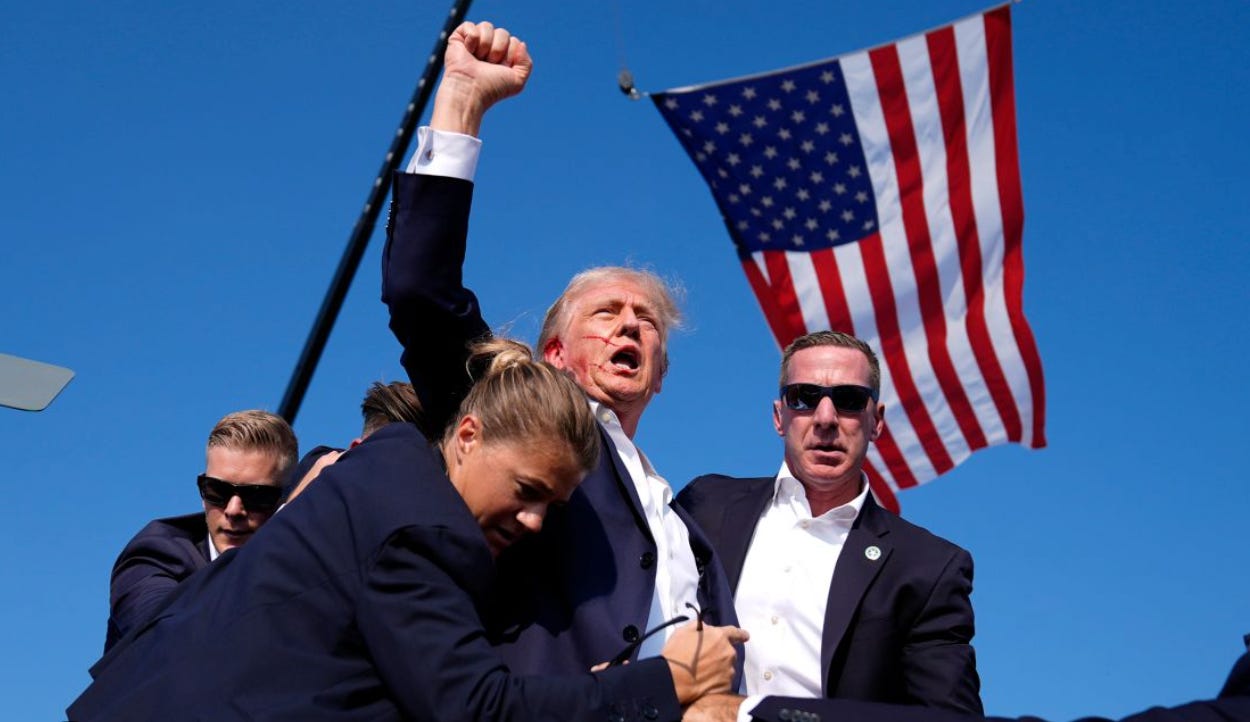
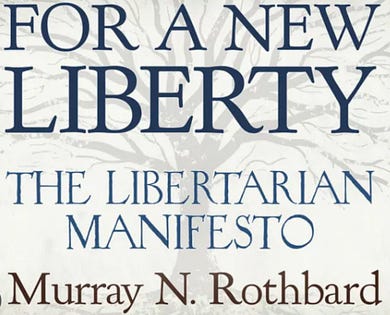
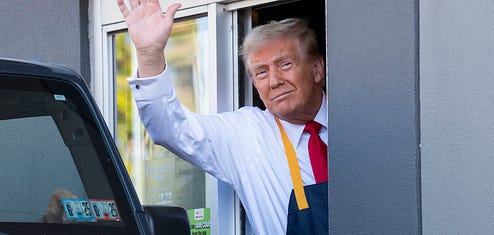

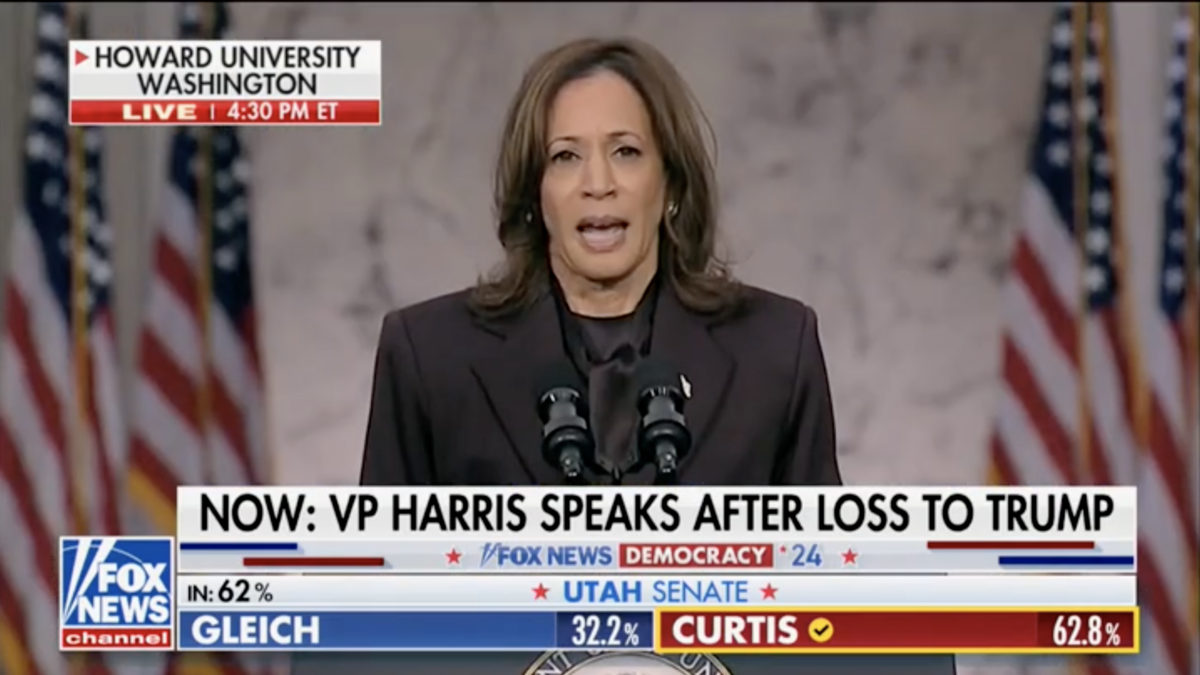

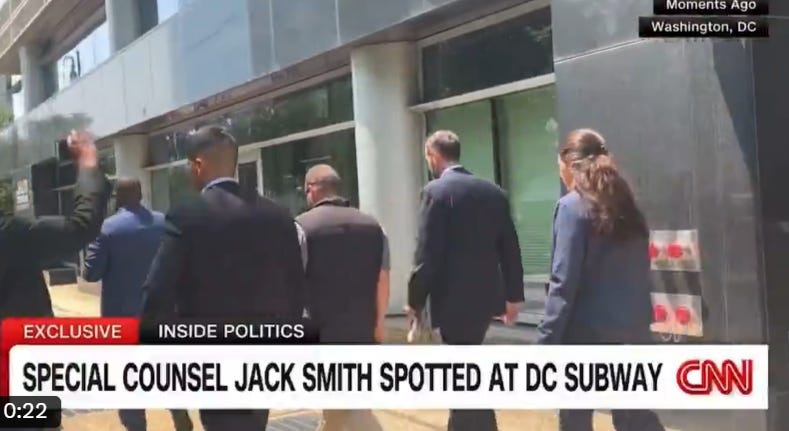








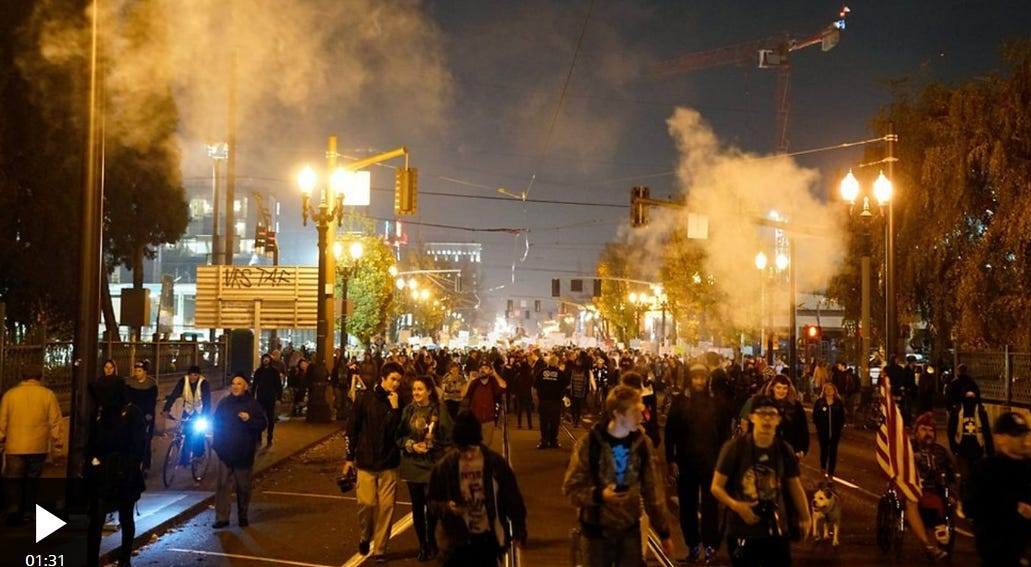

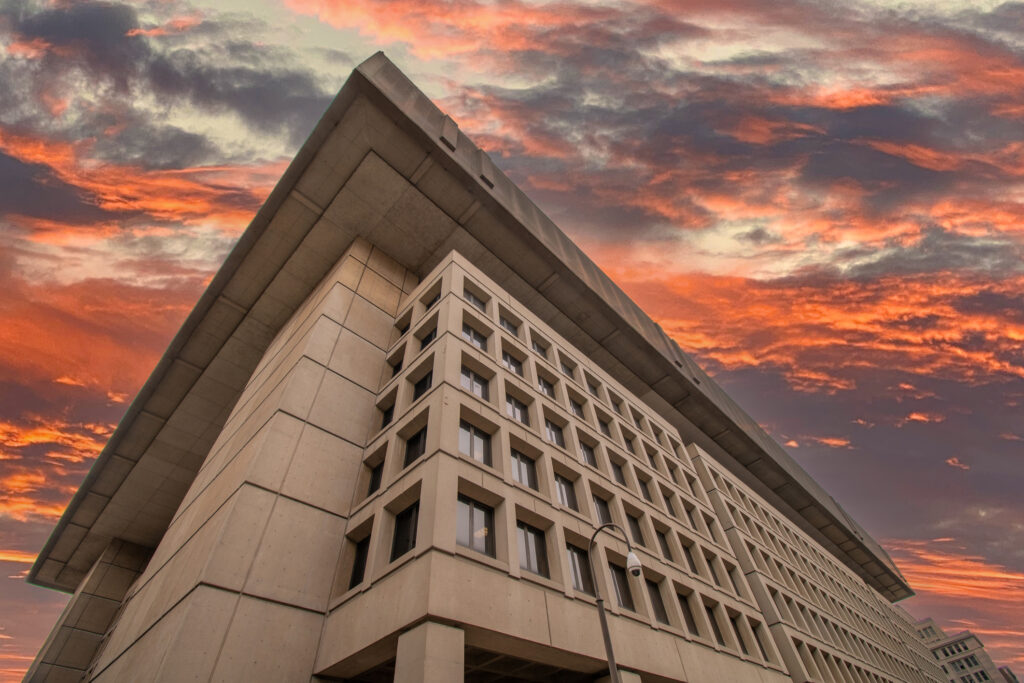

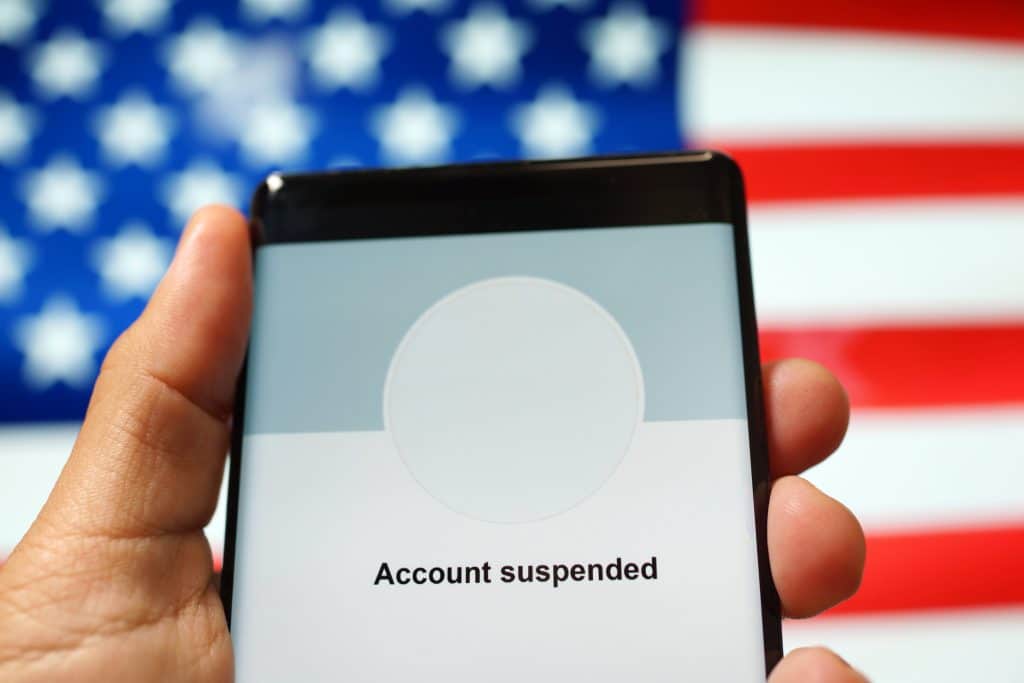


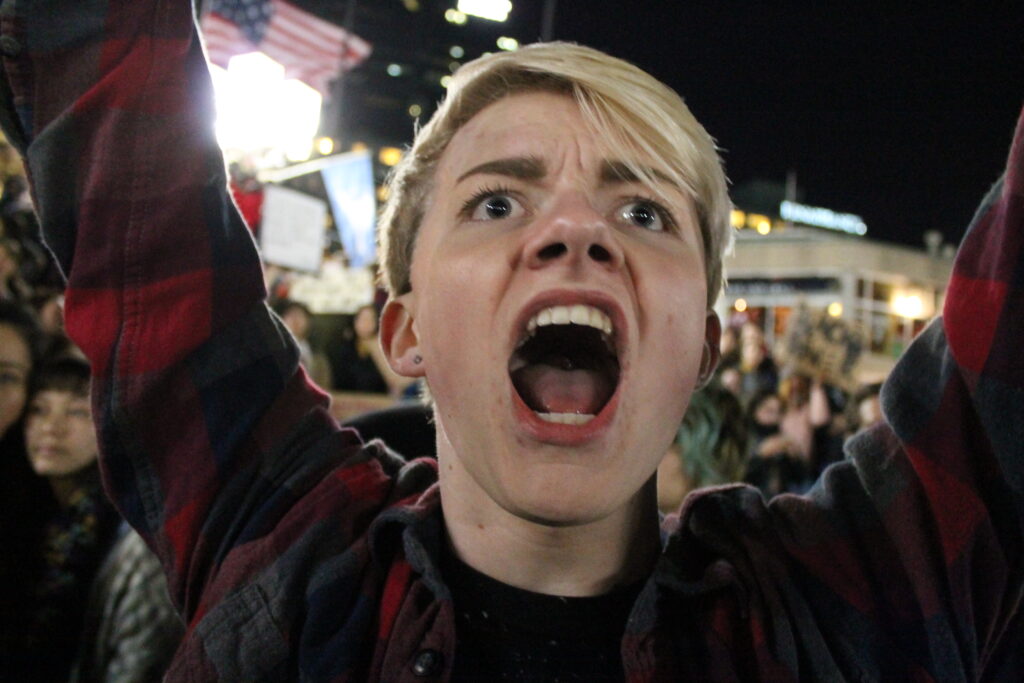
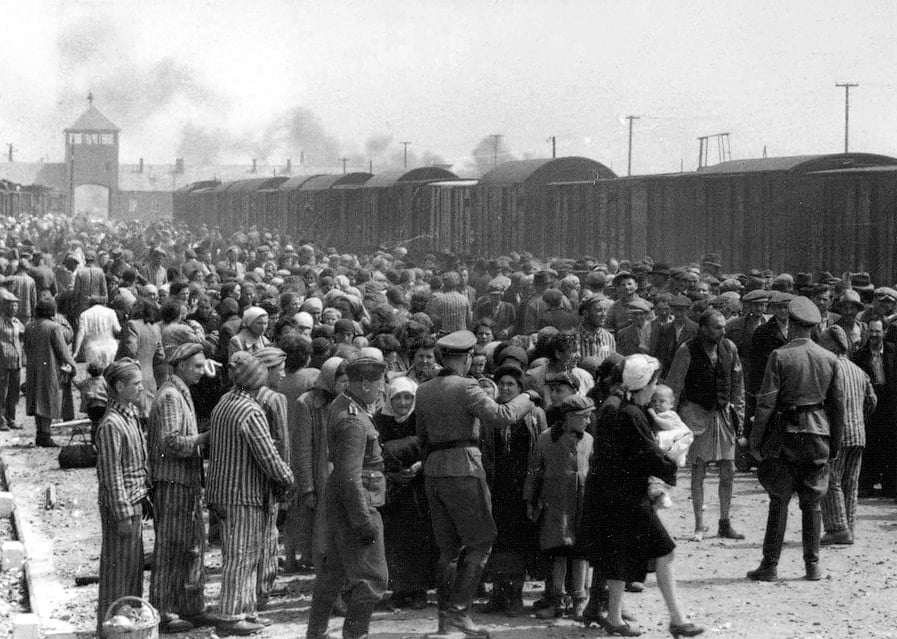

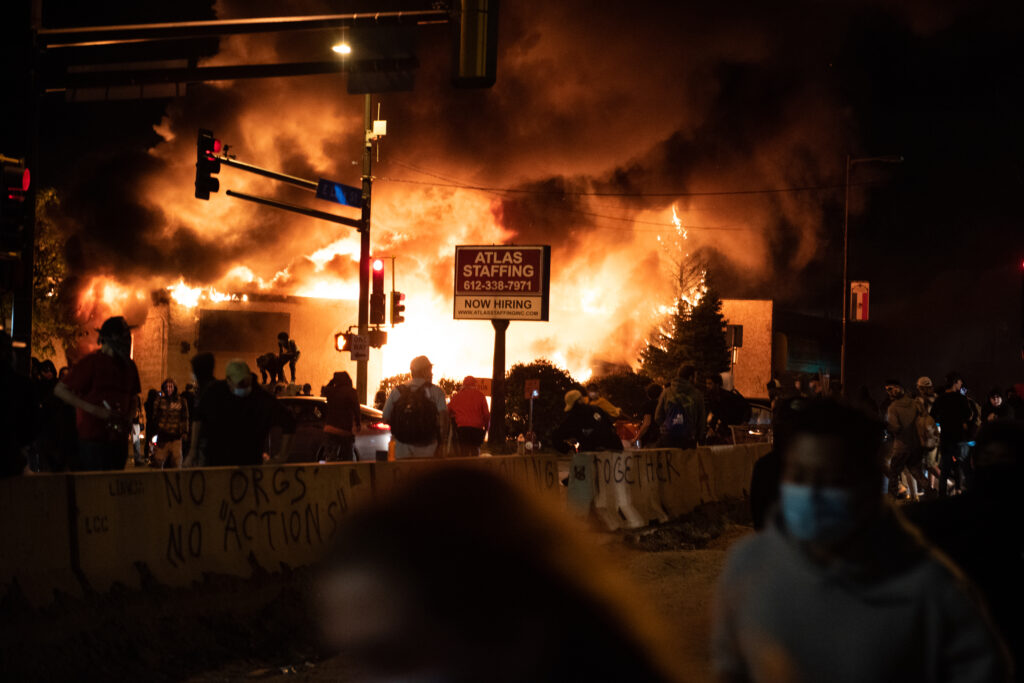


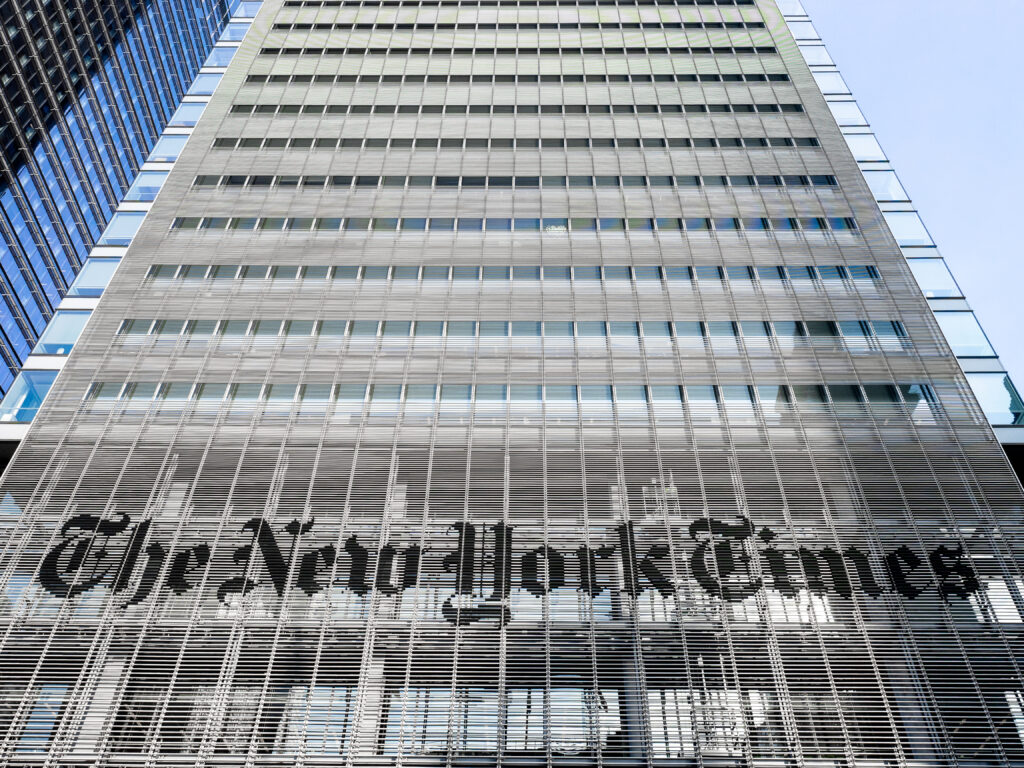

 fox files

Recent Comments