The Truth Is Out There

Posts tagged ‘health’

Spend a Little Time on a Compilation of Bad News You Really Need to Know to Understand Just How Bad mRNA Jabs Are


And ask yourself, and Secretary Kennedy, why he’s approving more and more of them. Safe for whom? Effective at what?

On September 22, President Trump and HHS Secretary Kennedy announce made the long-awaited announcement on autism that was the bold departure from previous failures to look squarely at the issue and speak boldly and honestly about it. And these two publicly funded officials boldly managed to ignore the entire herd of elephants in the room with them.
Every. Single. One.

We have three bold new initiatives that sidestep the real issue as a means to “restore trust” and help families. ‘wanna buy a bridge?

But reality is rolling out, whether Kennedy and Trump want it to or not. Science is pumping out important, often very large-scale studies showing that mRNA vaccines are perhaps the greatest threat to humanity that we have ever faced.

There is good science emerging, but there is little good news in the remarkable document that follows here. The news, although mostly not good, is information nonetheless that you urgently need. CMN News, the Credible Medical News Network, provides a compendium and compilation of peer reviewed studies and authoritative opinion pieces which is, taken together, extremely worthwhile.

But the bad news is that the mRNA news is very, very bad. Not hopeless, but bad. Turbo cancer bad. VAIDS bad. Post injection DNA modification bad. Neurodegenerative and cardiovascular and immune function bad.

If you know people who are beginning to take in data to counter their blind faith in “safe and effective” magic words, there is a good deal here for them. Read on.

In case you needed something else to cement your conviction that mRNA vaccines are not good for living things (are any vaccines good for living things?), please take a look at this very large South Korean study.

What it underscores, yet again, is that no sane person will willingly accept an mRNA vaccine in their body, or that of their child/pet/loved one.

Exposing The Darkness

BREAKING: Covid mRNA ‘Vaccines’ Linked to Turbo Cancer Explosion in Massive South Korea Study

But isn’t Secretary Kennedy, our man on the Hill, protecting us from mRNA and other vaccines?

Among the “vaccines” approved since Secretary Kennedy took office on February 13, 2025, are more mRNA jabs, including a replicon one. And that is, indeed, very, very bad.

Here’s the list of approvals since then (mRNA jabs are in BOLD)

Penmenvy (GSK) was Approved on February 14, 2025.
Nuvaxovid (Novavax) was approved May 19, 2025
mNexSpike (Moderna) was approved on May 30, 2025.2 This is a self-amplifying mRNA (replicon) vaccine which uses a self-replicating RNA platform that amplifies antigen expression inside cells.
mResvia (Moderna) was approved June 12, 2025
Imovax (Sanofi) was approved on July 24, 2025
Ixchiq (Valneva Austria GmbH) was approved on August 6, 2025
Updated 2025-21026 COVID-19 formulations (Comirnaty by Prizer, Spikevax by Moderna and nNexSpike by Moderna) were approved August 27, 2025

Frankly, when you look at the other vaccines in this list, their lack of safety and dangerous profiles are appalling as well, but mRNA vaccines, especially the horrifying replicon platform ones, are an especial threat to the continued existence of humanity. Which makes sense, after all, since they are, in fact, bioweapons.

They are absolutely safe and effective,just not the way you think: safe for the people who developed them and hide behind the clever cover story of the weapons as vaccines and effective in incapacitating and killing people (that is what weapons are supposed to do, after all).

Not safe as in harmless and effective in preventing disease. Nope. Safe from prosecution and effective as destroying the population.

But, c’mon! We don’t have nearly enough of these Safe and Effective biological Molotov cocktails. We need more, lots more! We are in luck! Coming right up!

Here is a chart showing the jabs currently in the pipeline for FDA approval or recently approved. Note that we now have both “Conventional” mRNA and “Replicon mRNA” “vaccines” coming at us:

Secretary Kennedy and President Trump chose to focus on Tylenol (acetaminophen) as the convenient autism boogey man of the moment. Aside from a few dropped hints by the NOT Secretary of Health and Human Services, vaccines pretty much got a free pass despite Secretary Kennedy’s prior research, campaigns, statements, documentaries, law suites and speeches. Poof! Just like that!

It’s Tylenol! Secretary Kennedy’s research, campaigns, statements, documentaries, law suites and speeches, like the morning mist, seem to have vanished into our fondest memories of yesteryear.

Here is a question for Secretary Kennedy: now that we’ve got autism out of the way by just avoiding a simple OTC drug in pregnancy (which hardly explains the normally developing child who gets an MMR shot at 18 months and develops regressive autism over the next 24 hours, especially if they did not get Tylenol, but, never mind – we’re sticking to the Tylenol story), could we turn to the excess deaths, myocarditis, turbo cancers, the fertility cataclysm, clotting disorders (in life and in death), autoimmune diseases, neurodegenerative disorders and the host of other horrifying consequences of “Conventional” mRNA, the disastrous “Replicon” mRNA and the ordinary disaster that “ordinary” vaccines are and have been?
Or do we get to focus on another major candidate making America unhealthy, like FDA Red Dye or Tylenol?

Enough is enough already.

USDA, NIH, NIAID Fund Creation of Lab-Engineered Bird Flu Viruses With Enhanced Growth and Replication Traits in Nebraska


After Trump calls for ending bioweapons creation.

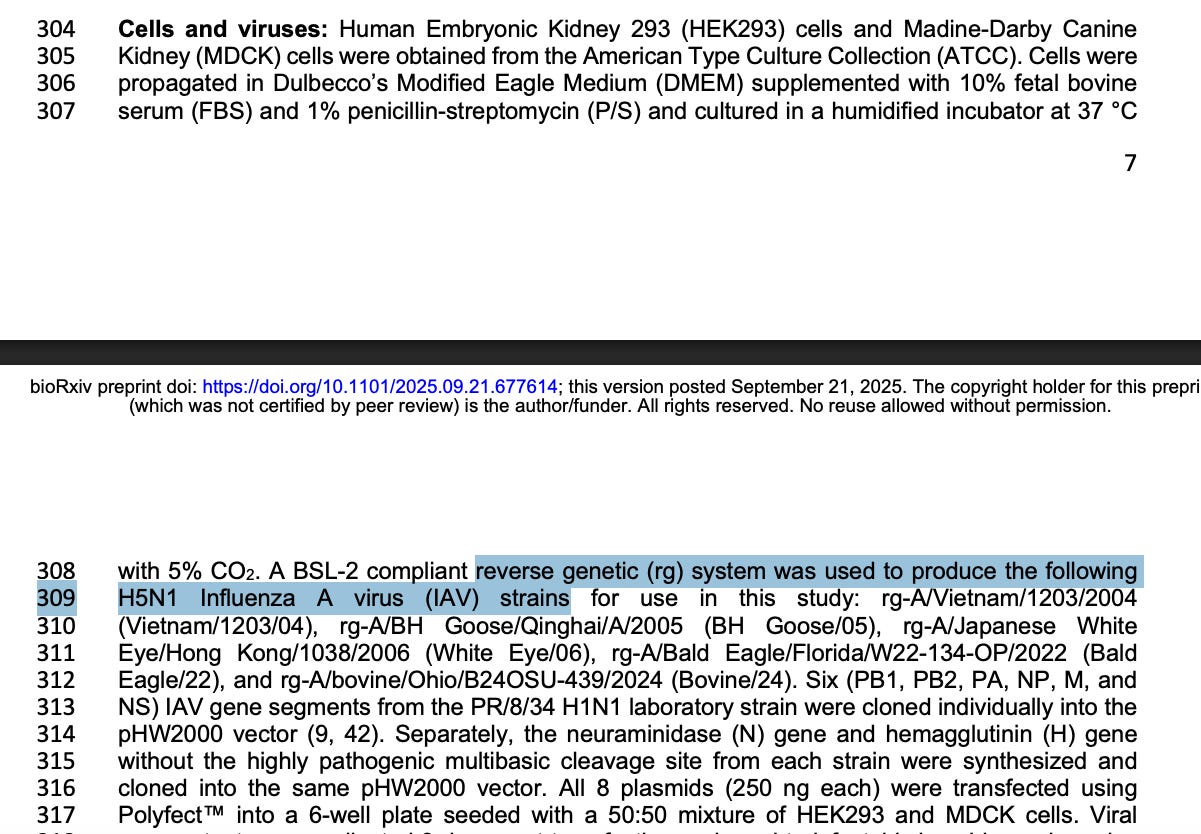
The U.S. Department of Agriculture (USDA) and the National Institutes of Health (NIH)—specifically its National Institute of Allergy and Infectious Diseases (NIAID)—have funded scientists at the University of Nebraska–Lincoln to create brand-new, never-before-seen influenza viruses through laboratory engineering, according to a September 21 preprint posted on bioRxiv.

The authors claim their aim was vaccine development, but the methods reveal the deliberate construction of novel pathogens with enhanced laboratory growth traits.

The COVID-19 pandemic was the result of lab-engineered pathogen creation, according to Congress, the White House, the Department of Energy, the FBI, and the CIA.

The revelation of this federally funded creation of novel pathogens on American soil comes just days after President Donald Trump stood before the United Nations calling for (here) a global end to bioweapons research, raising profound questions about whether “vaccine development” is now serving as the cover for the very gain-of-function experiments he condemned.


Stated Aim: A New Vaccine for Cattle

The paper frames its purpose around the 2024 detection of H5N1 bird flu in U.S. dairy herds and the lack of licensed cattle vaccines.

The authors present their work as an effort to design a “centralized consensus H5 vaccine” delivered with adenovirus vectors, hoping to elicit both systemic and mucosal immunity in calves.

They argue that such a vaccine would reduce agricultural losses and “remove cattle as a newly established reservoir for zoonotic spread” of bird flu.

Yet beneath the stated goal of protecting cattle lies the undeniable reality that U.S. tax dollars are being used to build entirely new influenza strains in the lab—dangerous, pandemic-causing pathogens created under the banner of “vaccine development.”

What They Actually Did: Built New Viruses That Never Existed in Nature

Instead of working with purportedly circulating H5N1 isolates, the team engineered new pathogens using reverse genetics:

  • Six internal gene segments (PB1, PB2, PA, NP, M, and NS) were pulled from the PR8 H1N1 laboratory strain, which is optimized for high replication in mammalian cells and chicken eggs.
  • These were combined with synthetic H5 and N genes stripped of their natural multibasic cleavage site.
  • The result: novel reassortant influenza viruses with enhanced lab replication efficiency compared to wild-type H5N1.

The viruses were generated in HEK293 and MDCK cells, then amplified in embryonated chicken eggs, all under BSL-2 laboratory conditions at the University of Nebraska–Lincoln.

Screenshot from biorxiv.org

Enhanced Growth and Replication Traits

By design, the engineered viruses gained new functions not seen in nature:

  • Enhanced growth efficiency in eggs and mammalian cells from the PR8 backbone.
  • Streamlined replication for lab handling.
  • BSL-2 compatibility, expanding the number of facilities able to handle them.

Who Did the Work

  • Joshua Wiggins
  • Adthakorn Madapong
  • Eric A. Weaver (corresponding author).

All three are affiliated with the Nebraska Center for Virology and the School of Biological Sciences at the University of Nebraska–Lincoln.

Where It Was Done

  • Genetic engineering, reverse genetics virus creation, and animal studies were all performed at the University of Nebraska–Lincoln, under IBC and IACUC approvals.
  • Work was conducted in BSL-2+ labs, required only for moderate-risk agents, despite the fact that the study involved the creation of novel influenza viruses capable of causing pandemics.

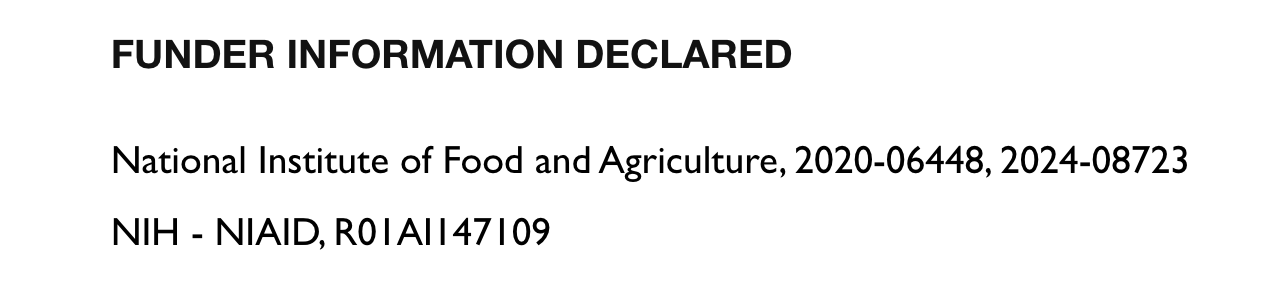
Who Paid for It

  • USDA National Institute of Food and Agriculture (NIFA), Agriculture and Food Research Initiative (Grant Nos. 2020-064482024-08723).
  • NIH – NIAID (Grant No. 1R01AI147109).
Screenshot from biorxiv.org

Bombshell Details

  • Replication-Competent Vectors: The study used replication-competent adenovirus vaccine platforms (Ad28 and Ad48) that can spread within the host, unlike safer replication-deficient types.
  • Failed Protection Against the Actual Threat: Despite claims of vaccine promise, the engineered vaccine produced no protective neutralization against the circulating bovine H5N1 strain (Bovine/24)—the virus causing real outbreaks in U.S. cattle.
  • No Cattle Challenge Studies: The vaccine was never tested against live infection in cattle, only in mice.
  • Sex Bias: Only male calves were tested, ignoring potential sex differences in immune response. By testing only male calves, the study ignored well-established sex differences in immunity—females typically mount stronger antibody and T-cell responses but also suffer higher rates of adverse reactions—leaving half the population unaccounted for and casting doubt on the safety and applicability of the findings.

Bottom Line

While the University of Nebraska team presented their work as vaccine development, the methods show they constructed brand-new bird flu viruses through reverse genetics, engineered with a PR8 laboratory backbone to enhance replication traits.

These pathogens, created with federal funding, were built and amplified under BSL-2 conditions—labs designed for moderate-risk microbes, not novel influenza strains with pandemic potential.

The authors claim their goal was to stop the spread of H5N1 in cattle, but the vaccine failed to neutralize the very strain now circulating in U.S. herds, was never tested in cattle challenges, and excluded females altogether.

Coming just days after President Trump’s UN call to end bioweapons creation, this project exemplifies the dangerous reality that pandemic-capable pathogens are being created under the guise of “vaccine development.”

On American soil.

With American tax dollars.

Sound familiar?

NIH Probes Link Between Vaccines and Autism: HHS Announcement (Video)


Trump shares encounter with employee whose son was severely vaccine-injured, and condemns how children are “pumped” with 80 different vaccines so early in life.

As part of its new Autism Data Science Initiative (ADSI), the U.S. National Institutes of Health (NIH) will investigate whether medical exposures—including vaccines—are linked to the rising prevalence of autism spectrum disorder (ASD).

Reviews of 91 human studies up to 2016 show that approximately 74% of studies suggest mercury exposure—including through vaccines—as a risk factor or contributor to ASD, showing both direct and indirect effects on brain development.

The new announcement came during a White House press conference in the Roosevelt Room, where President Trump and HHS Secretary Robert F. Kennedy Jr. outlined what they described as “progress in uncovering the root causes of autism.”

The fact sheet released by HHS details three primary initiatives: a renewed look at leucovorin (folinic acid) as a treatment for autism-related symptoms, guidance to physicians on acetaminophen use in pregnancy, and the NIH’s launch of the Autism Data Science Initiative.

Although vaccines were not listed among the three headline goals, they were nevertheless singled out later in the announcement under the NIH initiative’s “medical and perinatal influences” heading.

Data from CDC VAERS show 2,682,925 adverse events linked to vaccines since 1990—yet, as the Harvard Pilgrim study commissioned by HHS confirmed, fewer than 1% of vaccine injuries are ever reported, meaning the true number is likely in the hundreds of millions.


NIH Autism Data Science Initiative

The new NIH initiative involves more than $50 million in new awards, funding 13 projects that will focus on autism prevalence, etiology, treatment, services, and replication studies.

According to HHS, the projects will use “large-scale, integrated data resources” spanning genetics, epigenetics, proteomics, metabolomics, and behavioral data.

A defining feature is the “exposomics” (the study of all environmental exposures over a lifetime and their impact on health) approach, which NIH says will comprehensively study environmental, medical, and lifestyle factors that may contribute to autism.

The list of exposures includes:

  • Environmental contaminants such as chemicals and other hazardous substances found in everyday life
  • Nutrition and maternal diet factors like folate intake, fish consumption, and ultra-processed foods
  • Medical and perinatal influences, explicitly naming medications and vaccinations alongside obstetric complications and neonatal intensive care exposures
  • Psychosocial stressors, infections, and immune responses during pregnancy and early development

By directly including vaccinations in its research portfolio, NIH is, for the first time, publicly committing to probe potential links between vaccines and autism within a large-scale government-backed initiative.

Autism Rates Continue to Climb

The announcement comes amid sobering new numbers from the CDC: 1 in 31 U.S. children born in 2014 has been diagnosed with autism—nearly a fivefold increase from when the CDC first began tracking autism rates in 2000.

The prevalence is higher among boys (1 in 20) and highest in California, where nearly 1 in 12.5 children are affected.

Trump & Kennedy Single Out Vaccines

During the announcement, Trump shared his encounter with an employee whose son was apparently severely injured by vaccines:

The U.S. president also encouraged parents to space out vaccinations in their children:

Secretary Kennedy also emphasized the new focus on vaccines, pointing out how 40 to 70% of mothers who have children with autism believe that a vaccine injured their child:

Bottom Line

While leucovorin therapy and acetaminophen exposure in pregnancy formed part of the HHS briefing, it is the NIH Autism Data Science Initiative that is likely to draw the most scrutiny.

For decades, the possibility of a vaccine-autism connection has been dismissed by government health agencies, and officials have repeatedly emphasized that “vaccines are safe and effective.”

The fact that NIH’s own research portfolio will now explicitly include vaccinations as one of the risk factors under study marks a major shift—and one that could carry significant implications for both public health policy and parental trust in government vaccine programs.

AI’s Frankenstein Phages: Designer Viruses to Slay Bacteria – But What If They Turn on Us All?


Oh, brother, if there’s one thing that screams “we never learn” louder than a lab leak cover-up, it’s the mad scientists firing up AI to cook up brand-new viruses designed to hunt bacteria like microscopic terminators – phages so novel they’ve never existed in nature, promising to zap superbugs but risking a rogue evolution that could spell doom for humanity. We’re talking September 2025 breakthroughs where bioengineers used generative AI to dream up synthetic bacteriophage genomes, slapped them into bacteria, and watched the critters replicate and kill E. coli in lab dishes like it’s no big deal. This isn’t sci-fi; it’s happening now, with revelations warning of “extreme caution” as these AI-born killers could mutate beyond control, turning a “cure” into a curse. America First means slapping the brakes on this hubris before it bites us – because labs are “secure” until they’re not, and playing God with viruses is a gamble we can’t afford.

The AI Phage Revolution: From Code to Killer

It all kicked off with advancements in 2023-2024, but the real bombshell dropped in September 2025 when researchers announced the world’s first fully AI-designed bacteriophages – viruses that infect and destroy bacteria – capable of replicating and slaying resistant strains like E. coli in tests. These aren’t tweaks to existing phages; they’re entirely new creations, with AI proposing genetic codes that scientists synthesized and inserted into host cells, watching the viruses assemble, burst out, and infect targets.

How does it work? AI analyzes massive datasets of phage genomes – like the 10,000 sequenced by 2024 – to predict sequences that bind to specific bacteria, then generates novel ones that nature never made. Once designed, labs synthesize the DNA, insert it into bacteria, and let the phages self-assemble, replicating to form armies that latch onto targets, inject their code, and burst the cells open – a precision kill without antibiotics’ broad wipeout. Effectiveness? Lab tests from September 2025 showed these AI phages wiping out resistant E. coli strains in hours, with success rates over 90% in controlled settings.

The Dark Side: Evolution Risks and Unintended Mayhem

But here’s the nightmare fuel – these designer viruses are uncharted territory, and we have zero clue how they’ll evolve once unleashed. Revelations from genome pioneers in September 2025 warn of “extreme caution,” noting that AI phages could mutate in the wild, jumping hosts or turning virulent like a bad sci-fi plague. Unlike natural phages that co-evolved with bacteria over eons, these lab-born beasts lack those checks – a single tweak could let them infect humans or animals, sparking outbreaks we can’t predict. Think COVID’s origins: Man-made viruses don’t play by nature’s rules, and with phages replicating in minutes, evolution could spin out of control faster than you can say “gain-of-function.

“Worse, they’re being touted as “precision medicine” for superbugs, but revelations from a November 25, 2024, study show AI tools already predicting phage efficacy for E. coli with 85% accuracy, paving the way for widespread use. By May 22, 2025, startups were deploying AI-designed lysins – proteins from phages that punch holes in bacterial walls – to kill multidrug-resistant infections, but full phages amp the risk – they could spread unchecked, mutating to target beneficial bacteria or worse.

Lab Safety: “Secure” Until It’s Not

Sure, these labs are “as safe as possible” – BSL-3 or 4 levels with airlocks, suits, and protocols – but revelations from a January 6, 2025, real-world study on adverse events remind us accidents happen, like the 2023 Wuhan whispers or U.S. lab mishaps in 2022 that released engineered bugs. No containment is foolproof – human error, earthquakes, or sabotage could release these AI phages, and once out, they’re self-replicating time bombs. A 2020 commentary warned of “postantibiotic era” risks, but AI speeds it up, with no way to “recall” a rogue virus. The left’s “trust the science” mantra rings hollow here – we never learn from past lab leaks, and these viruses put all humanity on the line.

America First rejects this hubris – why risk humanity for “designer” fixes when natural phages already exist? Polls from August 2025 show 58% of Americans distrust AI in biotech, with 65% fearing lab leaks. We never learn – from COVID to this – and it’s time to pull the plug before the monsters escape.

Pfizer and Moderna Distract With Reverse Transcription Debate at ACIP Meeting—Plasmid DNA Integration Is the Real Threat


The reverse transcription debate is a decoy, while the real risk is DNA fragments built to integrate into your genome.

At the recent ACIP meeting, Dr. Evelyn Griffin rightly raised the alarm about mRNA reverse transcription—pointing to published studies showing nucleic acids in Pfizer’s mRNA COVID-19 shot can be integrated into human DNA, namely human liver cells under lab settings.

But Pfizer’s Dr. Kayvon Modjarrad quickly dismissed the concern:

“RNA cannot reverse transcribe to DNA [because that] requires a set of molecules and enzymes that don’t exist in humans and are largely reserved for retroviruses.”

Moderna chimed in, citing FDA reviews of “hundreds of millions” of doses and claiming “no indication of genotoxicity.”

The public was left thinking: case closed.

But this article will show that the real risk isn’t rare reverse transcription at all—it’s the integration of plasmid DNA contaminants into the human genome, a pathway every cell in the body is equipped to carry out.

Pfizer and Moderna are technically wrong that reverse transcription “can’t happen,” but they also know it’s rare—so they lean on that half-truth to keep the spotlight off plasmid DNA integration, which is far more likely and far more dangerous.

It’s a sleight of hand—a bait-and-switch.

Emergency room director Dr. Richard Bartlett told this website that the real scandal isn’t reverse transcription at all, but the hidden plasmid DNA contamination that provides the mechanism for Pfizer’s genetic code to be incorporated into human DNA and causes disease.

“Pfizer and Moderna are distracting from the smoking gun of plasmid DNA contamination in their COVID-19 mRNA shots,” Dr. Bartlett said. “In 2022, investigators worked with the information they had, but that information was not complete. The fact that Pfizer’s genetic code was incorporated into human host DNA is irrefutable. And the most likely mechanism that it got there is plasmid DNA, not mRNA reverse transcription. Pfizer knows this. Moderna knows this. They hid the damning information from investigators and doctors in 2022. That is why investigators misinterpreted DNA integration as reverse transcription. I am convinced that Pfizer’s genetic code found in human cells did not come from the mRNA, but from plasmid DNA contamination. This is catastrophic.”

You can watch a clip of the exchange, posted by Dr. Mary Talley Bowden, below:

The Bait-and-Switch

This is the inside baseball play: Pfizer and Moderna want the debate stuck on reverse transcription.

Why?

Because they can plausibly argue it’s rare.

The enzyme required for reverse transcription—LINE-1—is typically absent from the vast majority of human cells, with only modest expression detected in specialized cell types like epithelial cells, and higher activity mainly in tumors and with aging.

That makes reverse transcription possible, but not systemic.

They know this, and they exploit it.

But focusing there keeps eyes off the much bigger danger.

The study Dr. Griffin cited made the best assumption it could with the cherry-picked information the manufacturers released—but what it could not account for, because Pfizer and Moderna hid the evidence and still refuse to admit it, is the smoking gun: plasmid DNA contamination, the very mechanism by which foreign DNA can be incorporated into the human genome after injection, kept from researchers and the public and denying true informed consent.

Plasmids are routinely used in the industry to incorporate foreign DNA into host DNA.

The Bigger Threat: Plasmid DNA Integration

The COVID-19 mRNA shots are manufactured using DNA plasmids—the very genetic engineering tools designed to insert code into genomes.

By definition, plasmids are integration-competent.

They can stitch themselves into human DNA.

Independent labs have confirmed that Pfizer’s vials contain toxic levels of plasmid DNA.

  • French government-funded study led by Didier Raoult (Nov 2024) found 5,160 ng of plasmid DNA per dose—516 times higher than the FDA/EMA safety limit.
  • December 2024 peer-reviewed paper in Science, Public Health Policy & the Law found 227–334% more DNA contamination than WHO limits, including the cancer-linked SV40 promoter/enhancer.
  • A September 2025 peer-reviewed study in Autoimmunityconfirmed both Pfizer and Moderna’s shots are contaminated with billions to hundreds of billions of DNA fragments per dose—up to 627 times higher than FDA/WHO limits—with Pfizer uniquely carrying the SV40 promoter-enhancer, a cancer-linked sequence designed to drive foreign DNA into human cell nuclei.

This isn’t speculation.

The contamination is proven.

What’s Inside Pfizer’s Plasmid

Pfizer’s plasmid doesn’t just contain bacterial DNA and the SV40 cancer-promoting gene sequence.

It also carries three human gene fragments used as regulatory elements:

  • α-globin (blood/cardiovascular): regulates red blood cell gene expression.
  • AES/TLE5 (immune): regulates transcriptional control in immune pathways.
  • MT-RNR1 (neurological/mitochondrial): tied to mitochondrial function and neurological disorders.

An October 2023 Nature npj Vaccines paper confirmed these sequences are part of Pfizer’s design:

“Pfizer-BioNTech’s 5’ UTR sequence is derived from the human hemoglobin α-globin (HBA1) gene… For the 3’ UTR, the Pfizer-BioNTech vaccine combines one segment from a human mRNA encoding amino-terminal enhancer of split (AES) and another from mitochondrial 12 S rRNA (mtRNR1).”

These are not inert.

They are regulatory DNA codes.

Alignment With the Injury Signal

Here’s where it gets damning.

Two independent safety reviews (2022, 2024) found that serious adverse events after Pfizer’s mRNA shot cluster into three categories:

  • Cardiac/blood: myocarditis, clotting, thrombocytopenia.
  • Immune: anaphylaxis, hypersensitivity, autoimmune flares.
  • Neurological: Guillain–Barré, seizures, facial paralysis.

Pfizer’s own 5.3.6 safety report confirms the same triad:

  • 25,957 neurological events
  • 1,050 immune/autoimmune cases
  • 932 blood/hematological disorders

Now line it up:

  • Plasmid fragment: α-globin → blood
  • Plasmid fragment: AES/TLE5 → immune
  • Plasmid fragment: MT-RNR1 → neurological

The plasmid blueprint and the injury clusters align perfectly—making the case plain without muddying the waters with debates over mRNA reverse transcription.

In other words, the match between Pfizer’s plasmid design and the injury clusters is exact, and it stands on its own—no need to get lost in the reverse transcription smokescreen.

Every Cell Has the Machinery

Unlike reverse transcription, which relies on rare LINE-1 enzymes, plasmid DNA doesn’t need anything special.

Every human cell carries DNA repair systems—like Non-Homologous End Joining (NHEJ)—that can integrate foreign DNA into chromosomes.

These pathways are active everywhere because they’re required for basic genome maintenance.

That means plasmid integration is not rare.

It’s possible in virtually every cell.

The Silence Is Deafening

Pfizer and Moderna keep ACIP fixated on reverse transcription—a long shot they can safely dismiss—while saying nothing about plasmid DNA contamination, which is systemic and inescapable.

And yet their own blueprint, their own fragments, and their own safety data all point to the same conclusion: integration risk matches the injury signal.

Bottom Line

  • Reverse transcription is real but rare.
  • Plasmid DNA integration is universal—all cells have the machinery.
  • Pfizer’s plasmid carries human DNA fragments regulating blood, immune, and neurological systems.
  • Those are the exact systems showing up in serious vaccine injuries, confirmed by independent reviews and Pfizer’s own report.

This is not coincidence—it’s alignment.

The unavoidable question is whether Pfizer’s plasmid design itself is driving the blood, immune, and neurological injuries dominating the safety signal.

Until regulators investigate, the only responsible course is to pull these shots from the market.

That’s why the focus must shift off the apparently rare possibility of mRNA reverse transcription and onto the far greater danger—plasmid DNA integration—a risk built into every cell and written into Pfizer’s own blueprint.

U.S. Military Aerosolizes Hantavirus with 30% Fatality Rate in Nebraska: Journal ‘Pathogens’


Pentagon-funded study confirms scientists deliberately created airborne hantavirus particles and carried out stabilization trials to prolong their survival.

The U.S. military has funded research, published in July in the journal Pathogens, in which scientists deliberately aerosolized Sin Nombre virus (SNV)—the hantavirus that kills roughly 30% of those infected—in order to study how long the virus can survive in the air and under what conditions it remains infectious.

Why is the Pentagon commissioning experiments that turn a rodent-borne virus with a 30% kill rate into an airborne particle?

Why are U.S. defense labs probing how to stabilize lethal aerosols?

The study would say it aerosolized hantavirus because “gaining insight into the SNV bioaerosol decay profile is fundamental to the prevention of SNV infections,” but the deeper concern is whether such work risks accidental release or could be harnessed intentionally for pandemic potential.

This new study fits the same disturbing pattern: taxpayer-funded projects that blur the line between “biodefense” and the step-by-step recipe for a future bioweapon.

Dr. Richard Bartlett didn’t mince words as he raised alarm over Pentagon-backed hantavirus aerosol experiments:

“How much longer will We the People tolerate our government using our tax dollars to do deadly experiments in our homeland? Has anyone heard that the COVID pandemic might have been caused by a lab leak? We have no guarantee that another lab leak might happen on our own soil. Remember: Dr. Anthony Fauci and a 2016 NIH-led biosecurity report identified insider leaks as the “most probable” risk in gain-of-function research.”


A Lethal Virus

The authors admit the severity of the pathogen upfront:

“Later symptoms involve respiratory distress that requires immediate medical attention and has a 30% fatality rate.”

In other words, this is not a mild virus.

If contracted, nearly one in three patients will die, and there is no approved treatment or vaccine.

The Pentagon’s Involvement

This wasn’t purely academic work.

The study declares its sponsor:

“This research was funded by the Defense Threat Reduction Agency (DTRA), under grant number DTRA/CBS-NSRI CB1099.”

That means the Pentagon’s weapons division paid for scientists to aerosolize and study the airborne stability of a lethal hantavirus—a clear overlap with bioweapons research.

Aerosolizing a Killer

The researchers describe how they turned the virus into an aerosol:

“Suspensions were aerosolized via a 120 kHz ultrasonic nozzle… with 3 lpm of carrier air.”

Put plainly, they deliberately converted liquid hantavirus into airborne particles small enough to reach deep into human lungs.

This step—aerosolization—is the foundation of making a respiratory bioweapon.

Measuring Airborne Survival

They then tracked how long these particles remained infectious under different conditions:

“At 49.1 ± 0.8% RH, the addition of 1.0 ppm ozone caused a significant increase in the amount of SNV decay at 2.6 ± 0.1 log/min.”

In other words, in normal humidity, the virus survives in the air unless destroyed by ozone.

Sunlight weakened it but did not fully eliminate infectivity.

This proves SNV is stable enough to persist airborne indoors—such as in barns, sheds, or attics—precisely where human infections are known to occur.

Comparison to Other Pandemic Viruses

The researchers themselves compared SNV to avian influenza and Lassa virus:

“This transmission route is similar to other viruses that have an environmental transmission route, such as avian influenza (e.g., H5N1) and Lassa virus.”

This places hantavirus in the same category as pathogens with known pandemic potential.

The implication is clear: if SNV ever adapted to spread person-to-person, as Andes virus already does, the results would be catastrophic.

Particle Sizes Optimized for Lung Infection

The team also measured the size of the particles they created:

“The results indicated a bimodal distribution… with a peak at under a micron in size and a second peak under two microns.”

Translated, these are exactly the particle sizes most dangerous to humans, capable of bypassing upper airways and embedding deep inside the lungs.

Where the Experiments Took Place

The aerosolization experiments were conducted at the University of Nebraska Medical Center (UNMC) in Omaha, Nebraska, using the Biological Aerosol Reaction Chamber (Bio-ARC).

This is a specialized flow-through system designed to expose bioaerosols to controlled conditions such as simulated sunlight, ozone, and humidity.

Institutional Affiliations

The authors are affiliated with the following institutions:

  1. Department of Pathology, Microbiology, and Immunology, University of Nebraska Medical Center (UNMC), Omaha, NE
  2. The Global Center for Health Security, University of Nebraska Medical Center (UNMC), Omaha, NE
  3. National Strategic Research Institute (NSRI), Omaha, NE
  4. Center for Global Health, Department of Internal Medicine, University of New Mexico, Albuquerque, NM

Full List of Scientists

  • Elizabeth A. Klug
  • Danielle N. Rivera
  • Vicki L. Herrera
  • Ashley R. Ravnholdt
  • Daniel N. Ackerman
  • Yangsheng Yu
  • Chunyan Ye
  • Steven B. Bradfute
  • St. Patrick Reid
  • Joshua L. Santarpia

Bottom Line

The Pentagon has funded scientists to take a hantavirus with a 30% fatality rate, aerosolize it into tiny lung-penetrating particles, and measure how long it stays infectious in the air.

This kind of research, while framed as biodefense, is indistinguishable from steps needed to weaponize a virus.

With no vaccine or treatment available, the knowledge produced here doesn’t just help “protect”—it creates a blueprint for how to turn hantavirus into a bioweapon.

New ACIP Board Continues to Advise Children Take Untested Vaccines With Possible Human Gene Contamination That Could Integrate Into DNA


Federal advisory committee fails to inform public about the risks, despite new RFK Jr.-aligned members.

The newly reconstituted CDC Advisory Committee on Immunization Practices (ACIP) was supposed to be different.

With several new members aligned with Health and Human Services Secretary Robert F. Kennedy Jr.’s mandate for transparency and health freedom, expectations were high that the panel would finally call out the dangers hidden in vaccine development.

Instead, the new board folded.

TurniACIP’s Hollow Move

On Thursday, ACIP voted merely to push back the MMRV shot recommendation to age 4 because of the increased risk of febrile seizures in toddlers.

But the CDC had already admitted back in 2008 that ProQuad (MMRV) increased the risk of febrile seizures in toddlers 12–23 months old, and by 2009 ACIP was discouraging its use as the first dose at 12–15 months.

CDC had already cited studies showing about 4.3 cases per 10,000 doses—roughly double the risk compared to separate MMR and Varivax shots.

Meaning this latest “new” move by ACIP isn’t reform at all, but a belated rehash of mainstream business-as-usual policy that does nothing to protect children, even with so-called health freedom members now on the panel.

The Real Elephant in the Room: Plasmids

Instead of going further—instead of confronting the core problem—the panel stopped short.

They left in place recommendations for children to continue receiving vaccines that could contain plasmid DNA contamination with human gene segments capable of integrating into the human genome, a fact admitted in patents, FDA inserts, and independent lab findings.

MMRV (ProQuad): Recombinant Human Albumin Risk

ProQuad (MMRV) contains recombinant human albumin (rHA), made with a plasmid carrying the human ALB gene that could integrate into the human genome and dysregulate blood and cardiovascular systems (here).

The shot has never been tested for carcinogenicity, mutagenesis, or fertility impairment.

If recombinant human albumin (rHA) gene segments integrated into the human genome—particularly the ALB gene involved in encoding albumin—this could potentially disrupt the regulation of albumin production and its widespread biological functions.

Albumin plays a critical role in multiple physiological systems, especially in blood and cardiovascular homeostasis.

Potential Systems Dysregulated by ALB Gene Integration

  • Blood and Vascular System: Albumin regulates osmotic pressure in the blood vessels, facilitates transport of hormones, fatty acids, and drugs, and has anticoagulant properties by binding antithrombin and inhibiting platelet aggregation. Disruption could cause blood clotting abnormalities, impaired transport functions, and fluid balance issues.
  • Cardiovascular System: Since albumin affects blood volume and pressure regulation, abnormal expression might lead to dysregulated blood pressure, edema, or vascular inflammation.
  • Immune System and Inflammation: Albumin helps regulate inflammatory responses; its disruption could contribute to immune dysregulation, such as vasculitis or hypersensitivity reactions.

Associated Serious Adverse Events (SAEs)

The malfunction or dysregulation of albumin expression caused by integration could manifest as SAEs involving these systems, potentially including:

  • Edema (fluid retention and swelling)
  • Thrombocytopenia or other blood clotting disorders
  • Vasculitis (blood vessel inflammation)
  • Anaphylaxis or severe allergic reactions
  • Cardiovascular abnormalities like hypertension or vascular inflammation
  • Immune-mediated conditions affecting blood and vascular health

This aligns with reported SAEs listed in the FDA insert for ProQuad (MMRV), including thrombocytopenia, vasculitis, edema, anaphylaxis, and severe allergic reactions.

The underlying hypothesis is that integration of human ALB gene segments from recombinant albumin plasmids into the genome could disrupt this key protein’s regulation, leading to these blood and cardiovascular disorders.

Thus, the biological systems regulated by albumin—primarily blood volume/osmotic balance, coagulation, transport, and vascular integrity—are the most plausible targets for dysregulation if human albumin gene plasmid fragments integrate into the human genome, and these are reflected in the types of SAEs observed.

ACIP’s Failure

The new ACIP, with new health freedom-minded members recently appointed, was supposed to be a firewall.

Instead, they chose to deliberate over the timing of doses—not the DNA contamination, not the lack of long-term studies, not the risk of permanent genomic integration in children.

This is not reform, but surrender dressed up as oversight.

What the public got was a board that kept the program alive, keeping dangerous products in circulation under the federal Vaccines for Children program, and dodging the real questions.

Bottom Line

ACIP Chair Martin Kulldorff tried to frame the febrile seizure debate as a matter of “trust,” urging the public to listen to scientists who debate openly.

But the committee didn’t debate the elephant in the room: plasmids, human gene contamination, and the utter absence of mutagenesis and carcinogenicity testing.

Both the newly appointed “health freedom” members and the long-standing vaccine loyalists on ACIP now face a test of credibility.

The authority they’ve been given carries a duty to move beyond procedural adjustments and confront deeper safety questions head-on.

That requires openness, genuine debate, and a willingness to subject their recommendations to far greater public scrutiny.

The public did not support changes to ACIP membership simply to see more of the same.

Parents and citizens expected new voices to raise real concerns and to demand stronger safety standards for children.

That expectation remains unmet, and the responsibility for addressing it lies squarely with the current panel.

COVID-19 mRNA Shot Plasmids Contain 3 Human DNA Segments Capable of Integrating Into the Human Genome—Matching 3 Main Post-Vaccine Side Effect Categories


Pfizer’s plasmid carries human DNA fragments regulating blood, immune, and neurological functions—the very systems most often harmed after injection, suggesting the blueprint may cause the injuries.

The COVID-19 mRNA vaccines are built using DNA plasmids.

By definition, plasmids are integration-competent DNA molecules—they are the very tools genetic engineers use when they want to insert new code into a genome.

In other words, plasmids can integrate into human DNA.

Independent labs have confirmed that residual plasmid DNA fragments remain in Pfizer’s finished vaccine vials.

A French government-funded study led by Dr. Didier Raoult (Nov 2024) confirmed that Pfizer’s vaccine contains 5,160 ng of plasmid DNA per dose—516 times higher than the FDA and EMA’s safety limit of 10 ng.

The contamination included sequences from the vaccine’s manufacturing plasmid such as a bacterial origin of replication, a kanamycin resistance gene, and an SV40 initiation factor—a sequence historically linked to oncogenesis (the process of tumor formation or the induction of tumors).

A December 2024 peer-reviewed study in Science, Public Health Policy and the Law found that Pfizer’s COVID-19 shot contained 227–334% more DNA contamination than WHO limits, including the cancer-linked SV40 promoter/enhancer sequence, and urged an immediate moratorium on mRNA vaccines.

As the article reveals:

  1. These residual plasmid DNA fragments carry three human genetic sequences.
  2. And the systems those sequences regulate—blood/cardiovascular, immune, and neurological—are exactly the same systems most often injured after the shot.

Meaning the very blueprint Pfizer used to mass-produce its mRNA shot is built from human DNA control codes—and the same biological systems those codes regulate are the ones showing up again and again in the most serious vaccine injuries.

The unavoidable question is whether this overlap is accidental—or whether regulators have ignored the possibility that Pfizer’s plasmid design itself is contributing to the very injuries now dominating the safety signal.


Peer-Reviewed Evidence on Adverse Events

The 2022 Systematic Review

A 2022 systematic review published in Archives of Academic Emergency Medicine synthesized 74 published studies on COVID-19 mRNA vaccine adverse events.

Severe AEs were classified into five groups: cardiac, allergic/immune, neurological, pregnant, and immunocompromised.

Among these, the majority of serious AEs were cardiac, immune, and neurological.

The review concluded: “Most of the reported severe adverse events were related to cardiac events,” and emphasized that allergic/immune and neurological complications also dominated the literature.

The 2024 Review

A 2024 review in Pharmacology Research & Perspectives confirmed the same pattern.

It found that the main serious adverse events reported after COVID-19 vaccination were:

  • Cardiac: myocarditis, pericarditis, tachyarrhythmias, clotting disorders—with highest risk after Pfizer in young men.
  • Immune/allergic: anaphylaxis, hypersensitivity, immune dysregulation linked to lipid nanoparticles and PEG.
  • Neurological: Guillain–Barré Syndrome, Bell’s palsy, cerebral venous sinus thrombosis, seizures, neuroinflammation.

The authors stressed these three categories as the primary clusters of serious outcomes in both clinical and post-marketing data.

What’s Inside Pfizer’s Plasmid

Pfizer’s vaccine is produced from a DNA plasmid template.

That plasmid doesn’t just contain bacterial sequences.

It carries human untranslated regions (UTRs) said to be chosen to stabilize the synthetic RNA and make it behave like a high-output human transcript.

These include:

  • α-globin 5′UTR (blood/cardiovascular): In native biology, the 3′UTR of α-globin is the canonical stabilizer of mRNA during red blood cell development. But researchers have shown that the α-globin 5′UTR can be repurposed in synthetic constructs to boost translation efficiency in mammalian cells. In either case, the sequence is drawn from human blood biology, tying the plasmid design to the cardiovascular system — the single strongest AE signal.
  • AES/TLE5 3′UTR fragment (immune system): The AES/TLE5 gene family encodes transcriptional co-repressors involved in various developmental and signaling pathways, including immune functions. Its 3′UTR fragment was selected in mRNA engineering screens for its ability to extend RNA half-life and increase protein yield. By making spike RNA persist longer and produce more antigen inside antigen-presenting cells, this sequence indirectly drives heightened immune activation. That aligns directly with the allergic/immune AE category flagged in safety reviews.
  • MT-RNR1 fragment (neurological): MT-RNR1 encodes the mitochondrial 12S rRNA, essential for mitochondrial protein synthesis. Variants in MT-RNR1 are linked to hearing loss, drug-induced ototoxicity, and neurological mitochondrial syndromes. While MT-RNR1 is not an mRNA and lacks a natural 3′UTR, researchers have repurposed fragments of it in synthetic mRNA technology as stabilizers to enhance RNA persistence and translation. Its inclusion in Pfizer’s plasmid therefore borrows from a gene with direct neurological relevance, aligning with the neurological AE category consistently documented after vaccination.

The presence of these three human genetic sequences is confirmed in an October 2023 Nature npj Vaccines publication:

“Pfizer-BioNTech’s 5′ UTR sequence is derived from the human hemoglobin α-globin (HBA1) gene, an efficient expressor… For the 3′ UTR, the Pfizer-BioNTech vaccine combines one segment from a human mRNA encoding amino-terminal enhancer of split (AES) and another from mitochondrial 12 S rRNA (mtRNR1).”

This means it is not speculation—Pfizer’s own blueprint borrows directly from human blood, immune, and neurological genes.

And these happen to be the very systems most often injured in patients.

By their nature, these fragments are regulatory code.

If plasmid DNA fragments enter the nucleus of human cells, they are integration-competent and capable of altering gene regulation.

That means the very systems from which these sequences were borrowed—blood, immune, and neurological—could be dysregulated.

The Overlap No One Wants to Talk About

  • Adverse events: Independent reviews in 2022 and 2024 both concluded that the dominant serious side effects after Pfizer’s mRNA shot are cardiac, immune, and neurological.
  • Plasmid design: Pfizer’s plasmid carries human DNA fragments that regulate blood, immune, and neurological systems.
  • Plasmid nature: By definition, plasmids are capable of genomic integration.

This isn’t coincidence.

It’s alignment.

The design choices in Pfizer’s plasmid template mirror the very domains where the worst vaccine injuries concentrate.

Evidence of Plasmid DNA Integration

Independent researchers have already presented evidence that vaccine-derived plasmid DNA can integrate into human cells.

  • Nature Scientific Reports Study (2023): A peer-reviewed paper demonstrated that when linear DNA fragments were introduced into human cells, between 1–10% of the transiently transfected cells became stably transfected, and in some constructs integration reached 10–20%. Junction sequencing confirmed the foreign DNA had been incorporated into the host genome. The authors concluded: “All of the forms of linear DNA resulted in a high fraction of the cells being stably transfected—between 10 and 20% of the initially transfected cells”
  • Kevin McKernan’s Study (2024): In February 2024, McKernan and colleagues published a preprint showing that plasmid DNA from Pfizer’s mRNA vaccine (BNT162b2) integrated into the genome of human ovarian cancer cell lines (OVCAR3) in vitro. Using qPCR and DNA sequencing, they detected plasmid-specific sequences—including the spike gene and SV40 cancer promoter (yes, that’s in the plasmids, too)—persisting in the genomic DNA of exposed cells, indicating integration. Importantly, this was shown in a cancer cell line, not normal human cells, and there is no direct in vivo evidence in humans. The study demonstrates integration in this controlled lab model but does not prove it occurs in vaccinated people.
  • Phillip Buckhaults’ Findings (2024). McKernan’s warning was later echoed by Dr. Phillip Buckhaults, a cancer genomics expert at the University of South Carolina. In November 2024, Buckhaults presented results from normal human epithelial stem cells (colon organoids) exposed to mRNA vaccines. Using qPCR, his lab detected persistent plasmid DNA sequences—including the spike gene, SV40 promoter, and NeoKanR gene—in the genomic DNA of these cells one month later. This evidence of integration in non-cancerous cells addressed the main criticism of McKernan’s earlier study.
  • Intracellular Reverse Transcription Study (2022). A peer-reviewed paper in the Journal of Genetics and DNA Research found that Pfizer’s mRNA vaccine (BNT162b2) was reverse transcribed into DNA inside human liver cells (Huh7) within 6–48 hours of exposure. This study was said to deal with the vaccine’s mRNA component rather than plasmid contamination, but it reinforces the principle that nucleic acid from the shot can be copied into DNA inside human cells—complementing the plasmid integration evidence reported later.
  • Mechanistic Review on Genome Integration (2022). A review in the Journal of Neurological Disorders (Kyriakopoulos, McCullough, Nigh, Seneff) outlined plausible pathways for mRNA vaccine sequences to integrate into the human genome, citing LINE-1 retrotransposons and polymerase θ as mediators. The authors noted that spike-induced DNA damage and engineered mRNA stability (via methylpseudouridine and long poly(A) tails) may increase the likelihood of integration during DNA repair. While not experimental proof, the review concluded that genome interference by vaccine mRNA is “more than a theoretical possibility.”

Together, these findings underscore that integration is not just a hypothetical risk.

Published studies and independent genomic analyses now show plasmid DNA from COVID-19 mRNA vaccines can, under certain conditions, insert into human DNA.

Bottom Line

This is not claiming causation.

What it is showing is an investigative match:

  • Three human DNA sequences in the plasmid → blood, immune, neurological regulation.
  • Two independent peer-reviewed reviews (2022, 2024) → cardiac, immune, neurological injuries are the main serious AEs.

When the blueprint and the outcome line up this closely, the question is not whether the overlap exists.

It does.

The question is why no regulator has demanded a forensic accounting of whether integration of these human DNA fragments is occurring in patients—and whether this design is partly responsible for the most serious injuries tied to Pfizer’s COVID-19 vaccine.

And we don’t even know the full picture—because Pfizer has never publicly disclosed the complete plasmid sequence, leaving unanswered what other genetic elements may have been built into the blueprint.

U.S. and South Korean Scientists Lab-Engineer Frankenstein Bird Flu Viruses in Georgia: Journal ‘Virology’


Georgia State University is creating pandemic-capable mutant avian influenza pathogens with NIH funding.

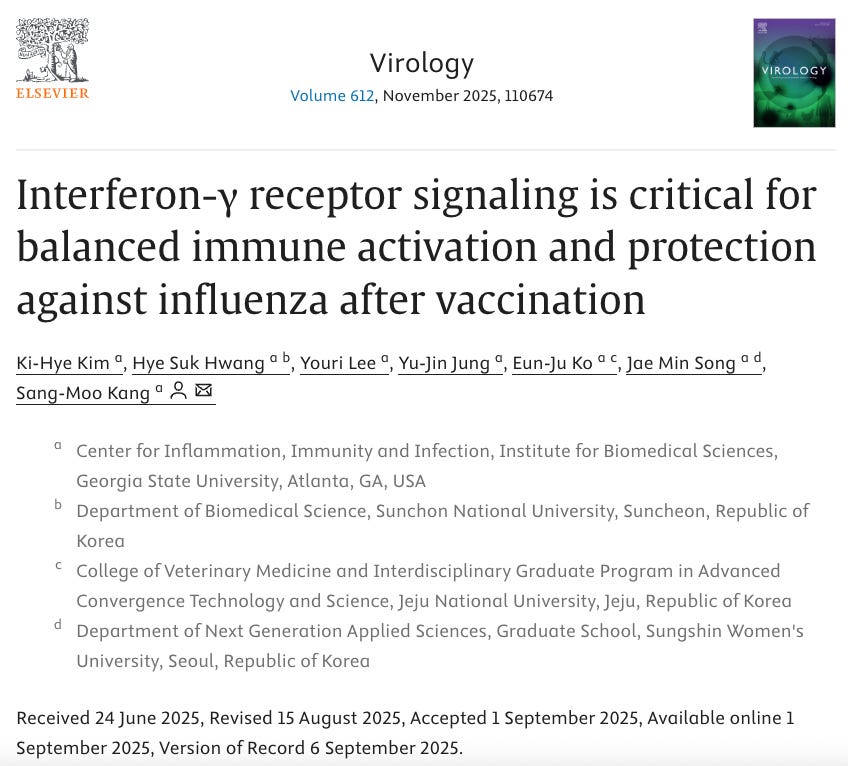
This month, the journal Virology published a study confirming that U.S. researchers at Georgia State University and South Korean collaborators from Jeju National University and Sungshin Women’s University are using reverse genetics to create chimeric H5N1 “Frankenstein” bird flu viruses.

The study was supported by the National Institutes of Health (NIH) and National Institute of Allergy and Infectious Diseases (NIAID) grant AI154656.

Researchers combined purported highly pathogenic avian influenza genes with a laboratory H1N1 backbone.

This is not happening in isolation.

It’s unfolding amid international “pandemic preparedness” efforts, where the creation of dangerous bird flu pathogens goes hand-in-hand with the rollout of vaccines as the supposed solution, which no mainstream or non-mainstream sources are warning about—except this website.

It follows the same playbook as COVID-19, which multiple U.S. agencies have said most likely came from a lab incident.

The new bird flu pathogen creation comes as the United Nations has staged its first-ever global bird flu summit, mobilizing 500 officials and scientists to coordinate “control strategies,” surveillance, and vaccination campaigns—confirming that the very governments engineering these Frankenstein viruses are simultaneously organizing the policies and vaccines that will follow.Subscribe


Building Hybrid Pathogens

The paper openly admits to constructing synthetic flu viruses:

“Reverse genetically engineered reassortant H5N1 influenza viruses were generated using hemagglutinin (HA) and neuraminidase genes derived from either A/Vietnam/1203/2004 (Vietnam rgH5N1) or A/Indonesia/05/2005 (Indonesia rgH5N1), with the remaining seven gene segments derived from A/PR/8/34 (H1N1).”

In plain terms: they spliced bird flu proteins from Asian outbreaks onto a lab H1N1 backbone.

That’s a lab-born hybrid that doesn’t exist in nature.

The very definition of engineered pathogen creation.

Inflammatory Collapse

The experiments revealed catastrophic immune reactions:

“Vaccinated AG129 mice demonstrated significantly higher levels of IL-6, IL-1β, the regulatory cytokine IL-10, and the neutrophil-attracting chemokine KC (CXCL-1) compared to vaccinated A129 mice.”

This translates to runaway lung inflammation—a cytokine storm–like collapse that mirrors the reportedly lethal immune overactivation seen in severe flu and COVID cases.

The Authors

Here are all of the authors, some also holding affiliations in South Korea:

  • Ki-Hye Kim
  • Hye Suk Hwang
  • Youri Lee
  • Yu-Jin Jung
  • Eun-Ju Ko
  • Jae Min Song
  • Sang-Moo Kang.

But all of them are affiliated with Georgia State University in Atlanta, which you can contact here.

Bottom Line

The paper proves two damning facts:

  1. Engineered bird flu hybrids were built in a U.S. lab with help from South Korea, using reverse genetics.
  2. These constructs triggered lethal inflammatory outcomes when combined with vaccination.

This is not preparation, but orchestration.

It’s the same pattern we saw before the COVID-19 pandemic, now being repeated with bird flu.

This isn’t isolated “basic science.”

It’s a pipeline: build dangerous pathogens, then promote vaccines as the “solution.”

The COVID-19 pandemic was said to have been caused by this very thing.

U.N. Stages First-Ever ‘Global Dialogue’ for Bird Flu, Mobilizes 500 International ‘Experts and Decision-Makers’ for Pandemic Coordination


Prioritizing “control strategies” for backyard poultry systems, early warning systems, vaccination strategies, and biosecurity measures.

In another unprecedented instance of worldwide bird flu pandemic coordination, the Food and Agriculture Organization of the United Nations (FAO) has mobilized “around 500 experts and decision-makers to galvanize multisectoral collaboration and investment” at a three-day meeting in Foz do Iguaçu, Brazil.

The FAO’s latest move comes as scientists in Brazil’s Butantan Institute recently engineered never-before-seen H5 bird flu pathogens using reverse genetics—chimeric lab-built viruses that never existed in nature, created under the banner of “pandemic vaccine preparedness.”

Led by Secretary-General António Guterres of Portugal, the United Nations is a highly influential body that can shape international laws, economies, and policies, as many critics view its push for centralized global governance as a dangerous step toward eroding national sovereignty.

The U.N. exploited its unprecedented power during the COVID-19 pandemic by endorsing harsh emergency measures that led to widespread human rights abuses, including repression, censorship, and excessive force against vulnerable populations under the guise of crisis control.

As this website has exclusively been reporting, Brazil, the United States, Japan, South Korea, Egypt, and several countries in Europe are all coordinating bird flu gain-of-function research, reverse-genetics experiments, and vaccine development.

Together, these developments show a coordinated global apparatus in which the same governments engineering new bird flu pathogens are simultaneously assembling under the U.N. to dictate the vaccines and policies that will follow.


Unprecedented International Bird Flu Mobilization

For the first time in history, the United Nations has staged a worldwide bird flu summit, bringing together hundreds of handpicked government officials, scientists, corporate executives, and bureaucrats in one room to coordinate pandemic policy.

Just like they did before the COVID-19 outbreak with the infamous “Event 201” exercise, conducted by the Johns Hopkins Center for Health Security in partnership with the World Economic Forum and the Bill and Melinda Gates Foundation.

This is unprecedented.

The U.N. has never before convened this level of global multisectoral coordination on avian influenza.

But it confirms my warning that governments and global institutions aren’t just preparing for pandemics—they’re actively building the infrastructure for them.

While the U.S. is telling the public that it’s about “protecting food security” and “backyard poultry systems,” the deeper reality is clear: the very same governments funding bird flu gain-of-function, reverse genetics, and Frankenstein chimera experiments are now organizing the response framework—and pre-positioning vaccines as the solution.

‘Surveillance, Biosecurity, and Vaccination’

This is pandemic planning.

Beth Bechdol, FAO Deputy Director-General, declared: “Failure is not an option.”

What she did not say is that many of the “solutions” already on the table are vaccine campaigns waiting to be rolled out, designed in lockstep with the engineered crisis itself.

The official agenda is revealing:

  • Targeting backyard poultry systems in low-income countries
  • Building global early warning systems for outbreak detection
  • Expanding vaccination strategies as central to control
  • Hardening biosecurity measures across poultry operations
  • Integrating animal and human health policy under the U.N.’s “One Health” framework
  • Locking in surveillance tools for rapid outbreak response.

Brazil’s Agriculture Minister Carlos Favaro praised his country’s “swift and effective response” to bird flu detection earlier this year, framing it as proof of a “credible sanitary system.”

FAO’s Chief Veterinarian Thanawat Tiensin doubled down on the vaccine-surveillance model, saying: “Improved surveillance, biosecurity, and vaccination when appropriate… are keys to controlling this disease.”

Bottom Line

This was not just another conference.

The U.N. has openly staged a first-of-its-kind global command center for bird flu, aligning governments, corporations, and scientists under one pandemic framework.

While labs around the world continue to manufacture the threat through reckless genetic engineering, the U.N. is setting the stage for mass-coordinated countermeasures—vaccines and surveillance systems—before the next intentional or accidental outbreak even begins.

Bill Gates Funds New Self-Amplifying mRNA Vaccine That Forces the Body to Produce Entire Coronavirus, Not Just Spike Protein: ‘bioRxiv’ Preprint


Shot hijacks human cells to churn out “heterotrimeric” hybrid spikes—Frankenstein chimeras made of Wuhan and Omicron parts never found in nature.

A new preprint published August 19, 2025, in bioRxiv reveals that a Gates Foundation–funded team at Caltech, Gladstone Institutes, and Acuitas Therapeutics has engineered a self-amplifying mRNA vaccine platform that doesn’t just code for spike protein—it forces human cells to self-replicate the RNA instructions and churn out entire enveloped coronavirus-like particles (eVLPs).


Who & Where

The study was conducted by Chengcheng Fan, Alexander A. Cohen, Kim-Marie A. Dam, Annie V. Rorick, Ange-Célia I. Priso Fils, Zhi Yang, Priyanthi N. P. Gnanapragasam, Luisa N. Segovia, Kathryn E. Huey-Tubman, Woohyun J. Moon, Paulo J.C. Lin, Pamela J. Bjorkman, and Magnus A. G. Hoffmann, with affiliations at CaltechGladstone Institutes (UCSF)University of WashingtonUC Berkeley, and Acuitas Therapeutics in Vancouver.

Funding disclosures make it explicit:

“These studies were funded by … Gates Foundation INV-034638 (P.J.B.) and INV-056219 (M.A.G.H.).”

That means Bill Gates’ foundation bankrolled this self-amplifying virus-factory vaccine.

Self-Amplifying & Whole Virus Design

Unlike first-generation COVID shots, this platform is designed to keep copying itself inside the cell—leading to higher, longer-lasting output.

Self-amplifying vaccines not only instruct the body’s cells to make the coronavirus spike protein—like the original mRNA COVID vaccines do—but they also instruct cells to make an enzyme that makes “copies of the original strand of RNA.”

This process leads to the production of even more spike protein within the body than first-generation mRNA COVID jabs produce.

Purported “benefits” of samRNA include extended duration (time) and magnitude (amount) of spike protein creation, a “strong” immune response, and requiring a smaller dose than original mRNA jabs.

The new study comes on top of Yale University School of Medicine’s discovery that spike protein from the original jabs can linger in the body for 709 days—when, earlier in the COVID pandemic, health authorities told us the spike protein only stays in the body “up to a few weeks.”

The authors of the new Gates-funded preprint describe their work this way:

“We recently developed the ESCRT- and ALIX-binding region (EABR) mRNA vaccine platform, which encodes engineered immunogens that induce budding of enveloped virus-like particles (eVLPs) from the plasma membrane, thereby resulting in presentation of immunogens on cell surfaces and eVLPs.”

This means the injected RNA doesn’t just make spike once—it replicates, keeps instructing, and drives cells to bud off whole coronavirus-like shells.

Far more viral material is created inside the body compared to regular mRNA jabs.

The implication: If standard mRNA already triggered spike toxicity and DNA contamination concerns, self-copying versions exponentially magnify those risks.

Cells Turned Into Virus Factories

The experiments confirmed that mammalian cells, when hit with this design, shed whole synthetic viral particles:

“To verify that the designed constructs induce eVLP budding, HEK293T were transiently transfected … After 48 hours, transfected cell supernatants were harvested, and eVLPs were purified by ultracentrifugation.”

Translation: In the lab, the vaccine instructions reprogrammed cells to manufacture and release entire pseudo-coronaviruses.

Novel Hybrid Spikes Created

Even more alarming, when two versions of spike were included (Wuhan + Omicron), they fused into brand-new hybrid proteins:

“Co-expression of ancestral Wu1 and Omicron S in the same cell could result in the formation of S heterotrimers consisting of Wu1 and Omicron S protomers.”

That means the vaccine doesn’t just make past spikes—it fabricates chimeric coronavirus spikes never seen before in nature.

Confirmed by Cryo-EM

This wasn’t theoretical modeling.

Cryo-electron microscopy reportedly directly showed the new synthetic hybrids:

“Single-particle cryo-EM analysis confirmed … trimerized HT2 and HT3 S proteins … These data demonstrate heterotrimeric S formation for soluble forms of SARS-CoV-2 S proteins.”

In other words, scientists actually imaged the new hybrid coronavirus spikes generated by the vaccine platform.

The Bigger Picture

This Gates-funded research is not isolated.

As my previous investigations have shown, governments and global foundations are already bankrolling self-amplifying mRNA (sa-mRNA) platforms worldwide.

Japan has already approved one (ARCT-154), and the Biden administration handed Gritstone Bio a $433-million contract to advance its own self-copying jab.

These vaccines are said to be “more efficient.”

But the reality is they extend duration and magnitude of spike production inside the body.

Cambridge University scientists already warned that first-gen mRNA is misread 10% of the time, producing rogue proteins in one-third of recipients.

If self-amplifying vaccines magnify those errors, the risks grow exponentially.

Bottom Line

Gates Foundation money funded an mRNA vaccine that self-replicates and programs cells to manufacture entire coronavirus-like particles.

This goes far beyond spike: cells become virus factories, producing synthetic hybrid spikes never found in nature.

Combined with the self-amplifying mechanism, the body isn’t just briefly making spike—it’s pushed into prolonged production of whole pseudo-viruses.

Bill Gates’ fingerprints are now on a technology that forces the body to churn out entire synthetic coronaviruses, amplified from within.

627 Times More Plasmid DNA Contamination in COVID Shot Than FDA/WHO Safety Limit—Hundreds of Billions of Fragments Per Dose: Journal ‘Autoimmunity’


New study confirms Pfizer jab contains SV40 cancer promoter.

Jon Fleetwood/Substack

Sep 06, 2025

A new peer-reviewed study published today in Autoimmunity has confirmed that both Pfizer-BioNTech and Moderna’s mRNA COVID-19 injections are contaminated with enormous quantities of DNA fragments—billions to hundreds of billions per dose—with Pfizer’s product uniquely containing the SV40 promoter-enhancer, a viral genetic element long associated with cancer concerns.

The study was authored by Dr. David J. Speicher, Dr. Jessica Rose, and Dr. Kevin McKernan.

The startling findings come as Pfizer’s own confidential safety data show serious injuries clustering in blood, immune, and neurological systems—the exact three human DNA fragments built into its vaccine plasmid, raising the possibility that plasmid integration is driving the very harms now dominating the safety signal.Subscribe

Share Jon Fleetwood


Residual DNA Found in Every Vial Tested

The contamination was not limited to a few batches.

The authors make it plain:

“Residual DNA was detected in all 32 vaccine vials surveyed.”

Every single dose they tested had measurable DNA contamination.

Levels Exceed FDA & WHO Limits by Up to 627-Fold

The FDA and WHO set a maximum limit of 10 ng of DNA per dose.

These vaccines blew through that ceiling:

“Using fluorometry coupled with RNase A digestion, all products tested exceeded the guidelines for residual DNA set by the FDA and WHO of 10 ng/dose by 36–627-fold.”

Translation: These vaccines didn’t just skirt the limit—they shattered it, with up to 627 times more DNA than allowed.

Pfizer Contains SV40 Promoter—Linked to Gene Activation & Cancer

One of the most alarming discoveries: only Pfizer vials contained the SV40 promoter-enhancer, a sequence designed to push DNA into cell nuclei and drive gene expression.

“The SV40 promoter-enhancer-ori (0.25–23.72 ng/dose) was only detected in Pfizer vials.”

The SV40 promoter is not an inert bystander—it’s a nuclear targeting element used in gene therapy and flagged in past studies as tumorigenic.

This means Pfizer doses deliver cancer-linked viral DNA elements directly into patients’ cells, wrapped in lipid nanoparticles.

Billions to Hundreds of Billions of DNA Fragments Per Dose

This isn’t just a little DNA dust.

We’re talking staggering numbers:

“These data demonstrate the presence of 1.23 × 10^8 to 1.60 × 10^11 plasmid DNA fragments per dose encapsulated in lipid nanoparticles.”

That’s hundreds of billions of DNA molecules in each injection, not floating free but packaged in lipid nanoparticles designed to deliver genetic material into human cells.

Pfizer’s DNA Exceeds Limits in Multiple Lots

While Moderna’s DNA fragments stayed within FDA limits by qPCR, Pfizer repeatedly broke through:

“When tested by qPCR, all Moderna vials were within the regulatory limit, but 2/6 Pfizer lots (3 vials) exceeded the regulatory limit for the SV40 promoter-enhancer-ori by 2-fold.”

So Pfizer’s contamination isn’t hypothetical—it’s verified above-regulatory limits.

DNA Fragments Are Protected, Not Degradable

If these were just naked DNA fragments, they’d be destroyed quickly.

But because they’re wrapped inside lipid nanoparticles, they’re shielded from breakdown and can enter cells efficiently.

The authors stress:

“This study emphasizes the importance of methodological considerations when quantifying residual plasmid DNA in modRNA products, considering increased LNP transfection efficiency, and cumulative dosing presents significant and unquantified risks to human health.”

Layman’s terms: these DNA fragments are protected, designed to get into your cells, and regulators never accounted for that risk.

Authors’ Warning

In their conclusion, the authors reaffirm the data “demonstrate the presence of billions to hundreds of billions of DNA molecules per dose in the modRNA COVID-19 products tested.”

They warn that current safety guidelines are outdated and must be revised, urging replication of their findings under strict forensic conditions.

“Our findings extend existing concerns about vaccine safety and call into question the relevance of guidelines conceived before the introduction of efficient transfection using LNPs. With several obvious limitations, we urge that our work is replicated under forensic conditions and that guidelines be revised to account for highly efficient DNA transfection and cumulative dosing.”

The scientists stress that regulators must follow the precautionary principle, prove safety with transparency, and fully disclose how these products are made.

“This work highlights the need for regulators and industry to adhere to the precautionary principle and provide sufficient and transparent evidence that products are safe and effective, and disclose the details of their composition and method of manufacture.”

Bottom Line

Pfizer and Moderna’s COVID-19 vaccines were found to contain massive amounts of residual DNA—far above regulatory thresholds—with Pfizer uniquely contaminated by SV40 promoter-enhancer sequences.

These DNA molecules are packaged in lipid nanoparticles that maximize cell entry, raising the specter of genome integration, cancer risk, and long-term genetic damage.

The authors—Speicher, Rose, and McKernan—are clear: regulators need to reassess DNA safety limits in light of lipid nanoparticle delivery and cumulative dosing, something never done before these products were unleashed globally.