The Truth Is Out There

Posts tagged ‘nutrition’

Canada Builds Live SARS-CoV-2 Viruses From Computer Code Alone That ‘Can Be Used For Gain-of-Function Research’: Journal ‘Viruses’


A closed pandemic loop of digital design, synthetic GOF viruses, and government-controlled verification.

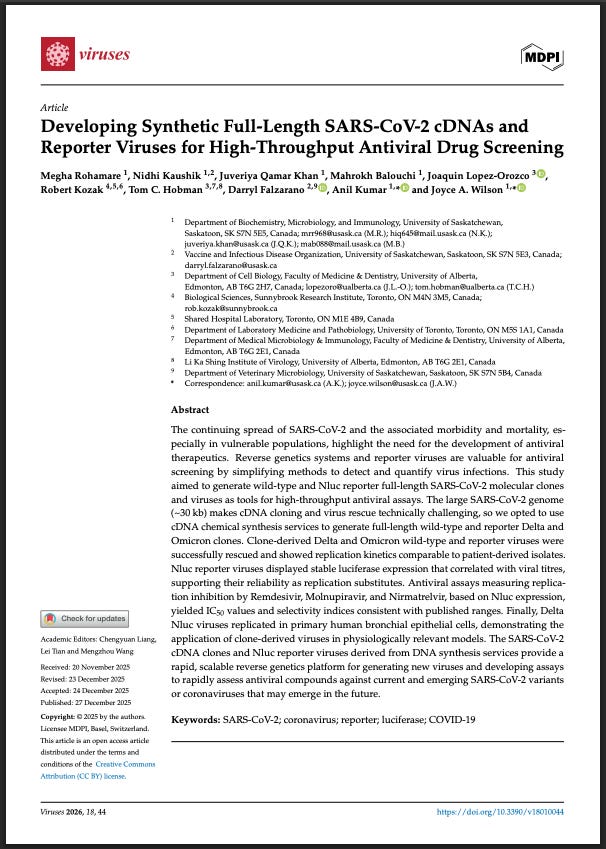
A new peer-reviewed study published in the journal Viruses says that publicly funded Canadian laboratories digitally designed full-length SARS-CoV-2 genomes, chemically synthesized them using commercial services, and generated live, replication-competent coronaviruses without starting from a natural virus sample.

The paper, titled “Developing Synthetic Full-Length SARS-CoV-2 cDNAs and Reporter Viruses for High-Throughput Antiviral Drug Screening,” documents the alleged creation of infectious Delta and Omicron SARS-CoV-2 viruses from computer-designed genetic sequences alone.

Coming in the wake of the COVID-19 pandemic—which killed millions of people worldwide and was linked by multiple intelligence agencies to laboratory research—the study raises national security concerns about the ability of government-funded institutions to create replication-competent pandemic viruses from digital sequence data alone, using commercial infrastructure with limited public oversight.

In light of these capabilities, the study also raises the possibility that governments could define, simulate, and respond to a biological threat almost entirely within digital and laboratory frameworks—leaving the public reliant on official interpretation rather than independently observable evidence.

Viruses Built from Computer Code Alone

The authors state that they did not rely on physical viral isolates to create the viruses.

Instead, they used commercial DNA synthesis services to generate the entire coronavirus genome:

“We opted to use cDNA chemical synthesis services to generate full-length wild-type and reporter Delta and Omicron clones.”

They further explain:

“DNA synthesis is a viable method to rapidly generate coronavirus cDNAs and recombinant viruses.”

Those synthesized genomes were then said to be used to generate live viruses:

“Clone-derived Delta and Omicron wild-type and reporter viruses were successfully rescued and showed replication kinetics comparable to patient-derived isolates.”

The study claims that the resulting viruses were infectious and capable of sustained replication in cell culture.

The paper emphasizes that the same system can be used to generate new viral variants based solely on sequence data:

“DNA synthesis is a viable and rapid option to generate reverse genetic systems for wild-type and reporter viruses using sequence information alone.”

Acknowledged Gain-of-Function Capability

In the Discussion section, the authors explicitly acknowledge that the methodology they used qualifies as gain-of-function (GOF) capable research:

“It is important to acknowledge that the novel approach described in this study—generating replication-competent viruses from synthetic DNA while introducing heterogeneous gene functions—can be used for ‘gain-of-function’ research.”

Where the Viruses Were Said to Be Created

All work involving purportedly live SARS-CoV-2 was conducted in Canada at a high-containment facility:

“All the experiments involving infectious SARS-CoV-2 viruses were conducted at VIDO-InterVac in an approved Biosafety containment level 3 (BSL3) laboratory.”

VIDO-InterVac is part of the University of Saskatchewan, which is a central institutional hub for the research described in the paper.

Author Affiliations

The authors are affiliated with multiple Canadian institutions, including:

  • University of Saskatchewan (Department of Biochemistry, Microbiology, and Immunology; Vaccine and Infectious Disease Organization),
  • University of Alberta (Department of Cell Biology; Department of Medical Microbiology & Immunology; Li Ka Shing Institute of Virology),
  • Sunnybrook Research Institute (Toronto),
  • University of Toronto (Department of Laboratory Medicine and Pathobiology).

Public Funding Sources

The research was funded entirely through public Canadian funding, according to the paper’s funding disclosure:

“This research was funded by the Canadian Institutes of Health Research (CIHR)-funded Coronavirus Variants Rapid Response Network (CoVaRR-Net)… CIHR Operating COVID-19 Rapid Research Funding Opportunity—Therapeutics… and NSERC.”

Additional operational support came from:

“The Government of Saskatchewan… the Government of Canada through Prairies Economic Development Canada… and the Canada Foundation for Innovation Major Science Initiatives for its CL3 facility.”

What the Paper Establishes

The study documents, in the authors’ words, that:

  • Full-length SARS-CoV-2 genomes were digitally designed
  • Those genomes were chemically synthesized
  • Live, replication-competent coronaviruses were said to be generated from that synthetic DNA
  • The method is acknowledged to be usable for gain-of-function research
  • The work was publicly funded and conducted in Canadian government-supported laboratories

These facts are stated directly in the paper and do not rely on inference, speculation, or external interpretation.

Bottom Line

The new Viruses paper reveals that governments claim to possess the technical ability to define a virus digitally, synthesize it physically, and validate its behavior entirely within controlled laboratory systems—allowing modern pandemic response to operate almost entirely inside digital, synthetic, and laboratory environments.

That convergence raises unresolved questions about national security, transparency, independent verification, and how much trust the public is asked to place in closed scientific and governmental frameworks when responding to future biological threats.

The study aligns with earlier FOIA-released DARPA documents showing that U.S. biodefense systems were already built to synthesize viruses and manufacture mRNA countermeasures from sequence data alone, placing the Canadian work within a broader pre-existing digital pandemic infrastructure.

WHO VigiAccess Lists 5.8 Million COVID-19 Vaccine Adverse Event Reports


World Health Organization data show system-wide adverse event reports spanning neurological, cardiac, immune, gastrointestinal, and reproductive categories.

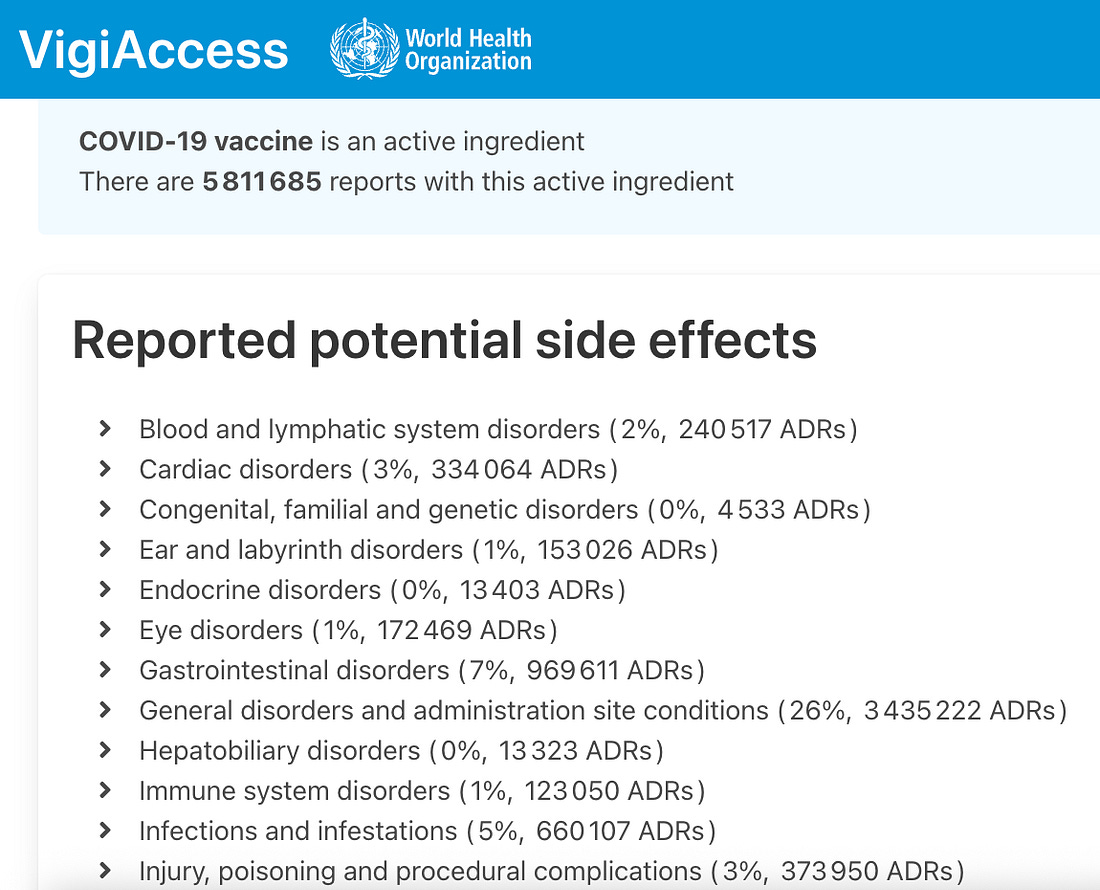
The World Health Organization’s VigiAccess pharmacovigilance database currently lists 5,811,685 individual adverse drug reaction (ADR) reports associated with COVID-19 vaccines as an active ingredient.

A Harvard Pilgrim Healthcare/HHS study confirms fewer than 1% of vaccine adverse events are reported, meaning the number could be closer to half a billion.

These reports are submitted by national drug regulators worldwide and categorized by affected body system.

Below is the full numerical breakdown exactly as listed in the database.


Reported Potential Side Effects by System Category

  • General disorders and administration site conditions
    3,435,222 reports (26%)
  • Nervous system disorders
    2,162,680 reports (16%)
  • Gastrointestinal disorders
    969,611 reports (7%)
  • Investigations (laboratory abnormalities, diagnostic findings)
    807,850 reports (6%)
  • Infections and infestations
    660,107 reports (5%)
  • Respiratory, thoracic, and mediastinal disorders
    559,163 reports (4%)
  • Skin and subcutaneous tissue disorders
    643,195 reports (5%)
  • Injury, poisoning, and procedural complications
    373,950 reports (3%)
  • Cardiac disorders
    334,064 reports (3%)
  • Psychiatric disorders
    253,443 reports (2%)
  • Blood and lymphatic system disorders
    240,517 reports (2%)
  • Vascular disorders
    245,846 reports (2%)
  • Reproductive system and breast disorders
    280,795 reports (2%)
  • Musculoskeletal and connective tissue disorders
    1,419,363 reports (11%)
  • Immune system disorders
    123,050 reports (1%)
  • Surgical and medical procedures
    121,374 reports (1%)
  • Metabolism and nutrition disorders
    103,797 reports (1%)
  • Eye disorders
    172,469 reports (1%)
  • Ear and labyrinth disorders
    153,026 reports (1%)

Lower-Frequency Categories Still Numerically Significant

  • Renal and urinary disorders
    47,767 reports
  • Endocrine disorders
    13,403 reports
  • Hepatobiliary disorders
    13,323 reports
  • Pregnancy, puerperium, and perinatal conditions
    14,180 reports
  • Congenital, familial, and genetic disorders
    4,533 reports
  • Neoplasms (benign, malignant, unspecified)
    17,770 reports
  • Product issues
    10,919 reports
  • Social circumstances
    47,909 reports

These figures represent submissions from national health authorities participating in the WHO’s global drug-safety monitoring program.

As of March 2025, 182 health authorities (national pharmacovigilance centers) participate in the WHO Program for International Drug Monitoring.

Each report may include multiple symptoms, meaning totals by category exceed the number of individual reports.

The scale and system-wide distribution of these reports are unprecedented for a single pharmaceutical product class in the VigiBase system.

Would You Care for a Stroke with That Jab, Sir or Madam?


Here is Part 2 of the must-read examination of clean data revealing very dirty deeds.

Yes, sometimes young people have strokes. Sometimes they get cancer. Mostly they don’t. And when well-established population incidence of something such as ALS or stroke or infertility or cancer or lupus, etc., suddenly shoots up, there is always a cause. It is the work of epidemiology, forensics, pathology and similar to look at the pattern and find the cause so it can be remedied.

If, that is, there is any real desire to fix the problem. When the problem is that there is a concerted effort to cause, not fix, the problem because the problem is seen, by someone at the controls, as the solution to some other problem, well, Houston, we most certainly do have a problem.

Here is Aussie 17’s remarkable Part 2 which was promised:

PharmaFiles by Aussie17

The Jab That Keeps on Giving: Part 2. Stroke drug skyrockets 200%!

Before proceeding with this article, it is strongly recommended reading Part 1 first.

Bioweapons, like the ones disguised as mRNA jabs, for example, are designed to maim and kill. Otherwise, they are not effective. They are designed to cloak their presence and impact in mystery. Otherwise, they are not safe for those who made and deployed them. So, yes, the jabs are safe and effective, in those terms, but most certainly not safe and effective as health measures.

Depopulation of a hardy and resilient species with a lot of members living under widely divergent situations takes a LOT of effort and generates a LOT of money.

A LOT of money.

Sicker populations are easier to control and easier to finish off. Sicker populations do not mount effective resistances, or not for long. Sicker populations are more obedient to orders directing and deflecting them.
And sicker populations generate massive wealth before being disposed of.
Pandemic? Chronic illness? What’s not to love, at least if you are a psychopathic predator, serving at the whim of the central parasite, the UN/globalist parasite, that is

Get out of the United Nations, yes, but that action means nothing unless the parasitic, and deadly, regulations, programs, policies, protocols, guidelines, etc., infesting every part of our public and civic lives are extracted, examined and either replaced with ones that support and follow Constitutional law or just discarded if they are, in fact, unnecessary.

You know, like a government of the people, by the people and for the people instead of one that is of the controllagarchs, by the billionaires and for the destructocrats.

Visit PreventGenocide2030,org to learn more and mobilize.

Frankly, we are at the Detox or Die stage, as unpleasant a thought as that might be. We are being killed and, if we leave the parasite in place, that can only accelerate. There really is no option.

Moderna Knew in 2017 That Its mRNA Vaccine Lipid Nanoparticles Enter the Bloodstream and Accumulate in the Liver, Spleen, Kidneys, Heart, and Lungs: ‘Molecular Therapy’ Journal


Two whole years before the COVID-19 pandemic during which billions were injected with LNP-containing vaccines, raising informed consent concerns.

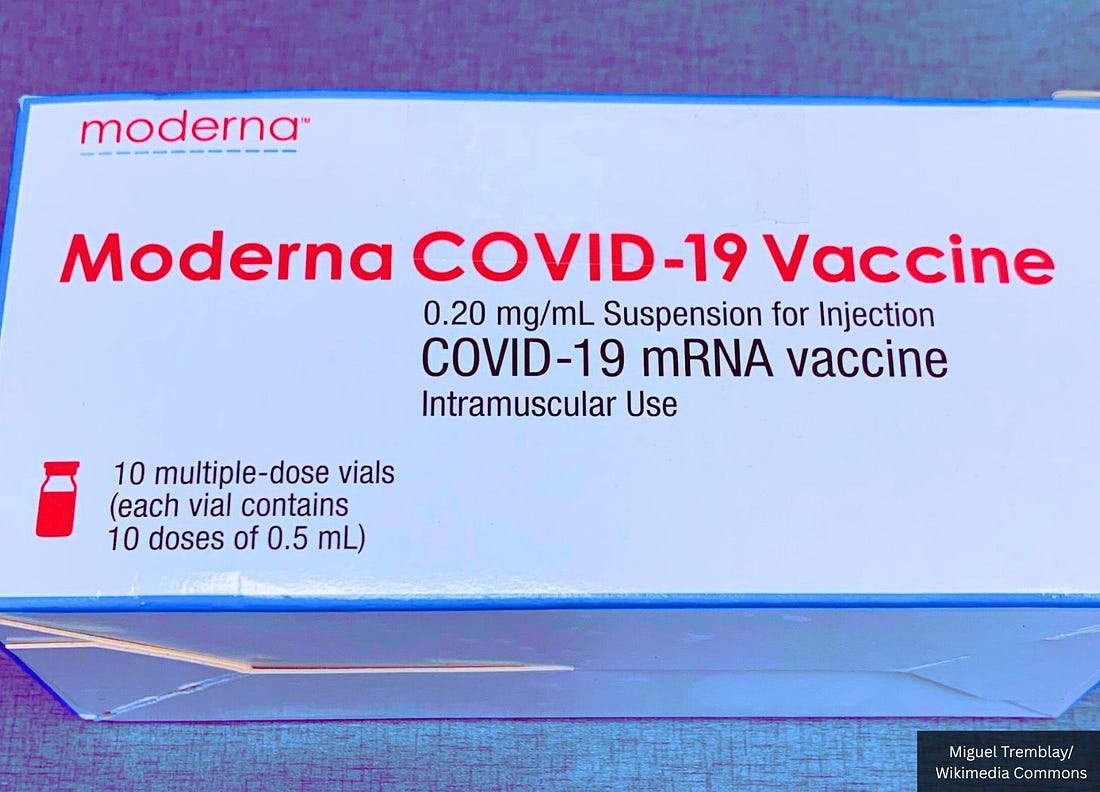
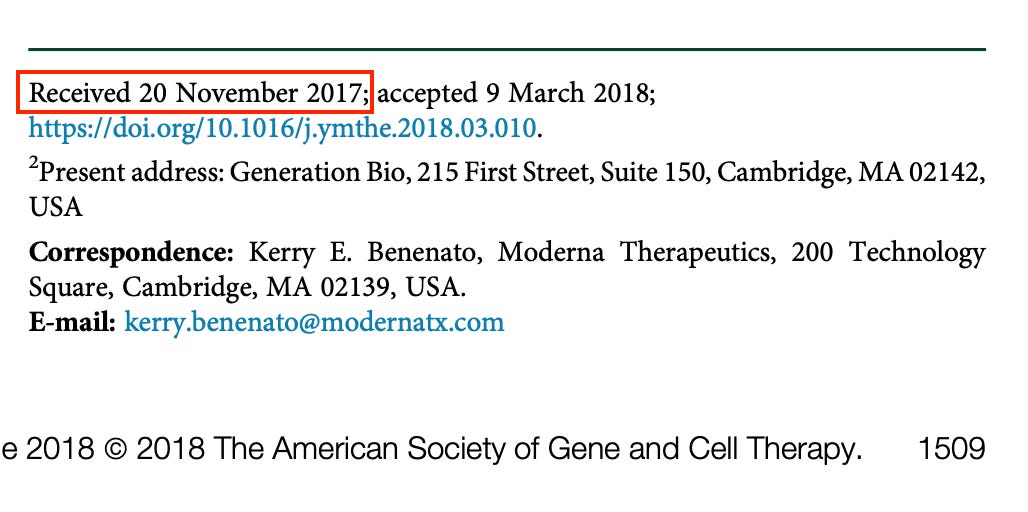
Moderna submitted data in November 2017 proving their mRNA vaccine lipid nanoparticles (LNPs) accumulate in mammalian liver, spleen, plasma (blood), kidneys, heart, and lungs—the same technology Moderna and Pfizer later used in billions of COVID-19 doses.

No one who lined up for those shots was ever told—let alone asked to consent—that the lipid nanoparticles carrying the mRNA would traffic through their blood and into their vital organs.

The LNPs were shown to reach major organs and enter the bloodstream within 1 hour.

The particles persisted in those tissues at least 24–48 hours (the Moderna study didn’t track LNP distribution past 2 days), with accumulation when repeatedly dosed.

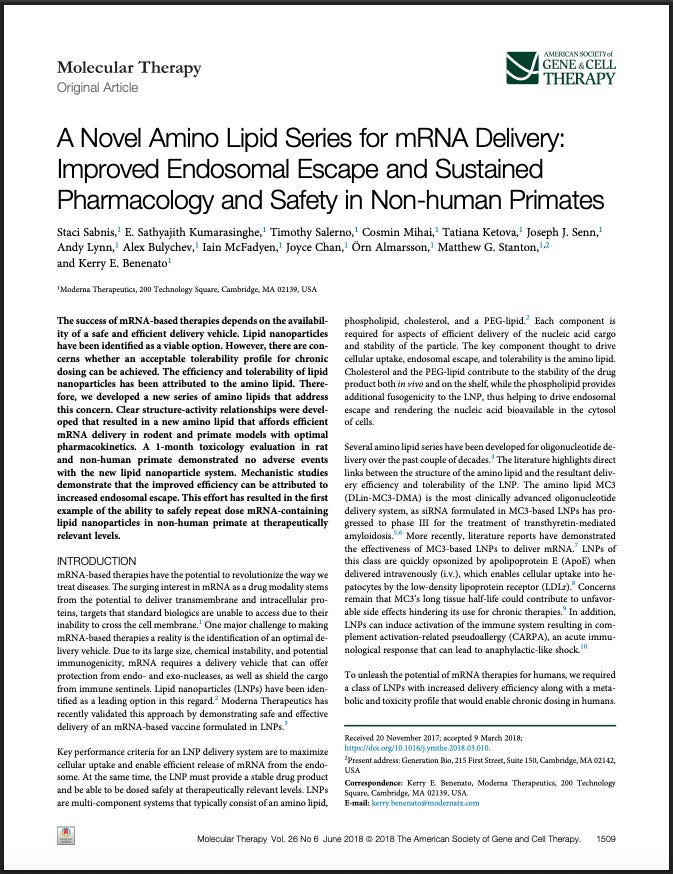
In November 2017, two years before the COVID-19 pandemic, Sabnis et al. submitted biodistribution data regarding Moderna’s mRNA-1325 Zika vaccine, received by Molecular Therapy journal.

The authors were Moderna’s own scientists.


Main (1)1.63MB ∙ PDF file
Download

The study confirms Moderna’s LNPs—called MC3 (DLin-MC3-DMA)—ended up in mammalian liver, spleen, blood, kidney, heart, and lung:

“Following dosing with MC3 LNPs, lipid was detected in liver, spleen, plasma, kidney, heart, and lung, with liver and spleen containing the largest concentrations. Accumulation of MC3 was observed after each dose. Liver and spleen had the highest levels of lipid 5, however, significantly lower levels than MC3. Lipid 5 was also detected in plasma, lung, and kidney, but not in heart.”

A January 2023 Nature Reviews Drug Discovery paper co-authored by Moderna scientists bluntly admits that avoiding “unacceptable toxicity” in mRNA vaccines remains a major challenge, warning that “lipid nanoparticle structural components, production methods, route of administration and proteins produced from complexed mRNAs all present toxicity concerns” and that the way these vaccines spread through the body can cause harm due to “cell tropism and tissue distribution… and their possible reactogenicity.”

Nevertheless, back in July of this year, the FDA approved the supplemental Biologics License Application (sBLA) for Spikevax®, Moderna’s LNP-containing COVID-19 vaccine, in children 6 months through 11 years of age.

The current head of the FDA is Dr. Martin A. Makary, who was confirmed as Commissioner of Food and Drugs in March.

And now, with their own 2017 biodistribution data in hand, there is no escaping the obvious: Moderna knew exactly where these nanoparticles were going in the body—and they rolled them out to the world anyway.

With repeat blessings from the FDA.

U.S., South Korea Lab-Engineer Chimeric Bird Flu Virus 100% Fatal in Mammals, Infects Human Blood Cells, Attacks Brain: Journal ‘Science Advances’


Study confirms lab-made hybrid H5N1 strain invades immune cells, replicates in human blood, spreads to the brain, and kills every mammal tested.

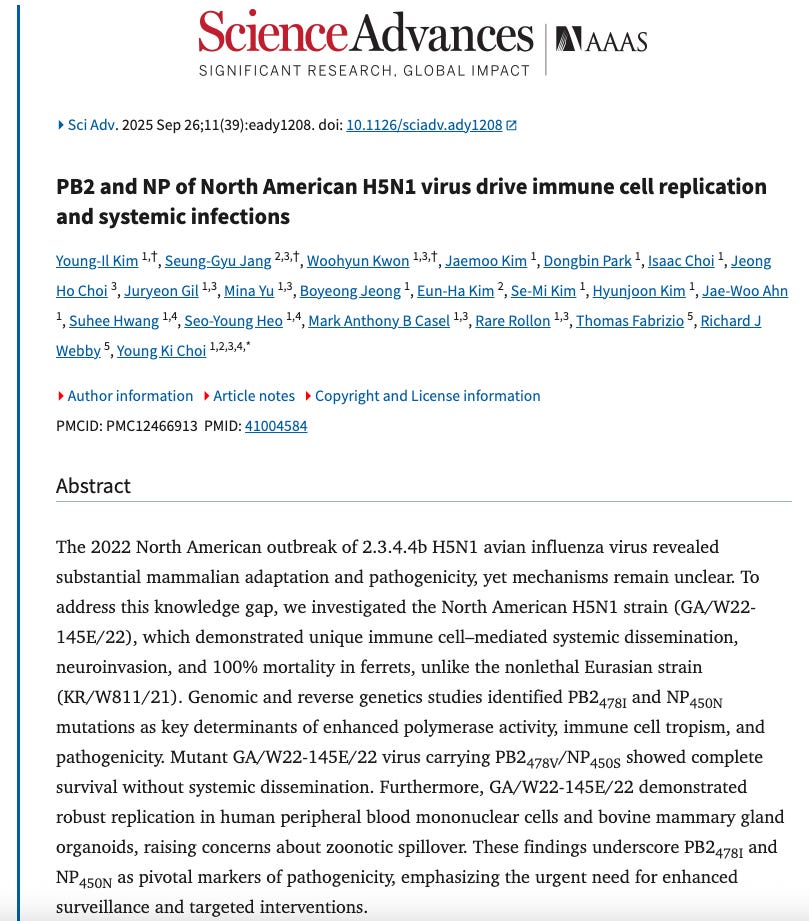
A September Science Advances paper confirms that U.S. and South Korean researchers have engineered a “Frankenstein” chimeric bird flu virus that is said to be 100% fatal in mammals, infect human immune cells, and spread throughout the body—including into the brain.

The international team—led by Young Ki Choi of the Korea Virus Research Institute and Richard J. Webby of St. Jude Children’s Research Hospital in Memphis, Tennessee—rebuilt and genetically modified the North American H5N1 avian influenza strain A/Lesser Scaup/Georgia/W22-145E/2022 (GA/W22-145E/22).

The Korean government-funded experiments raise national security concerns, as Congress, the White House, the Department of Energy, the FBI, and the CIA have confirmed that the COVID-19 pandemic was likely the result of lab-engineered pathogen manipulation.

Are governments intentionally or accidentally creating the next pandemic?


A Lab-Made Chimera

The new bird flu virus wasn’t natural.

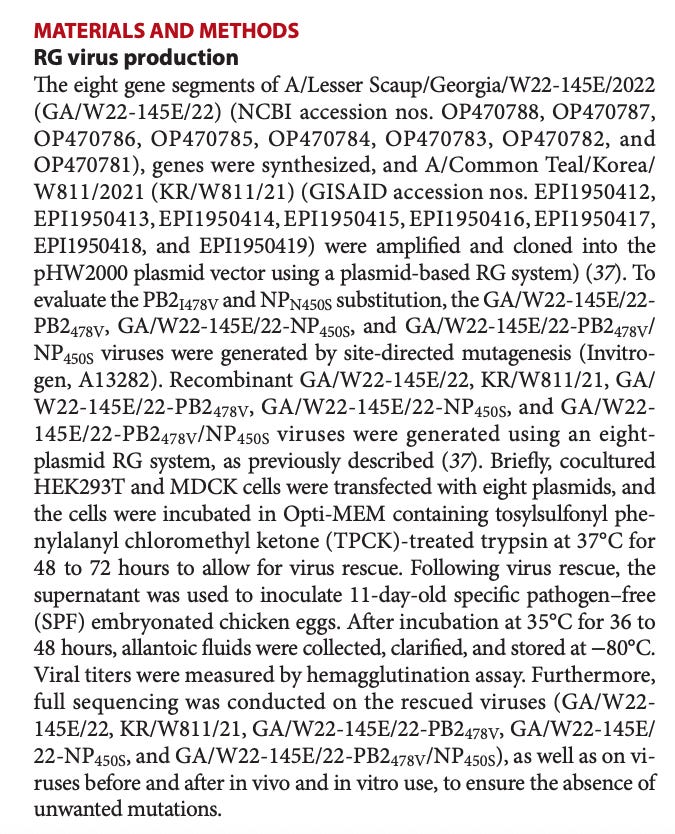
The U.S. and South Korean team used an eight-plasmid reverse-genetics system, a gain-of-function technique that allows scientists to synthesize an entire virus genome from DNA plasmids, assemble it inside human and animal cells, and recover a fully infectious pathogen.

“The eight gene segments of A/Lesser Scaup/Georgia/W22-145E/2022 (GA/W22-145E/22) (NCBI accession nos. OP470788OP470787OP470786OP470785OP470784OP470783OP470782, and OP470781), genes were synthesized, and A/Common Teal/Korea/W811/2021 (KR/W811/21) (GISAID accession nos. EPI1950412, EPI1950413, EPI1950414, EPI1950415, EPI1950416, EPI1950417, EPI1950418, and EPI1950419) were amplified and cloned into the pHW2000 plasmid vector using a plasmid-based RG system),” the authors explained.

“To evaluate the PB2I478V and NPN450S substitution, the GA/W22-145E/22- PB2478V, GA/W22-145E/22-NP450S, and GA/W22-145E/22-PB2478V/ NP450S viruses were generated by site-directed mutagenesis (Invitrogen, A13282). Recombinant GA/W22-145E/22, KR/W811/21, GA/ W22-145E/22-PB2478V, GA/W22-145E/22-NP450S, and GA/W22- 145E/22-PB2478V/NP450S viruses were generated using an eight plasmid RG system, as previously described.”

The paper itself explains that the North American H5N1 lineage is already a reassortant—a genetic mix of Eurasian and North American bird flu viruses:

“The reassortment of EA 2.3.4.4b H5N1 viruses with North American Low Pathogenicity Avian Influenza (LPAI) viruses led to the emergence of previously unidentified genotypes containing PB2, PB1, PA, and NP segments of NAm origin”

In other words, the starting material was a hybrid of two separate influenza families.

This hybrid genome formed the basis for further laboratory engineering.

Researchers then introduced new synthetic mutations to alter the virus’s behavior—creating a true chimera: a recombinant virus stitched together from multiple genetic sources and enhanced in the lab.

The Engineered Mutations & What They Did

The researchers focused on two specific genetic changes—PB2-478I and NP-450N—that together made the virus far more aggressive, able to infect a wider range of cells, and capable of spreading throughout the body instead of staying in the lungs.

These two mutations were placed in the virus deliberately using genetic engineering tools.

They are each said to affect a different part of the virus’s internal machinery:

  • PB2-478I is a mutation in the polymerase gene—the enzyme complex the virus uses to copy its RNA. This particular spot (called the cap-binding domain) helps the virus hijack a human cell’s own messages to start manufacturing more virus.
    → In plain terms: this change let the virus steal the host cell’s genetic “on switch” more efficiently, speeding up replication inside any cell it entered.
  • NP-450N is a mutation in the nucleoprotein, which wraps and protects the viral genome and helps it move in and out of the cell nucleus.
    → This change made the virus better at copying and transporting its genetic material, meaning each infected cell could pump out more viral particles before dying.

When both mutations were present together, the results were extreme.

The virus showed what scientists call increased host-cell tropism—meaning it could infect many different kinds of cells and tissues, not just the respiratory tract.

It multiplied inside immune cells (T cells, B cells, macrophages, and monocytes), spread through the bloodstream, crossed into organs, and even invaded the brain.

“PB2-478I and NP-450N function synergistically to enhance polymerase activity, vRNA synthesis, and replication efficiency … across multiple host species,” the authors wrote.

When the same virus was “fixed” by reversing those mutations back to their original, non-aggressive forms (PB2-478V and NP-450S), the difference was striking:
the virus stopped spreading through the body, stayed confined to the lungs, and none of the test animals died.

“Ferrets infected with the double mutant … survived the study period, indicating significantly reduced virulence,” the paper confirmed.

The authors also warned that these two mutations—PB2-478I and NP-450N—are now showing up in the wild.

100% Fatal in Mammals

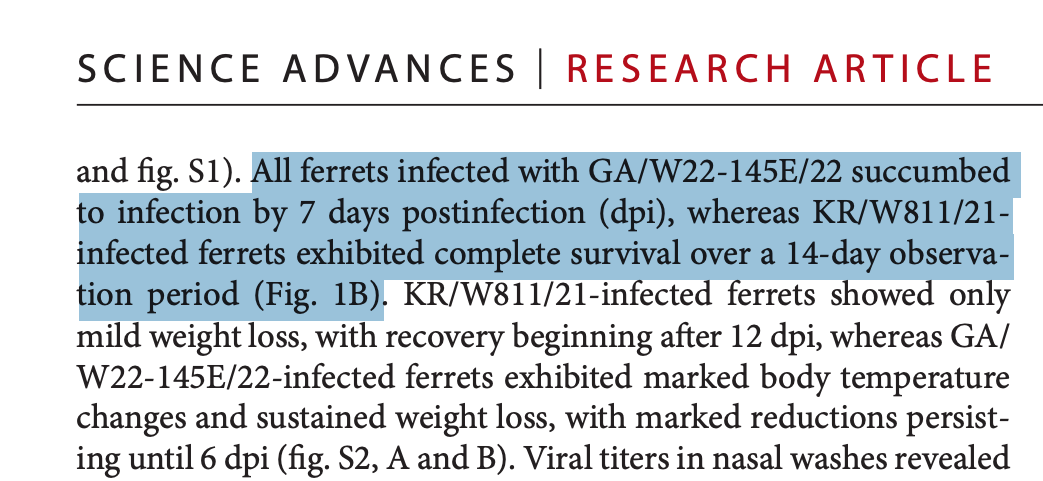
All 24 ferrets infected with the engineered GA/W22-145E/22 strain died within seven days, while those given the Eurasian comparison strain survived the full 14-day study.

“All ferrets infected with GA/W22-145E/22 succumbed to infection by 7 days postinfection,” the study reads.

Post-mortem analysis showed viral replication in nearly every organ—including lungs, liver, spleen, kidneys, intestines, lymph nodes, and brain—with viral RNA reaching deep cortical tissue by day 4.

Infecting Human Blood Cells

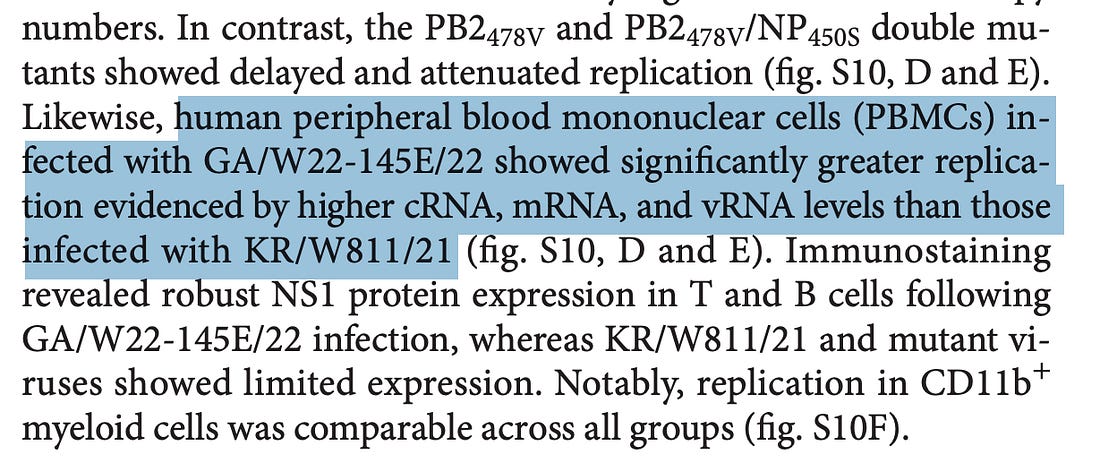
In follow-up tests, the engineered chimera replicated efficiently in human peripheral-blood mononuclear cells (PBMCs) and THP-1 monocytes, proving it could infect human immune cells directly:

“[H]uman peripheral blood mononuclear cells (PBMCs) infected with GA/W22-145E/22 showed significantly greater replication evidenced by higher cRNA, mRNA, and vRNA levels than those infected with KR/W811/21.”

This finding means the virus can use the body’s own immune system to amplify and disseminate—an unusual and hazardous feature for influenza.

Neuroinvasion: Virus Found in the Brain

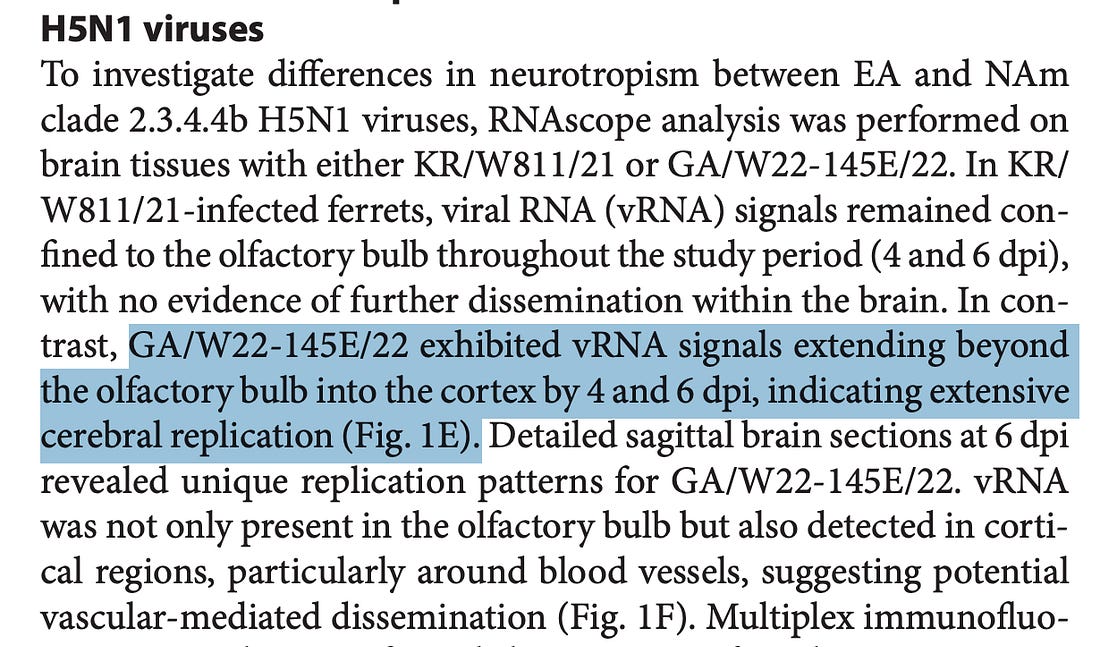
Microscopic imaging revealed viral RNA spreading beyond the olfactory bulb into the cortex, confirming brain infection:

“Viral RNA signals extended beyond the olfactory bulb into the cortex … indicating extensive cerebral replication.”

Immune-cell markers inside brain tissue showed that the virus used infiltrating immune cells as carriers to breach the blood–brain barrier.

A Frankenstein-Style Gain-of-Function Virus

In summary, the project:

  • Reconstructed an influenza genome from plasmids,
  • Mixed Eurasian and North American gene segments,
  • Inserted new mutations that amplified polymerase activity and virulence, and
  • Demonstrated human-cell infection, systemic dissemination, and neuroinvasion.

That combination fits the scientific definition of a chimeric gain-of-function virus—a deliberately engineered hybrid designed to exhibit new, more dangerous traits.

Bottom Line

The Science Advances paper documents the deliberate construction of a lab-made chimeric H5N1 “Frankenstein” virus that:

  • Killed 100% of mammals tested,
  • Infected and replicated in human blood cells,
  • Spread systemically through immune cells, and
  • Invaded the brain.

The authors themselves conclude that these engineered mutations “drive immune cell–mediated systemic spread, neuroinvasion, and potential vertical transmission.”

In plain terms: this was not natural evolution—it was the intentional creation of a cross-species, human-cell-infecting, mammal-lethal hybrid virus inside a laboratory, presented under the banner of “pandemic preparedness.”

New ACIP Board Continues to Advise Children Take Untested Vaccines With Possible Human Gene Contamination That Could Integrate Into DNA


Federal advisory committee fails to inform public about the risks, despite new RFK Jr.-aligned members.

The newly reconstituted CDC Advisory Committee on Immunization Practices (ACIP) was supposed to be different.

With several new members aligned with Health and Human Services Secretary Robert F. Kennedy Jr.’s mandate for transparency and health freedom, expectations were high that the panel would finally call out the dangers hidden in vaccine development.

Instead, the new board folded.

TurniACIP’s Hollow Move

On Thursday, ACIP voted merely to push back the MMRV shot recommendation to age 4 because of the increased risk of febrile seizures in toddlers.

But the CDC had already admitted back in 2008 that ProQuad (MMRV) increased the risk of febrile seizures in toddlers 12–23 months old, and by 2009 ACIP was discouraging its use as the first dose at 12–15 months.

CDC had already cited studies showing about 4.3 cases per 10,000 doses—roughly double the risk compared to separate MMR and Varivax shots.

Meaning this latest “new” move by ACIP isn’t reform at all, but a belated rehash of mainstream business-as-usual policy that does nothing to protect children, even with so-called health freedom members now on the panel.

The Real Elephant in the Room: Plasmids

Instead of going further—instead of confronting the core problem—the panel stopped short.

They left in place recommendations for children to continue receiving vaccines that could contain plasmid DNA contamination with human gene segments capable of integrating into the human genome, a fact admitted in patents, FDA inserts, and independent lab findings.

MMRV (ProQuad): Recombinant Human Albumin Risk

ProQuad (MMRV) contains recombinant human albumin (rHA), made with a plasmid carrying the human ALB gene that could integrate into the human genome and dysregulate blood and cardiovascular systems (here).

The shot has never been tested for carcinogenicity, mutagenesis, or fertility impairment.

If recombinant human albumin (rHA) gene segments integrated into the human genome—particularly the ALB gene involved in encoding albumin—this could potentially disrupt the regulation of albumin production and its widespread biological functions.

Albumin plays a critical role in multiple physiological systems, especially in blood and cardiovascular homeostasis.

Potential Systems Dysregulated by ALB Gene Integration

  • Blood and Vascular System: Albumin regulates osmotic pressure in the blood vessels, facilitates transport of hormones, fatty acids, and drugs, and has anticoagulant properties by binding antithrombin and inhibiting platelet aggregation. Disruption could cause blood clotting abnormalities, impaired transport functions, and fluid balance issues.
  • Cardiovascular System: Since albumin affects blood volume and pressure regulation, abnormal expression might lead to dysregulated blood pressure, edema, or vascular inflammation.
  • Immune System and Inflammation: Albumin helps regulate inflammatory responses; its disruption could contribute to immune dysregulation, such as vasculitis or hypersensitivity reactions.

Associated Serious Adverse Events (SAEs)

The malfunction or dysregulation of albumin expression caused by integration could manifest as SAEs involving these systems, potentially including:

  • Edema (fluid retention and swelling)
  • Thrombocytopenia or other blood clotting disorders
  • Vasculitis (blood vessel inflammation)
  • Anaphylaxis or severe allergic reactions
  • Cardiovascular abnormalities like hypertension or vascular inflammation
  • Immune-mediated conditions affecting blood and vascular health

This aligns with reported SAEs listed in the FDA insert for ProQuad (MMRV), including thrombocytopenia, vasculitis, edema, anaphylaxis, and severe allergic reactions.

The underlying hypothesis is that integration of human ALB gene segments from recombinant albumin plasmids into the genome could disrupt this key protein’s regulation, leading to these blood and cardiovascular disorders.

Thus, the biological systems regulated by albumin—primarily blood volume/osmotic balance, coagulation, transport, and vascular integrity—are the most plausible targets for dysregulation if human albumin gene plasmid fragments integrate into the human genome, and these are reflected in the types of SAEs observed.

ACIP’s Failure

The new ACIP, with new health freedom-minded members recently appointed, was supposed to be a firewall.

Instead, they chose to deliberate over the timing of doses—not the DNA contamination, not the lack of long-term studies, not the risk of permanent genomic integration in children.

This is not reform, but surrender dressed up as oversight.

What the public got was a board that kept the program alive, keeping dangerous products in circulation under the federal Vaccines for Children program, and dodging the real questions.

Bottom Line

ACIP Chair Martin Kulldorff tried to frame the febrile seizure debate as a matter of “trust,” urging the public to listen to scientists who debate openly.

But the committee didn’t debate the elephant in the room: plasmids, human gene contamination, and the utter absence of mutagenesis and carcinogenicity testing.

Both the newly appointed “health freedom” members and the long-standing vaccine loyalists on ACIP now face a test of credibility.

The authority they’ve been given carries a duty to move beyond procedural adjustments and confront deeper safety questions head-on.

That requires openness, genuine debate, and a willingness to subject their recommendations to far greater public scrutiny.

The public did not support changes to ACIP membership simply to see more of the same.

Parents and citizens expected new voices to raise real concerns and to demand stronger safety standards for children.

That expectation remains unmet, and the responsibility for addressing it lies squarely with the current panel.

COVID-19 mRNA Shot Plasmids Contain 3 Human DNA Segments Capable of Integrating Into the Human Genome—Matching 3 Main Post-Vaccine Side Effect Categories


Pfizer’s plasmid carries human DNA fragments regulating blood, immune, and neurological functions—the very systems most often harmed after injection, suggesting the blueprint may cause the injuries.

The COVID-19 mRNA vaccines are built using DNA plasmids.

By definition, plasmids are integration-competent DNA molecules—they are the very tools genetic engineers use when they want to insert new code into a genome.

In other words, plasmids can integrate into human DNA.

Independent labs have confirmed that residual plasmid DNA fragments remain in Pfizer’s finished vaccine vials.

A French government-funded study led by Dr. Didier Raoult (Nov 2024) confirmed that Pfizer’s vaccine contains 5,160 ng of plasmid DNA per dose—516 times higher than the FDA and EMA’s safety limit of 10 ng.

The contamination included sequences from the vaccine’s manufacturing plasmid such as a bacterial origin of replication, a kanamycin resistance gene, and an SV40 initiation factor—a sequence historically linked to oncogenesis (the process of tumor formation or the induction of tumors).

A December 2024 peer-reviewed study in Science, Public Health Policy and the Law found that Pfizer’s COVID-19 shot contained 227–334% more DNA contamination than WHO limits, including the cancer-linked SV40 promoter/enhancer sequence, and urged an immediate moratorium on mRNA vaccines.

As the article reveals:

  1. These residual plasmid DNA fragments carry three human genetic sequences.
  2. And the systems those sequences regulate—blood/cardiovascular, immune, and neurological—are exactly the same systems most often injured after the shot.

Meaning the very blueprint Pfizer used to mass-produce its mRNA shot is built from human DNA control codes—and the same biological systems those codes regulate are the ones showing up again and again in the most serious vaccine injuries.

The unavoidable question is whether this overlap is accidental—or whether regulators have ignored the possibility that Pfizer’s plasmid design itself is contributing to the very injuries now dominating the safety signal.


Peer-Reviewed Evidence on Adverse Events

The 2022 Systematic Review

A 2022 systematic review published in Archives of Academic Emergency Medicine synthesized 74 published studies on COVID-19 mRNA vaccine adverse events.

Severe AEs were classified into five groups: cardiac, allergic/immune, neurological, pregnant, and immunocompromised.

Among these, the majority of serious AEs were cardiac, immune, and neurological.

The review concluded: “Most of the reported severe adverse events were related to cardiac events,” and emphasized that allergic/immune and neurological complications also dominated the literature.

The 2024 Review

A 2024 review in Pharmacology Research & Perspectives confirmed the same pattern.

It found that the main serious adverse events reported after COVID-19 vaccination were:

  • Cardiac: myocarditis, pericarditis, tachyarrhythmias, clotting disorders—with highest risk after Pfizer in young men.
  • Immune/allergic: anaphylaxis, hypersensitivity, immune dysregulation linked to lipid nanoparticles and PEG.
  • Neurological: Guillain–Barré Syndrome, Bell’s palsy, cerebral venous sinus thrombosis, seizures, neuroinflammation.

The authors stressed these three categories as the primary clusters of serious outcomes in both clinical and post-marketing data.

What’s Inside Pfizer’s Plasmid

Pfizer’s vaccine is produced from a DNA plasmid template.

That plasmid doesn’t just contain bacterial sequences.

It carries human untranslated regions (UTRs) said to be chosen to stabilize the synthetic RNA and make it behave like a high-output human transcript.

These include:

  • α-globin 5′UTR (blood/cardiovascular): In native biology, the 3′UTR of α-globin is the canonical stabilizer of mRNA during red blood cell development. But researchers have shown that the α-globin 5′UTR can be repurposed in synthetic constructs to boost translation efficiency in mammalian cells. In either case, the sequence is drawn from human blood biology, tying the plasmid design to the cardiovascular system — the single strongest AE signal.
  • AES/TLE5 3′UTR fragment (immune system): The AES/TLE5 gene family encodes transcriptional co-repressors involved in various developmental and signaling pathways, including immune functions. Its 3′UTR fragment was selected in mRNA engineering screens for its ability to extend RNA half-life and increase protein yield. By making spike RNA persist longer and produce more antigen inside antigen-presenting cells, this sequence indirectly drives heightened immune activation. That aligns directly with the allergic/immune AE category flagged in safety reviews.
  • MT-RNR1 fragment (neurological): MT-RNR1 encodes the mitochondrial 12S rRNA, essential for mitochondrial protein synthesis. Variants in MT-RNR1 are linked to hearing loss, drug-induced ototoxicity, and neurological mitochondrial syndromes. While MT-RNR1 is not an mRNA and lacks a natural 3′UTR, researchers have repurposed fragments of it in synthetic mRNA technology as stabilizers to enhance RNA persistence and translation. Its inclusion in Pfizer’s plasmid therefore borrows from a gene with direct neurological relevance, aligning with the neurological AE category consistently documented after vaccination.

The presence of these three human genetic sequences is confirmed in an October 2023 Nature npj Vaccines publication:

“Pfizer-BioNTech’s 5′ UTR sequence is derived from the human hemoglobin α-globin (HBA1) gene, an efficient expressor… For the 3′ UTR, the Pfizer-BioNTech vaccine combines one segment from a human mRNA encoding amino-terminal enhancer of split (AES) and another from mitochondrial 12 S rRNA (mtRNR1).”

This means it is not speculation—Pfizer’s own blueprint borrows directly from human blood, immune, and neurological genes.

And these happen to be the very systems most often injured in patients.

By their nature, these fragments are regulatory code.

If plasmid DNA fragments enter the nucleus of human cells, they are integration-competent and capable of altering gene regulation.

That means the very systems from which these sequences were borrowed—blood, immune, and neurological—could be dysregulated.

The Overlap No One Wants to Talk About

  • Adverse events: Independent reviews in 2022 and 2024 both concluded that the dominant serious side effects after Pfizer’s mRNA shot are cardiac, immune, and neurological.
  • Plasmid design: Pfizer’s plasmid carries human DNA fragments that regulate blood, immune, and neurological systems.
  • Plasmid nature: By definition, plasmids are capable of genomic integration.

This isn’t coincidence.

It’s alignment.

The design choices in Pfizer’s plasmid template mirror the very domains where the worst vaccine injuries concentrate.

Evidence of Plasmid DNA Integration

Independent researchers have already presented evidence that vaccine-derived plasmid DNA can integrate into human cells.

  • Nature Scientific Reports Study (2023): A peer-reviewed paper demonstrated that when linear DNA fragments were introduced into human cells, between 1–10% of the transiently transfected cells became stably transfected, and in some constructs integration reached 10–20%. Junction sequencing confirmed the foreign DNA had been incorporated into the host genome. The authors concluded: “All of the forms of linear DNA resulted in a high fraction of the cells being stably transfected—between 10 and 20% of the initially transfected cells”
  • Kevin McKernan’s Study (2024): In February 2024, McKernan and colleagues published a preprint showing that plasmid DNA from Pfizer’s mRNA vaccine (BNT162b2) integrated into the genome of human ovarian cancer cell lines (OVCAR3) in vitro. Using qPCR and DNA sequencing, they detected plasmid-specific sequences—including the spike gene and SV40 cancer promoter (yes, that’s in the plasmids, too)—persisting in the genomic DNA of exposed cells, indicating integration. Importantly, this was shown in a cancer cell line, not normal human cells, and there is no direct in vivo evidence in humans. The study demonstrates integration in this controlled lab model but does not prove it occurs in vaccinated people.
  • Phillip Buckhaults’ Findings (2024). McKernan’s warning was later echoed by Dr. Phillip Buckhaults, a cancer genomics expert at the University of South Carolina. In November 2024, Buckhaults presented results from normal human epithelial stem cells (colon organoids) exposed to mRNA vaccines. Using qPCR, his lab detected persistent plasmid DNA sequences—including the spike gene, SV40 promoter, and NeoKanR gene—in the genomic DNA of these cells one month later. This evidence of integration in non-cancerous cells addressed the main criticism of McKernan’s earlier study.
  • Intracellular Reverse Transcription Study (2022). A peer-reviewed paper in the Journal of Genetics and DNA Research found that Pfizer’s mRNA vaccine (BNT162b2) was reverse transcribed into DNA inside human liver cells (Huh7) within 6–48 hours of exposure. This study was said to deal with the vaccine’s mRNA component rather than plasmid contamination, but it reinforces the principle that nucleic acid from the shot can be copied into DNA inside human cells—complementing the plasmid integration evidence reported later.
  • Mechanistic Review on Genome Integration (2022). A review in the Journal of Neurological Disorders (Kyriakopoulos, McCullough, Nigh, Seneff) outlined plausible pathways for mRNA vaccine sequences to integrate into the human genome, citing LINE-1 retrotransposons and polymerase θ as mediators. The authors noted that spike-induced DNA damage and engineered mRNA stability (via methylpseudouridine and long poly(A) tails) may increase the likelihood of integration during DNA repair. While not experimental proof, the review concluded that genome interference by vaccine mRNA is “more than a theoretical possibility.”

Together, these findings underscore that integration is not just a hypothetical risk.

Published studies and independent genomic analyses now show plasmid DNA from COVID-19 mRNA vaccines can, under certain conditions, insert into human DNA.

Bottom Line

This is not claiming causation.

What it is showing is an investigative match:

  • Three human DNA sequences in the plasmid → blood, immune, neurological regulation.
  • Two independent peer-reviewed reviews (2022, 2024) → cardiac, immune, neurological injuries are the main serious AEs.

When the blueprint and the outcome line up this closely, the question is not whether the overlap exists.

It does.

The question is why no regulator has demanded a forensic accounting of whether integration of these human DNA fragments is occurring in patients—and whether this design is partly responsible for the most serious injuries tied to Pfizer’s COVID-19 vaccine.

And we don’t even know the full picture—because Pfizer has never publicly disclosed the complete plasmid sequence, leaving unanswered what other genetic elements may have been built into the blueprint.