The World Health Organization (WHO) has demanded that governments surveil online information that questions the legitimacy of influenza vaccines and that they launch “countermeasures” against those who question the WHO’s vaccine dogma, in a November Vaccinesjournal publication.
The WHO’s largest funders are the U.S. government (taxpayers) and the Bill & Melinda Gates Foundation.
In the November publication, the WHO representatives do not argue for their beliefs in vaccines.
They do not attempt to interact with arguments against vaccines.
Instead, they call for governments to use artificial intelligence (AI) to monitor online opposition to injectable pharmaceuticals, and to develop ways to combat such opposition.
There is no persuasion, only doctrine.
The WHO paper reads:
“Vaccine effectiveness is contingent on public acceptance, making risk communication and community engagement (RCCE) an integral component of preparedness. The research agenda calls for the design of tailored communication strategies that address local sociocultural contexts, linguistic diversity, and trust dynamics.”
“Digital epidemiology tools, such as AI-driven infodemic monitoring systems like VaccineLies and CoVaxLies, offer real-time insight into misinformation trends, enabling proactive countermeasures.”
The WHO starts from the assumption that all vaccine skepticism is inherently false, pushing surveillance tools to track and catalog online dissent from those rejecting that creed.
The goal is not finding middle ground or even fostering dialogue.
It’s increasing vaccinations.
“The engagement of high-exposure occupational groups as trusted messengers is recommended to improve uptake.”
To accomplish this, governments “should” align “all” their messaging with the WHO’s denomination of vaccine faith.
“All messaging should align with WHO’s six communication principles, ensuring information is Accessible, Actionable, Credible, Relevant, Timely, and Understandable, to strengthen public trust in vaccination programmes [sp-non English].”
The WHO’s faith system requires not only that its own followers, but also non-followers inject themselves with drugs linked to injuries, diseases, hospitalizations, and deaths.
If your posts online oppose that faith system, they are targeted and labeled as “misinformation.”
You require “behavioural [sp-non English] intervention.”
You must be “counter[ed].”
“Beyond monitoring misinformation, participatory communication models that involve local leaders, healthcare workers, and veterinarians have shown measurable improvements in vaccine uptake and trust. Evidence-based behavioural [sp-non English] can complement these approaches to counter misinformation.”
The WHO is outlining an Orwellian control system where dissent is pathologized, belief is enforced by surveillance, and governments are instructed to algorithmically police thought in service of pharmaceutical compliance.
Ironically, the game uses the very techniques it claims to train users to detect.
U.S. taxpayer funds are being used by federal health agencies to develop and test online psychological games designed to condition how people—especially younger audiences—interpret and respond to vaccine skepticism.
An August Nature Scientific Reportsstudy reveals that the project was funded by the Centers for Disease Control and Prevention (CDC) under the U.S. Department of Health and Human Services, through a CDC award administered by the American Psychological Association.
The paper states that the funding totaled “$2,000,000 with 100% funded by CDC/HHS.”
The grant supporting the project is titled “COVID—INOCULATING AGAINST VACCINE MISINFORMATION,” award number 6NU87PS004366-03–02.
That award has already handed out over $4.3 million in taxpayer funds since its activation in 2018.
The project language mirrors the study’s conceptual framework: dissent is treated as exposure to a pathogen, and resistance to dissent is treated as immunity.
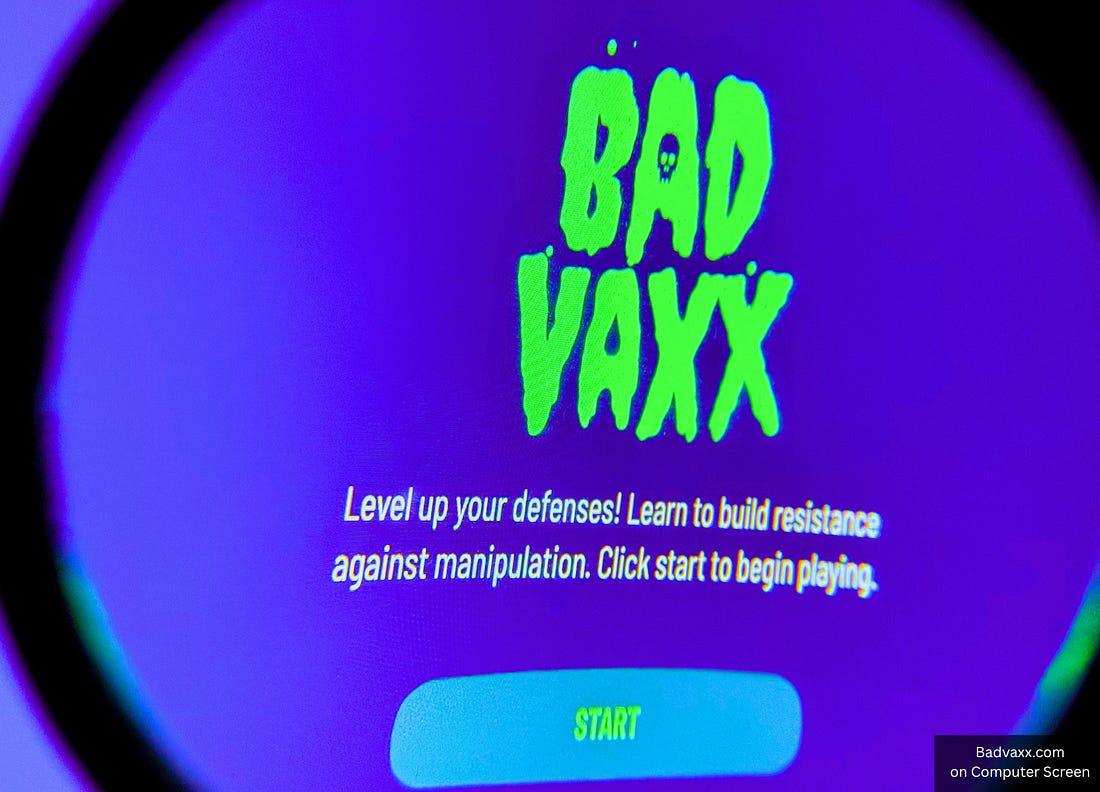
The government-funded study centers on the creation and evaluation of an online game called Bad Vaxx.
According to the authors, the purpose of the game is not to examine disputed vaccine claims or to compare competing evidence, but to reduce what they define as “vaccine misinformation” by shaping how players cognitively process vaccine-critical content.
This is despite the CDC’s own VAERS data confirming over 2.7 million injuries, hospitalizations, and deaths linked to vaccines since 1990.
The study authors explain their premise at the outset:
“Vaccine misinformation endangers public health by contributing to reduced vaccine uptake.”
From this premise, the study moves directly to intervention design.
“We developed a short online game to reduce people’s susceptibility to vaccine misinformation.”
The paper frames this approach as a form of psychological prevention, borrowing language from immunology rather than education or debate.
“Psychological inoculation posits that exposure to a weakened form of a deceptive attack… protects against future exposure to persuasive misinformation.”
The Bad Vaxx game operationalizes this concept by training players to recognize four specific “manipulation techniques”: what it refers to as emotional storytelling, fake expertise, the naturalistic fallacy, and conspiracy theories.
These techniques are treated as characteristic of vaccine misinformation as a category.
“The game trains people to spot four manipulation techniques, which previous studies have identified as being commonly used in the area of vaccine misinformation.”
The study does not include a corresponding examination of whether similar persuasive techniques may be used in vaccine-promoting messaging, government communications, or pharmaceutical advertising.
Ironically, the Bad Vaxx project itself relies on the same persuasive architecture it claims to neutralize—emotional framing, authority cues, and repetition—embedded in a gamified format designed to shape intuition rather than invite scrutiny.
The classification of “vaccine misinformation” is established in advance and applied only to information critical of injectable pharmaceutical products.
Throughout the paper, vaccine skepticism is framed as a behavioral and social risk rather than as a possible response to uncertainty, evolving evidence, or institutional error.
The taxpayer-funded authors write:
“Susceptibility to misinformation about COVID-19 predicts lower compliance with public health regulations and lower willingness to get vaccinated.”
The choice of a game as the delivery mechanism is emphasized as a strength of the intervention.
The authors repeatedly describe the format as “entertaining,” “immers[ive],” and scalable, highlighting its ability to shape intuition rather than deliberation.
“A practical, entertaining intervention in the form of an online game can induce broad-scale resilience against manipulation techniques commonly used to spread false and misleading information about vaccines.”
Games function by rewarding correct pattern recognition, reinforcing desired responses, and reducing analytical friction.
The study’s outcome measures reflect this design: discernment scores, confidence ratings, and willingness to share content, rather than independent evaluation of claims or evidence comparison.
The researchers also emphasize the potential reach of such interventions.
“The Bad Vaxx game has the potential for adoption at scale.”
This matters because the funding source is not an academic foundation with no policy stake.
The CDC is the primary federal agency responsible for vaccine schedules, promotion, and uptake.
Yet the study does not address how this institutional role shapes the definition of misinformation used in the intervention, nor does it acknowledge the conflict inherent in a public health authority funding psychological tools aimed at managing disagreement with its own policies.
The dystopian nature of the project emerges from the structure itself: state funding, psychological conditioning, asymmetric definitions, and a delivery system designed to bypass debate in favor of intuition.
What the paper documents, in concrete terms, is the use of taxpayer funds to develop and validate a behavioral intervention—delivered through a medium optimized for psychological conditioning—that trains users to reflexively distrust a predefined category of speech, while exempting vaccine-promoting institutions from equivalent scrutiny.
“A PCR-positive test alone can by no means confirm infection,” study authors confirm—yet the test is currently being used to justify government response to bird flu.
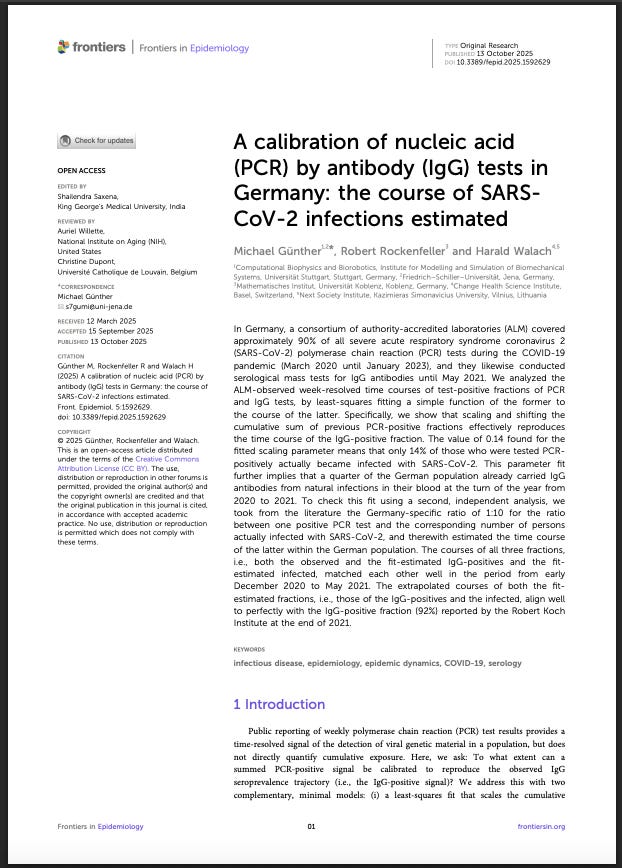
Only a small fraction of people who tested positive for COVID-19 by PCR in Germany met researchers’ criteria for infection, according to an October peer-reviewed study published in Frontiers in Epidemiology.
The findings come as PCR tests are being used to justify government response to avian influenza “bird flu,” including animal culling, countermeasures (vaccine) development, and gain-of-function experiments.
After analyzing nationwide laboratory data from March 2020 through mid-2021, the authors of the new study concluded that only 14% of PCR-positive individuals showed evidence of true infection, which they measured by later antibody development.
The remaining majority did not.
“Only approximately 14% of those who tested PCR-positive were actually infected.”
That means 86% of PCR-positive tests did not meet the authors’ definition of infection, calling into question the use of PCR positivity to count disease cases.
The study was conducted by researchers from multiple European universities and research institutes, examining data from Akkreditierte Labore in der Medizin (ALM), a laboratory consortium that conducted roughly 90% of all PCR testing in Germany during the period analyzed.
Rather than attempting to confirm individual infections through culture (showing evidence of physical, growing live virus in lab cells), the researchers compared weekly PCR-positive fractions with subsequent IgG antibody positivity, which they describe as the accepted biological marker of past infection.
“Since 1942, the detection of virus-specific antibodies has been regarded as the methodological gold standard for confirming infection.”
The logic of the analysis was straightforward.
If PCR-positive results were reliably identifying infected individuals, then PCR positivity should closely track the rise in IgG antibodies over time, given the mainstream virological and immunological model.
Instead, the researchers found that the PCR signal had to be scaled down dramatically to match observed antibody levels.
“Fitting the scaled cumulative PCR-positive fraction … yields PPCR ≈ 0.14 … This implies that roughly only one in seven German individuals with a PCR-positive test later had detectable IgG antibodies, that is, was actually infected with SARS-CoV-2.”
The article further notes that this 14% figure may still be an overestimate.
When accounting for possible testing biases, they state that the proportion of PCR positives representing real infections could be even lower.
“A more conservative interpretation of our results suggests that as few as one in eight or even in nine PCR-positive individuals … may have actually been infected.”
In other words, between 86% and 90% of PCR-positive results did not correspond to confirmed infection.
The paper emphasizes that PCR testing does not, by itself, diagnose infection.
“PCR tests merely detect the presence of fragments of viral genetic material, not necessarily an active infection.”
The study also identifies known sources of false-positive PCR results, including laboratory artifacts and statistical effects that become pronounced during mass testing.
“It is therefore important to highlight two known sources of false-positive PCR results.”
One cited example involves PCR-positive signals detected in water-only samples containing no virus at all.
“The Charité’s PCR assay produced positive results on water controls at cycle threshold (CT) values between 36 and 38.”
Beyond laboratory artifacts, the authors explain that even tests designed to be highly accurate at ruling out uninfected people can still produce large numbers of false positives when true infection levels are low.
In this context, “specificity” refers to how often a test correctly returns a negative result in someone who is not infected.
If specificity is less than 100%, some uninfected people will inevitably test positive.
“According to Bayes’ theorem, the rate of false positives increases when disease prevalence declines, owing to test specificity below 100%.”
Using observed positivity rates and their fitted infection estimate, the authors calculate that PCR specificity alone can explain the discrepancy between PCR positives and confirmed infections.
“Assuming 1% of tested individuals were true positives, a specificity of 94% explains the remaining 6% of PCR-positive results as false positives among the 99% who were not infected.”
The study’s findings have direct implications for how COVID-19 “cases” were counted and used in public policy.
Throughout the pandemic, PCR-positive test results were treated as proxies for infection and were used to justify restrictions and emergency measures.
PCR-positive test results are not being used to justify bird flu containment measures around the world.
The article argues this approach lacks biological grounding.
“A PCR-positive test alone can by no means confirm infection at the individual level.”
The paper concludes that Germany’s reliance on raw PCR positivity substantially overstated infection levels and distorted the understanding of the pandemic’s actual course.
“The principal finding from our analysis … is this: only 14%—and possibly even fewer, down to 10%—of individuals identified as SARS-CoV-2-positive via PCR testing were actually infected, as evidenced by detectable IgG antibodies.”
The article argues that PCR positivity was treated as infection when the data showed it overwhelmingly not.
By analysis, PCR positivity does not reliably indicate infection, raising questions about its continued use as a case-defining tool in current and future disease responses.
Is the “chilling” rise in flu cases nationwide attributable to PCR tests detecting vaccine RNA, not wild virus?
Mainstream news outlets are broadcasting that there is a “chilling” rise in flu cases, with Colorado, Louisiana, and New York experiencing the “fastest increases in influenza cases.”
However, the rise in cases follows flu vaccination campaigns in those states, which raises questions about vaccine efficacy.
But it also raises questions about whether the vaccinations themselves are contributing to the increasing case numbers.
For example, the New Orleans Health Department (NOHD) launched a flu vaccination campaign in early October.
NYC Health Department similarly launched an October push urging all residents 6 months and older to get flu shots.
The Colorado Department of Public Health and Environment’s (CDPHE) influenza webpage was updated the same month to promote flu vaccination.
These campaigns are meant to increase flu vaccine uptake.
Now there’s a rise in influenza cases, which are counted using positive PCR test results.
However, a March 2012 Journal of Medical Microbiology publication confirms the presence of residual viral RNA (genomic RNA—which PCR tests look for—from the influenza viruses used in vaccine production) in inactivated split-virus seasonal influenza vaccines.
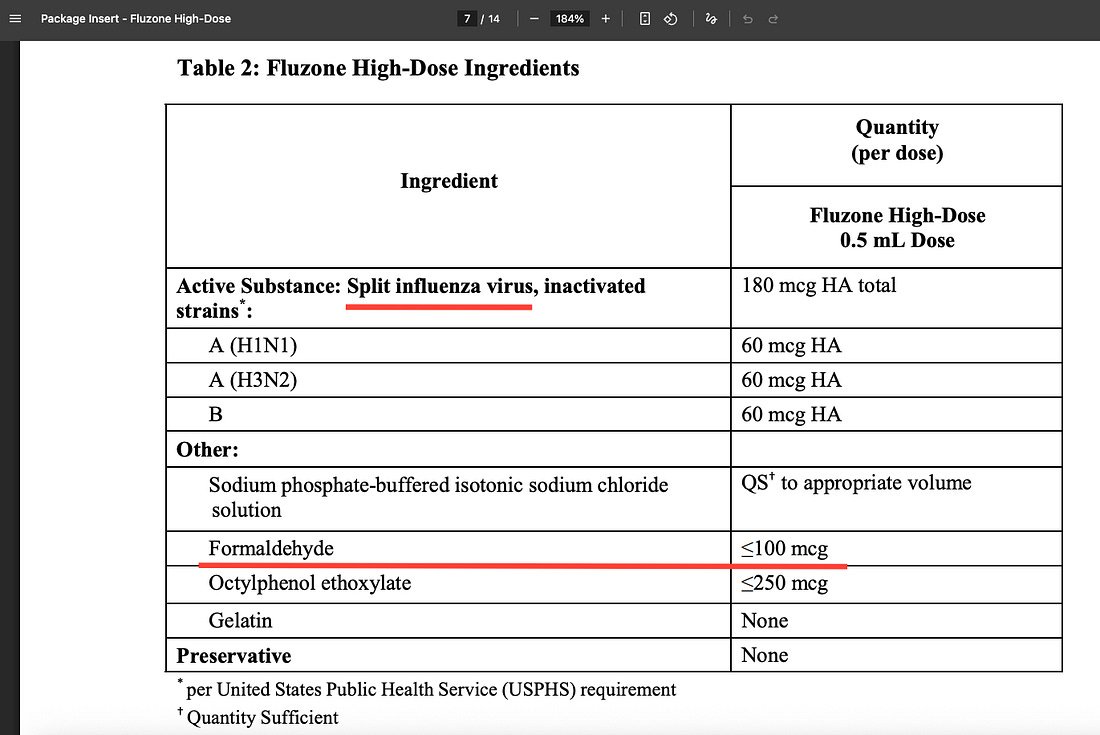
One of the most popular injectable flu vaccines in the U.S., the formaldehyde-containing ‘Fluzone High-Dose,’ is an inactivated split-virus vaccine.
The 2012 study directly tested two 2010 trivalent inactivated vaccines (egg-based, similar in type to Fluzone) and detected high quantities of influenza A and B viral RNA using real-time RT-PCR on the vaccine liquid itself.
This RNA was stable, remaining detectable for at least 66 days after opening the vials.
Sequencing confirmed it included genetic components matching vaccine strains.
The study abstract reads:
False-positive PCR results usually occur as a consequence of specimen-to-specimen or amplicon-to-specimen contamination within the laboratory. Evidence of contamination at time of specimen collection linked to influenza vaccine administration in the same location as influenza sampling is described. Clinical, circumstantial and laboratory evidence was gathered for each of five cases of influenza-like illness (ILI) with unusual patterns of PCR reactivity for seasonal H1N1, H3N2, H1N1 (2009) and influenza B viruses. Two 2010 trivalent influenza vaccines and environmental swabs of a hospital influenza vaccination room were also tested for influenza RNA. Sequencing of influenza A matrix (M) gene amplicons from the five cases and vaccines was undertaken. Four 2009 general practitioner (GP) specimens were seasonal H1N1, H3N2 and influenza B PCR positive. One 2010 GP specimen was H1N1 (2009), H3N2 and influenza B positive. PCR of 2010 trivalent vaccines showed high loads of detectable influenza A and B RNA. Sequencing of the five specimens and vaccines showed greatest homology with the M gene sequence of Influenza A/Puerto Rico/8/1934 H1N1 virus (used in generation of influenza vaccine strains). Environmental swabs had detectable influenza A and B RNA. RNA detection studies demonstrated vaccine RNA still detectable for at least 66 days. Administration of influenza vaccines and clinical sampling in the same room resulted in the contamination with vaccine strains of surveillance swabs collected from patients with ILI. Vaccine contamination should therefore be considered, particularly where multiple influenza virus RNA PCR positive signals (e.g. H1N1, H3N2 and influenza B) are detected in the same specimen.
These are the exact substances PCR tests are applied to.
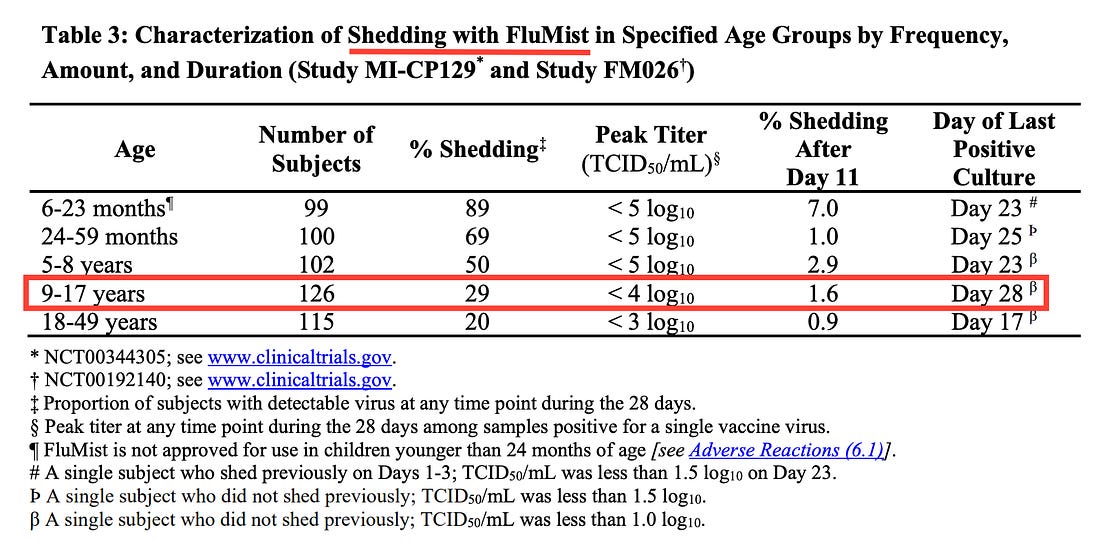
Another popular flu vaccine is FluMist, whose FDA package insert directly confirms uses a live virus that can be shed from bodily fluids for at least 28 days after vaccination, detectable with PCR tests.
All together, this data raises logical questions:
Are PCR tests detecting vaccine virus RNA, not wild virus RNA?
Is the nationwide rise in flu-positive PCR tests attributable, at least in part, to the detection of vaccine material?
Why haven’t the CDC or vaccine manufacturers directly tested this?
Press release admits current mRNA-based vaccine are not effective enough and contain too many impurities.
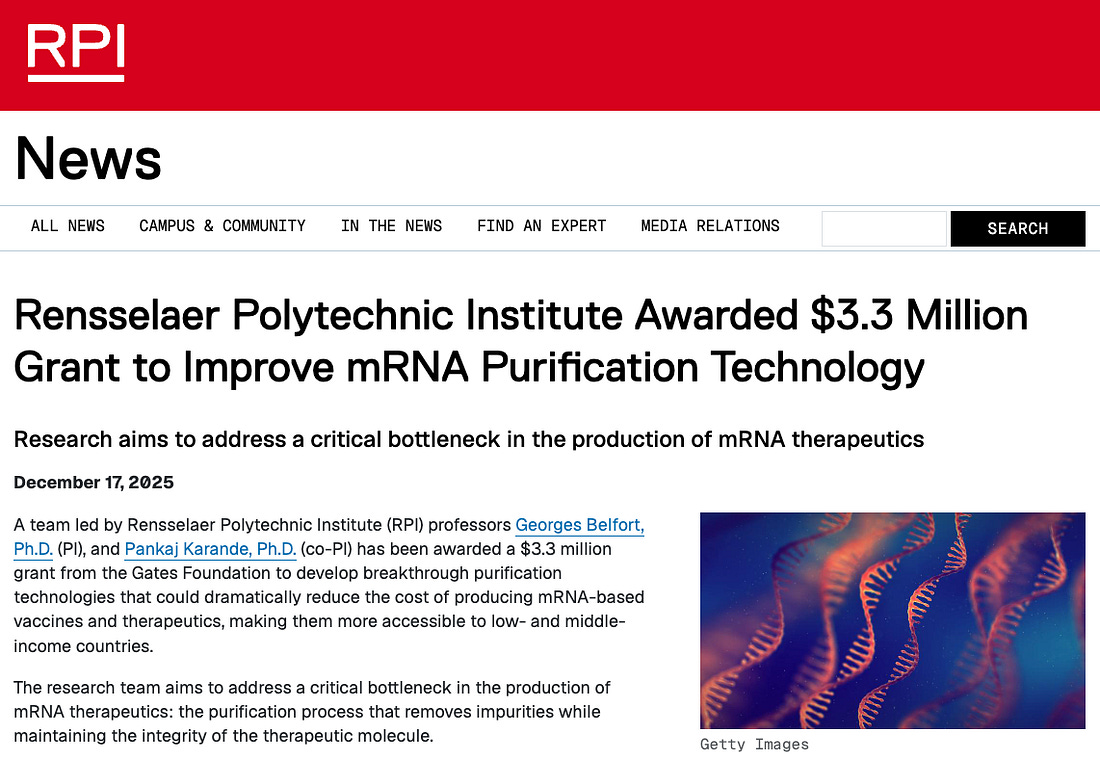
Despite mainstream attempts to downplay the alarming contamination problem plaguing COVID-19 vaccines, the Gates Foundation has awarded $3.3 million to a team of scientists at New York’s Rensselaer Polytechnic Institute (RPI) to develop “breakthrough purification technologies” for producing mRNA-based vaccines.
A September Autoimmunity study confirms that both Pfizer-BioNTech and Moderna’s mRNA COVID-19 injections contain many hundreds of times more contamination than the FDA and WHO limit.
The grant is an implicit admission that contamination is in fact a problem posed by mRNA vaccines, as well as a sign that the platform is here to stay.
Gates is funding the project because of the “impurities” and “inefficien[cy]” related to mRNA vaccines.
The research team aims to address a critical bottleneck in the production of mRNA therapeutics: the purification process that removes impurities while maintaining the integrity of the therapeutic molecule.
“This project represents a paradigm shift in how we think about mRNA purification,” Belfort said. “Current technologies are prohibitively expensive and inefficient, creating barriers to access for the populations that need them most. Our goal is to develop a purification platform that is not only more cost-effective but also more productive and scalable.”
The researchers aim to accomplish this by “replacing conventional resin-based purification systems with advanced membrane technologies and innovative binding molecules.”
The RPI announcement also admits that current mRNA-based vaccine impurities are linked to side effects and that the injectables are not effective enough, more revelations that cut against mainstream counterclaims.
Higher purity mRNA vaccines with lower immunogenic impurities could lead to improved clinical outcomes, including reduced side effects and enhanced therapeutic efficacy.
The announcement predicts the rise of self-replicating vaccine technology, which this website was the first to warn about in December 2023.
Additionally, the technology being developed could prove particularly valuable for self-amplifying RNA (saRNA) therapeutics, which require lower doses than traditional mRNA vaccines and represent the next generation of RNA-based medicines.
Gates has been developing self-copying mRNA vaccines for COVID (here, here) as well as for bird flu (here), which is the pathogen this website has been predicting will fuel the next orchestrated pandemic.
The billionaire’s latest investment is made in the name of strengthening Big Pharma infrastructure, as well as “equity” and “pandemic preparedness.”
If successful, this technology could enable local production of mRNA vaccines in regions that currently lack access to affordable biomanufacturing infrastructure, supporting global health equity and pandemic preparedness.
Despite the disease, hospitalizations, and deaths linked to mRNA jabs, the technology isn’t going anywhere.
U.S. Representative Chris Smith says we are now “one step closer to finally determining whether the U.S. government’s bioweapons program contributed to the proliferation of Lyme disease.”
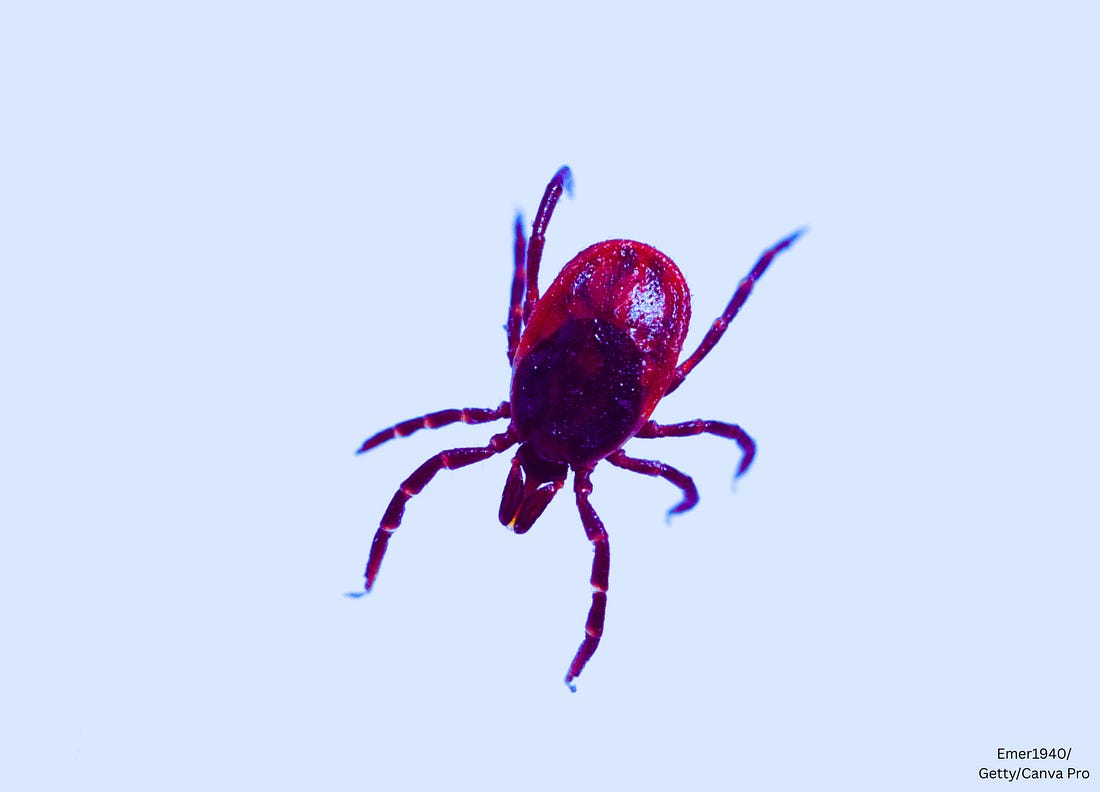
U.S. Representative Chris Smith (R-NJ) has successfully included his amendment to investigate whether the U.S. military weaponized ticks with Lyme disease into the 2026 National Defense Authorization Act (NDAA).
The ordeal underscores the national security threat posed by laboratory pathogen manipulation.
Rep. Smith, who is Co-Chair of the Congressional Lyme and Tick-Borne Disease Caucus, had offered similar amendments—one in 2019 and the other in 2021—which passed the House, but failed in the Senate.
The successful addition of the amendment follows FDA Chief Dr. Marty Makary’s statements during a November podcast, in which Makary expressed his belief that Lyme disease was created in U.S. military Lab 257 on Plum Island, New Jersey.
A critical amendment authored by Rep. Chris Smith (R-NJ) to investigate whether the U.S. military weaponized ticks with Lyme disease has been included in the National Defense Authorization Act for Fiscal Year 2026 (FY26 NDAA) (S. 1071), which has cleared the U.S. House of Representatives, headed to the Senate, and is expected to be signed by President Trump upon its final passage.
Smith’s amendment—now Sec. 1068 of the bill—directs the Government Accountability Office (GAO)—the Congressional “watchdog”—to investigate the Cold War-era Department of Defense (Department of War) bioweapons program and determine whether they ever used ticks as hosts or delivery mechanisms for biological warfare agents.
In the press release, Smith emphasized that “New Jersey has one of the highest Lyme rates in the United States—the disease is present in all 21 counties.”
“The pervasive presence of Lyme disease in New Jersey not only carries concerns for civilians, but also for the military personnel stationed in the state—especially and including those serving at Joint Base McGuire-Dix-Lakehurst, part of which is located within my congressional district,” the republican added.
The book includes interviews with Dr. Willy Burgdorfer, the federal researcher and U.S. bioweapons specialist credited with discovering Lyme disease.
Dr. Burgdorfer has revealed that “he and other bio-weapons specialists injected ticks with pathogens in order to cause severe disability, disease, and even death to potential enemies in unsuspecting ways.”
Smith’s amendment in the NDAA would compel the Comptroller General of the United States “to conduct an exhaustive review of research conducted by the military, the National Institutes of Health (NIH), the U.S. Department of Agriculture (USDA), and other federal agencies between the period of January 1, 1945 and December 31, 1972, regarding experiments involving Spirochaetales and Rickettsiales—two forms of tick-borne bacteria.”
Smith says we are now “one step closer to finally determining whether the U.S. government’s bioweapons program contributed to the proliferation of Lyme disease.”
“The hundreds of thousands of New Jerseyans suffering from Lyme disease—in addition to the millions across the United States—deserve to know the truth about the origins of their illness. An enhanced understanding of how Lyme came to be will only assist in finding a cure for this debilitating disease,” said Smith.
Rep. Smith’s amendment reads:
SEC. 1068. GAO REVIEW AND REPORT ON BIOLOGICAL WEAPONS EXPERIMENTS ON AND IN RELATION TO TICKS, TICK-BORNE DISEASE.
(a) REVIEW.— The Comptroller General of the United States shall, to the extent practicable, conduct a review of research conducted during the period beginning on January 1, 1945, and ending on December 31, 1972, by the Department of Defense, including by the Department of Defense in consultation with the National Institutes of Health, the Department of Agriculture, or any other Federal department or agency on—
(1) the use of ticks as hosts or delivery mechanisms for biological warfare agents, including experiments involving Spirochaetales or Rickettsiales; and
(2) any efforts to improve the effectiveness and viability of Spirochaetales or Rickettsiales as biological weapons through combination with other diseases or viruses.
(b) LOCATION OF RESEARCH.— In conducting the review under subsection (a), the Comptroller General shall review research conducted at facilities located inside the United States and, if feasible, facilities located outside the United States, including laboratories and field work locations.
(c) INFORMATION TO BE REVIEWED.—
(1) CLASSIFIED INFORMATION.— In conducting the review under subsection (a), the Comptroller General shall review any relevant classified information.
(2) MATTERS FOR REVIEW.— In conducting the review under subsection (a), the Comptroller General shall review, among other sources, the following:
(A) Technical Reports related to The Summary of Major Events and Problems, US Army Chemical Corps, FY 1951–FY 1969.
(B) Site Holding: CB DT DW 48158 Title: Virus and Rickettsia Waste Disposal Study. Technical Report No. 103, January 1969. Corp Author Name: Fort Detrick, Frederick, MD. Report Number: SMUFD-TR-103. Publish Date: 1969-01-01.
(C) Site Holding: CB DT DW 60538 Title: A Plaque Assay System for Several Species of Rickettsia. Corp Author Name: Fort Detrick, Frederick, MD. Report Number: SMUFD-TM-538. Publish Date: 1969-06-01.
(D) Site Holding: CB DW 531493 Title: Progress Report for Ecology and Epidemiology and Biological Field Test Technology, Third Quarter FY 1967. Corp Author Name: Army Dugway Proving Ground, UT. Publish Date: 1967-05-08.
(E) Any relevant scientific research on the history of Lyme disease in the United States.
(d) REPORT.—
(1) IN GENERAL.— Not later than two years after the date of the enactment of this Act, the Comptroller General shall submit to the Committees on Armed Services of the House of Representatives or the Senate a report that includes the following:
(A) A list of the research projects reviewed under subsection (a) and an assessment of the scope of such research.
(B) A finding by the Comptroller General as to whether such review could lead to a determination that any ticks used in such research were released outside of any facility (including any ticks that were released unintentionally).
(C) A finding by the Comptroller General as to whether such review could lead to a determination that any records related to such research were destroyed, and whether such destruction was intentional or unintentional.
(2) FORM OF REPORT.— The report required under paragraph (1) shall be submitted in unclassified form, but may contain a classified annex.
If the GAO does its job and follows the paper trail where it leads, this amendment may finally force the U.S. government to answer a question it has avoided for decades: whether a taxpayer-funded Cold War bioweapons program left millions of Americans paying the price with their health.
Before injecting it into hundreds of millions of Americans via COVID-19 vaccines.
No U.S. agency has ever verified that the COVID-19 pathogen’s (SARS-CoV-2) genetic code that a Chinese government biolab supplied at the beginning of the COVID-19 pandemic—said to have been sequenced from a pneumonia patient’s lung wash—actually originated from that clinical sample before it was encoded into hundreds of millions of mRNA vaccine doses.
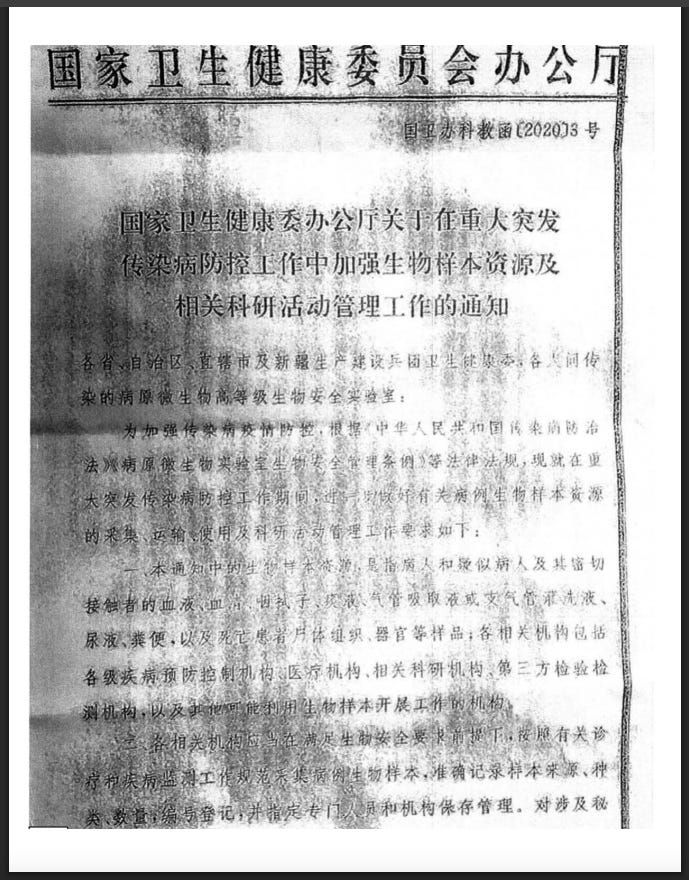
China never provided the physical patient sample to any U.S. institution.
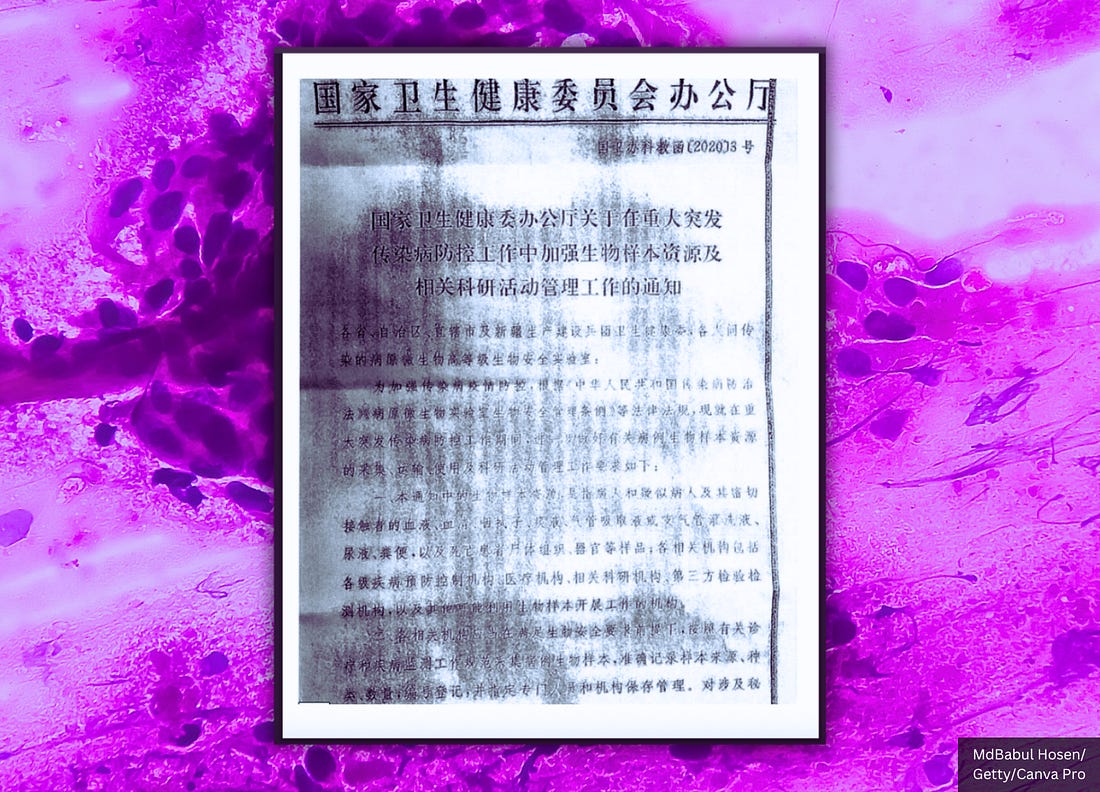
In fact, Beijing issued an official directive forbidding the sharing of any samples and ordering the destruction of those samples.
And the U.S. never demanded or required an analysis of those samples before allowing its citizens to be injected with China’s pathogenic spike protein-producing code.
This critical step in verification was—and still has been—skipped, despite earlier warnings that China’s military had been exploring bioweapons development that integrates biotechnology and genetic engineering into a “new domain of warfare.”
It was also skipped despite EcoHealth Alliance’s 2018 ‘DEFUSE’ proposal to DARPA to collaborate with China to create chimeric coronavirus spike proteins with furin cleavage sites, receptor-binding domain upgrades, and two proline insertions—the defining characteristics of the COVID-19 pathogen and mRNA vaccines.
Congress, the White House, the Department of Energy, the FBI, the CIA, and Germany’s Federal Intelligence Service (BND) have confirmed that the COVID-19 pandemic was likely the result of lab-engineered pathogen manipulation—meaning billions were injected with a genetic drug that codes for a Chinese government-constructed, lab-altered spike protein.
How China Made the SARS-CoV-2 Genetic Sequence
The SARS-CoV-2 genetic code was created in a biosafety level 3 (BSL-3) laboratory at the Chinese government-run Shanghai Public Health Clinical Center, using long-debunked (here) reverse-transcription PCR (RT–PCR) technology.
Dr. Kary Mullis, the inventor of the PCR test, said in a 1997 interview (here) that his test should not be used to determine whether a patient is infected with a virus.
This is because the test “can find almost anything in anybody” if its parameters are set high enough, tainting the results.
“Anyone can test positive for practically anything with a PCR test. If you run it long enough… you can find almost anything in anybody,” he said. “It doesn’t tell you that you’re sick.”
A February 2020 Nature publication explains how China created the SARS-CoV-2 sequence:
Here we study a single patient who was a worker at the market and who was admitted to the Central Hospital of Wuhan on 26 December 2019 while experiencing a severe respiratory syndrome that included fever, dizziness and a cough. Metagenomic RNA sequencing4 of a sample of bronchoalveolar lavage fluid from the patient identified a new RNA virus strain from the family Coronaviridae, which is designated here ‘WH-Human 1’ coronavirus (and has also been referred to as ‘2019-nCoV’). Phylogenetic analysis of the complete viral genome (29,903 nucleotides) revealed that the virus was most closely related (89.1% nucleotide similarity) to a group of SARS-like coronaviruses (genus Betacoronavirus, subgenus Sarbecovirus) that had previously been found in bats in China5. This outbreak highlights the ongoing ability of viral spill-over from animals to cause severe disease in humans.
To investigate the possible aetiological agents associated with this disease, we collected bronchoalveolar lavage fluid (BALF) and performed deep meta-transcriptomic sequencing. The clinical specimen was handled in a biosafety level 3 laboratory at Shanghai Public Health Clinical Center. Total RNA was extracted from 200 μl of BALF and a meta-transcriptomic library was constructed for pair-end (150-bp reads) sequencing using an Illumina MiniSeq as previously described4,6,7,8. In total, we generated 56,565,928 sequence reads that were de novo-assembled and screened for potential aetiological agents. Of the 384,096 contigs assembled by Megahit9, the longest (30,474 nucleotides (nt)) had a high abundance and was closely related to a bat SARS-like coronavirus (CoV) isolate—bat SL-CoVZC45 (GenBank accession number MG772933)—that had previously been sampled in China, with a nucleotide identity of 89.1% (Supplementary Tables 1, 2). The genome sequence of this virus, as well as its termini, were determined and confirmed by reverse-transcription PCR (RT–PCR)10 and 5′/3′ rapid amplification of cDNA ends (RACE), respectively. This virus strain was designated as WH-Human 1 coronavirus (WHCV) (and has also been referred to as ‘2019-nCoV’) and its whole genome sequence (29,903 nt) has been assigned GenBank accession number MN908947. Remapping the RNA-sequencing data to the complete genome of WHCV resulted in an assembly of 123,613 reads, providing 99.99% genome coverage at a mean depth of 6.04× (range, 0.01–78.84×) (Extended Data Fig. 3). The viral load in the BALF sample was estimated by qPCR to be 3.95 × 10⁸ copies per ml (Extended Data Fig. 4).
China handed the world a genetic code in computer form (in silico).
And governments all over the world accepted that code without scrutiny.
They allowed billions of people to be injected with a vaccine that creates the Chinese government’s foreign protein in the body for more than 700 days.
China Had the SARS-CoV-2 Sequence ‘More Than Two Weeks’ Before Releasing It
A January 2024 U.S. House Energy & Commerce press release confirms China possessed the SARS-CoV-2 sequence “days before the CCP acknowledged an outbreak, and more than two weeks before the China CDC release[d] their sequence.”
The congressional body said that fact “calls into question how early the CCP knew about the virus and how long they withheld this information from the world.”
This significant discovery further underscores why we cannot trust any of the so-called ‘facts’ or data provided by the CCP and calls into serious question the legitimacy of any scientific theories based on such information. The American people deserve to know the truth about the origins of SARS-CoV-2, and our investigation has uncovered numerous causes for concern, including how taxpayers’ dollars are spent, how our government’s public health agencies operate, and the need for more oversight into research grants to foreign scientists,” said Chairs Rodgers, Guthrie, and Griffith.
My report from last month revealed that before the pandemic, DARPA had developed a program to synthesize viruses purely from digital sequences within in 60 days.
Bottom Line
In the end, the world was locked down and injected on the honor system of a hostile foreign government, and not one U.S. agency has yet produced the single piece of evidence that should have come first: independent proof that China’s digital code ever came from a real human sample.
Will the same national security concern-raising strategy be used in the apparently incoming bird flu pandemic?
The framework openly describes “integration,” “merger of assets,” “united governance,” and decision-making during crisis—and sector failure as the basis for pandemic control.
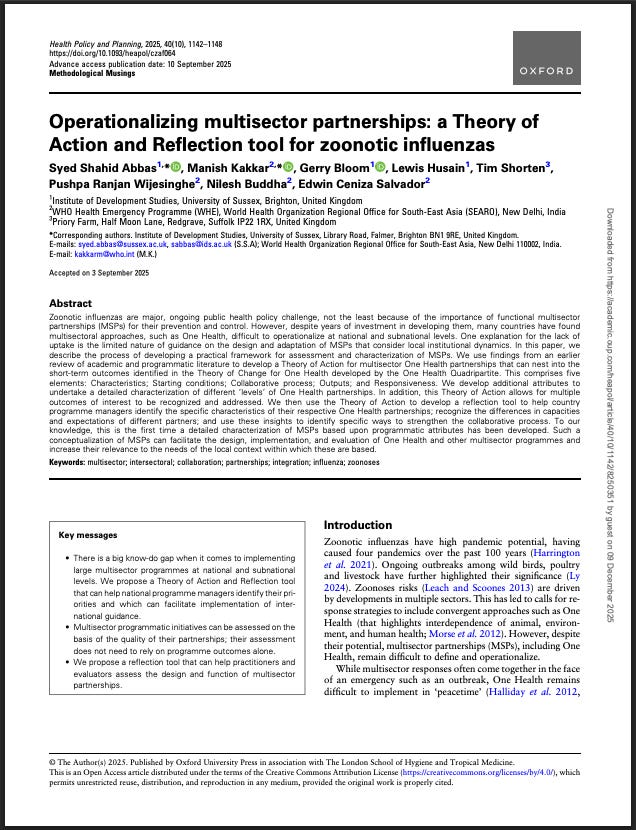
A recent WHO-funded study published in Health Policy and Planning outlines in direct operational terms the governance model the organization expects countries to activate during an influenza pandemic.
For years, this website has been documenting avian influenza gain-of-function experiments and countermeasures development carried out by governments all over the world in an apparent instigation/orchestration of a coming bird flu pandemic.
The WHO-backed document is framed around influenza specifically, describing it as the catalyst for restructuring national systems into a unified, multisector authority.
The paper establishes influenza as the justification:
“Zoonotic influenzas have high pandemic potential, having caused four pandemics over the past 100 years.”
“We focus on zoonotic influenza because of the urgency to respond to the ongoing influenza panzootic and reduce its pandemic potential.”
From that premise, the authors build out a governance architecture designed to take effect during conditions of influenza-driven crisis, uncertainty, or sector failure.
Pandemic Conditions Are the Trigger for Reorganizing National Governance
The study defines the activation conditions for these multisector structures:
“MSPs rarely arise due to common goals. Instead, different actors come together under conditions of uncertainty, crisis, or sector failure—when no single sector has the knowledge or resources to address the challenge.”
According to the framework, a severe zoonotic influenza outbreak meets all of these criteria.
Under those circumstances, governments are expected to transition from sector-specific decision-making to coordinated, collaborative, and ultimately consolidated control.
The End-State Described in the Document Is Full Integration of Governance Functions
The study provides explicit definitions of the governance levels intended for pandemic response.
Under the “Consolidation” and “Integration” stages, the paper states:
“Integration—merger of assets.”
“United governance—All governance functions assumed by a single entity.”
In the context of an influenza pandemic, this means:
ministries of health, agriculture, environment, and related agencies no longer act independently,
their assets and budgets become pooled (“singularly resourced”),
operational outputs become unified (“singular production”), and
governance shifts to a single centralized command structure.
These are the document’s literal terms.
Influenza Response Under This System Extends Beyond Health Agencies
Because the authors tie their influenza governance model directly to the One Health Theory of Change, the sectors incorporated into pandemic decision-making expand far outside traditional public health.
The One Health scope is explicitly stated:
“Collective need for clean water, energy and air, safe and nutritious food, taking action on climate change, and contributing to sustainable development.”
During an influenza pandemic, this framework places climate policy, food systems, water resources, agriculture, environmental management, and human health under a unified command structure, justified by zoonotic transmission risk.
The System Is Designed to Operate in a ‘Black-Box’ Manner
The study acknowledges that governance under this model lacks transparency:
“There is a black-box approach to the governance of MSPs around zoonotic influenza.”
The document offers no mechanisms for public oversight during such a consolidation.
Pandemic-Era Structures Are Intended to Persist After the Outbreak
The authors state that the same governance framework used during a pandemic should remain active between outbreaks:
“We expect the ToA to be used in preparedness and inter-outbreak periods when program managers have the opportunity for reflection.”
The governance model triggered by a pandemic is not temporary. It becomes the template for both emergency response and routine administration.
One Health Implementation Is Challenging in Normal Conditions—Influenza Creates the Opportunity
The authors note that One Health structures do not embed easily in “peacetime”:
“One Health remains difficult to implement in ‘peacetime.’”
In this context, a pandemic acts as the operational doorway through which One Health governance can be implemented.
Competing Sector Interests Are Expected, & the Framework Is Designed to Resolve Them Through Centralization
The authors acknowledge that different ministries and sectors have diverging priorities, especially during influenza outbreaks:
“Their ‘preferred outcomes’ likely promote their individual interests over shared goals.”
“The commercial, economic, and political dynamics of zoonotic influenza-related MSPs… have not always been addressed in operational guidance.”
The solution offered in the paper is to consolidate these interests under a unified authority rather than allow them to operate independently.
Conclusion
The study’s language is straightforward.
An influenza pandemic creates the conditions—crisis, uncertainty, and sector failure—under which national ministries are expected to merge their operations, assets, decision-making processes, and governance structures into a single integrated authority.
The resulting system extends far beyond healthcare, embedding climate, agriculture, food systems, and environmental management directly into pandemic command operations.
Supranational bird flu pandemic orchestration is well underway.
What follows is a documented sequence showing how the World Health Organization (WHO) seized operational control of the COVID-19 response from day one—and how it is now positioning itself to run the avian influenza pandemic the same way.
Will America follow the WHO into pandemic peril again?
The Timeline
On December 31, 2019, the Chinese government reported a cluster of pneumonia cases in Wuhan, Hubei Province.
On the same day, the WHO commandeered the international vaccine response, issuing its first “emergency use validation for a COVID-19 vaccine” emphasizing the “need for equitable global access” and declaring governments all over the world must “expedite their own regulatory approval processes to import and administer the vaccine”:
“The World Health Organization (WHO) today listed the Comirnaty COVID-19 mRNA vaccine for emergency use, making the Pfizer/BioNTech vaccine the first to receive emergency validation from WHO since the outbreak began a year ago,” reads the organization’s Dec 31 press release.
“The WHO’s Emergency Use Listing (EUL) opens the door for countries to expedite their own regulatory approval processes to import and administer the vaccine. It also enables UNICEF and the Pan-American Health Organization to procure the vaccine for distribution to countries in need.”
“‘This is a very positive step towards ensuring global access to COVID-19 vaccines. But I want to emphasize the need for an even greater global effort to achieve enough vaccine supply to meet the needs of priority populations everywhere,’ said Dr Mariângela Simão, WHO Assistant-Director General for Access to Medicines and Health Products. ‘WHO and our partners are working night and day to evaluate other vaccines that have reached safety and efficacy standards. We encourage even more developers to come forward for review and assessment. It’s vitally important that we secure the critical supply needed to serve all countries around the world and stem the pandemic.’”
“Regulatory experts convened by (the) WHO from around the world and (the) WHO’s own teams reviewed the data on the Pfizer/BioNTech vaccine.”
(The) “WHO is working to support countries in assessing their [COVID vaccine] delivery plans and preparing for use where possible.”
“The emergency use listing (EUL) procedure assesses the suitability of novel health products during public health emergencies. The objective is to make medicines, vaccines and diagnostics available as rapidly as possible to address the emergency while adhering to stringent criteria of safety, efficacy and quality.”
“Once a vaccine has been listed for WHO emergency use, WHO engages its regional regulatory networks and partners to inform national health authorities on the vaccine and its anticipated benefits based on data from clinical studies to date.”
“As part of the EUL process, the company producing the vaccine must commit to continue to generate data to enable full licensure and WHO prequalification of the vaccine. The WHO prequalification process will assess additional clinical data generated from vaccine trials and deployment on a rolling basis to ensure the vaccine meets the necessary standards of quality, safety and efficacy for broader availability.”
The very next day, January 1, 2020, the WHO set up its IMST (Incident Management Support Team), putting the organization “on an emergency footing for dealing with the outbreak,” according to the WHO’s own published timeline.
On January 5, the WHO published its first “Disease Outbreak News” on the new purported virus, which represented a “flagship technical publication to the scientific and public health community as well as global media” and gave “a risk assessment and advice” to governments, public health officials, and the mainstream international scientific community.
A Pathogen In Silico
On January 7, the Chinese government claimed to have identified a brand new coronavirus as the causative agent of the outbreak.
On January 10, China’s Center for Disease Control and Prevention (China CDC) publicly released what they said was the genetic sequence for the SARS-CoV-2 pathogen, named Wuhan-Hu-1.
The sequence was in silico only, meaning it was in a purely digital format shared on computers, as confirmed by Nature journal.
China said they produced the code from a sick man’s lung fluid using long-debunked (here) PCR technology.
Dr. Kary Mullis, the inventor of the PCR test, said in a 1997 interview (here) that his test should not be used to determine whether a patient is infected with a virus.
This is because the test “can find almost anything in anybody” if its parameters are set high enough, tainting the results.
“Anyone can test positive for practically anything with a PCR test. If you run it long enough… you can find almost anything in anybody,” he said. “It doesn’t tell you that you’re sick.”
Without any deep, long-term analysis of China’s sequence, this in silico code was accepted by governments and the international scientific community, becoming the blueprint for every coronavirus vaccine.
Billions were injected with the code, whether in the form of Pfizer and Moderna’s mRNA platform, or Johnson & Johnson’s and AstraZeneca’s immortalized-aborted-fetal-cell-based (HEK 293, PER.C6) viral vector vaccines.
Governments all over the world and Big Pharma manufacturers trusted China without question, despite warnings that China’s military had been exploring bioweapons development that integrates biotechnology and genetic engineering into a “new domain of warfare.”
No vaccinated person was given informed consent—never told these vaccines were based on a code produced by the Chinese government.
No COVID vaccine manufacturer has ever published the full genetic sequence of their COVID-19 vaccines on their own corporate websites or in standalone manufacturer-authored scientific papers.
No government or COVID vaccine manufacturer has ever published a genetic alignment between the spike protein their injections force the body to produce and the purported “wild” SARS-CoV-2 spike protein, in order to confirm the foreign protein our cells make post-vaccination is the “correct” one.
The University of Cambridge’s Medical Research Council (MRC) Toxicology Unit revealed that COVID vaccines cause the body to produce “rogue” proteins due to a “glitch” in the cellular process called ‘frameshifting,’ which stimulates an “unintended immune response in the body.”
No government or COVID vaccine manufacturer has ever published the full sequences of the plasmids used to make their injections.
Documents show that every defining structural anomaly of SARS-CoV-2—the furin cleavage site, the rebuilt human-binding motif, and the ACE-2-critical Q498 residue—matches specific pre-pandemic engineering plans and mutagenesis experiments documented in DEFUSE and earlier coronavirus manipulation studies (here, here, here, here, here).
Congress, the White House, the Department of Energy, the FBI, the CIA, and Germany’s Federal Intelligence Service (BND) have confirmed that the COVID-19 pandemic was likely the result of lab-engineered pathogen manipulation—implying billions were injected with a genetic drug that codes for a lab-altered spike protein structurally tied to the very experiments now implicated in the pandemic’s origin.
Pfizer’s own study data confirms over 1,200 diseases linked to COVID mRNA jabs, and the CDC’s Vaccine Adverse Event Reporting System (VAERS) documents 38,773 COVID-vaccine-linked deaths and 1,666,646 adverse events—though these represent fewer than 1% of actual vaccine injuries, according to a federally funded Harvard Pilgrim study.
On the same day (Jan 10), the WHO began using the phrase “2019 Novel Coronavirus” or “2019-nCoV” to refer to the disease.
WHO Rubber-Stamps China’s COVID Sequence—Big Pharma & Int’l Scientific Community Obey
On January 11, the WHO announced that it had received the Chinese government’s SARS-CoV-2 genetic sequences.
On January 12, the WHO officially endorsed China’s in silico coronavirus sequence:
“On 11 and 12 January 2020, WHO received further detailed information from the National Health Commission about the outbreak,” a press release reads.
“WHO is reassured of the quality of the ongoing investigations and the response measures implemented in Wuhan, and the commitment to share information regularly.”
Vaccine developers, including those at Moderna and Pfizer-BioNTech, initiated vaccine design within hours of the sequence becoming available, and diagnostic assays were developed within days.
The transnational scientific community accepted the sequence, leading to immediate action in diagnostics, vaccine development, and surveillance, with minimal skepticism or delay.
On January 22, the WHO convened an emergency committee to assess the outbreak.
By January 30, it declared the outbreak a Public Health Emergency of International Concern (PHEIC), advising all countries to prepare for containment, which included doomed social distancing and isolation measures, as well as the “rapid development and access” to vaccines.
WHO Declares a ‘Pandemic’
On March 11, the WHO became the first international body to officially declare the COVID-19 outbreak a global “pandemic” and, despite being a foreign and unelected body, began dictating what countries should do:
“We have called every day for countries to take urgent and aggressive action.”
Countries should “detect, test, treat, isolate, trace and mobilise their people in the response.”
“We’re calling on you to activate and scale up your emergency response mechanisms.”
“Communicate with your people about the risks and how they can protect themselves.”
“Find, isolate, test and treat every case and trace every contact.”
“Ready your hospitals, protect and train your health workers.”
“Countries must take a whole-of-government, all-of-society approach.”
“We cannot say this loudly enough or clearly enough or often enough; all countries can still change the course of this pandemic.”
“We are not suggesting to shift from containment to mitigation; we are not, we underline that.”
“All countries need to review their strategies right now.”
“Surveillance systems have to improve.”
“There’s no excuse to say that we cannot do this.”
“Countries must… take urgent and aggressive action.”
The Power & Peril of WHO-Dictated ‘Scientific Consensus’
In short, the WHO declared what would be the “scientific consensus” regarding COVID-19, and the international mainstream scientific community followed suit.
Because this mainstream supranational scientific establishment acted in lockstep with the WHO, there was no need for consent from the world’s citizenry or official government policy.
That’s the power of the WHO and internationally curated “scientific consensus,” no matter how fabricated and fraudulent that consensus might be.
The COVID pandemic proved that the WHO and scientific community—an infinitesimally small group of elite multinational agents—can make the world bend to their will.
After its two-year investigation into the COVID-19 pandemic, the Congressional Select Subcommittee on the Coronavirus Pandemic confirmed that the WHO’s draconian authoritarianism throughout the pandemic “was an abject failure,” writing:
“The WHO’s response to the COVID-19 pandemic was an abject failure because it caved to pressure from the Chinese Communist Party and placed China’s political interests ahead of its international duties. Further, the WHO’s newest effort to solve the problems exacerbated by the COVID-19 pandemic—via a “Pandemic Treaty”—may harm the United States.”
But there is no need for a treaty, no matter how national-sovereignty-degrading, when the world’s public health leaders and self-appointed scientific elite unquestioningly carry out the WHO’s bidding.
Bottom Line
The WHO is right now orchestrating a coming avian influenza “bird flu” pandemic.
Simultaneously, governments all over the world are performing reverse-genetics gain-of-function (GOF) experiments on- and developing countermeasures (vaccines, etc.) for bird flu (see links below).
Just as they were before the COVID pandemic.
The Trump administration has been “actively participating” in WHO bird flu seminars despite the president’s January 2025 executive order to withdraw from the organization.
The admin’s $500 million ‘Generation Gold Standard’ platform is focused on bird flu vaccine development.
If the WHO repeats its COVID plan with avian influenza, we will see the same rapid lockstep activation of a prebuilt command system—instant acceptance of an unverified digital genome, accelerated vaccine deployment, suppressed dissent, and a global population maneuvered once again into mandatory genetic countermeasures before independent validation is possible.
U.S. officials and American citizens must decide now whether they will permit this system to run again, or whether they will finally impose the oversight and resistance that were absent the first time.
Here is Part 2 of the must-read examination of clean data revealing very dirty deeds.
Yes, sometimes young people have strokes. Sometimes they get cancer. Mostly they don’t. And when well-established population incidence of something such as ALS or stroke or infertility or cancer or lupus, etc., suddenly shoots up, there is always a cause. It is the work of epidemiology, forensics, pathology and similar to look at the pattern and find the cause so it can be remedied.
If, that is, there is any real desire to fix the problem. When the problem is that there is a concerted effort to cause, not fix, the problem because the problem is seen, by someone at the controls, as the solution to some other problem, well, Houston, we most certainly do have a problem.
Here is Aussie 17’s remarkable Part 2 which was promised:
Before proceeding with this article, it is strongly recommended reading Part 1 first.
Bioweapons, like the ones disguised as mRNA jabs, for example, are designed to maim and kill. Otherwise, they are not effective. They are designed to cloak their presence and impact in mystery. Otherwise, they are not safe for those who made and deployed them. So, yes, the jabs are safe and effective, in those terms, but most certainly not safe and effective as health measures.
Depopulation of a hardy and resilient species with a lot of members living under widely divergent situations takes a LOT of effort and generates a LOT of money.
A LOT of money.
Sicker populations are easier to control and easier to finish off. Sicker populations do not mount effective resistances, or not for long. Sicker populations are more obedient to orders directing and deflecting them. And sicker populations generate massive wealth before being disposed of. Pandemic? Chronic illness? What’s not to love, at least if you are a psychopathic predator, serving at the whim of the central parasite, the UN/globalist parasite, that is
Get out of the United Nations, yes, but that action means nothing unless the parasitic, and deadly, regulations, programs, policies, protocols, guidelines, etc., infesting every part of our public and civic lives are extracted, examined and either replaced with ones that support and follow Constitutional law or just discarded if they are, in fact, unnecessary.
You know, like a government of the people, by the people and for the people instead of one that is of the controllagarchs, by the billionaires and for the destructocrats.
Frankly, we are at the Detox or Die stage, as unpleasant a thought as that might be. We are being killed and, if we leave the parasite in place, that can only accelerate. There really is no option.
Unelected foreign body believes coronavirus still has the “capacity to trigger epidemics and pandemics.”
The World Health Organization (WHO) has released a “new strategic plan for the management of coronavirus disease threats,” according to a Wednesday press release.
The announcement comes after the WHO, with Gates Foundation funding, published its blueprint for a supranational digital ID system that tracks every person on Earth from birth, merges vaccine status with income, ethnicity, and religion, and deploys AI-driven surveillance to identify, target, and monitor entire populations.
Per today’s press release, the WHO wants to control how sovereign nations respond to “COVID-19, Middle East respiratory syndrome (MERS), and potential new coronavirus diseases.”
The plan “encompasses both routine management as well as emergency scenarios” involving the “emergence of a new coronavirus with pandemic potential.”
The unelected international foreign body emphasizes that the move represents “the first such unified plan.”
The goal is “sustained, long-term, and integrated management.”
WHO says it’s doing this in the name of “advancing integration, sustainability, and equity,” common globalist-tied tropes.
The plan is part of the organization’s “2025–2030” agenda for national health authorities to participate in an “action-oriented approach to managing coronavirus disease threats in the broader context of infectious disease management.”
WHO’s justification is the coronavirus’s alleged “capacity to trigger epidemics and pandemics.”
WHO insists that “uncertainties persist around virus evolution and long-term impacts of COVID-19.”
One WHO director explained that the plan also lumps in efforts regarding influenza, the pathogen that this website has been warning readers is currently being dangerously manipulated in government-funded laboratories all over the world.
The director urged government leaders to prepare for “future” pathogenic threats by falling in line with the WHO:
“Coronaviruses remain one of the most consequential infectious disease threats today,” said Dr Maria Van Kerkhove, WHO Acting Director for Epidemic and Pandemic Management. “Integrating their management into broader respiratory disease and infectious threat prevention and control programmes, including for influenza, is essential. While each country will have its own approach tailored to its national context, WHO urges Member States to use the strategic directions set out in the plan to build resilient health systems that can effectively manage current threats while preparing for future ones.”
The WHO is expanding its CoViNet “sentinel surveillance” network, now comprised of 45 laboratories.
Eleven labs were added this year alone, signifying the magnitude of the operation.
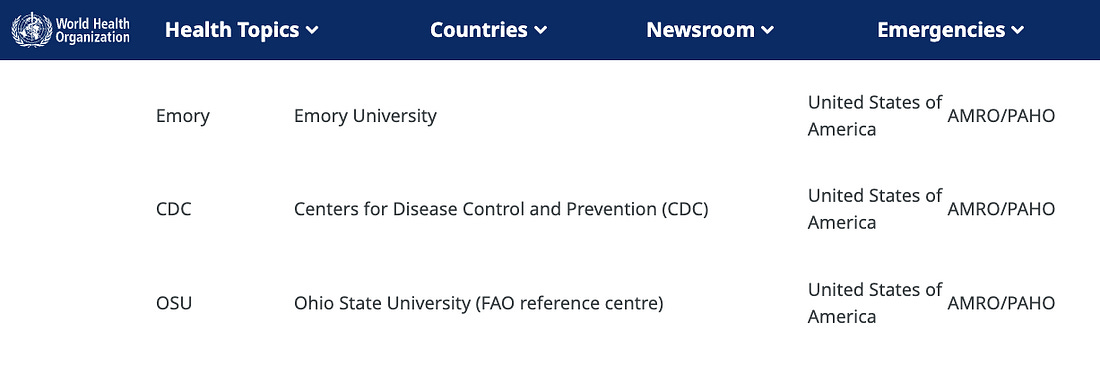
“To strengthen global coronavirus monitoring, WHO has also expanded its Coronavirus Network (CoViNet), a network of disease surveillance programmes and reference laboratories for SARS-CoV-2, MERS-CoV, and emerging coronaviruses of public health significance. CoViNet now includes 45 national reference laboratories across the human, animal, and environmental health sectors, with 11 laboratories added in 2025. CoViNet complements WHO’s Global Influenza Surveillance and Response System (GISRS), which conducts global sentinel surveillance, including for SARS-CoV-2.”
Despite President Donald Trump’s January executive order withdrawing the U.S. from the WHO, CoViNet includes labs belonging to Emory University, Ohio State University, and the Centers for Disease Control and Prevention (CDC).
In short, the WHO’s new “strategic plan” represents an international effort to centralize pandemic authority under an unelected foreign body, erode national sovereignty, override accountability, and collapse public-health decision-making into a global command structure.
And it comes even after President Trump formally withdrew the United States from the WHO, underscoring how deeply these surveillance and biosecurity networks remain embedded—and how ripe they are for further abuse.
Universe 25 was not a fable about rodents; it was a behavioral model of what happens when structure, hierarchy, and purpose are replaced by unlimited external provisioning. Dr. John Calhoun observed that when mice lived in a habitat where every material need was met automatically, their social roles collapsed. Male withdrawal, weakened parental investment, falling fertility, and eventually a complete demographic crash followed. It is tempting to think humans would behave differently, but the striking parallels to what happened under LBJ’s Great Society suggest otherwise. This claim seems bold at first glance. Yet careful reflection shows it to be tragically plausible.
John B. Calhoun was an American ethologist and behavioral researcher who is most famous for his “Universe 25” experiment. Conducted between 1968-1973.
To understand the parallel, we must first remind ourselves what Calhoun found. Universe 25 provided abundance without effort. Food appeared without foraging. Shelter required no construction. Predators were removed. At first, the population expanded rapidly. Then something surprising occurred. As resources remained stable, the social structure atrophied. Dominant males withdrew or fixated on repetitive, self-soothing behavior. Females stopped caring for offspring. Infanticide increased. Fertility collapsed. Eventually, the final generation, the so-called “Beautiful Ones,” ceased to reproduce, withdrew from contact, and spent their days grooming or eating in isolation. Abundance without purpose created behavioral degradation so deep that the population could not recover even when conditions remained materially perfect.
If this seems remote from human affairs, consider what Black Americans had achieved before Washington intervened. Despite the severe constraints imposed by segregation, Black families were intact and resilient. More than 85% of Black children were born to married parents in the early 1960s, an astonishing rate for any urban poor population. Poverty existed, but social cohesion was strong. Churches, fraternal organizations, and family networks created structure and responsibility. There was purpose, and there were roles. These institutions helped people navigate unjust external conditions and provided the scaffolding for upward mobility.
Then the Great Society arrived. Washington attempted to replace family, church, and community with federal programs. The intent was compassionate. Yet intent does not override human nature. Welfare incentives rewarded the absence of fathers. Public assistance replaced the reciprocal obligations that had sustained families. The cultural norm that linked marriage, sex, and child rearing was severed. The numbers show how quickly the damage spread. Prior to 1965 fewer than 2% of black women received any form of public assistance. By 1970 roughly 36% did. An eighteen-fold increase in five years reveals not gradual social evolution but a policy driven shock.
Fertility followed a similar arc. In 1965 the General Fertility Rate for black women ages 15 to 44 stood at 140.3 births per 1,000 women. By 1970 it had fallen to 123.5. Today it has collapsed to 45.8. A two thirds decline in sixty years is not an ordinary demographic adjustment. It is the signature of a community losing its social structure. Calhoun observed that once parental roles erode, fertility does not rebound simply because material conditions are comfortable. The behavioral patterns produced by disrupted roles persist across generations. In short, once the social fabric tears, later generations cannot easily repair it.
The expansion of SNAP reinforced the pattern. Food stamps did not reach every county until 1974. Yet by 1980 roughly 35% of black households used them. Today that figure is 52%. More than half of black households now rely on a federal provisioning system to meet basic nutritional needs. Calhoun found that abundant food provided without effort weakened social behaviors related to care, discipline, and responsibility. We see a disturbing parallel. Federal provisioning was meant to provide relief. Instead, it displaced the social norms that sustain families.
The collapse of marriage tells the same story. In 1965 over 85% of black children were born to married parents. By 1970 fewer than 63% were. By 1980 that figure had fallen below 50%. Today it sits below 30%. No developed society has ever seen such a fast decline in marriage without accompanying social dysfunction. When marriage collapses, so does the structure that teaches children discipline, reciprocity, and responsibility. Calhoun would not have been surprised by these outcomes. When a system replaces organic roles with external provisioning, social roles dissolve.
Some readers may resist this interpretation. Perhaps they believe social structures collapsed because of lingering discrimination or economic shocks. These factors matter, but they cannot explain the timing. The most dramatic changes occurred precisely when Great Society programs expanded. Nor can they explain why black families remained stable during far harsher periods before the 1960s. When we look at the causal chain, the policies come first, followed by the collapse in marriage, the surge in welfare use, the decline in fertility, and the rise of multi-generational dependency.
Consider Calhoun’s central insight. A system that removes incentives for productive behavior while failing to reinforce social norms does not create flourishing. It creates a behavioral sink. In Universe 25 the sink emerged not because conditions were harsh but because they were artificially easy. The mice did not need each other, so they stopped forming healthy bonds. They did not need to protect or nurture, so parental roles decayed. They did not need to cooperate, so hierarchy collapsed. What remained was isolation, withdrawal, and the slow erosion of purpose.
Translate this into human social terms. When the state displaces fathers, fathers withdraw. When bureaucracies replace parental responsibility with monthly checks, parental investment declines. When food appears without effort, the link between work and provision breaks. When norms collapse, marriage becomes optional, then rare. The social ecosystem enters a downward spiral. This is precisely what happened in many black communities after the 1960s. The Great Society redistributed material goods while undermining the structures that gave life meaning.
Why does this matter today? Because Democrats still treat the Great Society as an untouchable legacy. They defend it with quasi-religious devotion. Their attachment persists even as the data show catastrophic outcomes. If the goal was to alleviate poverty, they failed. If the goal was to strengthen families, they failed. If the goal was to promote flourishing, they failed. And yet they demand more of the same policies. Calhoun would call this expansion of provisioning a deepening of the behavioral sink.
A reasonable reader might now ask how we should respond. We begin by recovering the insight that material assistance without social norms destroys the very communities it claims to help. Next, we must restore the institutions that originally sustained black families. Churches, civic groups, and strong families cannot be replaced by bureaucracies. Finally, we must ask why a political movement insists on maintaining policies that corrode family life. How do we save America if our policies are designed to destroy the structures that make America possible?
The lesson of Universe 25 is sobering. When abundance is provided without structure, communities decline. The Great Society followed the same script. Calhoun’s experiment warned us. We ignored it. We still have time to reverse course, but doing so requires the courage to admit that our social experiment failed and that the path to renewal runs through responsibility, not dependency.



















 fox files
Recent Comments